Collections
Expert-curated collections organized by topic and theme.
Market (Overall)
275 documentsReports in the Market (Overall) category.
Newzoo · 2022
ReportThe Metaverse, Blockchain Gaming, and NFTs: Navigating the Internet’s Uncharted Waters
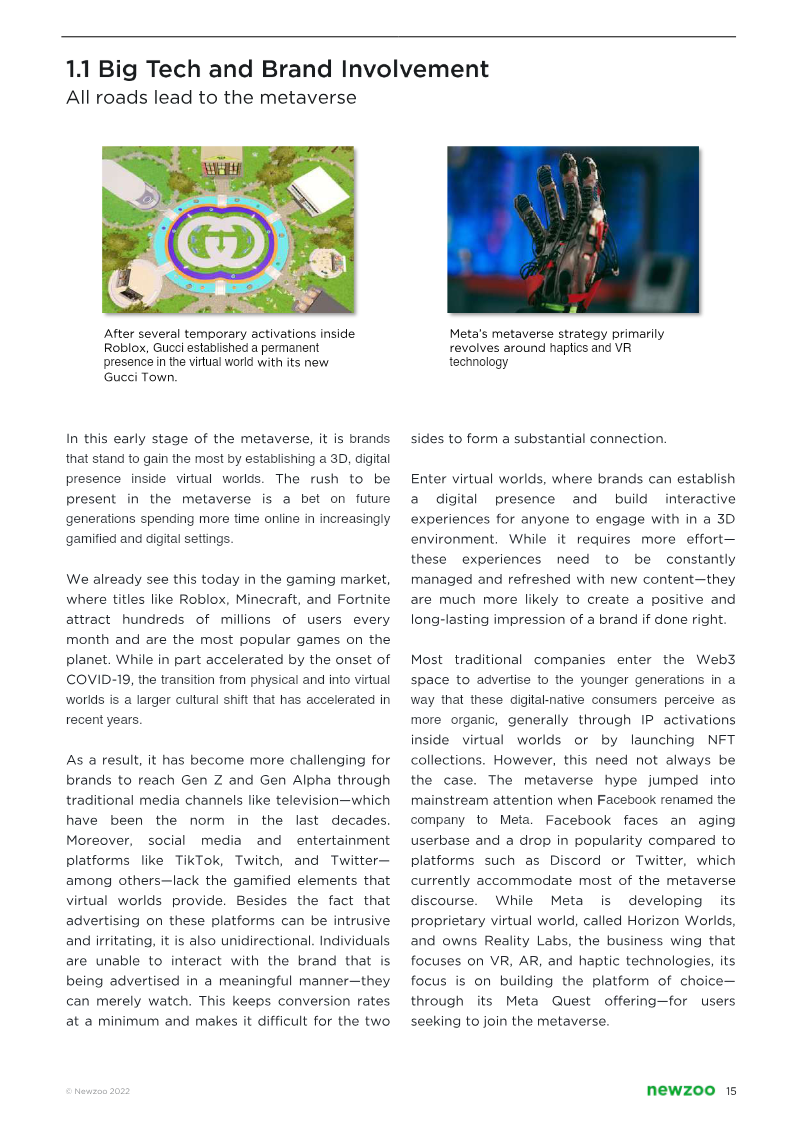
The metaverse represents a fundamental shift from a two-dimensional internet toward a persistent, three-dimensional social ecosystem driven by gamified virtual spaces. This evolution is currently led by "game as a platform" models, most notably Roblox, which leverages tens of millions of daily active users to host diverse commercial and social experiences. While major global brands in fashion, luxury, and finance are increasingly investing in "direct-to-avatar" economies and digital real estate to reach younger, digital-native demographics, the sector faces significant economic and technical hurdles. High developer take rates, consistent net losses among platform leaders, and networking limitations that prevent massive simultaneous user scaling remain primary obstacles to long-term growth. The integration of blockchain technology and non-fungible tokens (NFTs) has introduced new economic paradigms, such as the "Play-to-Earn" model. Although these games accounted for nearly half of all decentralized application wallet activity by late 2021, their growth is largely concentrated in emerging markets where users treat gaming as an income-generating activity. The sustainability of these ecosystems is currently challenged by high entry barriers and a prioritization of financial speculation over core gameplay quality. For the industry to mature, it must transition toward higher-quality experiences and more robust virtual economies that offer genuine utility beyond profile-picture status symbols. Mass adoption of these decentralized virtual worlds is currently constrained by technical and regulatory friction. Interoperability across different platforms remains a theoretical goal rather than a functional reality, while high transaction fees on networks like Ethereum and environmental concerns create additional barriers. Furthermore, the industry must navigate complex legal landscapes regarding digital privacy, content moderation, and the protection of intellectual property. Despite a cooling of initial market hype following a crypto correction in 2022, the long-term trajectory points toward a transmedia future where digital assets and virtual identities are central to global commerce and social interaction.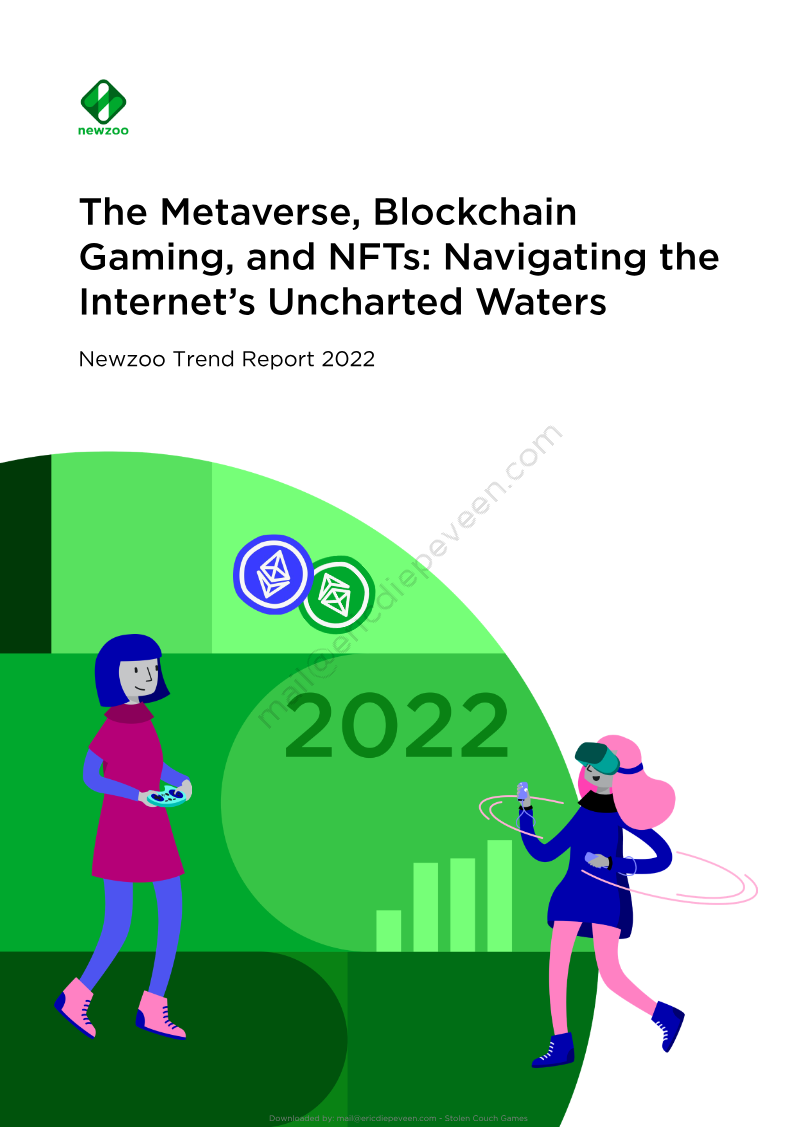
PayPal · 2020
ReportEurope and Esports: High Engagement and Even Higher Potential
The study demonstrates that European esports audiences are expanding rapidly, with a projected 92 million viewers by the end of 2020 and a year‑over‑year growth of 7.4 %. Enthusiasts—those watching professional content more than once a month—total 33 million, while occasional viewers comprise the remaining 59 million. Revenue forecasts show a global market of nearly €974 million in 2020, rising to €1.6 billion by 2023, with Europe mirroring this trajectory. Survey data from 10,175 respondents aged 18‑45 across ten Western and Northern European countries reveal that esports engagement is not confined to the youngest cohort; only 33 % of 18‑20 year olds are regular enthusiasts, whereas the 21‑25 age group leads in engagement. Geographic variation is pronounced: Finland shows a 52 % enthusiast rate among 18‑20 year olds, compared to 21 % in the UK. COVID‑19 lockdowns increased viewership in markets with stricter restrictions, and 62 % of respondents in Spain and the UK expect continued higher viewership post‑lockdown. Gender analysis indicates that 32 % of the audience are women, primarily occasional viewers. Nonetheless, female participation in competitive play is rising, with 60 % of respondents acknowledging growth in women’s involvement. Women spend money on esports products at a comparable rate to men (46 % vs 38 %) and favor physical merchandise, whereas men lean toward digital items such as skins and premium passes. The research underscores strong cross‑sport interest, with 64 % of viewers also supporting a favorite sports team, and highlights the strategic opportunity for brands to engage this growing, diverse, and monetarily active audience.


Market (Mobile)
172 documentsReports in the Market (Mobile) category.
Newzoo & Pangle · 2021
ReportMobile Game Genre Report: Puzzle Games
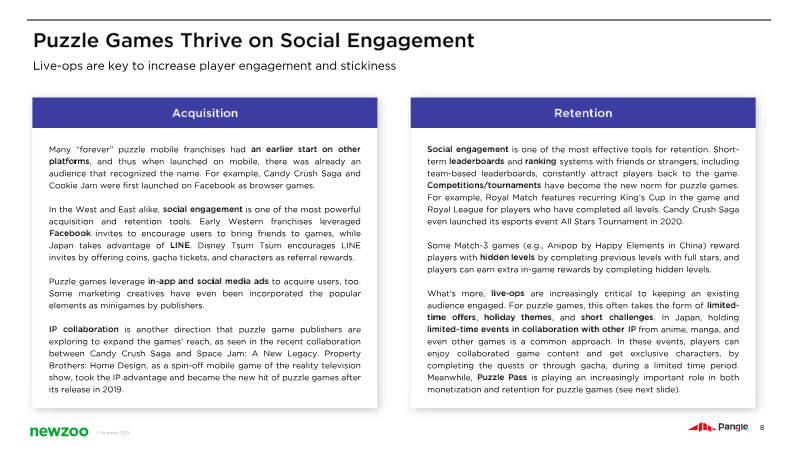
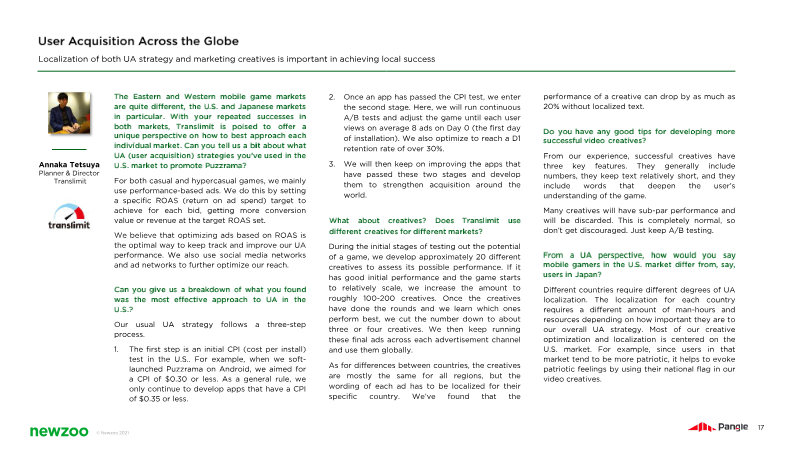
This analysis examines the mobile puzzle game market, contrasting dynamics between Western and Eastern regions with a focus on the United States, United Kingdom, Japan, and South Korea. In 2021, mobile emerged as the primary gaming platform globally, with puzzle games representing a significant 8% of total mobile game revenues, totaling $6.9 billion in 2020. The United States leads as the largest market for the genre ($2.0 billion), followed by Japan ($1.2 billion) and China ($0.9 billion). While puzzle games are the most popular genre across all surveyed markets, regional player behaviors and monetization preferences vary significantly. In the West, players favor casual experiences and show a higher tolerance for in-app advertising (IAA). Conversely, Eastern markets, particularly Japan, demonstrate a higher propensity for in-app purchases (IAP) and deeper engagement with character collection, progression mechanics, and "gacha" systems. Demographically, puzzle gamers worldwide skew female and hold mid-to-high incomes, though players in the East tend to be younger and more highly educated than their Western counterparts. The findings highlight a shift toward hybrid monetization models that combine IAP, IAA, and subscription-based "Battle Passes." While classic Match-3 remains the dominant subgenre, developers are increasingly integrating "meta" elements such as narrative, decoration, and RPG mechanics to drive retention. Successful global expansion requires localized user acquisition strategies; for instance, Japanese players respond better to longer intervals between ads and collaborative events with popular anime IPs, whereas U.S. marketing often benefits from performance-based ads and localized creative content. The data suggests that while the core appeal of puzzle solving is universal, long-term commercial success depends on tailoring the in-game economy and social engagement tools to specific regional expectations.
Bryter · 2026
ReportFarming Sims: Cultivating Long-term Engagement
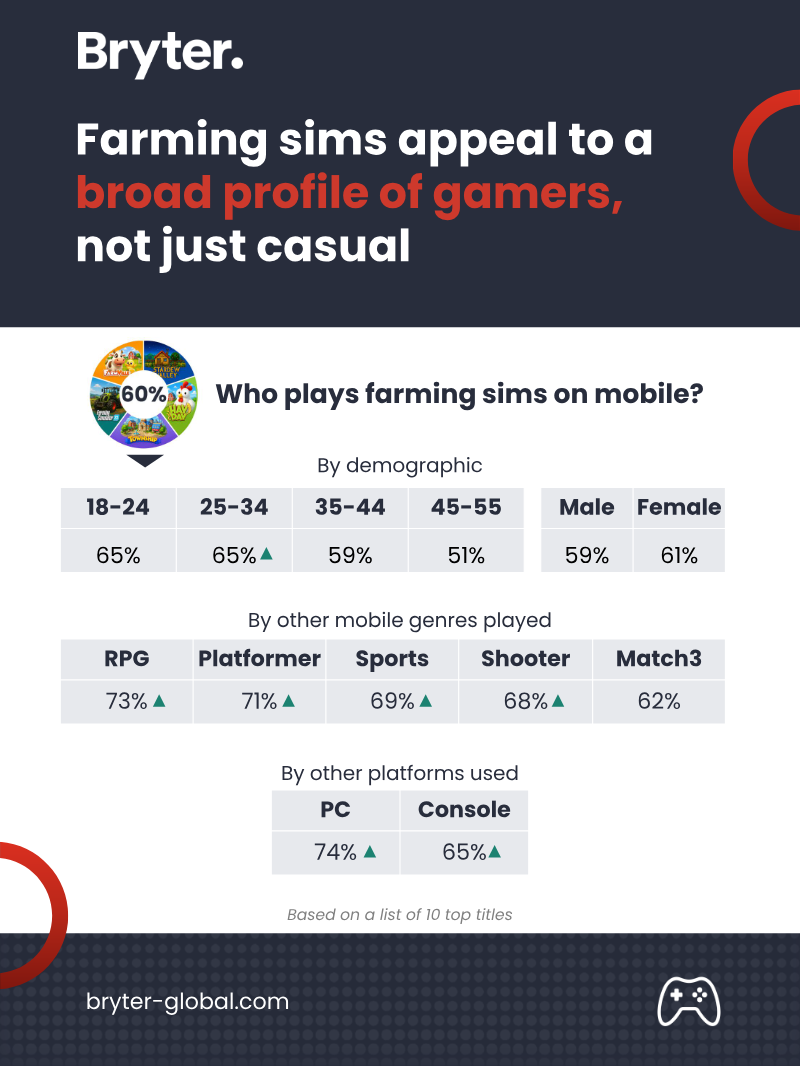
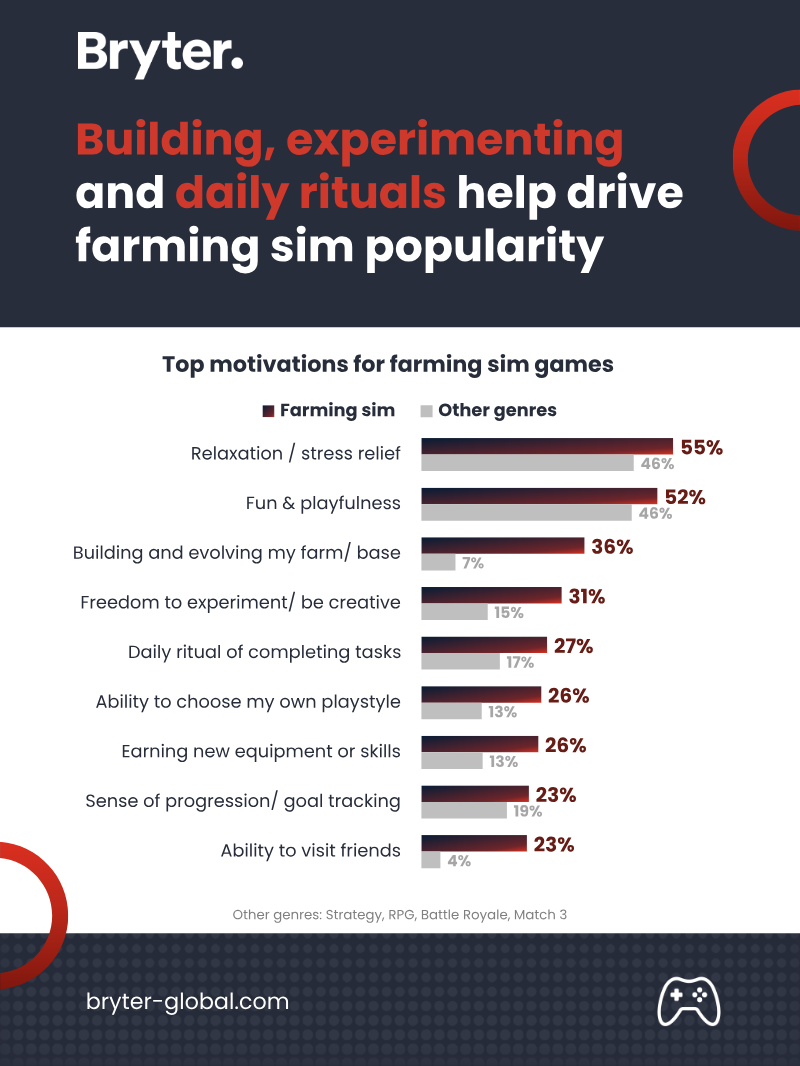
Farming simulation games have established themselves as a dominant and enduring genre within the global mobile gaming market. By analyzing data from a survey of 1,000 US mobile gamers aged 18 to 55, it is evident that these titles possess significant staying power, with 60% of mobile gamers having played at least one of the top ten farming sims. The genre’s success transcends casual demographics, attracting a broad audience that includes players of complex genres like RPGs, shooters, and strategy games, as well as those who primarily play on PC and consoles. The core appeal of farming sims lies in their ability to satisfy fundamental human motivations defined by Self-Determination Theory: autonomy, competence, and relatedness. Unlike many other genres, farming sims excel at providing players with a sense of control through farm layout planning, a feeling of mastery via task completion and progression, and social connection through cooperative play and community interaction. These psychological drivers, combined with the "work-as-play" trend, foster long-term engagement through daily rituals, creative expression, and the evolution of virtual spaces. To maintain this momentum, developers must navigate a saturated market by prioritizing consistent live-ops, community-driven content, and user-generated features. While the genre offers high accessibility and flexible session lengths, it faces challenges regarding content cadence and the risk of undermining the low-pressure experience through aggressive monetization. Ultimately, the longevity of farming sims serves as a blueprint for other genres, demonstrating that combining low-stress gameplay with deep, meaningful progression and social mechanics is a highly effective strategy for cultivating a dedicated, long-term player base.
Country Reports
47 documentsReports in the Country Reports category.


eSports & Streaming
16 documentsReports in the Esports & Streaming category.
Newzoo · 2022
ReportGlobal Esports and Live Streaming Market Report
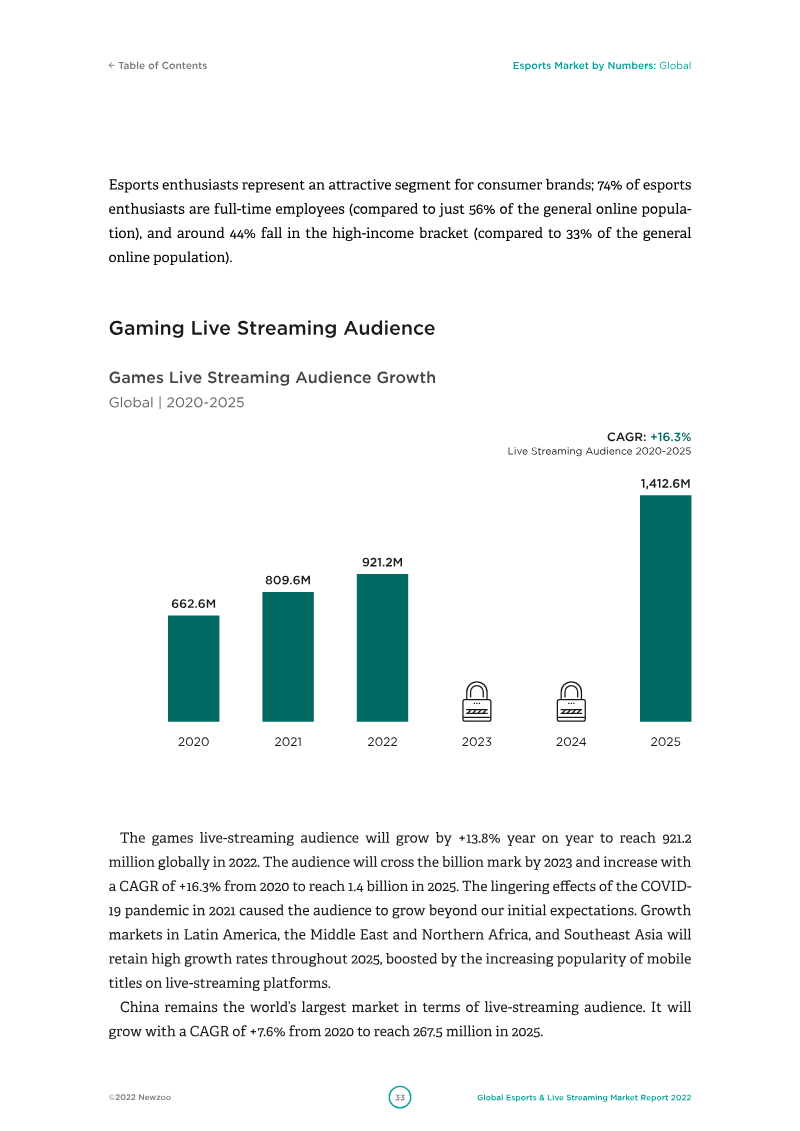
The report outlines the global esports and live‑streaming landscape for 2022, emphasizing key tournaments, viewership metrics, and emerging strategic shifts by major publishers. Counter‑Strike: Global Offensive dominated with the PGL Major Antwerp drawing 10.5 million hours watched and an average concurrent unique viewer (ACU) of 96.7 k, followed by Dota 2 and League of Legends events that collectively attracted over 20 million hours. Valorant’s regional tours and the upcoming Champions Tour in Japan added nearly 3 million hours, while Wild Rift’s global championship moved to Singapore with a $2 million prize pool and 24 teams. PUBG Mobile’s Nations Cup returned to Bangkok with a $500 k prize pool, and the IEM Rio Major was re‑announced after pandemic cancellations, selling out tickets in Brazil’s Jeunesse Arena. The analysis highlights a shift toward franchising models that reduce entry barriers, notably Riot’s new Valorant structure that foregoes franchise fees in favor of long‑term partnerships and financial stipends, contrasting with the high costs seen in League of Legends. Third‑party organizers are encouraged to host off‑season events, expanding grassroots participation and diversifying content. The report also notes the growing importance of women’s tournaments, such as Riot’s Game Changers initiative, to broaden audience engagement. Data were sourced from Newzoo’s platform aggregating Twitch, YouTube, and Facebook Gaming streams, covering global viewership across 2022. The scope spans North America, Europe, Asia-Pacific, and Latin America, focusing on major esports titles and live‑streaming platforms. The methodology involved compiling broadcast hours, ACU figures, and prize pool totals to assess market size, growth drivers, and investment trends within the esports ecosystem.
Stream Hatchet · 2024
ReportLive-Streaming Trends Report: Q1 2024
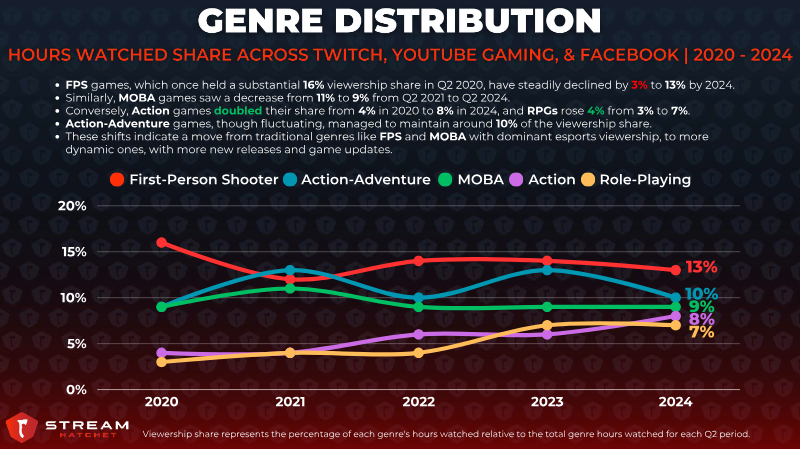
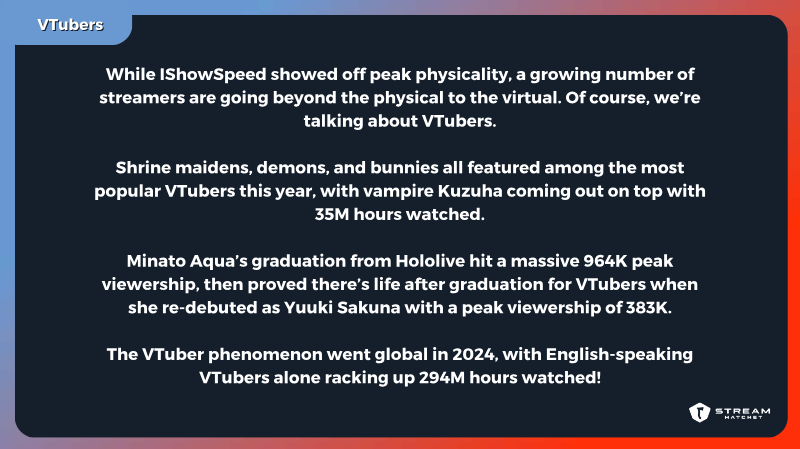
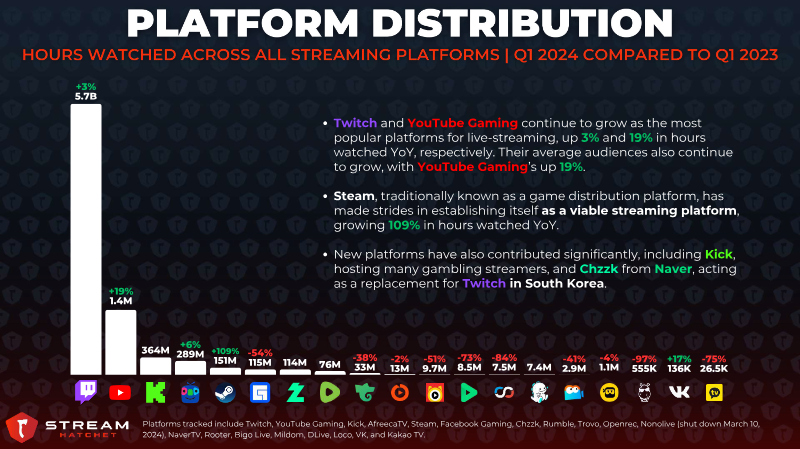
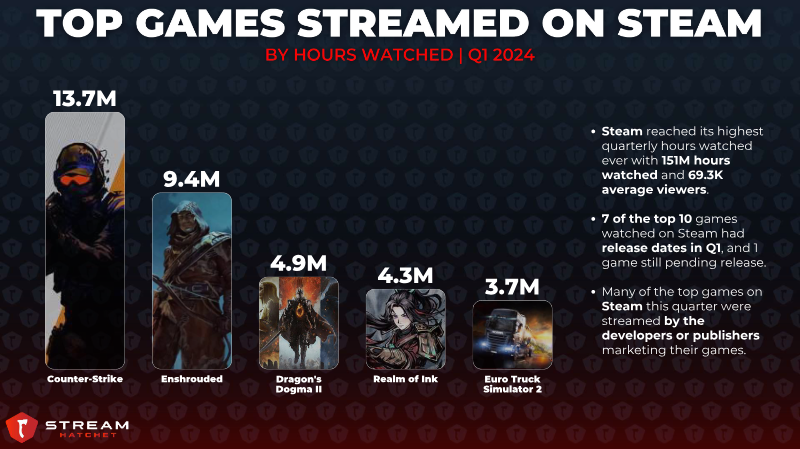
The live-streaming industry experienced a significant resurgence in the first quarter of 2024, with global viewership reaching 8.2 billion hours watched. This represents a 10% year-over-year increase and marks the first Q1 growth since 2021, signaling a recovery from the post-pandemic decline. While Twitch remains the dominant platform with a 69% market share, its lead narrowed as competitors like YouTube Gaming and Kick gained ground. Notably, Steam emerged as a breakout platform by doubling its hours watched, largely driven by developers using the service to market new releases. Geographic shifts were prominent in South Korea following Twitch’s exit from the market. Local platforms AfreecaTV and the Naver-backed newcomer Chzzk successfully absorbed the displaced audience, with Chzzk showing rapid growth and high creator retention. In terms of content, Palworld dominated as the top game launch of the quarter, generating 95 million hours watched in its first 30 days and outperforming 2023’s major hits. Grand Theft Auto V reclaimed the overall top spot among games, while the First-Person Shooter (FPS) genre led all categories due to high-profile esports tournaments for Counter-Strike and VALORANT. The analysis highlights a diversifying creator landscape where co-streaming major events remains a primary driver for top talent like Gaules and Jynxzi. In the female and VTuber segments, established names like Amouranth and Pekora Ch. reclaimed top rankings, while new entrants leveraged trending titles like Palworld and GTA V to achieve triple-digit growth. This data, compiled by Stream Hatchet, utilizes metrics such as hours watched and average concurrent viewers across all major global streaming platforms to provide a comprehensive overview of the current state of digital broadcast media.
Financial Reports
33 documentsReports in the Financial Reports category.
Sensor Tower · 2024
ReportQ4 2024 Digital Market Index
In Q4 2024 global in‑app purchase revenue reached a record $39.4 billion, up 13.5% year‑over‑year, with non‑game apps now nearly matching game revenue at $19.2 billion versus $20.2 billion. iOS dominates the market, generating roughly 70% of IAP revenue ($30 billion) and outpacing Google Play’s growth (15.4% versus 9.7%). Overall app downloads remained flat at about 34 billion, while non‑game downloads increased and game downloads stabilized after a pandemic peak. Strategy titles emerged as the most lucrative segment, generating over $4.8 billion in IAP revenue—a 80% quarter‑over‑quarter lift that offset an 11% year‑over‑year decline in RPGs. Strategy games also accounted for six of the top ten download growth drivers, with a 26% year‑over‑quarter increase. In contrast, RPG revenue fell 29% globally, though regional pivots in Korea—where strategy and puzzle games grew 55% and 14%, respectively—helped mitigate the loss. Puzzle titles also contributed to overall download growth. TikTok (including Douyin) led non‑game app monetization, delivering $6 billion in IAP revenue for the year—more than double any other app or game. Advertising spending in the United States reached $34 billion in Q4, with social media platforms capturing 77% of the spend; TikTok experienced the fastest year‑over‑year growth at 22%. Amazon drove U.S. digital ad spend growth, supporting campaigns for Audible, Prime Video and Amazon Music, while other major advertisers such as Verizon, Liberty Mutual, Coca‑Cola, Microsoft, Epic Games, Target and Walmart increased spend—particularly on gaming and social platforms. Retail‑media impressions hit a record 80 billion, up 4% year‑over‑year, with Walmart and Target dominating the top ten categories and Best Buy‑Samsung and Chewy‑Nestlé emerging as the most viewed co‑branded pairs. Collectively, these findings illustrate a strategic shift toward strategy titles, the continued dominance of TikTok in app monetization, and an outsized role for social media advertising and retail‑media partnerships during the holiday peak. The data cover global markets with a focus on U.S., Korean, and broader digital advertising trends for the fourth quarter of 2024.


Apptica · 2022
ReportThe Highest-Grossing Mobile Games on iOS & Android: Q2 2022
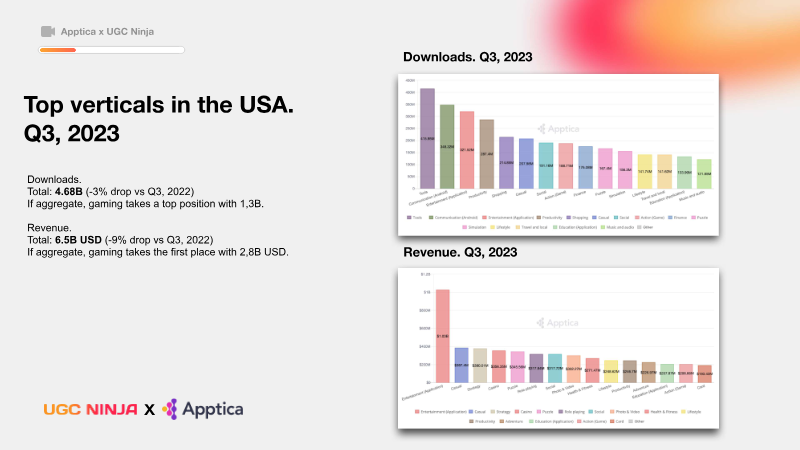
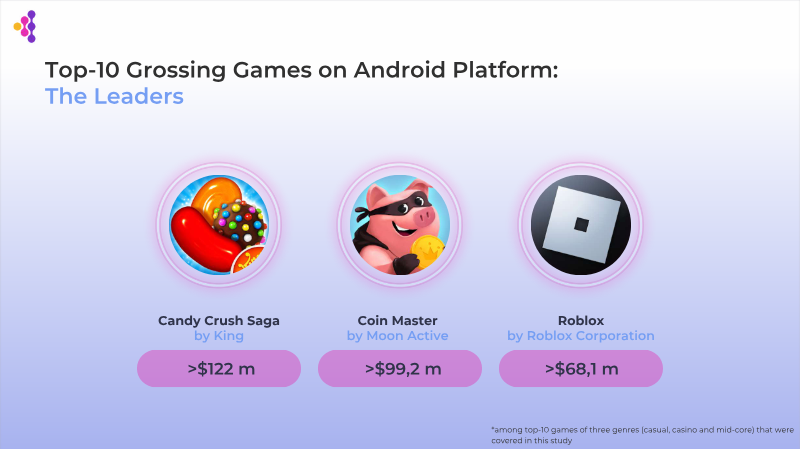
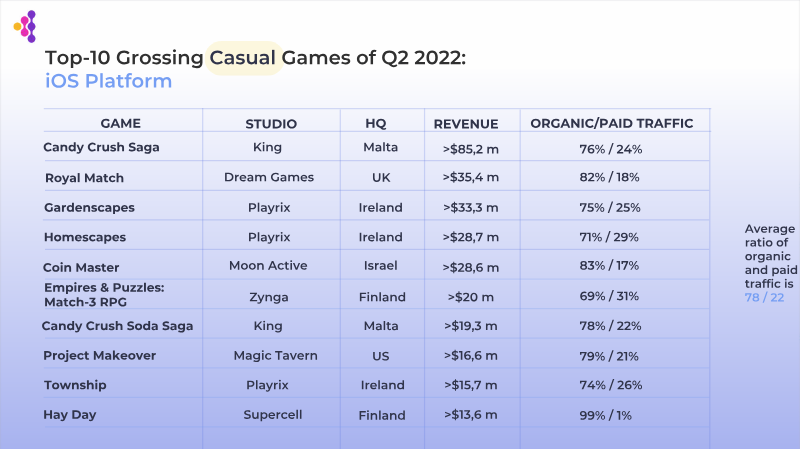
The analysis set out to pinpoint the highest‑grossing mobile games of the second quarter of 2022, evaluating performance across Android and iOS markets. Data were drawn exclusively from Apptica’s Top Apps section, covering 37 countries between 1 April and 30 June 2022, and were segmented into casual, casino and mid‑core categories without supplementation from other analytics services. Across both platforms, mid‑core titles generated the greatest revenue, with “Rise of Kingdoms” leading the chart at $179.5 million. Other top earners included “Candy Crush Saga” ($122 million), “Coin Master” ($99.2 million) and “Roblox” ($68.1 million). Casual games such as “Homescapes,” “Gardenscapes” and “Royal Match” each surpassed $20 million, while casino titles like “Slotomania” and “Jackpot Party” contributed between $10 million and $30 million. Organic traffic dominated most titles, typically accounting for 70‑95 % of user acquisition, with paid channels playing a smaller role. Publisher analysis showed King as the highest‑grossing publisher with over $264 million from four leading titles, followed closely by Lilith Games ($254.6 million) and Playrix ($182.8 million). Playrix and Playtica each appeared in 16.2 % of top‑10 slots, while Supercell and King accounted for 10.8 % each, and Lilith Games 8.1 %. Studios headquartered in the United States held the most positions (17), with Finland, Singapore, Hong Kong and Israel also featuring prominently. The study concludes that mid‑core games dominate revenue in Q2 2022, “Rise of Kingdoms” stands as the single biggest earner, and a relatively small group of publishers and studios capture the bulk of market share, underscoring the concentration of financial success within a few leading developers and regions.
Investment & M&A
8 documentsReports in the Investment & M&A category.
InvestGame · 2021
ReportGaming Deals Activity 2021: Smashing Previous Records
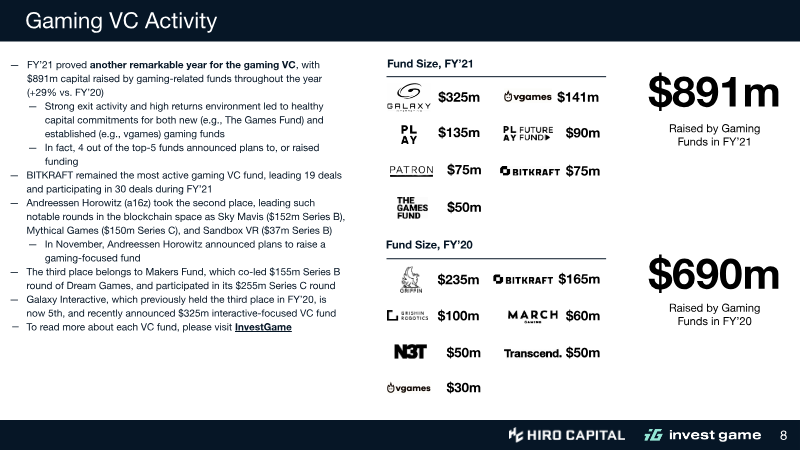
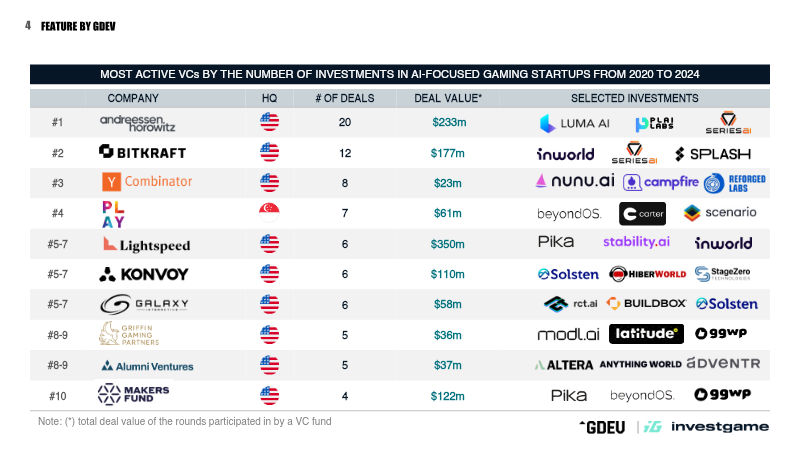
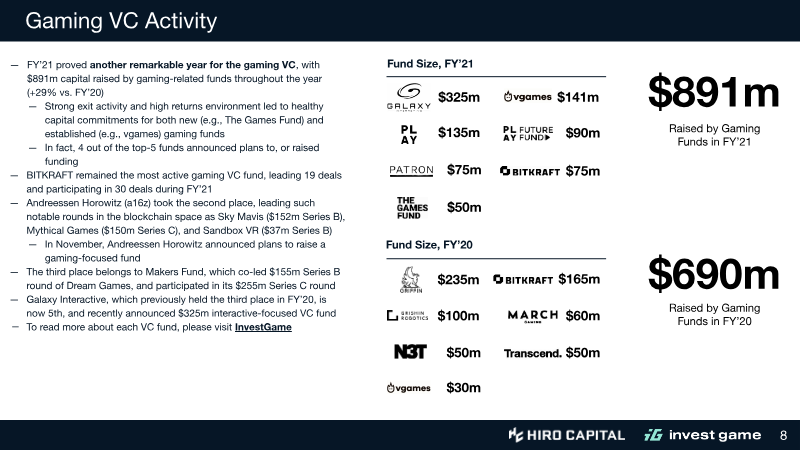
The global video game industry achieved unprecedented financial expansion in 2021, characterized by a surge in capital deployment that solidified the sector as a primary target for institutional and strategic investors. Total deal value reached $80.4 billion across 967 transactions, representing a 2.5-fold increase over the previous year. This growth was underpinned by a robust environment for mergers and acquisitions, which accounted for nearly half of the total transaction volume, alongside a significant intensification in early-stage venture capital funding. The investment landscape was defined by a shift toward emerging technologies and high-growth segments. Most notably, blockchain-integrated gaming experienced an explosive 68-fold year-over-year increase in deal value, signaling a fundamental pivot in investor interest toward decentralized gaming models. Simultaneously, the mobile gaming segment continued to serve as a critical engine for growth, attracting substantial capital as strategic players like Tencent maintained aggressive acquisition strategies to consolidate market share and secure long-term intellectual property. These findings reflect a broader trend of heightened investor confidence in the long-term viability of the gaming ecosystem. By spanning a diverse range of deal structures—including public offerings, venture capital, and strategic M&A—the 2021 activity highlights a maturing industry that is increasingly capable of attracting massive capital inflows. This record-breaking performance underscores the industry's transition from a niche entertainment sector to a dominant force in the global digital economy, setting a new benchmark for future investment activity across all major gaming segments.
Aream & Co · 2026
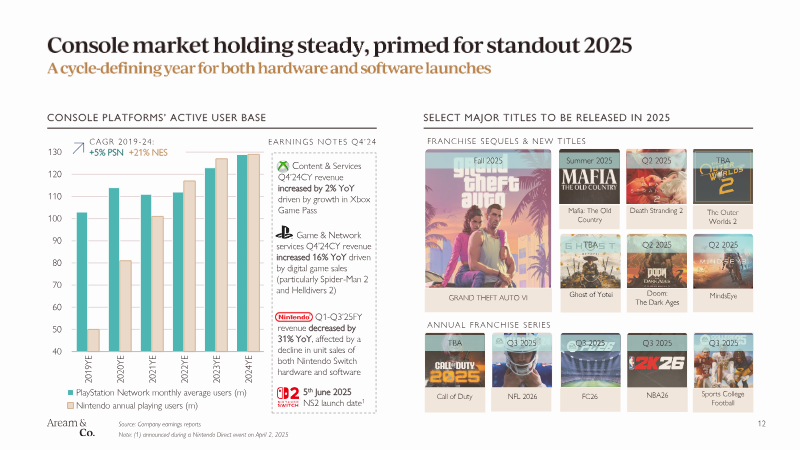
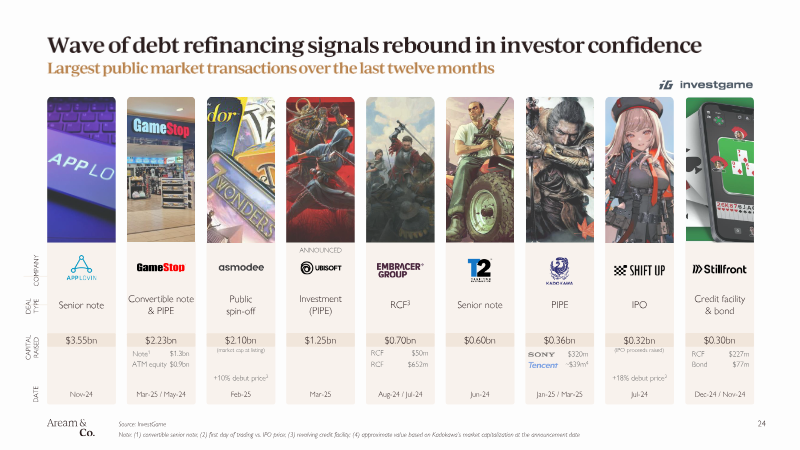
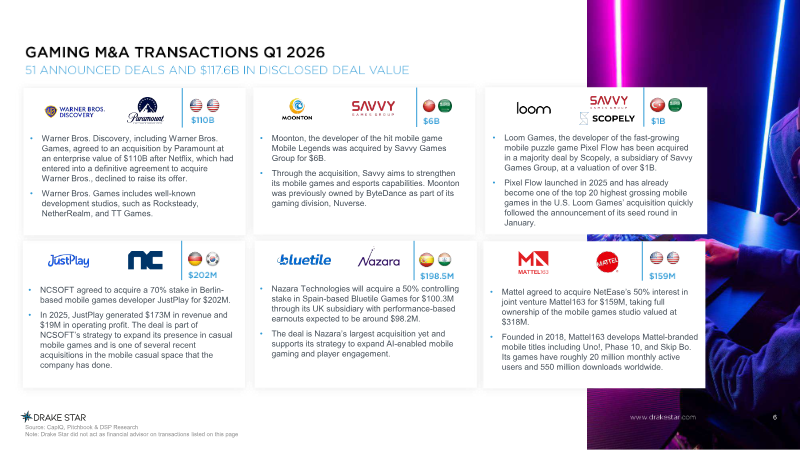
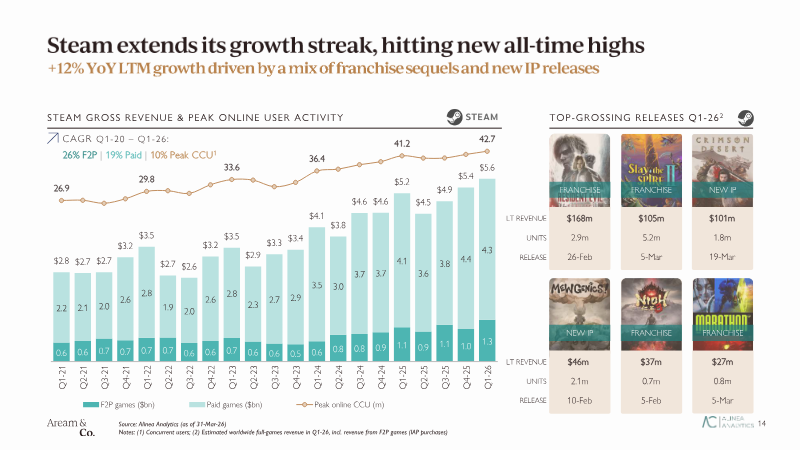
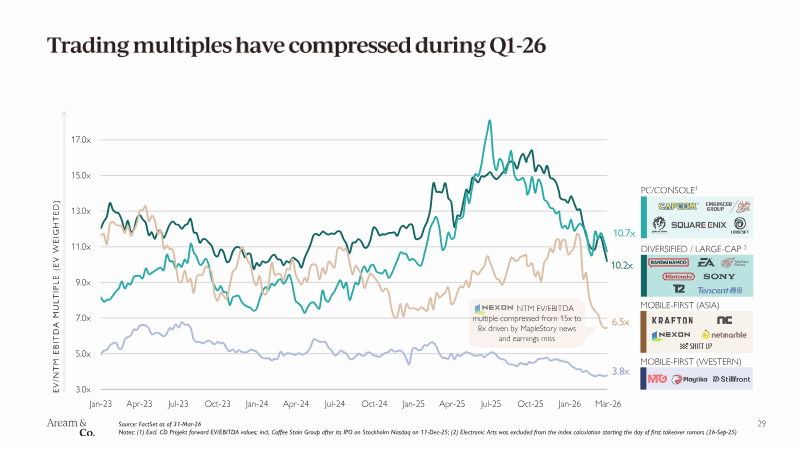
ReportVideo Game Market Update: Q1 2026
This report is provided for general information and discussion purposes only and is intended solely for subscribers. It does not constitute a financial promotion, investment advice, or a recommendation to engage in any investment activity. The content reflects the views of the authors at the time of publication and may be subject to change without notice.
Market (PC & Console)
35 documentsReports in the Market (PC & Console) category.
Marketing
40 documentsReports in the Marketing category.
Sensor Tower · 2021
ReportMobile Ad Creative Report: August 2021
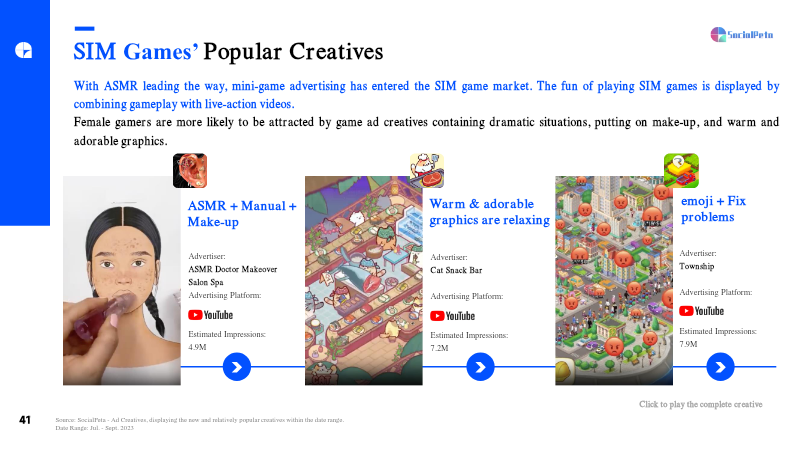
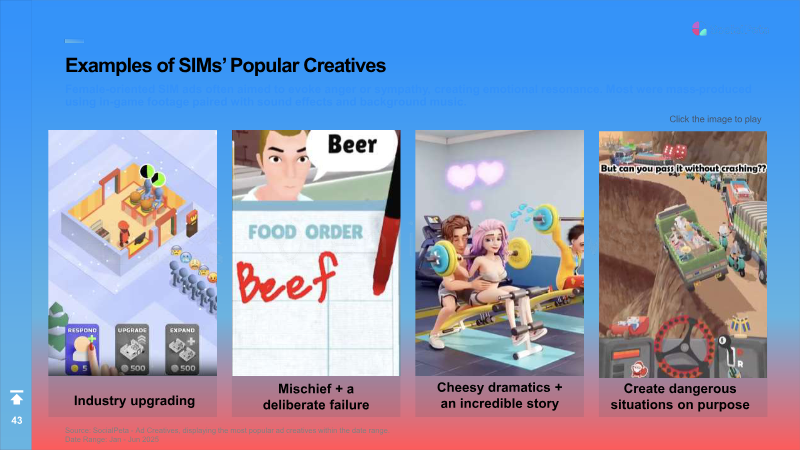
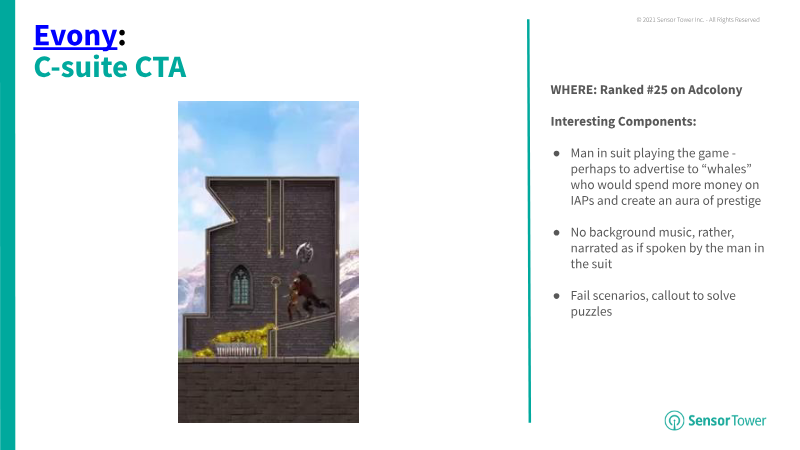
Mobile gaming creative trends in August 2021 centered on humanizing digital experiences and leveraging high-profile cultural partnerships. Analysis of top-performing ads across platforms like YouTube, Instagram, Snapchat, and Facebook reveals a heavy reliance on real-world celebrities, particularly musicians. Notable examples include Garena Free Fire featuring DJs Dimitri Vegas & Like Mike as playable characters and Call of Duty Mobile partnering with artist Ozuna. These collaborations often utilize cinematic storytelling and high-fidelity animations to bridge the gap between gaming and mainstream entertainment. The industry continues to utilize specific psychological triggers and visual formats to drive engagement. Fail-state elements, where ads demonstrate a player losing a level to pique viewer interest, remain prevalent in titles like Royal Match and Evony. Additionally, hyper-casual games are increasingly adopting popular music soundtracks and expressive callouts to appeal to younger demographics on Snapchat. Other emerging visual trends include split-screen layouts, the use of Bitmojis, and "search bar" call-to-actions that visually demonstrate how to find the app in stores. Geographically, the findings cover global releases with specific performance data from major ad networks including ironSource, Applovin, and Vungle. The scope encompasses diverse genres, from mid-core shooters and RPGs to hyper-casual and puzzle games. Methodology involves ranking creatives based on their performance and visibility across social media and ad networks during the August 2021 period. Conclusions suggest that successful creatives are moving away from pure gameplay footage in favor of narrative-driven content, anniversary themes, and interactive elements like Buzzfeed-style quizzes or "Christmas in July" promotions.

Appsumer · 2022
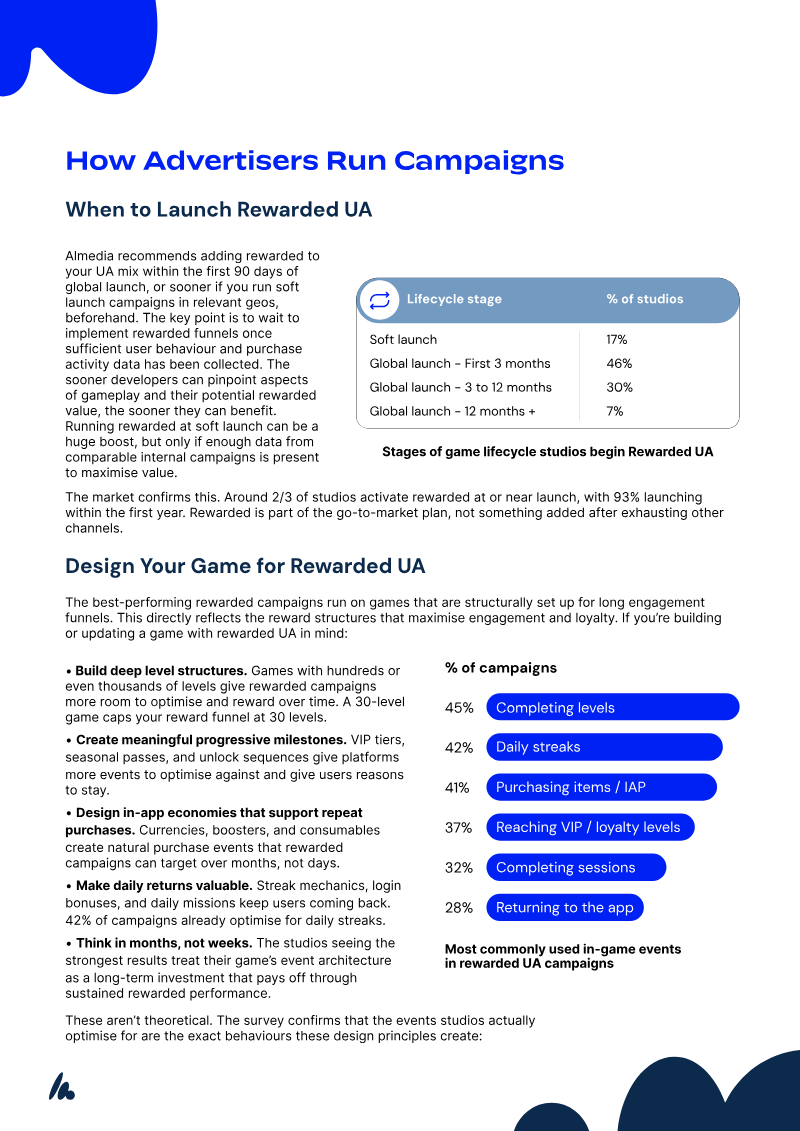
ReportMobile Advertising Benchmark Report Q2 2022
The analysis evaluates how the universal rollout of Apple’s AppTrackingTransparency framework reshaped media‑mix decisions for performance‑driven mobile‑app advertisers between the second quarters of 2021 and 2022. By comparing adoption rates and share‑of‑wallet across the principal acquisition channels, it demonstrates that Apple Search Ads (ASA) has moved from a peripheral position to a core component of the duopoly with Google, overtaking Facebook in advertiser adoption while narrowing the gap in spend allocation. ASA’s adoption climbed to 94.8 %—a four‑point year‑over‑year increase—and its share‑of‑wallet rose five points to 15 %. In contrast, Facebook’s adoption slipped to 82.8 % (down three points) and its share‑of‑wallet fell four points to 28 %, though a modest rebound from Q4 2021 to Q2 2022 hints at recovery. Google remained stable, with roughly 95 % adoption and a 34 % share‑of‑wallet, reflecting its dominance on Android. Among lower‑tier channels, TikTok’s adoption fell to 43.2 % (down seven points) while its spend share held steady at 3 %; Snap’s adoption edged up to 32.7 % after a dip, yet its share‑of‑wallet halved to 2 %. Top‑five DSPs and ad networks grew to 27 % adoption, indicating a shift toward non‑self‑attributing solutions


Country & Regional Reports
36 documentsReports in the Country & Regional Reports category.
Shorooq Partners · 2023
ReportGametech Report Q1 2023: Global & MENAP Outlook
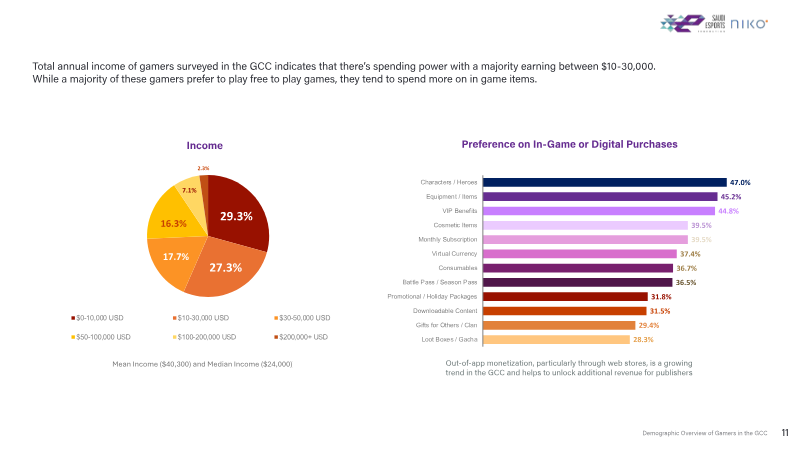
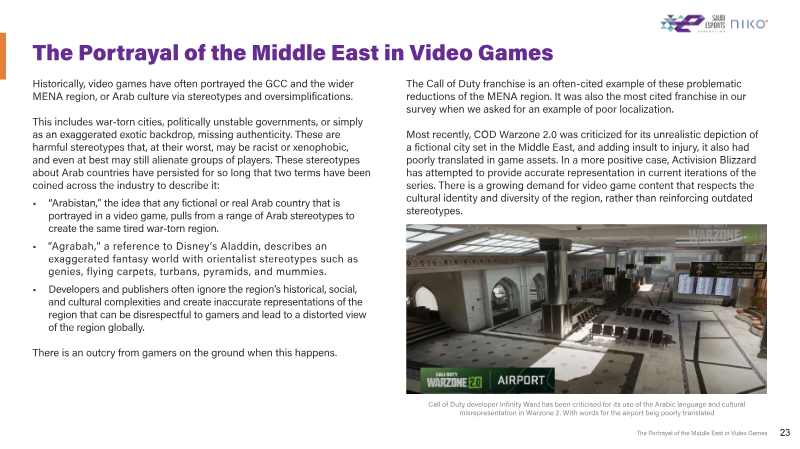
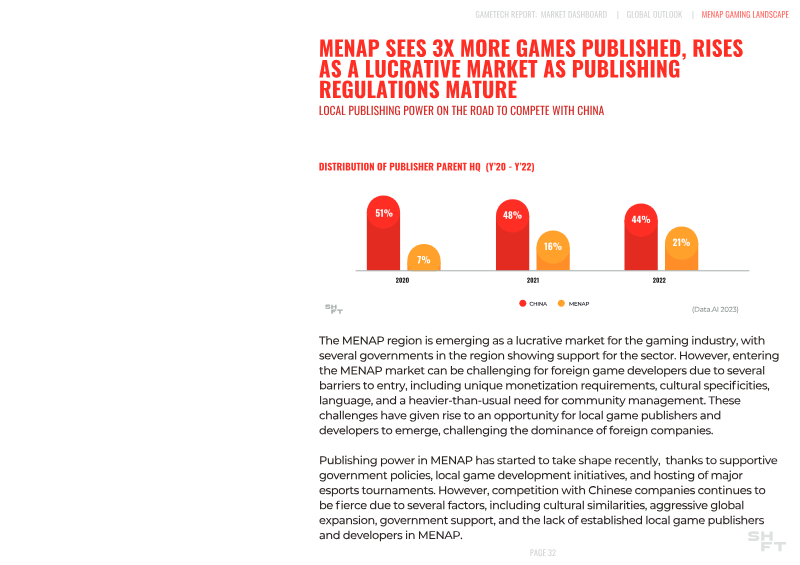
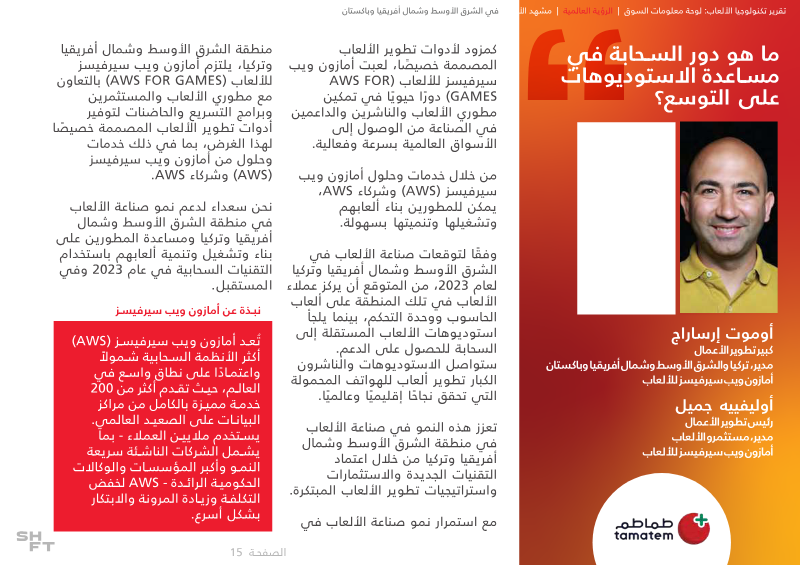
The report argues that the MENAP region is poised to become a major hub for gaming, driven by rapid mobile‑gaming adoption, esports growth and an expanding local startup ecosystem. It identifies talent development, IP creation and cross‑industry collaboration as key levers for sustained expansion, while noting challenges such as technical upskilling, content localisation and stakeholder coordination. Globally, the gaming market is shifting toward cloud‑based development and AI‑powered tools, with 68 % of studios already using AWS for Games and a projected $7.1 bn market by 2032. Generative AI is expected to reach a $7.1 bn valuation in gaming by 2032, growing at 23.3% CAGR, and private deals now account for 68 % of total investment activity. In MENAP, the market is projected to hit $2.8 bn by 2026 at a 10% CAGR, underpinned by mobile adoption and esports expansion. Mobile‑first development dominates, with 70 % of developers prioritising data analytics and 50 % investing in AI tools. In‑app purchases, advertising and subscriptions drive revenue, with IAP rising 28 % YoY to $374.1 million and ad revenue up 6.1%. Platform shifts such as iOS SKAN 4.0 and Android privacy changes are reshaping monetisation strategies, while cloud‑gaming infrastructure is projected to grow 250 % by 2030. Investment flows reflect these trends: seed‑stage funding in MENAP has reached $15 million across 20+ startups, and international firms target the region for free‑to‑play and Web3 opportunities. Funds like SHFT’s $15 million Gametech Fund aim to provide capital, expertise and networking to help local studios compete globally. The overall outlook indicates a 6.1% YoY revenue growth for global and MENAP gaming, with a 15 % rise in mobile gaming and a 43 % share captured by platform‑based titles.


Shorooq Partners · 2023
FinancialGametech Report: Global & MENAP Outlook Q1 2023
The analysis quantifies the scale and momentum of the worldwide gaming ecosystem while spotlighting the rapid evolution of the MENAP (Middle East, North Africa, and Pakistan) mobile‑gaming sector. Globally, the market is valued at roughly $201 billion, expanding 9 percent year‑over‑year, with PC and console platforms together contributing about 40 percent of total revenue. Mobile gaming dominates the growth narrative, as 2021 recorded 232 billion downloads and $168 billion in consumer spending, underscoring its central role in the industry’s expansion. Within MENAP, mobile adoption has entered a maturation phase. In‑app‑purchase revenue reached $374 million in 2023, and advertising expenditures surged, climbing 33 percent to a level that now represents 247 percent of a prior benchmark, indicating a pronounced shift toward ad‑supported monetisation. These figures illustrate both heightened consumer engagement and an increasingly sophisticated revenue mix in the region. The report also introduces SHFT, Shorooq’s advanced gametech platform, which operationalises a partnership‑investment model designed to accelerate studio growth across MENAP. Since launch, SHFT has assembled a network of 27 partner studios that have delivered approximately 150 titles, while its dedicated gametech fund has allocated about $15 million in financing. The platform delivers comprehensive services—including data‑analytics dashboards, reporting tools, capital provision, and market‑entry assistance—aimed at enhancing commercial outcomes for developers in the region. Collectively, these insights affirm the global market’s robust health, the MENAP region’s accelerating mobile‑gaming trajectory, and the strategic value of integrated gametech solutions in fostering sustainable industry development.
Web3 & Blockchain
12 documentsReports in the Web3 & Blockchain category.
DappRadar · 2022
ReportBlockchain Industry Report: October 2022
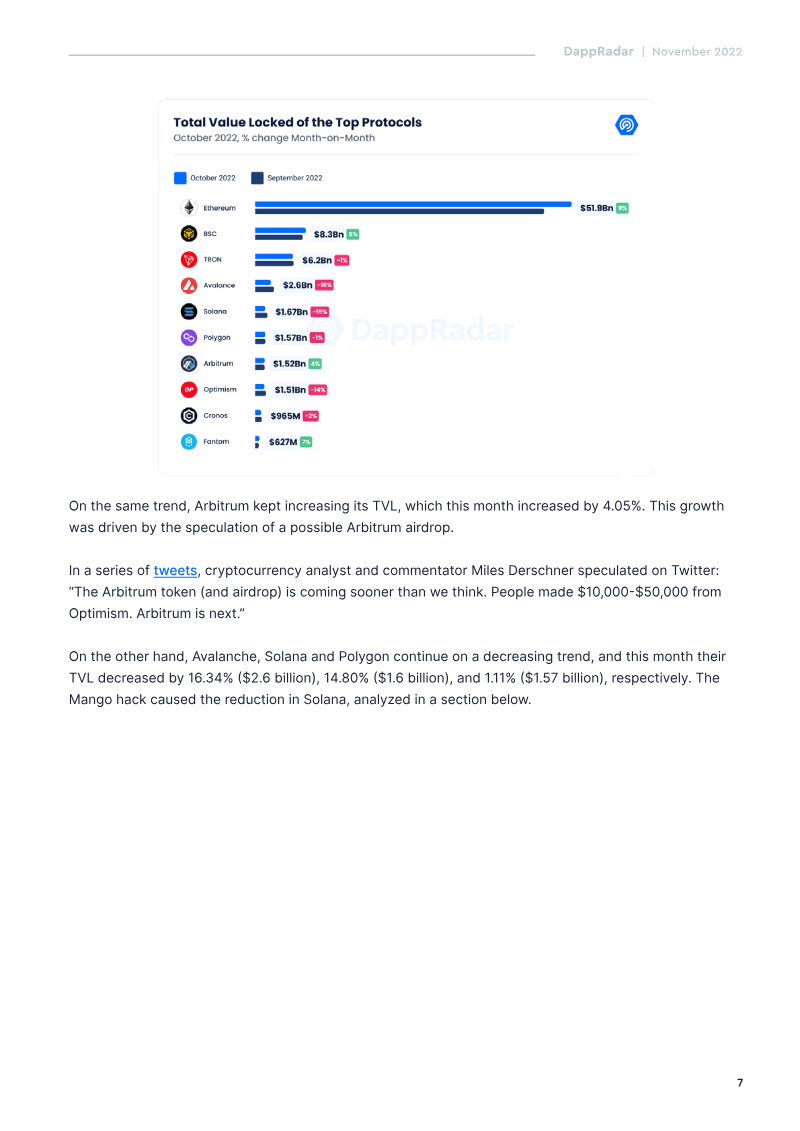
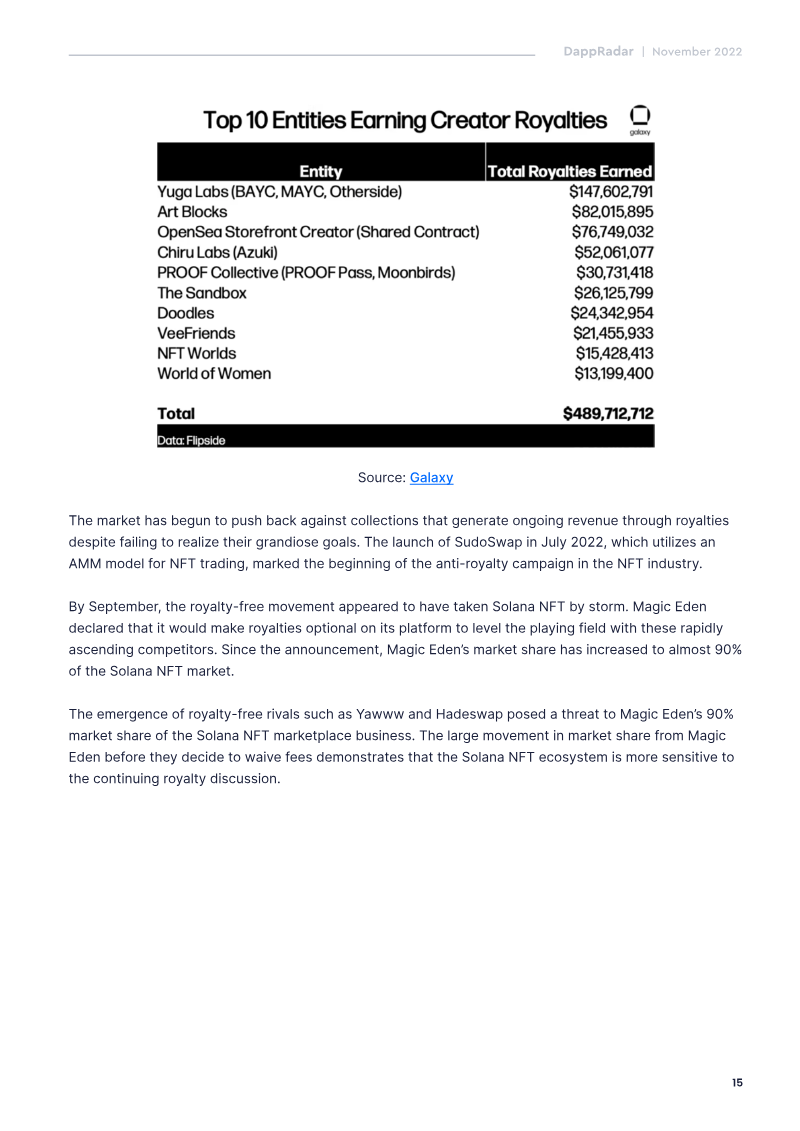
The analysis evaluates the health and dynamics of the blockchain ecosystem during October 2022, revealing a sector in transition marked by divergent growth patterns across applications, platforms, and asset classes. Overall user engagement rose, with unique active wallets for decentralized applications increasing 6.8 percent to just over two million, driven primarily by explosive adoption on Arbitrum, Optimism and a dramatic surge on NEAR following its partnership with Google Cloud. By contrast, the gaming segment and Ethereum’s core wallet base contracted, falling 2 percent and 4.5 percent respectively, underscoring a shift of activity toward emerging layer‑2 solutions. DeFi continued its rebound, with total value locked climbing 5.3 percent to $83 billion, though Ethereum retained a dominant 62 percent share of that capital. New entrants also made notable strides; the Aptos token achieved a $1 billion market capitalization within two weeks, entering the top‑50 cryptocurrencies, while Dogecoin posted the strongest price appreciation of the month at 50 percent. NFT markets displayed mixed signals: trading volume and sales declined 30 percent month‑on‑month, yet the number of unique NFT traders grew 18 percent to 1.11 million, and Polygon’s NFT volume surged 770 percent, largely propelled by Reddit‑hosted collections. Security vulnerabilities remained a critical concern, with cross‑chain bridges accounting for 82 percent of the month’s $3.57 million in exploit losses, including high‑profile attacks on Mango Markets, TempleDAO, the QANX bridge and Rabby Swap. The combined effect of rapid user migration, uneven asset performance, and persistent bridge exploits highlights both the growth potential and the systemic risk factors shaping the blockchain industry at the close of 2022.
DappRadar · 2022
ReportDappRadar Blockchain Industry Report: Highlights of July 2022
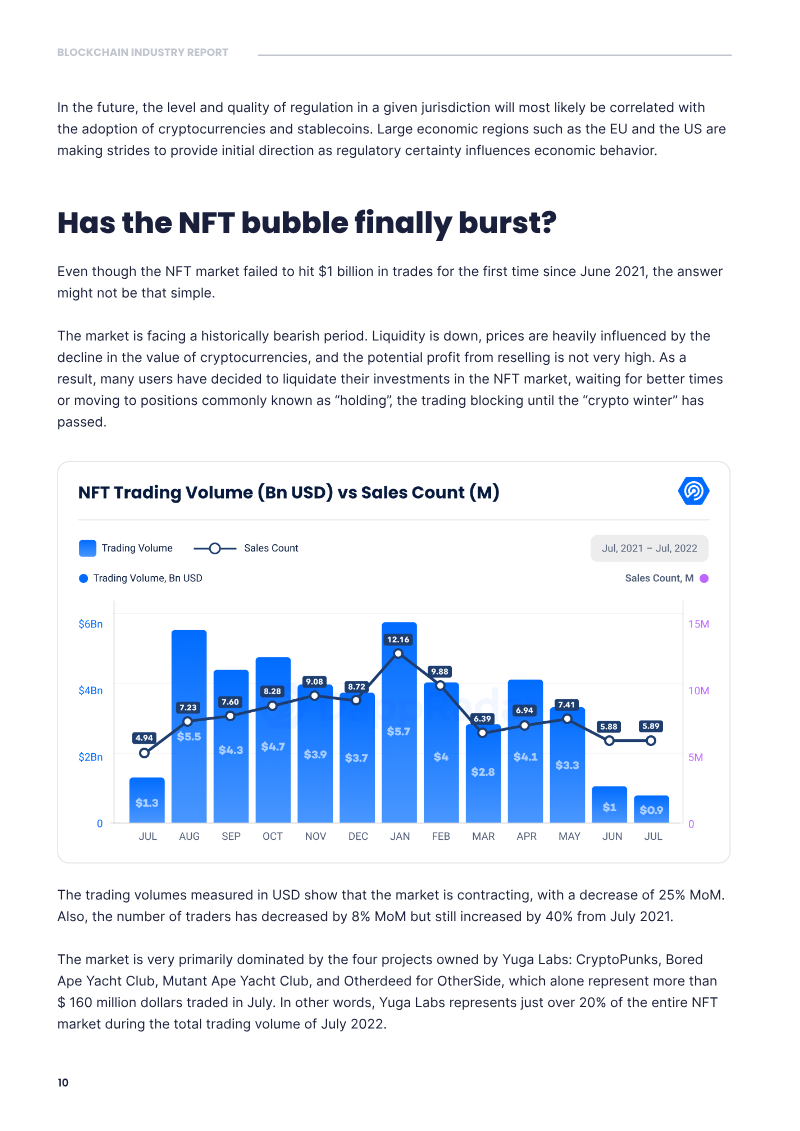
The July 2022 DappRadar Blockchain Industry Report analyzes the state of the decentralized application ecosystem during a significant market downturn. The findings indicate that while the broader crypto industry remains trapped in a bear market influenced by the collapse of Terra and macroeconomic pressures like U.S. inflation, specific sectors—most notably blockchain gaming—demonstrate remarkable resilience. The report covers global trends across decentralized finance (DeFi), non-fungible tokens (NFTs), and gaming, utilizing data on Unique Active Wallets (UAW) and Total Value Locked (TVL) to measure health and engagement. Data shows that dapp activity reached a yearly low in July with 1.68 million daily UAW, a 4% decrease from June. DeFi was the hardest-hit segment, with UAW dropping below 500,000 for the first time since early 2021. Despite this, DeFi TVL saw a 22% recovery during the month, rising to $82.3 billion, led by growth on Ethereum, BNB Chain, and Tron. The report also highlights the continued "crypto contagion" following the Celsius Network bankruptcy filing, which has increased calls for international regulatory frameworks like the EU’s MiCA. The NFT market experienced a contraction, with monthly trading volume failing to reach $1 billion for the first time in over a year. Market dynamics are shifting as OpenSea’s dominance fell from 84% in May to 58.6% in July, facing increased competition from new entrants like the GameStop and Nickelodeon marketplaces. Conversely, the gaming sector emerged as a primary industry driver, accounting for nearly 60% of all dapp usage. With nearly 1 million daily UAW, blockchain games grew 8% month-over-month, suggesting that immersive mechanics and venture capital interest are insulating the segment from the prevailing "crypto winter."
People Management
7 documentsReports in the People Management category.
Investments
55 documentsReports in the Investments category.
DDM · 2024
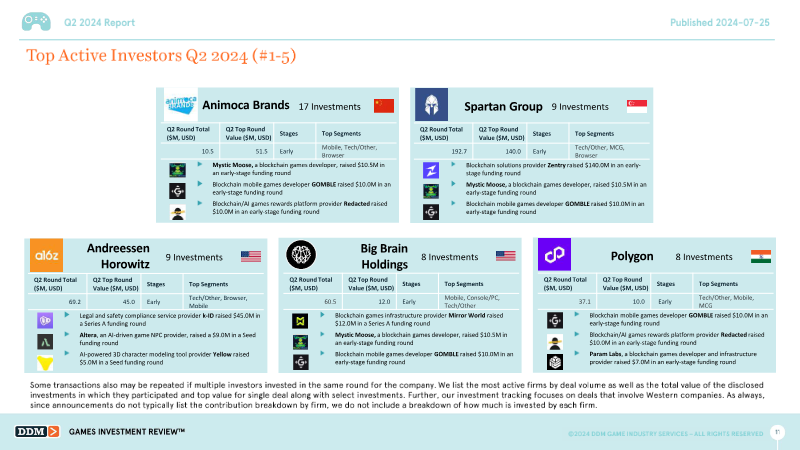
FinancialGames Investment Review: Q2 2024 Executive Summary Report
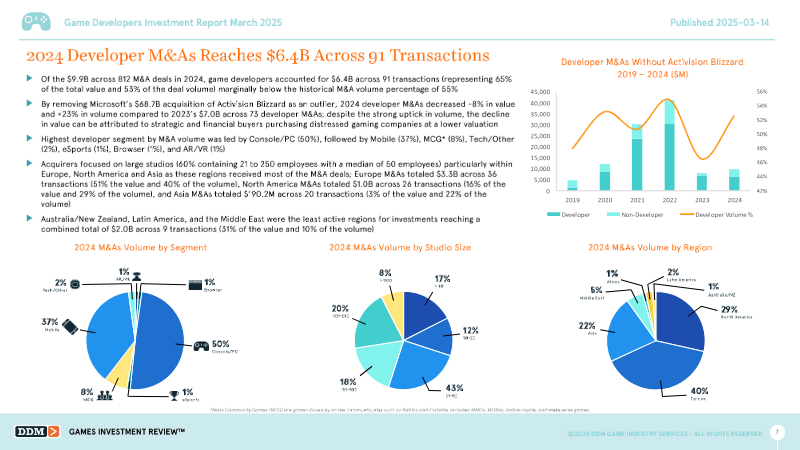
The review aims to deliver a data‑driven snapshot of capital activity in the video‑game sector, quantifying investment, merger‑and‑acquisition (M&A) and fund‑raising trends for the second quarter of 2024 and placing them in a half‑year context. By tracking only transactions that have officially closed, the analysis avoids speculative figures and provides a consistent baseline that has been applied for more than a decade across Western‑focused development, publishing and technology deals. In Q2 2024, total investment reached $3.0 billion across 222 deals, a 32 percent rise in value and a 21 percent increase in deal count over the previous quarter, marking the highest investment volume since Q3 2022. Combined investment and M&A activity summed to $3.8 billion in 262 transactions, representing an 11 percent dip in value but a 16 percent lift in volume. M&A activity contracted sharply to $845 million in 40 deals, down 59 percent in value, while no IPOs occurred, ending a five‑year streak of at least one public listing per quarter. New fund announcements totaled $21.9 billion across 38 funds, a 48 percent jump, with four flagship funds—General Catalyst, ICONiQ Capital, Norwest Venture Partners and Kleiner Perkins—accounting for 74 percent of the capital raised. Segment analysis shows Tech/Other categories captured 83 percent of investment value, while Console/PC led in deal volume at 33 percent. Blockchain‑related funding rose to $416 million in Q2, driven by regulatory approvals for crypto ETFs, and undisclosed deals comprised 40 percent of the quarter’s activity. In the first half of 2024, investments surged to $5.2 billion across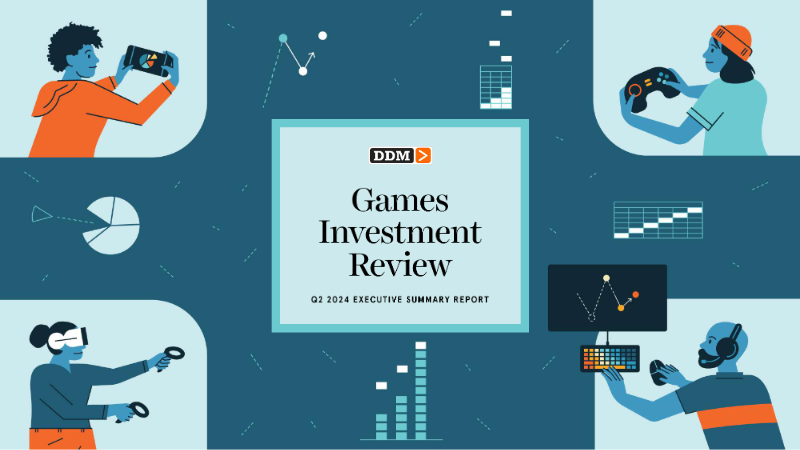
InvestGame & GDEV · 2024
FinancialGaming IPOs Through the Years: Platform Shifts and Regional Growth Explored
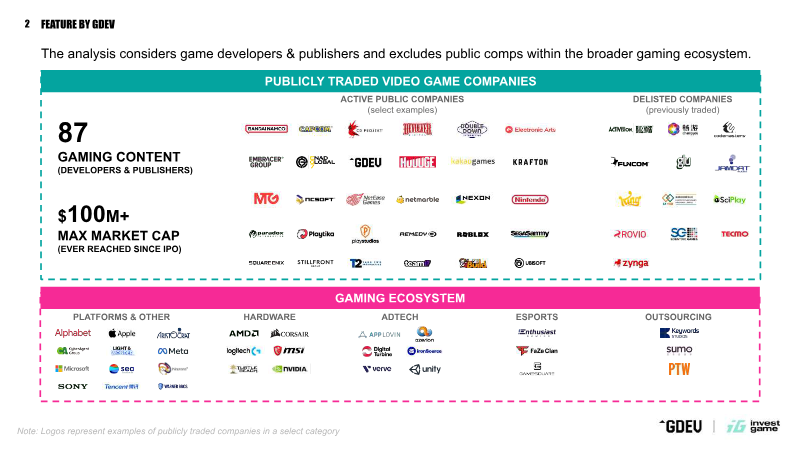
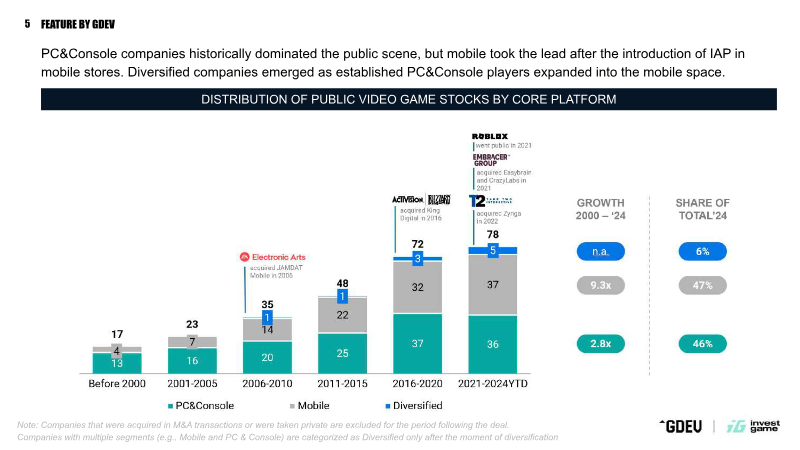
The landscape of publicly traded video game developers and publishers has undergone a significant transformation over the last two decades, with approximately half of all current listings occurring between 2014 and 2024. While the market experienced a surge in activity during this period, initial public offering momentum has stalled since 2022, leaving Shift Up as the sole notable recent listing. Asia remains the primary global hub for public gaming entities, accounting for 46% of the total market share, while Europe has seen its number of listings double over the last ten years. In contrast, North America remains a relatively niche headquarters region for public peers, though it is gradually gaining market share in terms of total valuation. Market capitalization for public gaming stocks tripled over the last decade, far outpacing the growth seen between 2004 and 2014. This growth reflects a shift in platform dominance; while PC and console companies historically led the sector, mobile-focused entities took the lead following the introduction of in-app purchases. Currently, the market is showing signs of maturation, as the majority of public companies are now more than twenty years old. Asian firms are generally the most established, with a median age of 28 years compared to 23 years for their global counterparts. The path to public markets varies significantly by region and platform. The median time from founding to IPO is nine years, though mobile companies tend to reach the public markets faster at a median of eight years, compared to twelve years for PC and console developers. Regional differences also manifest in company size; over 80% of North American and Western European public gaming companies are classified as small-cap stocks with valuations under $1 billion. Conversely, the Asian market offers much broader coverage, with small-cap companies representing only about 40% of the regional total.
Advertising & Monetization
5 documentsReports in the Advertising & Monetization category.

Web3 & Metaverse
3 documentsReports in the Web3 & Metaverse category.
Game7 Research · 2024
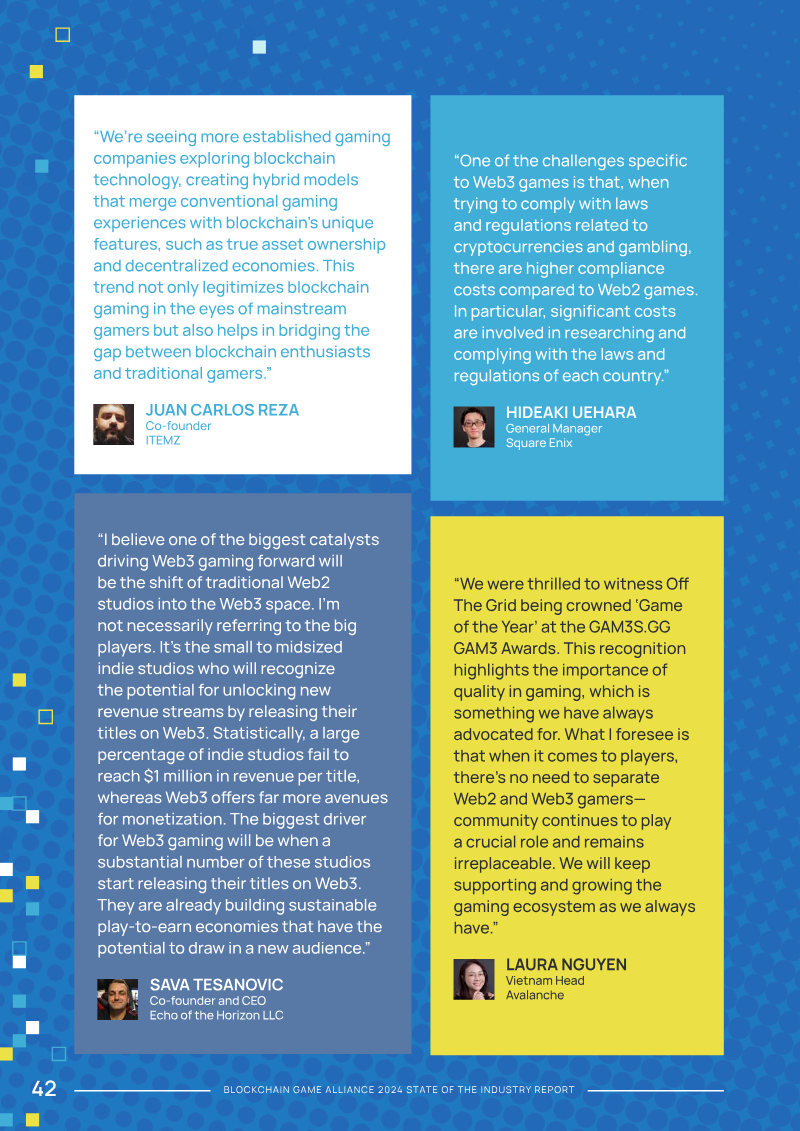
ReportThe State of Web3 Gaming 2024
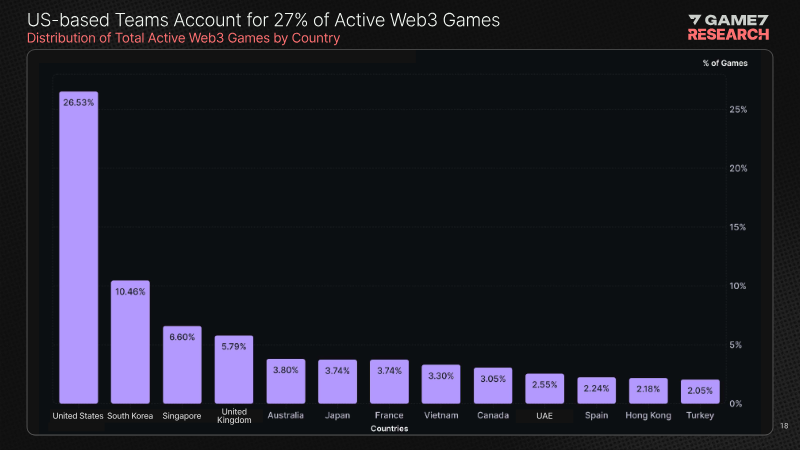
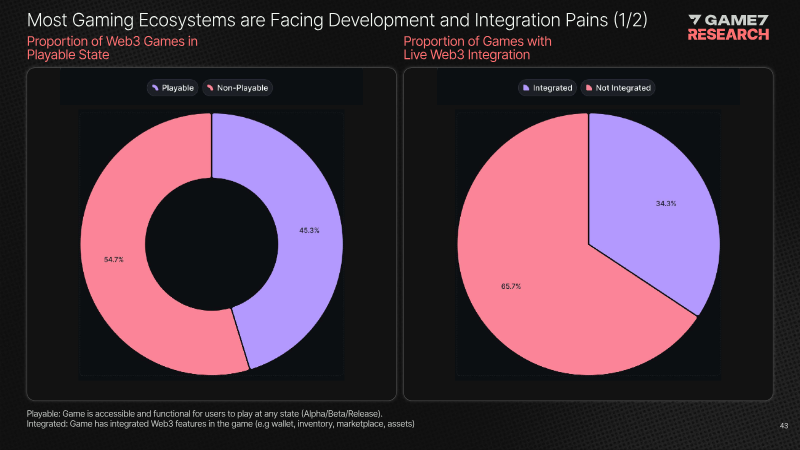
The Web3 gaming market entered a phase of maturation in 2024, marked by a strategic pivot from rapid expansion to ecosystem stability. While new game announcements decreased by 36%, project discontinuations plummeted by 84%, signaling a more resilient landscape. Indie developers currently drive over 90% of new launches, though technical integration remains a significant hurdle, with only 34% of titles successfully incorporating blockchain infrastructure. To combat the inflationary failures of earlier economic models, the industry is shifting toward "Play-to-Airdrop" mechanics to foster more sustainable player engagement. Geographically, the APAC region and the United States remain the primary hubs for development, collectively hosting the majority of active teams. Genre dominance continues to favor RPG, Casual, and Action titles, which also attract the bulk of stabilized venture capital funding. A notable shift in distribution is underway as Telegram emerged as a powerhouse platform, capturing 21% of new game launches, while the Epic Games Store expanded its Web3 portfolio to nearly 100 titles. This evolution in accessibility is mirrored by a technical migration toward Layer 2 and Layer 3 solutions, which now account for 57% of new game launches. Infrastructure is becoming increasingly specialized, with 64% of new blockchains designed specifically for gaming. Although the Ethereum Virtual Machine ecosystem maintains its dominance, high-growth frameworks like Arbitrum Orbit and Immutable are driving a record number of migrations as developers seek more efficient environments. Despite a 200% surge in token launches, investors maintain a conservative outlook, prioritizing high-quality game content over foundational infrastructure. This growth occurs against a fragmented regulatory backdrop, where developers must navigate the rigorous enforcement of the U.S. SEC alongside more structured frameworks in Asia and the European Union.
Adaverse · 2024
ReportState of Web3 in Saudi Arabia
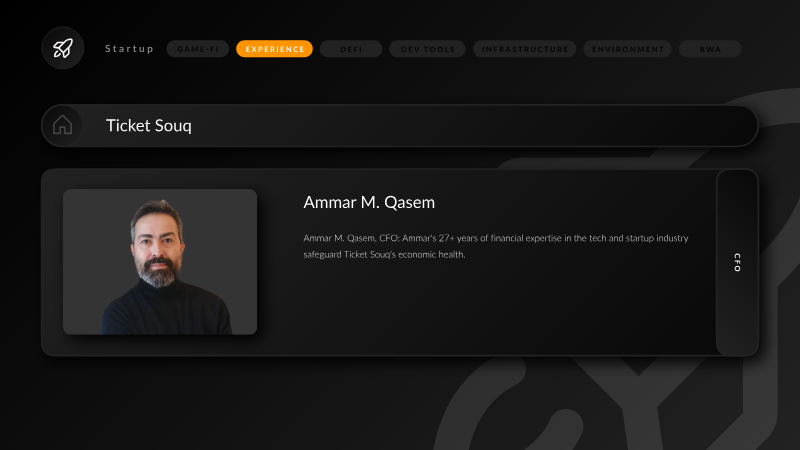
Saudi Arabia has emerged as the dominant hub for Web3 investment in the Middle East and North Africa, capturing 51 % of Q1 2024 venture‑capital funding with $429 million across 163 deals. This concentration reflects a supportive ecosystem that blends proactive government initiatives, a growing pool of local founders, and active participation from international investors. The market is presently skewed toward consumer‑facing applications such as DeFi, GameFi and SocialFi, while foundational protocol development remains limited, highlighting a clear opening for infrastructure builders. Founders of Saudi‑based Web3 ventures underscore the rapid maturation of the sector, citing high‑profile partnerships—including Animoca Brands with NEOM, collaborations with Hedera, and alignment with Vision 2030—as catalysts for growth. Yet they identify three persistent barriers: inadequate user‑friendly interfaces, insufficient public and investor education, and ambiguous regulatory frameworks that impede both builder activity and funding cycles. Sector‑specific use cases—blockchain‑enabled freelance payments, Sharia‑compliant insurance, and localized NFT platforms—are viewed as primary drivers of mass adoption. Government commitment reinforces this trajectory, with $37.7 billion earmarked for esports and $13.3 billion for gaming, complemented by sizable venture funds such as Wa’ed’s $500 million vehicle and 500 Global’s $2.4 billion under management. Notable projects illustrate tangible impact: Tharawat Green Exchange aims to plant ten million trees by 2030, while Ticket Souq has generated $3.3 million in gross merchandise value, serving 36 k users across 55 events in ten countries. Stakeholders agree that clear, supportive regulation, robust education, and targeted technology investment are essential to translate this momentum into sustainable, high‑pay‑off outcomes for the kingdom’s burgeoning gaming, fintech, e‑commerce and proptech sectors.
Marketing (Mobile)
2 documentsReports in the Marketing (Mobile) category.
Non-Gaming (Mobile)
1 documentReports in the Non-Gaming (Mobile) category.

Blockchain & Metaverse
2 documentsReports in the Blockchain & Metaverse category.
DappRadar · 2023
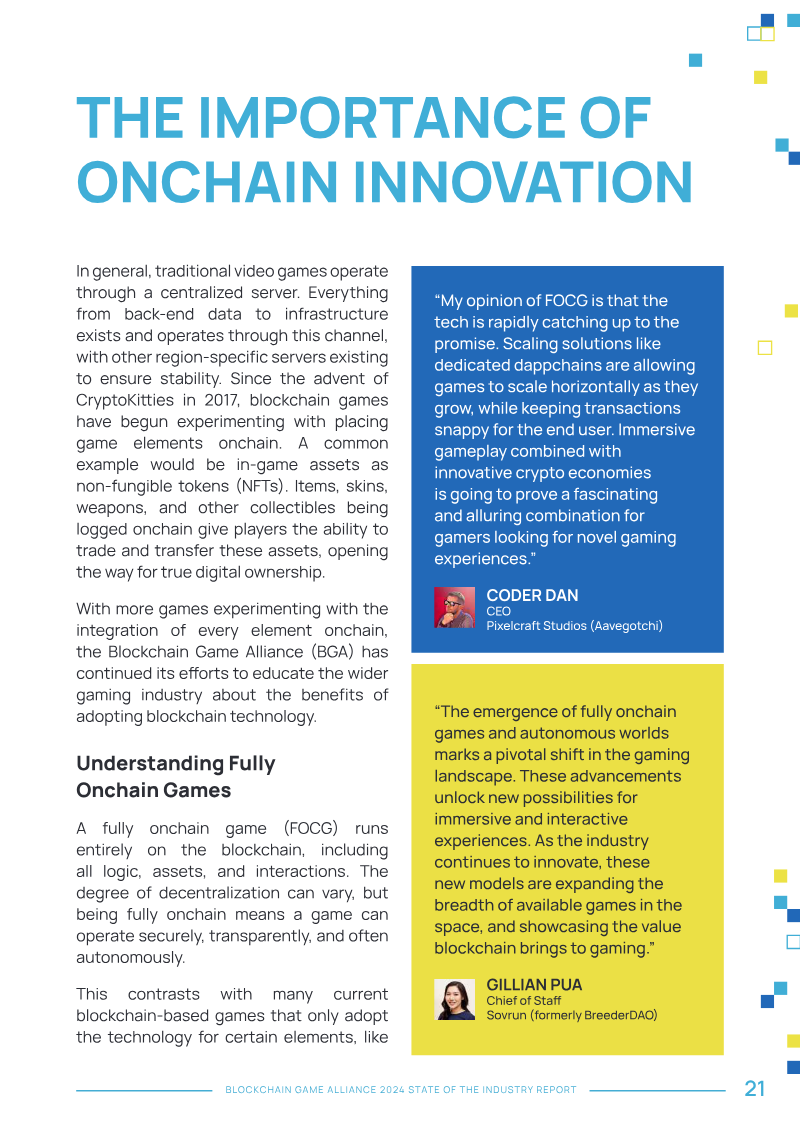
ReportState of Blockchain Gaming Q1 2023 Report
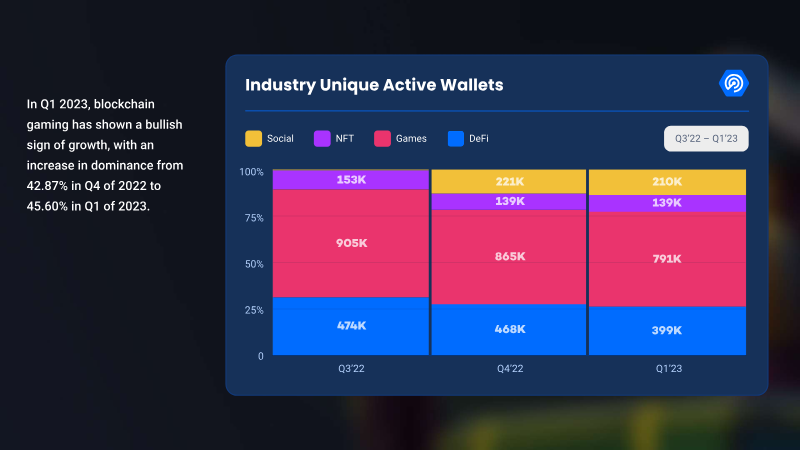
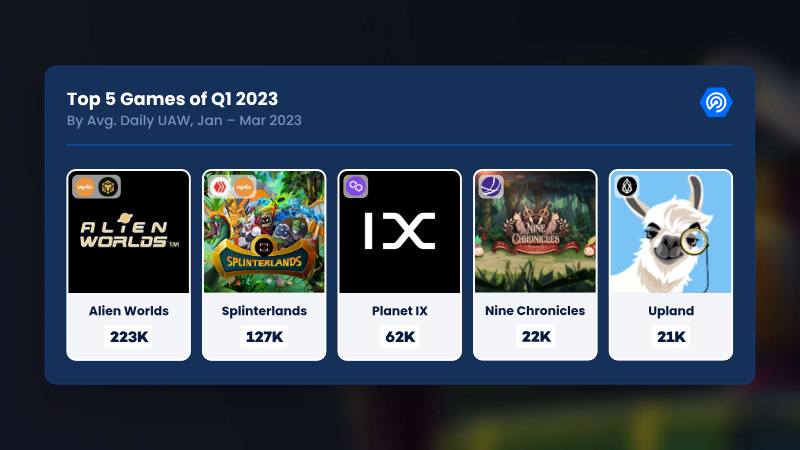
Investment in Blockchain Games (Q4 2022 → Q1 2023) | Quarter | Investment (USD) | Investment (Bn USD) | % Quarter‑over‑Quarter Change | |---------|------------------|----------------------|--------------------------------| | Q4 2022 | ≈ $654.5 million | ≈ 0.655 Bn | – | | Q1 2023 | $739 million | 0.739 Bn | +12.95 % | How the numbers were derived The report states that Q1 2023 saw a 12.95 % increase over the previous quarter and that the Q1 2023 total was $739 M. To back‑calculate the Q4 2022 figure: \[ \text{Q4 2022 Investment} = \frac{\text{Q1 2023 Investment}}{1 + 0.1295} = \frac{739\text{ M}}{1.1295} \approx 654.5\text{ M} \] Converting to billions (1 Bn = 1,000 M): \[ 654.5\text{ M} \approx 0.655\text{ Bn} \qquad 739\text{ M} = 0.739\text{ Bn} \] Key take‑away Q1 2023 investment in blockchain gaming and metaverse projects reached $739 M (0.739 Bn), marking a robust 12.95 % quarter‑over‑quarter growth from the ≈ $654.5 M (0.655 Bn) invested in Q4 2022. This upward trajectory underscores the accelerating capital interest in the blockchain gaming sector.
Newzoo · 2022
ReportGames, Esports, Live Streaming, Cloud and the Metaverse: 2022
The global gaming industry is undergoing a fundamental transformation characterized by the convergence of traditional media, high-fidelity content, and emerging Web3 technologies. The primary thesis posits that the sector is shifting toward an interconnected, cross-platform ecosystem where revenue diversification and creator-driven engagement models are essential for growth. While consumer skepticism persists regarding blockchain-based assets and NFTs, publishers are successfully navigating this transition by prioritizing mobile esports, co-streaming strategies, and efforts to circumvent restrictive app store ecosystems to foster deeper fan loyalty. Technological infrastructure is evolving to support this expansion, with cloud-based solutions and Platform-as-a-Service models playing a critical role in mitigating hardware limitations. By integrating gaming experiences into smart TVs and leveraging cloud technology, companies are effectively broadening their reach to new demographics. Simultaneously, the metaverse has emerged as a significant focal point for venture capital and brand investment, as corporations increasingly utilize digital fashion and virtual real estate to capture the attention of younger, digitally native audiences. Geographically, the market remains dominated by the Asia-Pacific region, which generates $88.2 billion in annual revenue, representing over half of the global total. North America follows with $42.6 billion, maintaining a strong position in the industry landscape. However, the long-term trajectory of the market is increasingly influenced by emerging territories in Latin America, the Middle East, and Africa. These regions are currently expanding at rates exceeding the global average, signaling a gradual decentralization of revenue and a more diverse, globalized future for the interactive entertainment sector.
Marketing (PC & Console)
1 documentReports in the Marketing (PC & Console) category.