The Swedish games industry underwent a period of rapid expansion in 2021, characterized by a 22% increase in domestic revenue to €2.7 billion and a 43% surge in global revenue to €5.8 billion. This growth was fueled by a record-breaking year of international acquisitions, with 81 public transactions led by major groups such as Embracer and Stillfront. By late 2022, Swedish-owned entities operated 197 studios across 49 countries, employing approximately 28,000 people worldwide. This international footprint is reflected in consumer reach, as an estimated one in four players globally has engaged with a Swedish-developed title, and Swedish-associated games accounted for 6% of all Twitch watchtime in 2021.
The domestic workforce grew by 17% to nearly 8,000 employees, with women representing 22.1% of the total staff and 26% of new hires. While gender diversity is improving—evidenced by 29 companies achieving at least 50% female representation—the industry continues to struggle with a severe domestic skills shortage. This talent gap has forced Swedish firms to expand their foreign subsidiaries aggressively, with over 11,000 staff members now based abroad. Although regional hubs in Stockholm and Skåne remain dominant, growth is increasingly supported by specialized educational clusters and post-secondary programs designed to cultivate local talent.
Despite its commercial success and cultural influence, the sector faces structural hurdles that could impact future scalability. Critical challenges include complex work permit processes for international recruits and a lack of early-stage financing compared to other global markets. Methodological shifts in industry tracking now prioritize national group turnover to ensure better comparability with other sectors, revealing a robust ecosystem of 785 active companies. While the industry remains a powerhouse of the Swedish economy, its long-term sustainability depends on addressing recruitment barriers and maintaining the momentum of its global acquisition strategy.
Dataspelsbranschen · 2026
Dataspelsbranschen · 2026
Dataspelsbranschen · 2026
Dataspelsbranschen · 2025
Dataspelsbranschen · 2025
Dataspelsbranschen · 2025
Dataspelsbranschen · 2025
Dataspelsbranschen · 2024
Dataspelsbranschen · 2024
Dataspelsbranschen · 2024

Swedish Games Industry · 2024
Dataspelsbranschen · 2024
Dataspelsbranschen · 2021
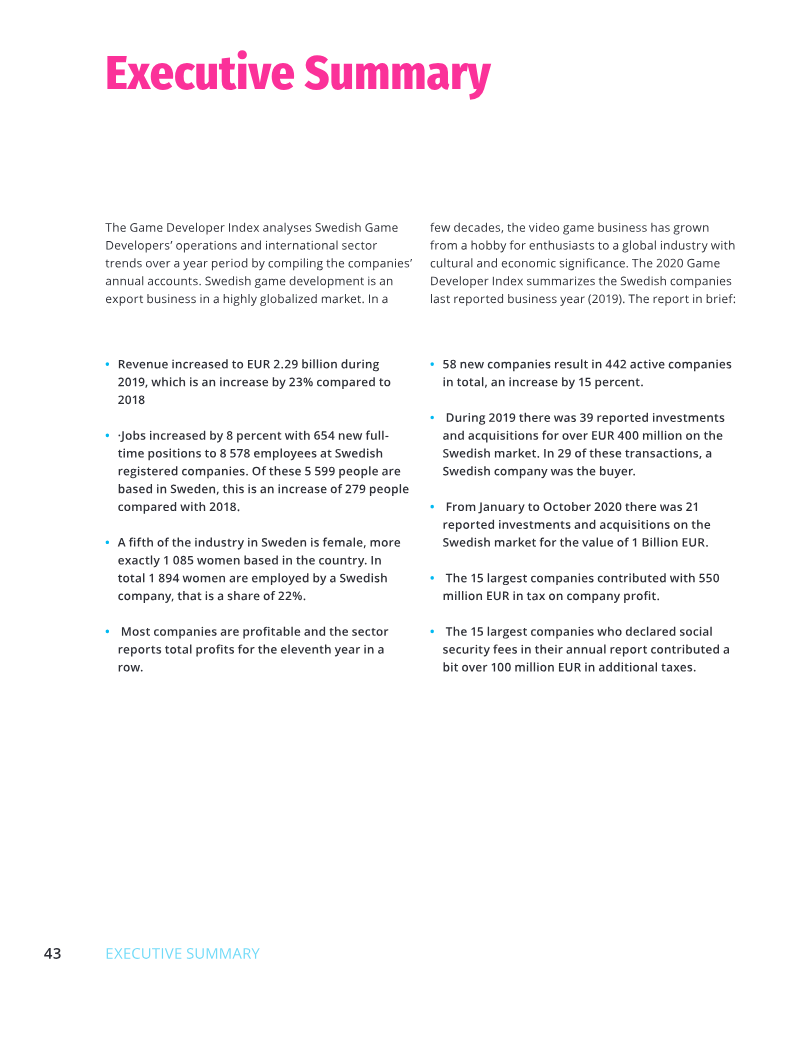
Dataspelsbranschen · 2020

Swedish Games Industry · 2019
Dataspelsbranschen · 2018
Duamentes Gaming · 2025
CESA – Computer Entertainment Supplier's Association · 2025
Kreativ Sektor · 2025
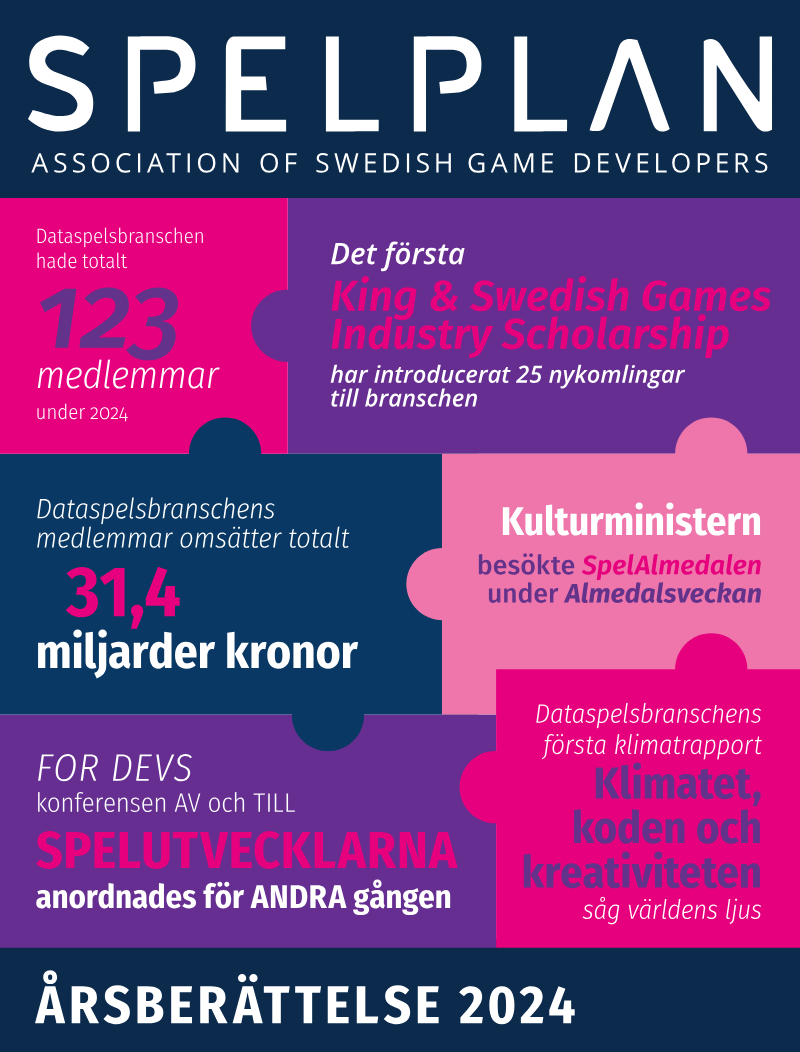
Spelplan-ASGD · 2025
Dataspelsbranschen · 2024
The Swedish Games Industry · 2024
Swedish Games Industry · 2024
Neogames Finland · 2024