ReportNewzoo
Games, Esports, Live Streaming, Cloud and the Metaverse: 2022
202230 pages~26 min full read
The global gaming industry is undergoing a fundamental transformation characterized by the convergence of traditional media, high-fidelity content, and emerging Web3 technologies. The primary thesis posits that the sector is shifting toward an interconnected, cross-platform ecosystem where revenue diversification and creator-driven engagement models are essential for growth. While consumer skepticism persists regarding blockchain-based assets and NFTs, publishers are successfully navigating this transition by prioritizing mobile esports, co-streaming strategies, and efforts to circumvent restrictive app store ecosystems to foster deeper fan loyalty.
Technological infrastructure is evolving to support this expansion, with cloud-based solutions and Platform-as-a-Service models playing a critical role in mitigating hardware limitations. By integrating gaming experiences into smart TVs and leveraging cloud technology, companies are effectively broadening their reach to new demographics. Simultaneously, the metaverse has emerged as a significant focal point for venture capital and brand investment, as corporations increasingly utilize digital fashion and virtual real estate to capture the attention of younger, digitally native audiences.
Geographically, the market remains dominated by the Asia-Pacific region, which generates $88.2 billion in annual revenue, representing over half of the global total. North America follows with $42.6 billion, maintaining a strong position in the industry landscape. However, the long-term trajectory of the market is increasingly influenced by emerging territories in Latin America, the Middle East, and Africa. These regions are currently expanding at rates exceeding the global average, signaling a gradual decentralization of revenue and a more diverse, globalized future for the interactive entertainment sector.

Google · 2026
Newzoo · 2026

Newzoo · 2026
Newzoo · 2026

Deconstructor of Fun · 2026
Newzoo · 2026
Newzoo · 2026
Newzoo · 2026
Newzoo · 2026

Newzoo · 2026
Newzoo · 2026
Newzoo · 2025
Newzoo · 2022
Newzoo · 2022
Stream Hatchet · 2024
Newzoo · 2022
Newzoo · 2022
Newzoo · 2022

InvestGame · 2025

Vorhaus Advisors · 2025
Stream Hatchet · 2025
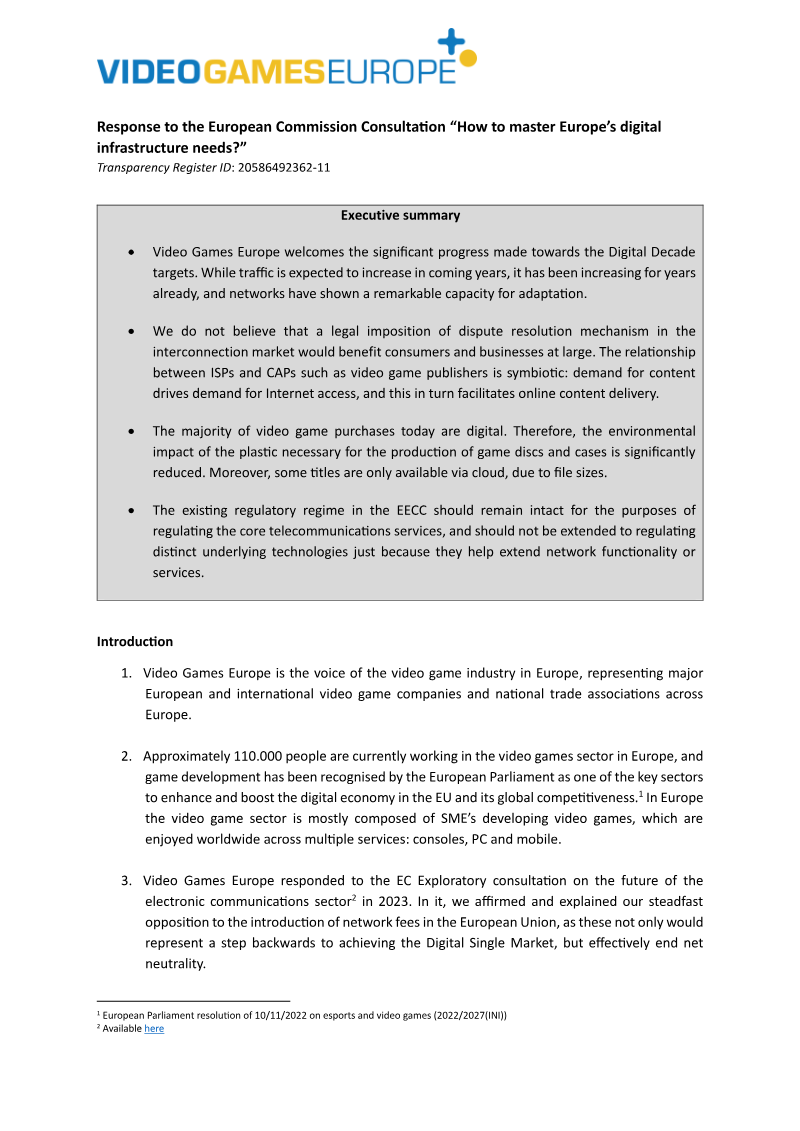
Video Games Europe · 2024
Game7 Research · 2024
Stream Hatchet · 2024