The free-to-play (F2P) market on Steam represents a dominant but increasingly consolidated segment of the PC gaming industry. In 2023, F2P titles accounted for 51% of all player engagement hours on the platform, despite representing a small fraction of the total games available. This engagement is heavily concentrated at the top, with the 25 most popular titles capturing 88% of all F2P playtime. The market is characterized by significant stagnation among top performers; the average age of a top-ten F2P game is seven years, and only two new titles have successfully broken into and remained in the top ten over the last three years.
Geographically, the F2P ecosystem is driven by three "Tier 1" territories—the United States, China, and Russia—which collectively account for nearly 40% of the global F2P player base. Success in this segment typically requires catering to at least one of these major markets. However, the traditional F2P model is facing new competition from a rising "middle ground" of premium titles priced between $20 and $40. Recent hits like Palworld and Helldivers 2 demonstrate that paid games with live-service elements can successfully siphon engagement away from purely free titles by offering high-quality experiences with modern monetization structures.
The analysis utilizes data from the Video Game Insights platform, primarily measuring success through average concurrent users (CCU) and total hours played. The findings suggest that while the F2P market remains a massive engine for player engagement, the "winner-takes-all" nature of the segment makes it increasingly difficult for new entrants to displace established giants like Counter-Strike and Dota 2. Consequently, developers are finding success in hybrid models that combine upfront costs with long-term live-service support.

Video Game Insights · 2025
Video Game Insights · 2025

Video Game Insights · 2025
Video Game Insights · 2024
Video Game Insights · 2024
Video Game Insights · 2024
Video Game Insights · 2024
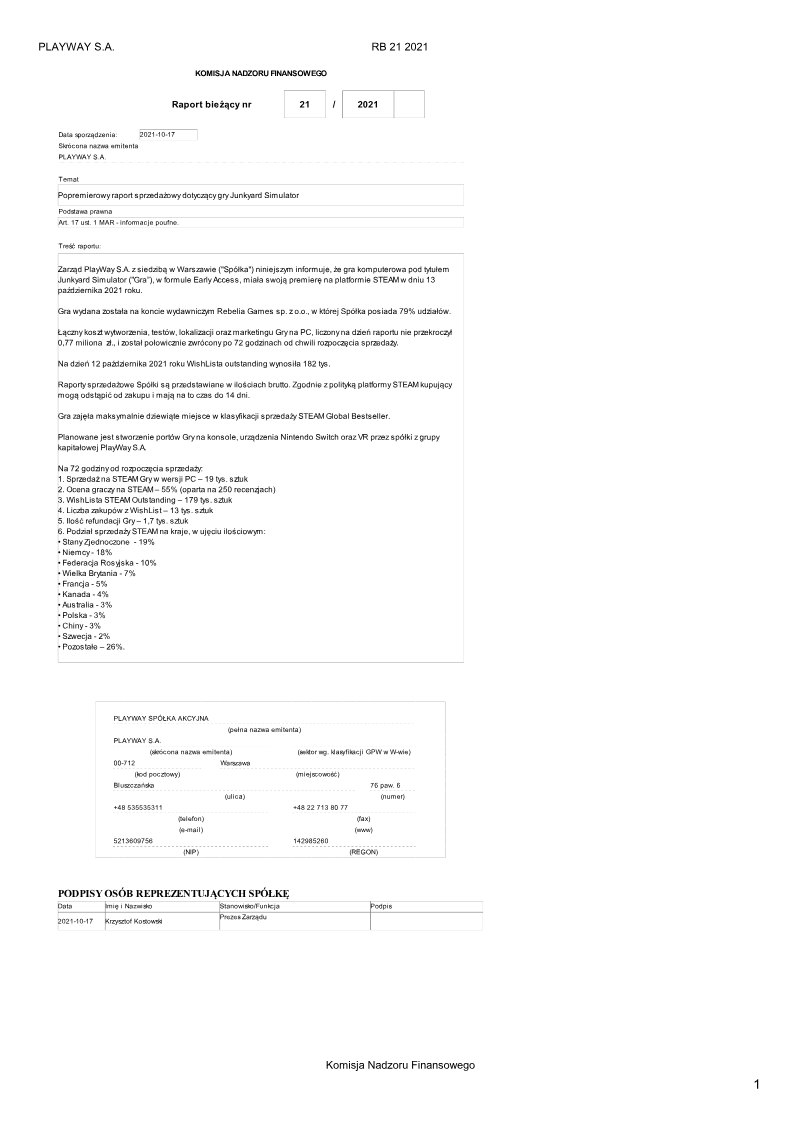
PlayWay · 2021
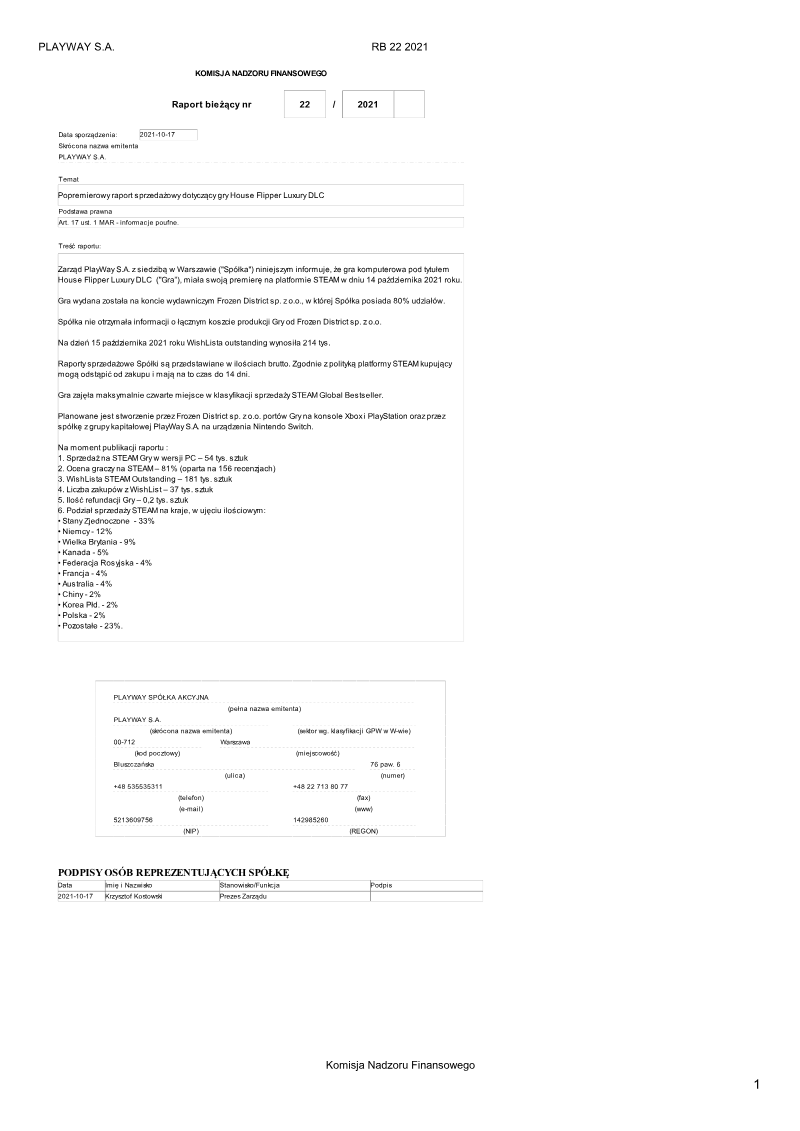
PlayWay · 2021
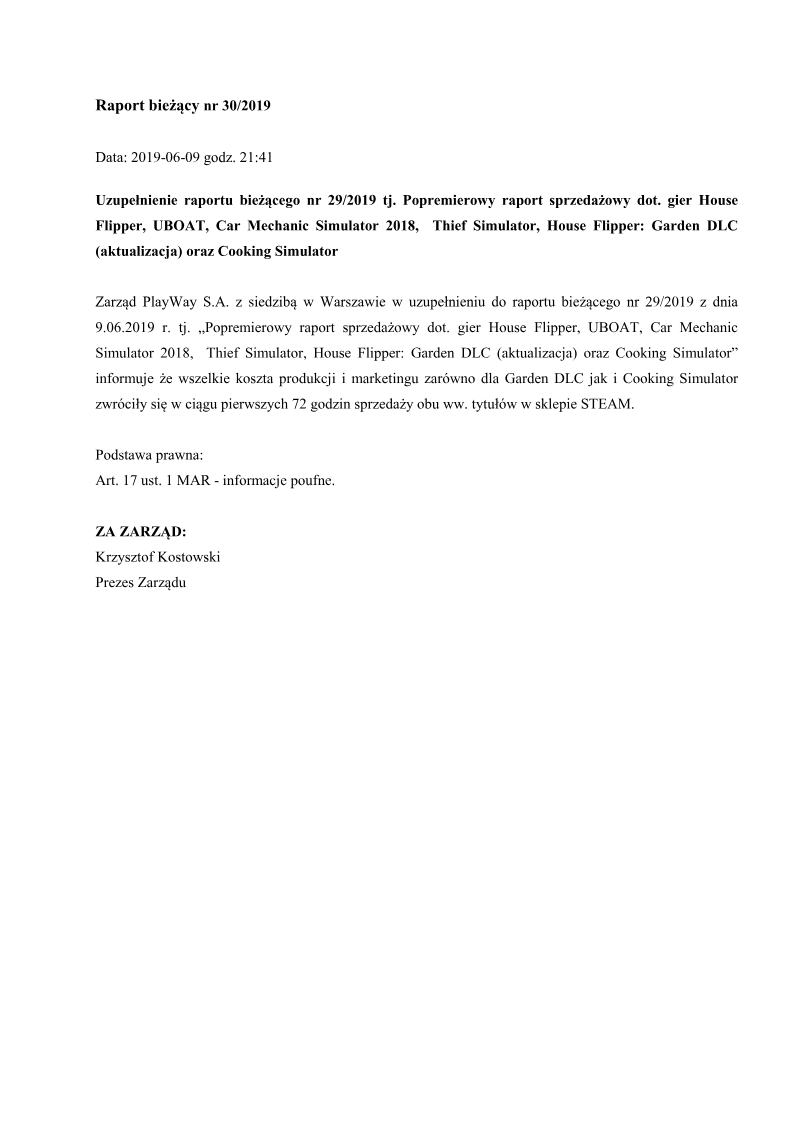
PlayWay · 2019

Almedia · 2026
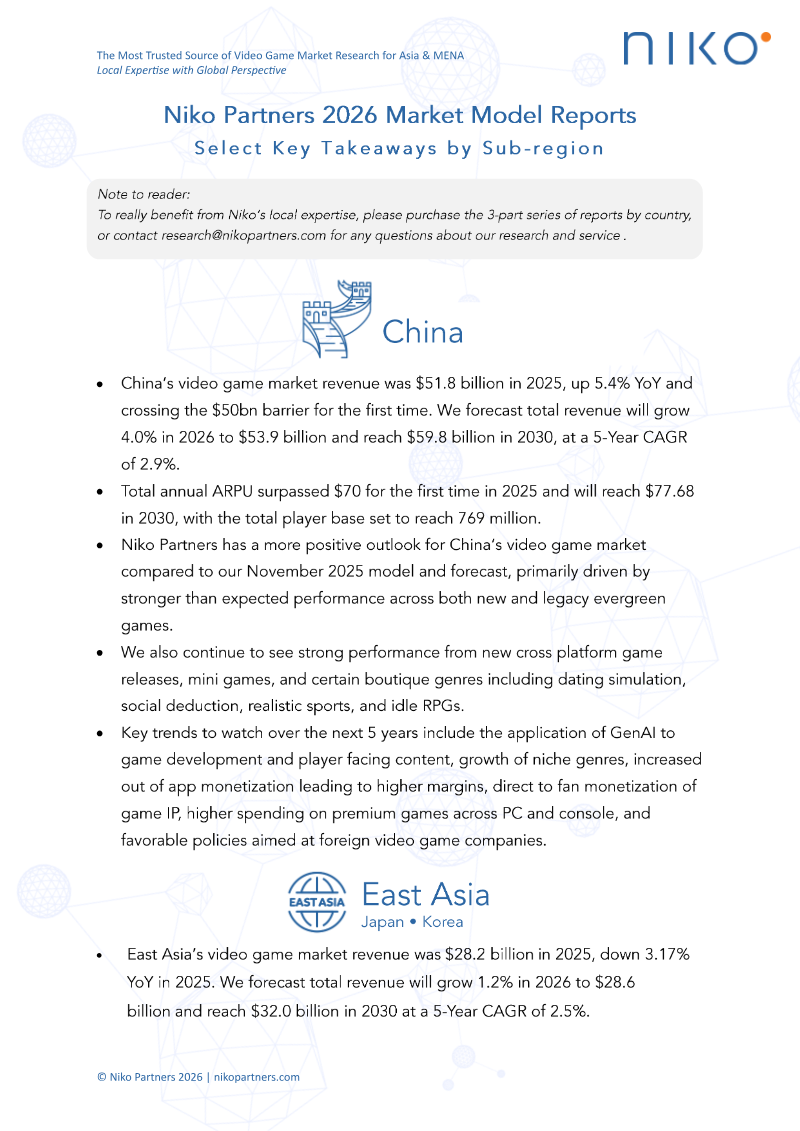
Niko Partners · 2026
Gamesight · 2026

Sensor Tower · 2026

Sensor Tower · 2026
AppLovin · 2026

Sensor Tower · 2026

Mintegral · 2026

Sensor Tower · 2026