
The analysis presents a snapshot of the U.S. public‑equity environment for the gaming industry in the second quarter of 2024, contrasting overall technology strength with sector‑specific performance. While the S&P 500 Information Technology index surged 14 percent, the broader gaming segment failed to keep pace, delivering only modest gains for most publishers. In contrast, the gambling sub‑category generated a robust 29 percent year‑to‑date return, underscoring divergent dynamics within the industry and suggesting that betting‑related businesses are currently the primary drivers of market outperformance.
A parallel valuation component evaluates three publicly listed gaming‑related entities—Guild, Simplicity Esports, and EBET—using multiples sourced from PitchBook and Morningstar as of June 30 2024. The data reveal a scarcity of reliable pricing metrics, with several multiples either unavailable or markedly negative. EBET, in particular, exhibits extreme negative multiples (‑62.7×, ‑5.0×, ‑8.1×, ‑3.8×), reflecting either severe earnings shortfalls or market skepticism about its valuation. These anomalous figures highlight the challenges of applying conventional valuation frameworks to niche or underperforming gaming firms.
Overall, the findings suggest that, despite a bullish backdrop for U.S. technology equities, the gaming sector’s heterogeneous performance and the paucity of credible valuation multiples limit investors’ ability to benchmark and price companies effectively. The evidence points to a need for more granular analysis of sub‑segments, especially gambling, and for alternative valuation approaches when traditional multiples prove unreliable.
PitchBook · 2026

PitchBook · 2024

PitchBook · 2024

PitchBook · 2024

PitchBook · 2023

PitchBook · 2023
PitchBook · 2023
PitchBook · 2023
PitchBook
Modern Times Group · 2026
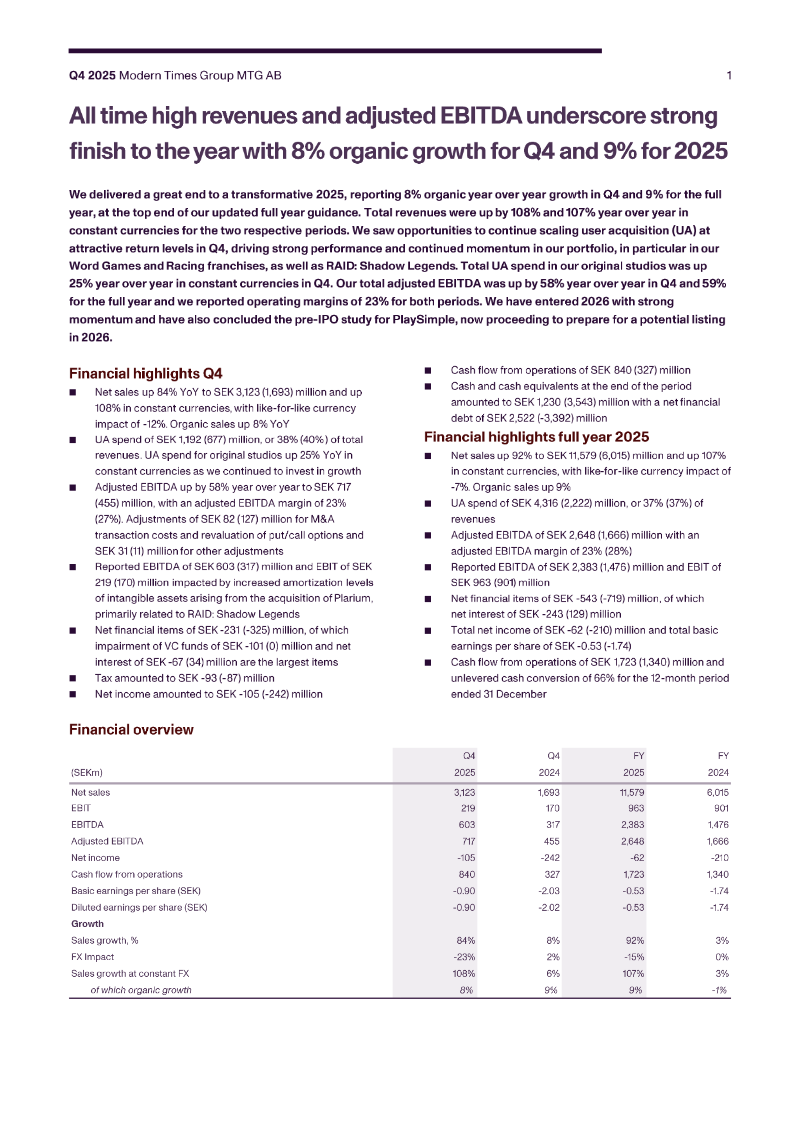
Modern Times Group · 2026
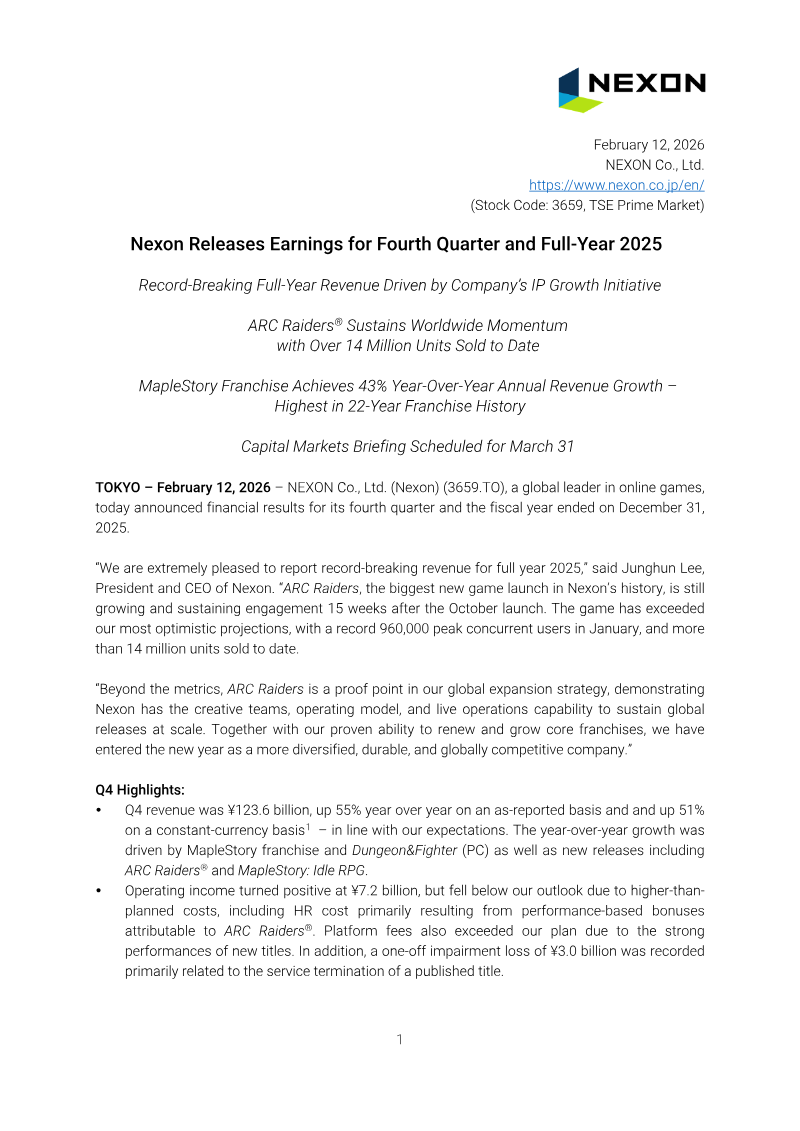
NEXON Co. · 2026
CyberAgent · 2026
InvestGame · 2025
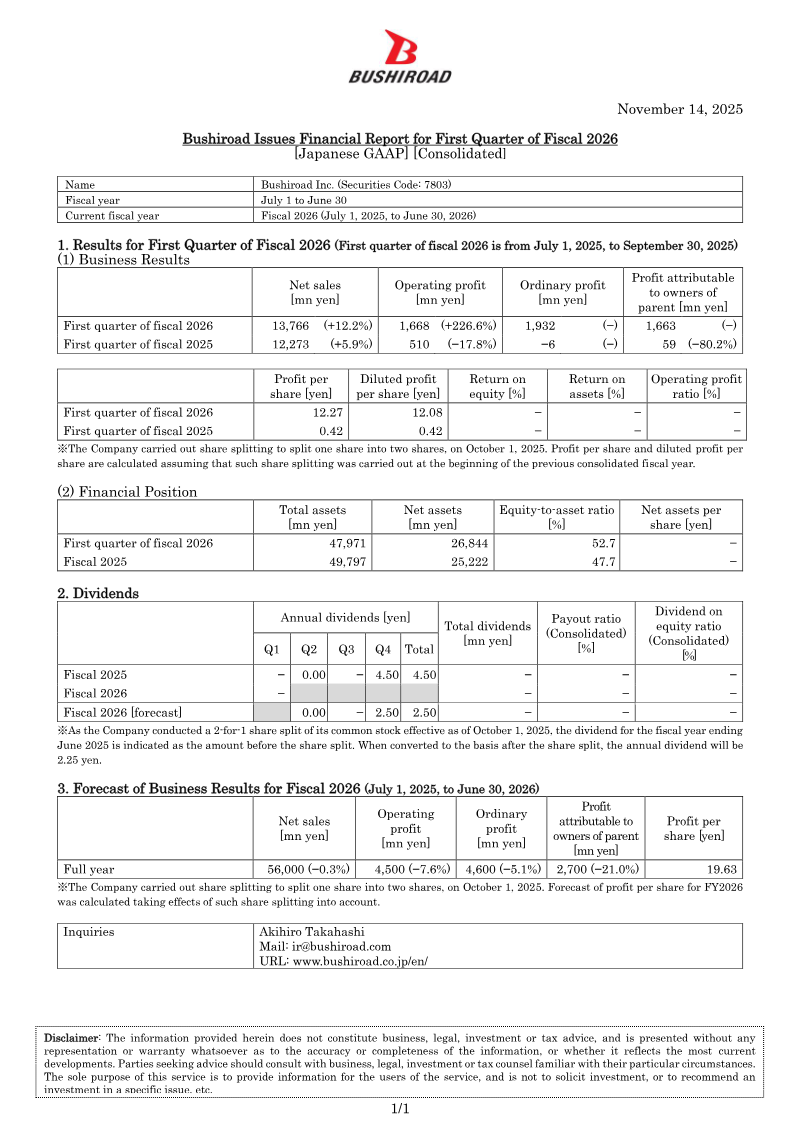
Bushiroad · 2025

Modern Times Group · 2025
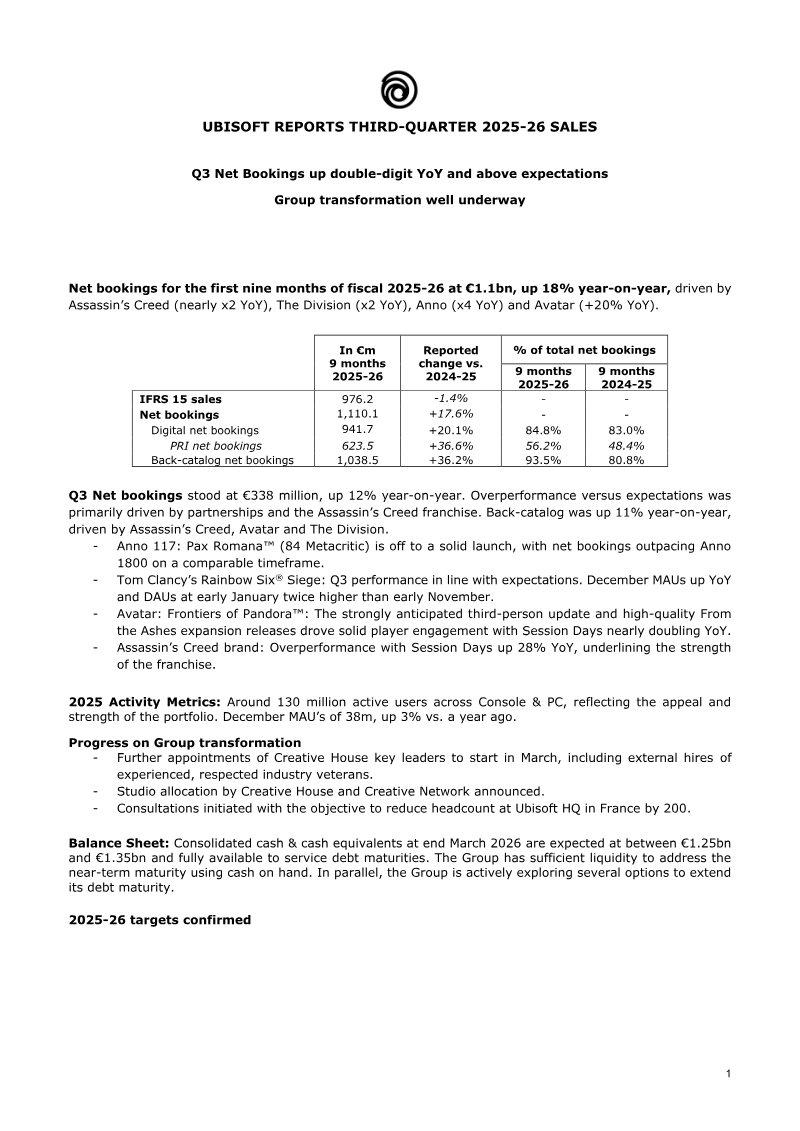
Ubisoft · 2025

G5 Entertainment AB · 2024

Paradox Interactive · 2024

SGA · 2024

Lumikai · 2024