ReportDuamentes Gaming
Making Games, Making Future: Inside the Realities of Game Careers
202527 pages~8 min full read
This research examines the professional landscape of the global gaming industry, drawing on a survey of over 160 professionals conducted during Gamescom 2025. The sample represents a diverse geographic spread, with significant participation from Europe and North America, alongside emerging representation from Latin America, Asia-Pacific, and Africa. Demographically, the industry remains male-dominated (65%), though women (30%) and non-binary individuals (6%) constitute a notable portion of the workforce. The data highlights a mid-career-heavy industry, where nearly half of the respondents possess six to ten years of experience, while newcomers are increasingly rare due to slowed recruitment and a preference for senior talent.
The central thesis identifies a stark paradox: while 76% of professionals report high job satisfaction driven by a deep passion for creative expression, trust in the industry as a sustainable career path has collapsed, evidenced by a Net Promoter Score (NPS) of -40. This disillusionment is most pronounced among veterans aged 45 and older. While the "spark of passion" remains the primary motivator for joining and staying in the field, it is increasingly undermined by systemic issues. Key deterrents include low compensation (54%), unstable employment (43%), and burnout (30%).
The findings conclude that the industry is at a critical juncture. Professionals envision a future defined by player-centric design, cross-platform development, and increased diversity. However, they warn that the current model—characterized by "suits" maximizing short-term profits and frequent layoffs—is unsustainable. The research suggests that a "Golden Age" of gaming can only be achieved by shifting from profit-driven exploitation of passion toward structural stability, fair compensation, and genuine collaboration. Without these changes, the industry risks a continuous drain of the talent required to sustain its creative output.
Game Developers Conference · 2024
Bandai Namco · 2023
Game Developers Conference · 2023
GDC · 2022
Game Developers Conference · 2022
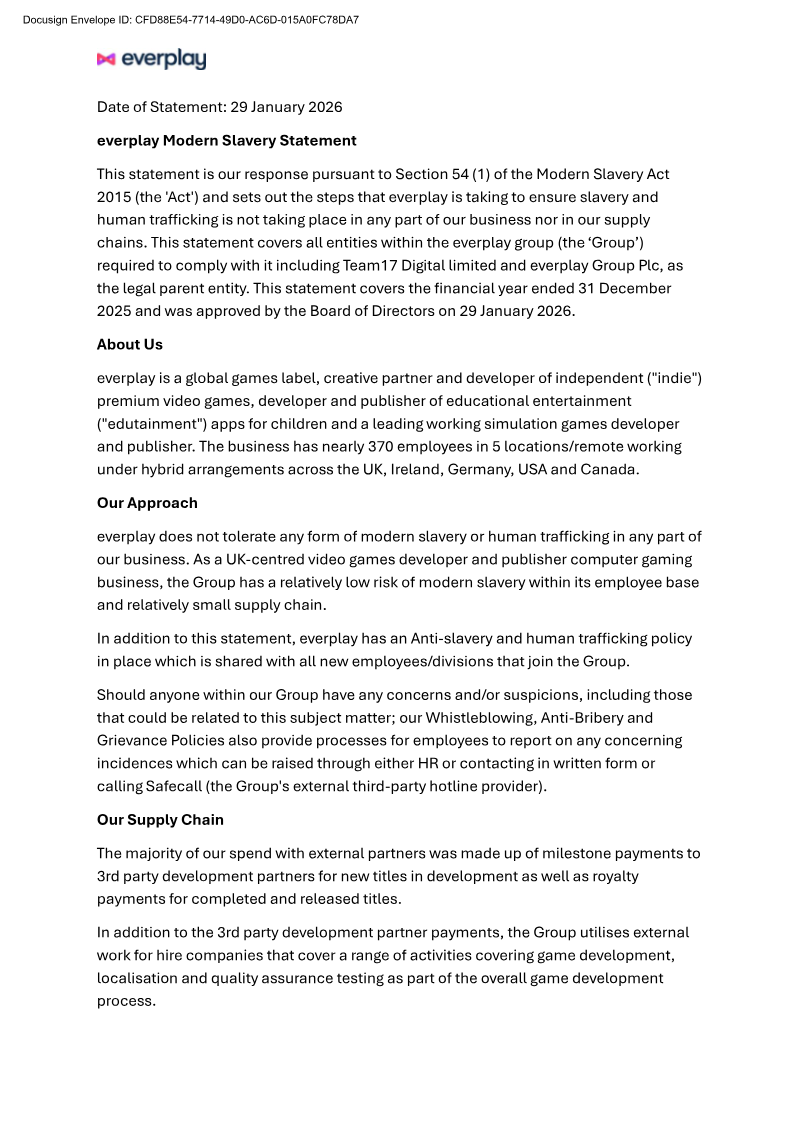
Everplay · 2026
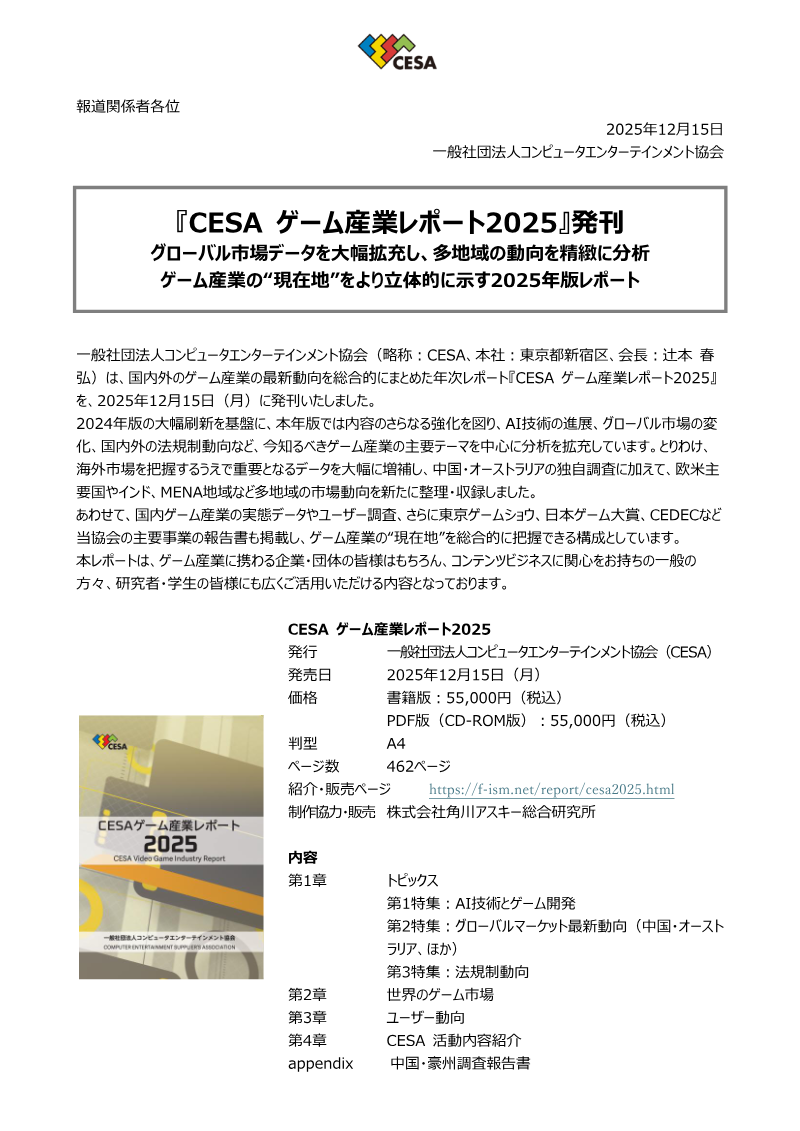
CESA – Computer Entertainment Supplier's Association · 2025

Take-Two Interactive · 2025
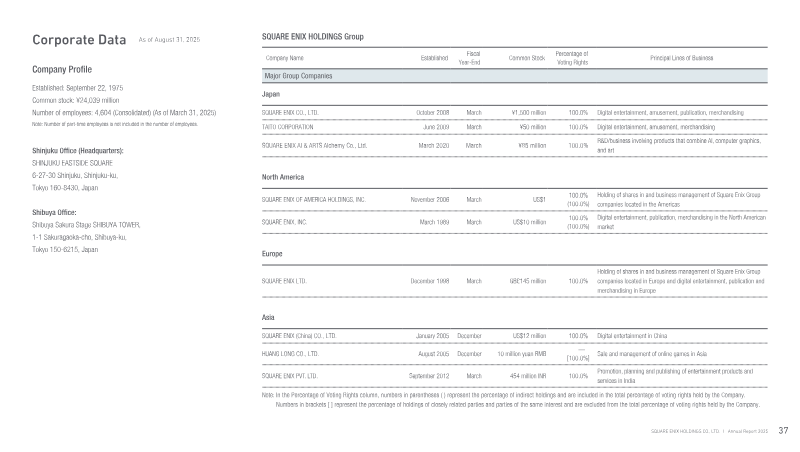
Square Enix · 2025
Electronic Arts · 2025
CESA – Computer Entertainment Supplier's Association · 2025
GDC · 2025