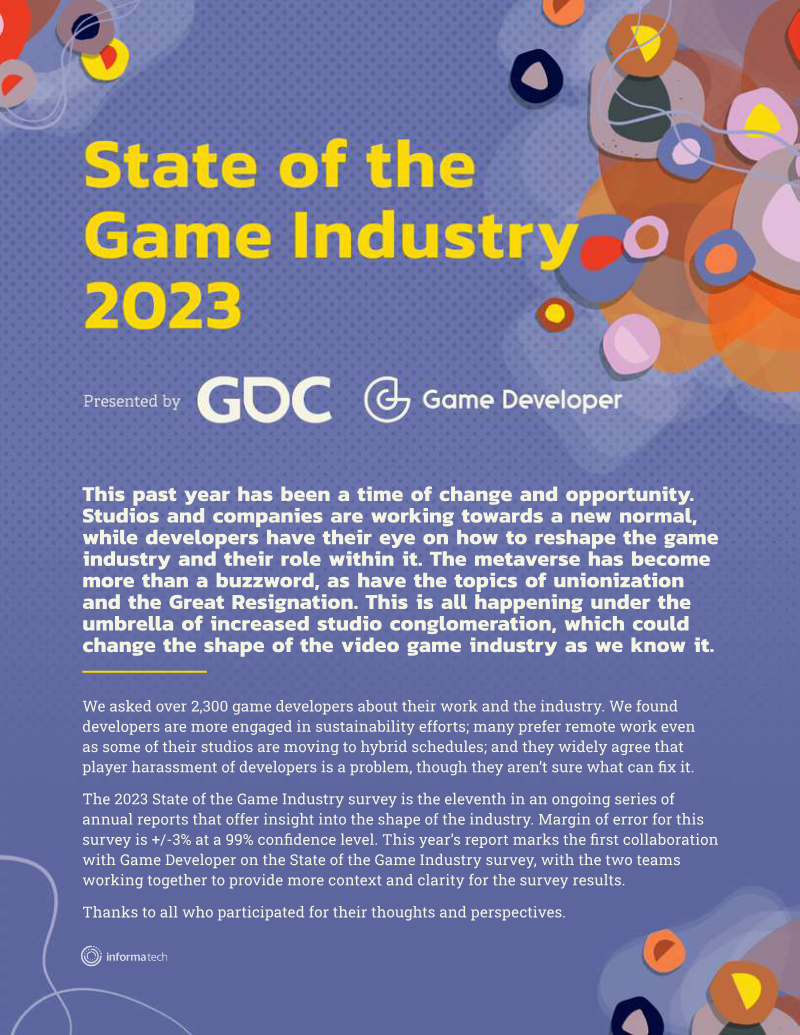
State of the Game Industry 2023
202334 pages~43 min full read
The global game development landscape in 2023 is characterized by a return to established platforms and a growing skepticism toward speculative technologies. PC remains the primary focus for the majority of developers, while the PlayStation 5 has emerged as the preferred console for both current projects and future interest. Conversely, enthusiasm for blockchain and the metaverse has waned significantly, with a vast majority of studios reporting no interest in the former and nearly half of the workforce doubting the long-term viability of the latter. This shift coincides with a workforce demographic that is increasingly concentrated in smaller indie studios and composed of professionals with a decade or less of experience.
Operational priorities are shifting toward social responsibility and internal structural reform. Diversity, equity, and inclusion initiatives, alongside sustainability and accessibility measures, have become standard considerations for more than half of the industry. However, significant labor tensions persist, evidenced by a majority of developers supporting unionization and widespread concern regarding the impact of large-scale studio acquisitions on the market. While hybrid work models have become the norm, the industry continues to struggle with self-imposed pressure to work extended hours and a reliance on traditional discovery methods, such as word-of-mouth and storefront promotions, over emerging social media platforms.
The industry also faces critical challenges regarding workplace safety and demographic representation. Player harassment remains a pervasive issue, affecting 40% of the workforce and disproportionately impacting community managers and marginalized groups. While most companies have issued statements addressing these incidents, developers are calling for more robust enforcement policies and mental health resources. Demographically, the industry remains largely white and male, though a significant 20% of respondents identify as LGBTQ+. These findings suggest an industry in a state of transition, balancing technological pragmatism with a heightened focus on cultural and structural accountability.
Game Developers Conference · 2026
Game Developers Conference · 2026
Game Developers Conference · 2026
Game Developers Conference · 2026
Game Developers Conference · 2026
Game Developers Conference · 2026

Game Developers Conference · 2026

Game Developers Conference · 2026

Game Developers Conference · 2025

Game Developers Conference · 2025

Game Developers Conference · 2025

Game Developers Conference · 2025
Duamentes Gaming · 2025
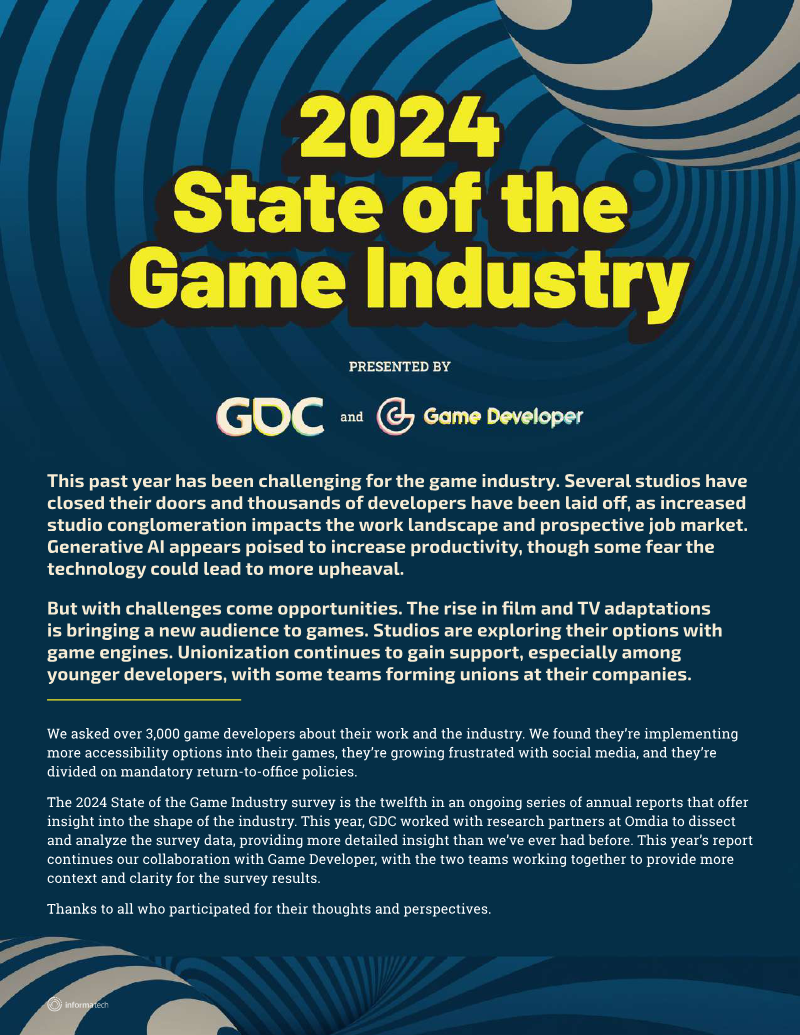
Game Developers Conference · 2024
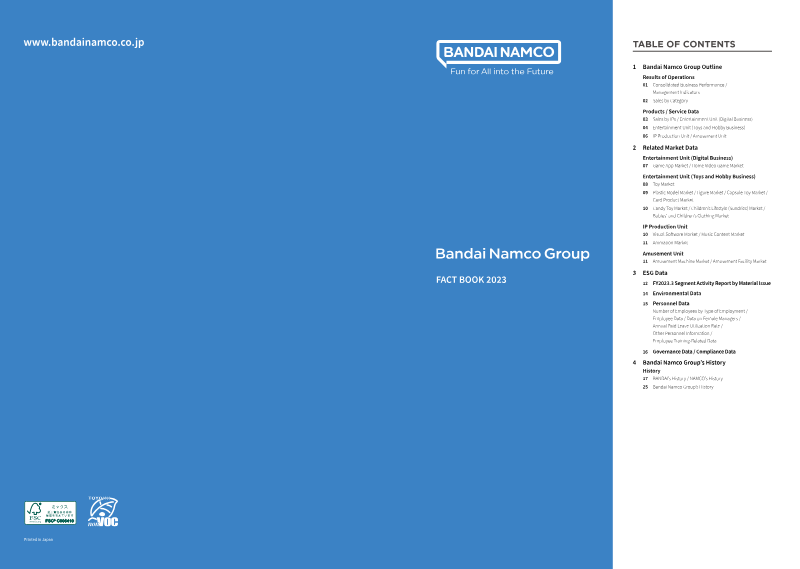
Bandai Namco · 2023
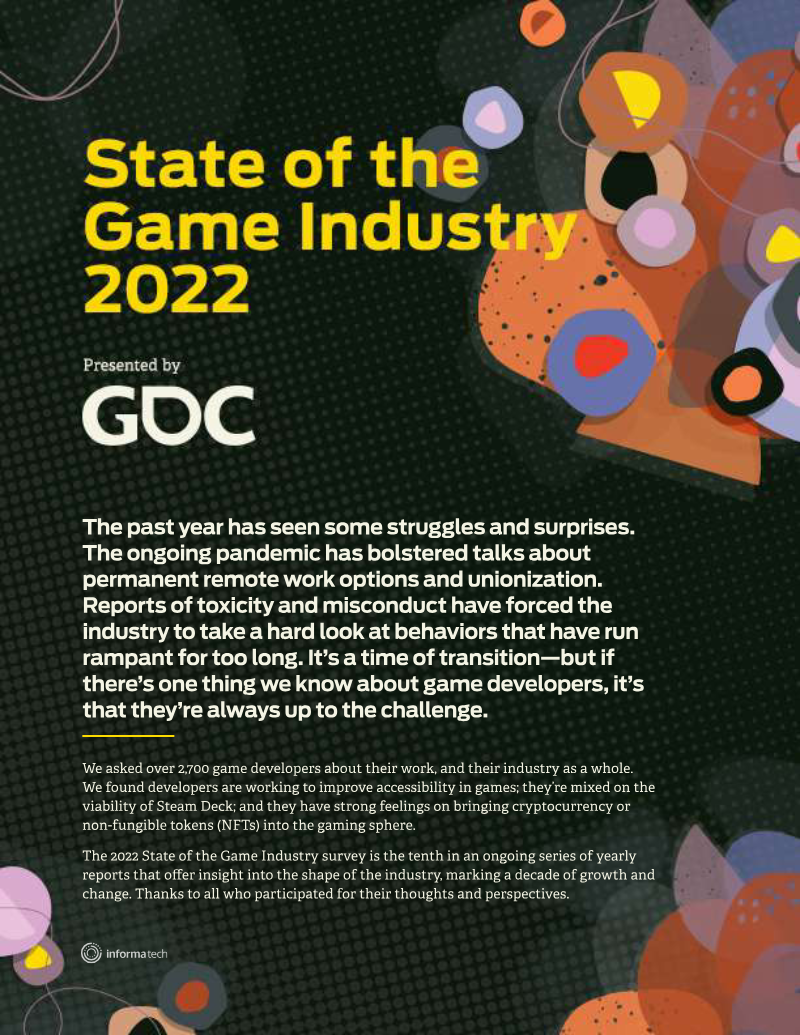
GDC · 2022
Game Developers Conference · 2022
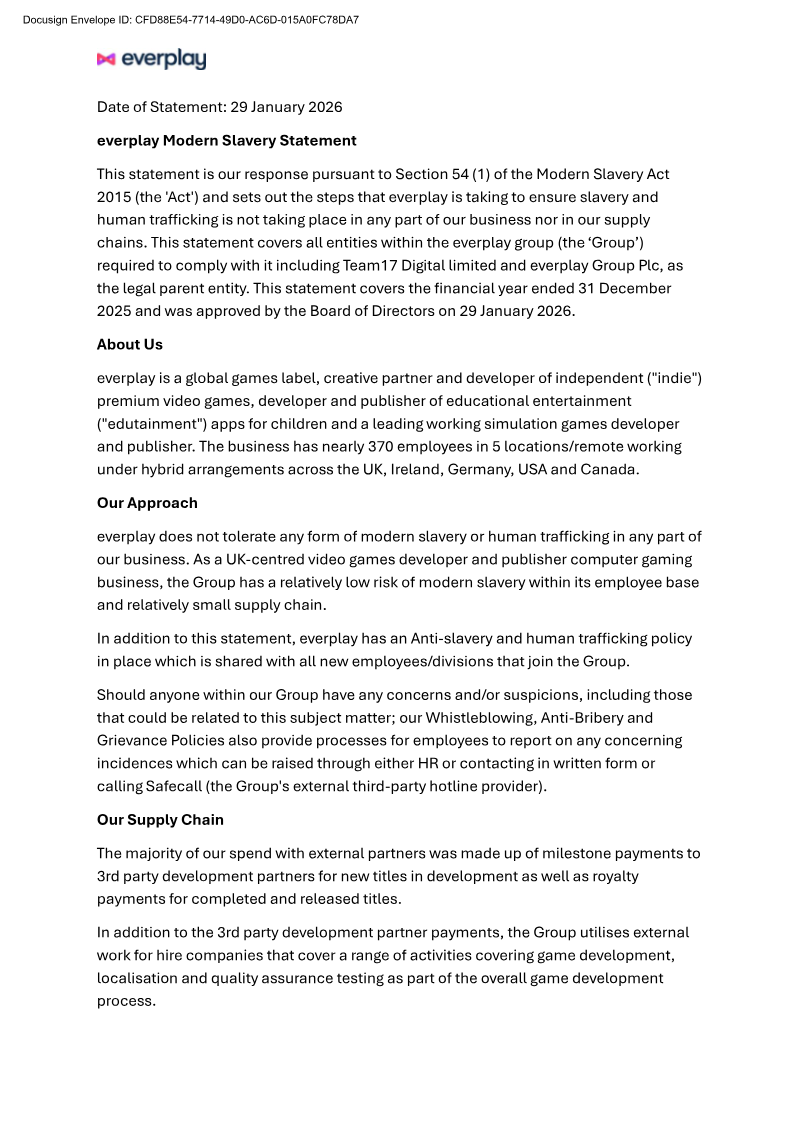
Everplay · 2026
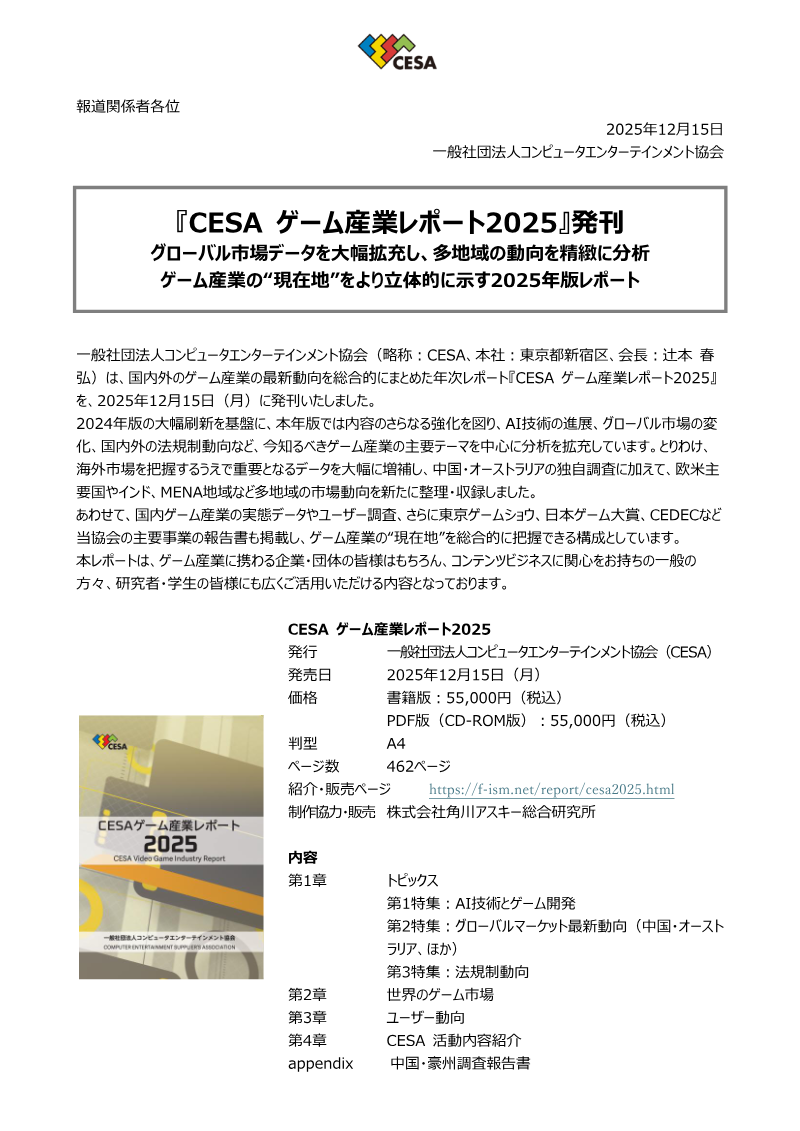
CESA – Computer Entertainment Supplier's Association · 2025
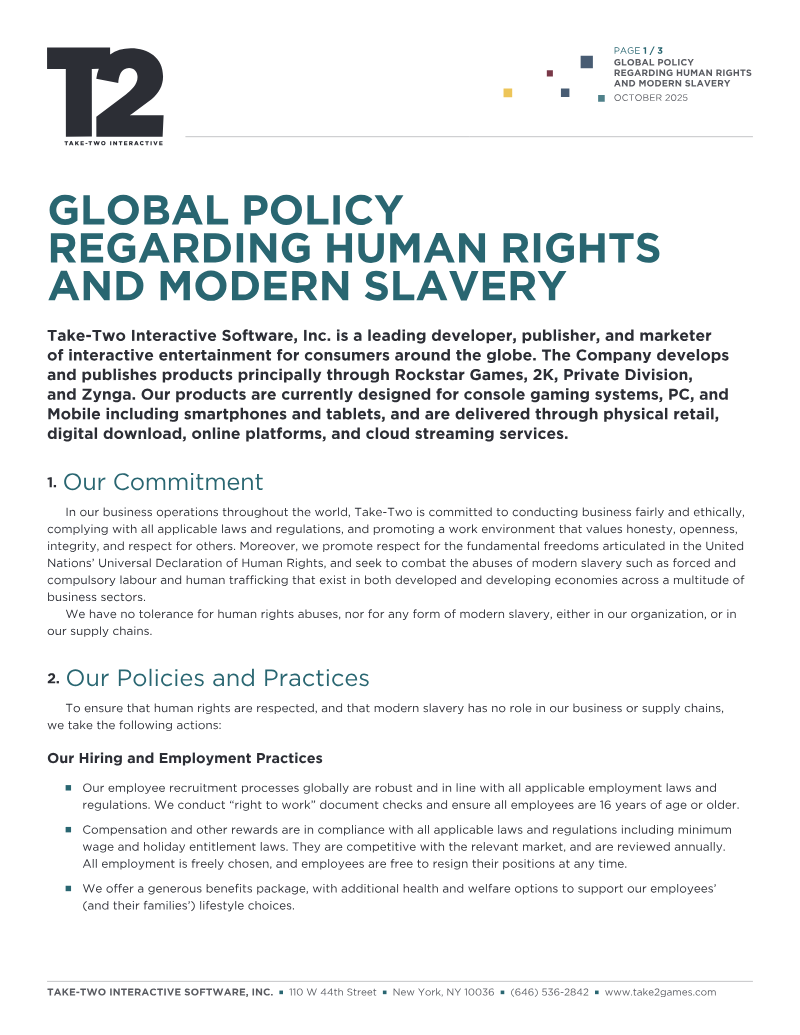
Take-Two Interactive · 2025
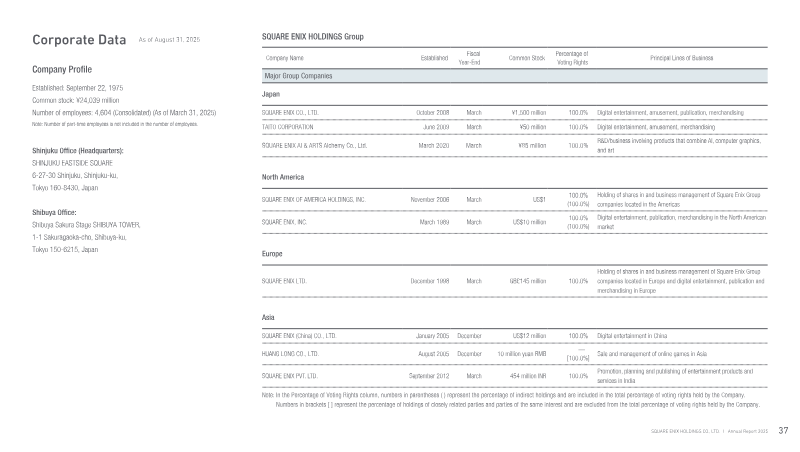
Square Enix · 2025
Electronic Arts · 2025
GDC · 2025
AEVI · 2025