
ReportSocialPeta
2024 Global Mobile Games Marketing Trends & Insights
1 Dec 202474 pages~41 min full read
The global mobile gaming industry is currently defined by extreme market concentration and a fundamental shift in monetization and marketing strategies. With the top 50 publishers generating 70% of total revenue, the sector is moving toward hybrid-casual models that blend ad-based revenue with in-app purchases to offset rising user acquisition costs. Strategic priorities for 2025 include the expansion of Direct-to-Consumer platforms to preserve margins and a resurgence in HTML5 web games. This evolution is occurring alongside a surge in marketing volume; in 2024, the industry saw over 250,000 advertisers and 46.2 million creative assets, representing a 60% year-over-year increase in advertising activity despite a declining rate of new market entrants.
Geographically, the landscape is marked by rapid growth in Southeast Asia and Latin America, while the United States remains a dominant but maturing market. High-production, cross-platform free-to-play titles, particularly from Chinese developers, are raising consumer expectations and challenging traditional premium pricing models. To navigate privacy-related data limitations, marketers are increasingly adopting creative-level attribution and generative AI for both content production and data analysis. Short-form video has become the primary driver of engagement, accounting for up to 81% of impressions in genres like Puzzle and Simulation, often utilizing AI-generated imagery and demographic-specific hooks to capture niche audiences.
Tactical trends reveal a widespread reliance on intellectual property and the integration of casual mini-game mechanics to market hardcore RPG and Strategy titles. Successful campaigns frequently leverage localized content and specialized creative formats, such as "stomp" transitions for social media or long-form puzzles to attract RPG players. This data, synthesized from over 1.6 billion ad records across 80 countries, underscores a transition toward high-volume, AI-enhanced marketing where deep user segmentation and creative variety are essential for maintaining player lifetime value in an increasingly competitive global environment.
SocialPeta · 2026
SocialPeta · 2026
SocialPeta · 2026
SocialPeta · 2026
SocialPeta · 2026
SocialPeta · 2026
SocialPeta · 2026
SocialPeta · 2026
SocialPeta · 2026
SocialPeta · 2026
SocialPeta · 2026
SocialPeta · 2026

SocialPeta · 2024

AudioMob · 2021
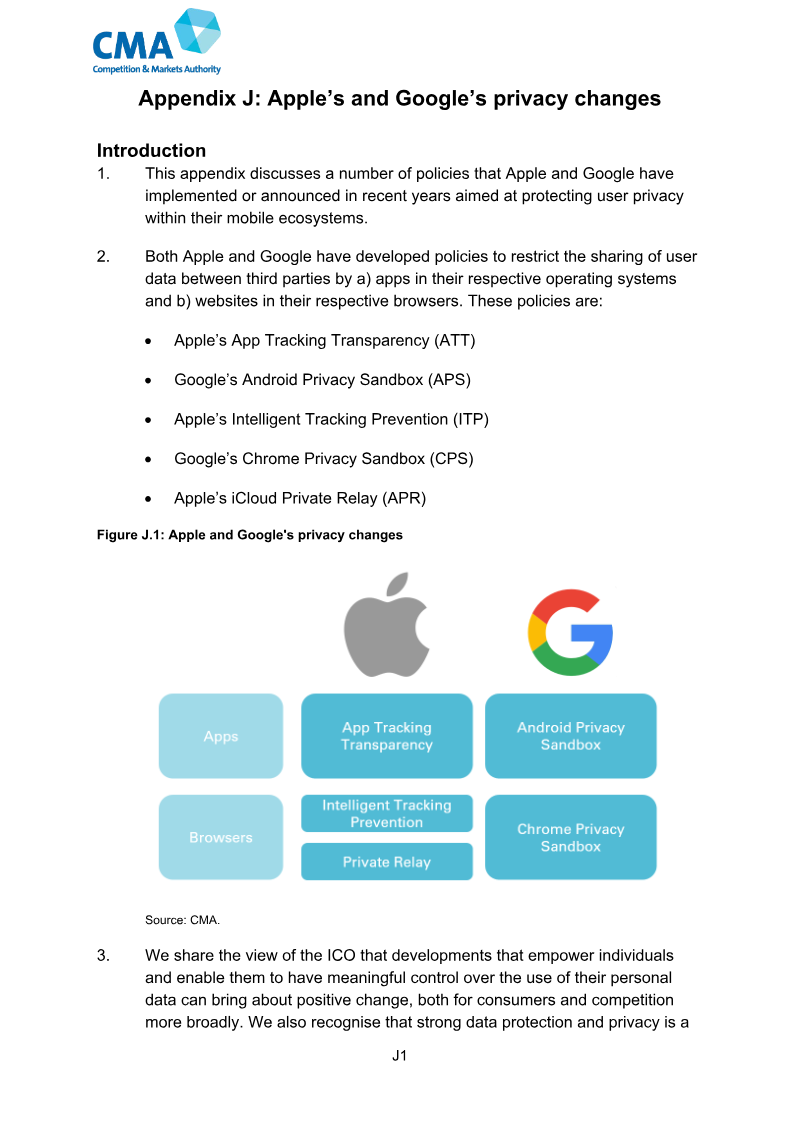
Competition · 2026
SocialPeta · 2026

SocialPeta · 2026

Anzu · 2026

SocialPeta · 2026

Sensor Tower · 2026

SocialPeta · 2025
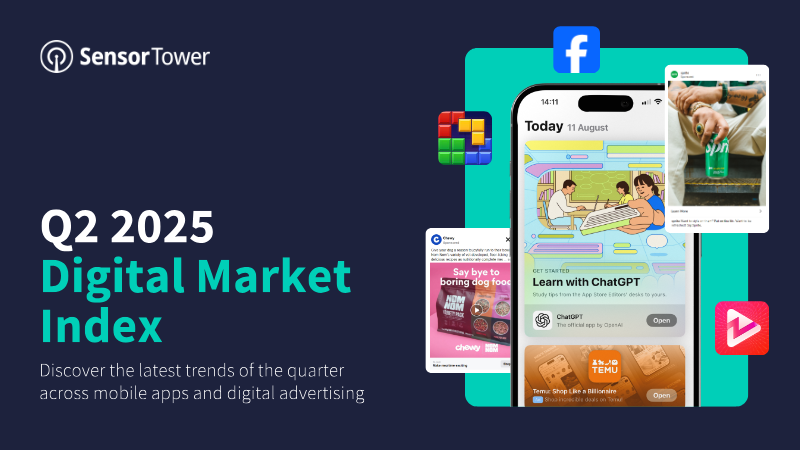
Sensor Tower · 2025
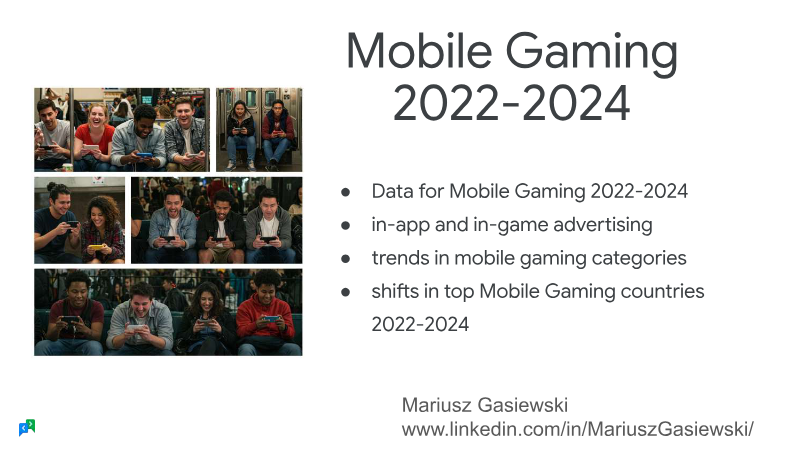
Mariusz Gasiewski (Google) · 2025

Apptica · 2025