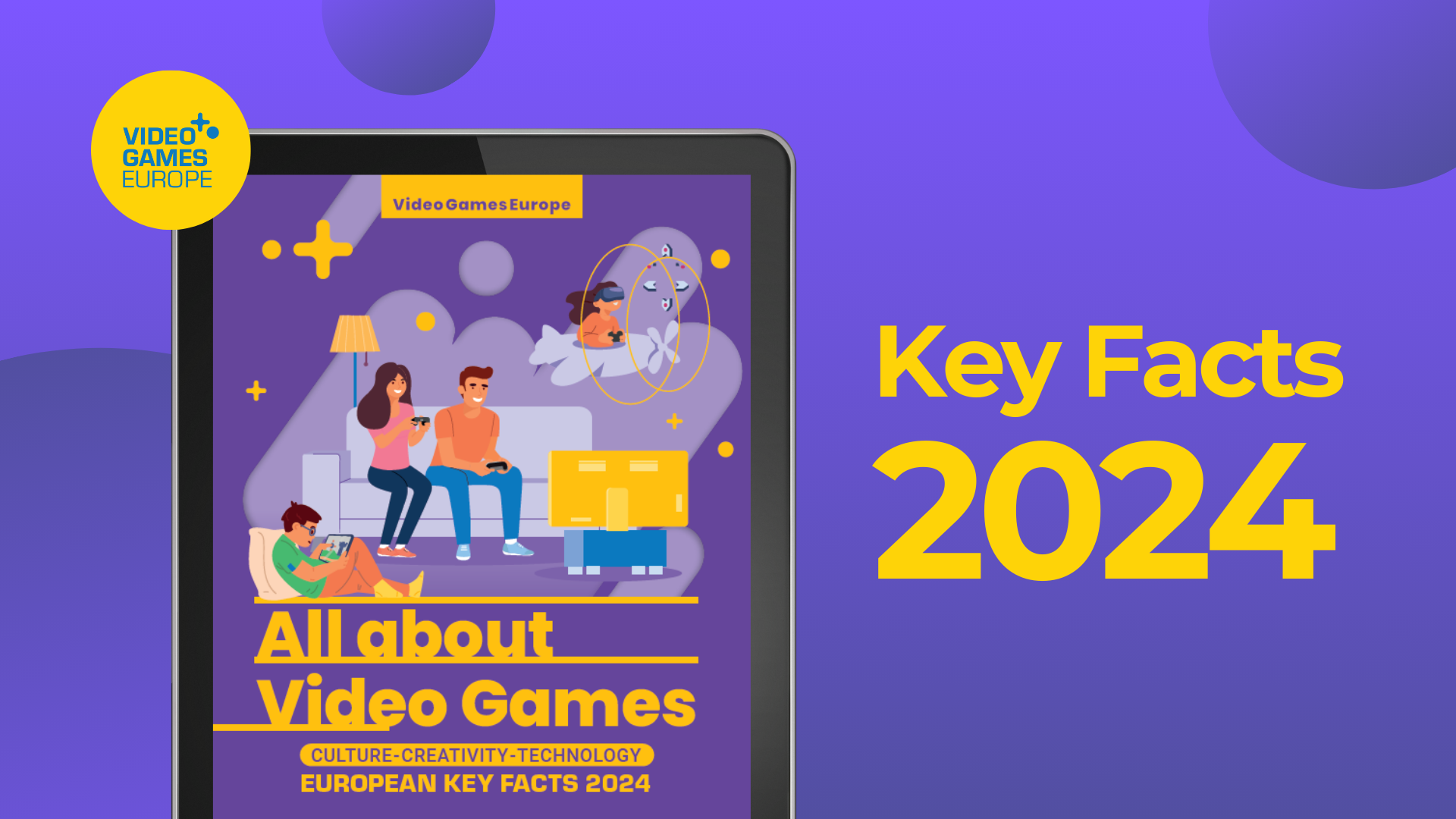
This analysis provides a comprehensive overview of the European video game sector in 2023, detailing market health, player demographics, and regulatory priorities. The industry demonstrated resilience with annual revenues reaching €25.7 billion, representing a 5% year-on-year increase. Employment also saw significant growth, with the workforce expanding by nearly 7% to reach approximately 115,000 people across Europe.
The data reveals that video games are a mainstream cultural fixture, with 53% of the European population aged 6–64 identifying as players. Contrary to youth-centric stereotypes, the average player age is 31.4 years, and 75% of the gaming population are adults. Women represent 43.5% of the total player base, averaging 6.7 hours of play per week. While smartphones remain the most popular platform (68%), consoles (56%) and PCs (46%) maintain significant engagement. Despite the rise of digital media, average weekly playtime has remained stable for over a decade at approximately 8.9 hours.
A central thesis of the findings is the industry’s commitment to social responsibility and self-regulation. The Pan European Game Information (PEGI) system celebrated 20 years of operation, with 79% of parents aware of its ratings and 62% actively using parental tools to manage gameplay. Furthermore, the industry is increasingly focused on sustainability and diversity, noting that 44% of new hires in regions like Sweden are women and highlighting energy-saving agreements that have saved 54 TWh of electricity over the lifetime of major consoles.
The geographic scope covers the European Union and broader European markets, utilizing data from Ipsos, GameTrack, and Games Sales Data (GSD). Methodology includes online polling of 60,000 individuals across major markets, calibrated by nationally representative face-to-face surveys. Looking forward, the industry advocates for EU policy that recognizes video games as unique creative works, supports a robust talent pipeline through STEAM education, and maintains a fair regulatory framework that avoids distorting the single market.
Video Games Europe · 2026

Video Games Europe · 2026

Video Games Europe · 2026

Video Games Europe · 2026

Video Games Europe · 2026

Video Games Europe · 2026
Video Games Europe · 2025
Video Games Europe · 2025
Video Games Europe · 2025
Video Games Europe · 2025
Video Games Europe · 2025
Video Games Europe · 2025
Video Games Europe · 2024

Video Games Europe · 2024
AEVI · 2022

European Games Developer Federation · 2022
8Bit · 2026
Values Value · 2026

Ukie · 2025
Direcció General d’Innovació i Cultura Digital · 2025
InGameJob & Values Value · 2025

game · 2025
Polish Agency for Enterprise Development · 2025
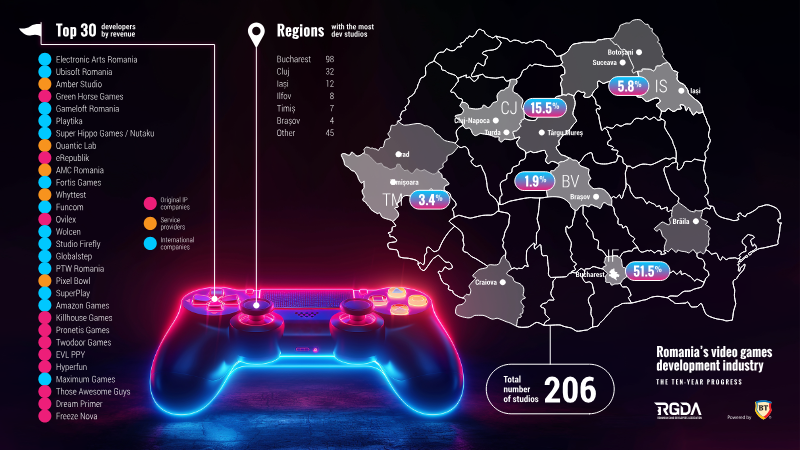
RGDA – Romanian Game Developers Association · 2025