Annual Survey of Video Games in France 2022
202218 pages~14 min full read
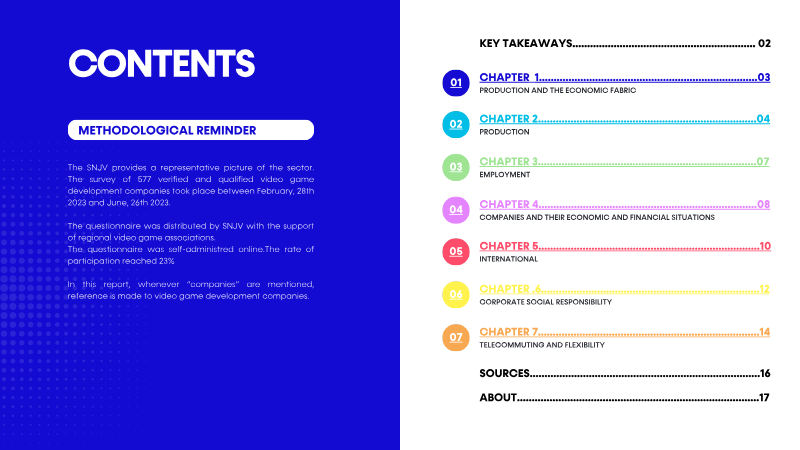
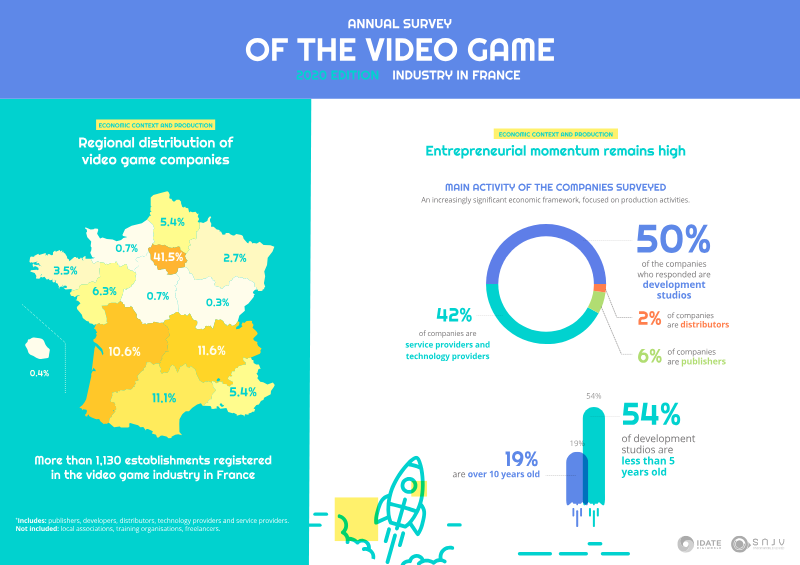
The 2023 annual survey of the French video game industry provides a comprehensive analysis of the sector’s economic health, production trends, and workforce dynamics during 2022. Conducted by the Syndicat National du Jeu Vidéo (SNJV) between February and June 2023, the study relies on a self-administered online questionnaire sent to 577 qualified development companies, achieving a 23% participation rate. The scope covers approximately 1,000 companies across France, including 580 development studios, with a significant concentration of 44.6% located in the Île-de-France region.
Findings indicate a robust but maturing production landscape, with nearly 1,260 games in development and over 850 new intellectual properties created. While the number of games in production fell by 7% compared to 2020, the industry saw a rise in professionalization, with 62% of studios working with publishers. Financial growth is evident, as 27% of studios now generate over 1 million euros in revenue, a 9-point increase from 2020. However, the sector remains dominated by smaller entities, with 55% of companies earning less than 300,000 euros annually. Despite this growth, optimism has tempered; only 28.6% of respondents expect revenue growth in the coming year, compared to 66% in 2020.
Employment remains stable with 76% of staff on permanent contracts, though gender diversity shows slow progress, with women making up 24% of the workforce. The industry is also navigating structural shifts in work culture, as 33% of companies have adopted full-time remote work. Corporate Social Responsibility is emerging as a priority, with 65.5% of companies implementing gender equality actions and nearly half planning carbon footprint assessments. France remains highly attractive to 85% of studios, primarily due to tax incentives and the quality of specialized training.
Syndicat National du Jeu Vidéo · 2021
Syndicat National du Jeu Vidéo · 2020
Syndicat National du Jeu Vidéo · 2020

Syndicat National du Jeu Vidéo · 2018

reTeenmeepe · 2018

Syndicat National du Jeu Vidéo · 2018

Syndicat National du Jeu Vidéo · 2015
Ubisoft · 2026
8Bit · 2026
Values Value · 2026
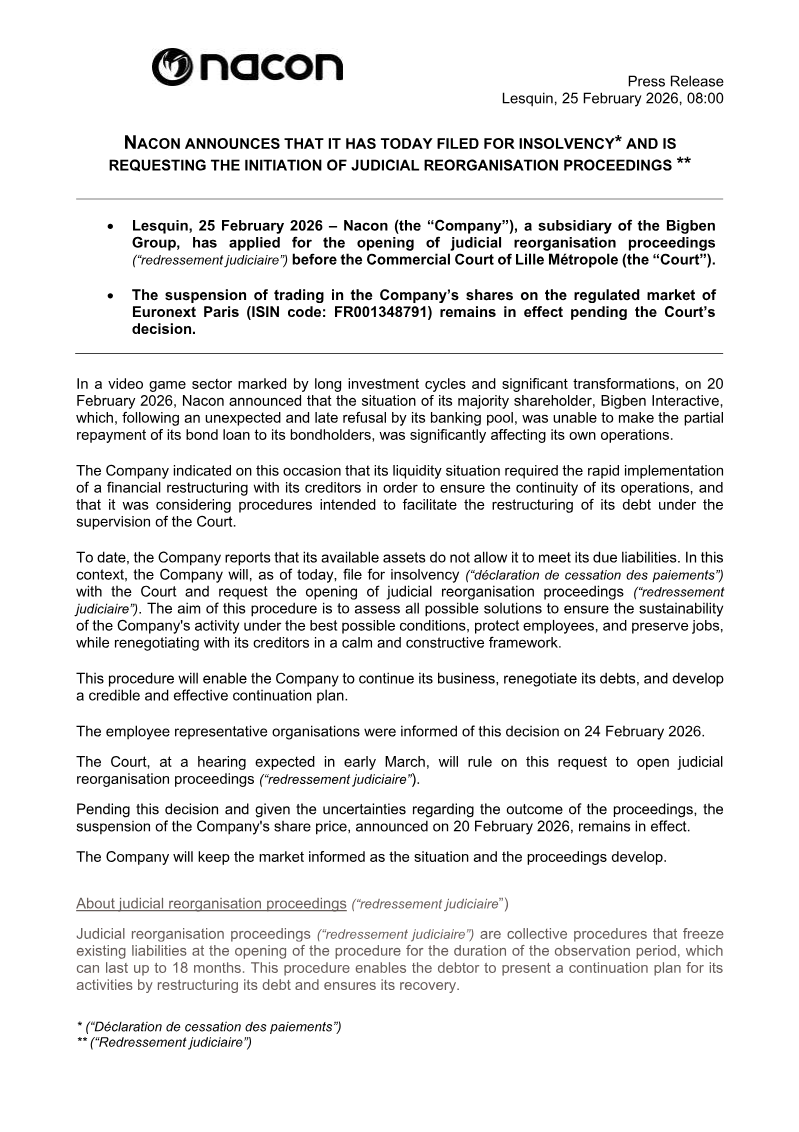
Nacon · 2026
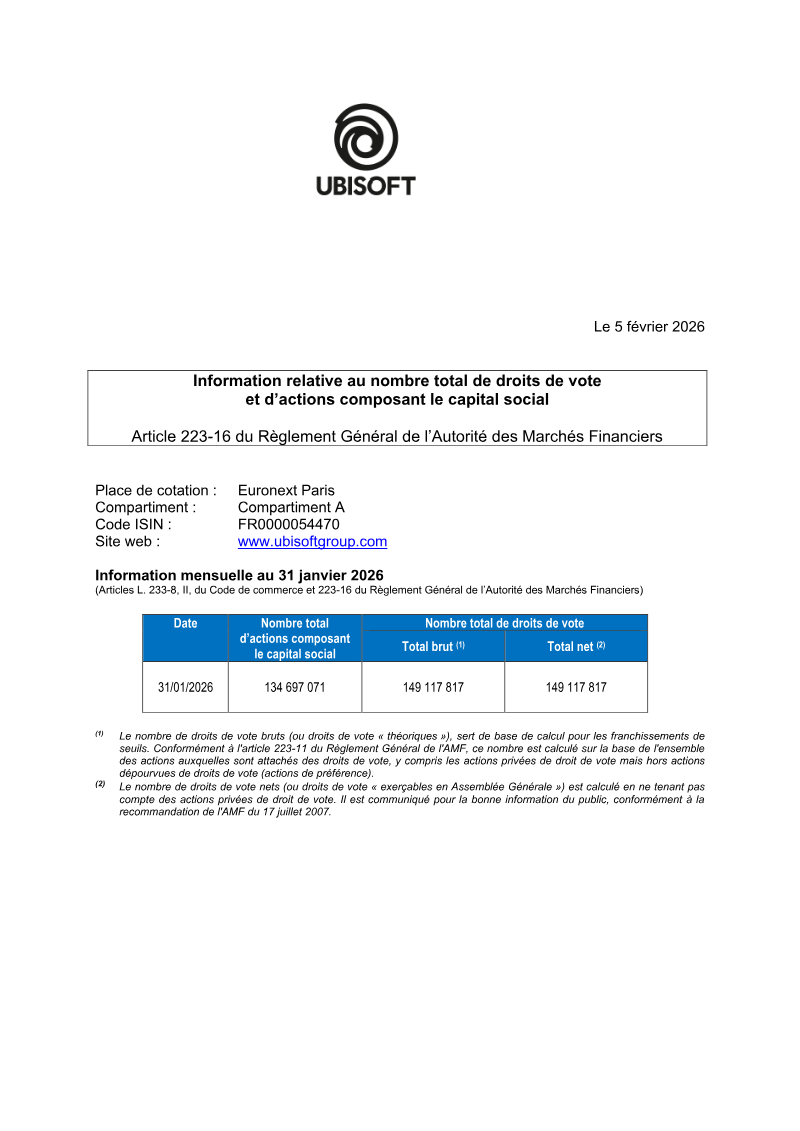
Ubisoft · 2026
Ubisoft · 2026
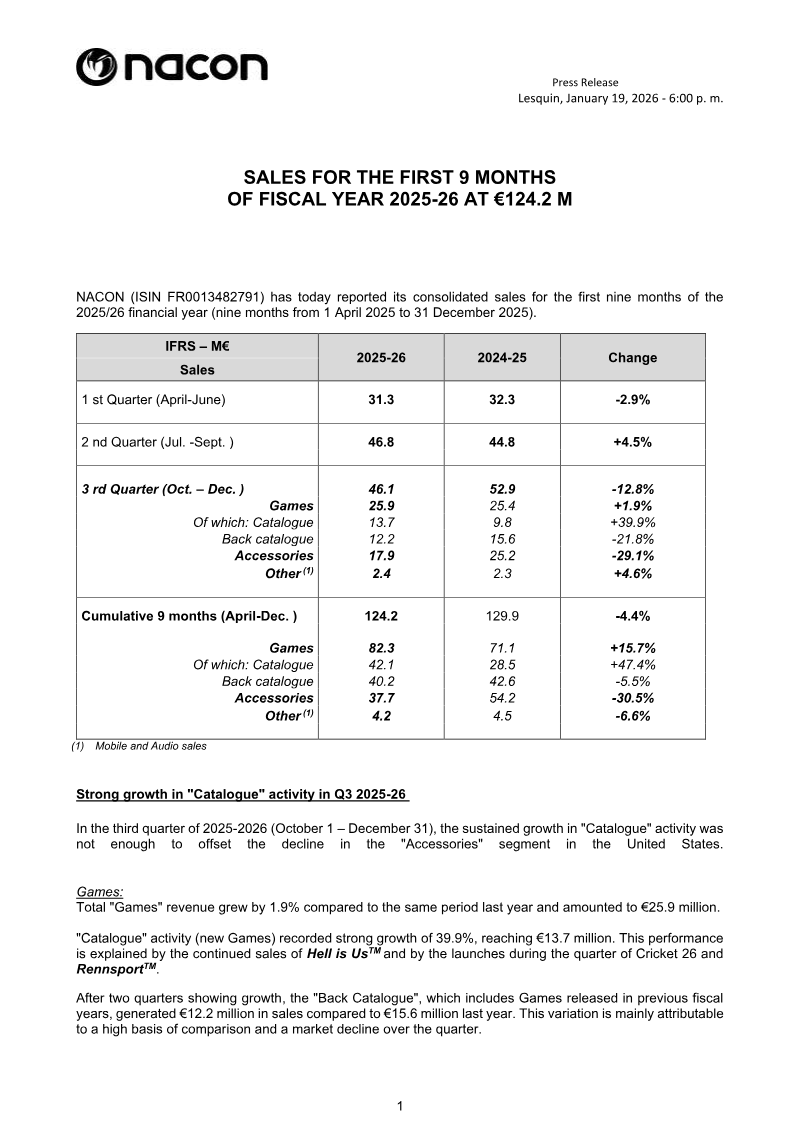
Nacon · 2026
FLEGA – Flemish Games Association · 2026

Ukie · 2025
Ukie · 2025

British Esports · 2025