Report80 Level
State of the Game Development Industry 2023: Workplace Health & HR Culture, Mental Trends
202336 pages~39 min full read
The global game development industry entered a period of profound instability throughout 2023, characterized by widespread layoffs affecting 28% of the workforce and a pervasive crisis of employee loyalty. This volatility is reflected in a negative Employee Net Promoter Score of -19%, signaling deep-seated dissatisfaction across the sector. While economic recalibration and management failures are the primary drivers of this distress, only 3% of job losses are currently attributed to AI automation. Instead, the workplace is increasingly defined by "quiet hiring" practices, where 37% of employees take on expanded responsibilities without additional compensation, often coupled with unpaid overtime and insufficient severance packages.
Despite these hardships, remote and hybrid work models have become the industry standard, with 80% of professionals operating outside traditional office environments. Job seekers now prioritize salary, remote flexibility, and skill development above all else. However, a significant disconnect exists between employer expectations and worker reality. While 88% of firms prioritize industry expertise and portfolios over formal education, they simultaneously struggle to fill high-level specialist roles. This talent gap is exacerbated by a competitive market where 50% of professionals find suitable opportunities scarce, particularly entry-level candidates and marginalized groups who face heightened barriers to entry.
The most critical factor for improving retention and workplace culture is managerial mindfulness, specifically ethical leadership and empathy. Despite its statistical importance to employee satisfaction, only 13% of companies provide leadership training in these areas. As 70% of professionals report general dissatisfaction and 34% of companies have scaled back hiring, the industry faces a structural imbalance. Success in the current landscape requires a shift away from traditional recruitment and toward fostering supportive environments that address the mental health and professional growth of a demoralized workforce.
Everplay · 2026
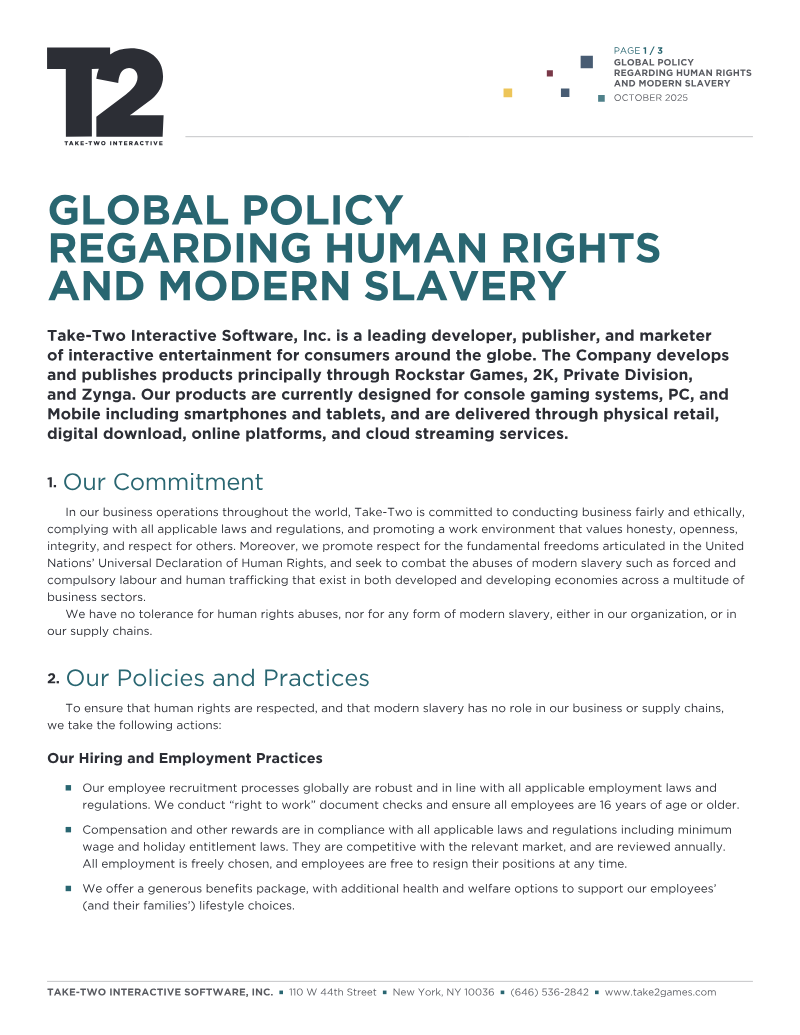
Take-Two Interactive · 2025
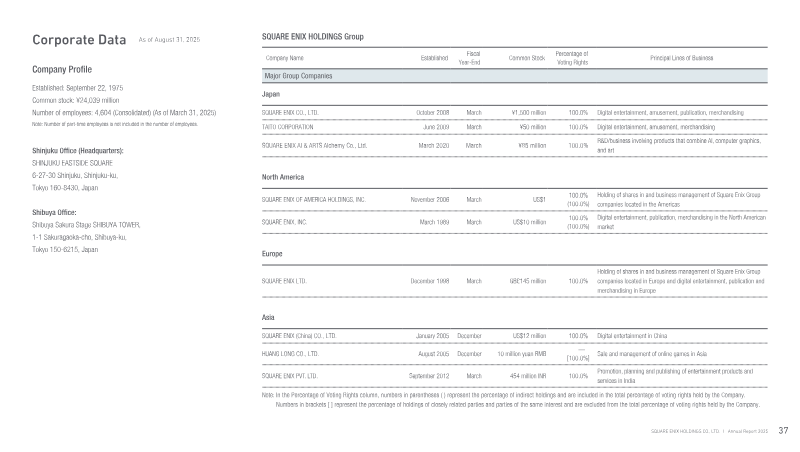
Square Enix · 2025
Duamentes Gaming · 2025
Electronic Arts · 2025
International Game Developers' Association · 2024
Game Developers Conference · 2024
InGameJob · 2024
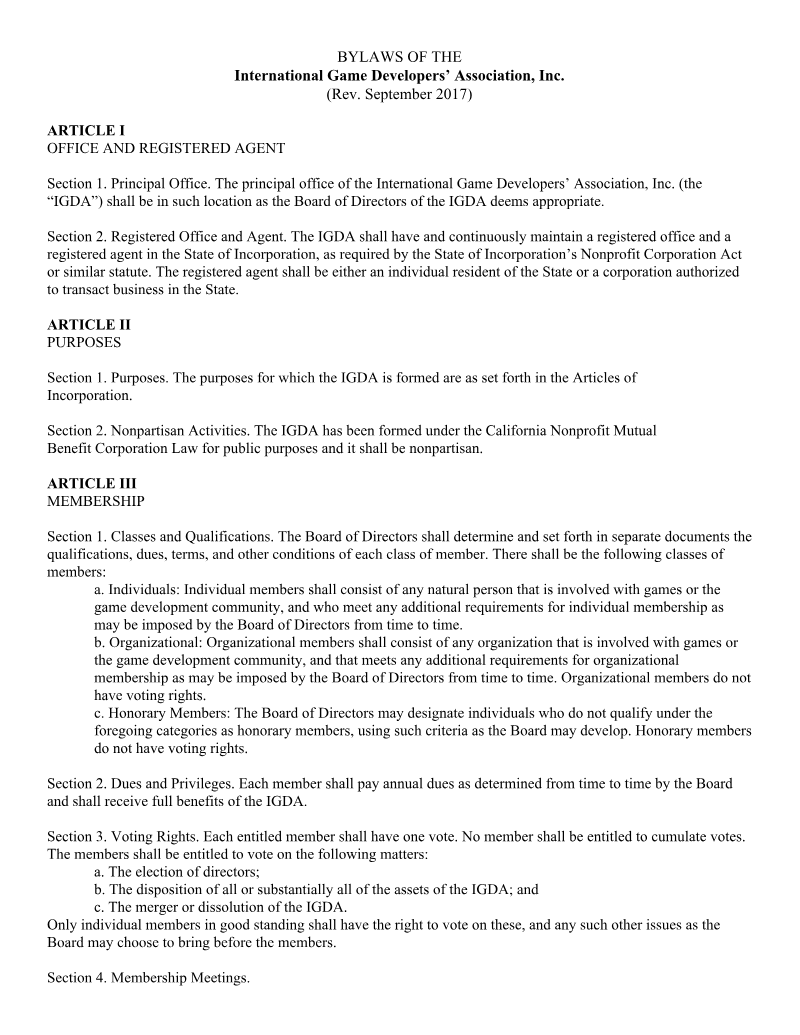
International Game Developers’ Association · 2023
Bandai Namco · 2023
Take-Two Interactive · 2023
Take-Two Interactive · 2023