Global esports revenue is projected to reach $1.38 billion in 2022, with a total audience of 532 million, and is expected to grow to $1.86 billion by 2025.
See it on page 28Sponsorship currently accounts for nearly 60% of total esports revenue, though organizations are shifting toward direct-to-fan models like digital merchandise and loyalty programs to improve financial sustainability.
See it on page 18The live streaming audience is forecast to reach 1.41 billion by 2025, driven by the integration of non-gaming content and interactive features to boost user retention.
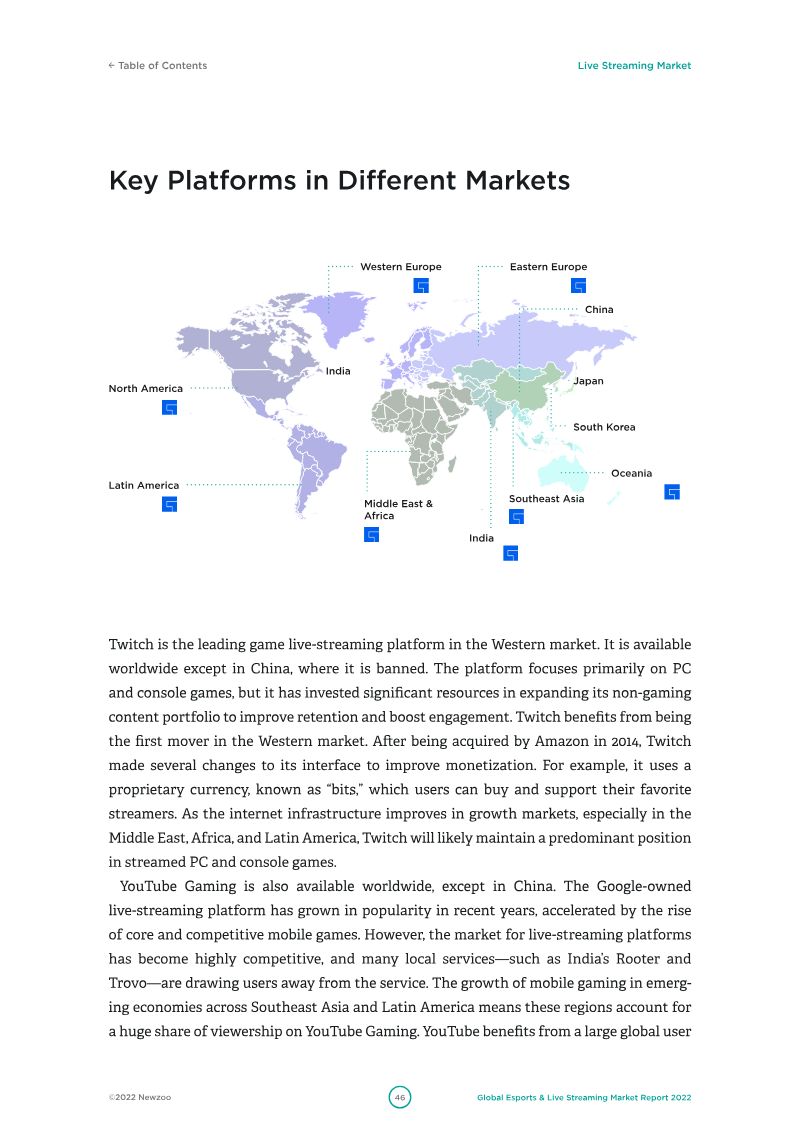
See it on page 8Market dominance in live streaming is split between Twitch, which leads in Western PC and console markets, and YouTube Gaming and Facebook Gaming, which are capturing growth in mobile-first emerging economies.
See it on page 46The industry remains highly attractive to stakeholders due to its core demographic of young, high-income professionals.
See it on page 32Long-term growth strategies include the adoption of co-streaming and expansion into emerging regions through localized platforms to engage a digitally native audience.
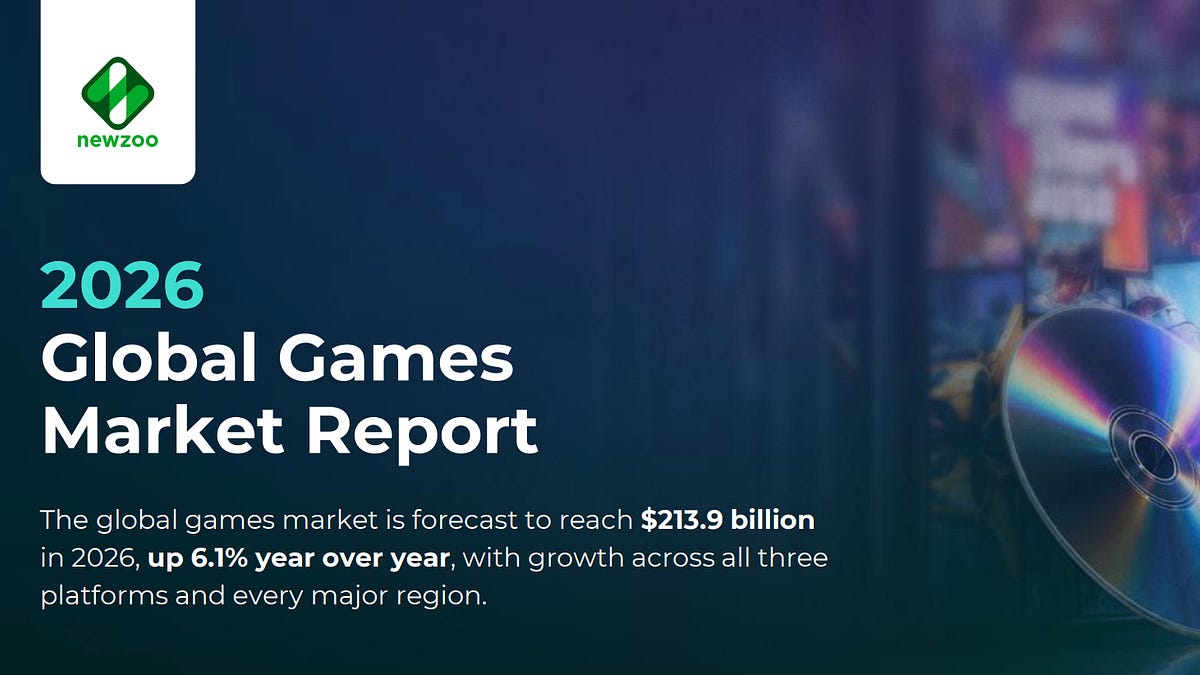
See it on page 7The global esports and live streaming industry is undergoing a period of robust expansion, with total esports revenue projected to reach $1.38 billion in 2022 and an audience base of 532 million people. This growth trajectory is expected to continue, with market valuations potentially hitting $1.86 billion by 2025. While sponsorship remains the dominant revenue stream, accounting for nearly 60 percent of total earnings, the industry is actively diversifying its financial models. Organizations are increasingly pivoting toward direct-to-fan strategies, including digital merchandise, loyalty programs, and educational initiatives, to mitigate risk and transition toward sustainable, lifestyle-oriented business models.
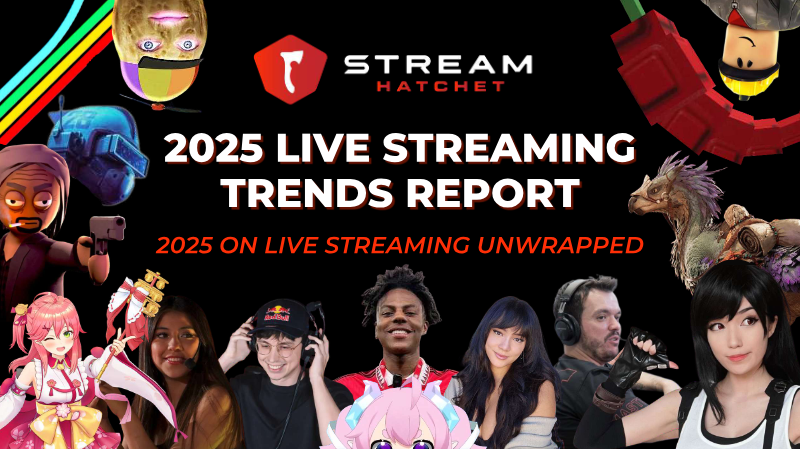
The live streaming sector serves as a critical pillar of this ecosystem, with its audience projected to grow to 1.41 billion by 2025. Market dominance is currently split between major platforms like Twitch, YouTube Gaming, and Facebook Gaming, each leveraging distinct regional strengths. Twitch maintains a stronghold in Western PC and console markets, whereas YouTube and Facebook are capitalizing on the rapid proliferation of mobile gaming in emerging economies. These platforms are further evolving by integrating non-gaming content and interactive features to enhance user retention and broaden monetization opportunities.
Despite the positive outlook, the industry must navigate potential volatility stemming from shifting media consumption habits, evolving publisher investment strategies, and the lingering economic effects of the pandemic. Nevertheless, the sector remains highly attractive to stakeholders due to its core demographic of young, high-income professionals. As the market matures, the integration of co-streaming and the expansion into emerging regions—supported by localized platforms—will be essential for maintaining long-term growth and fostering deeper engagement with a global, digitally native audience.