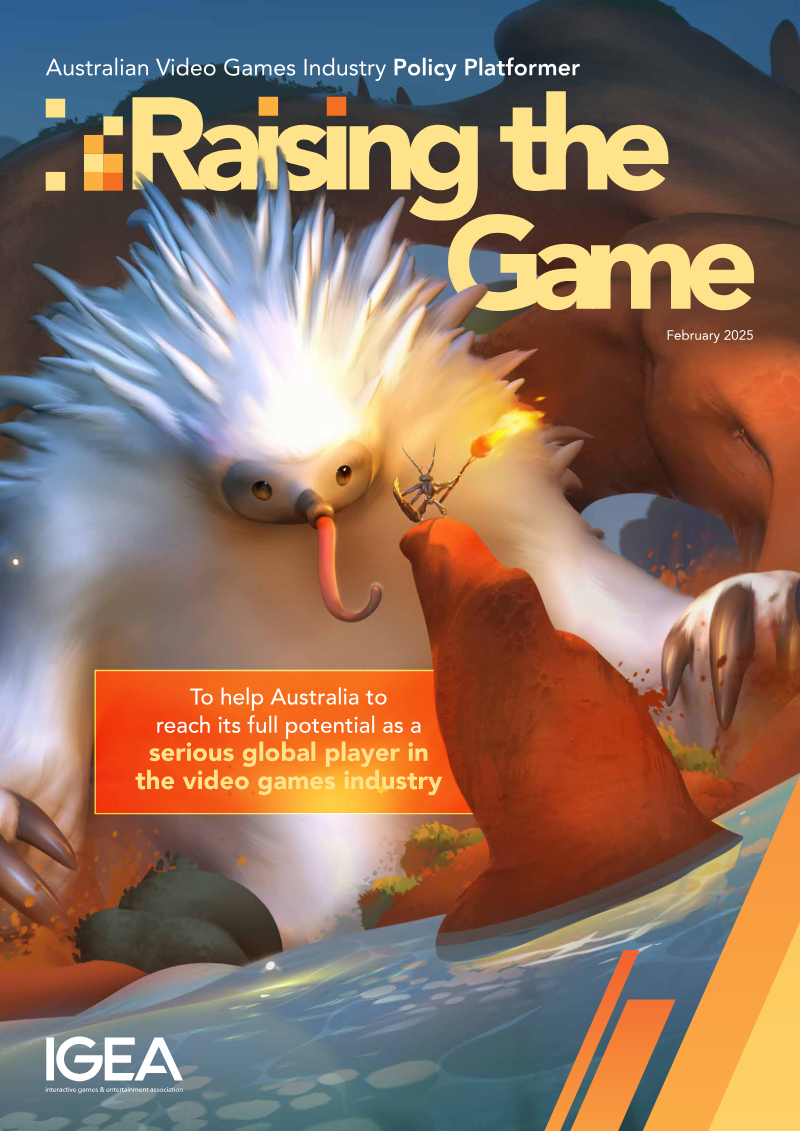
Australian Video Games Industry Policy Platform: February 2025
1 Feb 202521 pages~52 min full read
The Australian video games industry represents a vital economic sector, generating $339.1 million in revenue and supporting 2,465 full-time positions during the 2024 fiscal year. With 93 percent of revenue derived from international markets and over half of all studios anticipating continued income growth, the sector is positioned to evolve into a global powerhouse. The primary objective is to scale the industry to a $1 billion valuation by 2030, a goal that necessitates a strategic shift toward long-term policy frameworks, increased federal investment, and enhanced export support to facilitate international publisher partnerships and local intellectual property development.
To achieve this growth, the industry requires a modernized regulatory environment that replaces fragmented, reactive policies with evidence-based standards. Current classification and online safety laws often impose disproportionate burdens on developers, hindering innovation. By streamlining these frameworks and reducing administrative red tape, the government can provide the certainty required for studios to scale operations. Furthermore, the industry advocates for a more integrated approach to public policy, specifically by leveraging "serious games" to address societal challenges and fostering closer alignment between government initiatives and the practical needs of game developers.
Sustaining this trajectory also depends on addressing critical structural challenges, particularly regarding talent acquisition and capital access. The industry faces persistent talent shortages that demand improved migration pathways and a renewed focus on STEAM education to build a robust local workforce. By combining these educational and immigration reforms with targeted research and development incentives, Australia can foster a competitive ecosystem that attracts international investment while empowering domestic studios. Ultimately, the transition to a billion-dollar industry relies on a collaborative partnership between the public and private sectors to prioritize innovation, intellectual property protection, and sustainable economic development.
Interactive Games & Entertainment Association · 2026
Interactive Games & Entertainment Association · 2026
Interactive Games & Entertainment Association · 2026
Interactive Games & Entertainment Association · 2024
Interactive Games & Entertainment Association · 2023
Interactive Games & Entertainment Association · 2023

Interactive Games & Entertainment Association · 2020

IDG Consulting · 2020
Dutch Game Garden · 2020
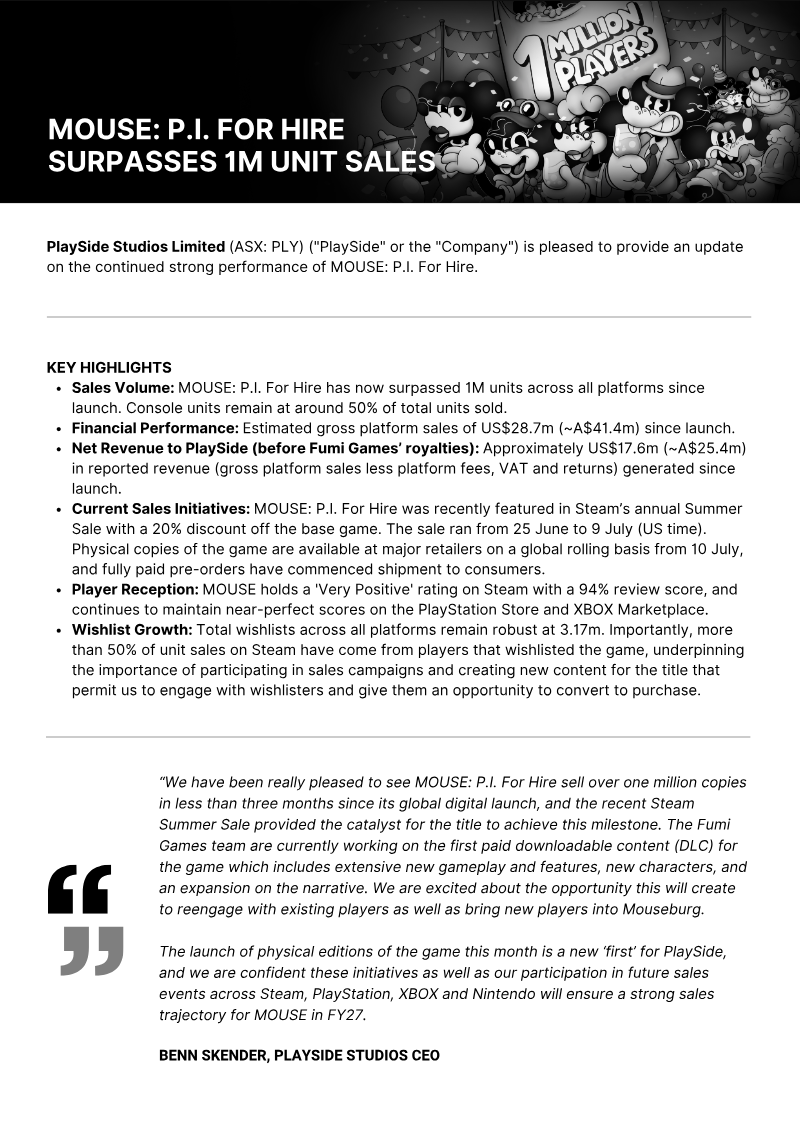
PlaySide Studios Limited · 2026
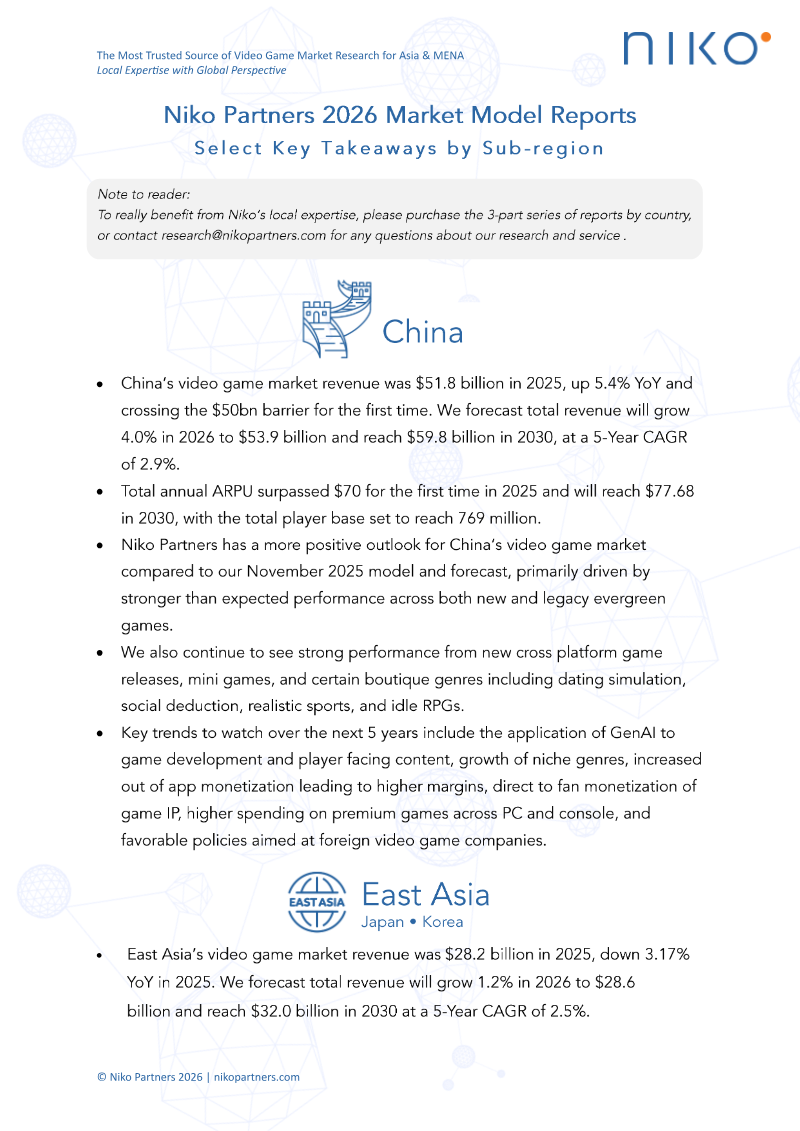
Niko Partners · 2026

game · 2026

8Bit · 2026

Values Value · 2026
InvestGame · 2026
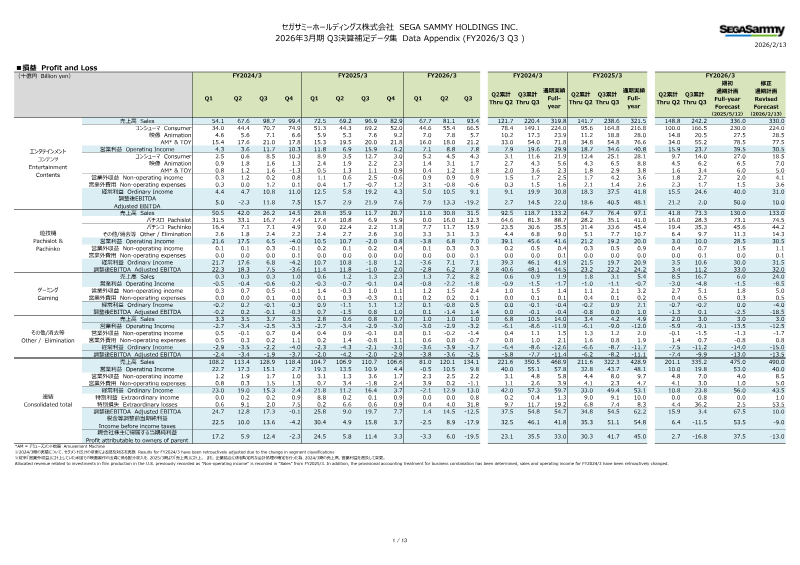
Sega Sammy Holdings · 2026

Kadokawa Corporation · 2026
Newzoo · 2026
InvestGame · 2026