Mobile reports and market data
Documents

Collect Stepping Stones and Honor Interestingness - The Metacast by Naavik
Rigid long-term planning often stifles innovation, as the pursuit of predefined objectives frequently blinds organizations to unexpected breakthroughs.
- Innovation is more effectively driven by 'collecting stepping stones'—prioritizing small-scale, iterative discoveries—rather than adhering to rigid, top-down long-term planning.
- Significant industry advancements, such as the evolution of Dota 2 and Counter-Strike, demonstrate that decentralized, community-led experimentation often outperforms forced corporate consensus.
- Blockchain technology currently functions best as underlying infrastructure rather than a primary gameplay mechanic, as fully on-chain gaming continues to struggle with performance and user experience limitations.

Cutting Through the Game Recession Fluff - The Metacast by Naavik
The gaming industry is currently navigating a period of structural recalibration rather than a traditional economic recession.
- The gaming industry is undergoing a structural recalibration rather than a traditional recession, characterized by internal consolidation and a strategic response to rising user acquisition costs.
- Large-scale acquisitions, such as Miniclip’s purchase of the studio behind Subway Surfers, are being used to secure established intellectual property and loyal user bases to mitigate marketing risks.
- Solana is utilizing a mobile ecosystem as a loss-leader strategy to simplify wallet management and lower the barrier to entry for decentralized applications.

The Rise of Midcore Mobile Games Snapshot Report July 2022
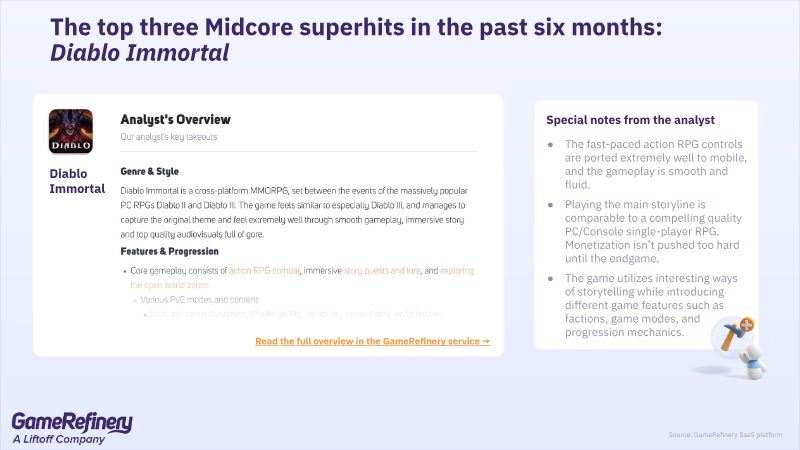
Midcore mobile games are gaining ground on Casual and Hyper Casual titles, driven largely by AAA studios bringing PC and console franchises such as Diablo Immortal, Call of Duty: Mobile, Genshin Impact and Apex Legends Mobile to phones.
- Midcore mobile games were the only category to achieve revenue growth in the US iOS market between Q1 2021 and Q1 2022, now capturing 36.73% of total mobile gaming revenue.
- New midcore titles are outperforming casual games in long-term retention, with nine midcore releases from the past year remaining in the top 200 grossing chart compared to only three casual titles.
- Top-performing midcore titles like Diablo Immortal, Genshin Impact, and Apex Legends Mobile prioritize console-like manual controls over autoplay mechanics to drive engagement.

The Rise of Midcore Mobile Games
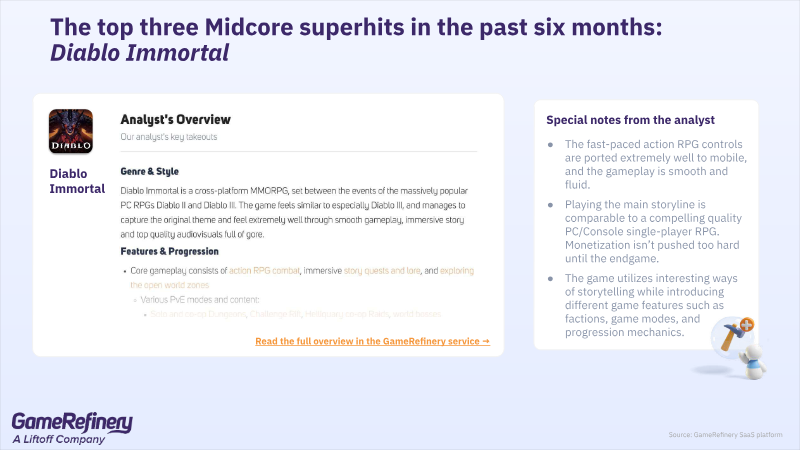
Midcore games are gaining ground in a mobile market once dominated by Casual and Hyper Casual titles, and AAA publishers are increasingly porting PC and console franchises to mobile with success.
- Midcore mobile games accounted for 37% of US iOS mobile game revenue in Q1 2022 and were the only category to experience year-over-year growth.
- Top-tier midcore titles demonstrate superior retention, with nine midcore games maintaining top-200 grossing positions over a 365-day period compared to only three casual titles.
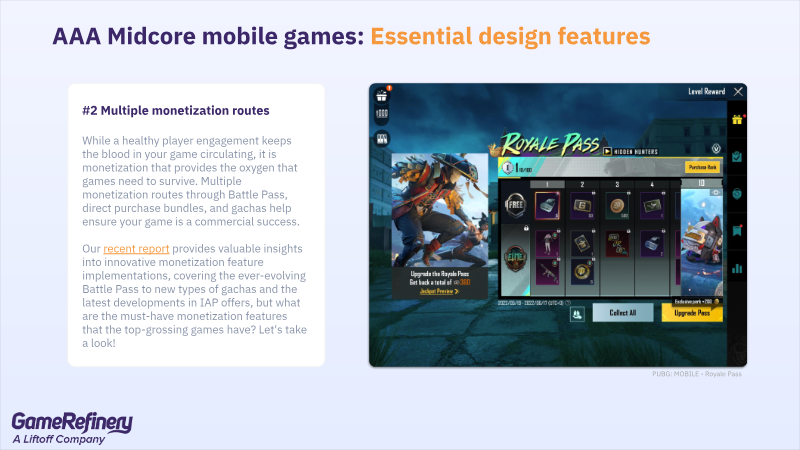
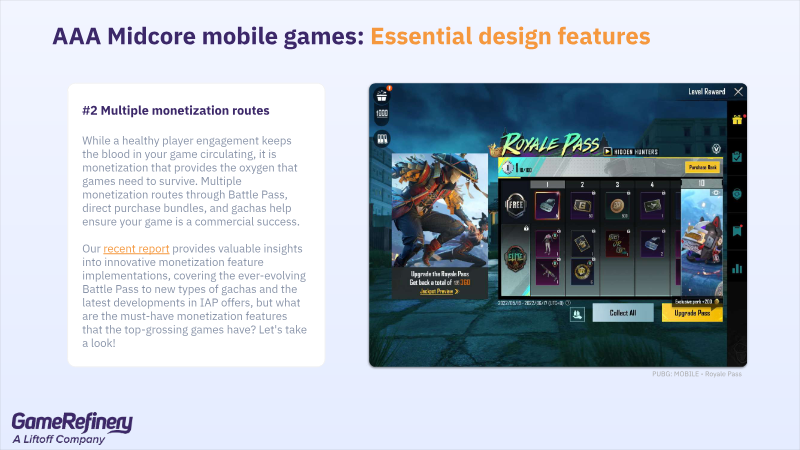
- Monetization in top-grossing midcore titles is heavily standardized, with 75% of games utilizing Battle Passes and over 65% incorporating five or more distinct gacha mechanics.
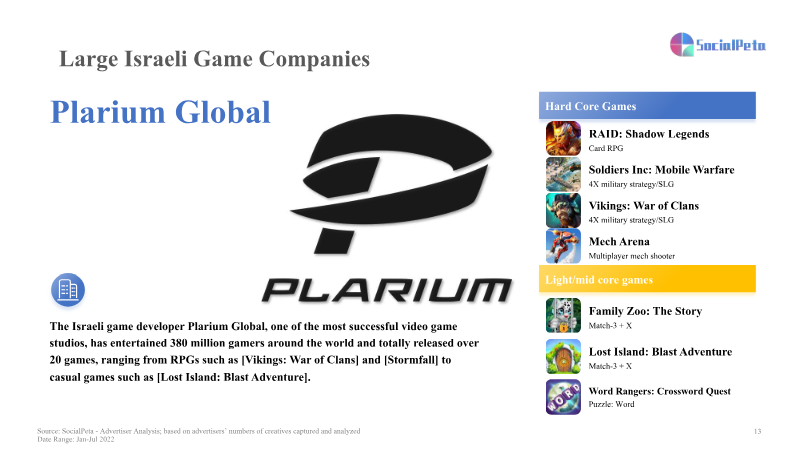
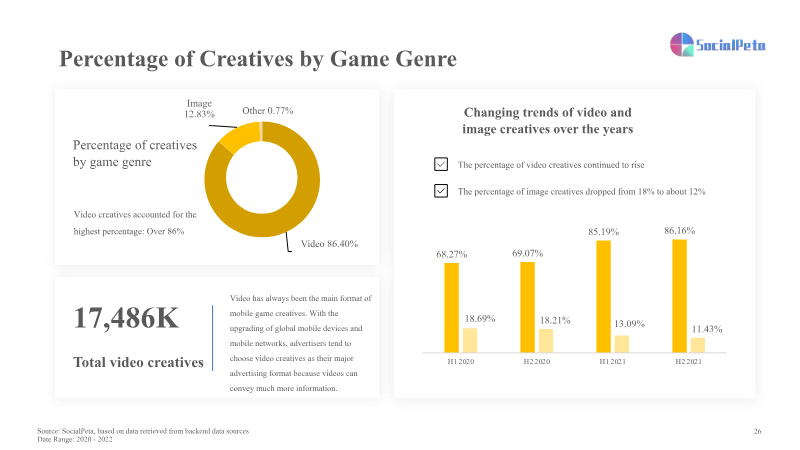
2022 Israeli Mobile Game Market Report
SocialPeta and GameIS present a 2022 review of the Israeli mobile game market, drawing on SocialPeta advertising data sampled worldwide across more than 70 channels and nearly 70 countries and regions, with an overall date range of January to July 2022.
- Global mobile game creatives fell year over year while the number of active advertisers rose.
- RPG advertising showed the steepest decline among game genres in the Jan-Jul period.
- Casual and puzzle games together accounted for about one third of global mobile game advertising.

Will Harbin on Lessons from Kixeye and Making a Comeback
The evolution of the mobile gaming industry demonstrates that early market dominance is often determined by the speed of platform adaptation rather than proprietary distribution advantages.
- Success in mobile gaming is driven by rapid platform adaptation rather than proprietary distribution, as evidenced by Kixeye’s failure to transition from social web to mobile while competitors like Supercell captured the market.
- Sustainable growth requires a 50/50 development model that balances a strong creative vision with rigorous, data-driven iterative testing.
- To mitigate the risks of high-cost user acquisition, developers should prioritize strategic partnerships with established publishers over repeated, dilutive venture capital funding.
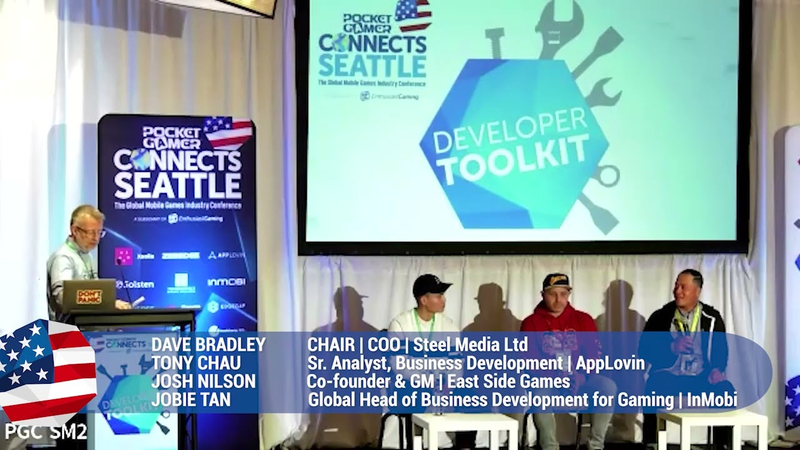
Panel:Are Ads the Right Monetization Method for Your Game?
Effective game monetization requires a strategic, integrated approach that treats advertising as a core component of game design rather than an afterthought.
- Integrate advertising into the core game loop during early development rather than treating it as an afterthought to ensure a balanced revenue model.
- Prioritize user-centric ad placements and maintain rigorous brand safety standards by partnering with technology providers that offer full transparency into bidding processes.
- Utilize high-quality, interactive, and context-aware ad creatives to maintain growth despite industry-wide challenges caused by data privacy shifts like IDFA.
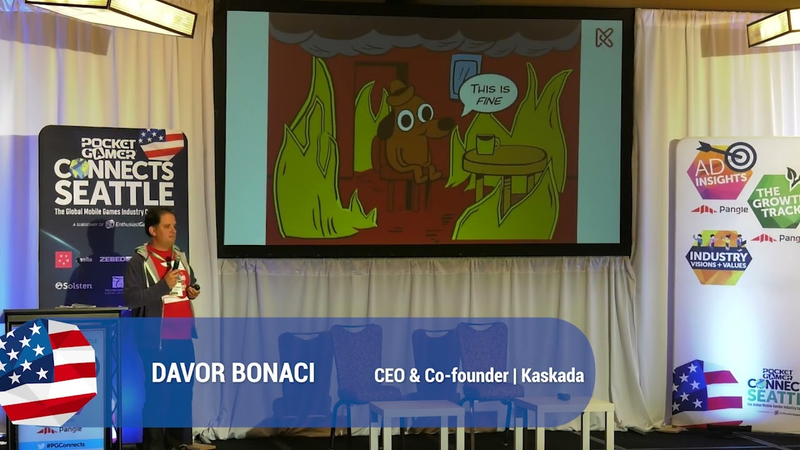
Boost Engagement in Your Game by Supercharging Live Ops With Time-based Machine Learning
Machine learning serves as a powerful tool for mobile game developers to enhance player engagement, retention, and monetization through personalized experiences.
- Effective machine learning in gaming relies on event-based data—such as session starts, wins, losses, and spending—rather than static demographic data, to predict future player behavior based on past patterns.
- Predictive modeling should focus on achievable, short-term goals like seven-day engagement or churn rather than attempting to predict long-term metrics like 365-day lifetime value within the first few minutes of play.
- The most predictive features are discovered by mapping player events onto a timeline, allowing models to identify specific moments of friction or engagement that influence retention.
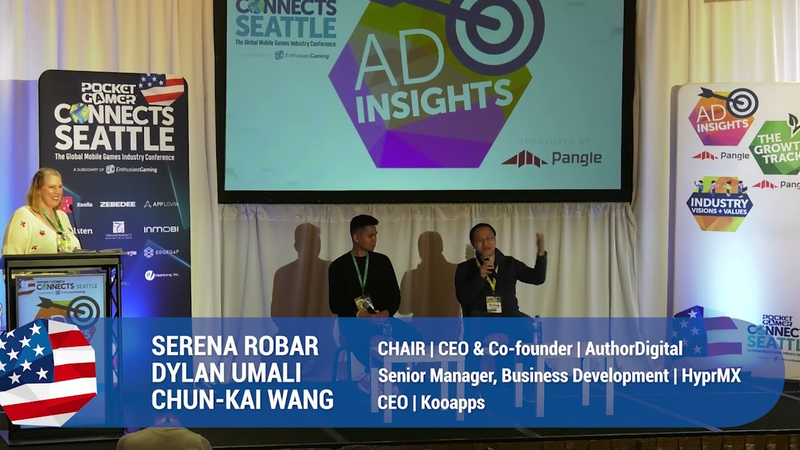
Panel: How To Design Your Game With Multiple Ad Formats in Mind
Effective game monetization hinges on a balanced integration of rewarded video, interstitials, and banner ads, with the optimal mix dictated by a game’s core loop and session length.
- For hyper-casual games, interstitial ads typically account for approximately 50% of total revenue, while rewarded video (RV) is preferred by developers who prioritize user experience due to higher opt-in rates.
- Developers can achieve 70% to 80% of their potential ad monetization efficiency with a minimal time investment of one to two hours for initial waterfall setup, while dedicated optimization teams can drive an additional 20% revenue growth.
- Maintaining a balanced in-game economy is critical; developers should treat advertising as a revenue supplement rather than a replacement for in-app purchases (IAP) to ensure long-term sustainability.
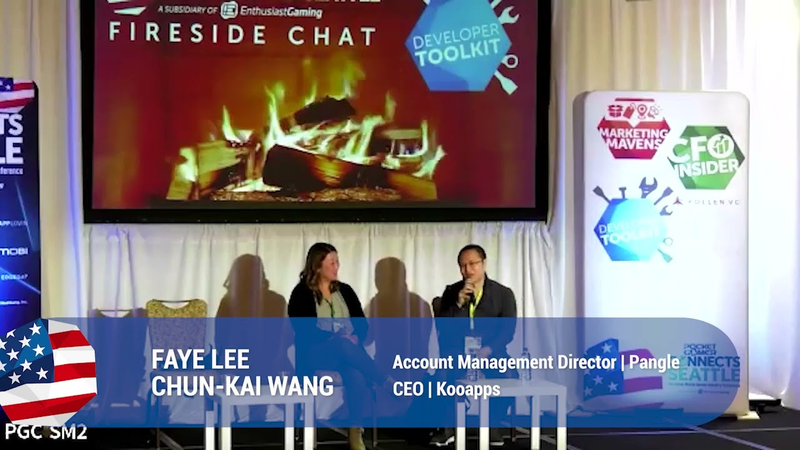
Fireside Chat: Creating Games & Monetizing in Asia as an American Publisher
This discussion explores the strategic considerations for American game publishers entering the Asia-Pacific (APAC) market, focusing on cultural nuances, monetization, and user acquisition.
- Asian markets exhibit distinct stylistic preferences, with a strong cultural affinity for anime-style art, whereas Western markets historically favor a 'Toy Story' or Disney-esque aesthetic.
- Localization for Asian markets requires more than translation; for example, word games in Japan face significant challenges because the language structure relies on complex character recognition rather than word-for-word reading.
- Working with local influencers, particularly via TikTok, is a primary strategy for navigating cultural nuances and gaining market traction in Asia.
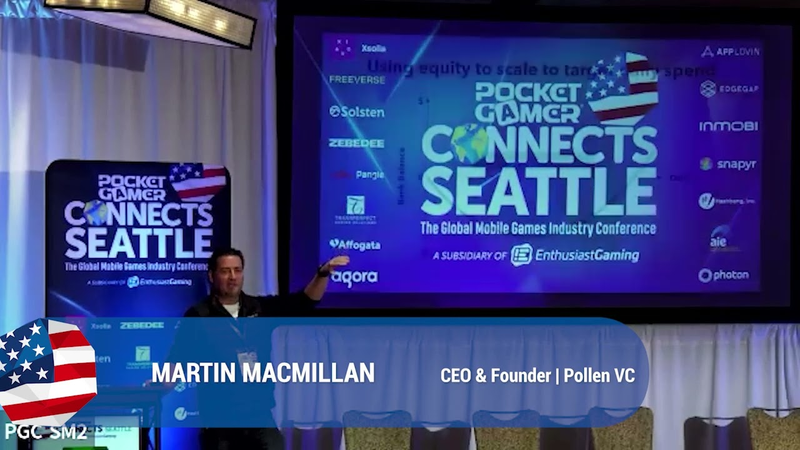
Keynote: Financing LTV Cycles
The financing of mobile game user acquisition (UA) requires a sophisticated understanding of the lifetime value (LTV) cycle, moving beyond simple equity-based funding toward a strategic, multi-layered capital approach.
- Developers should adopt a 'capital stack' hierarchy, prioritizing non-dilutive funding like ad network credit lines and existing cash flow before considering revenue-based loans or equity.
- Financing strategies must be aligned with specific game genres, as breakeven timelines vary significantly from rapid returns in hyper-casual titles to 90-day or longer delays in mid-core and social casino games.
- Self-published studios are significantly more likely to be acquired than those relying on third-party publishers, making mastery of internal UA and financial modeling a strategic priority.
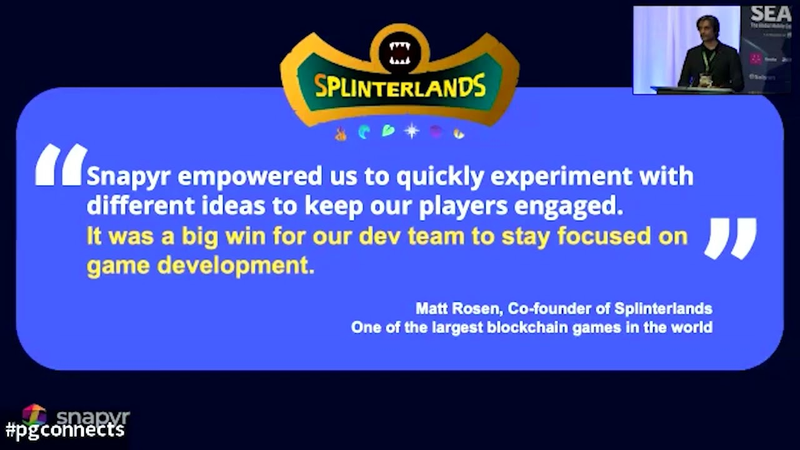
Retention Is the New Acquisition – Retention Best Practices From the World’s Biggest Mobile Games
The mobile gaming industry faces a significant challenge regarding player retention, as approximately 90% of acquired players churn within 30 days.
- The mobile gaming industry loses approximately 90% of acquired players within the first 30 days, resulting in billions of dollars of wasted acquisition spend annually.
- Games24x7 achieved a 50% increase in player lifetime value (LTV) by implementing an automated, data-centric retention framework.
- Transitioning from manual, engineering-dependent campaign management to low-code, drag-and-drop platforms allows marketing teams to scale from dozens to thousands of concurrent player interventions.
Writers
Games and companies
Games