1 free read left. Create a free account for unlimited reading + AI research.
Create free account
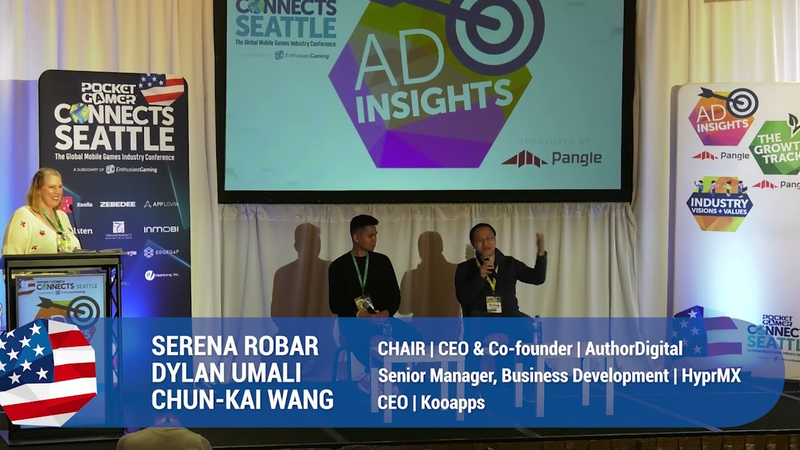
Panel: How To Design Your Game With Multiple Ad Formats in Mind
Key insights
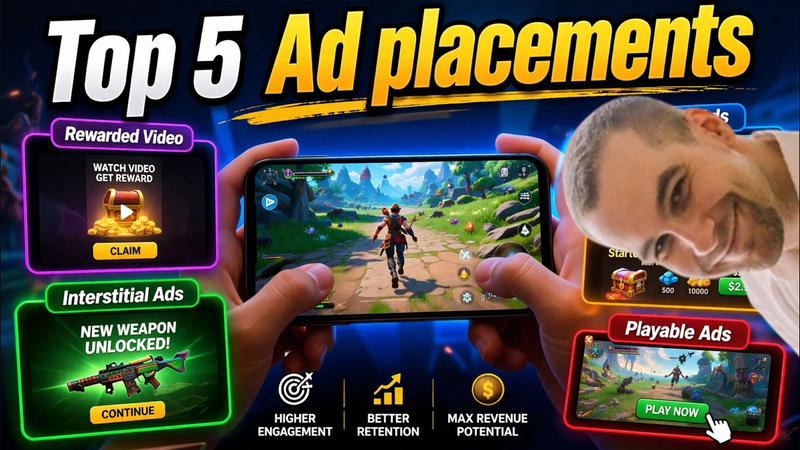
7 takeaways- 01For hyper-casual games, interstitial ads typically account for approximately 50% of total revenue, while rewarded video (RV) is preferred by developers who prioritize user experience due to higher opt-in rates.
- 02Despite industry misconceptions, mobile gaming audiences are diverse, and developers should work closely with ad network account managers to align monetization strategies with profitability benchmarks and long-term growth goals.
- 03Managing ad monetization requires significant logistical effort, as evidenced by one developer updating eight different SDKs an average of three times each throughout a single year.
- 04Maintaining a balanced in-game economy is critical; developers should treat advertising as a revenue supplement rather than a replacement for in-app purchases (IAP) to ensure long-term sustainability.
- 05Developers can achieve 70% to 80% of their potential ad monetization efficiency with a minimal time investment of one to two hours for initial waterfall setup, while dedicated optimization teams can drive an additional 20% revenue growth.
- 06In-game native advertising, such as billboards, represents an emerging ad format, though it currently requires custom, game-specific integrations that make widespread adoption more complex than standard interstitial or rewarded video units.
- 07Data-driven testing is essential for ad performance, with developers frequently running A/B tests to identify monetization improvements that can directly fund increased user acquisition (UA) efforts.
Ask AI about this video
Transcript
[Music] good morning i like to think that our panel starts at the reasonable hour that we could all sleep in because we do this for a living in games and we tend to be a little more night owls than early morning people my name is serena robar i'll be moderating our session today with our two fabulous one-on-one side of the ads formatting and one on the other side so we've got our consumer and our supplier for that um i'm going to let dylan and ck introduce themselves a little about what they're all uh as we start so at dylan why don't we why don't we explore dylan for a second sure hi everyone my name is dylan o'malley i'm a senior business development manager at hypermechs uh if you guys
aren't familiar with hypermechs we are an entirely brand focused network uh focused on bringing fortune 500 brands into mobile apps and games welcome hi my name is ck um i'm the co-founder ceo of coo apps we make mobile games in a hyper-casual space such as snake io pick the word and stacky bird of about 3 million dau and growing and it's been exciting but of course you know there's a lot of things to get right and we work pretty hard at it so yeah welcome excellent um so we spoke earlier and we were like what does everyone want to know about and uh and so i'd like to start some questions and then we'll throw it out to the audience if you guys have anything specific you'd like to ask a little about um uh i'll let cw talk first about this about uh sort of the changes in the multi-ad that we've seen across for games like what you've offered before and what you're changing into can you speak a little to that yeah yeah definitely um i mean we've been around for a while like 10 years and so ad formats have changed
dramatically um i'd say you know industry probably started off with banners and then interstitial became a big thing and then rv was sort of 2014 uh 2015 became really popular and actually initially uh rv uh uh was very unpopular with advertisers because they're like hey you know you're paying people to watch an ad that's usually like a taboo in terms of advertisers what they want they want you know real users loyal users high quality users why am i paying for this or why are they receiving coins for watching an ad but the industry of course have con has come a long way and i would say you know nowadays uh interstitials you know still bread and butter um and say you know maybe 50 um of a hyper cash you know of our revenue of hyper casual games uh would be in interstitial ads um rv is really good um and when people opt in the user experience there tends to be uh really positive so a lot of game developers that really care about user experience will skew higher on rv and less on interstitials for example um and so rv
is really big about you know 30 40 of our revenue and then banner ads actually uh heavily depends on um how large your sessions are so in hyper casual games if you play like sort of you know one minute sessions and you play five to ten minutes per day banner ads are sort of not that big of an impact so maybe five or ten percent of your revenue um but if you have games where like you know let's say puzzle games or word games where people are playing like an hour a day and if you have 10 second refresh rates like you could really rack up like you know 100 impressions 150 impressions and then banner ads will then be a huge part of your revenue 30 35 is possible as well so it's been a lot of changes and like um yeah and it's really you know testing and uh trying out all the networks and all the ad units um so from the other side of the coin dylan uh how have you seen the demand uh from brands and such and the matching with the different ad formats over time yeah i mean i think the biggest thing is i mean being on the network side we're fortunate enough to work with all these
different game developers studios and publishers i think the biggest thing there's not a one-size-fits-all sort of strategy when it comes to including ads in your games right and it's core you need to really think about the core loop or mechanics of a certain game so like what ck mentioned sort of on the hyper-casual side maybe an interstitial was more important to them than a banner or video um and just imagine a matter of like balancing all those aspects um user experience comes into play as well and i think a big saturation that we've seen in the market is a lot of networks are showing ads for competitive games right so that's something you need to consider um as well and i think the thing being on the brand side is that there's definitely a big push i think it's uh it's definitely forthcoming a lot now as brands are sort of opening their eyes to you know they could they're able to cast this wide net um just because they're such a varied user base that play mobile games these days so it's definitely exciting it's an exciting time to be in the space for sure i'm going to ask the audience how many of you are indie developers and you're
here because you want to know how to maximize your ad revenue or how to maybe uh put it in your game in a a better way i'm just curious okay i've got one how many here just love ads so much and it's so cool and you want to know what everyone's doing look at that oh it's like we're a tribe okay excellent um and our rv for anyone who's not sure what that means is rewarded video um i i know sometimes when you come into a room and you're like oh what does that mean and no one wants to answer ask that question i'm going to ask it for you um so interesting you should say what an exciting time it is for brands so when you talk to a brand uh particularly now that we think about with apple changing the rules on personalization and kind of tracking how much information i know we talked about this earlier how that was for you as a brand and then we'll we'll jump over to cw for a developer talk to us a little about um uh well i'm gonna come back cw first i think for this one um how did that
affect your business because there was that like it's the apocalypse it's over how did that work for you guys yeah yeah yeah i'd say um uh maybe a little bit like y2k for people been around like uh longer so like y2k like you know all the computers were supposed to stop working um and you know turned out fine um and so i'd say uh att um i'd say uh you know at the end of the day everything turned out fine but uh sort of more nuanced than that um i would say uh year over year sort of ios cpms were flat which typically is unusual usually cpns go up and so i would say if you if you consider that i'd say it's maybe down five or ten percent um and so all of the testing budget went to android and so android sort of year over year cpms went up more than expected like more than it would normally go up um and so i'd say you know maybe um android is up like fifteen twenty percent where normally it's up ten percent because the market is growing um and people are spending more on mobile
on the mobile you know spaces growing uh whereas you know ios would typically be up 10 but it's sort of flat and so you can consider that down 10 percent um but overall like it's definitely not sort of what people you know was was sort of all uh scared up and freaked out about but but it does make a data analysis much harder so now on the ua side when we do data analysis because there's a certain percentage of users that are not tractable we then end up having to do correlations so we actually now do a lot of data science and correlations on the ua side so this channel how you know how much is it correlated to organic downloads and organic revenue we end up having to do a lot of those things um whereas before with deterministic tracking you uh have a better sense um and so uh yeah i'd say you know overall because we have a really strong brand half of our users are actually organic and uh yeah you know on twitter on youtube and on tik tok uh we work with
influencers and we have a lot of organic traffic and we're pretty popular uh uh on those channels and so uh it's been fortunate that uh yeah we've been able to sort of weather through the little att sort of waves and be able to figure things out but i think the whole industry is still learning um and i think it'll yeah i don't think it'll take some more time as everybody sort of uh adopts and fixes issues and things like that like facebook is still fixing uh bugs and so uh yeah it there's yeah every channel is a little bit different on the ua side on the monetization side and and there's definitely a lot of bugs that everybody's fixing but overall on the publisher side um uh yeah it's been uh it's been more work i think last year we updated um uh eight sdks uh an average of like three times each like um throughout the whole year you know starting from april so uh so end up being like a lot of like logistical um like updates and if you update to the wrong one like it might
crash and like things like that um but uh yeah but we're happy sort of or you know we're glad that phase is over and then it's now sort of on the uh maybe server side network side on the um you know adjusting their algorithms to optimize and run campaigns better and all of that um so yeah at least you know on the publisher side we're done with the sort of rocky sdk updates and updating ads dot txts and uh updating a lot of p lists and uh uh android manifests and all of that um which uh yeah which actually is makes it more difficult for a new new indies because you have there's more things now to make sure you get right and with att pop-ups like apple will reject your app if you don't have the pop-up the way they want it for example and so a lot of those things you just have to have a checklist and make sure you do well and understand but but overall like uh yeah you know we're we're pretty you know optimistic about the industry okay and now for dylan for you like
walk us through a little about what happens or how you match brands with games or things like that and what they're looking for as well yeah i mean i think i mean this is a shameless plug on hyper max i think the the unique thing that we bring to the table is we are entirely brand focused so we've been doing this for years and we sort of understand the mechanics of what works and what doesn't work for example right so uh rewarded video is like our bread and butter product and the way that our campaigns monetize is on the completed ad view right so there's certain uh traits in-game where it makes sense to run a brand ad in your stack um it's sort of understanding that in-game ecosystem as well right because you know performance networks will pay top dollar to get sort of that first impression because that's the most valuable to them right there looking for that install for us um you know what the way we position ourselves is that you know there's a lot to be said about ad diversity right how many homescapes add can you see until a user churns from your certain game on top of that as well it's just sort of
a quality thing as well you know brands being aligned in-game it has a certain feel element aspect to it where you know users are perhaps maybe more inclined to stay in-game and something on the publisher side two that's worth noting is is making it all sort of flow in your in-game economy right you don't want to give up you want the in-game economy to be fair but you don't want to give up too much so as much as possible i know iap is is a big revenue driver but you need to step back and you know maybe think of advertising as a supplement as far as revenue goes and sort of balancing that with the user experience and all those components in-game okay we talked last week a little about um how much time you should spend optimizing you brought brought that up optimization of your monetization uh through advertising's iap uh so uh cw from your side we talked a little as kind of surprised uh you you kind of have a rule of thumb how much time uh you would spend optimizing your ads uh versus just kind of seeing
where they go from there yeah sure um we're fortunate like uh we have a team to help optimize and so we do spend a lot of time optimizing we run a lot of a b tests um and both iron source and max as a mediation they're great they make it very easy for you to run a b test and so we run a lot of those i'd say like each game probably runs like one or two a week um is sort of our cadence um and so really depends on like the size of your studio um i'd say you know for indie teams that are less than five like i would say you know just use one of the mediations you know um and then ask them for recommendations and just plug in you know top you know six to seven um networks and you're going to be good to go and you'll get 80 of the way there if you want the last 20 um of optimization and cpms and art dao you're gonna have to then run a lot of tests and um yeah and it would be you know twice a week on each game but you also need a scale for that like i would say if you're running these
ads tests and if it's interstitials i would say you at least need like maybe 50 000 daily active users um to make these uh waterfall placement um a b test for it to be meaningful um and then if you're doing rv um you might need more um i'd say typical like opt-in rate for rvs like three to one uh versus interstitials or it's forced on so only like 30 of our users will engage with rv and so then you might need like 150 000 daily active users uh for a b tasks to be meaningful and such and so it really kind of depends on like how big your game is how much you know extra arp doubt uh sort of uh percentage you want to eke out um but i would say you know there's yeah it you know it's like a rabbit hole like you could keep digging and keep digging and um and keep growing and all of that um which i think depends on your personality could be fun or it could be like you know you don't want to work on that and so um uh yeah i would say you know midsize teams like find people that love working
on that there are people that love ads i think a lot of people raise their hands um and so uh luckily we have you know um uh on our team like uh people that love working on ads and they run a lot of these tests and um and actually is pretty cool when you see these tests and you get like a plus 10 plus 15 you're like heck yeah this is awesome and you know like the impact of this um downstream that will help you do more ua help you monetize better and all of that and so um uh yeah you know yeah basically spend as much as much as much time as you'd like um but if you want to get sort of like the initial like sort of 70 80 percent there because you're a small team five people then i would say you know setting up the waterfall is maybe like uh one or two hours per game like uh for first time and if you've done it for a while it's maybe like 20 minutes uh half an hour to set up um the waterfall and so getting that initial setup and you'll largely be fine um until you grow ua and grow your user base a little bit more so great so dylan do you help game
developers that uh want to use the ad network do you help analyze their game and their design and make recommendations yeah absolutely i think the one thing that you know working with someone like a ck or on the publisher side is communication is really important making the partnership work um like ck just mentioned is testing is very important and you sort of want to be aligned because not that a partnership's a marriage but you know if you're going to put in the effort to talk to an ad provider so you want to extract as much value as you can out of them so certainly we do put on our consultative hats a lot of partners are friendly enough to share sort of anonymized waterfall data showing us like you know the the breakout between having bidders in their stack and then you know running a hybrid waterfall system where you know the waterfalls sort of fall in place and like ck had mentioned as well these mediation tools are getting a lot more robust um so there's a lot of granular data that you could easily scrape and sort of you know exploit those certain things and you know squeeze out as much revenue opportunity as possible great when we
what is the thing that you wish you had known uh starting out when you started working with advertising revenue and things like that what what do you wish you would have known that you maybe made some mistakes about uh ck that you were kind of like oh if i just gone this route instead it would have saved me a lot of time or a misconception i guess you had yeah yeah um there's like a gazillion of those but um but maybe the very first one um is uh 2014 2015 was the first time we put ads in our games um and actually prior to that i was very very against ads because i read this yc essay from paul graham and he said that you want to build some something a few people love as opposed to something that a lot of people like um and so i really took that to heart and i said okay that means no ads like i want people to love this even if there's only like 100 users that's better than like a billion users that people don't like and complain and and
all of that and so uh so that's what we did for the first like uh five six years seven years of the company was you know really focus on uh what we thought was you know perfect and perfect for the user and keep it small um you know end of the day you can't run a business with like 100 users not usually unless they're paying uh i don't know six digits per user um but um and so uh yeah you know i think the main the biggest thing uh coming from you know like a publisher that you know cares most about um creating products and beautiful products that people want to use every day um i'm i myself grew up playing a ton of games you know warcraft starcraft dota you know i'm like diamond league masters league on starcraft and such and so like you know in starcraft there's no ads right like you know if uh if after every game i pay ads you know i'd be annoyed right so um so i get all of that and i'd say that was probably our biggest sort of uh quote-unquote mistake uh or you know
biggest opportunity cost loss uh over time you know had we started putting ads you know 2011 like you know maybe you'd be a much larger company now and maybe ipo'd already so you know things like that that like you know uh we've adjusted over the years um and we've ran a lot of these a b tests like you would think that like oh interstitial ads is gonna hurt retention and hurt retention and all of that um and and the truth actually with every every test we've ran is uh it most uh most of the time it doesn't um it probably hurts retention for like a very specific cohort of users and those are probably your iep whales um so for that cohort of users like they don't want to see ads they're perfectly fine paying you know thousands of dollars on farmville and all of that and so so that's what you have to be careful about and that's why there's some tools that like help you predict whether or not this user will be a paying user and so maybe slow down the ads your first ad for these users um but when you run just sort of aggregate like a b tests on whether or not to show
interstitial ads like you like all of the tests we've ran we've ran a dozen of these uh they never hurt retention in aggregate because you know people understand if they're paying you know they're playing for free and they never plan to spend money they're you know they're okay watching ads and um and if they don't want to watch ads it's because they actually don't enjoy the game as much um but if um yeah you know if the game's really fun they're actually really happy to watch ads you know and um and for the people that don't they they will pay um and so that's probably our biggest sort of um opportunity cost that was like you know five years that like we're just like no ads uh we don't like this experience i grew up playing games they didn't have ads in there they want to do this and yeah we put our first new interstitial ad in 2015. i remember was our account manager at google dmitry that uh that was like no ck you understand how much you know um money are leaving on the table um uh and he was like oh it's seven digits i'm like really like um
and so uh yeah and so that's you know so we that's when we started our sort of ads journey then yeah so dylan how about you when you when you work with a developer what what common misconceptions do they have that you kind of have to walk them through about leaving those seven digits on the table exactly and ck made good points on i think the biggest thing coming from the network side is sort of aligning expectations um you know ck might have one idea of like the sort of revenue increase he'll see by running hypermax in his stack but you know there's a lot to be said about timelines as well right a b testing is something that he's spoken about very frequently um seasonality is a big thing too right you imagine q4 not just us but all networks are sort of dumping a bunch of spend um but then come the first week of january where things slow down sort of like you know aligning those expectations like yes our performance was great in december just seasonally something in january might not be the same so it's just aligning those expectations and making a fruitful partnership right but again it's the same thing it's a marriage but the same time like you have to have difficult
talks if you know maybe you know the the state of the world right now maybe on the on the ad side it's definitely affected um and you know just the the stuff going on out there so expectation is a big thing and another thing too is the data really doesn't lie um at the end of these numbers are pulled someone like ck is looking at the numbers very frequently he's testing frequently i know there are certain times where i have to pull the plug on certain providers or certain things in your game that aren't working and you know that's sort of something you have to eat and sort of deal with and you know come up with a way to sort of recoup whatever revenue you lost or certain features and games etc interesting um would you say and this this will be more uh cku you have a lot of games that are hyper casual or casual that probably attracts a certain audience probably a female audience and uh for advertisers i i know i've talked before to people uh traditionally and then in the advertising space where they they still sort of have this misconception that everyone who plays games are you know young males you know it's hard for people to understand that fifty percent
of the games and actually even more in the mobile space is played by women how uh for you dylan do you uh respond do you have uh people actively like brands actively saying i need to find this demographic where are they or are you more like the matchmaker where you're like you know you and you would be perfect together how does that work it's a balance of both right so we rely on data from someone like ck it's like hey generally or even like the app annual that's not called app anymore but we rely on that app data like if a certain app skews female from 20 to 29 and you know we have an advertiser that's looking for that demographic you know we'll point those campaigns to you know titles that skew in those sort of ways we definitely have a lot of internal procedures put in place to sort of make that marriage happen so um yeah and i think just being on the brand side too again i mentioned it earlier it's brands are sort of opening their eyes i think a lot of spend now is being shifted from traditional sort of avenues of like tv into mobile games i think um you know with this whole web 3 blockchain stuff that you know it's very early days but you know brands want to sort of be in there early because if they're not early
they're late interesting um so you talked a little about the marriage where you guys work together with your your ad company um talk to me a little about how that relationship works because um i don't think people understand like how many different partnerships you can have so so ck when you talk about the different advertising revenues that you use are you using different agencies for each one or how is that working for you like how do you normally decide what that is yeah yeah definitely so we'll uh whichever network we work with and for example with hypermax we'll ask them like hey you know which ad unit is strongest in your network and it really depends like some networks banner is the strongest some it's rv and uh you know like the only one saying rv for them is huge and then for some it's interstitials um and so we'll we'll work with them and figure out you know what's uh what's the best ad unit where should we start first what are the typical sort of cpm placements uh those are pretty key um for different geos and maybe we'll pick sort of you know our top five geos and start there and then release
more geos later um and so uh yeah you know just like them saying you know work very very closely uh my co-founder john um actually does all the monetization side and i do all the ua side um uh but uh yeah i know he yeah he i think he has like weekly calls uh with uh yeah with our account managers from all of the you know the usual suspects and um and so uh yeah we definitely work really closely with them take all the recommendations um and on the monetization side it's really you know like a win-win uh sort of partnership and um yeah you know and they're in it to grow revenue for you because that's when you know they'll also uh create revenue for them um on the uh side uh it's uh it's a little bit different because like you know like for them like they might want you to spend more but on your end you might need profitability uh benchmarks and all of that but on the monetization side um it's very very um aligned in terms of like ultimate long-term goals and all of that and so uh yeah we work really closely with them and really take recommendations um and
i'd say like maybe like quarterly there's like big bigger changes for like seasonality uh parts um uh but by and large like i'd say the initial setup is uh sort of most of the uh most of the work yeah so you have uh three uh offices right seattle philippines and [Music] yeah taiwan and taiwan um and how many people do you have working at the company yeah yeah we have uh 25 people here uh we're in bellevue um a little bit south of crossroads um and then we have 80 in the philippines where i grew up so my one of my co-founders is there um i grew up there all my life moved there when i was five um and then taiwan we have about 10 people and that's where i was born and so uh yeah you know it's just you know places and people that you know i grew up and really care about the place and then end up hiring there and working with friends there to start the studio um so how many bodies do you have working that is just working on the monetization
side of it like really looking at the magic data and being like let's tweak this this game has to be at this level like how many because i i'm thinking of an indie developer that's like you're doing it all on your own like you've got like how do i do this it might feel a little overwhelming so i was just kind of wondering how how many bodies you have yeah yeah yeah um again i think for indies they can totally do this and then the way to do is use an ad mediation uh you know set up like the standard waterfall and then leave it there first until you get like you know 100 000 eu and more but for us like i would say on the ad monetization side we have like uh one person that does qa and so that's like uh you know making sure all the creatives are you know appropriate and you know brands that we want to show in our games uh so that's that ends up being like a big chunk of it um uh i would say uh on the optimization side and working with our partners um uh yeah i would say we have two people on that um and then on the engineering
side i would say we have like 1.5 um yeah yeah so i guess that's around like five for our size like five percent of our head count is on ad monetization um uh yeah yeah but again for indies again you know totally possible you don't have to have five full-time people working on it um i would say again you know that five full-time will get you an extra 20 uh but you can get the first 80 uh very very easily just you know by yourself and a couple hours to figure this out yeah oh interesting i encourage anybody uh ck is speaking later on today what time are you speaking um i think it's like three or four yeah three months and he'll go more into detail if if you really want to go into stuff you can really answer some quick questions for that um i'm going to open it up we've got 10 minutes left and i'd really like to open up to q a i want to make sure everybody has time uh to ask any questions you might have um i should have brought candy to like throw at people to encourage you to step up and ask the questions but does anybody have any questions for
two very smart people ahead of their head of their class that know all there is to know this is the time don't be shy there is no stupid questions if you want to know it ask it so yes sir in the back according to google um but i'd like to know what you guys are taking learnings from uh from ios 14 and how you're applying that to google um and what you guys think is going to happen there yeah so um i don't think there's a ton of details and maybe like purposely so uh from their side um but we're still trying to understand how to do everything and i think it'll be um similar in terms of like uh uh communications uh with our mmps with uh with our ad networks and figuring out what what they have how which sdks we should use and which the sdks we shouldn't use and all of that so in terms of communications i think we're gonna it's gonna look very very similar um as att you know updating ads txts
updating sdks uh figuring out like uh you know like yeah what we need to do in certain android os's i think it um i think it was supposed to be os 12 but now it's like push to 13. um and typically android os's life cycle they sort of come up slower it's not like ios where like literally when apple turns it on like maybe in like three weeks they have 70 of uh devices um and so apple had to purposely slow uh the rollout of att and uh you know we're very thankful about that uh i think the whole industry is thankful uh on like what happened there um [Laughter] uh we love apple and google um and so uh yeah i think yeah yeah anyway so there's not a lot of visibility uh into what exactly they're doing hopefully they're still deciding and they'll postpone for another year and that's kind of like our fingers crossed um uh yeah but you know i think at the end of the day like uh as developers
actually we just update sdks and do you know whatever mmps and ad networks tell us like there's not um sort of much more beyond that so it's mostly coordinating and then hopefully it's not like hot fixes where it's like this needs to get out today like hopefully we have a little bit more lead time um but uh yeah yeah you know just really working with our partners and and working with them closely uh to yeah to figure this out yeah i have a question yes um all these ad formats um you've talked about rv what about ra what about rewarded audio yeah that's something i did want to bring up too sort of exploring alternate ad formats i think that's sort of come up uh like in london at the pocket gamer event we were at earlier this year there are a few ad formats that do come to mind that are sort of the the new latest and greatest that that people want to jump on so the first being sort of that in-game native experience like say a billboard for example uh in-game is is something that it's rumblings of i know
they're a great uh set of service providers doing it on our end it seems very early days and you know it takes time to really be build these things out and then on top of that too you'd mention audio ads that's something we're also exploring as well i think with this sort of renaissance of podcasts now it's it's funny because you think of audios like you know traditional radio and stuff which is you know sort of an outdated sort of medium these days but you know incorporating that in-game could be powerful right making sure it makes sense in sort of a rewarded placement or you know however you place it in again that is also very early days um so yeah those two formats definitely come to mind and then i think a big thing too is just sort of even getting more granular beyond sort of rewarded video intersection with the standard stuff is like custom brand integrations right is having brands in-game you know surface is like an icon in game as well sort of having those discussions with you know the brands directly are the agencies on record that represent those brands and sort of finding creative and unique ways to incorporate those brand elements in a way in the game where it feels natural and it's sort of a good fit
yeah that's an excellent question about what what new ad formats are coming out that you have an eye for and looking at and uh for ck what what does it take in a new format to make you be like is this worth it to do all the work behind it to put it like you've got your this works for us and then there this is the future what bandwagon do we have to jump on yeah definitely um this one unfortunately we're like kind of like a lagging sort of party in terms of testing out new ad formats um uh yeah i think we're still pretty conservative on the user experience side and and so testing ad units we follow it uh really closely and so the one that i'm most excited i think uh dylan mentioned as well is in-game ads and so um seeing like you know in-game billboard ads and then you know in-game icons and all of that um that's uh what we're most excited about because uh hopefully like it's sort of more passive and not like sort of uh not intrusive at all but uh but that one we're following really closely and we've seen some games in the market uh that have this uh from
voodoo for example and so we're sort of looking at that and looking at the integrations um those like it's like a lot of custom integration because every game is different so do you put it on a building or do you put on the floor do you put it on your character like it's just sort of like uh everywhere um and so we're waiting to see sort of how that plays out um but uh but i'd say in-game ads is probably uh the uh the ad unit that we're most excited about um and then i think sort of everything else like we've heard like lock screen ads and all of that uh we're sort of on the lagging sort of party and we sort of wait and see and make sure you know like people like it and um and we'll do a lot of tests uh just like when we started doing interstitial ads we did a dozen a b tests um and uh yeah they figured out and there's also like app launch uh screen ads and such so there's definitely a lot of ad units um and uh yeah and we're on on the sort of wait and see and study um approach so great question yes yeah one last question ck um you said so you're you're monetizing
with you know in-app and up ads primarily um are you buying are you finding what where you buy an app offer wall rewarded video wherever it may be are you finding that the channels you monetize with are where you're seeing the most success from a user user acquisition channel perspective or where's the sweet spot for you yeah yeah um [Music] uh yeah so it's like depends on game and then platform and then channel but i'd say like we have some channels where we buy ua a lot and then monetize really really well um but then there are some channels where we only do ua and monetization's not that big and then also vice versa um and then net i would say like we we do much more monetization than we do ua um you know half of our you know traffic is organic and all of that so uh so we have more cases of um channels where we monetize really well um and it's like one of our top share voice like top three top four um but yeah on the ua side we haven't been able
to take off so we have yeah we have we have more of those um than uh than sort of the other way around but uh but some channels like yeah like i would say google for example is like one that is like win on both um and you know because of their large scale and everything yeah do we have any more questions excellent you were talking about not having checked out being excited about in-game ads and not having checked out quite a lot of them yet is it a reluctance to get involved with more sdks integrating more sdks and and what you know and what could you say to individuals about dealing with that sdk creep kind of thing that is happening yeah yeah yeah it's definitely the sdk creep and then also i think there is somewhat of an inversion you know our team all of all of them play games all of them love games and you know when i when i you know ask them about sdks they're like oh yeah yeah but you know when i talk about you know the next new
live event or the next new skin that we're releasing next new character next new level like they're super excited about that uh so for some reason like they code that much faster and we end up releasing um game features much faster than we release sdk updates um and so uh yeah you know i think as a company we just execute much faster and and for us like in our big goal this year and sort of q1 next year is to release user generated content um and so uh that's really sort of where number one focus is um and really figuring out that piece um how can we help you know content creators create more content inside our games um and so uh yes on the ad side sort of uh testing wise uh we're definitely not doing as much uh versus sort of like you know building more of our in-game economy uh releasing more uh uh skins and all of that so um and then i'd say for indie that's also still the right focus um uh until uh yeah until you know you get to a higher du count
and all of that then you can you know start getting more help um on the monetization side maybe start with finding consultants that can help uh you know guide you and help some some of them actually even help do it for you um uh and so uh yeah you know part finding the right people and partnering with them is definitely the way to go on in the scale and always product first because at the end of the day your customers are coming to play your games right so so let's have you guys uh both close up with baby uh closing thoughts on on the topic today uh we're down to three minutes so i'll let dylan start throw some wisdom at the group yeah just test early test often uh don't just because you have a bad experience one time you know test again a few months later and sort of see if it's if if it sticks then you know not to work with a certain provider certain mechanic in the game testing again i mentioned earlier the data doesn't lie so if you're a big data driven person um that's that's something to keep in mind as well and then the last thing is user experience ck had mentioned sort of balancing like a little bit of everything is showing too many ads maybe
frequency capping ads depending on how you're how your team is incentivized right maybe their dev team is more incentivized for new skins and new features versus adding in another sdk uh where they're not going to see that much value or who knows maybe they'll see a lot of value so you know people are incentivized differently just a matter of testing everything being open and just keeping an open mind great how about uck yeah yeah i would say also echoing that you know as an indie you know just start off making fun games and then uh put ads in early and don't be afraid that like oh it's going to kill the user experience and all of that as an indie you're going to have to figure out how to make a fun game that has ads as opposed to how do i make a fun game with no ads no in-app purchase nothing and so yeah putting it early and then like dylan's saying testing as well and then yeah just setting up you know like a standard waterfall uh maybe three placements from each channel and you know like 30 20 10 and just running with that and you'll get sort of 70 80 percent of the way there and then focus really on the game and how to make a fun game that has ads um
because making a fun game that has you know no ads in the in-app purchase it's not sustainable but just in aperture is actually really really hard um i'll talk a bit more in our in my afternoon talk about why that's hard um but uh yeah i think you know as an indie you're gonna have to figure out how to make a fun game that has ads so excellent any further questions all right this concludes our session today thank you so much for sharing the afternoon with us
Summary
Effective game monetization hinges on a balanced integration of rewarded video, interstitials, and banner ads, with the optimal mix dictated by a game’s core loop and session length. Rewarded video consistently provides the best user experience, while interstitials remain a primary revenue driver for hyper-casual titles. Banner ads prove most effective in games characterized by longer session durations. Although industry concerns regarding Apple’s App Tracking Transparency initially disrupted the market, stability has returned through a greater reliance on Android and advanced data correlation techniques.
Developers can achieve approximately 80% of their potential revenue by utilizing standard mediation tools, which require minimal time investment. While larger studios with high daily active user counts benefit significantly from rigorous A/B testing and dedicated optimization teams, smaller developers are encouraged to prioritize simplicity and platform-recommended configurations. Contrary to common concerns, ad integration generally does not negatively impact player retention, as most users accept advertisements as a fair trade-off for free content. Furthermore, developers should remain cognizant of seasonality and shifting brand budgets, which are increasingly moving from traditional media toward mobile gaming environments.
Looking toward the future, the industry is exploring non-intrusive formats such as in-game native placements and rewarded audio. However, developers remain cautious regarding the technical burden of integrating multiple software development kits. The overarching strategy for sustainable growth involves testing ad placements early in the development cycle rather than treating monetization as an afterthought. By prioritizing game quality and employing data-driven testing, developers can successfully balance revenue generation with player engagement, ensuring that monetization strategies remain a seamless component of the overall user experience.