1 free read left. Create a free account for unlimited reading + AI research.
Create free account
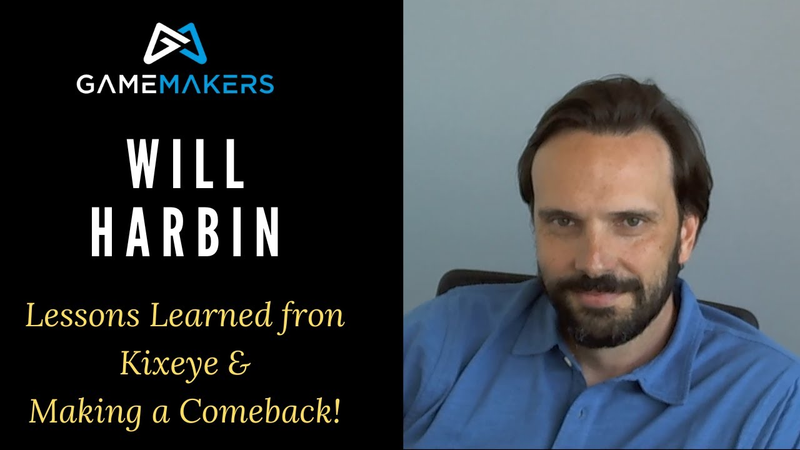
Will Harbin on Lessons from Kixeye and Making a Comeback
Key insights
6 takeaways- 01Success in mobile gaming is driven by rapid platform adaptation rather than proprietary distribution, as evidenced by Kixeye’s failure to transition from social web to mobile while competitors like Supercell captured the market.
- 02Incumbency syndrome and unsustainable scaling are primary threats to long-term viability, as they often dilute creative focus and lead to strategic hesitation.
- 03Maintaining a lean, distributed team structure and high talent density is essential for navigating global market complexities while preserving creative integrity.
- 04Modern game development should prioritize the creation of complex, metaverse-style environments centered on social dynamics rather than chasing superficial market trends.
- 05Sustainable growth requires a 50/50 development model that balances a strong creative vision with rigorous, data-driven iterative testing.
- 06To mitigate the risks of high-cost user acquisition, developers should prioritize strategic partnerships with established publishers over repeated, dilutive venture capital funding.
Ask AI about this video
Transcript
there was a lot of you know folks talking about kickside back in the day and it'd be great to get your perspective on the past as well as where the future of free to play is going but i definitely want to welcome you to the podcast thanks for having me i thought we could start just by asking you about you know kind of like you your reputation would it be fair to say that you're sort of a controversial figure in the free-to-play game development community and maybe you could talk about how how do you currently perceive yourself and kind of like the history of kicks eye so it's going to be one of those interviews what do i think of myself i think i'm pretty great um yeah by the way i'm a fan just just so you know we're all fans right uh so yeah look it's fair to say that i mean i can't argue with with someone's feelings
about me however i think uh a lot of people who don't know me very well confuse some of our early marketing messaging with who i am as a person or as an entrepreneur as a ceo um i certainly did some pr stunts to get the company attention that sometimes had negative consequences on my image which i fully accept i was pretty direct in interviews um and yeah you know sometimes i love the attention i mean it was kind of my first real uh job as a ceo um hadn't really been in the press before and you know sometimes when you kind of get that first you know first uh i guess arena of reception you know you might it gets a little bit to one's head a little bit um but yeah yeah i like the attention for a while but then i didn't i haven't done a lot of press over the last few years for a number of reasons one i brought too much negative
attention myself we had some i'd say security issues with users coming to the office with pretty bad intentions i mean we actually had to have armed guards at the office after a few few times two it really didn't serve a great business purpose you know it's not like i was trying to gain investors or more large enterprise clients i mean i don't think pr is really the best use of one's time when you're in a straight b to c environment where you can do direct user acquisition so it really just didn't serve a business process so we sort of just shut off pr outside of marketing efforts outside of kind of direct consumer communication so you know mostly just focused on making great products working great people but yeah i get it on the controversy side but i think a lot of it was being a little misunderstood and confusing and this is my fault too i mean we had a pretty aggressive marketing message and um
yeah it's kind of part of image and brand building may be a little bit misguided at the time right and i think that maybe a lot of the industry their perception of kicks eye and of you in particular may have been colored by that really famous kickside recruitment video that was posted in 2012 which i personally thought was you know quite entertaining and different but do you think that you know some of the jabs from that video that you know i mean you know you kind of like called out to some degree like zynga ea kabam do you think that maybe people have taken that a little bit too far or personally whereas you were just you know it seemed like the intent from my perspective as a you know outsider and this is the first time we're meeting live and in person but like i felt that that was you guys were just trying to be kind of light-hearted and fun although i can see how some people took it very personally yeah um i think only one person really
took it the wrong way okay initially but i'd like to think he and i buried the hatchet um i have look i have a lot of respect for everyone parried in that video all you know very successful leaders um you know at least one i'm very good friends with um but you know i think everyone could use a roast every once in a while including me not that we directly parodied anyone specific i mean it's not like the old guy was supposed to be john roccatello i am good friends with john and explained that even though he thought it was funny when he first saw it um but you know outside of the video i called some of our competitors out for making blatant shitty rip-offs of our products unfortunately for us supercell made a really good ripoff and put it on a platform which we weren't competing in yet but um you know i was very direct on the press and in interviews and sometimes my humor is a little dry i mean look there's there's two kinds of people uh there's people um people think i'm funny and then people
with no sense of humor so uh yeah look again i admit that maybe i like to press some buttons sometimes and maybe my humor is a little too dry and i do offend people and that's something that's happened i mean it can be polarizing including my personal life maybe not as much as i was maybe in some of the pressing with some marketing and with the recruiting video but i don't think really the recruiting video was really a source of much controversy i think overall is pretty well received i mean for god's sakes our recruiting numbers if i recall correctly i mean probably went up like thousands of percent in terms of of resumes i mean it was crazy uh but yeah i think you know i i don't think anybody was really really hurt or offended other than maybe one person but uh it's it's in the past well maybe let's talk about that issue that you're raising about that the company that became very successful and i assume you're talking about backyard monsters and how supercell kind of
took backyard monsters brought to mobile and essentially clash of clans today yes but during those early days you know kickside you guys were just really whooping some ass right backyard monsters war commander battle pirates desktop tower defense on the social side but can you talk about maybe a couple of questions here first in terms of like in terms of innovation it felt like kickside was really doing a great job in terms of innovation but then you guys didn't quite make the transition to mobile or maybe you could talk about how you interpreted that time and kind of what happened yeah so i mean i guess kind of going back to the company's inception or how i came to work with dave and paul so you know to be clear dave and paul had founded a company called casual collective before i came on board and desktop tower defense was their biggest game that was kind of paul's invention um you know meanwhile i had exited another
non-gaming company and i wanted to work in gaming gaming has kind of been a long time passion of mine and i had a very specific idea which i wanted to execute and it was making a game like command and conquer but making a true mmo out of it and this is something i've wanted to do since i initially played you know dune 2 and command and conquer which are kind of the first real rts's i hated how you know you play a session of command and conquer and then your base goes away you had to like start all over again i wanted like a 24 7 theater of battle so that was like i think the real you know idea that created uh the full kind of mmorts innovation and it just so happened when i was meeting with dave and paul about talking about restarting the company and making kickside is that dave had had a game called desktop creatures which i saw could be made into the
vision of what i had and we all the three of us kind of brought a lot of things to the table to make what eventually became backup monsters but the real um thing that made us successful is that the three of us bring different things to the table but kind of create kind of a perfect fit in terms of um team in terms of execution and creativity uh that eventually got diluted so initially we made becker monsters um it's a good game but you know the market was pretty raw then i mean we launched backyard monsters without even sound and i think i mean there was no chat in the game i remember that the the the defensive towers hadn't even had a pass from art we were using like cubes and cylinders i think i mean we launched it pretty prematurely because we didn't have a lot of choice we didn't have a lot of funding we needed to see if this thing was viable or not and sure enough yeah it was really viable so it's pretty fresh
um and yeah we had a big advantage of that because and thank god because we had we're doing a lot of things wrong it didn't monetize all that well it's still monetized a bit like a casual game so we had to learn a whole lot i mean probably monetize maybe 2x better than like something like farmville on a on a you know rpoo kpi basis but you know nowhere close to kind of what we're doing now or what other kickside games did so the real innovation putting the three of us together and putting a team around us to execute things and have us kind of carefully curate and be stewards of that of that experience and process and then we followed on quickly with battle parts which was a much bigger hit financially and then war commander as well which did about as well as battle parts and things got kind of a little [ __ ] up after that and really around the pressure to scale and at the time i was thinking wow we just made three great hits that are
making us millions and millions of dollars a month this video game thing is pretty easy let's just hire a whole bunch of people and just like give them funding and like just start making a whole bunch of games well yeah that plan turned out to be garbage it turned out to be a lot harder i mean at the time i didn't really think that dave paul and i had anything that special we were just doing what we were doing and i thought well you know we just need to give people the opportunity and make some games and we'll just create this 50 billion juggernaut and just keep making games is so easy so we uh we scaled um and hired a whole bunch of people and sort of just spread the brain trust around and things just kind of didn't go as well at all and just for the audience like the initial launches and success of these games were on social right so facebook myspace yeah they're all on facebook and and it's interesting that you're saying that um maybe part of the issue was just the
amount of initial success where then it caused you to think it was so easy but i also noticed that some of the biggest winners on the mobile side were the biggest losers on the social side and went to mobile because yeah they had to they had to they had nowhere else to go like supercell was a tremendous loser on on facebook oh yeah that first game i think was gun shine which is awful i mean we're playing that game like okay well these guys aren't a threat uh i mean it's a beautiful looking game it was a fun little experience but it's like wow these guys don't know [ __ ] about monetization right or retention or anything and um in if i'm not mistaken i think elka then joined them after that was released because he was still i think gm over at digital chocolate working for my friend and board member tripp hawkins and they'd been studying backward monsters and they'd already tried they created that alien game too yeah which was which was a much better yeah galaxy
conquest or something or whatever it was um and so he kind of already had a road map of how to copy it and then just so he already had a head start and then remember supercell okay guys here's what we're doing we're gonna make a better version of farmville and a better version of backyard monsters because these clowns aren't on mobile yet haha stupid them let's do it and yeah that pretty much worked for them so yeah and versus we had some incumbency syndrome we thought hey what do you guys where's everyone going the water's fine like this is easy we're making so much money this is you know we don't need to do mobile i mean a lot of the my resistance to mobile initially is because i personally didn't want to play games on a small form factor and there were two things that that mobile didn't satisfy for me one is the form factor in this small screen i wanted to basically make uh pc style games but really accessible and not having to use a download like you're at your your your desk at your at your at your office you can quickly go
to another tab and play the game and then get out of it not have to have like a gaming pc or something and the other is that um we were really on the client side we were really more web developers we didn't have to be you know full game engineers we were using flash and creating basically an executable um on a device was totally contrary to what how i saw the company as an engineer and i have a i have a background as a software engineer and i wanted to do straight up game as a service kind of web service and just make it hyper accessible from a technology perspective so those two things were kind of big hurdles for me to climb over and i predicted that the the market would go the other way i didn't think the app store would have the stranglehold because typically you see things shift away from walled gardens and things became more open and accessible at the time i predicted
that mobile would come to us and that we would be delivering things within a mobile browser so i didn't need to invest in it i think eventually i'll be proven right story right like well he and i yeah and he and i connected on that shared vision when he was running digital chocolate uh he saw us and came to me and tried to buy the company in the very early days and um and we definitely connected over kind of a shared view and vision he was earlier to it than i was um i mean he was so early that uh you know it kind of killed the company but you know they shifted and then it's like they went from mobile back into browser and you know he was just way too ahead of his time um so uh where was i so anyway you know part of it was my personal aversion for doing kind of small form factor devices too i just built a company that scaled on completely different technologies so i could not turn the ship that fast and by the time that i
realized oh [ __ ] i need to make this happen it's a little too late versus like a small nimble company like supercell like they were desperate like they'd raise some money their first game was a total failure and it's like okay let's do something more predictable boom here's this new greenfield market let's go jump in the app store and put some games out there so yeah they crashed it because they made a very critically good strategic decision so if you were to think back in terms of that time let's call it 2010 2015 and it sounded like because of the early success and traction on social you guys were a little bit late coming into mobile but if you were to just characterize like the mobile free-to-play market at that time and why like maybe you could um it'd be great to hear from you about specifically how then did you try to get into mobile and what happened and then during that time why did some companies like supercell succeed maybe just because you know that's
that's all they had and they had the playbook and things like that and then zynga was able to being late to mobile as well but they were somehow able to succeed do you have any yeah well so supercell i mean again they were kind of first to market with a pretty with a quality product and they've been able to leverage their brand and distribution and you know economies of scale and figure it out i mean uh they would if they were coming in right now they would not succeed with their current products no way they don't monetize well enough to afford advertising i don't even know why they're paying for user acquisition because it's totally negative roi um so you know they've they've built a brand and hats off to them they were first the punch and they built a multi-billion dollar business it's it's uh it's great to see that that my concept is so
successful but in terms of zynga you know they fortunately were had a lot more runway than we did to figure it out i mean they had about a billion dollars of cash or so and they could afford other acquisitions they could they could afford a lot more shots on goal to eventually figure it out and they figured it out with a new management team uh frank and bernard are super talented managers and i'm you know i'm a little surprised that they did as well as they did i didn't think anyone would be able to turn that ship around i mean that's quite the turnaround so they had a lot more cash a lot more shots on goal um and kingdom maker is proof that we would have able i know that you know it's not proof to everybody out there because the story is not written but i mean i see the kpis i see the trajectory i know that this is successful but i think kingdom maker proves me right that we had the right game plan we just didn't have enough cash to do it within
the old uh within the old company so you know um there's a lot of ways to skim the cat there's a lot of ways to figure it out some people are successful some people aren't a lot of it's due to timing lots of dude due to funding i mean there's things outside one's control there are things that people can fully control i mean it just totally depends each thing has its own different story i also thought what was kind of interesting about that time was just how much or how important distribution was at that time in in the sense that when we look at a lot of the other companies that were successful from that era like store made pocket gems there were like a bunch of companies that came from like tap joy you know x tap joy people x tap joy intern these guys that learned about you know the incentivized app install model and then even i i heard that supercell leveraged um i forgot the name of the company you know those guys that were
those orange jumpsuits at the at the conferences but they they built this huge business off of like affiliate marketing or something like that and um but what i heard is that um supercell was able to grow off of um striking partnerships with some of those like distribution partners and ad networks during that time yeah i don't think that that's entirely true i mean they that certainly is a piece of it but right yeah i don't think it's so much support from from the platforms after early success i mean they would just get massive amounts of featuring no matter what now they have a big dau network that can cross from voting they have a lot of leverage and power now but no i don't think there was anything any kind of creative deal smithing that was really significantly involved in their success and if you were to look some of the other companies that you mentioned yes i mean they were on a smaller scale yeah you could make it happen back in the day and now you can't really um a lot of people just took advantage of
really cheap user acquisition i mean it was really cheap to buy users in some cases so things change tides change costs change channels change and you there's always a way to figure it out i mean gaming isn't going away people like to play games there's places for advertising and promotion um you know there's a way to figure it out if you were to think back on kickside and maybe the biggest lesson that you've learned or that you would you feel that you would have done differently what would you say that that would have been um you know i think the biggest thing is to scale more thoughtfully but i mean you know you don't get don't often get the opportunity to to redo things and i'm kind of doing that now with global worldwide but the two biggest lessons it's really
skill scale more thoughtfully and react faster to market shifts and now i know what to really look for when that happens again and i was really keen to initially jump on the vr back bandwagon and then jump off it quicker than most when i realized that it just wasn't going to work i've been very keen looking at blockchain and nfts and things like that it's not quite the same thing we can talk more about that later but yeah it's really about scaling very thoughtfully hiring is so important and it's very it's a lot easier to hire the wrong person and the right person and simply recognizing market shifts and when to take advantage of that and maybe i could ask you about today so right now you're we're all operating in a different environment from those old days but as you know someone part of the old guard seeing that old environment and the lessons that you've learned and when you look at the current market how would you characterize like some of the biggest changes or even the current
challenges for the game studio to become successful in the current market today well operating in free to play i mean if you want to do what we're doing which is we're still you know chasing yield with user acquisition and trying to you know monetize players more than what we acquire them for i mean you got to bring your a game and you really have to have full economic mastery of this kind of system in game design and uh that's a really tall order i think there's really just a handful of teams out there that can do it in today's market you know if you're coming to this fresh you know you can maybe create something truly innovative that gets the attention that goes viral uh i try to avoid that because that's where it's just it's driven it's not very predictable um you know i feel that there are a certain number of parameters that if one stays within and iterates on you can make a successfully
and then you sprinkle on you know the you innovate here and there i mean i look at a kind of a risk portfolio where it's like you do some things you know are going to work you do some things that maybe others have proven to work then you do some things just throw it up against the wall if you have a good creative mind and they're innovative like you can think you can perhaps if you're lucky enough to think about what other people want before they know that they want it sprinkle that in which i think we have a better chance than many of doing um and look it it's hard i mean there are easier markets to make money and they're easier ways to make money i i really try to dissuade people who don't have much of an affinity for gaming that go into this market just to make money i think that's just a terrible idea and people have done it and have done well with it but i you know it kind of saddens me i mean i you know at the end of the day i just want to i think people have to be thoughtfully aligned on two vectors
simultaneously which is making an authentic great game um that you would play yourself and have a plan for how it actually really makes money and keeps the lights on and returns money to you and your employees or shareholders or investors or whatever like you have to treat those things with equal weight basically and i think most people fail because they're overly weighting one or the other got it and well when you talk about economic mastery and that second thing that you're talking about do you mean more around the understanding of different forms of monetization understanding like rpu curves roads just like the the way that you make um money on your players is is that what you mean or is is there something else as part of that it's part that it's part how the economy within the game is modeled which is far more complicated that eventually yields those rpu curves um i mean we have something like seven million rows of data in kingdom
maker i mean it's it's it's uh that's just the game variables the values not like user data or something like that it's it's the stuff that makes the game tick uh it took years to figure out okay um so 2019 still front acquired kicks eye for i think it was reported 120 million cash and potential earn out and then you kind of went on to form to found your current company global worldwide could you talk about that transition from kickside to global worldwide and then in a linkedin post you mentioned that kingdom maker has actually been in development for six years and so was that part of kickside was that spun out or you could also speak to that yeah so kingdom maker started let me start with that so kingdom maker started development in early 2015 so it's been seven and a half fun-filled years um
and kingdom maker was started to kind of serve two purposes one we had several different code bases code bases floating around the company they're all doing practically the same thing but not very well i mean our engineering that was kind of started in the early days just not great i mean dave and paul were both active engineers in addition to being game designers i was not personally contributing to the code but um we just we started with things that just didn't scale well in the first place and we just kept maintaining them and kept adding to them and i wanted like a fresh technical start built some architecture that could serve future mmorts games at kixeye more efficiently and um reliably we had a lot of down time i think there's one time where we had two days of consecutive downtime uh with battle pirates and uh we had to
turn off events for non-playing customers like if you hadn't spent more than like 50 in the game then we wouldn't let you access the game for two days until you act the active users had died down and our servers could actually support it it was bad like we cost ourselves a lot of upside because our engineering uh wasn't good from the early days so i wanted to have some sound um functional engineering and architecture from the get-go and create a code base so we could actually use leverage and scale so i took the best engineers around the company a lot of them were working on a game a pc game that i decided to cancel in favor of just going all in on mobile and making something awesome and then two um had an idea for kind of the ultimate rts the combined elements of role playing and sim all in one and it was a very big grand vision that i knew would take a long time to execute so i didn't want any risk but in terms of if it would work or not i was going to put everything in there
that i knew how to do and just make an awesome game that i wanted people to play for decades and uh and make sure that it really lend itself well to managing and scaling live operations because it's all about that at the end of the day it's a game as a service so yeah so kingdom maker started at the beginning of 2015 um we uh got to the point around 2018 late 2018 where you know we're getting to where i needed to provide some liquidity to my venture investors and uh unfortunately the market was kind of seeing us as two different companies like we had kind of the legacy products on still on facebook on our own website we had some mobile mobile properties like war commander broke assault and vega conflict they were doing pretty well uh but then they but then kingdom maker was like this almost seemed like a new venture and you know i got some investment opportunities some offers
some whole acquisition offers that i just didn't think fairly valued uh kingdom maker so we took an offer that allowed us to sell um you know the legacy stuff and um allow me to kind of divest kingdom acre into a different organization and continue on with that and so global worldwide is really kickside it's the founding team it's the core engineers and designers and marketers that you know were close to me and working since the very early days it's just that still front wanted the brand with it so like okay fine take it i can make up another brand name um and uh and yeah so still front bought the legacy kicks eye portfolio along with a lot of the team uh i divested the kingdom maker ip and technology and uh the people that were working on that into a new company so it's fully 100 independent not at all
owned by still front not associated i don't keep in touch with them i don't keep in touch with kicks eye you know we're fully much on our own path right now okay and if i'm correct you guys are located in atlanta could you did you speak to that why atlanta and is is everybody there are you kind of doing like the remote thing or how's that working yeah about half of us are here um the rest are kind of distributed all over we have a lot of people in california we have some in australia some in canada i think a couple in texas and uh michigan i don't know um depends on what the what the role is but yeah about half are in atlanta so i grew up in a small town named rome georgia which is in the northwest uh center of the state i lived in atlanta for a few years after college before eventually moving out west um i have a lot of family and friends here and a lot of us really just sick of the bay area like i i wanted to leave san francisco starting around 2015 but couldn't since i had kix
eye i had my first kid in 2016 and that's when i really started to see how terrible san francisco was to raise a family just bums everywhere dirty i mean it's just disgusting just you look at things through a very different lens and uh so we were kind of hating on san francisco before it was cool uh you know we left right before covid and then all of a sudden the exodus started after that so talked to some of the members of the team and wanted to see hey what do you guys think about atlanta um others were feeling the same way so moved i think around 20 people or so and hired some more or we're now this the company's around 60 people or so which is a lot smaller than kicks i was but yeah most the core team moved here to atlanta we still have a few holdouts from the original team out in california paul actually moved to colorado because he just wants to be
near the mountains i don't know but dave's here with me as well um and both those guys were originally from from london um so yeah i mean atlanta kind of ticked off a lot of the boxes i mean it was over the edge for me uh personally since i have a lot of family and friends here knew the area could plug in quickly but just where we are most of us here have families different life stage and we're just kind of sick of the bay um and just the disgustingly poorly run city of san francisco it's just it's kind of heartbreaking i don't think silicon valley is going to be really recreated in our lifetime anywhere not certainly not there but it's all kind of spread out now yeah i'm i'm hoping things turn around in san francisco but i do have to agree things are kind of depressing the way well people just aren't going to be coming back i mean one of the things that made san francisco so great is this tremendous collection of incredibly smart talented people and now they've dispersed i think some
will come back but you know a lot of them you get over somewhere else and it's like hey this place is pretty great i mean i think you get a little brainwashed being out there and thinking everything is so awesome and there's a lot of really great areas of the world but it depends on your life stage it depends on your priorities and things like that yeah but it's a shame yeah you know one of the really interesting aspects of kickside when you guys were here in san francisco i got to visit the office and you know you come out of the elevator and then you know it's just that experience going into the kickside office from a cultural perspective um and was wondering if you could um comment on the culture that the culture that you kind of instilled in the early kicks eye and you know some criticism around that too like some people would just you know call it for lack of a better word maybe a bro culture at that time but could you comment on how you are viewing company culture then
and what is what is the culture at global worldwide today yeah so a few things to address there i think they're kind of a few points and questions um number one i mean look i fully reject the whole bro culture label that anyone tried to label us i mean i think it really again was influenced by some of our marketing and content of our games which we're certainly a little more male focused and skewed um but we had a far more diverse employee base than any other game company at the time that i was aware of and actually had like some diversity award which kind of rejected because i thought it was kind of silly we hired based on merit that's just how kind of how the chips fell um but um yeah i mean i don't think like our office decoration had anything to do with that i mean we're just trying to do something cool i just thought that was cool you know you could tell it's a different vibe it's like i thought it was cool too i mean like i'm in the theatrics and doing neat stuff i mean they were making video games so let's like make the office kind of like a video game um
and yeah again i think you know some of the press and marketing and some of my comments were perceived differently than i had intended and and uh but bro culture i mean at the end of the day we're just a bunch of nerds making video games so i think i think all of us were beaten up by bros and at one point in high school or whatever so uh yeah we're just a bunch of nerds making video games and that's still the case um in terms of the culture now versus then i'd say the culture of global worldwide is what i wished kixeye was um back in the day it's just i didn't have the opportunity to uh to attract and hire the kind of talent that i have now i mean again at the beginning like we were just scraping by with well we just didn't know what we were doing and we didn't we we weren't able to attract the quality of engineers and designers that
we have now um and i think you know looking around the office of global worldwide and the people i see on zoom calls i mean this is the most exceptional team i've ever worked with at the end of the day i mean i think culture is kind of a misused or overused word in the corporate landscape i mean what does that even mean it's just it's it's a product of the people that you hire and um and i think some people put too much artificial influence over culture because their product and the company that the thing that they're doing is it's not that exciting so they have to talk about culture like we're making something really exciting and really fun and there's there's a reason to kind of jump out of bed and get out get to work every day and so we don't have to really talk about all these ancillary superficial things that make this company great what makes this company great is we have a lot of really amazing people that we work with and get to work with every day and we're working on a [ __ ] incredible product that's the culture and um it's about hiring just really passionate dedicated hard-working
masters of their craft and uh you know that's the culture and i just i want to just be surrounded by really smart people and i mean i think that you know pretty soon i could probably get hit by a bus and kingdom maker will do really well um that was not the case in the early days of kickside so i think i'm finally doing my job so right so it sounds like if i were to characterize working at global worldwide the pers the perspective on culture is really not about like a set of values or rules or principles it's just about good people focus on the product and if you hire good people and have an exciting product good things will happen is that a good characterization of yeah i mean we certainly have values i mean it's it's really respect employment law respect people um focus on the product you know hire great people um have fun i mean it's it's not complicated
okay and maybe kind of going back to kingdom maker i i do think that um and by the way you know i just hear a lot of things but the word on the street is that the kpis are pretty good you don't have to confirm or deny that but could you speak about more specifically what the game is and maybe even going back to like how you thought about starting the game and then having worked on it for six years uh it seems like you believed in this for quite a long time what's making you what made you believe in it you know ahead of data ahead of you know kind of launch and things like that yeah well you know backing up when we first made black monsters battle pirates work commander i thought the shelf life on that stuff was about a year and a half and so that was one of the reasons why i scrambled to scale the company and tried to create all these studios like oh my god i just need to fill the pipeline knowing what i know now i would have not worked on anything other than mobile
versions of those games just extending the game um because i mean at the end of the day how many games does it take to make a multi-billion dollar gaming company one yeah one um and we know what works um we know what's missing i think people spend too little time on the v1 of the game and if you're thinking about this in terms of the way i think about kingdom maker is it's a multi-decade experience there's already games out there that been around for multi decades how long has counter strike now been out for how many years has world of warcraft been out for um so um but knowing that and then that kind of changes one's perspective on payback for marketing and how big and how broad you want want the game um i just thought that the games that we've made and the games out in market were just too limiting from a user perspective like i just kind of got bored with stuff like i wanted more things to do and i wanted more reasons to keep people around and that's why
we made kingdom acre both deeper and broader which most people it's kind of counterintuitive to most people most people think you really got to focus on one pillar and don't try to be all things to all people now i'm like [ __ ] that like it needs to be a lot of things to more people if you want to create a big ecosystem i mean look at the world the world works you can go out there and choose to do anything that you want to do i can go be a fireman i can go be a doctor i'm going to go choose to go to a rave now i'm going to go do this like you know we're talking about kind of the metaverse um you know there is some mediversy kind of stuff going on in kingdom maker uh we want to nail social and it's about kind of social expression um not necessarily being on like a social platform or something but allowing people to play the game in maybe different ways so at the end of the day kingdom maker is about power it's a game of power and it's a war game
but you know war is not necessarily modern-day you know geopolitical warfare it's not just with direct combat it's with influence espionage intrigue um economic you know i want i wanted there to be a way for players to play a little bit differently especially in the pvp loop like if someone who doesn't want to actually engage in active combat with somebody's or somehow that they can maybe topple their enemy or do something different other than just sending a bunch of troops in so needed to put a human face that's where the nobles came from and kind of keep cut away and allowing people to do different things to other people like there should be a thousand different ways to collaborate with somebody in a thousand different ways to stab somebody in the back like that's the real innovation in this game yeah i mean there's a bunch of different innovations i think but so i thought wow this is a pretty grand vision it's gonna take us some time i know this will work
and um yeah i mean that's what's going to set us apart we we dream big and we can put our money where our mouth is so uh yeah i mean look i mean the kpis obviously we wouldn't be spending a ton on marketing and launching it globally if the kpis weren't already great so i think anyone i don't know anyone who's launching a game like this without good kpis that'd be pretty terrible yeah yeah and in terms of like you know ahead of data when you were working on the game did you take more of the approach of more than like the steve jobs or blizzard approach of like you felt like you understood what a good game or a good product would be for an audience and just kind of you know made a number of decisions in terms of the game design kind of like opinion-based decisions um or did you try to validate through testing or other types of things ahead of launch uh 50 50. so 100 in the
beginning i was pretty direct about like i mean i wrote a product brief i'm like hey i'm recruiting internally for people to make this game and here's what it is here's what it isn't and you want to work on this and people would kind of buy into the vision so i made sure that people really bought into the vision um but the way that i work it's like look i put assumptions out there but then when we had the presence of data we let data drive a lot of the decisions so we definitely iterated on different systems and things like that but yes i mean i solely came up with the initial kind of feature set and parameter set to kind of keep people within kind of a canvas and then of course delegate it and hire designers to flush out systems and things like that i get into the weeds in some areas but for the most part you know want to empower and delegate people and make sure that they have a sense of ownership and they're making great stuff and
there's stuff they're doing that i can't do and so i'd say short answer is it's mixed i mean i don't want to compare myself to steve jobs or others but yeah i mean i had a pretty specific vision initially but we're fortunate to be in a world where data i mean there's just uh there's a there's a fire hose of data that you can read and help make your product better um and you really have to kind of ignore once that's out there you have to ignore the qualitative feedback and really really listen to the quantitative feedback so um yeah so it's it's really both it's it's both intuition and data but obviously as you get more you get you know more scale and in the market data is going to be driving a lot of the tuning in either confirming or rejecting a lot of your assumptions but data can't take the place for innovation and invention you still
have to think okay well what should i do in the roadmap next um and take a bit of a risk management view of of kind of the portfolio features where we have okay here the obvious stuff that's missing that we've done in other games or um you know it's well established that other competitors in the genre doing this well the other is you know we see maybe someone else doing it and i think it might work um and we should do that or maybe the users are asking us for it and then you know the last bit is like let's just put our thinking caps on and throw some stuff up against the wall that we think would be really cool to put in there that would entertain us and you know that's the the riskier bets but um yeah you got to kind of have the standbys and the things you know are going to work and then you know you definitely need to have a creative imagination to think about what people might want but just don't know that they want it yet right and maybe now just if i could ask you
about the distribution side and so the game is being published by scopely and you know me if to the degree that you can't talk about that specific relationship great but otherwise i just wanted to get your thoughts in terms of the current market environment and like the generic decision of going with a publisher or not what are what would you generally be looking for from a publisher and you know and to the extent that you can as much detail about the specific decision with scope if you if you can talk about it yeah um so we were already in test market um kingdom maker was already live a couple years ago when we when we signed a deal with scopely but we had a lot of different options some straight vc options for funding a couple other strategic options like scopely and also some outright acquisition options as well i chose the scopely deal because i
thought it was it was the best mix and they have had some tremendous success in some other areas they had the money to market this thing and we were just we had a lot of just good vision alignment i mean they'd hired a lot of my kickside product managers some of the better ones and actually someone who used to work at kickside um is now kind of the lead on the scopely side uh for this game that we have a really tight relationship with i mean everybody we work with there and everybody we interact with there's just aces um a lot of synergy between the companies and the teams and so it's gone really really well and so we we definitely bet right on that um you know i had the opportunity to just go in kind of the end fully independent kicks i route and raise more rounds of venture funding but you know i knew that we had something hot and we needed to have a partner that was going to spend massive amounts of money on marketing and in order to do that
the vc route i'd have to just keep raising money and just doing more you know more dilutive rounds of funding so um can't say much more but um you know chose the strategic route with scopely um super thrilled with the partnership you know like i said we we didn't execute the deal until after we were in test market um we've done some co-development with them um and now we're kind of in the marketing phase and and pretty stoked about the relationship and you know it's a great company to be a to be partnered with for sure awesome um is there another part to the question oh well i mean um maybe you could also just speak on you know you mentioned marketing dollars from from a scopely or or a publisher but just more generically what should a game studio think about getting from a publisher in terms of value or benefits and things like that
i mean it depends on the genre and what you're competing um but you know marketing is really expensive now and i think if you are really aiming to have like a top 10 grossing hit like you need to spend hundreds of millions of dollars on marketing a lot so and you can't really just go raise a series a for 100 million dollars out there it's like you know it's i would say and i'm really enthused to see that some um you know pure gaming vc funds out there raised have raised some really big funds i mean i think there's i don't know at least three billion dollars four billion dollars worth of gaming funds out there right now yeah maybe a little more um a couple of them have like 750 million dollars per fund right um so you know maybe a series b i mean i i think it's possible now that you know you get off the ground you have something you're in test market kpis look good i mean if i
was a vc partner looking at games and i see the kpis i would immediately try to swoop in and try to take a big equity ownership and give them a huge check because i knew that it would be pretty predictable i think once you get to a certain point of scale and you're operating with within certain parameters kpis can be trusted to scale you just don't know how big it's going to get i know i know kingdom maker is going to be very successful i just don't quite know where does the scale end but it's it's it's going to be profitable exploring and finding that limit and yeah but generally it's uh it's tough to get a brand new game company off the ground if you haven't already done it before you don't already have relationships because again marketing is expensive development salaries are expensive and it's not something that we just can kind of just slowly build up to it's like once you get to go live you need to have
the dollars to start pouring into this and you can't really stop it's just it's bad for it's bad for the future upside right okay well i think i have one last question which is really around so so you and i come from like the early mobile free-to-play environment and now looking at the current landscape there's a lot of stuff going on right there's web 3 ownership blockchain like really a fundamentally different ua landscape based upon idfa deprecation you've got now maybe a comeback of publishers i mean they've kind of disappeared for a while you had a wave of m and consolidation and now you know where is that you know although i think embracer just raised a billion from the saudis but like a pretty kind of confusing landscape and so if i were to ask you what you think about some of the the biggest whether it's opportunities or things that you're thinking about in terms of the current competitive landscape what are those things
look i think the opportunity is that um there's always room for good creative innovative content that's it i think a lot of people get too um spun up around like you know some very specific platforms or monetization techniques or whatever um but there's just there's always there's always room for great entertaining content to delight millions of people because there's so much garbage out there i think if you have a creative mind it's very easy to stand out but again like i said earlier like you have to have equal focus to making a good creative fun experience and how is this thing going to operate as a business now some of these new things great to keep an eye on and master and figure out because it's going to make kind of the business part easier nfts nfts are so well suited for gaming
it's perfect i i think gaming might be one of the really only slam dunk opportunities for nfts to really work a lot of opportunities for blockchain it's just kind of a you know it's a methodology that can be applied to a lot of different stuff uh crypto is a whole whole other discussion um but you know it's important that everyone keep the pulse on the market and you know know what your competitors are up to there's plenty of data out there that that shows what's working and you can dissect and just stay current with the market um but end of the day like all the none of these things are substitutions for just creating a a thoughtful authentic fun innovative creative experience for for players um and again i think people get too caught
up in the other techniques and they get in the weeds on other things and they lose sight of like is this going to be [ __ ] fun is it fun is it interesting why is it worth my time like you got to have that sort of product market fit first um otherwise the rest is just you know it's a waste of time right all right well well that was my last question um maybe just just to wrap this up if if i don't know if you have a final message for our audience or if someone wanted to get in touch with you how would they do that uh anyone can email me at will globalworldwide.com and um final messages play kingdom maker it's a lot of fun check it out sounds good all right thanks so much will thank you [Music]
you
Summary
The evolution of the mobile gaming industry demonstrates that early market dominance is often determined by the speed of platform adaptation rather than proprietary distribution advantages. Kixeye initially achieved significant success by pioneering the MMORTS genre on social web platforms, yet the company suffered from incumbency syndrome, failing to transition to mobile environments while competitors like Supercell captured the market. This strategic hesitation, compounded by rapid, unsustainable scaling that diluted creative focus, serves as a foundational lesson in the necessity of agility and disciplined capital management.
Modern game development requires a synthesis of creative intuition and rigorous economic mastery. Sustainable success is no longer achieved through sheer scale alone but through a balanced approach to live operations that integrates data-driven monetization with authentic, high-quality gameplay. By leveraging a 50/50 development model—where a strong initial vision is refined through constant, iterative testing—developers can build deep, long-term social experiences that foster player engagement. This methodology prioritizes the creation of complex, metaverse-style environments centered on social dynamics and intrigue over superficial trends.
In the current high-cost environment, scaling effectively often necessitates strategic partnerships with established publishers to secure the marketing capital required for competitive user acquisition. This approach provides a more efficient alternative to repeated, dilutive venture funding, allowing teams to focus on product quality and talent density. Ultimately, while emerging technologies continue to shift the landscape, the core of the industry remains rooted in the delivery of compelling, fun experiences. By maintaining a lean, distributed team and prioritizing exceptional talent, developers can navigate the complexities of the global market while maintaining the creative integrity necessary to sustain long-term growth.