1 free read left. Create a free account for unlimited reading + AI research.
Create free account
Collect Stepping Stones and Honor Interestingness - The Metacast by Naavik
Key insights
6 takeaways- 01Innovation is more effectively driven by 'collecting stepping stones'—prioritizing small-scale, iterative discoveries—rather than adhering to rigid, top-down long-term planning.
- 02Significant industry advancements, such as the evolution of Dota 2 and Counter-Strike, demonstrate that decentralized, community-led experimentation often outperforms forced corporate consensus.
- 03Blockchain technology currently functions best as underlying infrastructure rather than a primary gameplay mechanic, as fully on-chain gaming continues to struggle with performance and user experience limitations.
- 04Traditional console developers often fail when entering the mobile market by porting existing titles instead of adopting mobile-native designs like gacha mechanics and deep-spend loops.
- 05Successful cross-platform expansion requires a fundamental shift in business models, data science capabilities, and live-service operations beyond simply leveraging existing intellectual property.
- 06Companies face a strategic tension between maintaining walled-garden hardware ecosystems, like Nintendo’s, and the broader market demand for cross-platform flexibility.
Ask AI about this video
Transcript
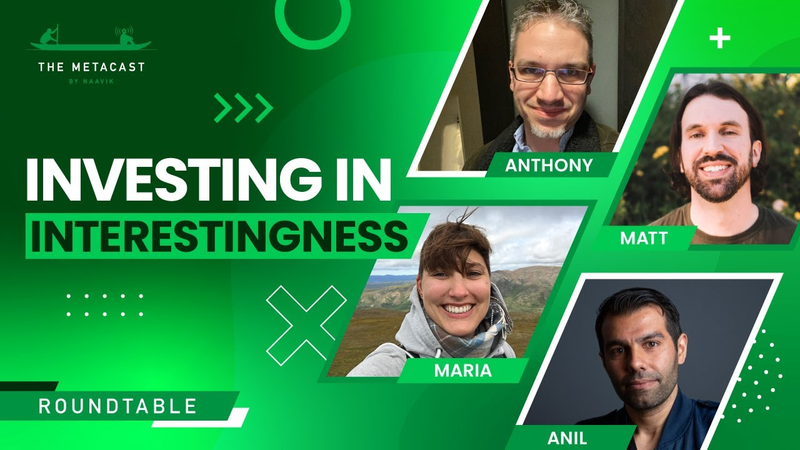
[Music] we're always building on top of each other across the industry on what we're doing and so we're not doing this discovery alone we're build we've built it up over time and I think that's why for example mobile free to play is just such a mature market now [Music] hi friends welcome to the metacast round table by navic and today we're joined by Matt Diane lead product manager at EA and also a contributor at navic I'm sure you've read his essays Anil Das Gupta co-founder and CPO of First Light games and today he's well rested he didn't have an overnight flight and then came to do a podcast and we have a new guest on Anthony pecorella co-founder of level up Labs you may know his co-founder Lars to say hello welcome Anthony
thanks good to be here do you have a prepared 30 second intro that I didn't warn you about uh sure um yeah so my background um I got started in the gaming industry in about 2008 I worked at congregate um which was a browser-based games platform I was there for actually about a decade um held a bunch of different roles from QA to product management to developer relations um did a short stint at Emoji Studios which is the Temple Run developer and then now I'm Consulting with novik my kind of experience or expertise is in the sub-genre of idle games or clicker games it's um I was the lead producer on adventure capitalist which is one of the early ones and have just worked with a bunch of the developers in the space and then level up Labs originally was just an indie game studio and uh in Defenders
Quest was the one that we kind of got famous for though we actually made an uh educational game called cellcraft it's about cellular biology was our first ever game that we did that's uh that's my background I guess you know small background no biggie no biggie yeah actually uh congregate are part of the MTG family now so I've met some fellow congregate people as I'm at Hutch and yeah great great company so if you've been there a decade I'm sure you played a huge role in building it up to what it is today uh and just to get to know you a little bit better what's your favorite object that you have in your room right now oh good question um I think it would probably be um what's this um it's a piece of pyrite that um just naturally formed in these cubic shapes like you can find pyrite that does this um and uh I think it's just absolutely
fascinating to like that's not cut that's just how it Formed um and so that's amazing yeah I absolutely love it so um yeah I'll go with that I didn't know that nature nature produced such sharp geometric objects yeah every once in a while there are certain um constructions you see in uh carbon in some cases where it'll form like the geodesic dome kind of look or like I mean diamonds will sometimes get that sort of flat face and um but yeah just something about the pirate I'll have to look up the chemistry behind it um sometimes I really understand it but uh yeah that's a great off the cuff answer yeah lying there in your room I feel like I would have just grabbed like I don't know like my cell phone or a coffee mug or something really late I love it if you picked up your dog oh sorry they're not in that room right now no I'm sorry I would not like me picking up the MetroCast is now a podcast about geology not about game industry analysis
let's let's pivot our content cheers for going along with Anthony [Laughter] um yeah so just before we jump into the topics I want to give a shout out to King's PVP Action Game On Wheels called Rebel Riders have you seen the play testing the video the trailer again you have to go and check it out imagine stuffed toys uh cute just cute toys on Wheels shooting each other out you have to go and check it out please please let it play for the past play test I I really want to play it okay uh topics oh sorry is it what was the name of the game Kings uh Rebel Rebel writers yeah it's like a toy stories Toy Story with guns yeah basically and battles battles on wheels it's cool it looks really fun um yeah so today in terms of our topics we're going to be talking about how
goals can be counterproductive and you know games are very goal space so this will be an interesting one to dive into we're also going to talk about fully on chain games uh traditional console developers and their relationship with mobile and then if we have times I want to allow enough time for these big topics we might go into my experience so far with the Quarry a narrative couch Co-op game that is meant to be very scary all right Ma you got the philosophical topic today yeah this was um this is not necessarily a piece of news but it really um got me thinking and so I thought it would be interesting to apply it to our craft and see what we could kind of come up with so a little bit of context I'll try and summarize this quickly um I recently listened to a podcast uh it was uh invest like the best by Patrick Carlson sorry Patrick O'Shaughnessy excuse me um and it's a fantastic podcast if you haven't listened to it I first got turned on to it by someone who described
it on Twitter as like a wonky podcast that just gets wonkier and wonkier and I think that's a really apt description but anyways uh Patrick had a guest on named Kenneth Stanley who is a professor of computer science and he wrote this book called why greatness cannot be planned and the premise of the book uh is that really large goals and objectives can actually be harmful and counterproductive to achieving the goals that you're setting out to do the podcast was titled greatness without goals um so this this guy Ken Stanley um has done a bunch of research his background is in Ai and machine learning and really excuse me arrived at this conclusion through um a series of experiments with a program where basically users were presented with these sort of amorphous blobs and you get to choose
um sort of an offspring quote unquote from these blobs that you find interesting there's no goal set out but it's all kind of user driven you just pick whatever looks interesting and then that choice that you made um feeds into the next set of choices and so it's sort of like a breeding system um and so um you know it's kind of a series of individual choices but they are built on the collective series of choices made by everyone that used the program before you um so this this is the way that he conducted his research but I'm I'm going a little bit off track here um he um he talks about how um first a caveat we're not talking about specific small goals right like I want to uh increase my retention by five percent uh we're not saying do away with those kind of goals we're talking about the sort of
beehags the big hairy audacious goals um organizational goals societal goals like stop climate change or cure cancer what have you um and he gives a good example of computers and vacuum tubes basically like if you um said to someone back in the day that was working on vacuum tubes that this is going to be a predecessor to Modern Computing that like they would have no idea what you're talking about they weren't setting out to make a computation machine but vacuum tubes were a key component in the evolution of computers and we would not have computers if it weren't for vacuum tubes vacuum so what are those like Hoovers the thing no it's like it's like an electrical component oh God it looks like a little glass like kind of Dome or cylinder that is vacuumed out so the electricity can travel through it um without impedance I guess great let this be the example that there are no stupid questions on this podcast no no I
don't know I want to see Maria's version of that PC that would be amazing yeah sorry carry on no no that's okay I'm I'm rambling a bit but um the idea is that these vacuum tubes right are a stepping stone towards the final outcome of you know computation um and so going back to the original experiment around picking amorphous blobs your choosing Stepping Stones along the way towards whatever the final goal is and so this program that he did with the choosing these blobs was called pick reader and at the same time there was another project that some other researcher was doing called The Living Image project which was sort of the same experiment except rather than making individual choices it was voted on by group consensus which of these blobs is most interesting and um the the results were wildly different with pick breeder you would get interesting stuff like a skull or a butterfly and with Living Image project
we had this group consensus you were still getting amorphous blobs that weren't really like making sense if you think about it like if we're all choosing the blob that is most interesting to us well it might be like you know Maria is interested in vacuum tubes Anthony is interested in geology I'm interested in cats and we're all picking different amorphous blobs based on our interests but we don't have a unified sort of outcome and and you can make that connection to uh sort of big audacious goals like if we want to stop climate change uh you know one of us might think it has to do with electric vehicles one of us might think it has to do with Recycling and so there's different ways to get there and we as humans don't always know what the stepping stones are going to be to get to that final outcome um and so the the sort of takeaway here is like these large objectives are are a little bit flawed it's not really about like
the things that we want to accomplish it's about things we don't even know we want to accomplish but we would want to if we knew that they were possible um so one of the takeaways here is that um this guy Ken Stanley says there's and I'm quoting here there's no good strategy to achieve a specific thing that we don't know how to do um but what he recommends is maximizing the chance of achieving something useful um you don't necessarily know what the payoff is going to be you need to maximize opportunity to have success even though we don't necessarily know what that success will be so he offers two pieces of advice here and I promise I'm going to bring this back to games momentarily the first is to collect these stepping stones and honor interestingness as he puts it what is interesting and then the second is to recognize the Stepping Stones when they do snap into view for the first time um so you kind of have to keep an eye on what these stepping stones are yeah yeah um I I so I actually do agree with a lot
of his ideas but like I almost I want to play Devil's Advocate a little bit to sort of just understand like do we actually agree with his um his theories there um yeah I mean yes vacuum tubes were required for computers as we ended up with them but if vacuum cubes tubes hadn't been invented I think there's a good chance we would have found some other way of doing it um so I it's and it strikes me a little bit because I I did have a CEO who was into the beehags and uh would quote like Sony saying they wanted to change the perception of Japanese Electronics which were seen as cheap earlier and now we kind of you tend to think of them as high quality um and even in um you know at congregate one of our core I don't know if it's you know core goal versus Mission and there's some subtle differences there but you know everything we had this goal of trying to improve um independent developers or help independent developers find and grow their communities and so like every decision we made was informed by this
unified Vision um whereas like the pick reader everyone was Voting but they didn't have a unified thing they weren't all trying to find the skull or the car um and he does address that a little bit in his talk but you know I I I think part of what's interesting about this is that it does feel a little paradoxical or counter-intuitive that you know we we feel like these this method works and we've kind of all adopted it um so I was just curious like what you were um or your annual thought you know if that does that resonate with you or do you think there's you know maybe some flaw in this or some subtlety that uh maybe is being missed no that's cool well it's funny I find this is like the philosophical rather than the metacost this week with this question is very deep thinking um I'm sorry I can't answer your question directly Anthony because I feel like it's such a broad subject that you need to kind of go through the thought process I I like you were saying I broadly agree that I find that without
um actually having two of a vague goal or two bigger goal that is for example why climate change doesn't get sold because it's hard to break that down into concrete actions that you could easily remedy whereas if it's like reduce the amount of nuclear power plants that you have in a country by X by this time well that's something that you can very easily achieve I think it's something that I found with myself like um maybe it's the same view Anthony but for example if you want to start your own business that isn't something that normally happens overnight you have to go quite a few steps to to pull it off and so then you start breaking it down and it's okay I need to do this I need to find this co-founder I need to raise this amount of Finance I need to come up with some crazy idea that people believe me about etc etc then you can make it happen whereas if your goal was just like I want to do something fantastic it won't happen so um I think it's quite a clever way of thinking and I I largely subscribe to I guess the the points that Matt's put across in terms of what's going on here coming back for more the kind of yeah I
think the diff difference though is that um so I mean you're right like any big goal if you're going to achieve it at least classically like you break it into smaller ones that are achievable uh I think what what Matt's saying is that the the argument is that you wouldn't know what those small goals are that yeah um so and that's where it's counter intuitive because it feels like you know we have this thing we want to do we should be able to figure out what are the steps along the way but I think the argument is that we we can't know um I guess in the case of like starting up a business we've seen other people do it and so there's sort of like a a known method of doing it whereas something like solving climate change we don't have that method ahead of time and so like can we can we make those small goals that really will get there or is it something where we just have to keep innovating and then eventually someone will see those stepping stones that Matt was talking about of um you know oh now we have this piece
and this piece oh this is going to fix global warming or something like that um and that's that's where it gets a little a little interesting I think where the lines are blurred yeah well I would say I mean isn't it a little from column a little from column B I mean take like a very Fantastical goal at one point which was like people saw this massive object in the sky they called it the moon and one day someone wanted to land on it and um make it real not a film by Stanley Kubrick or whatever crazy theories people have around it so you sort of do have the goal but that's kind of crazy as well and who knew what the kind of goals in between were to do it and there were some missteps that were taken along the way and then eventually they would get there so I'm kind of rambling myself now so I'll let you well you raise a good point though and you're like he actually mentions this this idea of the Space Race um in the podcast um one thing we haven't talked about is the importance of constraints and context in achieving these you know audacious goals and and the Stepping
Stones along the way if it weren't for the Space Race um and the desire to reach the moon um would we necessarily have pursued the path that we ultimately did and and you know combined these existing Stepping Stones to get to where we needed to get to um these the context and the constraints are really important otherwise you're just acting randomly which is specifically not what you're supposed to do according to this podcast like acting randomly is not is just as bad as setting these these goals that the the guests of the podcast claims are counterproductive so context and constraints are important and it's it's also important to like as he says collect the Stepping Stones along the way and be aware of them when they snap into place so that you can sort of bring them all together I I feel that we might be trying to compare apples to bananas a little bit because [Music] um I think this this type of mindset
applies extremely well for example in scientific research because you have grants and your research is going to be on a very very specific small building block of this larger picture and then when enough building blocks excuse me when enough building blocks have been researched then you put it all together and you together the scientific Community comes to this outcome and that's possible because you know there's governmental funding and we we accept that the grand majority of research is going to be a failure and then when we take a look at you know a business we have a limited runway in terms of the investment that we can make and that's why we have to work towards goals because we can't with a space race you had governments funding it so until someone reached the the moon you can just keep there's no tap turning off um unless the government decides to do so and so if you're looking at a
business you have a limited Runway and that's why you have to make clear you have to work in a goal set way so that you know when to Pivot when to stop when to try something else so I think from a business perspective maybe this mindset can be applied by how can I increase the number of experiments within my constraint to be run to find the right answers potentially like you raise an important point which is that there is risk involved if you're making these uh stepping stones that are interesting but not necessarily proven or guaranteed there is a trade-off and you could be spending money that doesn't ultimately lead to anything but I think you're right Maria that like increasing your optionality increasing the number of tests that you're running or the number of stepping stones that you're collecting is a good way to approach this and it just has to
do with your organizational comfort with risk and and what sort of uh Runway you have to take on these interesting tasks one of the kind of classic corporate examples is Google's 20 time where they yeah just give employees one day a week to work on whatever is most interesting to them and um I think was it Gmail that came out of that I think a few of the like big Innovations at Google did come out of it and that's a really good kind of example of the success of this um or things like the MacArthur ground of Grants or you know there there is some of it out there but um so yeah I guess Google's the best I can think of in terms of um uh examples or I guess the other one maybe is like 3M I don't think there's explicit about giving freedom but they're really really they really emphasize communication between departments and so things like the Post-it note like Post-its that that adhesive was supposed to be a really strong adhesive and it ended up being
kind of weak and crappy but um some other department entirely was you know heard about it within 3M and turned it into like their most successful product ever and so by encouraging this kind of collaboration and I guess Matt that's more that's like the awareness of the Stepping Stones side of things like they are encouraging everyone to know what pieces are there so that then we can figure out how to put them together again so but how do you do this in games like how how could this correlate how can we pick up as many Stepping Stones as we can along the short Runway that we have so that's a great question it's what I wanted to sort of bring to the table here I I have some thoughts so just to to bring us back to the two pieces of advice that the that Ken Stanley offered one is collect stepping stones and honor interestingness and two is recognize those Stepping Stones when they snap into view so um you know the first thing that came to mind for me is doing a lot of prototyping and concepting uh and doing that quickly um and I I think importantly there is like not throwing away stuff that you
think is interesting just because it didn't return a certain kpi um because you know we may find that some prototype that we did uh you know months ago is not successful from a commercial standpoint at d0 but you know when we come up with this other prototype down the line and smash them together then all of a sudden we have something really really interesting um so that's that's one idea is is prototyping and concepting frequently another way to do that is emphasizing ugc and creators so giving players uh giving developers the tools to do their own in Innovations based on you know your sort of core product your base base set of tools um that I think is is gonna increase your velocity much faster than just doing internal prototyping you're sort of opening things up exponentially to anyone to do whatever is interesting to them and this concept of interestingness
um is really core to the the sort of thesis and then the final one which uh I think Anthony and Anil will really find interesting is composability interoperability so at the risk of taking this into crypto Corner territory like this is something that blockchain really enables is you know you can just take someone's code smart contracts that they've already put together Fork it and do your own thing on top of it uh you can you know bring uh tokens together interoperate like having access to all of the innovations that came before your work is in important aspect of this as well because you like it doesn't sound like collaboration but it is implicit collaboration right everyone has done all this work before and you are collaborating with their prior work and putting your own Innovations on top of it so these were the three things that I came up with but I'd love to hear everyone else's thoughts yeah the the prototyping and concepting new ideas quickly yeah makes a lot of sense sometimes by going through the motions and you'll you'll find something that
works because you keep it keep it trading on it and I also agree that if something doesn't look like it's working from a kpi perspective immediately sometimes it's not worth just abandoning it quickly like observe learn and then think I'd phrase the metaphor as try to keep collecting stepping stones from within the same Lake and same river instead of jumping through Rivers um so that you can build up that that specific picture better yeah I think um I think on the the ugc side um one of the or some of the best examples are on uh the modding community and the fact that um I was in some of my research I was looking it up and some of the like the biggest games of all time really are mods um like uh Dota 2 and the whole MOBA League of Legends genre came out of a um a mod called defense of the Ancients on
Warcraft 3. Counter-Strike was a mod of Half-Life Team Fortress 2 came from a mod of Quake Daisy and pubg both came out of Arma 2. um so you know and the it's it's nice to think of innovation as just sort of like a fun academic thing but these are incredible like billion dollar games that came out of it from so from like a money side yeah it works uh and no one could have predicted that um I don't know Warcraft 3 would have generated a 5v5 real-time battle game like I mean that's nonsense um but it's exactly what happened um because they had the foresight to you know create or to support modding communities and to allow players to mess around with it and and see what they could get yeah but what happens in that situation to the business Revenue because for example if we look at gentian impact they spent years developing these games that kept pushing
the boundaries of tech and now they've built such a strong position in the market that's very difficult to replicate because they've achieved a new point in for example mobile technology everyone I know that plays the game the first comment that they have about it is how impressive and how can it be free to play because it's such a premium a premium fun game so if we're talking about ugc and and modding um I know we'll get into this in in your topic potentially Anthony so maybe I should have asked this later or you can answer going into your topic but if we have things like composability and interoperability where someone can take your game and then go and build their own game how does that help your business Revenue in allowing that ah that is a really good question um I think in I mean in some cases so um like valve picked up Counter-Strike um and it was a mod of Half-Life so you know they were able to kind of capture that and grow it but certainly like you
know I don't think um like Team Fortress 2 and and ID software are not related at all and so a lot of times that I guess so well so some of it is from The View that you know how high of a level view are we taking like we these Innovations happened into the Gaming Community but you're right that in many cases the original product that led to it doesn't directly benefit from it so yeah that's an interesting question valve is a great case study there I think right um you know I wrote about this sometime last year in the context of GTA 5 and no pixel um but was researching the album all this history and you know they opened up their source code they built the tools they supported the modders and then when they saw some outsized success and popularity they acquired them and brought them into their into the fold so um that that's I think a good case study on how to do it granted that was many years ago at this point you could look
at the opposite side of the coin and say blizzard really dropped the ball with um Warcraft and DOTA coming out of that um so I think it it's a difficult business this problem to solve but um I don't know like I think I think it's uh it has to do with like opening up the tools supporting the communities and then finding ways to partner uh maybe there's something around because I thought about this in the context of our next topic as well um not to transition us too early but like if you are sort of the originator of the game or the the tools the source code um there is a certain um I guess brand value that you can provide by saying this is something we support this is uh this is the official fork or whatever that we've decided to layer into our core products so I think there's something there around providing that um endorsement as the as the originator uh so that might be one way I would think about it but it's a tough problem to solve yeah I suppose like in the
short term like anyone who wanted to play Team Fortress had to buy Quake um so it yes it spun off into this huge thing but it did in the the short term provide additional value that it was able to capture because because they're the thing they produced suddenly was even better and so people wanted to buy the original thing so um yeah I guess in the short term it did benefit them even if they weren't able to um to capture the longer term success so yeah so maybe we can uh go into your topic Anthony about fully on chain games so when Lars is on he gave a quick overview about the game and the ZK Tech so what what about fully Unchained games do you want to bring to us today yeah um so uh yeah the game here being dark Forest which is uh I I think it really is a nice jump off point from what we were just talking about because it it was an undergrad MIT project that um you know the founder just thought was
really interesting and uh started playing around with it and um originally wasn't even sure how to use the CK Tech but uh which is the zero knowledge proofs that it uses for their kind of fog of War um mechanic but it's just started playing around with it and ended up creating this game that um you know just sort of evolved from doing interesting things first uh and so the game does in uh exist entirely on chain so all of the logic everything is provable I remove in the game is computed as is put to the blockchain and the results are computed um their their Tech is what allows you to do that without revealing all of that information to the other players but all of it is on chain you're not it's not something like actually Infinity where they have their own servers that are handling all the battles and everything and then they just write the results to the blockchain or the um or games that just you know use the um uh the blockchain tokens for you know interacting within the game but everything else is on their own server
and uh so it's it's a very different situation um and it does have some benefits to it but I was talking about it with um a uh so a founder and CEO of a gaming guild um that was investing heavily in blockchain and uh his initial reaction was you know I don't want games on chain I don't see the point and it surprised me because you know I've been talking with a lot of academic people who say oh this is so cool it's all the new tech and everything um but from a practical perspective he saw it as just like slowing everything down because everything is a lot slower when it has to be calculated on the chain it's harder to update um you know there's a lot of limitations to it and it kind of made me think like you know is is this actually a direction that we think you know the the industry should go and and will go um or is it more of just an intellectual you know curiosity and and something that's interesting and um you know may lead to something that we can't even predict right now but you
know in the short term I I was under the just sort of assumption that on chain is the ideal um but the suggested that it isn't or it might not be perceived as such for by a lot of people who are very into the um the industry so I guess I can I can talk a little bit more about what the benefits I see are but I was just curious to first get you know reactions of you know what do you all think is that um you know is on chain and ideal is it something that's that you think people are going to want um or that we're going to head I see I see a nail smiling so I'm curious what anil's thinking right now yeah I guess is like the thought experiment it's something that our teams thought about many times is could you design a game that could only be done on blockchain and I think we started doing that around six months ago and we did come up with quite a few ideas I think at last count we had summing up as many as seven then we said are any of these games good game ideas and none of them are good game like this that's our opinion and so I think to answer your
question do I think the industry should head in this direction no and do I think people want to head in this direction also no um that might be sort of jaded old man syndrome but I think it's because I feel that like when I see big Innovations in gaming and gameplay the gameplay tends to be more of kind of experiential nature rather than the tech behind it I'm sure someone will think of some ways that I'm wrong in saying that perhaps things like Forex games and like the way that you could do things like territory capture and things like that but whilst you could put a lot of this kind of stuff onto the blockchain to make it unique is that aspect really so sort of fun that you can could do it I mean of course that could be proven wrong at the end of the day you will only know when you see the sort of final result but I think they're like when you see sort of like big um you know I wouldn't say necessarily Innovations but maybe surprise hits would be the big way of doing it I think it's interesting because it was mentioned in the previous Topic at the moment I would say the biggest hits we've seen have actually come from a sort of mash-ups or slight
evolutions of existing games so yes for example voters the great example uh you know came from Warcraft 3 auto chess was one that wasn't mentioned there but that came from DOTA so that's a mod of a mod produced another game pubg came from DayZ as you said um perhaps maybe more out there is perhaps like you know you yourself worked on the Venture caps this year so that came from like Cookie Clicker and clicker games which that was kind of a bit far-fetched and came from something that you wouldn't exist but it didn't really come from Tech it came from just sort of like clicking on stuff and feeling bored and sort of time wasted sort of things or fidget Spinners and things like that so yeah I mean I I personally don't think so I think that like really good kind of gameplay tends to to come from something else that consumers want um from something that feels really good and blockchain doesn't really lend itself to it I can I find the host of web3 space really fascinating because you have some of the smartest people I know in the space and yet I kind of feel like no one really knows anything about web3 even now which I find actually one
of the most fascinating and interesting reasons to be part of that space because it's that this giant conundrum that no one's figured out and could lead to all kinds of possibilities and that makes me excited because I feel that that means the chance of there being something that no one sees have coming being a huge success is way more likely with web 3 than it would be in existing technology and I do sometimes feel a bit sad in the current games Market how everything is just a sequel or just another franchise of something we've seen before and like people don't really take risks anymore um and I'm a bit hypocritical to say that because I'm working on a mobile Battle Royale game so I appreciate you know that I'm one to sort of say that but it's for a reason because you want to de-risk the product versus going risky versus doing like the prototypes and there's like the production values go up through the roof it's harder to prototype stuff quickly etc etc so um I've given you a long and deviating answer there but I think yeah in my opinion we've thought through the experiment we come up with kind of good ideas maybe we're just not very good designers and there could definitely be
something but I think it's more likely that the tech will be applied to something existing and that will be the winning formula EEG Roblox of web 3 I could see something like that being huge because you've got kind of like a metaverse where other content creators can create stuff they can get rewarded you can give it brand value the existing developer with the if Roblox is web three it'd be like a Roblox coin and that would be accruing in value based on other people kind of portraying it you could definitely set some kind of ecosystem up like that and I thought that is more likely to succeed than some kind of like really unique could only be done on chain game but I will say one thing that game made Lars actually take blockchain gaming seriously and for that alone that is an achievement I think cannot be underestimated yeah the dominoes are following now hearing you say I know so okay this is my theory theorizing creating games you know free to play mobile console the Stepping Stones already exist whenever we're thinking about ideas for
games it's a remix it's like oh I like this and this game and this works and then you just put it all together and you're you're building a new game off of blocks that are every they've already been explored they've been um and yeah we're always building on top of each other across the industry on what we're doing and so we're not doing this discovery alone we're building we've built it up over time and I think that's why for example mobile free to play is just such a mature market now and um maybe that's why there's this conundrum in blockchain gaming because you you don't have that history on how can you design games that can have all of these new behaviors based on what this new technology allows and so yeah you're not starting from a tower that's already been built by years of exploration and Commercial releases you're starting from the ground up and so you need to do a lot more work and a lot more
free creative exploration to reach there yeah it could happen it could happen organically for sure but there is a sort of element of Reinventing the wheel which is that sure you could make some other system where you could carry goods from point A to point B but then you find out that just using like a hand cart is a much easier way than your jet propulsion system that costs millions of dollars and does some funky Tech doing it but I certainly won't say that it's impossible it's 100 possible that maybe some people like this start having some muck around projects it starts getting some traction then after a few years it's kind of like a breakout in the hit and then insert big video games developer here comes in sees the idea puts the license on it massively exploits it and boom the biggest game in the world is a blockchain only game that could only be done on blockchain I certainly wouldn't rule it out it's possible but I just guess uh maybe Anthony's maybe to it more your side but being someone who sort of lives in this space day after
day and has to think about the technical challenges the tech is really cool there's some interesting things you can do with it but I don't see anything from a fundamental point of view that especially in the kind of moment-to-moment gameplay that I feel gives you something that you can't already do that's my opinion but I want to stress it's just an opinion and opinions are like everyone's got one right there you go so well I've never heard that [Music] um I I think there's a distinction to be made between like the business viability of starting a studio that does fully Unchained games and like the creative and Technical exploration I think it's fascinating from a creative and Technical standpoint um but if I was starting out uh you know venture-backed game Studio looking to scale quickly I don't know that I would start making fully on-chain games because as you said anyhow like anyone some big publisher or any developer could come in and Fork the code and do their own thing and put a license on it and just like take my ideas
um so that's like from a business standpoint that's not you know that's not a great idea I think but however um from a creative and Technical standpoint it's fascinating because of what we talked about earlier the composability anyone can just kind of build on top of it build new experiences on top of it and one thing I think is really interesting is like because it runs on a blockchain that game will exist as long as that blockchain exists and so so there is no like development time Horizon it could just keep going forever you know we have we have games like chess and go that have been around for hundreds or thousands of years I don't think it's crazy to think that we could have a game that is built on Smart contracts fully on chain that lasts for a long long time with hobbyists modders developers slowly building up this uh sort of network of interfaces or you know spin-offs or different uis or whatever like I think
there's a lot of really interesting stuff that can happen and you know Anthony touched on that a bit in your dark Forest deconstruction with some of the different projects that have already been built on darkfar so to me that part of it is really fascinating and we just don't know where um creative people could take these things yeah I think um from a uh from a player and sort of investor perspective that idea of the game just continuing to exist uh can be a little reassuring like if if Sky Mavis you know if enough money had been stolen and they didn't get bailed out and the whole thing crashed to all your axes are basically worthless the game no longer exists and maybe someone else picks it up and lets you keep your axes in some new world but you're reliant on the the owner staying solvent and supporting it and um whereas you know with something like dark forests it doesn't matter if the the people who made it just drop off entirely um and they can even burn all their keys so that the game can't be changed anymore uh but it still exists
and so if you were to invest in it you at least have the confidence that it's not going away um you know the a value of it's not going to go down because of anything that the creators have done um so you know I don't know how much like right now in the whole in like the first wave of uh everyone being really fomo driven like that sort of security and you know it didn't really matter as much people just wanted to get in quickly and we've seen the crash that came out of that and now we're seeing Wave 2 coming in like the blast Royale and and some of the other games that are trying to be fun and provide value as a game and instead of just as a financial instrument that has a little mini game on top of it so I think we'll start seeing that coming out of it but um you know we all may also see people who if they want to put that much money into something are going to want a little more confidence that it's going to stick around um and then yeah the other side is the composability which you know has some similarities to open source open source
software which some for-profit companies do get involved in and have a lot of success with and it it is scary as you know someone like you someone's going to steal my ideas they're going to take you know what I've been working on um but a lot of times the value of a company is not it's code as much as its relationship with the customers the you know customer service that it provides the brand and they can still benefit from that expansion of the the open source um you know whatever they've decided to put out there so yeah it's it's interesting and and we could go farther down the rabbit hole of you know there are ways that you can even extend the game so that people who don't opt into it still have to participate but um yeah I think you know I I think your points are are good and um talking with one of the creators of Dark Forest he said you know yeah it's you know ethereum is a it's a computer but it's an apple 2E like it's got no processing power at all right now which is why they keep crashing their chains as they're trying to do stuff so
um yeah I I just was curious to hear you're all you know what you all thought and um I think you make some very good points that you know if nothing else maybe this is like VR in the 90s like it's just you know it's a curiosity but it's nothing that is going to find mainstream for for a while I think that's this type of Fringe Innovation that it's not focused on business viability it's more exploring the feasibility of ideas and I think that needs to happen just across everything in the world and Humanity because if we if we're exploring everything for the sole purpose of business viability we won't essentially take some of these big risks that have changed where we're going and you know we're talking at a huge scale but this I think this applies to the majority of the industries um so everyone has a role to play and so I don't remember said maybe Matt about the aqua higher um we've seen this in for example what a
fintech yeah it all plays in a cycle I I will say one thing though that Matt's point about it all being open source smart contracts in interoperable gives it a much better chance than many other things so just mention their VR and AR but that's kind of closed shop you have to be experiencing the tech but if there's something out there that you kind of like and you can just have a look at it and go oh that's how it works well I can make my own version by just forking it yes from the commercial terms you're not protected but from the shore from the pure Innovation and Indian is it cool part it's actually very attractive so I would argue actually Council I said that like if there was something that could be made from it it could be fun it is more likely to come from there I I personally think though it's more likely gonna result in kind of tech to begin with maybe that Tech then leads into games but I think we're at that kind of stage like it's just like a entirely new rule book in in terms of ways you can think about it you have to like really change your way of thinking and that's the adjustment period or in my case just employ young people who will just grow up knowing that way so
they don't get Jaded by the ways that things used to get done is is my cheat code to try and achieve the same thing um yeah no George I've been to to your topic yeah sure so kind of changing topics slightly I'm going to talk about games and developers but hopefully that's okay um so yeah I wanted to talk about um console developers and a mobile product because this week I was kind of encouraged by the news to see that um Nintendo have made over 1 billion in revenue from Fire Emblem Heroes on mobile which is kind of curious because you know they've made Mario for mobile they've made Mario Kart for mobile they've made Zelda I believe a mobile and Animal Crossing and yet Fire Emblem was the game that did the best why is that gacha would probably be my answer to that one that one but all aside they've achieved that by the way with Zero Performance Marketing spent not once have they run a Facebook advert a tick tock advert getting an influencer to Market it's all come from natural homegrown UA and kind of showing that
the brand value and it's made me wonder why has no one of the kind of traditional big console manufacturers taken mobile seriously like Super Monkey Ball came out on the original iPhone in 2008 wow that makes me feel old and at the time it was one of the most successful apps on the iPhone I believe it did three and a half million dollars Revenue in one day and at the time that was considered you know incredible um those sort of numbers would never be done again you know they get games that do twice that amount per day every day for an entire year um so I just wanted to get you know thoughts of it we've seen many other kind of Manufacturers try it Sony in particular have seen have released games I remember there being like a uh Little Big Planet kind of Sackboy type game that they've tried making a few other titles I believe recently they have made some highest to sort of try and get the mobile division again um but why is it that these manufacturers don't take it seriously whereas other sort of big corpse let's say something like Netflix they're not
too proud to allow Netflix to be on the iOS and Google Play ecosystems it turns out they like capitalism as much as other people in America and then realize it's a way to make money and it's something that I just find very unusual when you've got such a massive portfolio of games and it doesn't necessarily have to be cannibalistic so throw your thoughts out there yeah I I think it's yeah it's a great question um some of it might be uh a lack of understanding so EA I think has a few hundred games on mobile um I don't know if any of them maybe a couple of them have done well I'm not sure but uh you know they're it's a it's an entirely different business model than console developers are used to and uh when I was at congregate I worked with um a couple of different developers who had console background and it was a very similar story every time where like they would make this really awesome game that was a lot of fun and had no idea how to
make money with it uh and so you know the if they want to take it seriously and and maybe this I assume this is what Nintendo did or they wouldn't have had as much success like they they have to bring on different kinds of developers they need to bring on people who know free to play um and uh I think like you know most of those EA games are just sort of ports or you know and that model just isn't going to be successful and if they keep trying that they're not going to find a lot of success um so it's it does revolve I think really admitting to themselves that they don't know how to make money with this and to get people who do um as at least a first step we'll get people who do and allow them to just try something completely new that potentially the company hasn't experimented with I think sometimes Panic buttons can start start ringing so um you know I haven't played all of these games I investigated a little bit the monetization of of Fire Emblem and I believe that the mobile market there are
things that can work and things that will struggle to work based on who's in that market segment who's your audience what's your spend death is that or what does that what are the behaviors in terms of spending from the audience that you're targeting for example things like Mario Kart arcade skill based racing games usually struggle um to to monetize and you know looking at Fire Emblem is a turn-based strategy game usually strategy games have really good spend depth and a specific audience that is willing to to spend deeply for for achieving oh overcoming the problems that they're trying to solve with their strategy um Fire Emblem yeah gasha but you give players a reason to want to keep pulling the gasha and then they had all of these add-ons of things that you can buy different Castle skins or something that give you bonuses so the monetization
just feels like it's very well designed it has an IP that will call People's immediate attention um without with that style of Ip I think there's already a nostalgia in that audience that likes turn-based uh strategy games we've seen some like Valkyrie Chronicles that's how you yeah um so maybe this is going back to maybe traditional console developers because you need to have this sort of market knowledge on what are the best games to bet on for mobile perhaps by just trying to bet on everything and doing the ports as well without optimizing the monetization that works well with the mobile the mobile audience it leads to failures and then you have failures and then you just think okay maybe we shouldn't do any more I think you all raised some really important points uh you know one is that um
yeah you have to have to hire the right people that know how to make mobile free to play games um and these games need to be designed from the ground up with that monetization in mind it's not as simple as just taking a successful HD IP and just porting it to mobile um so like there are certain like mechanics and systems that need to be built in you need to build in that spend depth you know you talked about gotcha Fire Emblem as a character collector gotcha and and by the way to the earlier Point around EA probably one of their two or three most successful games is Star Wars Galaxy of Heroes which is also a gotcha driven character collector with a big IP um so there's that and then uh one other point about um Fire Emblem may be relevant maybe not but um I did a quick quick look up here while you all were talking they're they're most successful Market is Japan and Japan traditionally has the highest arpu on mobile um so just like a higher propensity to spend per player number two was U.S for
what it's worth but um yeah certain capabilities and certain understanding of the market and the mechanics that need to go into making these games um and you know to the earlier Point uh we talked about trade-off and risk reward like the big Publishers are going to be slower to try new things mobile no longer knew but uh you know it was at one point and uh they want to see other smaller developers figure it out first and then they'll slowly dip their toe in the water and figure out how they can do it themselves so my Counterpoint to some of these points that have been made it's like Mario Kart tour which is a failure has made 280 million US dollars since its launch in in 2019 pretty good failure to me Fire Emblem Heroes came out in 2017. what if you made a fire emblem Heroes too imagine if that was possible to take all your learnings from a previous game and make a better version based on your learnings but these developers don't do it by contrast
seeing the natural motion they made CSR Racing then they made a CSR Racing too who bets there's a CSR Racing 3 in development I would have a strong feeling that there is given that most of the people who are still worked on that game are at that company so I just don't get that kind of mindset perhaps it's only like a Nintendo only thing but it just puzzles me that it these things do so well and yet there still seems to be this massive reluctance or you know you could as you say if you have to figure it out and it requires all these skills or why not just buy insert a successful developer here and get them give them your IEP and get them to make a game you know Nintendo could have bought supercell many times over if they wanted to back in the day and you know spiritually they're quite similar um I I just find it very curious because I think from a pure business standpoint I I don't understand EA ironically to give them credit they keep trying it's just that they haven't yet had like since well they had Simpsons tapped out to be fair so they have had the top grossing game on mobile it's just been a
long time that they never really got you know like FIFA to work that's something that I find surprising how many people in the world love football stroke soccer and how massively monetizing it is on Console where they've never been able to work that on mobile if I was them I would keep trying it personally because I feel the Market's there um but the other Sony is another one with their IP I mean you know why don't they make their version in a fire emblem Heroes but put it with their own eyepiece they have strong ones I just find it puzzling because I I surely think the people at those companies must be suggesting such a thing when the evidence is there but they've already made money on a lot of these titles just to offer a Counterpoint I think FIFA has been fairly successful on mobile and that's a shield my employer too much but I think they have done quite well with FIFA um and to your point about like Acquisitions and bringing in successful mobile developers um I don't think it's as simple as just plug and play and acquire acquired company like there's this whole integration of the culture processes and development is different you have
different sort of centralized services for mobile games than you might for like console games you need UA you need App Store optimization publishing all these different like centralized Services data science um and uh typically when you acquire a company right like Founders don't always stick around you know there's like earn outs like there's there's some intricacies there I guess is my point it's not as simple as just let's buy a successful mobile developer and have them make our you know big IP and and bring it to mobile I don't think it's that straightforward I agree and I think we had a brief discussion about this when we discussed take two's I think position of Zynga where we're talking about oh great they have an excellent mobile developer and they can take I don't know Grand Theft Auto and develop a mobile game but then the IP relationship can be quite constrained you can't just develop from the ground ground up a mobile game that has optimized monetization and and product Market fit you have to take the the
constraints that the IP is giving you so yeah maybe that relationship isn't as simple I think we'll hopefully see some better examples I know Sony is expanding their their mobile market by collaborating with people that are great in the space that no maybe I'm just hopeful what are you think and they'll you look skeptical no I think surely it's a matter of um when not if I mean why would they not do it they must be looking at excess they must realize that people play games on their mobile phone they're literally the only ones I would say like I personally think of all the rankings of developers they have the worst ranking because pretty much everyone else has something successful like Konami has something successful Capcom have had something successful Square Enix have had things that are successful literally the only aea have a plenty of successes Sony's the only one that I think is just the complete and not a damp squid and it's like if you own IP like Uncharted
like Little Big Planet like God of War like how can you not get any one of those games to be like top 100 for like at least six months like I I don't get it that that I think is like really puzzling like you know that's like a massive l in in my opinion so I think surely someone has realized that's the case and hopefully they're trying to get it worked we will see um to be fair you could maybe label with that the same as Rockstar as well um take two but I mean that's why they bought a single I feel so they would have that kind of expertise but takes who did they try to buy social point they bought the top you know nordius of top 11 and they've had a few things but they've never really had you know when you look Grand Theft Auto 5 that I don't know if you've seen how many copies that game has sold but it's the more copies have been sold than there are people that live in England Maria just to put that into not in England Great Britain right that is how ridiculous that game has been done so how can you not get even a small percentage of that ever through mobile I don't know but um I'm
just rambling I just sound like a bit of old man and I don't even know why I just find it puzzling I guess I I do want to say um just a mat like I wasn't trying to take a shot at EA or anything there that was and I'm glad they've got people who know what they're doing working on it now um I think I was thinking back to like the 2015 or so where it was mostly just premium games and they were just kind of throwing them out there but obviously they they have got to it now I don't know what the takeaway is here well what do you think Anil well what's the advantage of these big companies I mean so the advantage of of Ip is UA right like that's like you said they they haven't spent any money to make that billion dollars with with Fire Emblem um or at least any money on that I mean they've built up the brand and they've done marketing for previous games and all that um do you think that the Publishers in the console developers have any advantages beyond that or is it just that they can get their UA really cheap
what increases brand awareness too for a kind of whole ecosystem like a recurring theme that we've spoken in many a metacast this is sort of like Evergreen IP or you know League of Legends is now a Netflix TV show etc etc so that definitely fills into that kind of line of thinking um I also think that we see more and more like Sony are doing things like now you can get some of their games on Steam that they've announced which was like quite a directional change I feel like Nintendo is always the one that because they've been around like 100 plus years they're like no way we want to have that kind of mafiosi tactic of you will not have our games on any other system other than Nintendo and if you do it'll be vastly inferior and you'll know that you're playing the scumbag version of said game and that the real authentic experience can only be found on the Nintendo console that's my opinion as to why they do it because I think even if they just released a Pokemon port with no even free to play mechanics it would get number one easily for a couple of weeks just given how big that kind of game is so they perhaps don't kind of
get their I think they have an irrational fear where they feel that if they went that direction it would devalue their hardware and then eventually people wouldn't buy their hardware and then they'd no longer be the loudest voice in the room and other people would take it away from them and I believe that because I've had some quite close interactions with some old school people from Nintendo and I know that they have like like they fought really hard to get this kind of position where like they took a cut of everyone's game and they don't want to give that up easily it's kind of similar to how apple right now it's like what's the real reason why they don't want other people to have app stores on their own platform because they don't get a cut of the percentage it's like you've done all that hard work you don't want someone else coming into your Walled Garden and spoiling it um Sony perhaps have changed their mind on that and realized that like there's a way more you know it's just an old school way of thinking as the world is in general going with this whole decentralized theme being you know the big kind of hot topic of technology why does that not apply across everything so takeaways I think that the older the traditional developers are not going to change their mind think some of the more
modern ones are going to change their approaches and we will see what what happens with it um but gaming can change vastly in in you know just a decade or so look at the demise of Sega so I do kind of wonder if people don't change the tune will it be something that they regret later on we'll have to wait and see yeah that's a really interesting takeaway that could be an extension of the exclusivity of the of the hardware okay well we reached the yellow Mark so we'll we'll end the episode here lots of big brain expanding conversations that happened um check out you should call this the philosophy special and put like Plato or something thinking like it as the as a YouTube thumbnail I feel I I think if you take a picture of you doing that now maybe in front of like a blast Royale um background yeah if you need to go and break off all
of this team thinking go and watch that trail of Rebel writers go look at some stuffed toys on Wheels battling it out gonna keep going back to this thank you so much for joining uh lovely to have you on for your first time Anthony Matt and Neil awesome as always cool thank you check out the dark Forest new construction it's really good yeah [Music] yeah and if you want to join the conversation ask any questions discuss more of the Dark Forest deconstruction you can join us on the navix Discord we're always around um and we'll see you next week [Music] thank you
Summary
Rigid long-term planning often stifles innovation, as the pursuit of predefined objectives frequently blinds organizations to unexpected breakthroughs. A more effective strategy involves collecting stepping stones—prioritizing interesting, smaller-scale discoveries over rigid, top-down goals. By fostering environments that support rapid prototyping, user-generated content, and internal knowledge sharing, companies can create ecosystems where innovation emerges organically. Historical successes, such as the evolution of Dota 2 and Counter-Strike from community mods, demonstrate that the most significant industry advancements often originate from decentralized, iterative experimentation rather than forced consensus.
The gaming industry faces distinct challenges when applying these experimental mindsets to emerging technologies and platform transitions. Fully on-chain gaming, while technically innovative, currently struggles with performance and user experience, suggesting that blockchain is better suited as an underlying infrastructure rather than a primary gameplay mechanic. Similarly, traditional console developers frequently falter when entering the mobile market. These firms often attempt to port existing titles rather than embracing mobile-native design, such as gacha mechanics and deep-spend loops. Successful integration requires more than just strong intellectual property; it demands a fundamental shift in business models, data science capabilities, and live-service operations.
Ultimately, the industry is caught in a strategic tension between protecting established hardware ecosystems and adapting to the realities of cross-platform trends. While companies like Nintendo leverage brand awareness to maintain a walled-garden approach, the broader market demands greater flexibility. Organizations that fail to reconcile their legacy development cultures with the distinct requirements of modern mobile and decentralized ecosystems risk long-term decline. Success in this evolving landscape requires balancing the need for organizational focus with the agility to recognize and integrate disparate, high-potential innovations as they arise.