Game Publishing reports and market data
1,265 game industry reports, presentations and talks about game publishing from writers such as PocketGamer.biz, Deconstructor of Fun and Extra Credits, newest from 2026. Every document has a summary and key insights with the page they come from, and 251 charts and tables are extracted as data.
Key figures
The number of active publishers in Vietnam has increased by 27%, reflecting a strategic shift toward hybrid monetization and complex gameplay in genres like simulation and puzzle.
InvestGame, 2026 · Vietnam Mobile Gaming Report 2025: Vietnam Gaming on Rise, p. 10
Well-executed webstore programs have demonstrated a 17% increase in total revenue and a 78% rise in first-time purchase rates for mobile game publishers.
Coda, 2026 · Beyond the App Store: A Guide to Direct Linkouts and Out-of-App Monetization, p. 3
Documents
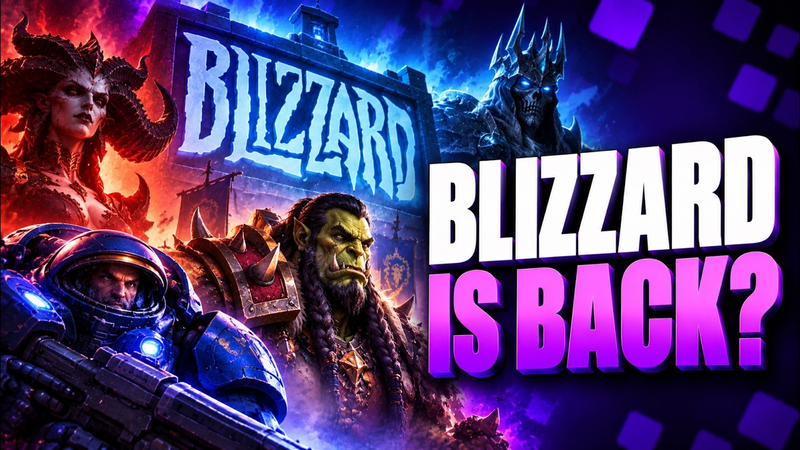
Blizzard’s Biggest BlizzCon in Years: Can They Deliver?
Blizzard’s recent product announcements represent a strategic pivot toward aggressive long-term content scheduling, likely intended to secure budgetary stability under Microsoft’s ownership.
- Blizzard is shifting to an aggressive, multi-year content roadmap—including a new StarCraft shooter, Diablo 5, and World of Warcraft expansions—to demonstrate operational efficiency and secure budget stability under Microsoft.
- The studio is diversifying the World of Warcraft franchise into three distinct SKUs (Retail, Classic, and Warcraft Forever) to increase average revenue per user and stabilize a subscriber base that has historically fluctuated between two and three million.
- Analysts warn that managing three simultaneous live-service MMOs creates significant operational strain and development pipeline complexity for the Irvine-based team.

GI Podcast | Landfall's Rebecca Lautner on Peak's 23 million sales and looking past friendslop
Landfall Games has established a highly successful development model centered on rapid experimentation and creative autonomy, underscored by the 23 million units sold of its flagship title, Peak.
- Landfall Games has achieved 23 million units in total sales for its flagship title, Peak, providing the financial stability necessary to pursue a project-focused business model.
- The studio prioritizes rapid experimentation and short development cycles, exemplified by the creation of Content Warning in only one month.
- Landfall rejects the industry-standard live service model and sequel-heavy development, instead focusing on a diverse portfolio of mechanic-driven, original projects.
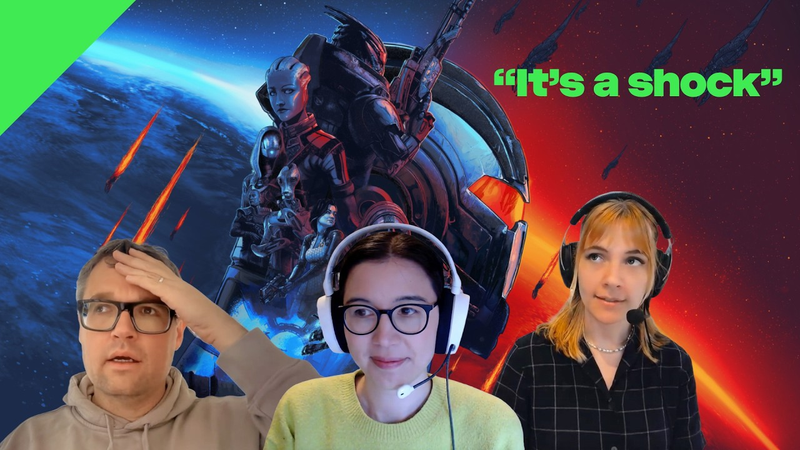
Where now for Mass Effect? Plus, Ken Kutaragi’s console fears and the rise of Poki
The gaming industry is currently navigating a period of profound structural transition, marked by the consolidation of major publishers and the emergence of alternative distribution models.
- Major publishers like Electronic Arts are pivoting toward live-service titles like EA Sports FC and Apex Legends, leading to studio closures such as BioWare and the cancellation of the Mass Effect franchise.
- Web-based gaming platform Poki has reached 100 million monthly users by utilizing an ad-supported, low-friction browser model that bypasses traditional mobile app store fatigue.
- Industry veteran Ken Kutaragi has expressed concerns regarding the long-term viability of high-end hardware, suggesting a shift toward lightweight, network-based systems that prioritize accessibility over raw processing power.
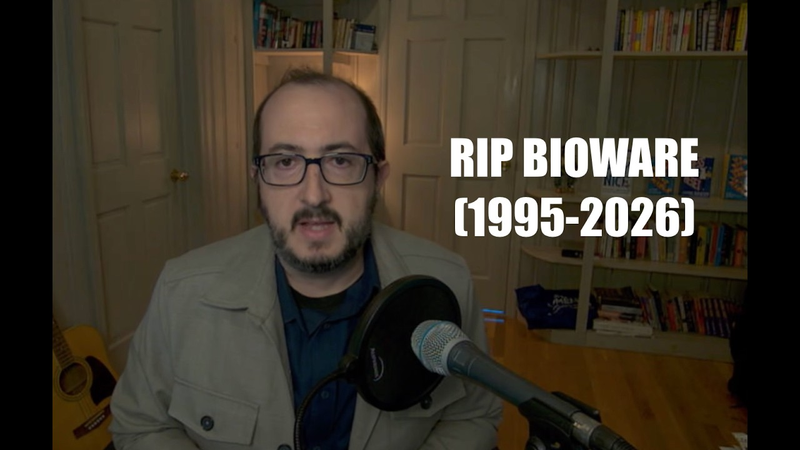
EA Shuts Down BioWare
Electronic Arts has officially shuttered the legendary game studio BioWare as part of a broader corporate reorganization and workforce reduction.
- Electronic Arts has officially closed BioWare as part of a corporate reorganization that includes 400 total job cuts, with 50 positions eliminated at the studio.
- The closure of BioWare results in the cancellation of the next entry in the Mass Effect franchise, which was in early-stage development.
- Dragon Age: The Veilguard sold approximately 1.5 million copies, failing to meet Electronic Arts' internal performance targets.
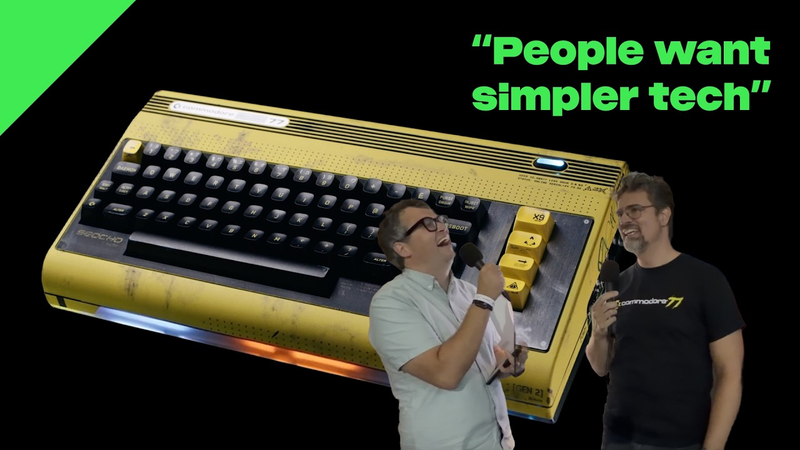
How one Star Wars actor became the CEO of Commodore
Commodore, under the leadership of CEO Christian Simpson, is executing a dual-track business strategy that blends retro-computing nostalgia with modern digital minimalism.
- Commodore has successfully pivoted from a niche hobbyist brand to a multifaceted publisher, selling over 27,000 Commodore 64 units since its relaunch.
- The 'Comeback 8020' flip phone, which promotes digital minimalism by excluding social media, achieved first-weekend sales volume equal to the first three months of Commodore 64 hardware sales.
- The company is executing a dual-track business strategy that balances retro-computing nostalgia with modern digital minimalism to capture a broader market beyond traditional gaming enthusiasts.

Why Supercell couldn’t save Squad Busters and Google's AI game maker | Week in Mobile Games podcast
The mobile gaming landscape is currently defined by a tension between established intellectual property expansion and the integration of generative artificial intelligence.
- Supercell is discontinuing Squad Busters on December 14th, marking its first global launch failure despite the title reaching 58 million downloads and $67 million in lifetime revenue.
- Squad Busters failed to sustain long-term engagement due to a combination of convoluted gameplay mechanics and ineffective monetization strategies.
- Google’s Playground is attempting to democratize game development through text-to-game generation, though current iterations lack the mechanical depth and visual variety to compete with professional ecosystems like Roblox.
How Riot Went From One Game to Five Hits | Mark Sottosanti, Riot Games
Riot Games has successfully transitioned from a single-title developer into a diversified, multi-platform publisher by prioritizing long-term ecosystem health over short-term financial gains.
- Riot Games transitioned from a single-title developer to a multi-platform publisher by prioritizing long-term ecosystem health and player mastery over short-term financial gains.
- The company maintains a global operational footprint of approximately 20 regional offices to ensure cultural relevance and balanced revenue distribution across North America, Europe, China, and Korea.
- Riot avoids inorganic growth, choosing to retain strict internal stewardship over its intellectual property rather than pursuing acquisitions or third-party licensing.

I Went To Rockstar And Saw Grand Theft Auto VI
Rockstar Games is currently navigating a pivotal transition as it nears the release of Grand Theft Auto VI, balancing the immense technical and creative demands of its most ambitious project to date with a fundamental restructuring of its internal corporate culture.
- Rockstar Games is undergoing a fundamental corporate restructuring to move away from a historically crunch-heavy culture by removing problematic leadership and introducing compensatory time off.
- Grand Theft Auto VI features a character-driven narrative centered on the criminal duo of Jason and Lucia, supported by a new relationship system for dynamic interactions.
- The development process initially faced logistical friction due to a decentralized three-headed leadership structure, which has since been refined to support the project's high-fidelity standards.
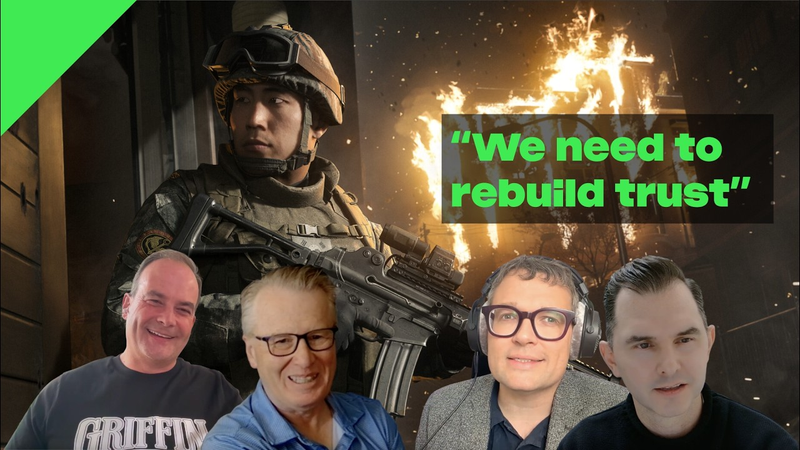
Fixing Call of Duty: Inside Activision’s Modern Warfare 4 comeback plan
Activision is fundamentally restructuring its approach to the Call of Duty franchise in response to declining player engagement and a 50 percent drop in European launch sales for recent titles.
- Activision is restructuring the Call of Duty franchise to address declining player engagement and a 50 percent drop in European launch sales for recent titles.
- The strategy for Modern Warfare 4 prioritizes long-term brand health over immediate sales by shifting to a grounded, cinematic experience and reintroducing popular modes like DMZ.
- The U.S. gaming hardware market has reached its lowest August sales levels since 2013, with all major console manufacturers reporting double-digit declines.
The next Steam Next Fest is going to be how busy?
Steam Next Fest has evolved into a massive promotional engine, with upcoming iterations expected to feature between 5,000 and 8,000 demos.
- Steam Next Fest is becoming increasingly saturated, with upcoming events expected to feature between 5,000 and 8,000 demos.
- Developers must adopt a dual-pronged marketing strategy, using short-form viral content to drive top-of-funnel awareness and high-quality trailers to convert interest into wishlists.
- To maximize visibility and avoid the saturated December release window, developers should strategically target the January and February periods.
Epic Games Goes All In On AI For Disney Shooter
Epic Games has initiated a significant strategic pivot, transitioning its upcoming collaborative project with Disney—an extraction shooter featuring Marvel and Star Wars intellectual property—into an AI-first production.
- Epic Games has delayed its upcoming Disney-licensed extraction shooter and mandated an 'AI-first' production strategy, requiring staff to replace handwritten code and traditional art workflows with generative AI tools.
- CEO Tim Sweeney is aggressively positioning Epic Games as a leader in the AI transition, viewing the technology as essential for the company's survival and future competitiveness in game development.
- The project, which features Marvel and Star Wars intellectual property, has faced multiple delays and internal development challenges, including shifting priorities and inconsistent decision-making.
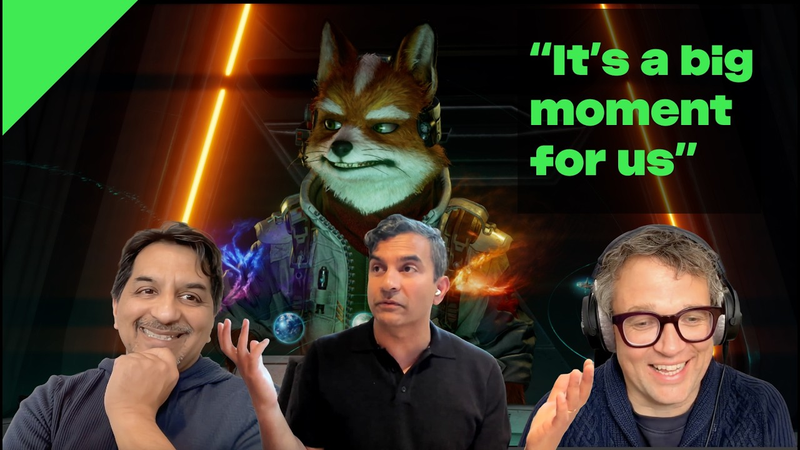
Star Fox developer Velan: How to survive as a North American game studio
Operating within the high-cost North American game development landscape requires a strategic shift away from the traditional, multi-year development cycles that often stifle innovation.
- Studios should adopt a lean, agile development model that prioritizes rapid prototyping and tight feedback loops to avoid the financial risks of multi-year, large-scale projects.
- Financial stability is best achieved by balancing a portfolio of stable, partner-funded AA-scope projects with smaller, self-funded original intellectual properties.
- Operational efficiency relies on maintaining a compact core team of highly skilled talent for creative direction while utilizing strategic outsourcing to manage production scaling.