Samsung
Company
Documents about Samsung

10 Facts Developers Should Know About South Korean Game Market
The South Korean gaming market represents a significant global opportunity, ranking as the fourth-largest in the world with a total valuation of $5.76 billion as of 2018.
- South Korea is the world's fourth-largest gaming market, generating $5.764 billion in revenue as of 2018.
- Mobile gaming is the dominant platform, accounting for $3.2 billion in annual revenue with 53% of the population playing monthly.
- The mobile market is heavily skewed toward RPGs, which generate 90% of all mobile game revenue.
Global Mobile Market Report 2019
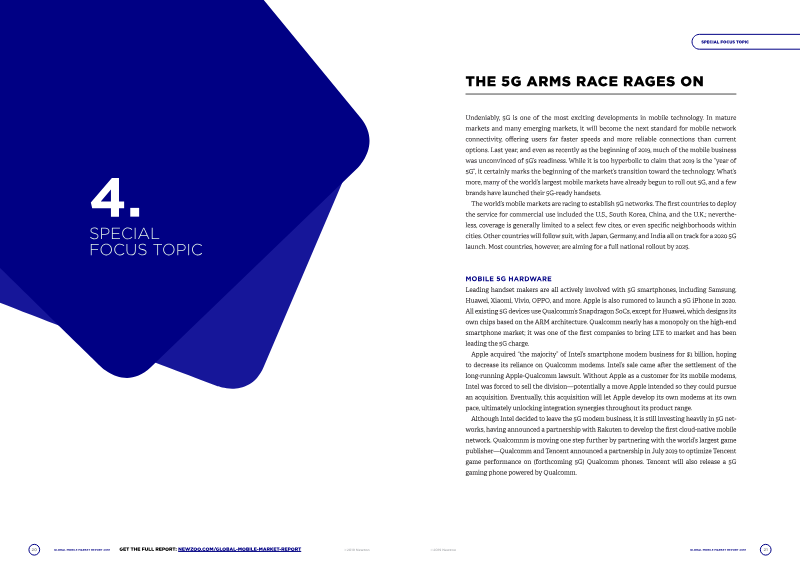
The mobile gaming industry reached a significant inflection point in 2019, characterized by the emergence of 5G technology and its potential to redefine hardware performance and user engagement.
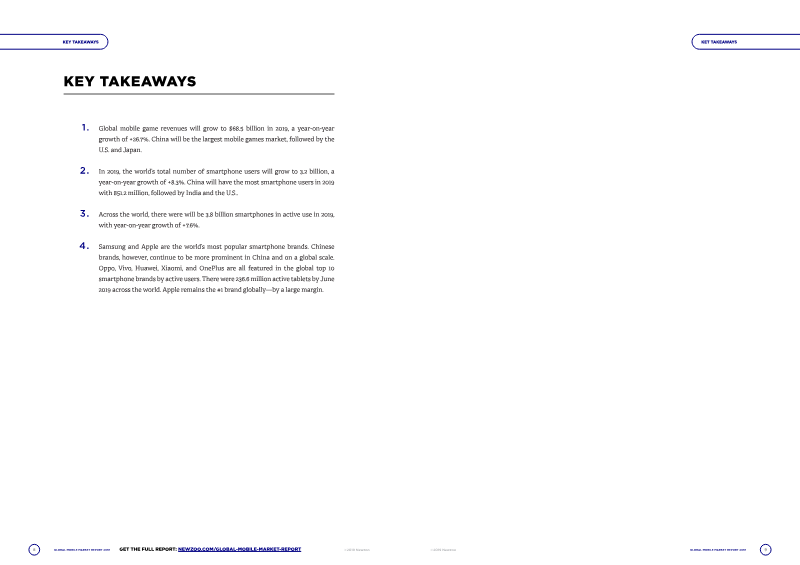
- Global mobile game revenue reached $68.5 billion in 2019, marking a 26.7% year-on-year increase.
- The industry is supported by a global base of 3.2 billion smartphone users, with China serving as the primary market hub with 851.2 million active users.
- Hardware market leadership remains concentrated, with Samsung holding a 25.4% share of the global smartphone market and Apple commanding 67.6% of the tablet sector.
The Asian games market and G-STAR
The South Korean gaming market represents a significant segment of the broader Asia-Pacific region, which accounts for nearly half of the global $108 billion gaming industry.
- South Korea generates $1.3 billion in annual gaming revenue from 15.5 million gamers, achieving a high average revenue per user (ARPU) of approximately $87.
- Mobile gaming has overtaken traditional PC titles in market share, with Android holding an 80% market dominance and Samsung serving as the primary hardware provider.
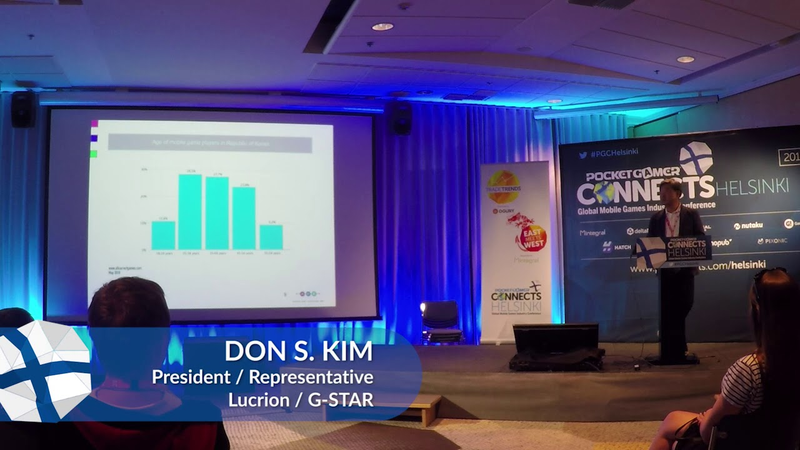
- The South Korean gaming demographic is mature, with 57% of users falling between the ages of 25 and 44.
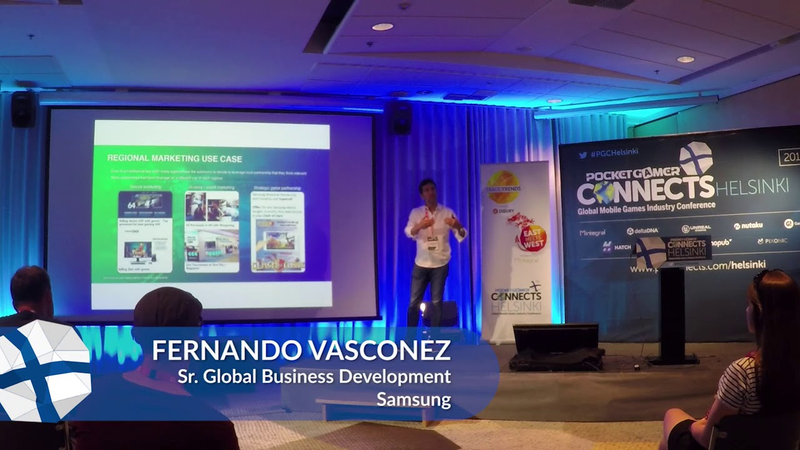
International engagement from local level engagement
Samsung leverages its massive global footprint of 700 million Galaxy devices and a vast ecosystem of interconnected hardware to drive mobile game discovery and user acquisition.
- Samsung leverages its ecosystem of 700 million Galaxy devices to drive game discovery and user acquisition by analyzing behavioral data across mobile phones, smart TVs, and home appliances.
- The company coordinates global product launches with localized activations across 20,000 retail locations to maximize visibility and drive traffic to third-party platforms like Google Play and the Apple App Store.
- Samsung has shifted away from traditional pre-loads toward flexible strategies, including virtual pre-loads on tablets and dedicated engineering support to optimize game performance on its hardware.
Global Mobile Market Report 2018
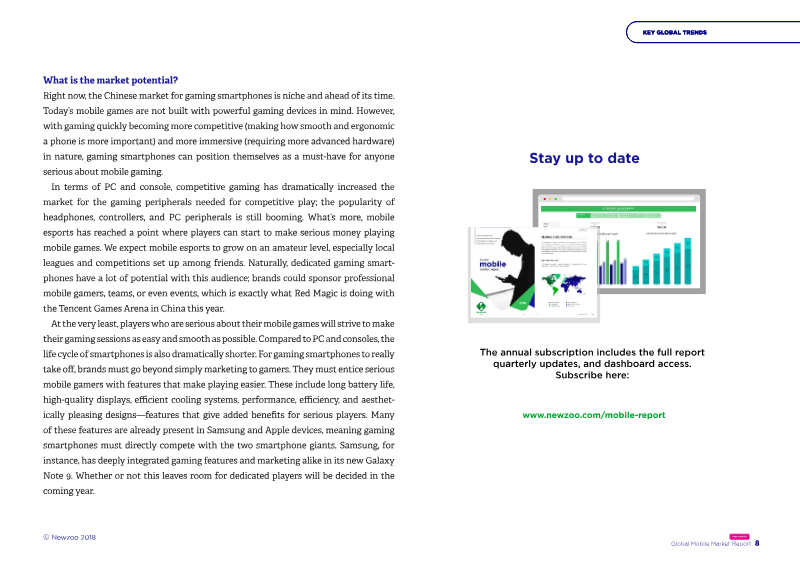
The global mobile market is undergoing a significant transformation characterized by a shift toward immersive, competitive gaming experiences and the integration of high-engagement subscription services.
- Mobile gaming generated $70 billion in 2018, representing 76 percent of the $92.1 billion total global app store revenue.
- Global smartphone adoption is projected to reach 3.8 billion users by 2021, with the Asia-Pacific region serving as the primary driver of market penetration.
- The mobile market is shifting toward immersive, competitive gaming experiences and subscription-based service models.
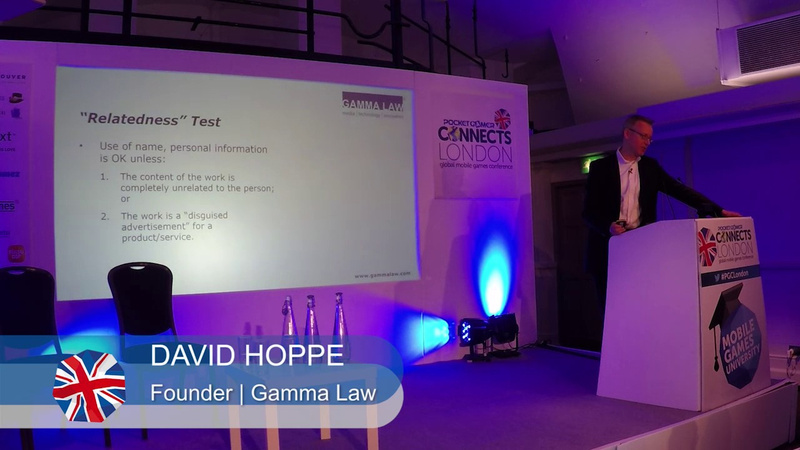
Video games and public figures: Legal update 2017
The legal landscape regarding the use of celebrity likenesses, names, and personas in video games remains highly unpredictable within the United States.
- Developers face significant financial risk for using celebrity likenesses, evidenced by a 60-million-dollar settlement paid to athletes in EA Sports litigation and a 15-million-dollar verdict against a comic book author.
- Courts lack a consistent legal framework for publicity rights, with outcomes ranging from protecting creative expression to massive judgments, such as the 403,000-dollar award against Samsung for a robot depiction of Vanna White.
- The primary risk factor for litigation is the developer's intent; if the inclusion of a persona is perceived as a strategy to leverage fame for audience attraction, courts are increasingly likely to rule against the developer.
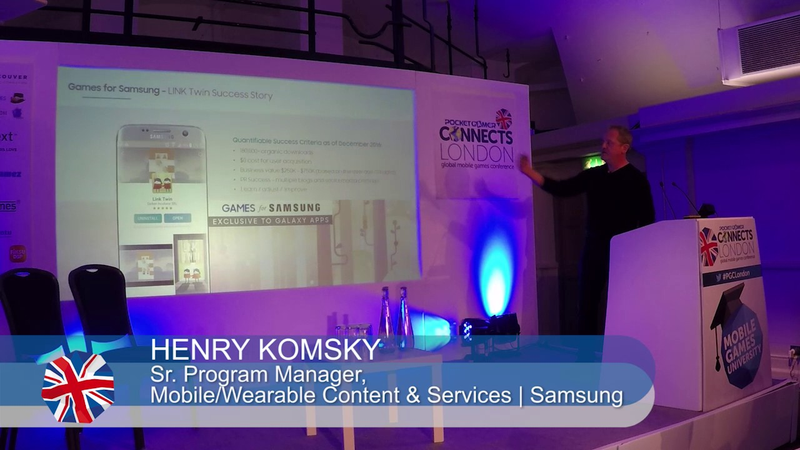
What is the Games For Samsung initiative?
The Games for Samsung initiative is a strategic developer program designed to help indie studios and smaller developers build a substantial, engaged user base for new mobile titles.
- The Games for Samsung initiative offers indie developers promotional support and high-visibility placement in the Galaxy Apps store in exchange for 90 days of platform exclusivity.
- Participating developers receive four weeks of banner placements, social media campaigns, dedicated PR, and white-glove technical support to help reach a performance goal of 100,000 downloads.
- To qualify, developers must submit brand-new titles for an internal review and implement a functional monetization model, preferably using the Samsung billing system for in-app purchases.
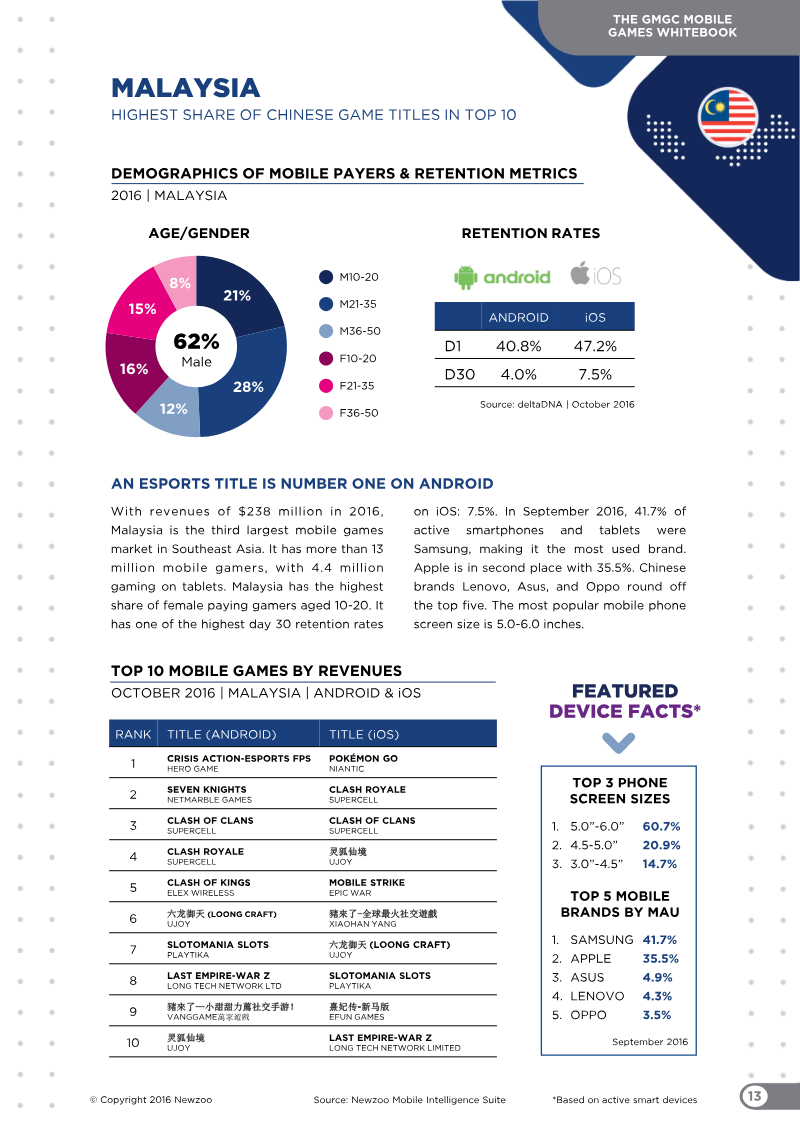
Mobile Games Whitebook: Q1 2017
The mobile gaming market in Southeast Asia is experiencing rapid expansion, positioning the region as a global leader in growth.
- Southeast Asia's mobile gaming revenue is projected to grow at a 45.3% compound annual growth rate between 2015 and 2019.
- The 'Big Six' markets—Indonesia, Malaysia, the Philippines, Singapore, Thailand, and Vietnam—generate 97% of the region's total mobile gaming revenue.
- The region is the world's fastest-growing esports market, with the number of enthusiasts expected to rise from 9.5 million in 2016 to 20 million by 2019.
Global Mobile Market Report 2017
The global mobile market is undergoing a period of rapid expansion, with the total number of smartphone users projected to climb from 2.3 billion in 2016 to 3.6 billion by 2020.
- The global smartphone user base is projected to grow from 2.3 billion in 2016 to 3.6 billion by 2020, driven primarily by adoption in the Asia-Pacific region.
- Mobile games currently dominate the app economy, accounting for 82% of the $56.4 billion in projected 2017 revenue.
- Total app economy revenue is expected to reach $85 billion by 2020, with non-game applications steadily increasing their market share.
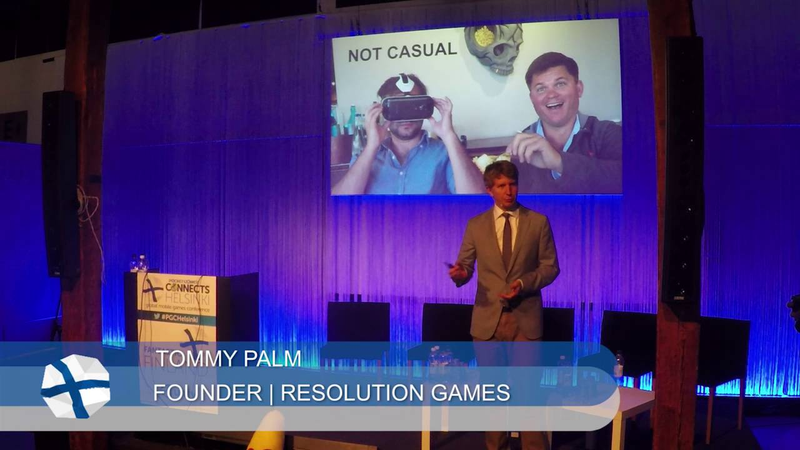
Key mobile virtual reality game design tips from Tommy Palm
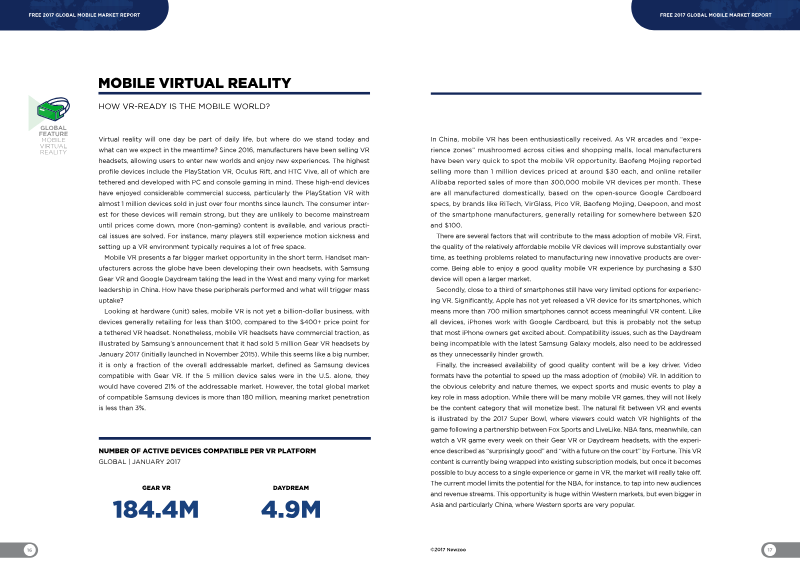
Mobile virtual reality (VR) represents a significant evolution in computing, transitioning from the era of mainframes and personal computers to immersive, portable experiences.
- To prevent motion sickness, mobile VR must maintain a consistent 60 frames per second by limiting draw calls and polygon counts while focusing high-fidelity assets near the user.
- Designers should avoid forced camera movement, which is a primary cause of cybersickness, and instead implement teleportation as the standard method for navigation.
- Mobile VR hardware faces thermal constraints, necessitating the use of darker, energy-efficient scenes and a focus on high-quality audio to maintain immersion.
Game Apps Conquer the Television Market
The integration of mobile operating systems into home entertainment hardware is driving a significant expansion of the gaming market, as game apps transition from smartphones and tablets to television screens.
- Game apps are increasingly migrating to television screens as manufacturers adopt mobile operating systems like iOS, Android, Tizen, and WebOS for TVs, Blu-ray players, and set-top boxes.
- The German game app market generated 263 million euros in sales in 2014, representing a 153% growth rate compared to 2013.
- Game apps accounted for 75% of all sales revenue generated in German app stores, establishing them as the dominant force in the mobile app market.
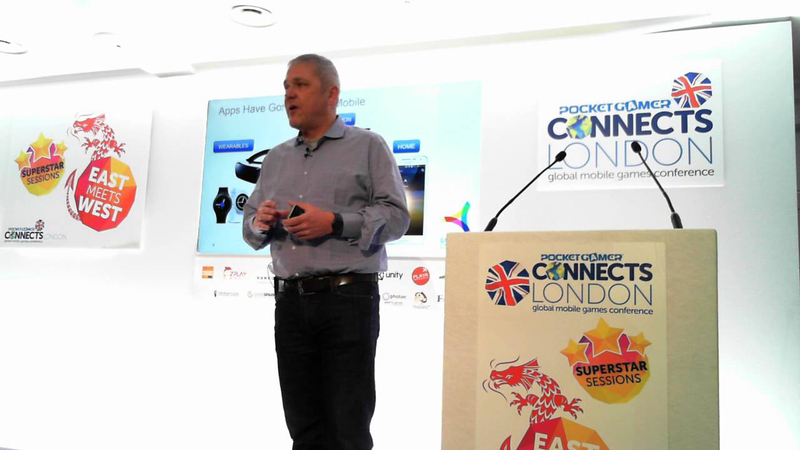
How and why Samsung is working with mobile game developers
Samsung’s strategy for mobile game developers centers on leveraging the Galaxy App Store as a premium distribution channel within the broader Android ecosystem.
- Samsung positions the Galaxy App Store as a premium alternative to saturated marketplaces by using human-led curation to solve developer discoverability issues.
- The platform reaches a significant audience through 92 million active devices in the United States and the distribution of approximately 40 million new devices annually.
- Samsung facilitates monetization for developers by leveraging a user base of 30 million registered accounts, many of which already have payment methods on file.