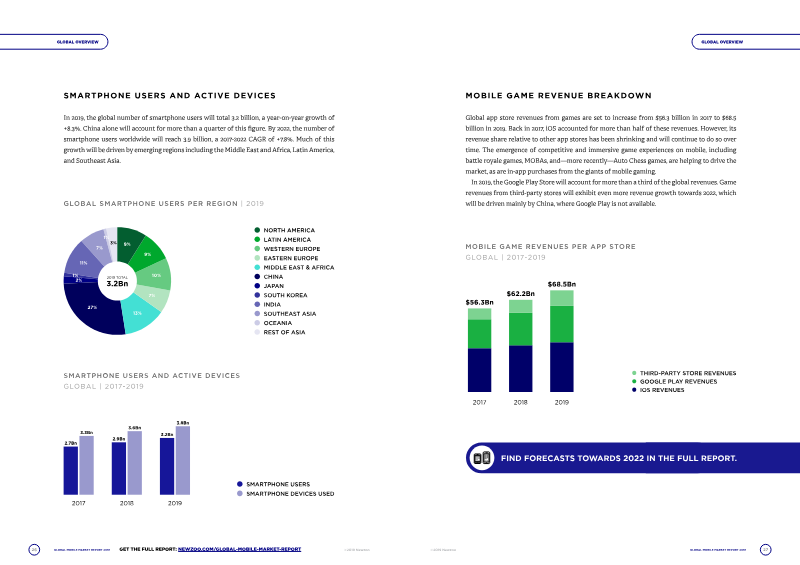
This represents a 26.7% year-on-year increase.
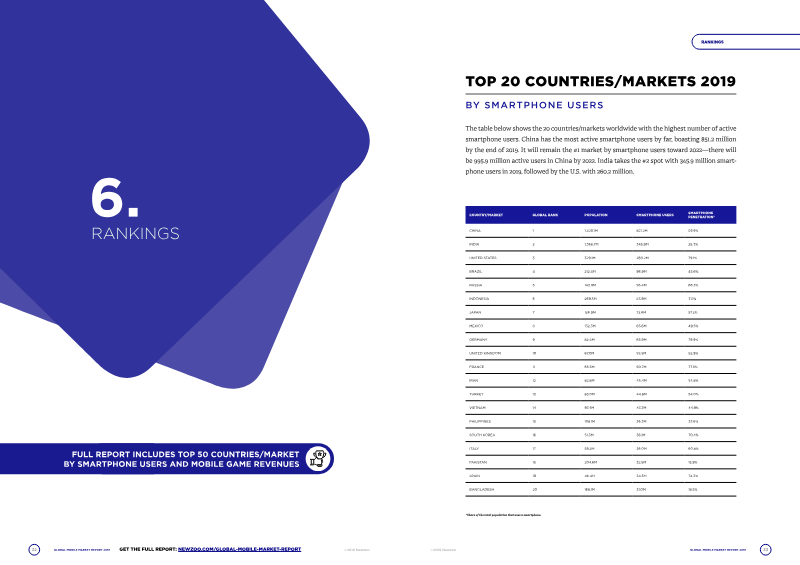
China is the primary market hub with 851.2 million active users.
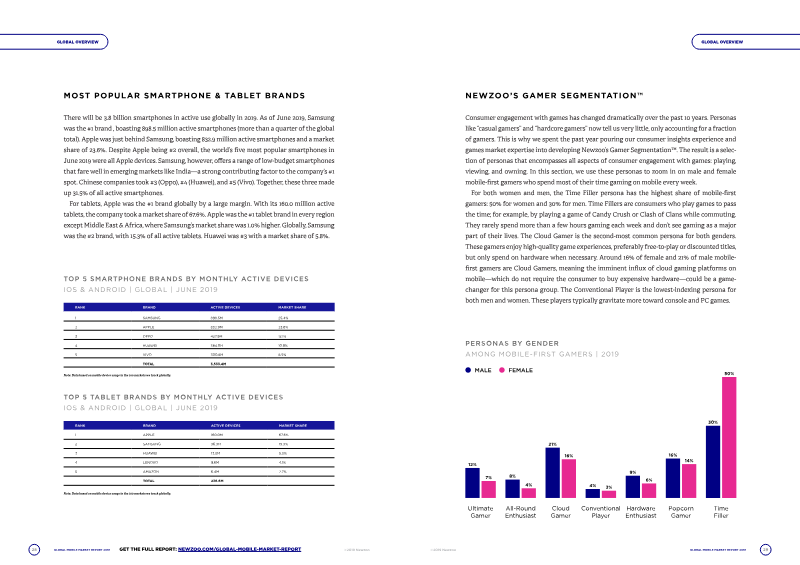
Samsung holds a 25.4% share of the global smartphone market. Apple commands 67.6% of the tablet sector.
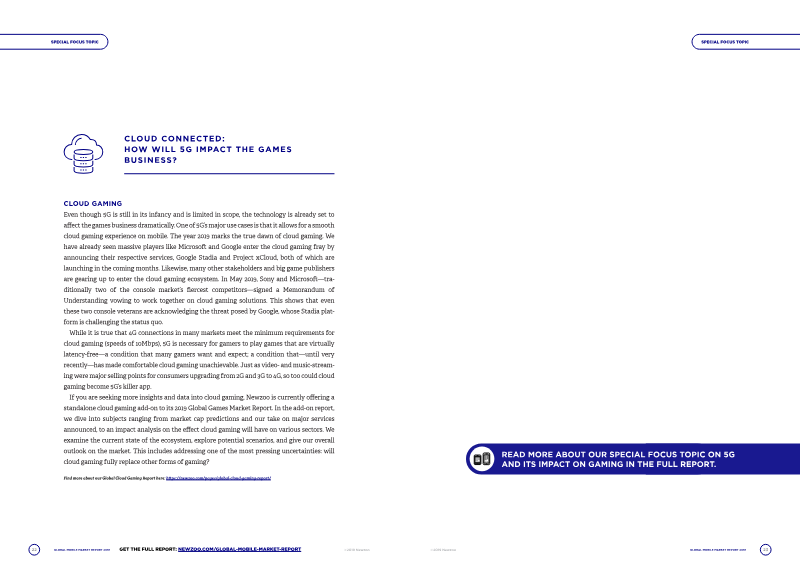
This aims to lower hardware barriers and enable high-fidelity gaming experiences. It will reach a broader audience.
Like a streaming service for movies, cloud gaming lets you play without needing a powerful local device.
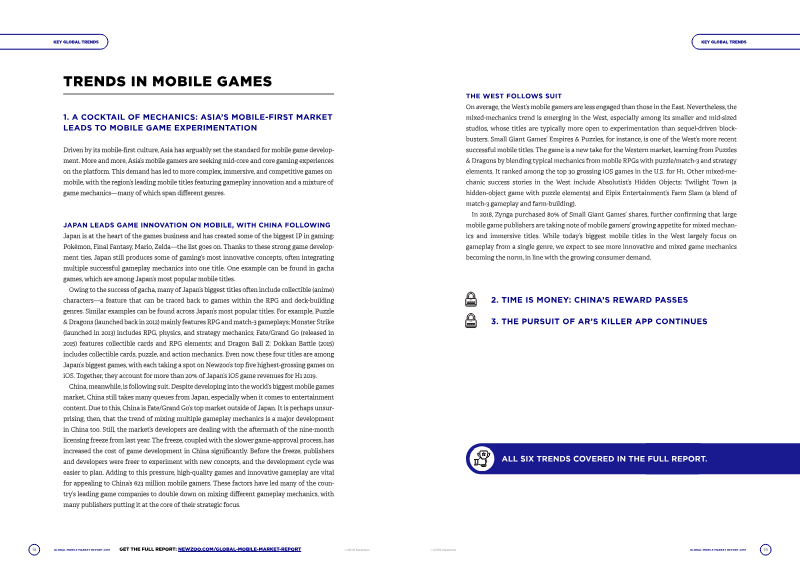
These models were pioneered in Asian markets. They aim to create more immersive, mid-core experiences.
The mobile ecosystem is evolving through foldable devices and larger screens. This aims to accommodate a more technically sophisticated user base.
The mobile gaming industry reached a significant inflection point in 2019, characterized by the emergence of 5G technology and its potential to redefine hardware performance and user engagement. With global mobile game revenues climbing to $68.5 billion, representing a 26.7% year-on-year increase, the sector demonstrated robust financial health. This growth was supported by a global base of 3.2 billion smartphone users, reflecting the deepening integration of mobile devices into daily life. The industry’s trajectory is increasingly defined by the transition toward cloud gaming, which promises to lower hardware barriers and expand the reach of high-fidelity experiences to a broader audience.
Market leadership remained concentrated among established hardware giants, with Samsung securing a 25.4% share of the global smartphone market and Apple maintaining a commanding 67.6% dominance in the tablet sector. Geographically, China continued to serve as the primary engine of the industry, hosting 851.2 million active smartphone users and acting as a hub for innovative development trends. Developers globally have begun adopting the "mixed-mechanic" gameplay models pioneered in Asian markets, signaling a shift toward more immersive, mid-core experiences designed to capture the attention of diverse player segments.
Consumer behavior analysis highlights that "Time Fillers" currently constitute the most prevalent gamer persona, yet the anticipated proliferation of 5G and cloud-based platforms is poised to catalyze the growth of the "Cloud Gamer" segment. By facilitating access to sophisticated gaming experiences without the necessity of high-end local hardware, these technological advancements are expected to drive the next phase of industry innovation. As manufacturers continue to experiment with foldable devices and larger screens, the mobile ecosystem is evolving to accommodate a more demanding and technically sophisticated user base.