1 free read left. Create a free account for unlimited reading + AI research.
Create free accountArticle Game World Observer
1 free read left. Create a free account for unlimited reading + AI research.
Create free accountArticleGame World Observer
The market's structure and consumer behaviors are key for international developers.
The South Korean gaming market represents a significant global opportunity, ranking as the fourth-largest in the world with a total valuation of $5.76 billion as of 2018. This analysis outlines the structural characteristics and consumer behaviors essential for international developers seeking to enter the region. The market is defined by a mature demographic, with the primary mobile gaming audience falling between the ages of 21 and 50, and a strong cultural foundation rooted in PC bang culture and a pioneering history in esports.
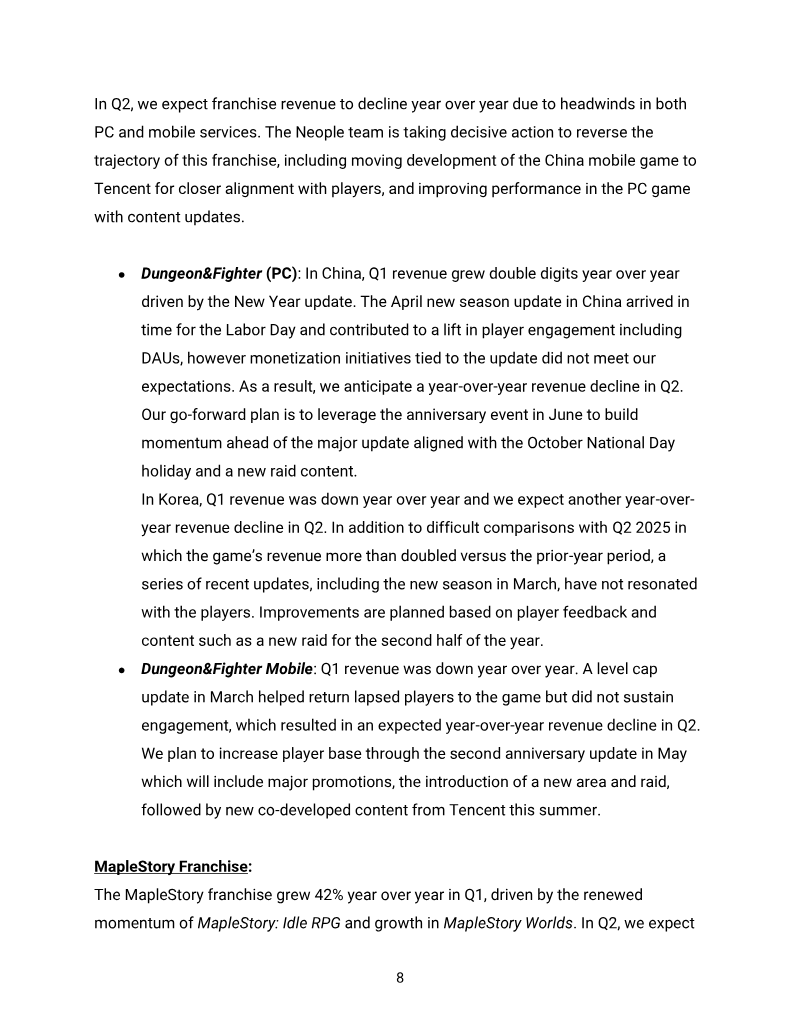
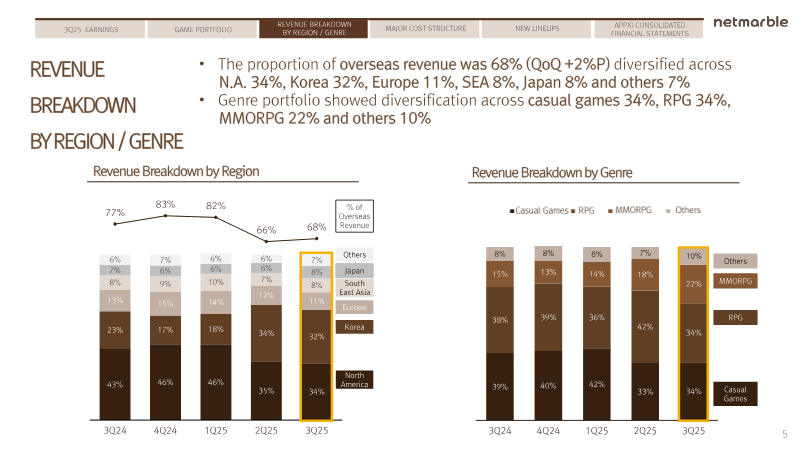
Mobile gaming serves as the dominant segment, accounting for $3.2 billion in annual revenue. High-end hardware penetration is widespread, with Samsung devices holding a two-thirds market share, reflecting a consumer base that favors premium technological experiences. While mobile engagement is high—with 53% of the population playing monthly—the revenue landscape is heavily concentrated, as role-playing games (RPGs) generate 90% of mobile earnings.
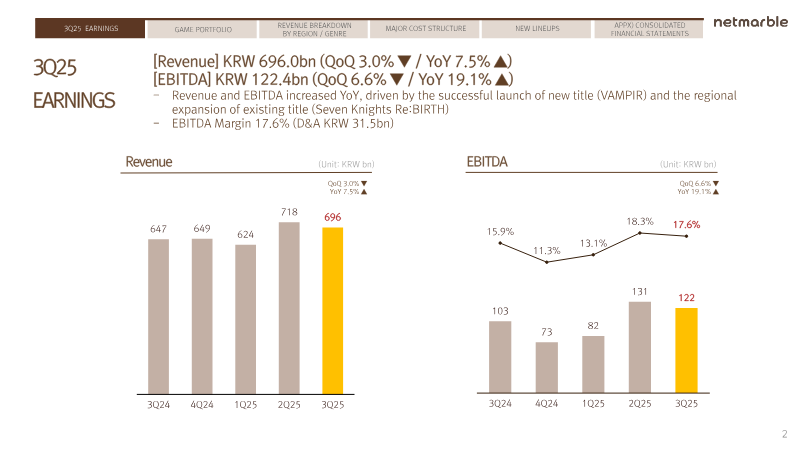
Despite the dominance of local publishers like Netmarble, international developers can find success by navigating regulatory challenges and focusing on specific genre gaps. Because domestic firms have historically prioritized massive multiplayer online games, foreign studios have successfully captured market share by addressing demand for alternative genres, such as strategy games. Ultimately, the market favors developers who can provide high-end technical solutions and align their content with established local preferences, even as they compete against a strong preference for domestic intellectual property.
The games and companies this document names on the inner ring, other documents about them on the outer one. Select a cover to see it up close and open it in a new tab; drag to move, pinch or Ctrl + scroll to zoom.

Game World Observer · 2026
Game World Observer · 2026

Game World Observer · 2026

Game World Observer · 2026
Game World Observer · 2026
Game World Observer · 2026
Game World Observer · 2026

Game World Observer · 2026
Game World Observer · 2026
Game World Observer · 2026
Game World Observer · 2026

Game World Observer · 2026
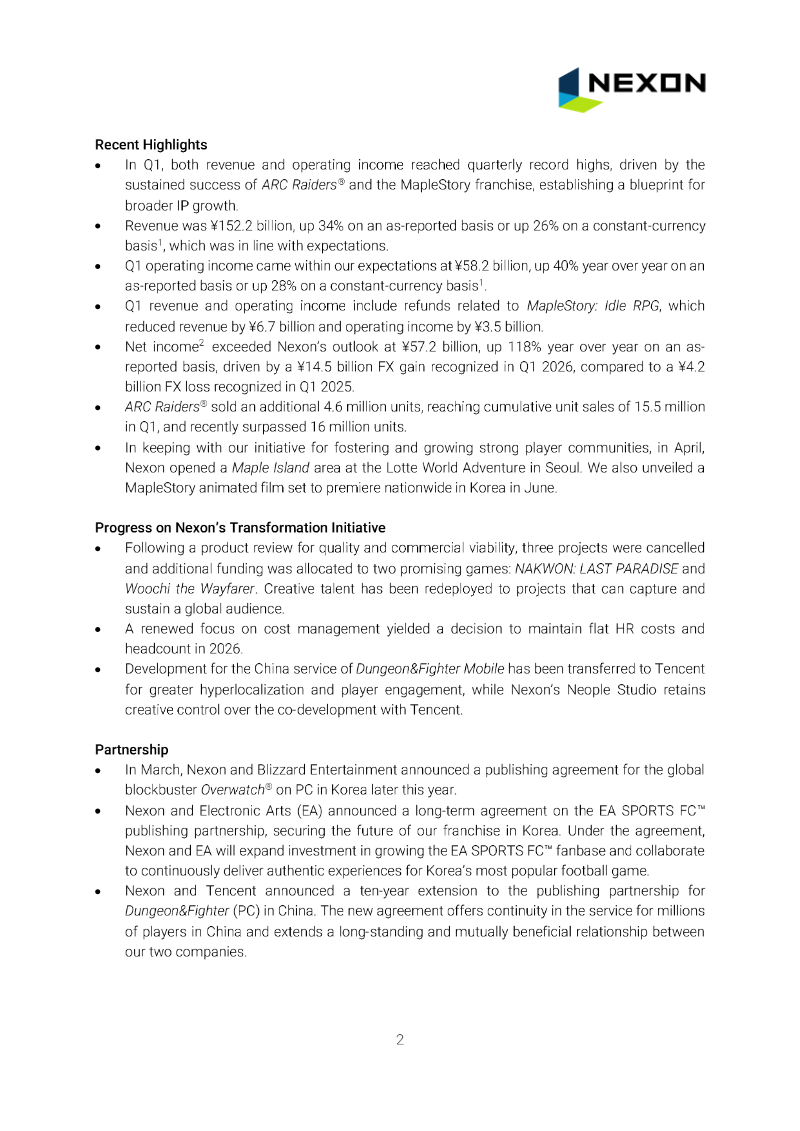
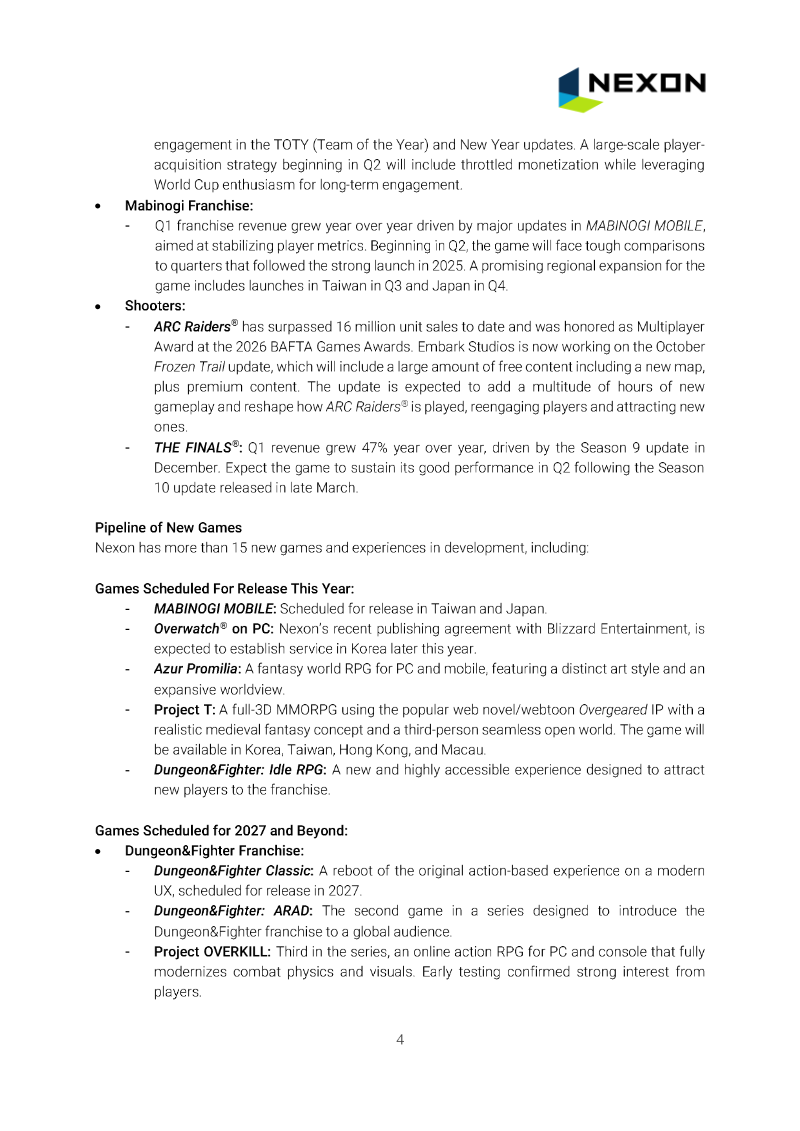
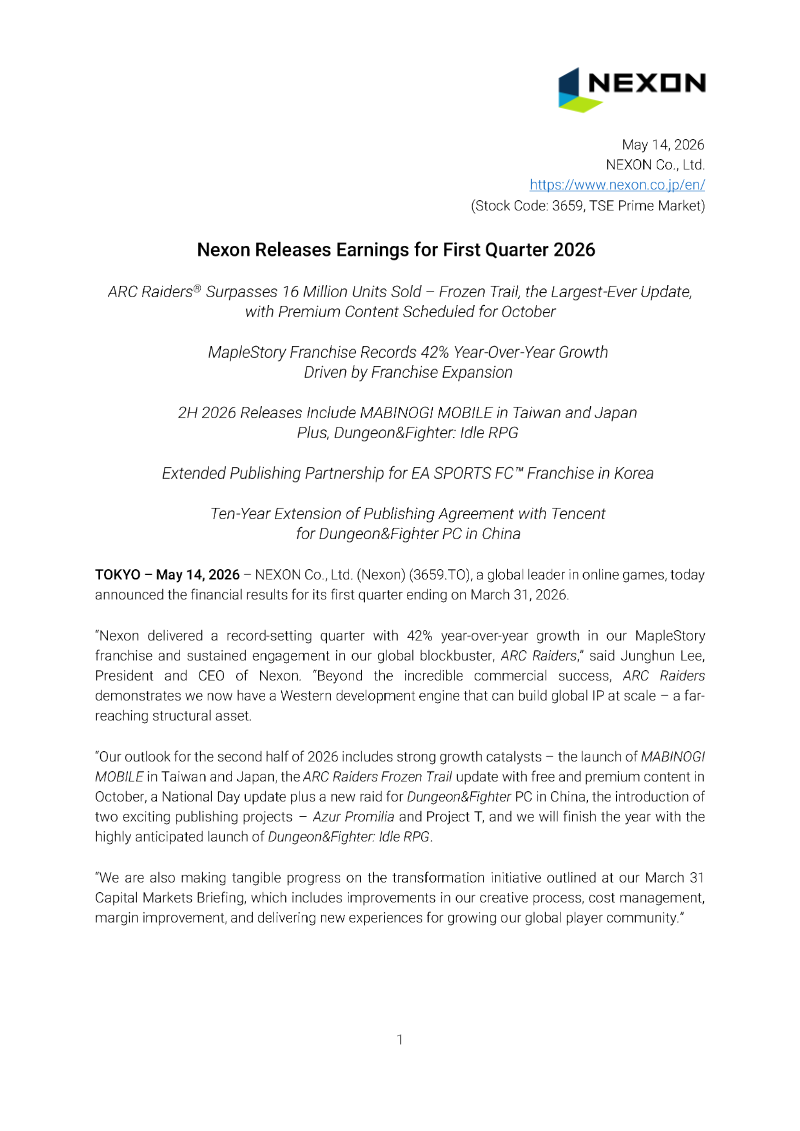
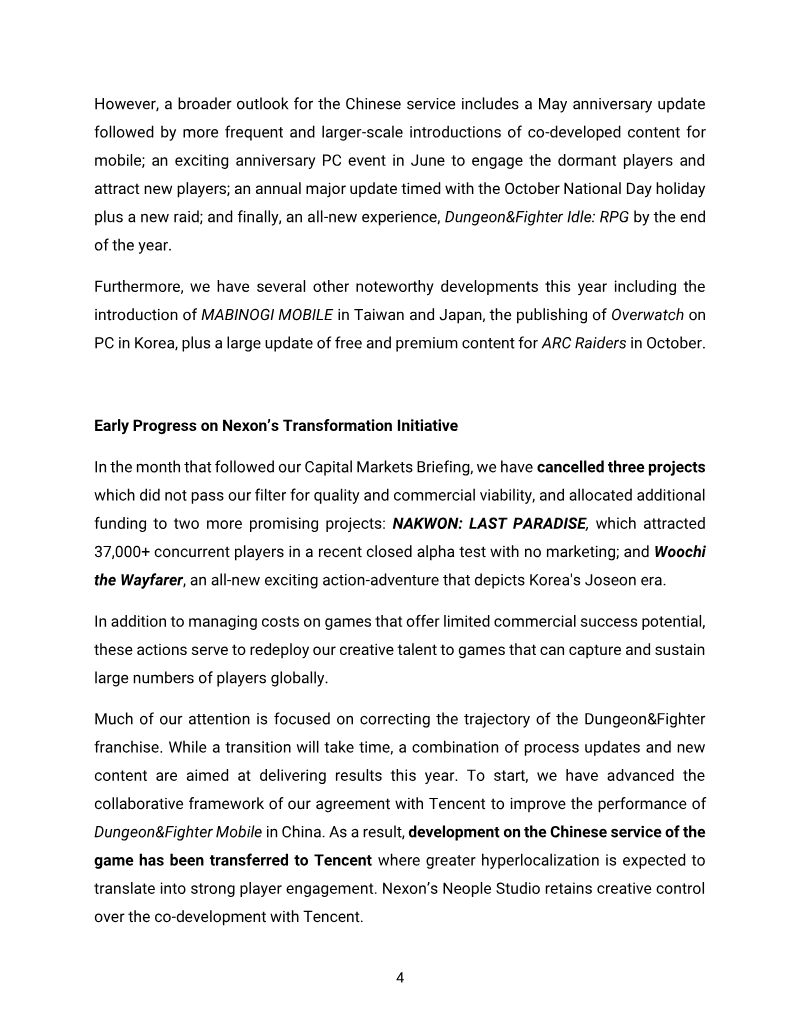
NEXON Co. · 2026