1 free read left. Create a free account for unlimited reading + AI research.
Create free accountArticle game – Verband der deutschen Games-Branche e. V.
1 free read left. Create a free account for unlimited reading + AI research.
Create free accountArticlegame – Verband der deutschen Games-Branche e. V.
The integration of mobile operating systems into home entertainment hardware is driving a significant expansion of the gaming market, as game apps transition from smartphones and tablets to television screens. By utilizing adapted versions of mobile software—such as Apple’s tvOS, AndroidTV, and proprietary systems like Samsung’s Tizen and LG’s WebOS—manufacturers are enabling televisions, set-top boxes, and Blu-ray players to run mobile games with minimal technical adjustments. This trend is effectively lowering the barrier to entry for casual players and attracting new target demographics to digital gaming.
Market data from 2015 highlights the rapid growth of this sector in Germany, where game apps generated 263 million euros in revenue, marking a 153 percent increase compared to 2013. Games represent the dominant force within the mobile app economy, accounting for 75 percent of total app store sales revenue in the country. Germany currently stands as the second-largest market for game apps in Europe and the seventh-largest globally, with revenue figures increasing by a factor of 2.2 over the two-year period ending in 2015.
The findings are supported by data from the GfK Consumer Panel, which tracks the purchasing and usage habits of 25,000 representative German consumers, alongside industry reports compiled by App Annie. By leveraging established mobile ecosystems, hardware manufacturers are creating a seamless bridge between mobile and living room entertainment, a development expected to sustain long-term growth for the broader games industry. This shift underscores the increasing convergence of mobile software and traditional home media devices.
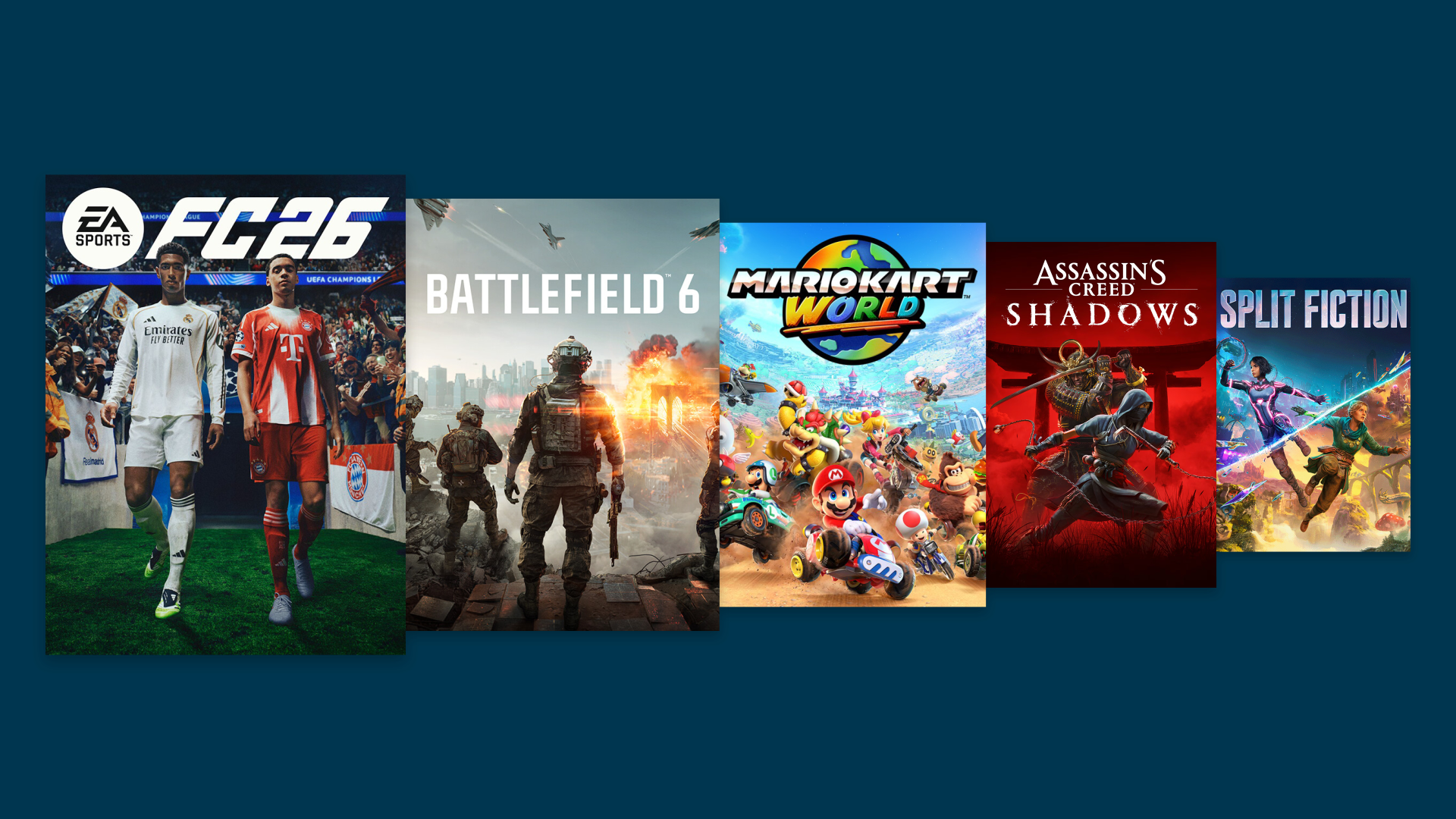
The games and companies this document names on the inner ring, other documents about them on the outer one. Select a cover to see it up close and open it in a new tab; drag to move, pinch or Ctrl + scroll to zoom.

game – Verband der deutschen Games-Branche e. V. · 2026

game – Verband der deutschen Games-Branche e. V. · 2026
game – Verband der deutschen Games-Branche e. V. · 2026

game – Verband der deutschen Games-Branche e. V. · 2026

game – Verband der deutschen Games-Branche e. V. · 2026
game – Verband der deutschen Games-Branche e. V. · 2026
game – Verband der deutschen Games-Branche e. V. · 2026
game – Verband der deutschen Games-Branche e. V. · 2025

game – Verband der deutschen Games-Branche e. V. · 2025
game – Verband der deutschen Games-Branche e. V. · 2025
game – Verband der deutschen Games-Branche e. V. · 2025
game – Verband der deutschen Games-Branche e. V. · 2025