Samsung
Company
Documents about Samsung
Gamescom reaction, Clash Royale drama, Rovio's studio closure, Google's AI hypeman and more
The mobile games industry is currently experiencing a significant shift in market dominance, as evidenced by the recent Gamescom event in Cologne.
- Supercell’s internal review of Clash Royale revealed that aggressive changes, such as removing the season shop, caused significant community backlash due to poor communication and lack of transparency.
- Rovio is closing its Copenhagen studio and cancelling the hybrid card-action game Sonic Blitz, impacting approximately 20 employees.
- Gamescom 2024 was dominated by Chinese publishers like Tencent, Hoyoverse, and NetEase, who are successfully launching cross-platform titles on mobile, PC, and console simultaneously, while Western studios increasingly lag in mobile integration.

Fallout Season 2 Interview: How Todd Howard and Bethesda are capitalising on the TV show
The success of the Fallout television series on Amazon Prime has catalyzed a strategic shift in how Bethesda Game Studios manages its intellectual property, moving toward a model where linear media and interactive gaming experiences are tightly integrated.
- The Fallout television series reached over 100 million viewers, triggering a five-to-sixfold increase in player engagement across Fallout 4, Fallout 76, and Fallout Shelter.
- Bethesda is shifting to a strategy of tightly integrating linear media with interactive gaming, treating the television show as a new, canonical entry in the franchise timeline rather than a simple adaptation.
- To lower barriers for non-traditional gamers, Bethesda is leveraging cloud streaming platforms like Samsung Gaming Hub, Xbox Game Pass, and Amazon Luna to allow immediate gameplay without dedicated hardware or downloads.
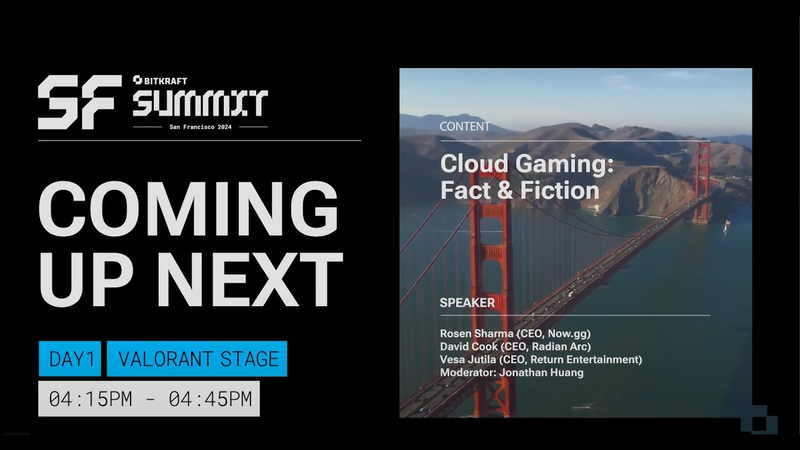
Cloud Gaming: Fact & Fiction | BITKRAFT Summit 2024
The cloud gaming industry is currently undergoing a strategic shift, moving away from the failed model of subscription-based, console-style AAA gaming toward more specialized, platform-agnostic, and frictionless experiences.
- Cloud gaming success depends on targeting casual audiences rather than hardcore gamers, as the latter will always prefer dedicated hardware like a PlayStation 5 or high-end PC.
- The business model for cloud gaming is shifting away from subscription services toward transparent, free-to-play models where in-game monetization sustains profitability.
- Increasing GPU density—the number of games a single GPU can support simultaneously—is critical to reducing costs, with current technology enabling 4 to 12 games per GPU.
Exploring Alternatives: Mobile Gaming’s Megatrend for 2025
Alternative distribution channels and app stores are emerging as a critical growth frontier for the mobile gaming industry heading into 2025.
- Nearly 70% of mobile users report they would utilize new discoverability features if they were available, highlighting a significant market demand for alternatives to traditional app stores.
- Alternative distribution channels, including preloads and on-device opportunities, are positioned as a primary growth driver for mobile gaming in 2025.
- Industry leaders are increasingly diversifying user acquisition strategies by treating web-based platforms, manufacturer-integrated stores, and non-traditional partnerships as essential components of a balanced marketing mix.
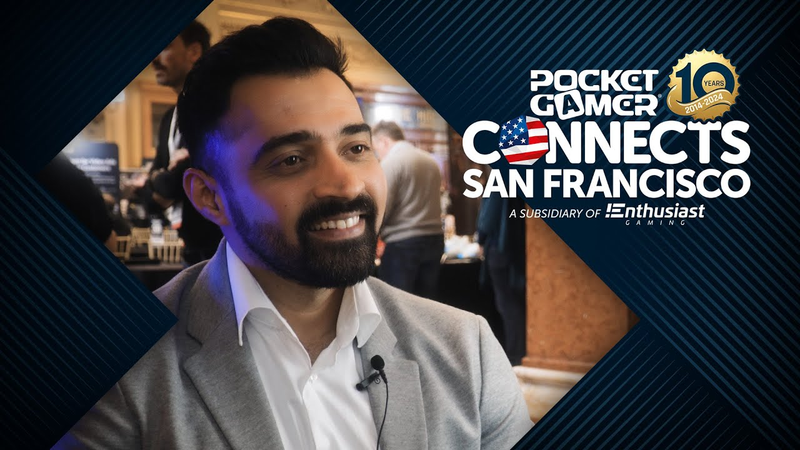
How to connect with users beyond Google and Facebook - Bharat Sharma from VEVE
The gaming industry faces significant challenges regarding user acquisition costs and market saturation, primarily due to an over-reliance on dominant platforms like Google and Apple.
- Hardware manufacturers such as Samsung, Oppo, Vivo, and Xiaomi are evolving into major software platforms, offering game developers an underutilized ecosystem for incremental user acquisition.
- The software monetization sector within hardware companies is currently expanding at a compound annual growth rate of approximately 36%.
- Android video advertising costs are significantly lower than those on iOS, presenting a more cost-efficient alternative to traditional big-tech channels.
Bringing Discovery Back to Mobile Games, Jong Woo, Samsung Electronics.
The current mobile gaming landscape faces a significant challenge regarding discoverability, as traditional organic growth strategies have largely been supplanted by high-friction, paid user acquisition models.
- Samsung is leveraging its Gaming Hub, which has 160 million monthly active users engaging three times daily, to bypass traditional app store discoverability challenges.
- The platform utilizes Android-native cloud streaming to allow instant gameplay, eliminating the conversion friction caused by lengthy app store downloads and large file sizes.
- Samsung’s cloud streaming technology functions by hosting pre-loaded APKs and resource files on virtual machines, enabling immediate access to games without traditional installation.
Unlock More than 1 Billion Potential New Users
The Unity Distribution Portal (UDP) serves as a centralized hub designed to simplify the distribution of Android games across multiple third-party app stores.
- The Unity Distribution Portal (UDP) enables developers to reach over one billion potential new users by streamlining distribution across multiple third-party Android app stores.
- The platform eliminates the need for multiple SDKs and individual builds by automatically repacking a single game build with store-specific requirements, such as in-app purchase (IAP) integrations.
- Developers can manage their entire distribution workflow through a centralized hub that supports metadata importation from the Google Play Store and provides unified performance reporting.
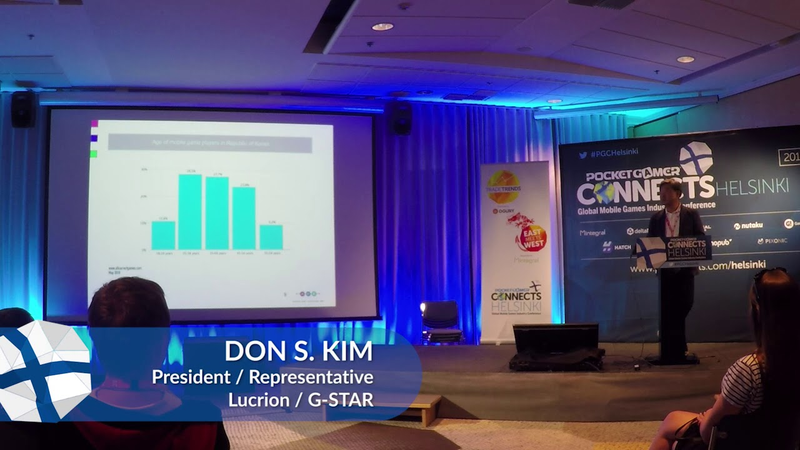
The Asian games market and G-STAR
The South Korean gaming market represents a significant segment of the broader Asia-Pacific region, which accounts for nearly half of the global $108 billion gaming industry.
- South Korea generates $1.3 billion in annual gaming revenue from 15.5 million gamers, achieving a high average revenue per user (ARPU) of approximately $87.
- Mobile gaming has overtaken traditional PC titles in market share, with Android holding an 80% market dominance and Samsung serving as the primary hardware provider.
- The South Korean gaming demographic is mature, with 57% of users falling between the ages of 25 and 44.
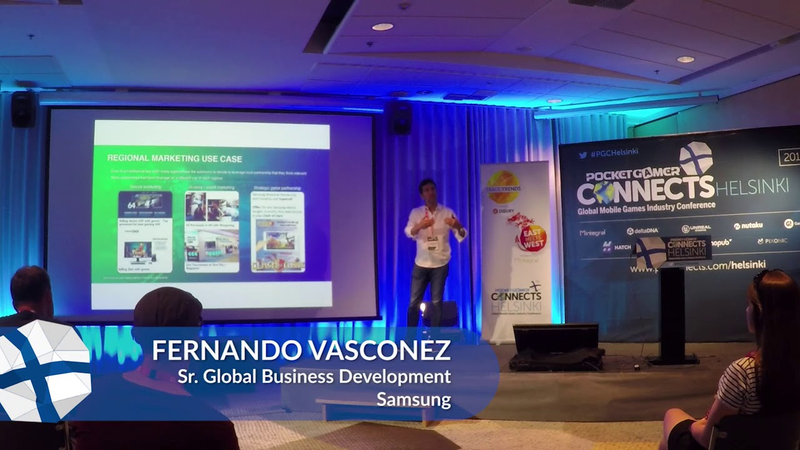
International engagement from local level engagement
Samsung leverages its massive global footprint of 700 million Galaxy devices and a vast ecosystem of interconnected hardware to drive mobile game discovery and user acquisition.
- Samsung leverages its ecosystem of 700 million Galaxy devices to drive game discovery and user acquisition by analyzing behavioral data across mobile phones, smart TVs, and home appliances.
- The company coordinates global product launches with localized activations across 20,000 retail locations to maximize visibility and drive traffic to third-party platforms like Google Play and the Apple App Store.
- Samsung has shifted away from traditional pre-loads toward flexible strategies, including virtual pre-loads on tablets and dedicated engineering support to optimize game performance on its hardware.
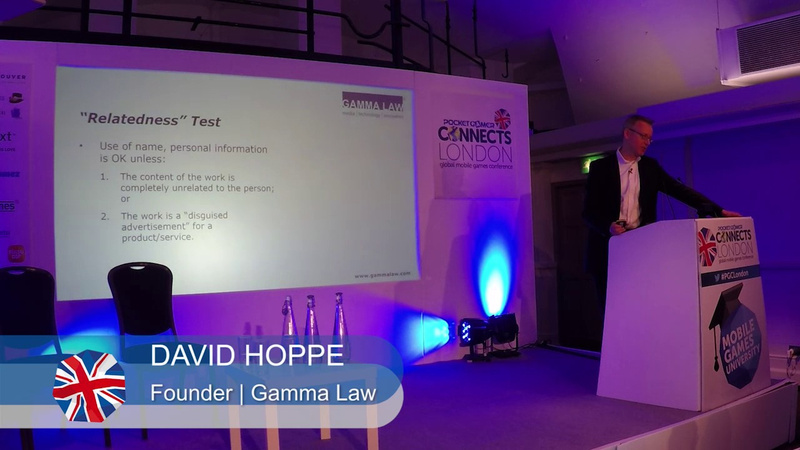
Video games and public figures: Legal update 2017
The legal landscape regarding the use of celebrity likenesses, names, and personas in video games remains highly unpredictable within the United States.
- Developers face significant financial risk for using celebrity likenesses, evidenced by a 60-million-dollar settlement paid to athletes in EA Sports litigation and a 15-million-dollar verdict against a comic book author.
- Courts lack a consistent legal framework for publicity rights, with outcomes ranging from protecting creative expression to massive judgments, such as the 403,000-dollar award against Samsung for a robot depiction of Vanna White.
- The primary risk factor for litigation is the developer's intent; if the inclusion of a persona is perceived as a strategy to leverage fame for audience attraction, courts are increasingly likely to rule against the developer.
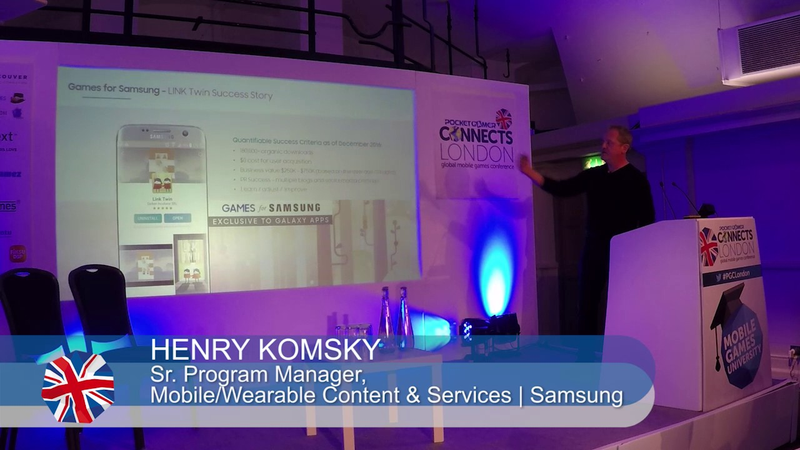
What is the Games For Samsung initiative?
The Games for Samsung initiative is a strategic developer program designed to help indie studios and smaller developers build a substantial, engaged user base for new mobile titles.
- The Games for Samsung initiative offers indie developers promotional support and high-visibility placement in the Galaxy Apps store in exchange for 90 days of platform exclusivity.
- Participating developers receive four weeks of banner placements, social media campaigns, dedicated PR, and white-glove technical support to help reach a performance goal of 100,000 downloads.
- To qualify, developers must submit brand-new titles for an internal review and implement a functional monetization model, preferably using the Samsung billing system for in-app purchases.
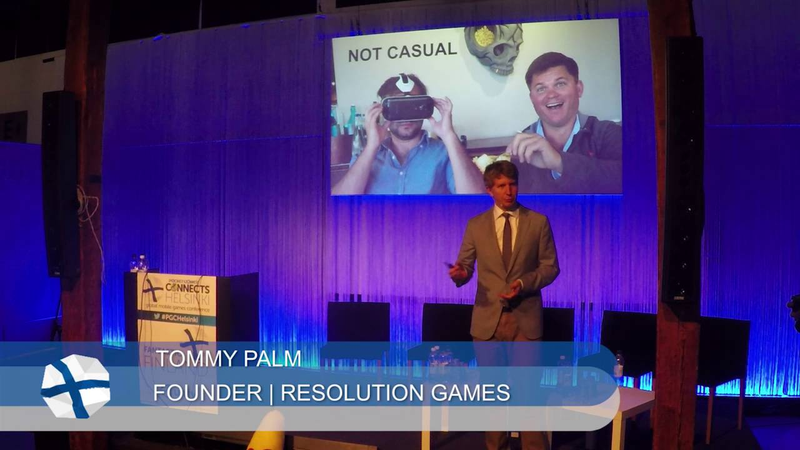
Key mobile virtual reality game design tips from Tommy Palm
Mobile virtual reality (VR) represents a significant evolution in computing, transitioning from the era of mainframes and personal computers to immersive, portable experiences.
- To prevent motion sickness, mobile VR must maintain a consistent 60 frames per second by limiting draw calls and polygon counts while focusing high-fidelity assets near the user.
- Designers should avoid forced camera movement, which is a primary cause of cybersickness, and instead implement teleportation as the standard method for navigation.
- Mobile VR hardware faces thermal constraints, necessitating the use of darker, energy-efficient scenes and a focus on high-quality audio to maintain immersion.