Esports statistics and market reports
255 game industry reports, presentations and talks about esports from writers such as PocketGamer.biz, Newzoo and Game Developers Conference, newest from 2026. Every document has a summary and key insights with the page they come from, and 1,562 charts and tables are extracted as data.
Key figures
Gen Z esports fans represent a massive, high-value demographic of 400 million potential global viewers, with 76.3% of fans having made an esports-related purchase in the past year.
Niko Partners, 2026 · The Esports Generation: Who They Are, and Why They Spend, p. 4
The Italian esports market is valued at €32–35 million, but it faces a structural monetization gap where sponsorships account for nearly 70% of revenue while media rights and merchandising remain marginal.
IIDEA – Italian Interactive Digital Entertainment Association, 2026 · 2026 Italian Esports Report: Market & Streaming Trends, p. 3
The South Korean eSports industry reached a record valuation of 256.95 billion KRW in 2023, nearly doubling its 2022 market size of 151.44 billion KRW.
Korea Creative Content Agency, 2025 · 2025 Global and South Korean eSports Market Analysis, p. 2
In 2019, the UK esports industry generated £60 million in revenue and contributed £111.5 million to the national Gross Value Added (GVA), supporting over 1,200 full-time equivalent (FTE) jobs.
Ukie, 2025 · The Value of Esports in the UK, p. 26
Esports is outperforming traditional sports with a 10% year-over-year growth rate, while viewership has surpassed 100 million hours and prize pools have doubled since 2018.
InvestGame, 2025 · Esports is Shaping the Future of Live Entertainment, p. 10
Documents

How Riot Went From One Game to Five Hits | Mark Sottosanti, Riot Games
Riot Games has successfully transitioned from a single-title developer into a diversified, multi-platform publisher by prioritizing long-term ecosystem health over short-term financial gains.
- Riot Games transitioned from a single-title developer to a multi-platform publisher by prioritizing long-term ecosystem health and player mastery over short-term financial gains.
- The company maintains a global operational footprint of approximately 20 regional offices to ensure cultural relevance and balanced revenue distribution across North America, Europe, China, and Korea.
- Riot avoids inorganic growth, choosing to retain strict internal stewardship over its intellectual property rather than pursuing acquisitions or third-party licensing.


Annual Review 2026: Ukie
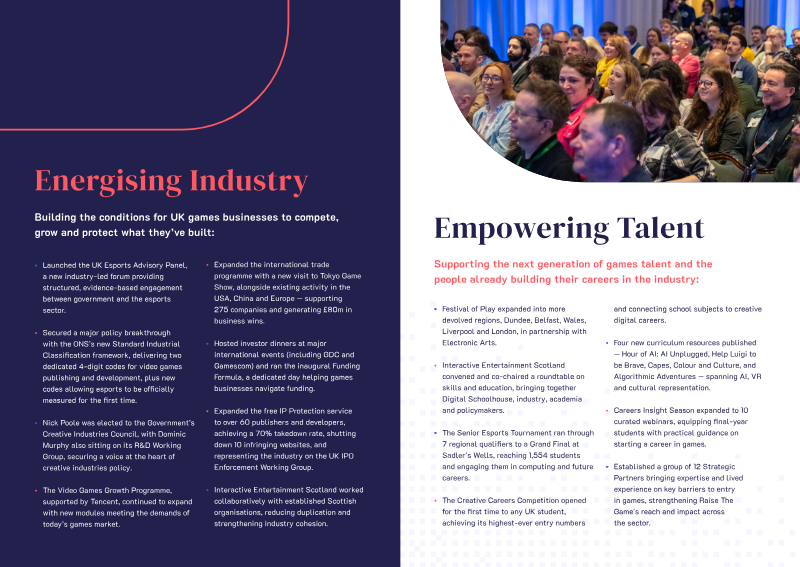
The 2026 Annual Review for Ukie, the UK’s trade association for the video games and interactive entertainment sector, details the organization’s progress during the second year of its five-year "Supercharged" strategy.
- The UK video games market reached a record valuation of £8.76 billion in 2025, representing a 7.4% increase over the previous year.
- Ukie successfully secured the introduction of dedicated Standard Industrial Classification (SIC) codes for video game development and publishing, alongside new codes for esports, enabling the industry to be officially measured for the first time.
- Ukie’s international trade programme supported 275 companies across missions to China, the US, Japan, and Europe, generating £80 million in business wins.
Competitive Gaming and Neurodiversity With The Good Game Project! | Design Club
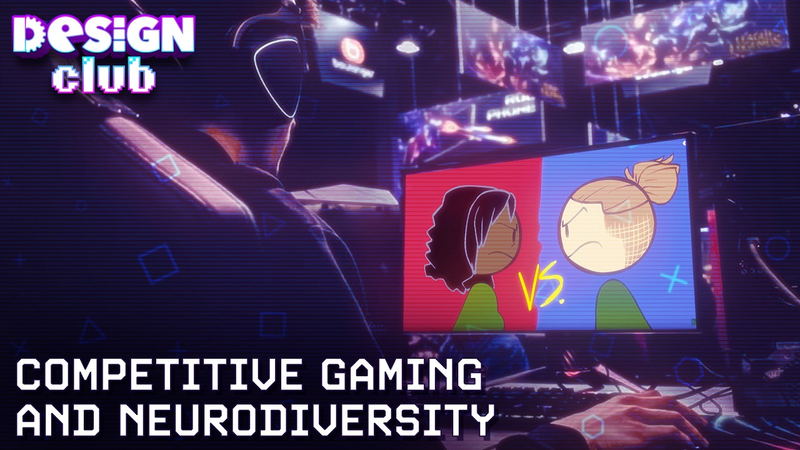
The Good Game Project serves as a critical research initiative dedicated to understanding the intersection of mental health, physical well-being, and performance within the global esports landscape.
- The Good Game Project utilized a massive, rapid-response survey that grew from 300 to over 2,500 responses in 24 hours, providing a robust dataset for multiple academic papers on esports and mental health.
- Research suggests that individuals struggling with mental health may be more drawn to esports, rather than esports inherently causing those mental health impacts, though high-performance levels introduce unique stressors that can exacerbate existing conditions.
- The project is developing a Massive Open Online Course (MOOC) to provide mental health literacy and first-aid training specifically tailored for those working with esports players.

Xbox's big reset | Week in Mobile Games podcast
Xbox is currently executing a fundamental strategic pivot, moving away from an aggressive focus on scaling the Game Pass subscription service toward a broader objective of engaging one billion players.
- Microsoft is undergoing a major restructuring involving 3,200 staff layoffs and the divestment of five studios, including management buyouts for Compulsion Games and Double Fine and the sale of Ninja Theory and Undead Labs.
- Microsoft has set an ambitious goal to engage one billion daily active users, a target that industry analysts view as highly challenging given that current console markets are largely flat and the company's total monthly active user base across its gaming division was reported at 500 million in 2024.
- Pokémon Go has generated over $9 billion in lifetime revenue across the Google Play Store and Apple App Store during its 10-year history, with player spending peaking during the pandemic.

The Esports Generation: Who They Are, and Why They Spend
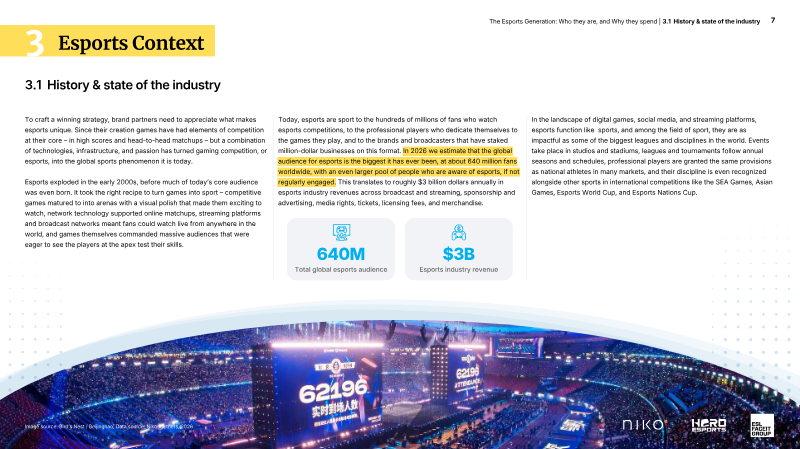
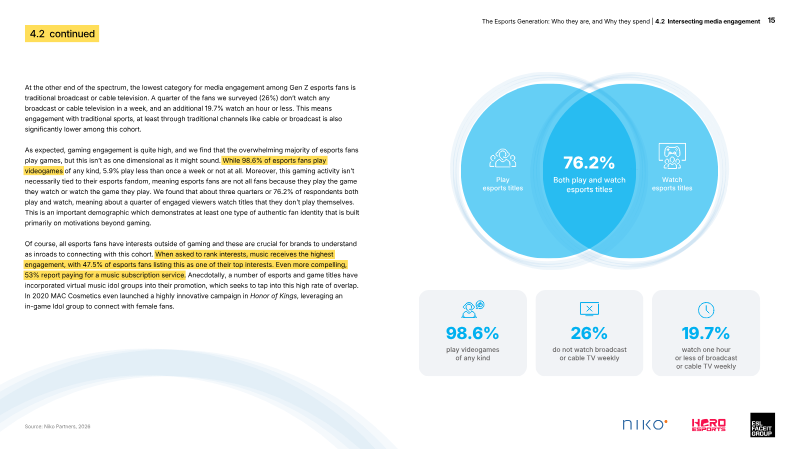
The global esports industry has matured into a significant economic force, reaching an estimated 640 million fans and generating $3 billion in annual revenue by 2026.
- Gen Z esports fans represent a massive, high-value demographic of 400 million potential global viewers, with 76.3% of fans having made an esports-related purchase in the past year.
- The esports industry generates $3 billion in annual revenue, driven by a global audience of 640 million and high engagement from a cohort that is largely employed and well-educated.
- Esports fans are highly receptive to brand partnerships, with 47.1% of fans stating that brand collaborations with teams or athletes positively influence their purchase behavior.

Record D2C revenue and international studios flock to Spain | Week in Mobile Games podcast
The Spanish video game market has emerged as a significant global hub, currently valued at €2.4 billion with a workforce projected to reach 13,000 by 2027.
- Top games companies are reporting record direct-to-consumer (D2C) revenue, though these gains are increasingly offset by rising user acquisition costs.
- Spain and Portugal are emerging as major European gaming hubs, attracting significant investment from international publishers including Ubisoft, King, Take-Two, Scopely, FunPlus, and Gameloft.
- ARM’s new 'Neural Dawn' technology aims to enable triple-A graphics on mobile devices, though industry analysts question whether players prioritize this level of graphical fidelity over gameplay and social features.
2026 Italian Esports Report: Market & Streaming Trends
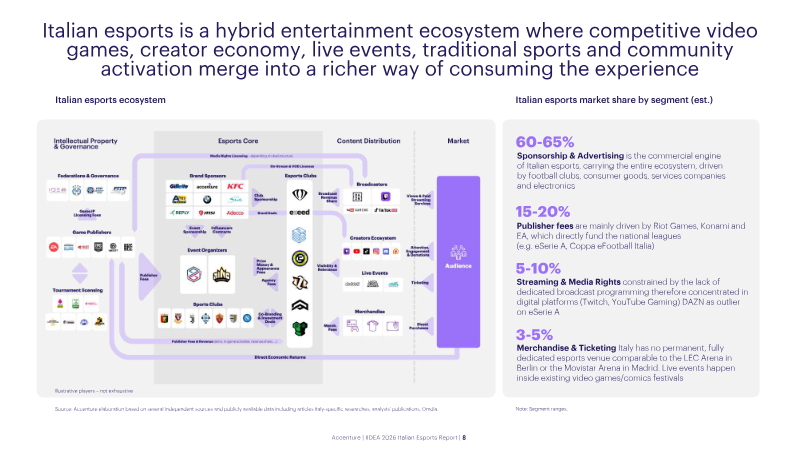
The Italian esports sector is currently undergoing a critical transition from experimental marketing to a more sophisticated, strategic engagement model.
- The Italian esports market is valued at €32–35 million, but it faces a structural monetization gap where sponsorships account for nearly 70% of revenue while media rights and merchandising remain marginal.
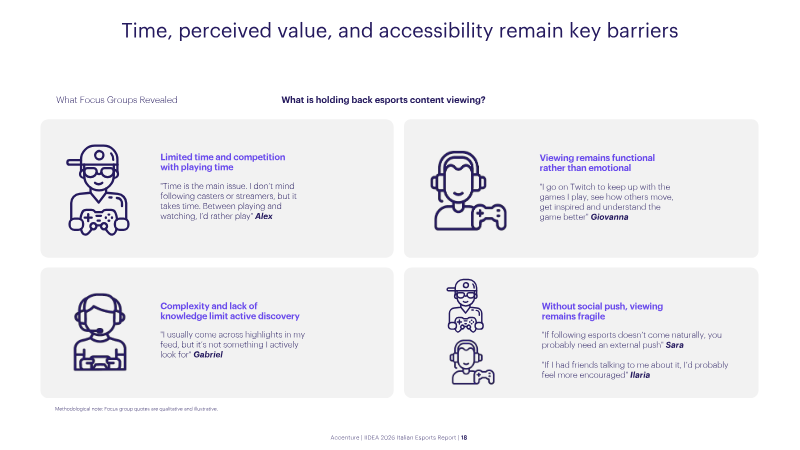
- There is a significant conversion opportunity among the 41% of Italians aged 25+ who play video games but do not currently follow esports content.
- Under-25 audiences show high engagement, with 83% participating in gaming and esports content, whereas only 49% of the 25+ demographic follows esports.
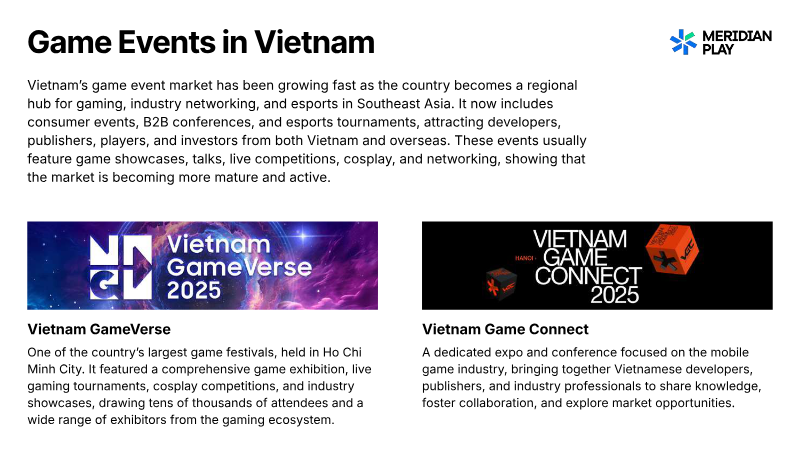
Vietnam Domestic Gaming Industry Report: 2025
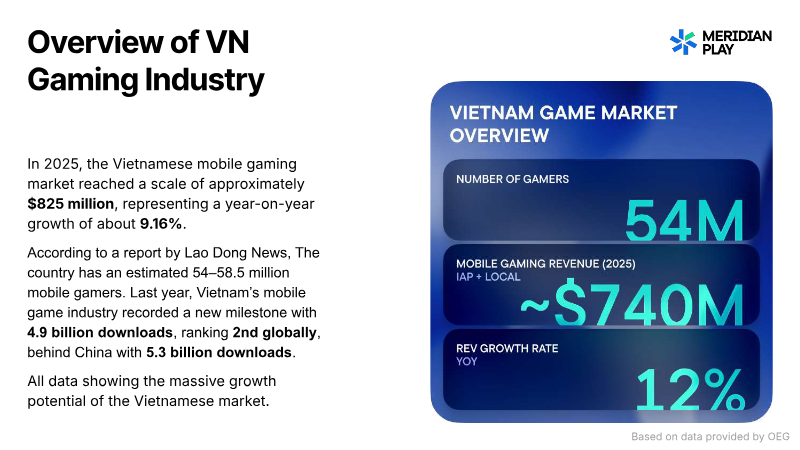
The Vietnamese mobile gaming market represents a significant growth sector in Southeast Asia, reaching a valuation of approximately $825 million in 2025.
- The Vietnamese mobile gaming market reached $825 million in 2025, growing 9.16% year-on-year with 54 million mobile gamers and 4.9 billion annual downloads.
- Foreign developers cannot publish directly and must partner with a local entity or establish a local office to comply with Decree No. 147/2024/ND-CP, which mandates local server hosting and 100% player KYC via mobile numbers.
- MMORPGs are the dominant revenue driver at 23.12% of the market, followed by Team Battle (17.05%) and 4X Battle (15.05%) genres.

State of the LATAM Games Industry 2026
Latin America has solidified its position as a formidable force in the global gaming landscape, transitioning from a peripheral source of cost-effective labor to a sophisticated hub of creative innovation and live service expertise.
- Brazil and Mexico serve as the region's primary anchors, with Brazil driving engagement across all platforms and Mexico acting as a commercial gateway for global publishers.
- Mexico's gaming industry generated $1.27 billion in revenue in 2024, with mobile and tablet devices accounting for 72% of all gaming activity.
- Brazil hosts a robust ecosystem of over 1,000 developers, while indie game creation in Mexico grew by 30% year-over-year in 2023.
From League of Legends to Deadlock: Understanding MOBAs | Extra Credits
Multiplayer Online Battle Arenas (MOBAs) represent a complex, team-oriented genre that evolved from early real-time strategy (RTS) mods like Aeon of Strife and Defense of the Ancients.
- MOBAs are defined by a two-tiered economy of experience and gold, where experience upgrades character stats and abilities while gold is used to purchase items that provide significant power spikes.
- Minion farming is a critical strategic priority because gold and experience are lost if a player does not land the final hit on a minion, and sharing lanes reduces the total resources available to the team.
- Unlike hero shooters where character power remains relatively static, MOBA characters can become 'fed' by accumulating a disproportionate amount of resources, leading to massive power imbalances that are driven by the underlying economy.


African Video Game Report 2026
The report establishes that Africa’s video-game industry has entered a phase of rapid maturation, driven largely by mobile play in urban centres such as South Africa, Nigeria and Kenya.
- Africa’s video game market reached $1.8 billion in 2024, with mobile gaming accounting for 90% of the market and a player base that grew 10% year-over-year to 349 million.
- Market growth is concentrated in urban hubs across South Africa, Nigeria, Kenya, Egypt, Ethiopia, Niger, and Eritrea, where studios like Maliyo Games and Kayfc are prioritizing mobile-first IP.
- Studio funding is heavily reliant on international grants and incubators, including Pro Helvetia, the Agence Française de Développement, and the British Council’s Ignite Culture.
Gaming and Esports in Vietnam: A New Arena for Brands
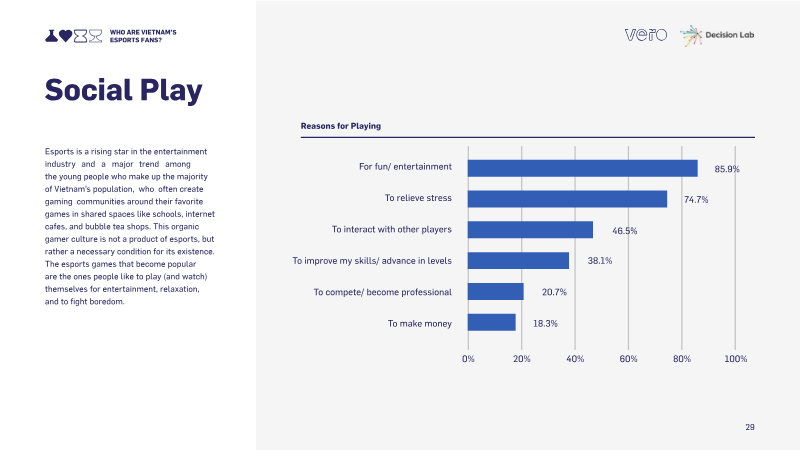
Vietnam’s gaming and esports landscape has evolved into a high-growth, culturally resonant channel for brands targeting the country’s youthful, tech-savvy population.
- Vietnam has the world's highest adult gamer rate at 85%, with a demographic where 70% of the population is under 25 and one-third of citizens are engaged in esports.
- Mobile gaming dominates the market, supported by high smartphone penetration and 4G coverage, with gamers typically spending 1–3 hours per session.
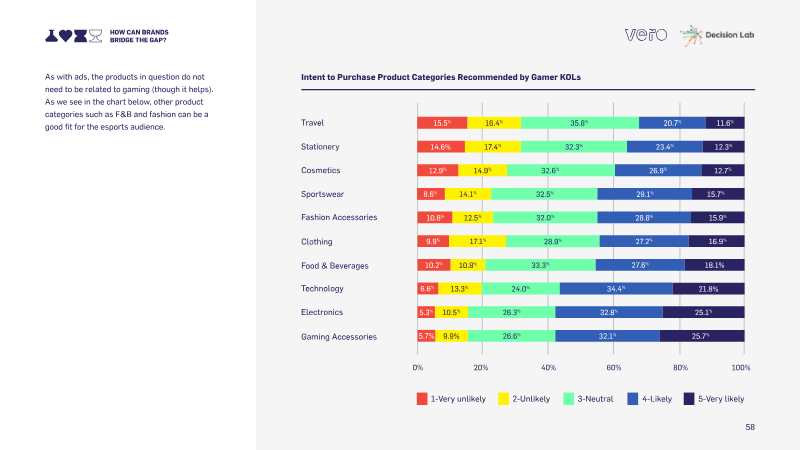
- Influencer marketing is highly effective, as 51% of gamers trust key opinion leader (KOL) recommendations and 42% report purchasing products endorsed by them.