Mobile reports and market data
Documents
Dishcover Indonesia: Android Cooking Game on Indonesian Cuisine
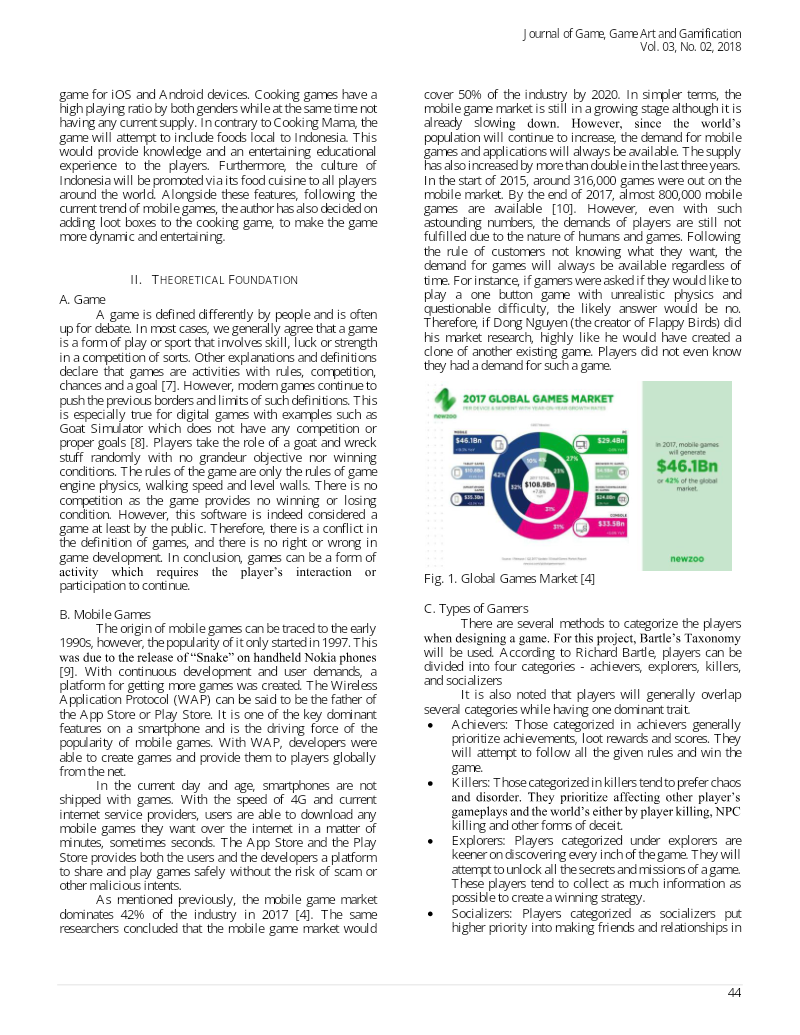
The primary objective of this project is to address the market gap for high-quality, modern cooking games by developing an Android-based mobile application centered on Indonesian cuisine.
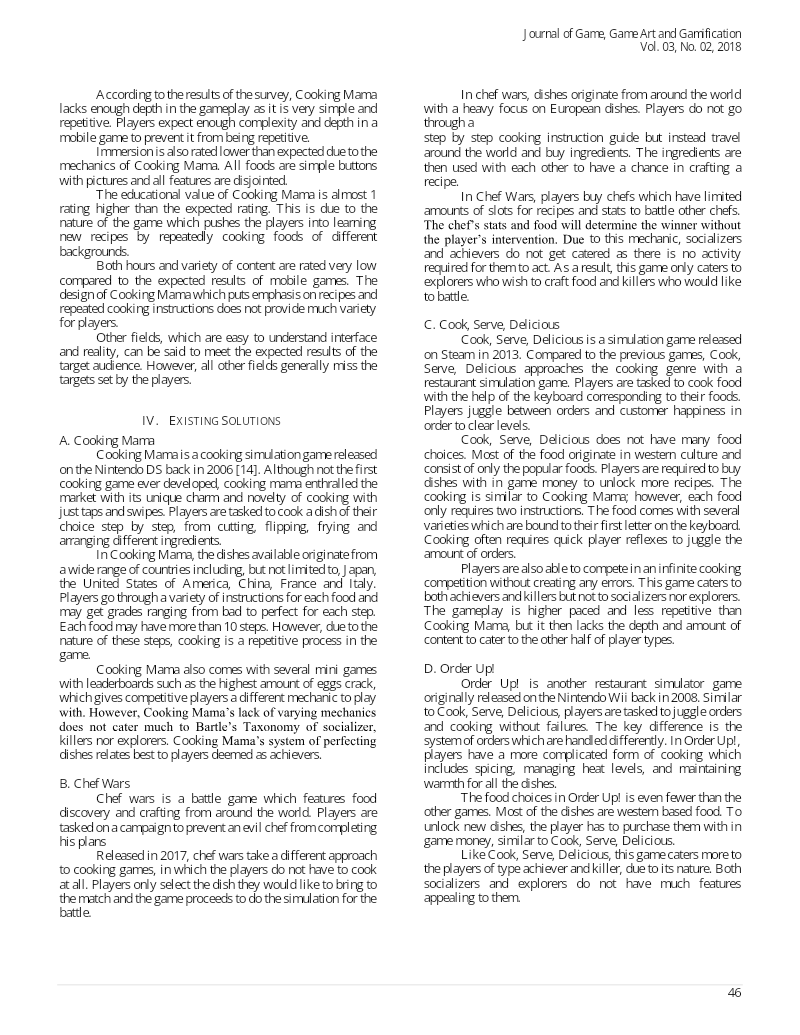
- Market research from 2018 involving 192 participants across Indonesia, the US, and Australia revealed that while 71% of respondents had played cooking games, most were no longer active due to a perceived lack of gameplay depth in titles like Cooking Mama.
- The project successfully validated that integrating modern meta-mechanics—such as loot boxes and complex progression systems—into a niche, culturally specific cooking game can effectively drive player retention.
- Beta testing with 64 respondents confirmed that a city-based campaign system and recipe-crafting mechanics using collectible ingredient cards successfully met or exceeded contemporary player expectations for complexity.
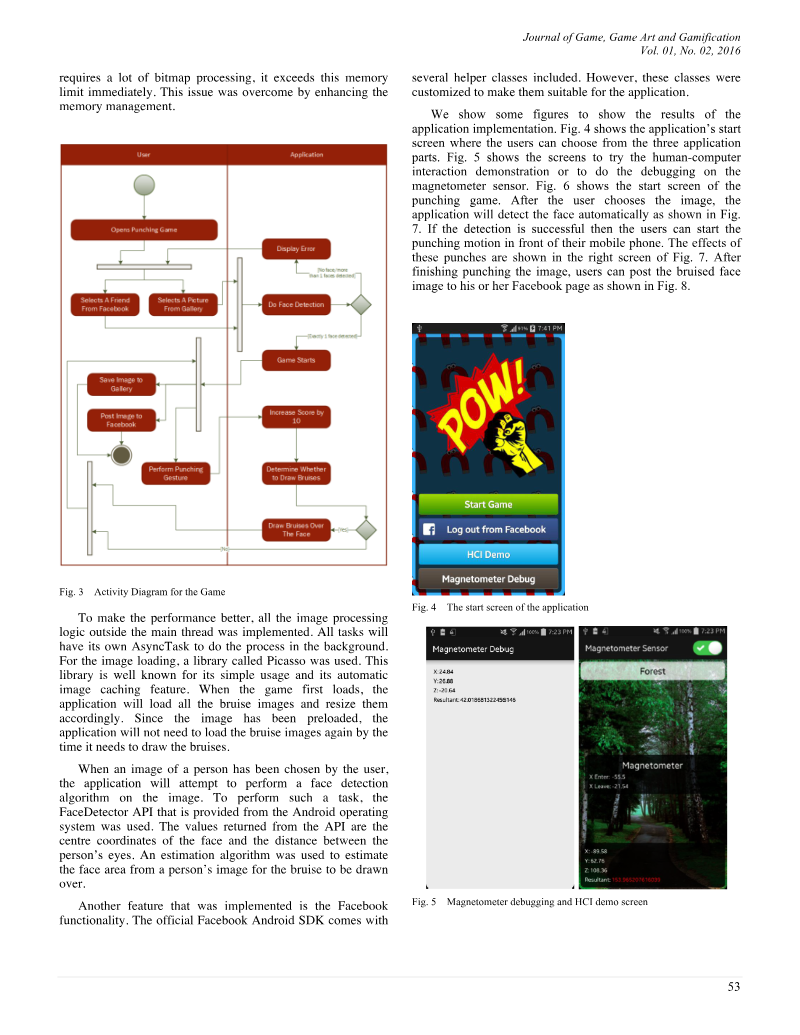
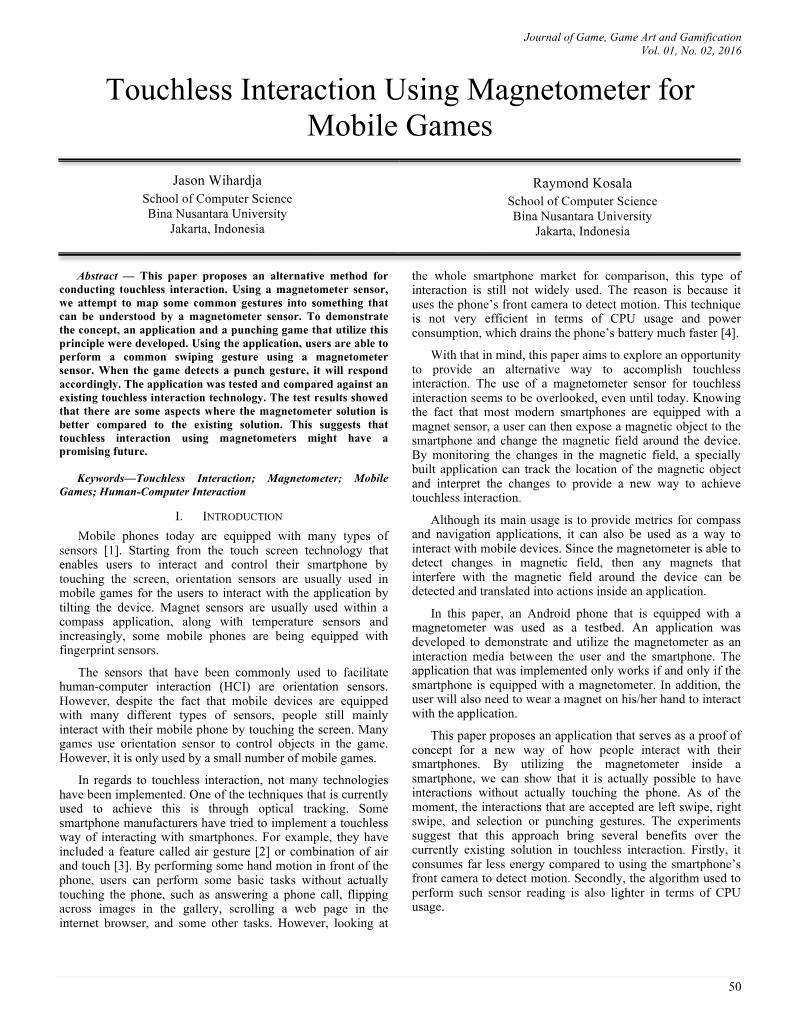
Touchless Interaction Using Magnetometer for Mobile Games
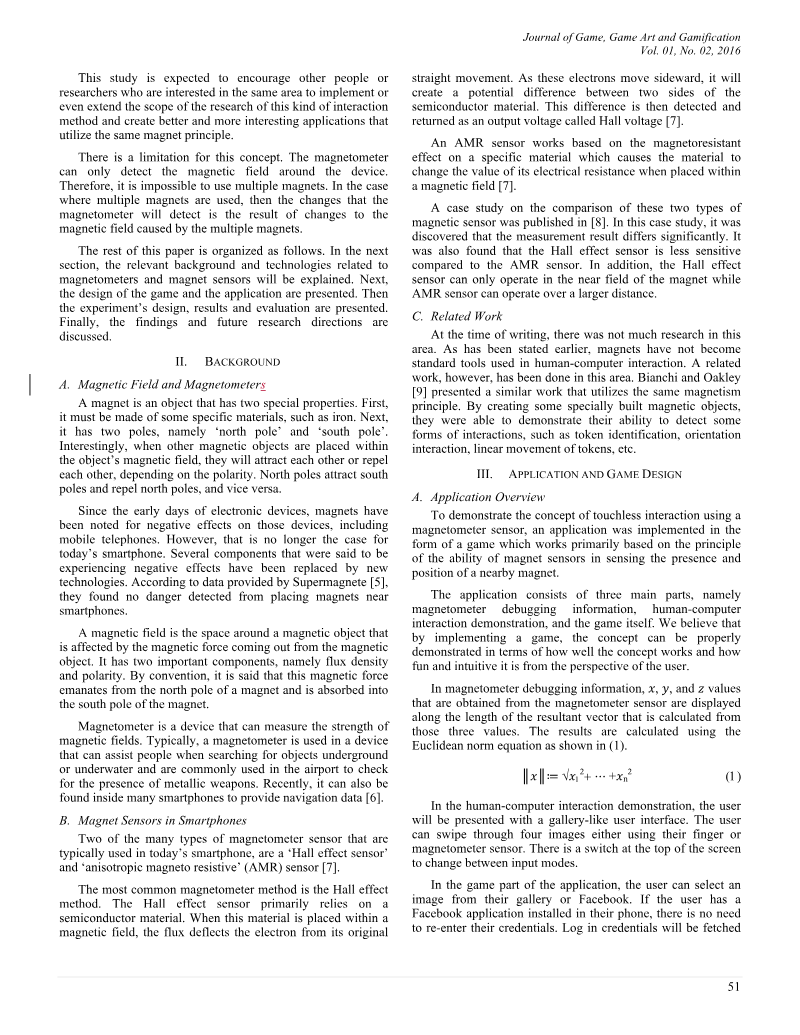
This research explores the viability of using a smartphone’s built-in magnetometer as a medium for touchless human-computer interaction in mobile gaming.
- Magnetometer-based gesture tracking consumes significantly less power than camera-based alternatives, resulting in a 3% battery drain over five minutes compared to 9% for optical tracking.
- The magnetometer approach currently faces performance limitations, achieving 90% accuracy and 70% responsiveness, trailing the 100% accuracy and 95% responsiveness of camera-based systems.
- Smartphone magnetometers are currently optimized for navigation and compass tasks rather than high-frequency gesture tracking, leading to issues with polling rates and sensitivity.
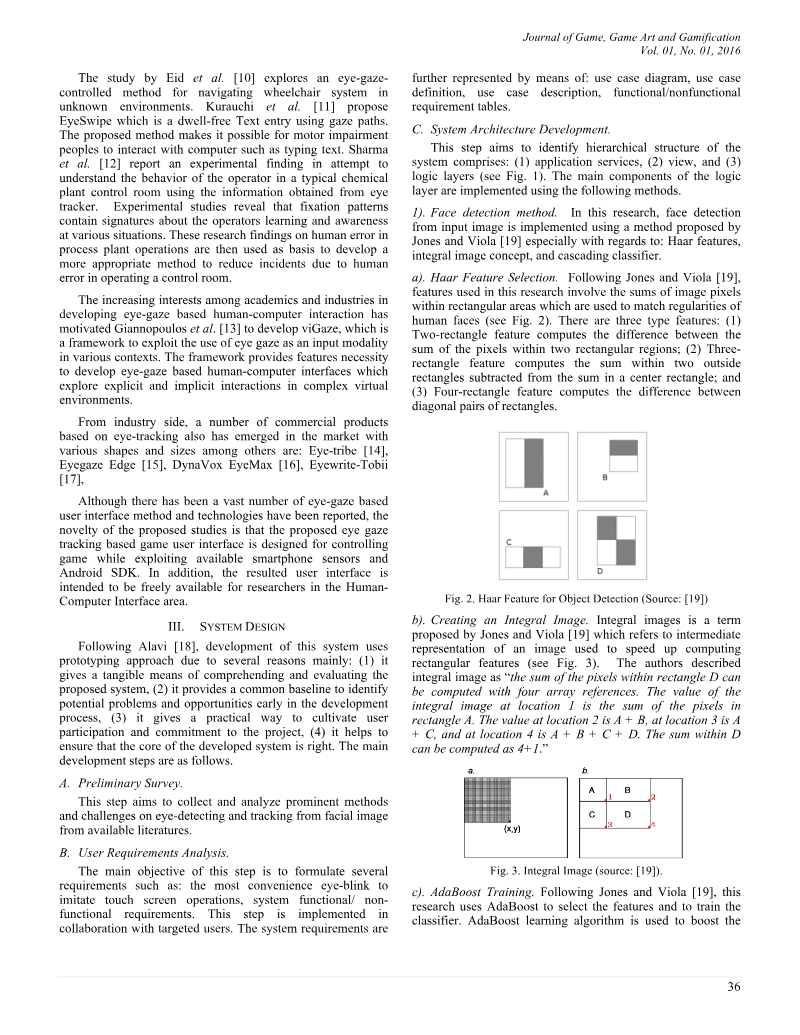
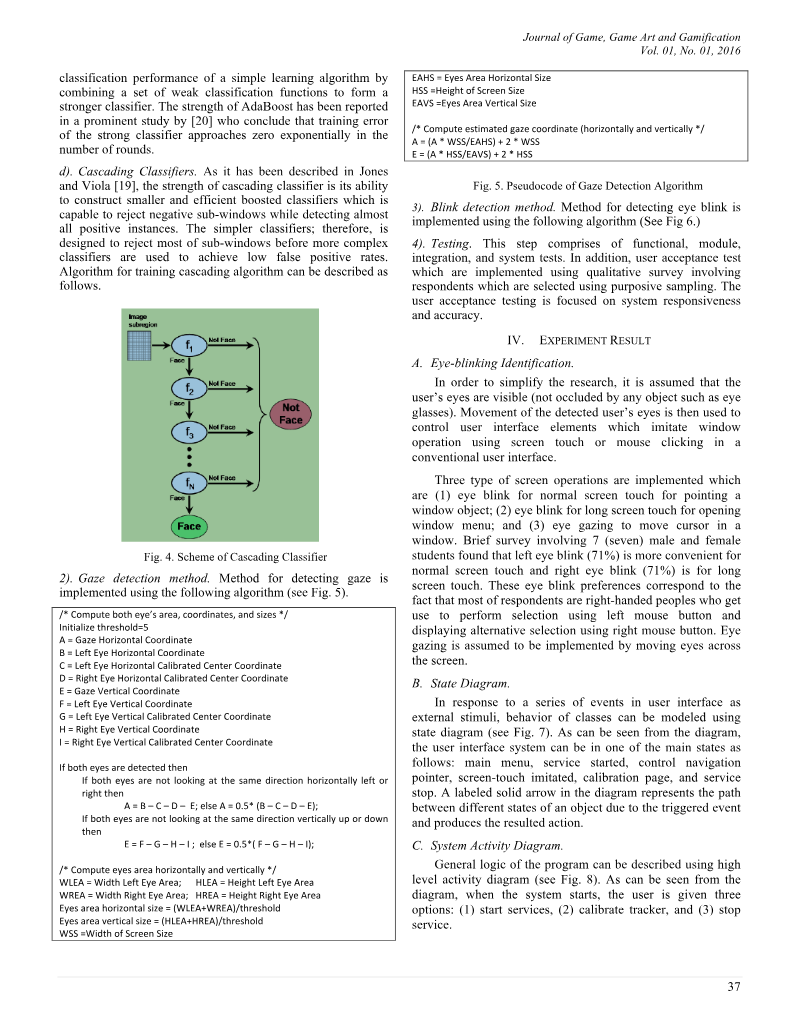
Mata: An Android Eye-Tracking Based User Interface Control Application
The Mata application is a prototype system designed to provide an eye-tracking-based user interface for Android smartphones, specifically aimed at enhancing accessibility for individuals with motor impairments.
- The Mata prototype enables Android mobile gaming control through eye-gaze tracking and blink detection, serving as a touch-screen alternative for users with motor impairments.
- System architecture relies on the Viola-Jones method for face detection, with gaze coordinates mapped to screen position and blink patterns used to trigger clicks or long-press actions.
- Initial qualitative testing with seven college students yielded a responsiveness score of 8.0 and an accuracy score of 7.4 on a 10-point Likert scale.
Gamification: Blood Donor Apps for iOS Devices
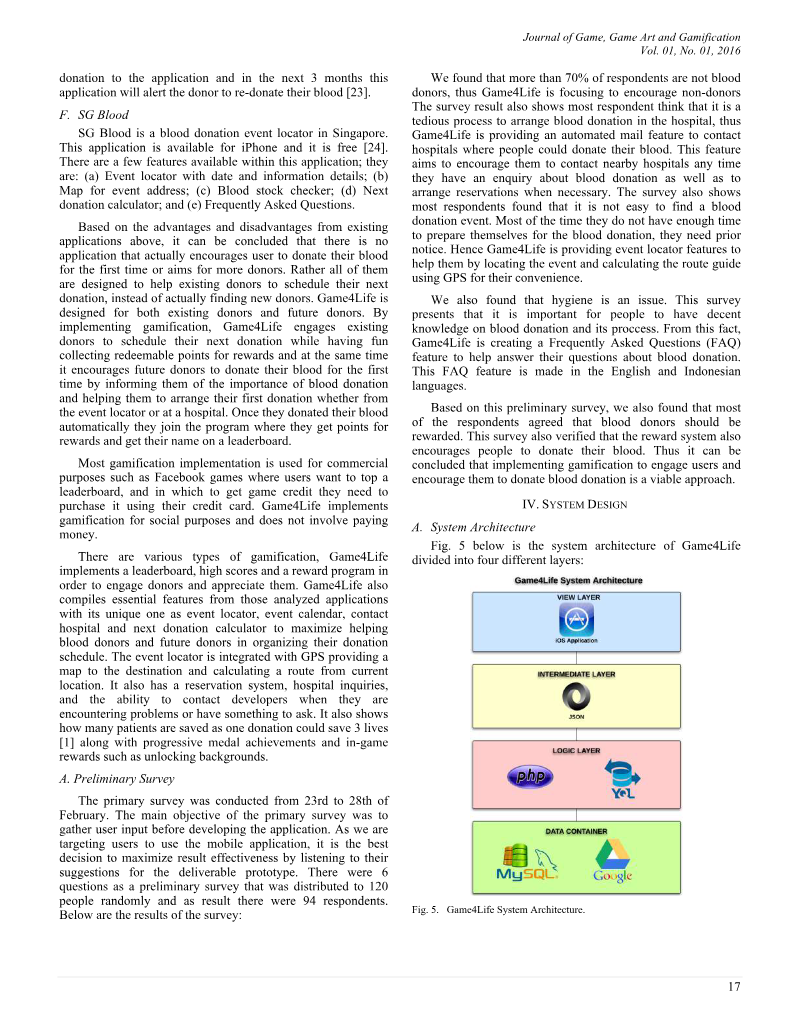
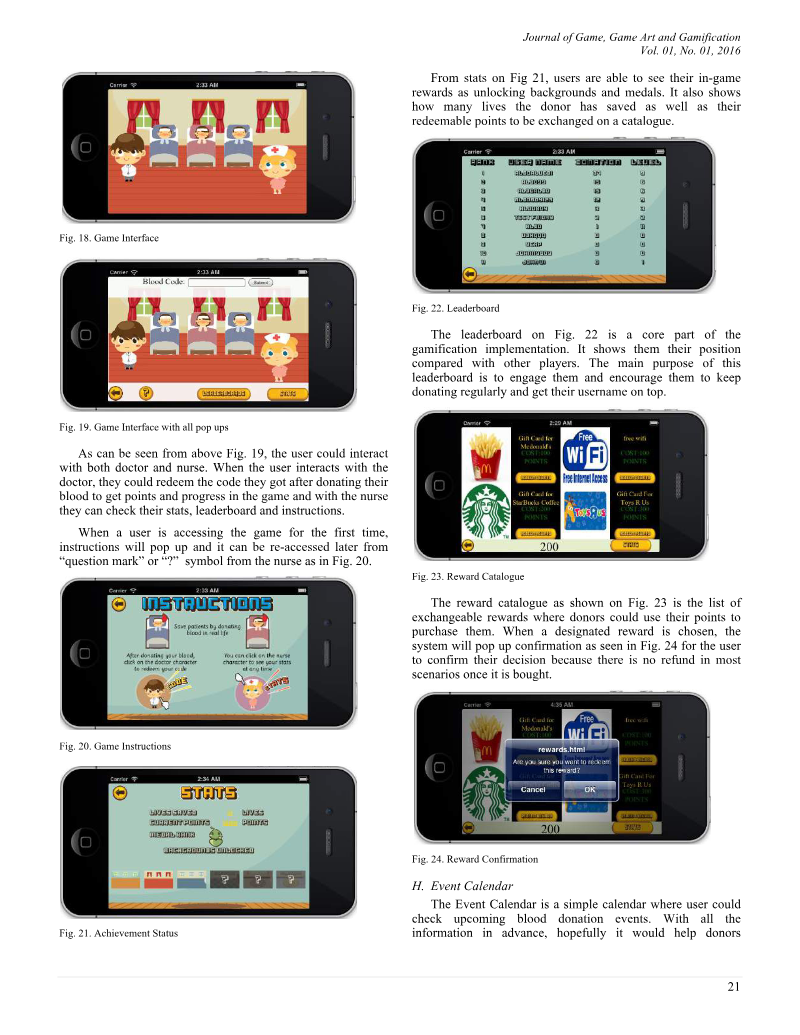
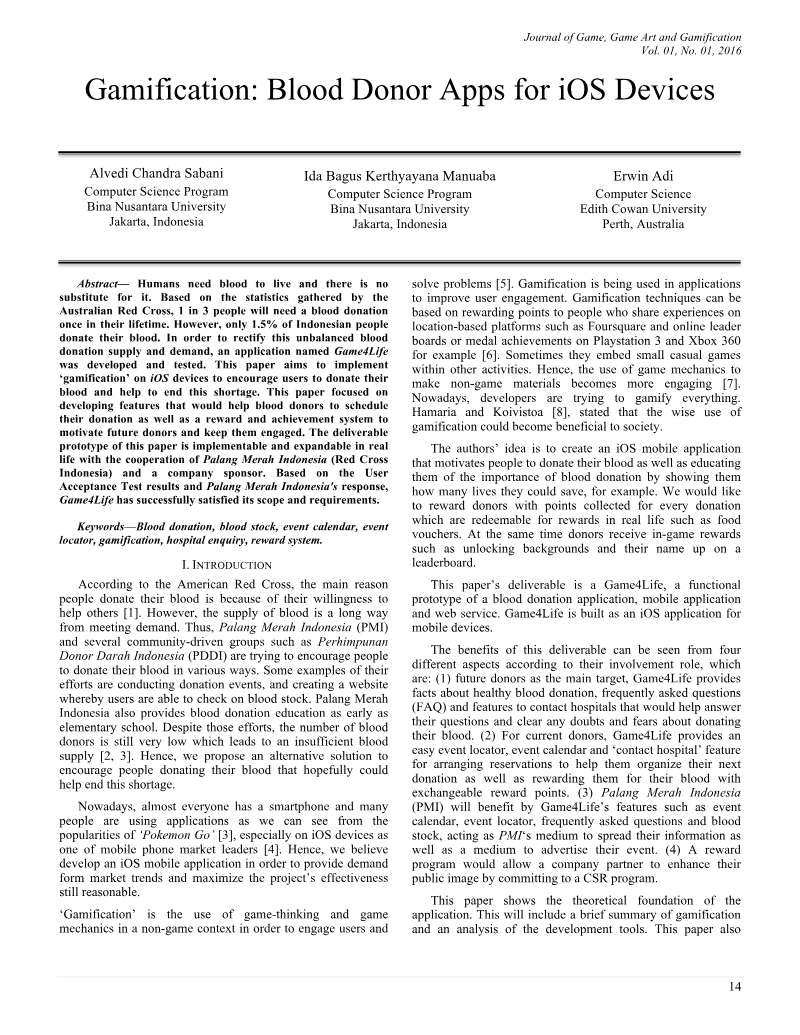
The paper, published in 2016 by authors from Bina Nusantara University and Edith Cowan University, describes Game4Life, a functional prototype iOS blood donation application with a web service, built with Palang Merah Indonesia (Indonesian Red Cross) cooperation in mind.
- The authors cite a statistic that only 1.5% of Indonesian people donate blood, which they present as far below WHO standards.
- In the User Acceptance Test with 62 participants, all respondents reported that Game4Life encouraged them to donate blood.
- Of 62 UAT participants, 79.03% rated the application's likelihood of use as very likely, and 19.35% as extremely likely, if it were available free on the App Store and Android Market.
Mengenal Aksara Bali: Balinese Script Game Education Based on Mobile Application
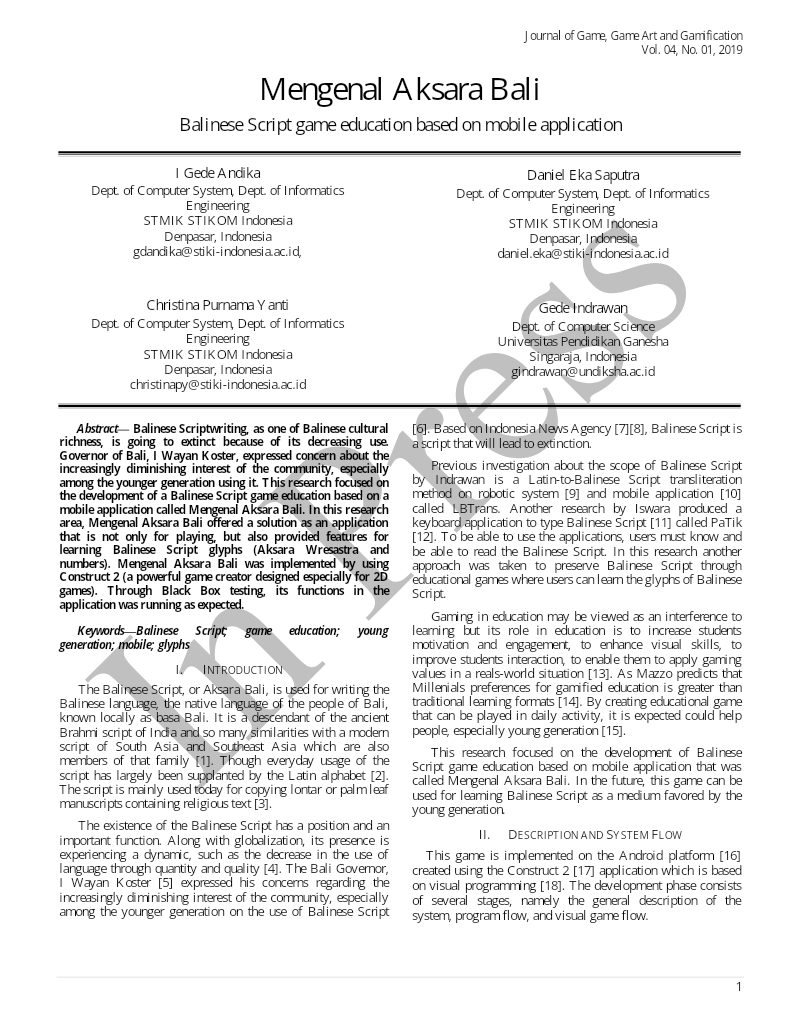
The primary objective of this research is to address the declining usage and potential extinction of the Balinese script (Aksara Bali) among the younger generation by developing an educational mobile game titled "Mengenal Aksara Bali."
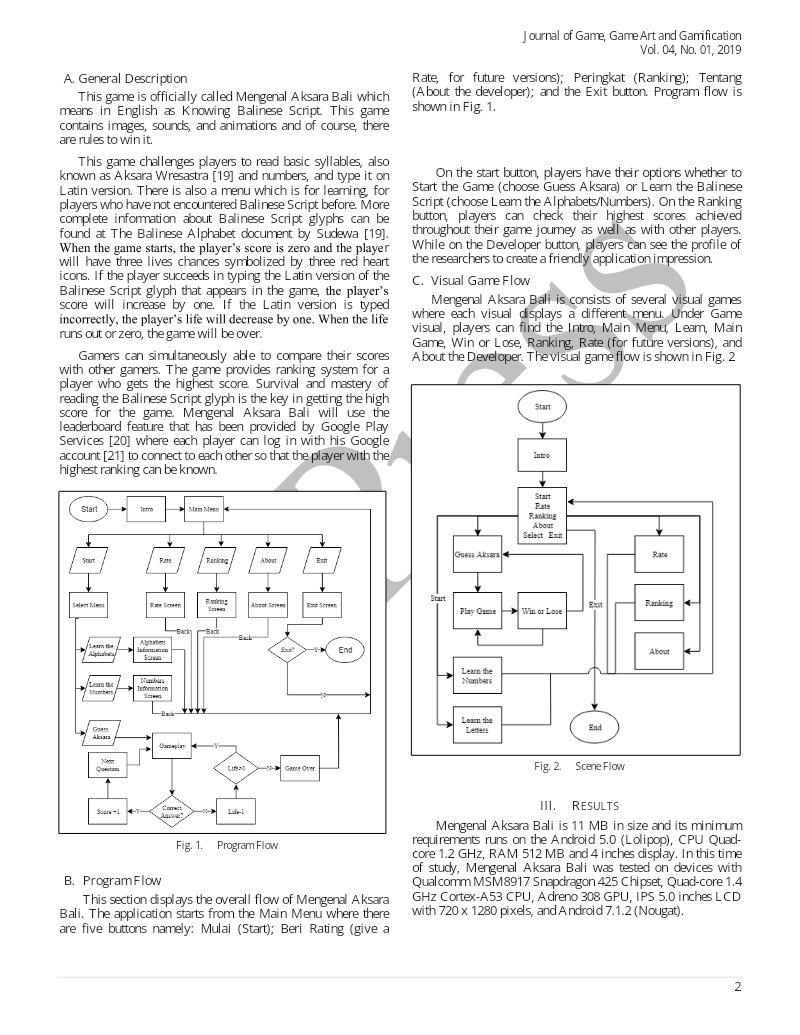
- The 'Mengenal Aksara Bali' mobile game was developed using Construct 2 to combat the declining usage of Balinese script among younger generations through gamified education.
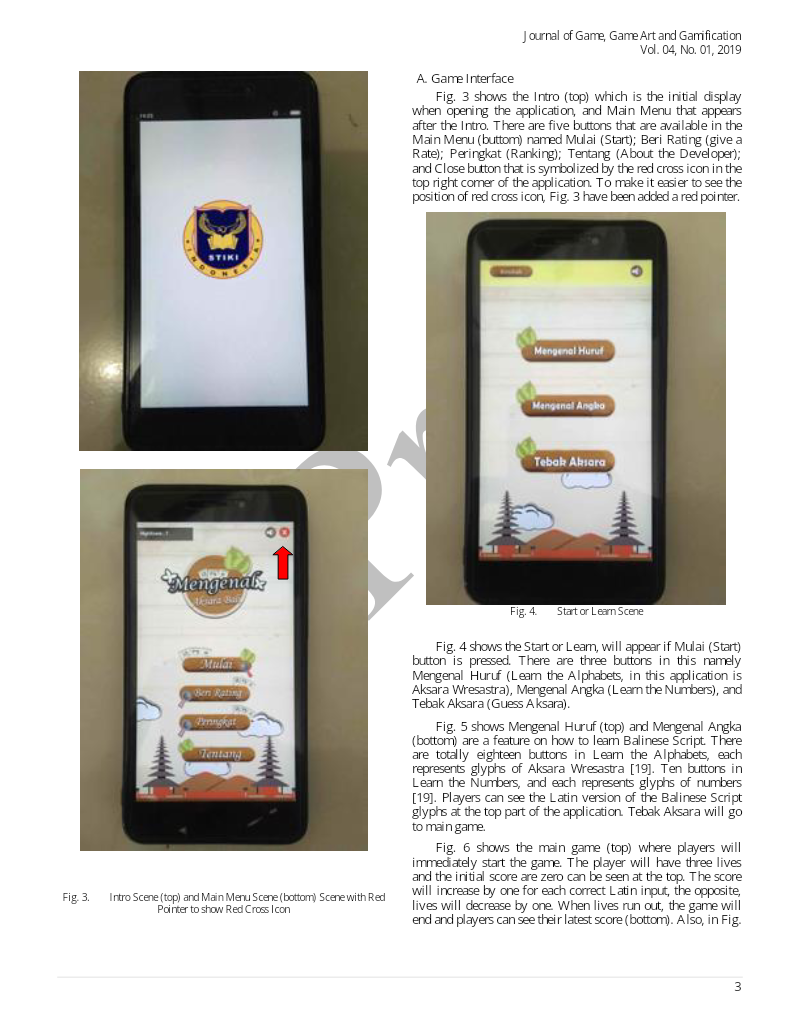
- The application features two primary modes: a learning module covering Aksara Wresastra and numbers, and a gameplay mode that tests users on Latin-to-Balinese script identification.
- Technical performance was validated via Black Box testing, confirming that all core functions, including navigation, sound, and scoring mechanics, operate as intended.
Social Value in Mobile Game: A Visual Communication Design Approach in Pokemon Go Case Study
This analysis explores the intersection of visual communication design and social value within the mobile gaming industry, using Pokémon Go as a primary case study.
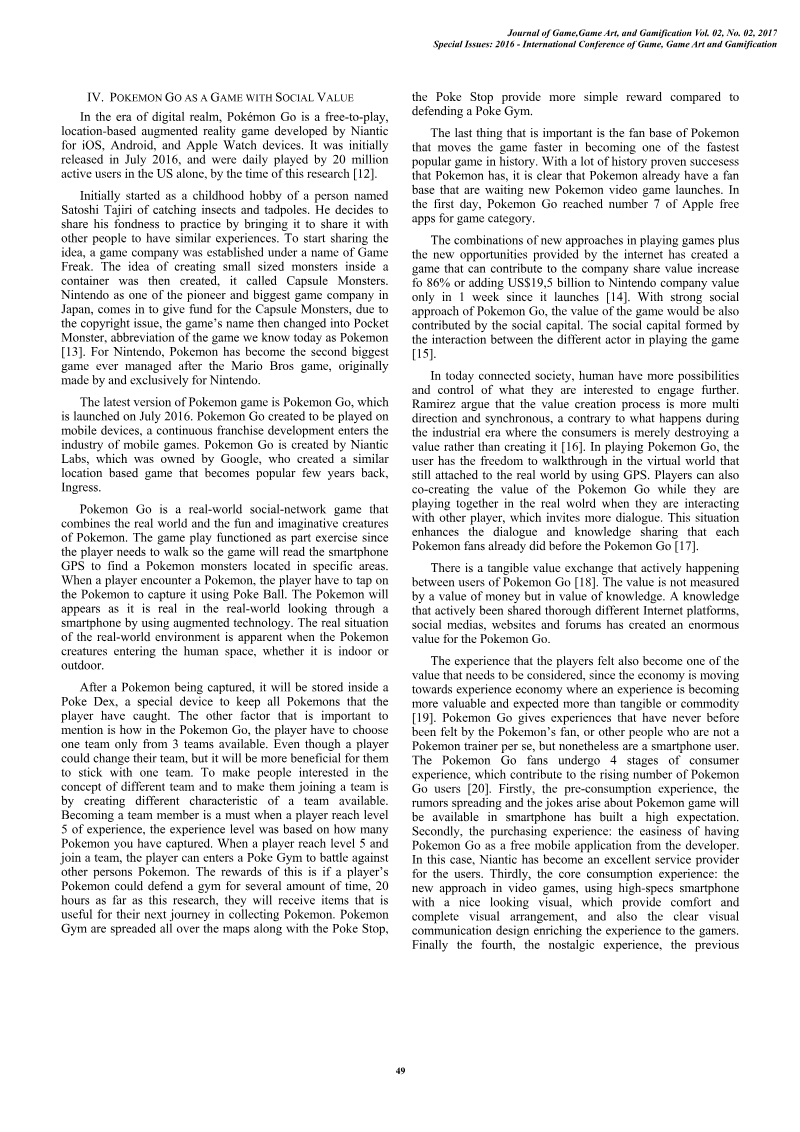
- Pokémon Go’s 2016 launch triggered an 86% increase in Nintendo’s market value, adding approximately $19.5 billion in valuation within the first week.
- The game achieved rapid scale upon release, reaching 20 million daily active users in the United States shortly after its 2016 debut.
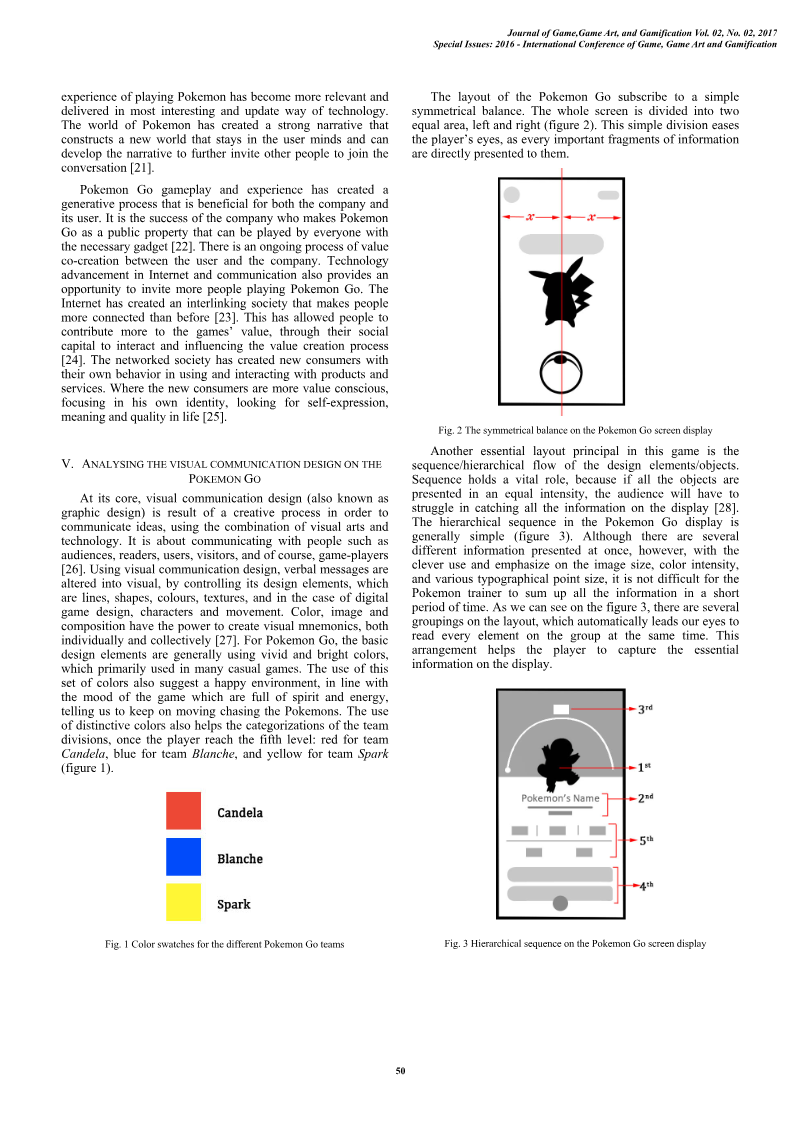
- Effective visual design, characterized by a simple, symmetrical interface and bright color palettes, minimizes user cognitive load to prioritize real-world exploration and social interaction.

Mobile Ad Revenue 2022 | Future and 2021 Retrospective
The mobile advertising industry has demonstrated remarkable resilience following the deprecation of the Identifier for Advertisers (IDFA), successfully navigating a transition that many initially feared would trigger a market collapse.
- The mobile advertising industry successfully adapted to the deprecation of IDFA by shifting to contextual targeting and on-device signals, avoiding the feared market collapse.
- Facebook’s dominance in the iOS ecosystem significantly declined, with its revenue share dropping from 25–30% to 3–5% following privacy changes.
- Monetization teams have evolved into highly technical, product-focused units that manage complex attribution requirements and act as strategic intermediaries between development and ad partners.
Superstar Session: Why Protection Matters?
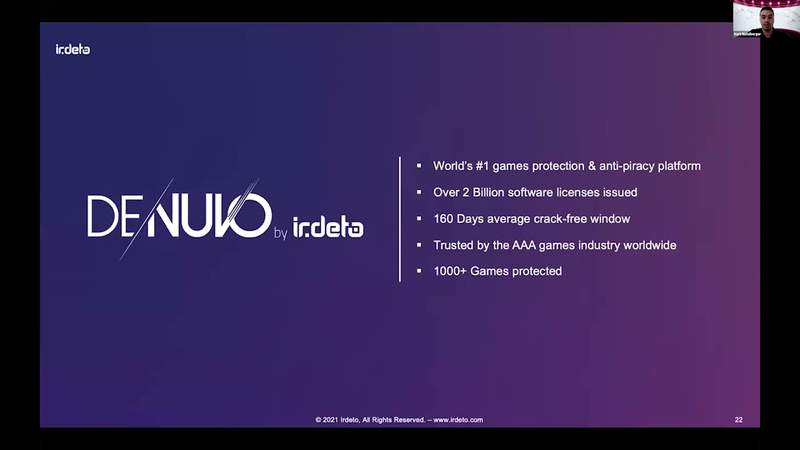
Mobile gaming has experienced significant growth, particularly during the pandemic, with mobile titles now accounting for 66% of total app store revenue.
- Mobile games now generate 66% of total app store revenue, making the protection of game integrity a critical financial priority for publishers.
- Security analysis of the top 50 Google Play Store games shows that 98% are susceptible to tampering, with 49% having active, functional cheat versions available.
- Memory editing tools like Game Guardian pose a significant threat, with 16% of top-tier mobile titles currently vulnerable to runtime modifications.
Prisoner of Words: Lessons Learnt from Mobile Gamification of Lab Memory Experiments
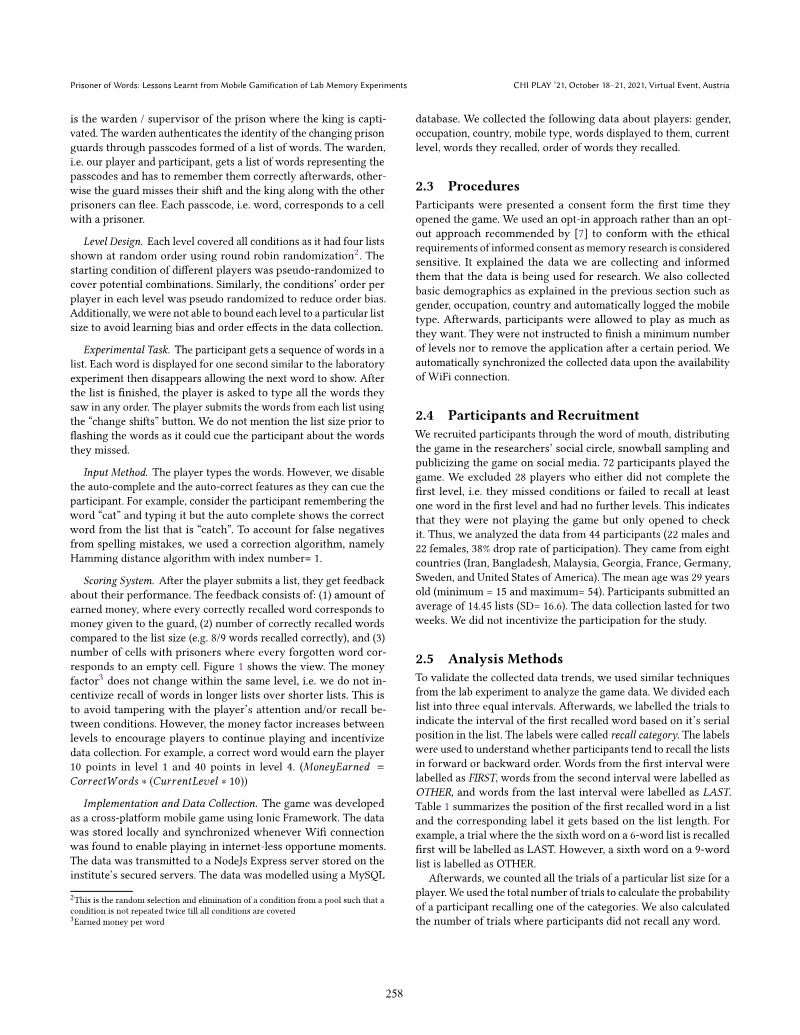
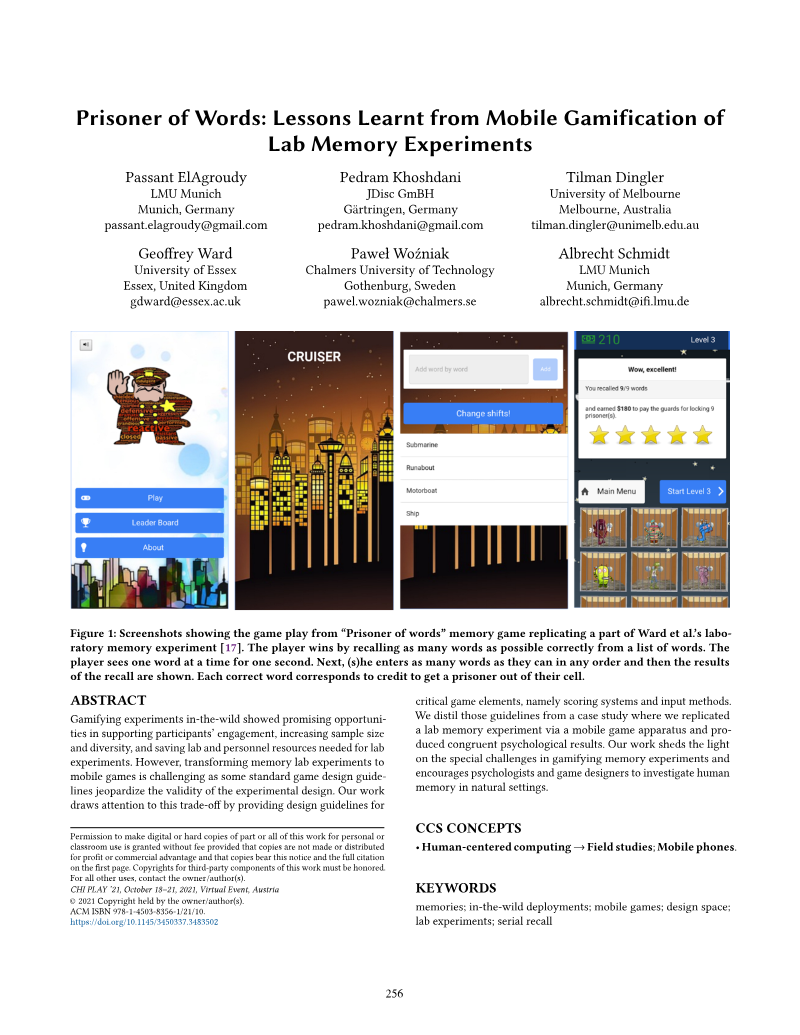
This analysis examines the challenges and opportunities of gamifying laboratory memory experiments for mobile platforms.
- Mobile gamification can successfully replicate laboratory memory experiments, as demonstrated by the 'Prisoner of Words' study which confirmed established serial recall trends across 44 participants in eight countries.
- Standard game design features like autocomplete and predictive text act as confounding variables that provide unintended cues and interfere with the validity of psychological data.
- Competitive scoring systems can incentivize artificial participant strategies, potentially biasing results and threatening the scientific integrity of in-the-wild research.
Towards Predicting Hexad User Types from Mobile Banking Data: An Expert Consensus Study
This work-in-progress paper from KU Leuven researchers Kimpen, De Croon, Vanden Abeele and Verbert explores whether mobile banking data could automate profiling of Hexad user types, a gamification typology that is usually assessed with questionnaires.
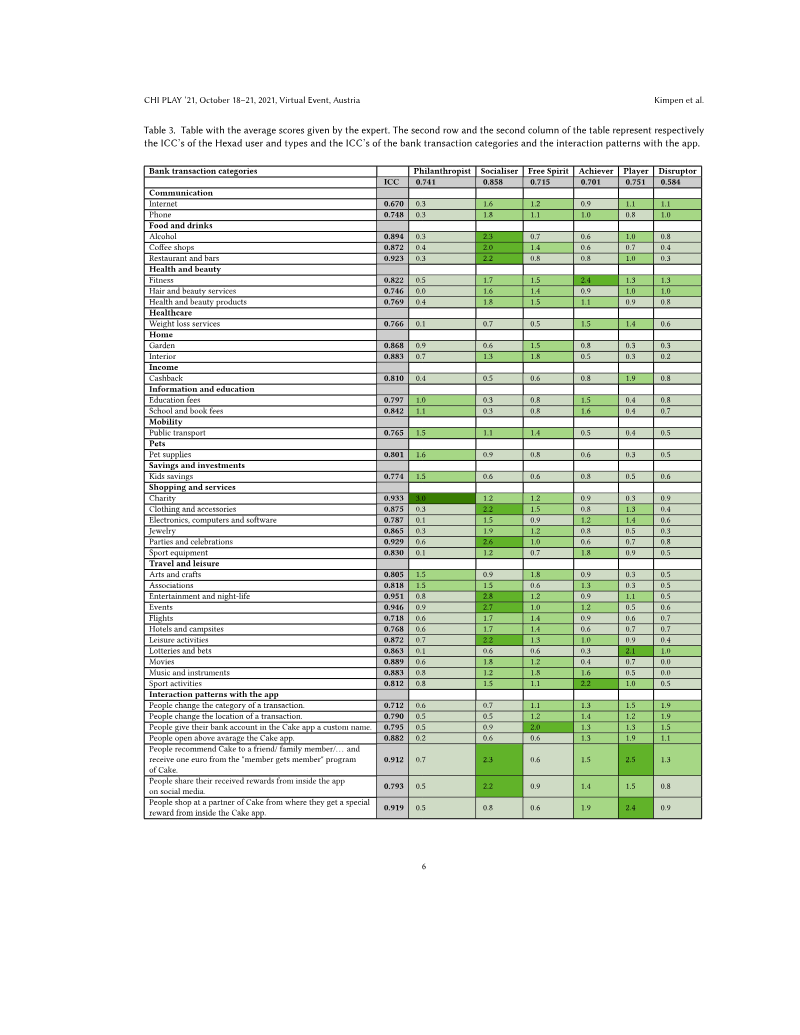
- Experts found moderate to strong relations between five of the six Hexad user types and mobile banking data, which the authors read as suggesting that automated calculation could be feasible.
- Socialiser had the most moderate to strong relations, with ten linked categories or interaction patterns, while Disruptor had no moderate to strong relation with any category or interaction pattern.
- Of the 112 categories and interaction patterns rated, 45 were removed for ICC below 0.5 and 26 more for average scores below 1.5, leaving 34 transaction categories and seven interaction patterns.
Explainability via Interactivity: Supporting Nonexperts' Sensemaking of Pretrained CNN
The research introduces a mobile application designed to help non-expert users, specifically design students, understand the decision-making processes of pretrained Convolutional Neural Networks (CNNs).
- A mobile application using Class Activation Maps (CAM) allows non-expert users to visualize which image regions drive a Convolutional Neural Network's (CNN) classification decisions, helping them understand model capabilities and limitations.
- The tool utilizes TensorFlow.js and the MobileNet model, which is pretrained on the ImageNet database to recognize over 1,000 object categories, enabling immediate, installation-free use on mobile devices.
- In a study of 30 industrial design students, the tool facilitated three levels of sensemaking: collecting anecdotal examples of model performance, inferring how environmental factors like lighting and adjacent objects influence predictions, and conducting controlled experiments to test specific hypotheses.

A Single Source of Truth for Measurement
The mobile marketing landscape underwent a fundamental shift following the introduction of iOS 14 and Apple’s App Tracking Transparency (ATT) framework.
- The shift to Apple’s App Tracking Transparency (ATT) framework and the loss of IDFA has created a fragmented measurement environment that requires reconciling anonymous SKAdNetwork data with traditional MMP reporting.
- Implementing a conversion studio allows advertisers to automate the encoding and decoding of conversion values, enabling the measurement of revenue, engagement, and funnel events without frequent code updates.
- Advertisers can extend post-install measurement windows up to 72 hours to capture more granular user behavior data within the constraints of privacy-centric design.
Writers
Games and companies
Games