1 free read left. Create a free account for unlimited reading + AI research.
Create free accountWhitepaper Bina Nusantara University
1 free read left. Create a free account for unlimited reading + AI research.
Create free accountWhitepaperBina Nusantara University
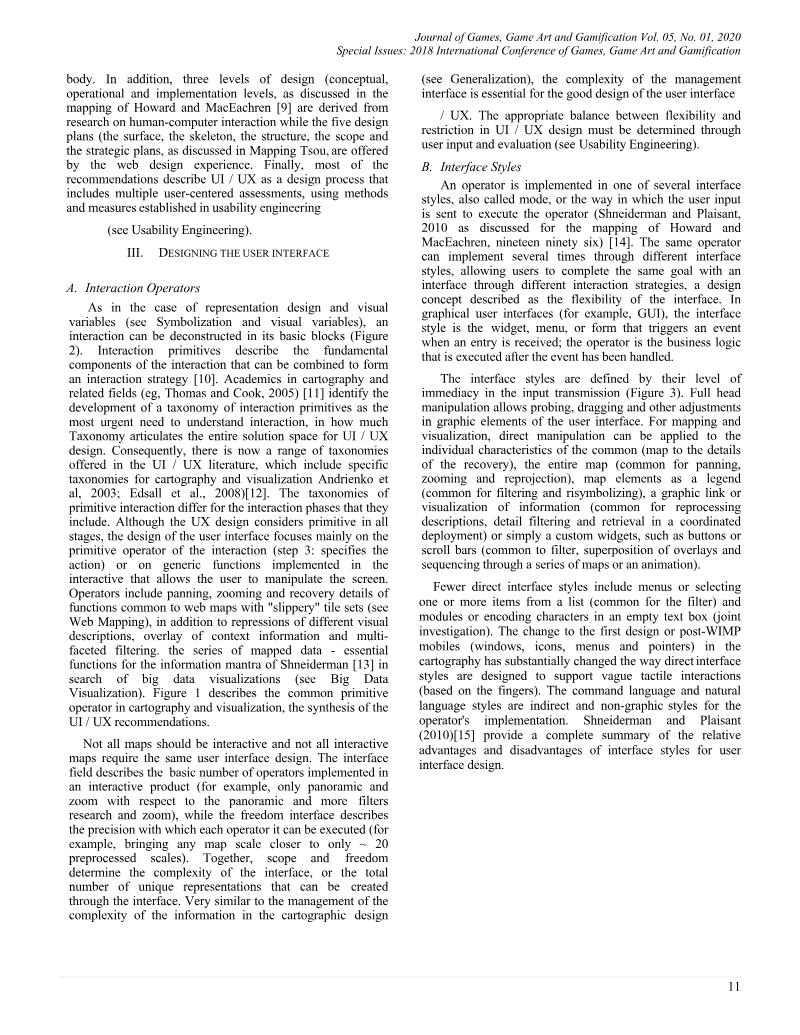
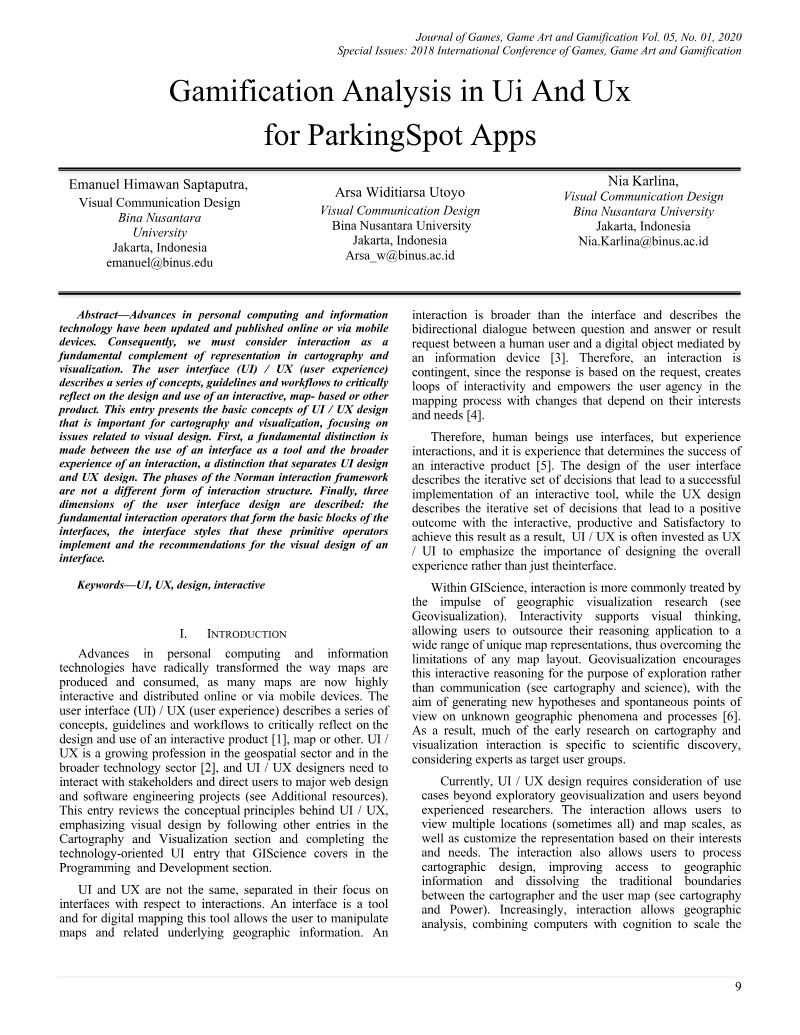
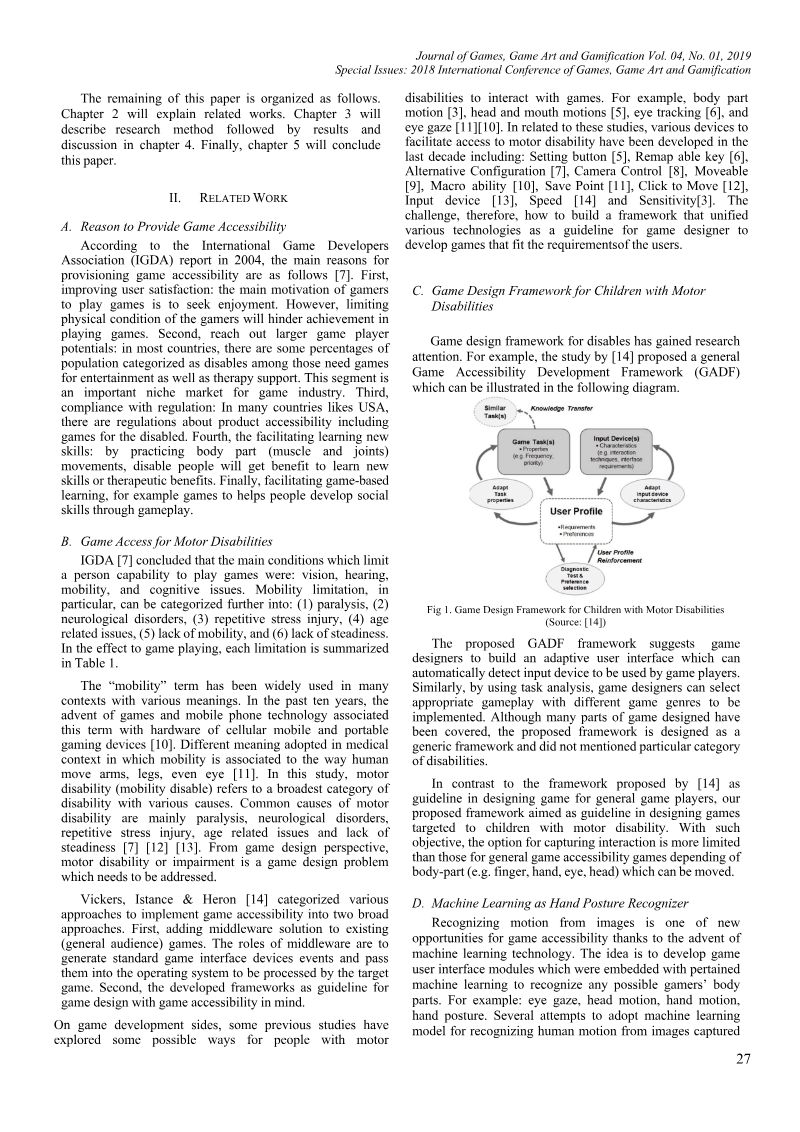
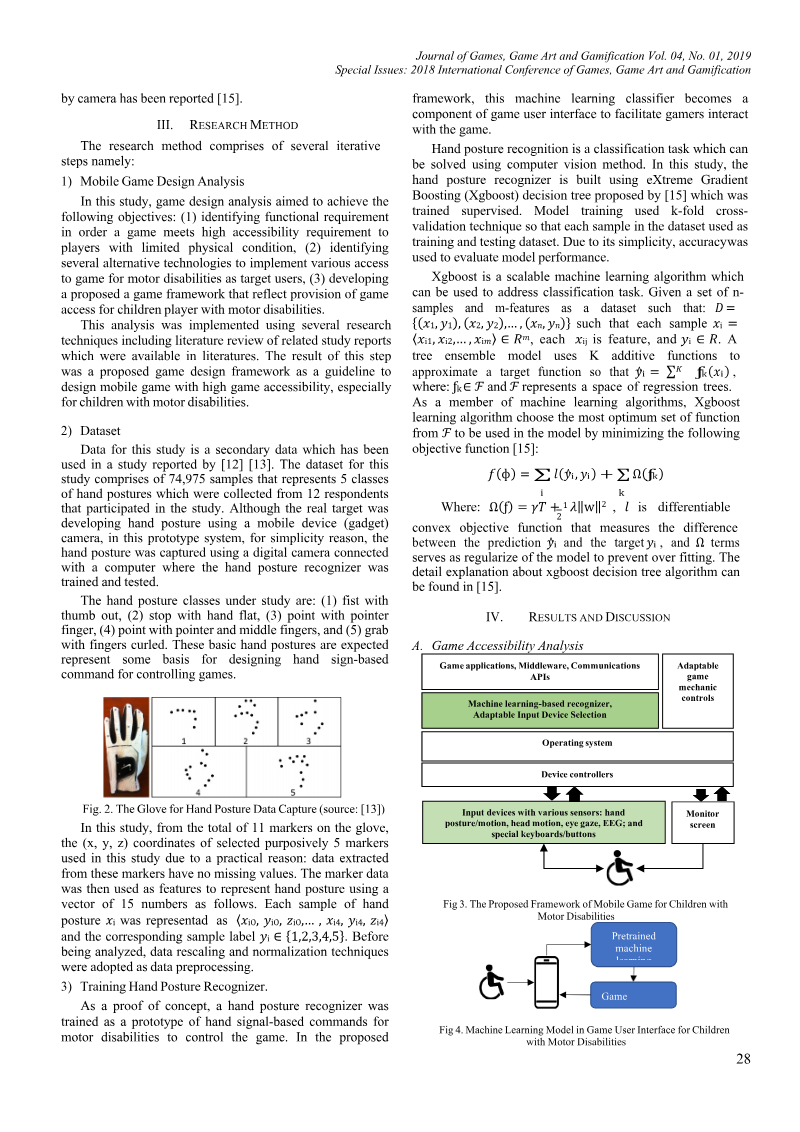
The Mata application is a prototype system designed to provide an eye-tracking-based user interface for Android smartphones, specifically aimed at enhancing accessibility for individuals with motor impairments. By utilizing the device's camera and Android SDK, the system enables users to navigate and control game interfaces through eye-gaze tracking and blink detection, effectively replacing traditional touch-screen inputs. The research seeks to validate the feasibility of using unimodal eye-gaze input as a primary control mechanism for mobile gaming environments.
The system architecture incorporates face detection, gaze tracking, and blink detection algorithms. Face detection is implemented using the Viola-Jones method, employing Haar features and AdaBoost training to identify facial landmarks. The gaze detection logic calculates horizontal and vertical coordinates based on eye positioning relative to the screen, while blink detection is used to simulate specific touch events, such as standard clicks or long-press menu activations.
Experimental testing involved a qualitative survey of seven college students using a 1-10 Likert scale to evaluate system performance. Findings indicated a high responsiveness score of 8.0 and an accuracy score of 7.4. Despite these positive initial results, the study acknowledges significant limitations, particularly regarding the system's sensitivity to environmental factors. Performance degrades significantly in low-light conditions, with rotated facial angles, or when the user is not positioned directly in front of the camera. The researchers conclude that while the concept is viable, future development must focus on improving the robustness of the tracking algorithms to handle diverse lighting and orientation challenges, as well as expanding the sample size for more comprehensive validation.
Bina Nusantara University · 2026
Bina Nusantara University · 2025
Bina Nusantara University · 2024
Bina Nusantara University · 2023
Bina Nusantara University · 2023
Bina Nusantara University · 2021
Bina Nusantara University · 2021
Bina Nusantara University · 2021
Bina Nusantara University · 2021
Bina Nusantara University · 2021
Bina Nusantara University · 2021
Journal of Games, Game Art, and Gamification · 2021

Deconstructor of Fun · 2026