1 free read left. Create a free account for unlimited reading + AI research.
Create free accountWhitepaper Bina Nusantara University
1 free read left. Create a free account for unlimited reading + AI research.
Create free accountWhitepaperBina Nusantara University
Within its first week of availability, the game contributed to an 86% increase in Nintendo's market value.
Key Impact. Pokémon Go's 2016 launch triggered an 86% increase in Nintendo’s market value, adding approximately $19.5 billion in valuation within the first week.
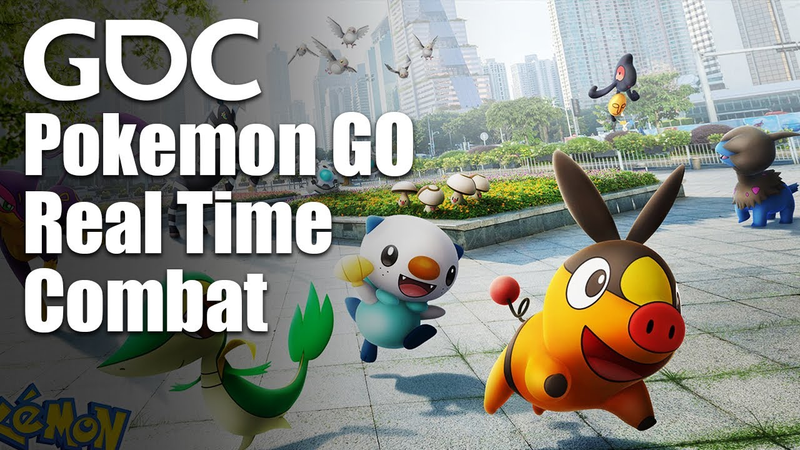
See it on page 2This analysis explores the intersection of visual communication design and social value within the mobile gaming industry, using Pokémon Go as a primary case study. The research posits that effective visual design serves as a critical catalyst for social engagement, helping players navigate the game’s augmented reality environment and facilitating the formation of social capital. By examining how design elements influence user behavior, the study highlights how mobile games can transform from solitary entertainment into platforms for community interaction and knowledge sharing.
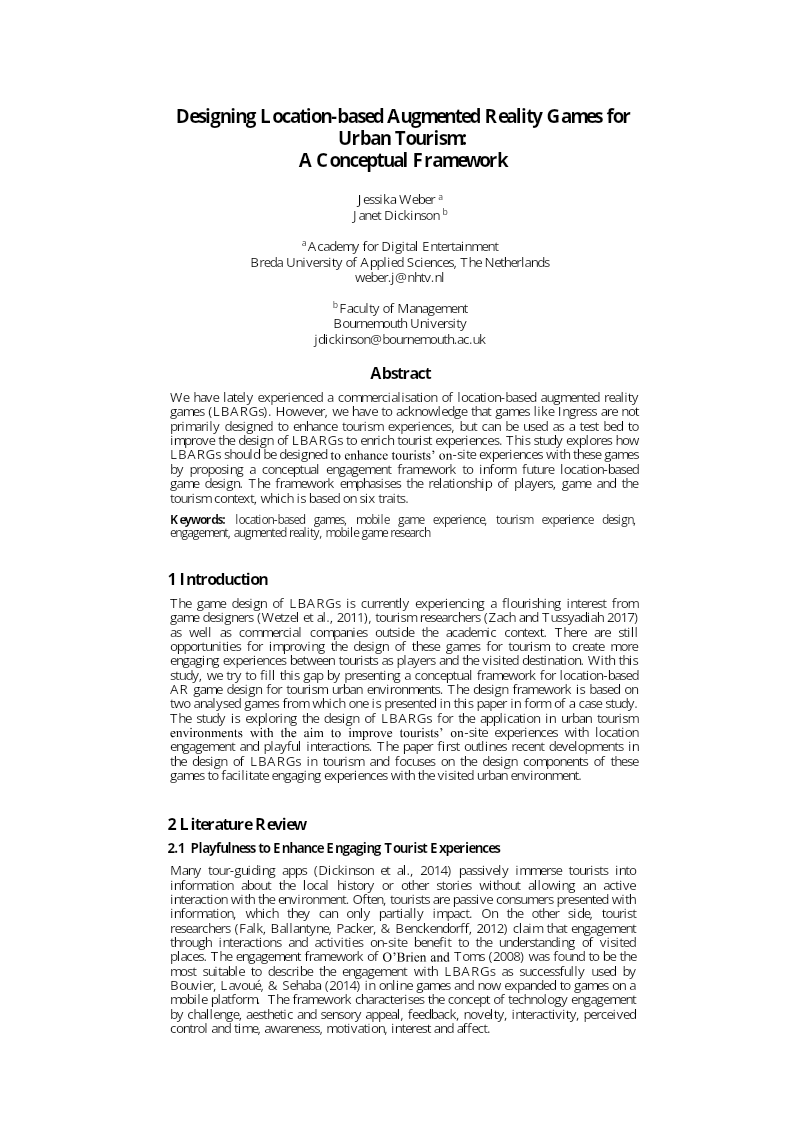
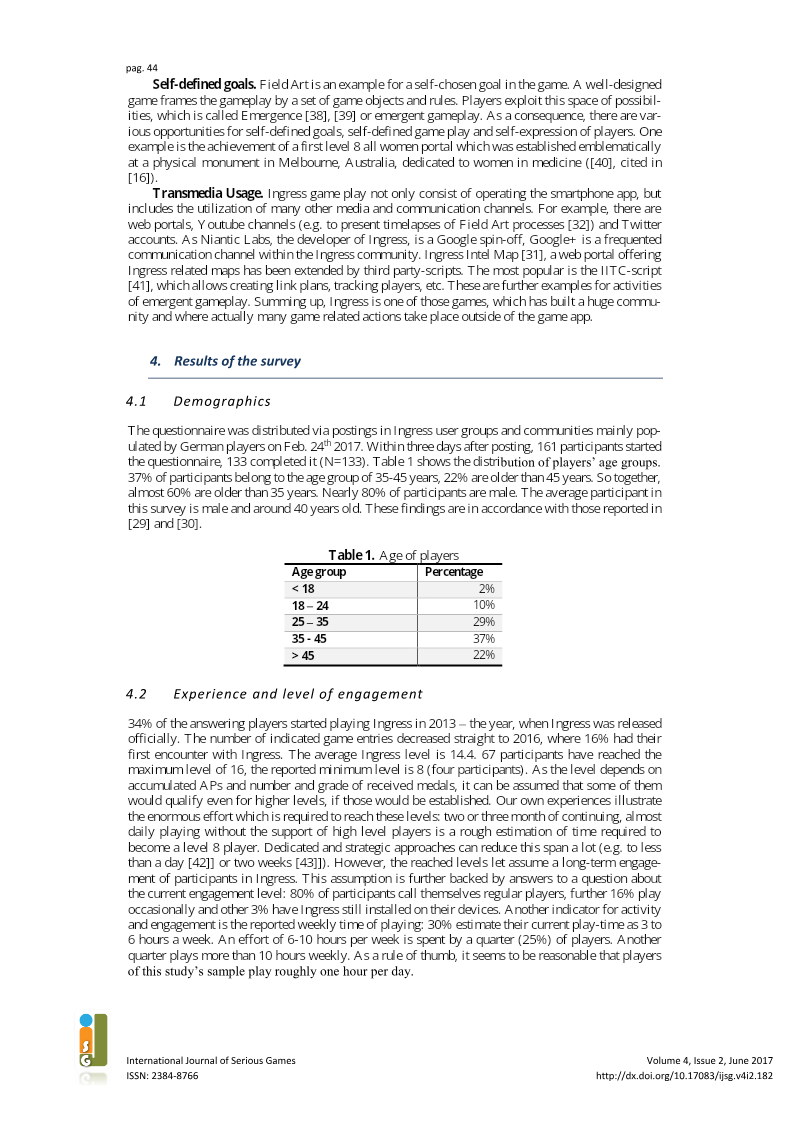
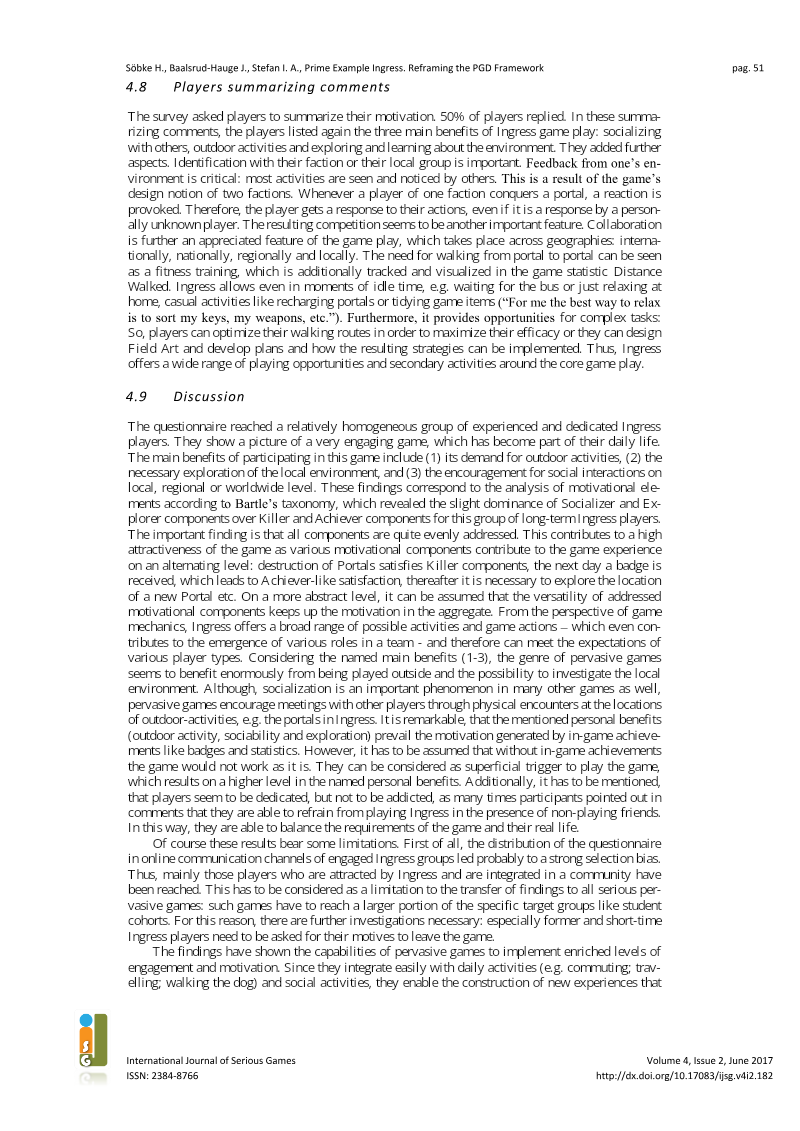
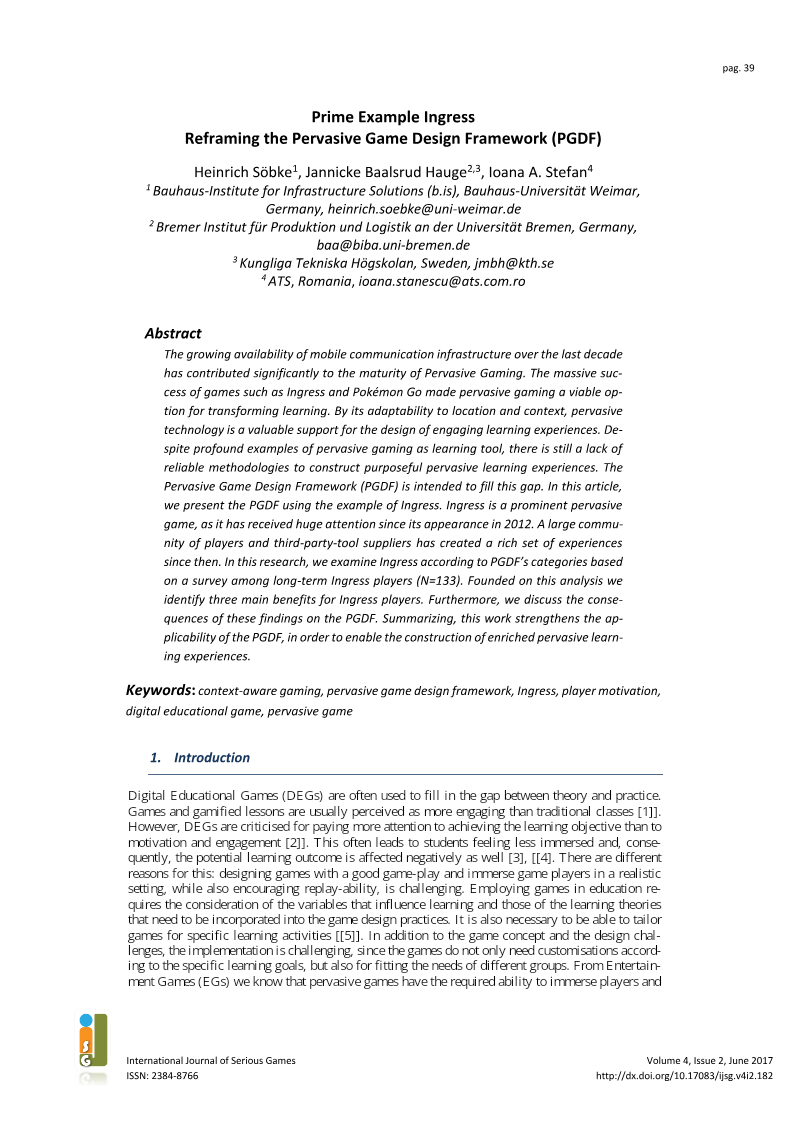
The research utilizes a qualitative case study methodology, incorporating observations from over five internet-based forums dedicated to the Pokémon franchise and interviews with active players. The scope focuses on the game’s performance during its initial release period in 2016, noting that it achieved 20 million daily active users in the United States alone shortly after launch. The study also references the significant economic impact of the title, which contributed to an 86% increase in Nintendo’s market value—approximately $19.5 billion—within its first week of availability.
Key findings emphasize that the game’s success is rooted in a simple, symmetrical interface that utilizes bright, distinctive color palettes to categorize team divisions and provide intuitive visual cues. This design strategy minimizes cognitive load, allowing players to focus on real-world exploration and social interaction. The integration of 3D elements and GPS technology further blurs the boundary between virtual and physical spaces, encouraging players to engage with their surroundings and other users. Ultimately, the analysis concludes that while design is not the sole driver of social value, it acts as an essential visual aid that lowers barriers to entry, fosters user immersion, and sustains the social networks that underpin the game’s long-term viability.
Each row is a game or company this document names, each column a document, oldest first. A mark means that document names it. Select a row to see those documents.
Bina Nusantara University · 2026
Bina Nusantara University · 2025
Bina Nusantara University · 2024
Bina Nusantara University · 2023
Bina Nusantara University · 2023
Bina Nusantara University · 2021
Bina Nusantara University · 2021
Bina Nusantara University · 2021
Bina Nusantara University · 2021
Bina Nusantara University · 2021
Bina Nusantara University · 2021
Journal of Games, Game Art, and Gamification · 2021
Journal of Games, Game Art, and Gamification · 2021