Global reports and market data
Documents
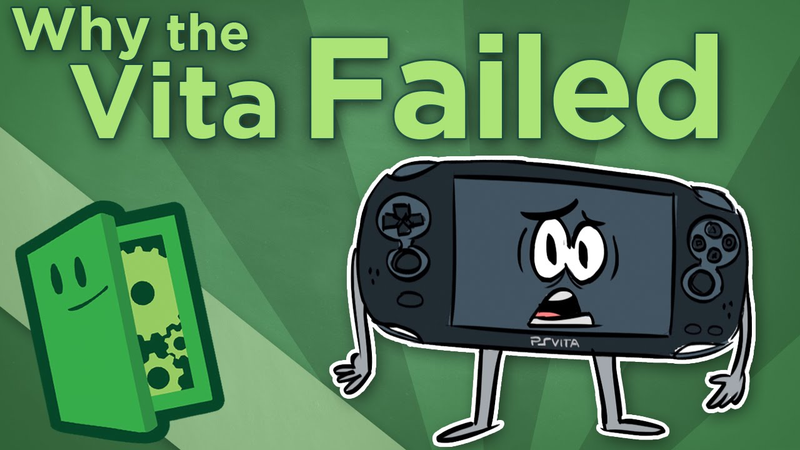
Why the Vita Failed - PlayStation's Lost Gamble - Extra Credits
The PlayStation Vita serves as a primary case study in the failure of overambition within the handheld gaming market.
- The PlayStation Vita failed to achieve market viability, selling only 4 million units compared to the 43 million units sold by its primary competitor, the Nintendo 3DS.
- The Vita’s core failure stemmed from prioritizing high-end, console-quality graphics, which necessitated development budgets that were unsustainable for the handheld market.
- High production costs created a significant barrier to entry, discouraging third-party developers from creating software and leading to a self-perpetuating cycle of low hardware adoption.

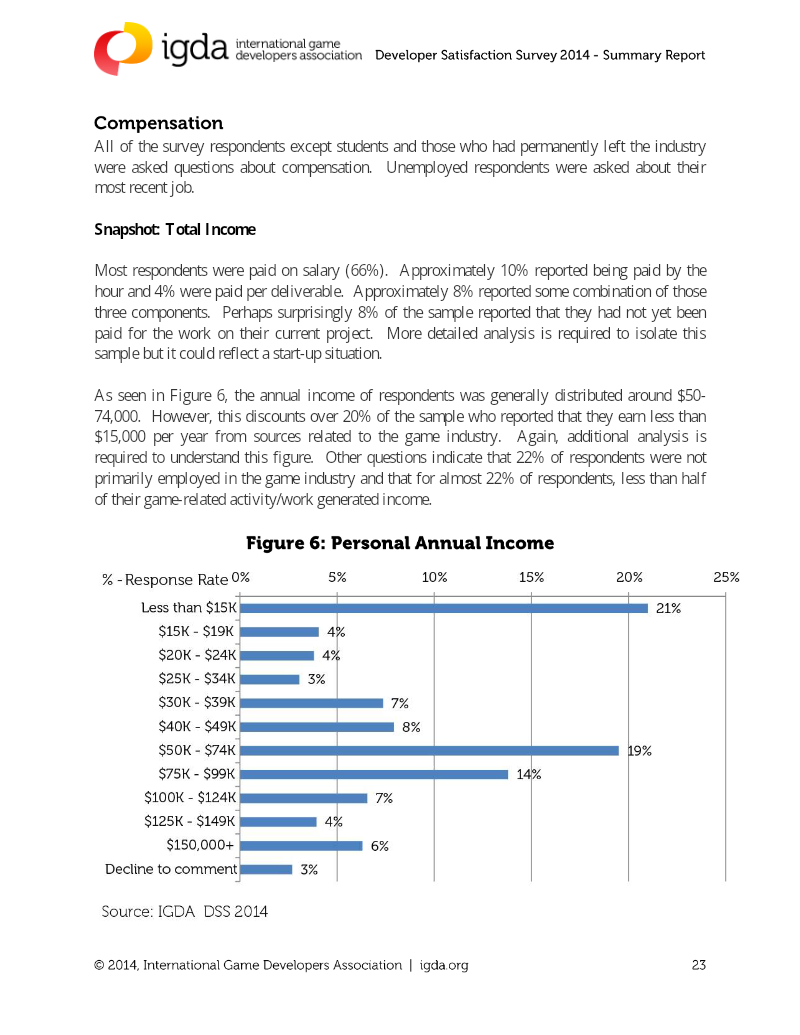

Developer Satisfaction Survey 2014: Summary Report
The 2014 Developer Satisfaction Survey, conducted by the IGDA and partners, provides a comprehensive overview of the global game development workforce, drawing on 2,202 responses collected between March and April 2014.
- One-quarter of the 2,202 surveyed developers report immediate fear regarding job security, fueling a widespread desire for professional representation and potential unionization.
- Nearly 50% of the workforce reports a lack of equal opportunity, citing persistent issues with gender discrimination, ageism, and a lack of formal disciplinary procedures.
- Female participation in the industry has nearly doubled since 2005, though cultural barriers to equity remain a significant challenge.


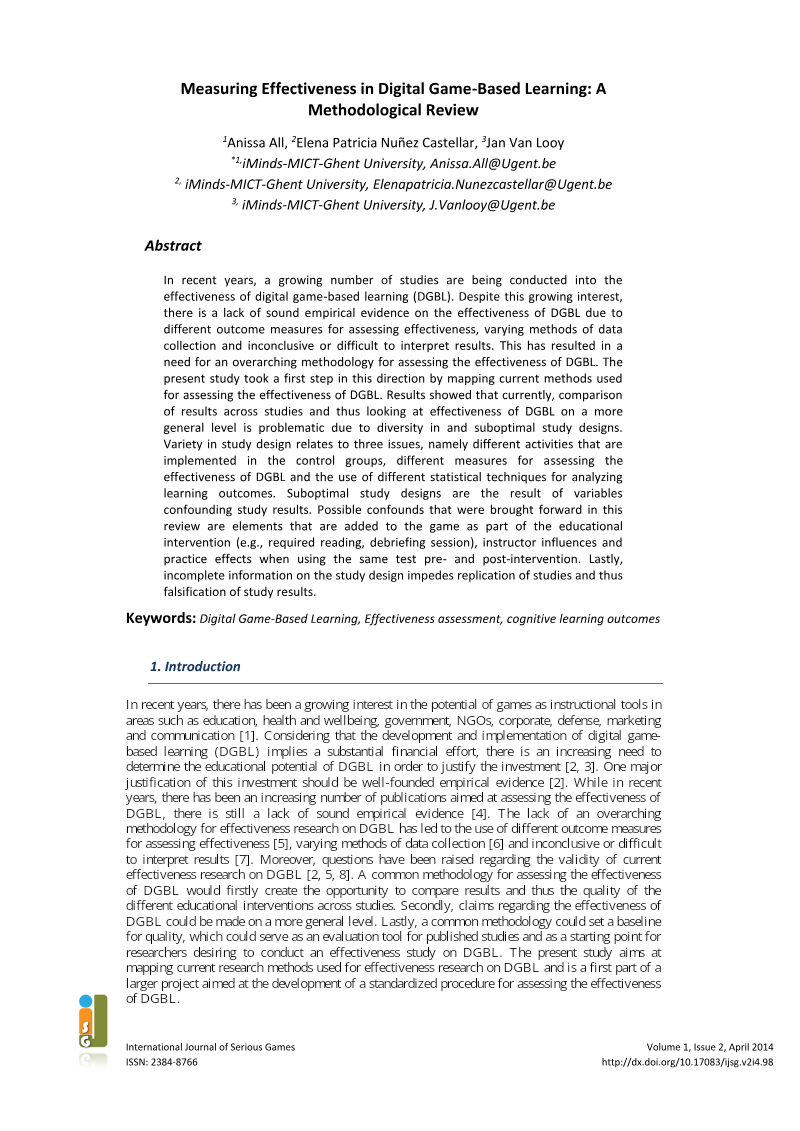
Measuring Effectiveness in Digital Game-Based Learning: A Methodological Review
Digital Game-Based Learning (DGBL) currently faces a significant crisis of empirical validation, characterized by a pervasive lack of methodological rigor that undermines its perceived educational value.
- Digital Game-Based Learning (DGBL) currently lacks empirical validation due to widespread methodological rigor issues, preventing the industry from justifying pedagogical and financial investments.
- A systematic review of 25 representative studies identified that small sample sizes and confounding variables, such as instructor influence, frequently obscure the actual impact of game-based interventions.
- The field suffers from a lack of standardized evaluation frameworks, leading to inconsistent study designs and the frequent omission of critical variables like participant assignment methods.

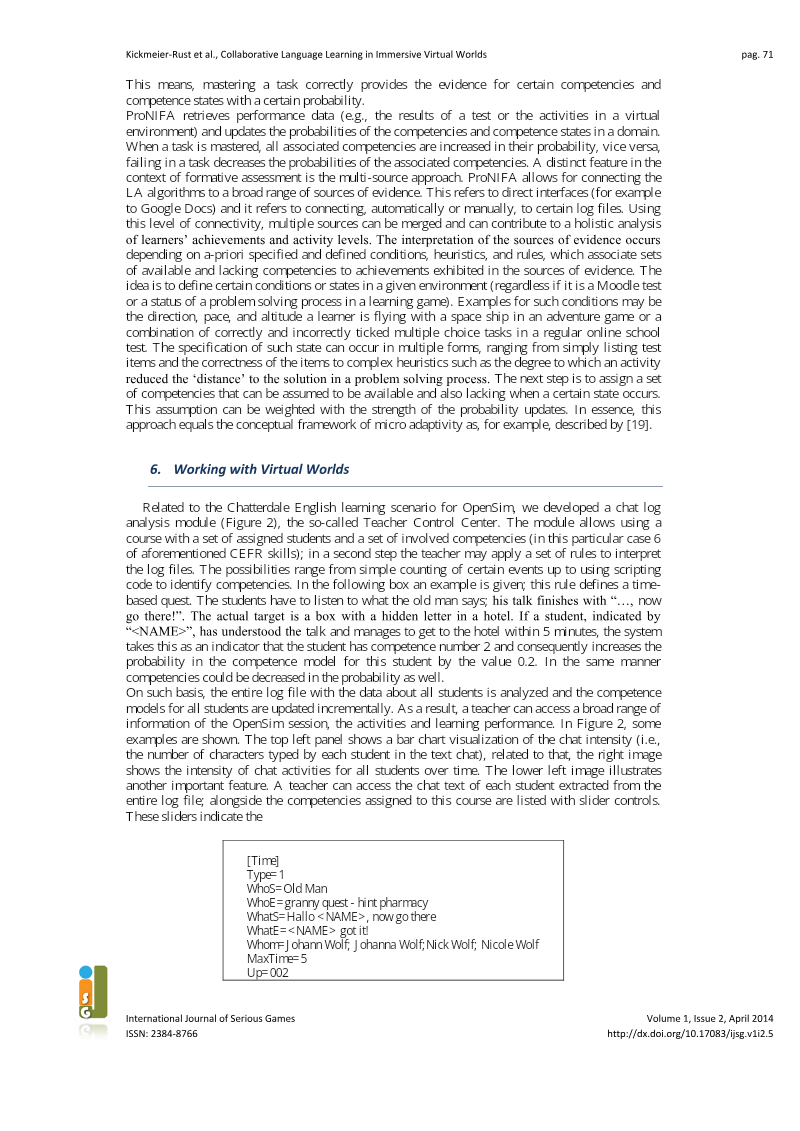
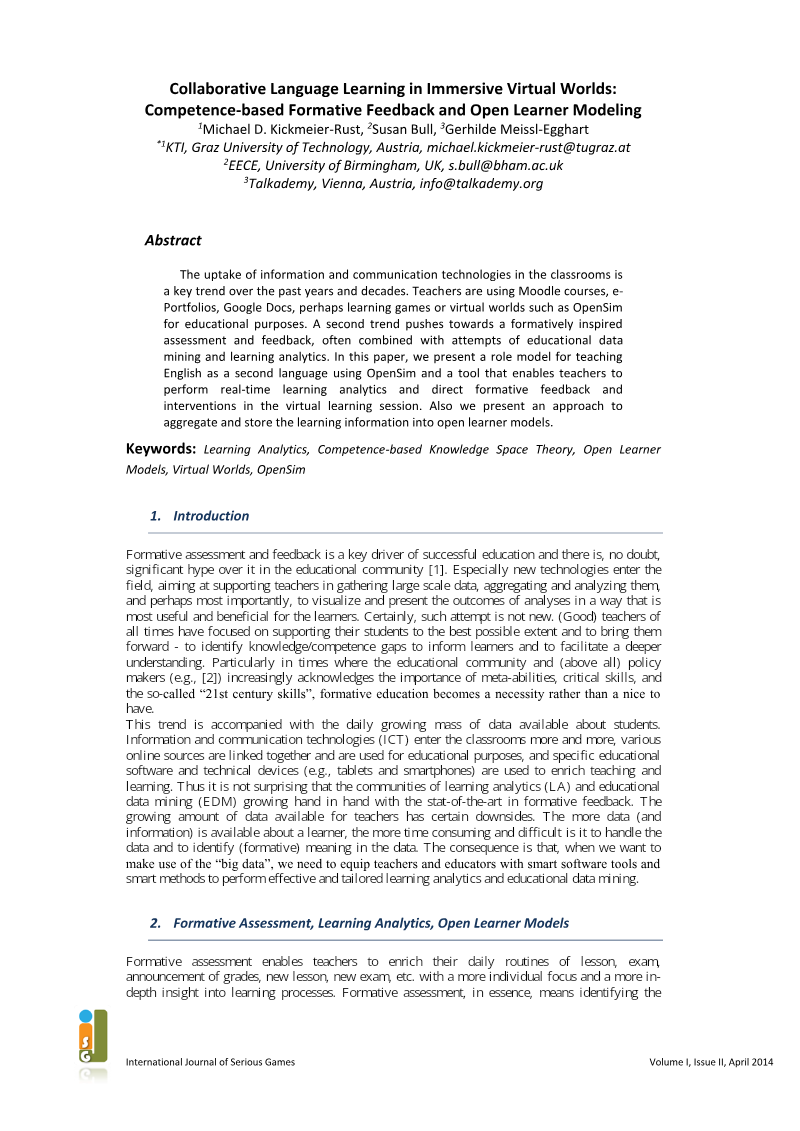
Collaborative Language Learning in Immersive Virtual Worlds: Competence-based Formative Feedback and Open Learner Modeling
The integration of immersive virtual worlds into educational settings presents a significant challenge for instructors attempting to monitor student progress and provide effective formative feedback.
- ProNIFA is a specialized learning analytics tool developed to bridge the gap between raw, unstructured activity data in virtual worlds and actionable pedagogical insights for instructors.
- The tool utilizes Competence-based Knowledge Space Theory to map observable behaviors—such as movement, communication, and task completion—to latent student competencies.
- By employing a rule-based engine, ProNIFA processes log files to incrementally update individual student competence models, enabling real-time progress visualization and intervention notifications.
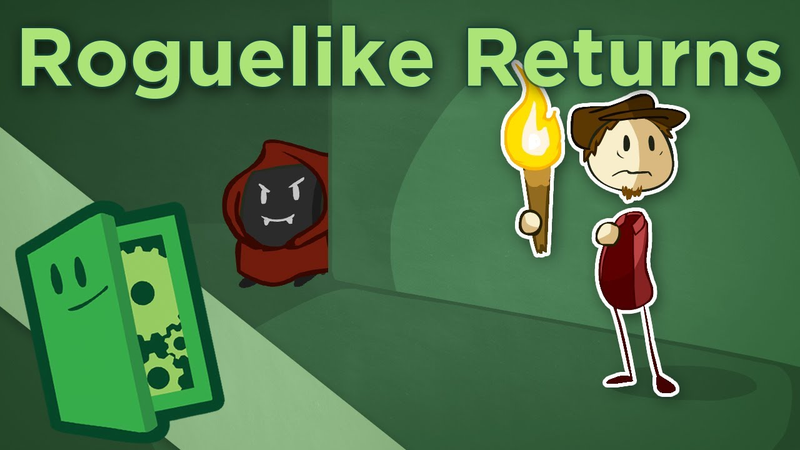
Roguelike Returns - How to Revive a Genre - Extra Credits
The roguelike genre has experienced a significant resurgence in recent years, transitioning from a niche, decades-old category into a mainstream success.
- Modern roguelike success is driven by a shift toward usability and accessibility, replacing traditional statistical complexity with familiar mechanics like platforming and JRPG-style combat.
- The genre's core appeal relies on randomized generation to force creative problem-solving and permanent death to ensure every decision carries significant weight.
- Commercial performance is directly correlated with the integration of user-friendly design, as titles that bridge the gap between depth and accessibility outperform impenetrable traditional entries.
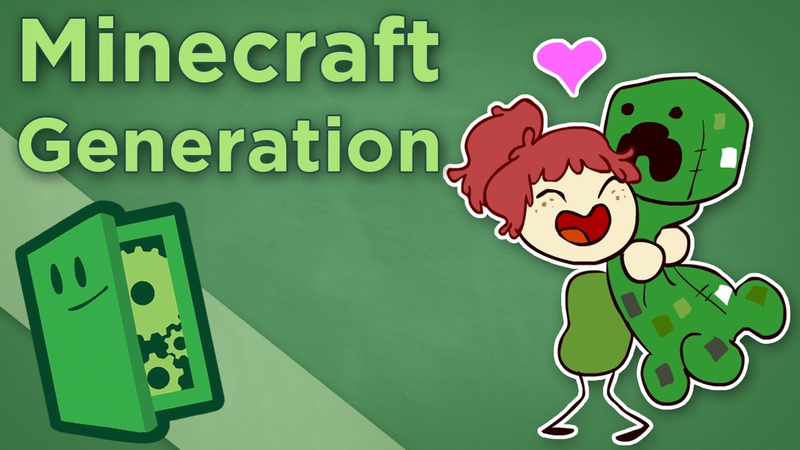
How Minecraft Changes the Future of Games - Minecraft Generation - Extra Credits
The long-term influence of Minecraft on the video game industry extends far beyond its immediate commercial success, representing a fundamental shift in the developmental experiences of a new generation of players.
- Minecraft is shifting the gaming industry away from reflex-based, instant-gratification design toward a paradigm centered on patience, construction, and creative labor.
- The maturation of the 'Minecraft generation' into the primary consumer base is expected to reshape industry standards over the next decade.
- Future AAA game development will likely move away from strictly action-focused mechanics to accommodate more methodical genres like deep simulations and tactical shooters.
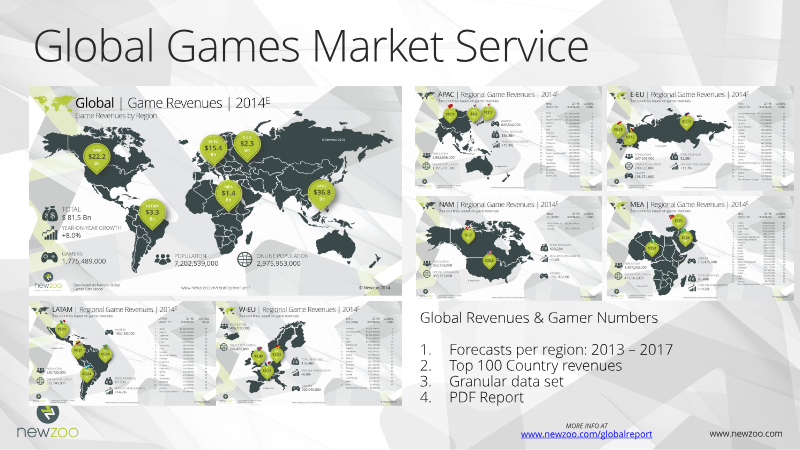


Newzoo Introduction: Matching Your Priorities With Our Services
Newzoo provides a suite of services designed to offer comprehensive market intelligence for the global games industry.
- The global games market was projected to reach $81.5 billion as of 2014.
- Analytical coverage tracks over 200 variables across 18 key countries to provide a comprehensive view of the gaming ecosystem.
- Specialized tracking services monitor the performance and player profiles of 100 global game franchises.

King's business performance director on creativity, analytics, and Henry Ford
The business performance director at King emphasizes the integration of data analytics and creative autonomy in the development of casual social games.
- King balances game development by keeping creative and narrative direction under the control of human teams while using data analytics to optimize engagement and retention.
- The company has launched over 180 games on its web platform over the last decade, using this high-volume testing environment to identify concepts with long-term viability.
- Data analytics are primarily used to refine execution, such as identifying specific levels where player attrition spikes to allow for adjustments to difficulty curves.

Why Games Do Cthulhu Wrong - The Problem with Horror Games - Extra Credits
The core conflict in adapting H.P. Lovecraft’s Cthulhu Mythos to video games lies in the fundamental incompatibility between the medium’s traditional empowerment fantasy and the existential horror of the source material.
- The fundamental conflict in Lovecraftian game design is the clash between the medium’s traditional empowerment fantasy and the source material's core theme of human insignificance.
- Treating cosmic entities like Cthulhu as defeatable bosses with health bars destroys the existential horror by making the threat mundane and manageable.
- Effective horror in this genre requires subverting player agency by ensuring that actions are ultimately inconsequential and survival is never guaranteed.

Education: Agency - How Games Empower Us - Extra Credits
Video games serve as a powerful educational tool by fostering a sense of agency, teaching students that their choices have immediate, tangible consequences.
- Video games function as an educational tool by providing immediate feedback loops that demonstrate the direct connection between personal choices and tangible consequences.
- Games help students move beyond present-focused thinking by encouraging the formulation of long-term strategies and goal-setting behaviors.
- The interactive nature of games combats fatalism in marginalized or low-income students by proving that personal agency can alter outcomes and influence one's future.

Education: 21st Century Skills - How Games Prepare You for Life - Extra Credits
Modern educational systems face a persistent challenge in teaching 21st-century skills—specifically critical thinking, communication, collaboration, and creativity—which are essential for future economic success but difficult to impart through traditional rote learning.
- The primary barrier to educational gaming is the lack of conscious transference, where players fail to connect in-game actions and skill-building to real-world applications.
- Teachers must act as the essential bridge between gameplay and curriculum, helping students explicitly relate interactive experiences to external, real-world problems.
- Games inherently foster 21st-century skills—critical thinking, communication, collaboration, and creativity—that traditional rote learning systems struggle to impart.

FunPlus CEO Andy Zhong on taking a global approach
FunPlus operates as a Beijing-based developer and publisher that prioritizes a global market strategy over domestic expansion.
- FunPlus prioritizes a global-first strategy, currently serving 6 million daily active users with significant market penetration in Europe and the Middle East.
- The company integrates international talent into its 250-person Beijing headquarters, with 40 percent of the workforce recruited from Europe and the United States to bridge cultural gaps.
- FunPlus has achieved notable success in France, where 50 percent of the population has engaged with its titles and 10 percent have installed at least one game.
Writers
Games and companies
Games