Global reports and market data
Documents
In Defence of a Magic Circle: The Social, Mental and Cultural Boundaries of Play
The magic circle serves as a vital, albeit frequently misunderstood, framework for understanding the intersection of play and reality.
- The 'magic circle' is a useful metaphor for the boundary between play and non-play, but it must be analytically separated into three distinct components: the participant's psychological mindset, the socially negotiated contract of play, and the formal, pre-existing rules of the game arena.
- The 'strong-boundary hypothesis'—the idea that play is a closed, enchanted system—is often inaccurate for digital gaming, where players frequently engage in mundane, non-magical play that is deeply integrated with everyday activities like watching television.
- Play is not inherently separate from the real world; it is a social construct maintained by a 'man-made agreement' where participants collectively decide that objects and actions within the play space hold specific, transformed meanings.

A Practical Guide to Using Digital Games as an Experiment Stimulus
Digital games serve as highly effective experimental stimuli due to their capacity for high ecological validity, deep participant engagement, and the ability to simulate complex, real-world environments.
- Digital games serve as effective experimental stimuli because their engaging nature encourages participants to act naturally, though researchers must balance this ecological validity with the need for strict experimental control.
- Using commercial games offers high engagement and professional polish, but custom-developed games provide superior control over variables, albeit at the risk of experimenter bias and lower production quality.
- Participant skill level significantly impacts game content and experience; researchers should recruit experienced players or use games with built-in difficulty adjustments to ensure consistent conditions across the study group.
Player Types: A Meta-synthesis
Modern game industry research is shifting away from traditional demographic segmentation toward sophisticated psychographic and behavioral models.
- Game industry segmentation is increasingly vital for monetizing virtual goods and applying gamification, moving beyond traditional retail models to target specific player needs.
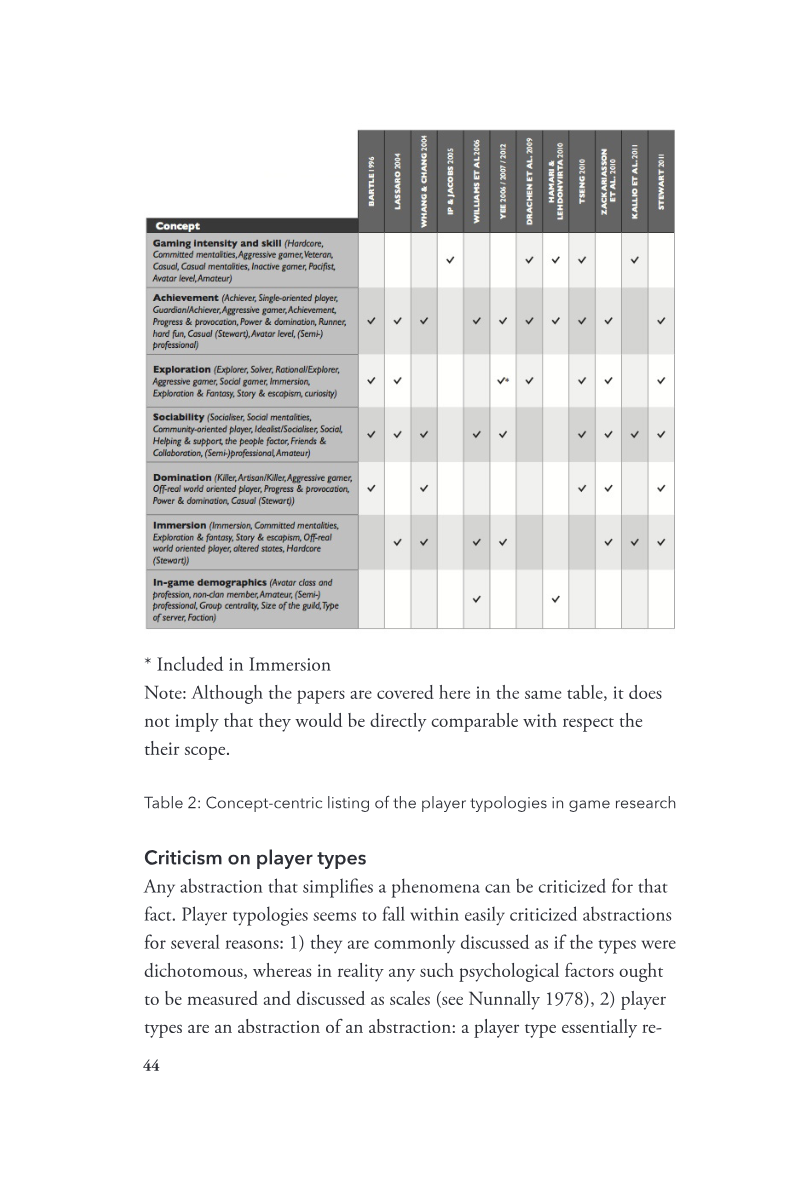
- Current research synthesizes player motivations into five core dimensions: Achievement, Exploration, Sociability, Domination, and Immersion.
- The 'hardcore vs. casual' dichotomy is a common but overly simplistic classification; player behavior is more accurately represented as a continuum influenced by context, time availability, and social environment.
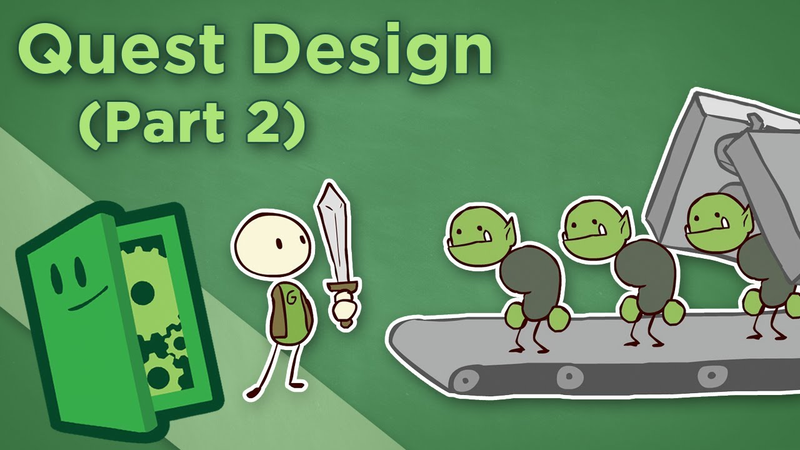
Quest Design - II: How to Create Interesting MMO and RPG Quests - Extra Credits
Effective quest design in MMO and RPG titles requires moving beyond repetitive combat-focused grinds to foster player curiosity and deeper immersion.
- Shift quest design away from repetitive combat grinds by utilizing environmental storytelling, puzzles, and non-combat challenges to foster deeper player immersion.
- Replace traditional hub-based quest delivery with environmental triggers—such as notes, corpses, or damaged objects—to encourage organic exploration and a more holistic game flow.
- Limit the number of active quests players can hold simultaneously to prevent cognitive overload and maintain focus on current narrative objectives.

Samsung's multi-screen games explained at MWC 2014
Samsung’s multi-screen gaming initiative, showcased at Mobile World Congress 2014, centers on the integration of smartphones as primary input devices for smart TV gaming.
- Samsung’s multi-screen gaming initiative, debuted at MWC 2014, enables smartphones to function as motion-sensing controllers for smart TVs by utilizing tilting and swiping inputs.
- The system relies on a proprietary middleware framework, referred to as BT, which manages data flow and device synchronization between mobile handsets and televisions.
- Games are developed using HTML5 to ensure cross-platform compatibility and minimize latency during gameplay.

Samsung GamePad and multi-screen gaming demonstration at MWC 2014
Samsung Electronics is expanding its footprint in the mobile gaming ecosystem through the development of a multi-screen gaming platform and the introduction of the S Console game controller.
- Samsung is developing a multi-screen gaming platform that uses Smart TVs as the primary display and up to four mobile devices as controllers connected via Wi-Fi.
- The S Console is a Bluetooth-enabled hardware controller featuring dual directional pads, an analog stick, and shoulder buttons designed to bridge mobile and console-style gaming.
- Users can transition mobile gameplay to a television screen by pairing the S Console with a smartphone, a multimedia dock, and an HDMI connection.
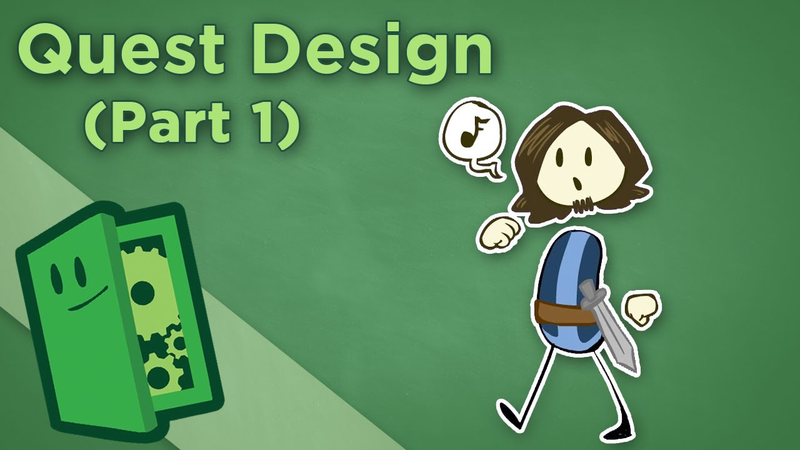
Quest Design - I: Why Many MMOs Rely on Repetitive Grind Quests - Extra Credits
Modern massively multiplayer online (MMO) games frequently rely on a repetitive cycle of five core quest types: kill, fetch, FedEx, collect, and escort.
- Modern MMO quest design relies on a repetitive cycle of five core tasks—kill, fetch, FedEx, collect, and escort—which function primarily as navigational tools rather than engaging experiences.
- The current industry standard, popularized by World of Warcraft, prioritizes efficiency and standardized UI markers over the discovery-based exploration found in earlier titles like EverQuest.
- By treating quests as mechanical conduits for leveling and rewards, developers often reduce the player journey to a repetitive treadmill that lacks intrinsic enjoyment.

Growing with Our Heroes - Why Childhood Favorites Get Dark Reboots - Extra Credits
The prevalence of dark, gritty reboots in modern media and gaming stems from a fundamental human desire to maintain a connection with the cultural touchstones of childhood while reconciling them with the complexities of adult life.
- Dark reboots of childhood properties are primarily driven by creators reaching professional influence who seek to reconcile their nostalgic attachments with their current adult identities.
- The industry follows a 10-to-20-year generational cycle, which represents the time required for a cohort to gain the creative control necessary to reshape the intellectual properties they consumed in their youth.
- Creators often use dark, gritty themes as a mechanism to validate their continued engagement with franchises that might otherwise be perceived as childish.

Fail Faster - A Mantra for Creative Thinkers - Extra Credits
The core philosophy of successful game design centers on the mantra of failing faster.
- The core of successful game design is 'failing faster,' which prioritizes rapid iteration and course correction over the pursuit of a flawless initial concept.
- Teams should avoid excessive time spent debating high-level concepts, as even successful games often begin as simple or absurd premises that only reach greatness through refinement.
- Designers must move beyond abstract planning by creating prototypes, paper mockups, or simple concepts as early as possible to test the viability of an idea.

Well Played: A Journal on Video Games, Value and Meaning (Vol. 3, No. 1)
Video games function as complex sites of meaning-making, where mechanical design, narrative structure, and social dynamics converge to shape player experience.
- Game design functions as an intentional tool for guiding player perception, using mechanics and interfaces to prompt critical thinking about morality, history, and cognitive habits.
- The transition from physical media to server-based digital assets has shifted the value of virtual goods from inherent worth to social capital derived from network strength and design-imposed scarcity.
- Successful game design, such as the deckbuilding systems in Ascension, relies on integrating complex mechanical rules with accessible interfaces to facilitate deep strategic engagement.
Serious Games for Education and Training
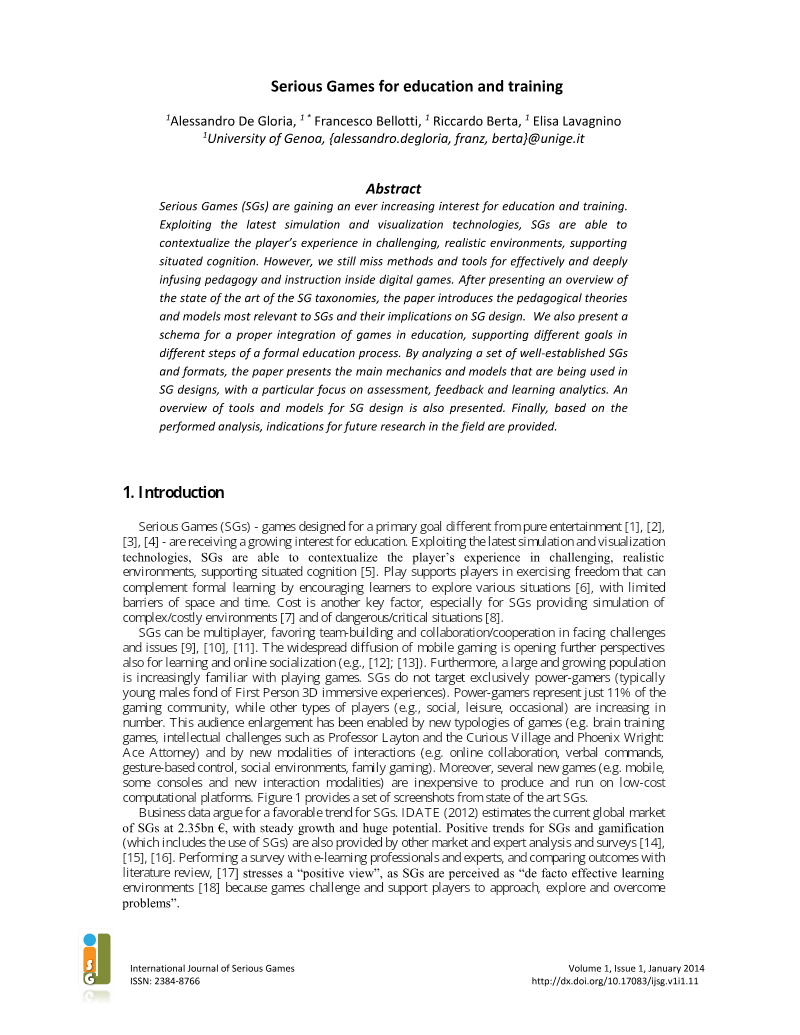
Serious games function as powerful educational instruments that utilize simulation and visualization to promote situated cognition across global education and professional training sectors.
- The serious games market is currently valued at €2.35 billion, reflecting its established role in bridging the gap between theoretical knowledge and practical application.
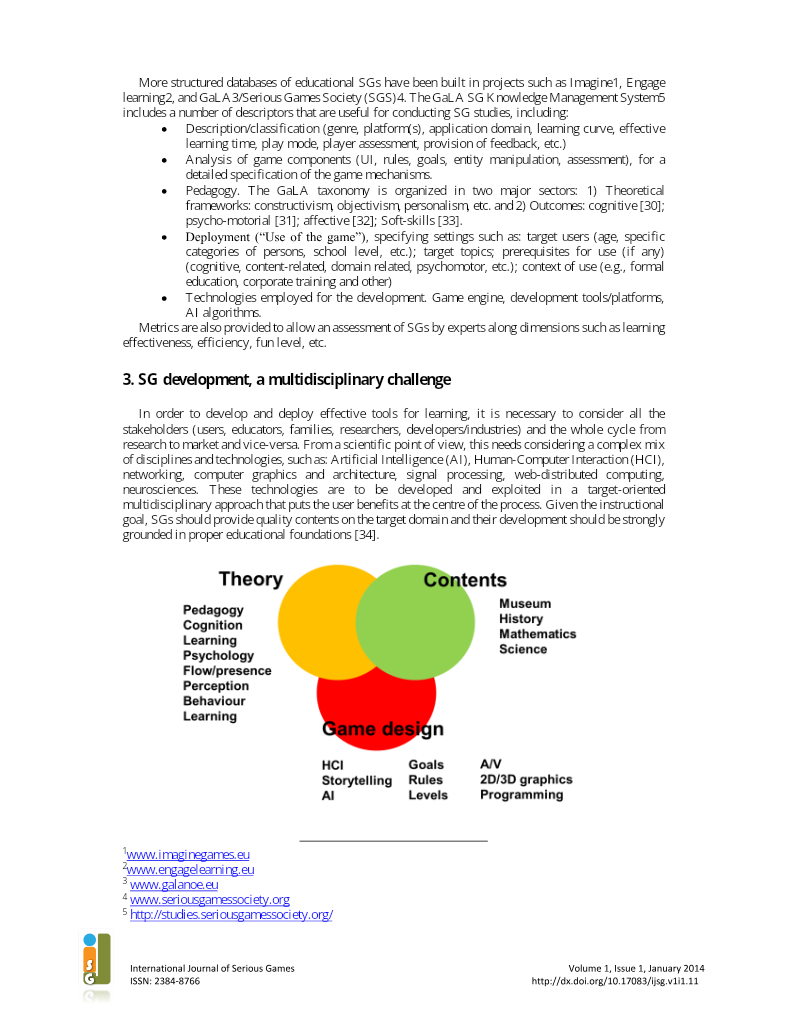
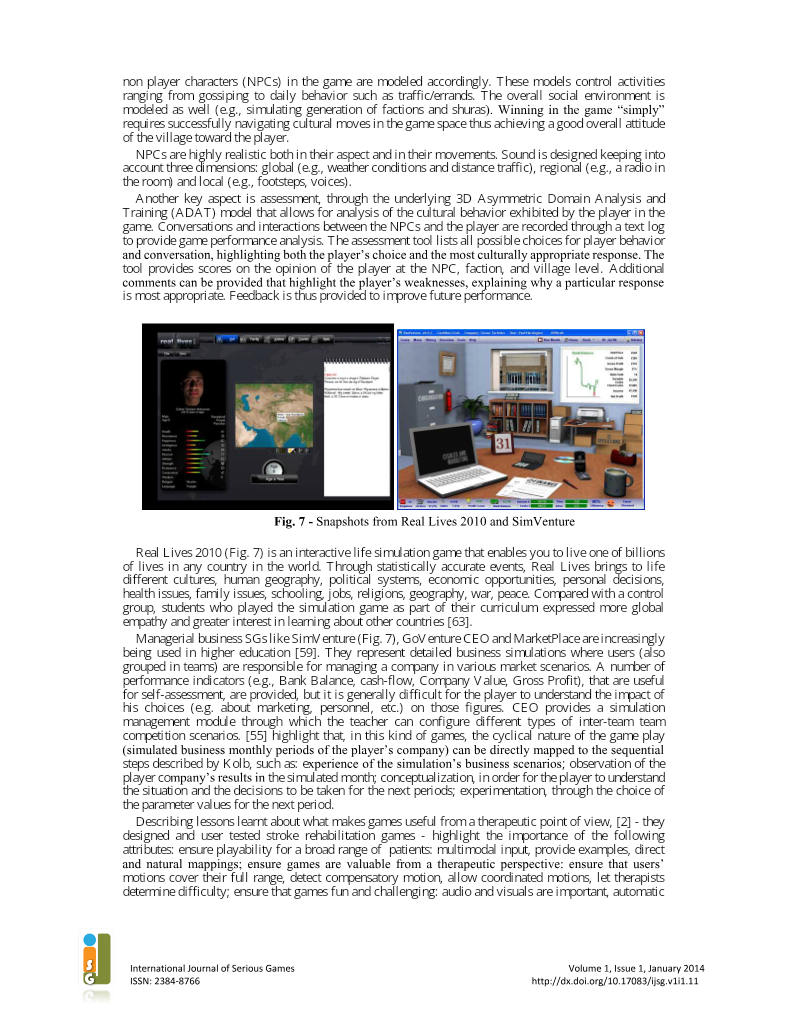
- Effective serious game design requires integrating established pedagogical theories, such as constructivism, the Revised Bloom Taxonomy, and Kolb’s Experiential Learning model, directly into software architecture.
- Developers are shifting toward adaptive mechanics that respond to individual learner profiles in real time to maintain the 'flow' state necessary for sustained engagement.

Business Models for Serious Games Developers: Transition from a Product Centric to a Service Centric Approach
Serious games developers, primarily small and medium-sized enterprises, face significant sustainability challenges stemming from a reliance on high-cost, one-of-a-kind product models.
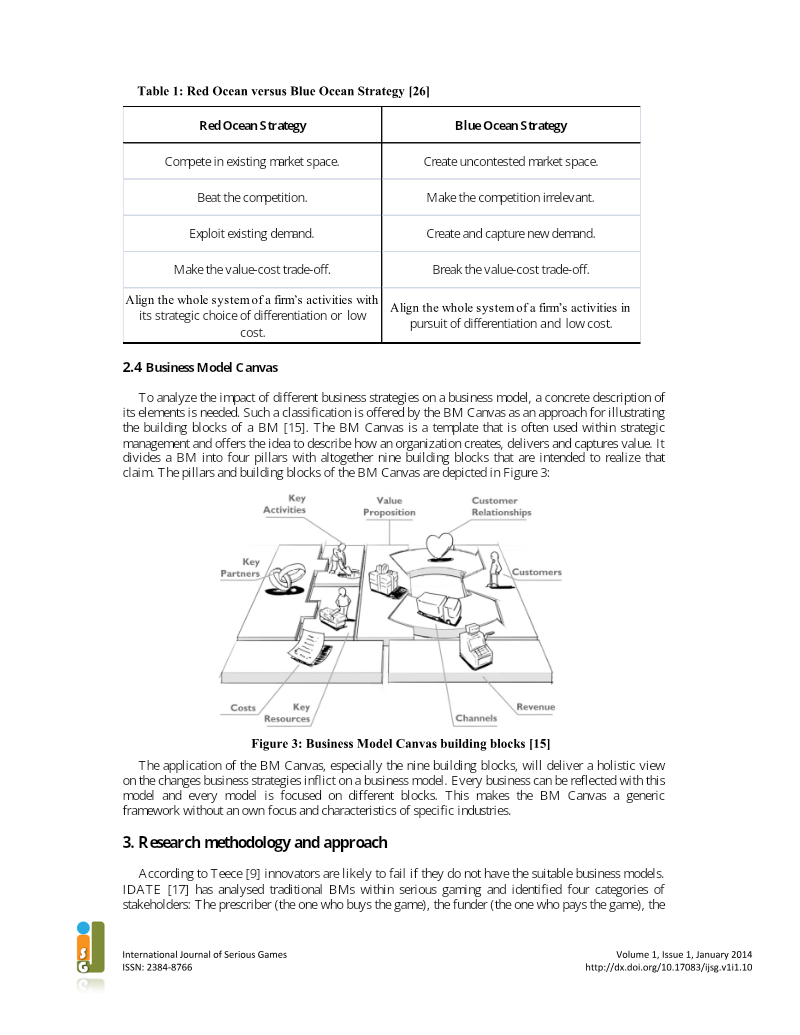
- Serious games developers must transition from one-off, product-centric models to service-centric, extended product models to overcome the sustainability challenges of high development costs and limited reusability.
- Integrating data analytics into game offerings is essential for providing empirical evidence of efficacy and ROI, which is a prerequisite for securing continued funding in the health and corporate sectors.
- Developers should treat games as dynamic, interoperable platforms rather than static assets to improve scalability and reach beyond niche market constraints.
Writers
Games and companies
Games