France 29%
Source: Tower Defense Games 2020 Industry Snapshotwe’re looking at an industry average across 2020 for the top 5% of best performing games.
Source: Deconstructing the Superstars: The Metrics Behind Hyper-Casual Games 2020 Industry Snapshot140k+ All-time integrated games
Source: Deconstructing the Superstars: The Metrics Behind Hyper-Casual Games 2020 Industry SnapshotMore than a third of players surveyed said they talk to online friends about problems they would not discuss with offline friends.
Source: Essential Facts About the U.S. Video Game Industry: Power of Play 2023CANADA 1,013
Source: Essential Facts About the U.S. Video Game Industry: Power of Play 2023For the first time, national trade associations (NTAs) serving the video game industry around the world issued a survey to look at the behaviors and interests of nearly 13,000 players (ages 16 and older) across 12 countries: Australia, Brazil, Canada, France, Germany, Italy, Japan, Poland, South Korea, Spain, the United Kingdom and the United States.
Source: Essential Facts About the U.S. Video Game Industry: Power of Play 2023The global player survey shows that more than half of players play games with other people online and more than a third play with other people in person.
Source: Essential Facts About the U.S. Video Game Industry: Power of Play 2023The image displays a bar graph with the title "Retention D1"

or null if not a key, "label": "reward 0/4", "value": ...} or null if not a value, "label": "reward 0/4", "value": ...} or null if not a value, "label": "reward 0/4", "value": ...} or null if not a value, "label": "reward 0/4", "value": ...} or null if not a value, "label": "reward 0/4", "value": ...} or null if not a value, "label": "reward 0/4", "value": ...} or null if not a value, "label": "reward 0/4", "value": ...} or null if not a value, "label": "reward 0/4", "value": ...} or null if not a value, "label": "reward 0/4", "value": ...} or null if not a value, "label": "reward 0/4", "value": ...} or null if not a value, "label": "reward 0/4", "value": ...} or null if not a value, "label": "reward 0/4", "value": ...} or null if not a value, "label": "reward 0/4", "value": ...} or null if not a value, "label": "reward 0/4", "value": ...} or null if not a value, "label": "reward 0/4", "value": ...} or null if not a value, "label": "reward 0/4", "value": ...} or null if not a value, "label": "reward 0/4", "value": ...} or null if not a value, "label": "reward 0/4", "value": ...} or null if not a value, "label": "reward 0/4", "value": ...} or null if not a value, "label": "reward 0/4", "value": ...} or null if not a value, "label": "reward 0/4", "value": ...} or null if not a value, "label": "reward 0/4", "value": ...} or null if not a value, "label": "reward 0/4", "value": ...} or null if not a value, "label": "reward 0/4", "value": ...} or null if not a value, "label": "reward 0/4", "value": ...} or null if not a value, "label": "reward 0/4", "value": ...} or null if not a value, "label": "reward 0/4", "value": ...} or null if not a value, "label": "reward 0/4", "value": ...} or null if not a value, "label": "reward 0/4", "value": ...} or null if not a value, "label": "reward 0/4", "value": ...} or null if not a value, "label": "reward 0/4", "value": ...} or null if not a value, "label": "reward 0/4", "value": ...} or null if not a value, "label": "reward 0/4", "va

The image displays a mobile phone with an app open, showing a game. The game is called "WILD LIFE" and the player has completed 375 out of a total of 1,000. The game is set to win and has a gold coin counter that shows the player has 8,680 coins. The game is set to "Out of Milk", "Hay Day", and "Golden Eggs". There are 5 different animals in the game, each with a unique name. The player has collected 4 of these animals and is currently in the "Giddyup" stage. The game has a cartoon style, with bright colors and simple shapes.

The figure illustrates a rodent model used to study the effects of food deprivation on the gut microbiota and immune response in mice. The setup includes a small, enclosed space with various components labeled to provide context for the experimental conditions. 1. **Food Dispenser**: Positioned on the left side of the enclosure, this component is connected to a food source, likely a bowl or container filled with food pellets. The dispenser ensures that the mice receive a consistent amount of food, which is crucial for maintaining their health and behavior. 2. **To Shock Generator**: This device is connected to the food dispenser via a blue tube. When activated, it generates an electrical shock, which is used to induce stress or anxiety in the mice. This stressor is essential for studying the impact of food deprivation on the gut microbiota and immune response. 3. **Electric Grid**: Located at the bottom of the enclosure, this grid is likely used to measure electrical activity or other physiological parameters. It provides a controlled environment for monitoring the mice's behavior and responses. 4. **Speaker**: Positioned at the top of the enclosure, this speaker is probably used to produce sound or other auditory stimuli. The sound waves generated by the speaker can be detected and analyzed in relation to the mice's behavior. 5. **Signal Lights**: These lights are likely used to illuminate the enclosure and provide visual cues for the mice. They help in monitoring their behavior, especially during the experiment. 6. **Levers**: There are two levers in the enclosure, one near the food dispenser and another near the shock generator. These levers might be used to control certain aspects of the experiment, such as the timing or intensity of the shocks. 7. **Levers**: Another set of levers is located near the electric grid, possibly used to adjust or measure electrical parameters. The overall setup suggests a controlled environment designed to study the effects

The figure illustrates a user interface from the "Minecraft: Story Mode" game, specifically focusing on the "Pick One" feature. The interface is designed to help players make decisions in a game setting, where they can choose between different items or actions. Here's a detailed description of the figure: 1. **Central Icon**: At the center of the interface is a red icon with a white outline, which appears to be a character or item from the game. This central icon is surrounded by a circular arrangement of various items. 2. **Items Around the Central Icon**: - **Top Left**: A green book with a red bookmark. - **Top Center**: A yellow book with a red bookmark. - **Top Right**: A green book with a red bookmark. - **Middle Left**: A yellow book with a red bookmark. - **Middle Center**: A green book with a red bookmark. - **Middle Right**: A yellow book with a red bookmark. - **Bottom Left**: A green book with a red bookmark. - **Bottom Center**: A yellow book with a red bookmark. - **Bottom Right**: A green book with a red bookmark. 3. **Icons and Numbers**: - Each item has an associated number next to it, indicating the quantity or value of that item. For example: - The green book with a red bookmark has the number "50" next to it. - The yellow book with a red bookmark has the number "35M" next to it. - The green book with a red bookmark has the number "30" next to it. - The yellow book with a red bookmark has the number "35M" next to it. - The green book with a red bookmark has the number "30" next to it. - The yellow book with a red bookmark has the number "35M" next to it. - The green book with a red bookmark has the number "30" next to it. - The yellow book with a red bookmark has the number "35M" next to it. - The green book with a red bookmark has the number "30" next to it. - The yellow book with a red bookmark has the number "35M" next to it. 4. **Background and Layout**: - T

The image displays a slot machine with the title "MEGA Wheel of Fortune." The wheel is divided into 12 equal sections, each with a different number. The numbers range from 1 to 12 and are arranged in a circular pattern around the wheel. Each number is accompanied by a corresponding prize amount, which is displayed in red text next to the number. The prizes range from 0.00 to 1.99 million dollars, with some numbers having a multiplier of 1000 (e.g., 1.99M). The wheel is set against a colorful background with stars and sparkles, giving it a vibrant and eye-catching appearance. The overall design of the slot machine is bright and engaging, designed to attract players with its large, bold text and eye-catching colors.
In 2025, roughly 14.2 million Italians—about a third of the population aged six to seventy‑five—engage in video gaming, with a pronounced male bias and a concentration of players under 35. The industry’s total revenue remains steady at €2.4 billion, of which game sales account for 77 percent (€1.8 bn). Gaming time has risen to nearly eight hours per week, driven primarily by smart‑device play (22 percent reach, €929 m revenue) and console gaming (13 percent reach, €643 m). App‑based games now represent more than half of the market, dominated by freemium monetisation; only one percent of app revenue comes from upfront purchases. Revenue distribution varies by platform. Smart‑device earnings are almost entirely from in‑app purchases (ARPU €84), while console sales lean heavily on digital downloads—65 percent of new game revenue comes from full‑game downloads (€502 m) and 21 percent from DLC (ARPU €99). PC revenue is largely driven by DLC (43 percent) and full‑game downloads (98 percent of console sales). Subscription services are pivotal: console ecosystem subscriptions contribute 59 percent of total gaming‑subscription revenue (€153 m), with mobile and single‑game franchises accounting for 6 percent and 35 percent respectively. Player demographics reveal that smart devices attract a younger, male‑skewed audience (31 percent of 6–17‑year-olds), whereas console and PC gaming remain niche but heavily male‑skewed, concentrated among teens. Casual and sports titles dominate sales across all platforms, with subscription services such as PlayStation Plus and Xbox Game Pass driving a significant share of paid play. Engagement patterns show males spending the most hours on consoles (average seven hours per week), while PC gaming remains steady across age groups. Approximately one‑quarter of players follow gaming news on YouTube or vlogs, and 20 percent rely on social media or family discussions for information. The data derive from a nationally representative online survey of 3,000 respondents, weighted against an offline omnibus sample and calibrated to industry sales figures.
The study demonstrates that Europe’s esports audience reached 92 million viewers by the end of 2020, up 7.4 % from 2019, with 33 million classified as “Esports Enthusiasts” and the remaining 59 million as occasional viewers. Revenue projections for the global market hit €973.9 million in 2020 and are expected to rise to €1.6 billion by 2023, with European figures mirroring this upward trend. The research surveyed 10 175 participants aged 18‑45 across ten Western and Northern European countries, using invitation‑only questionnaires administered over one month (29 May–28 June 2020). Respondents were nationally representative of esports viewers in each country. Key findings reveal that engagement is highest among 21‑25‑year‑olds, with Finland showing the strongest enthusiast proportion (52 % of 18‑20‑year‑olds) versus only 21 % in the UK. COVID‑19 lockdowns increased viewership in markets with stricter restrictions, such as France and Spain, where 62 % of respondents expected continued higher viewership post‑lockdown. Women constitute 32 % of the audience, largely as occasional viewers; however, 60 % of respondents believe female participation is growing. Female spenders are slightly lower than male counterparts (46 % vs 38 %) but show a higher propensity for physical merchandise, whereas men favor digital items like skins and premium passes. The report also highlights cross‑sport fandom: 64 % of viewers own a favorite sports team, with football and tennis being the most common. Rocket League enjoys significant popularity, especially in the UK (34 % of enthusiasts). Overall, 58 % of enthusiasts spend on esports products, with Spain leading at 62 %. These insights underscore a rapidly expanding, monetizable European esports ecosystem that offers substantial opportunities for brands across both traditional and digital channels.
Gaming is projected to reach 3.5 billion players and generate over US$225 billion in revenue by 2025, establishing the medium as a mass‑scale platform with extensive brand opportunities. Dentsu’s data‑fusion approach merges a 420,000‑respondent consumer panel with GWI gaming insights across 21 markets to create high‑fidelity gamer portraits that link lifestyle, media habits and in‑game behaviors. This methodology enables brands to segment audiences by motivation rather than device or genre, a strategy shown to produce the most authentic and attention‑driven brand experiences. Key demographic insights reveal that 57 % of gamers are female, with gaming serving as a tool for identity reinvention and social bonding. Shooters dominate play preferences (63 %), while sports and puzzle/strategy titles attract 16 %. Device usage is nearly evenly split among console, handheld, and a growing smartphone/tablet share. Community engagement is strong: 40 % of U.S. gamers play to belong, and 63 % rely on friends for game information, with platforms such as Discord, Reddit, and Twitch amplifying fandoms. Commercially, 71 % of gamers consume gaming content across multiple devices and 55 % of esports fans welcome sponsorships, underscoring high engagement. Brands that add genuine value—through exclusive rewards, immersive metaverse experiences, or AR scavenger hunts—achieve near‑perfect ad completion rates (96 %) and significant click‑throughs. Successful activations require clear brand rules, diversity inclusion, strategic partnerships with publishers or esports teams, and a focus on authentic integration rather than intrusive advertising. The analysis spans 22 global markets, including Australia, Brazil, Canada, China and the United States, offering a comprehensive framework for brands to identify entry points and growth opportunities within the evolving gaming ecosystem.
The report establishes that Roblox’s player base is sharply divided between casual users who spend only a few minutes per session and core players who log in multiple times daily, often exceeding 30‑minute sessions. Across 2023‑2025, titles that sustain longer playtimes achieve double‑digit retention rates and significantly higher monetization; the top 5 % of games generate over $20 per day from a single player. In contrast, games with median sessions under six minutes exhibit negligible Day‑1 retention (≈6 %) and ARPPU below $1, indicating that brief curiosity rarely translates into repeat play or meaningful spend. Cross‑device usage remains high, with nearly 40 % of players alternating between PC and mobile. Daily session frequency has risen by roughly one third among the most active users, while median session length has fallen from 36 to 26 minutes. These dynamics underscore the importance of seamless PC‑mobile experiences and micro‑sessions that incorporate strong re‑entry hooks to capture the growing multi‑session behavior. Platform discovery mechanisms reward repeat spending and long‑term engagement. Games that maintain 7‑day spend per user climb recommendation rankings, while low‑engagement titles (0–3 min) suffer from poor retention (<5 % Day 1, <2 % Day 7) and modest ARPPU (<$1). Conversely, higher‑engagement games achieve Day‑30 retention above 1 % at the upper percentiles and ARPPU exceeding $6, with average transaction values reaching $3–$4. These findings demonstrate that sustained engagement directly fuels higher per‑payer revenue and larger purchase sizes. The overarching thesis is that success on Roblox follows a systematic progression rather than chance. Developers must align their game’s current stage with benchmark metrics, prioritizing clear early hooks, repeat‑play incentives, and engagement‑driven spend such as quests, streaks, or battle passes. Leveraging analytics tools like GameAnalytics to track custom events and player behavior enables studios to refine strategies, move from fragile prototypes toward million‑player hits, and capitalize on the platform’s reward structure for long‑term growth.
The survey, covering September 2024 to September 2025, examines India’s interactive media landscape across video, audio, social, gaming and emerging AI‑driven content. It finds that 46 % of consumers are women, with two‑thirds residing outside metro areas and 80 % using more than 1 GB of mobile data daily. Video consumption averages six hours weekly, driven by exclusivity and celebrity presence; OTT platforms dominate paid content, yet microdramas and anime are gaining wallet share. Audio listeners favor podcasts over music, with 60 % willing to pay for audio apps, especially during commuting and chores. Social media usage averages 10 hours weekly, skewing male and non‑metro, with participative platforms (astrology, dating) rising. Gaming remains mobile‑first but 30 % use PCs and 22 % consoles; casual and midcore titles command the most time (8 hours/week) and spend, with UPI accounting for 90 % of in‑app purchases. Monetization patterns show a preference for monthly subscriptions over annual plans, and a shift away from RMG/fantasy genres. Across price points, games capture 70 % of wallet share above INR 1,000, while video and social command 30 % each at INR 200‑500. AI adoption is higher in metros, with over half of users open to AI content but skeptical about AI companions. The study draws on a mixed‑method survey of 3,000+ respondents nationwide, integrating usage logs and payment data to map consumption, willingness to pay, and emerging trend trajectories.
Gaming in Africa 2024 reveals a market that is overwhelmingly mobile‑centric, with 92 % of respondents playing on phones and 81 % using smartphones. Android dominates, accounting for 92 % of downloads from Google Play, while iOS remains a minority. The region’s gamers are highly engaged: 78 % played in the previous day and a third spend three or more hours per session. Puzzle games lead at 40 %, followed by sports and football at 36 %; female players show a particular affinity for puzzles, twice the rate of male gamers. Motivations cluster around entertainment (73 %) and relaxation (64 %), with social interaction and competition also significant drivers. The market is poised for rapid expansion, fueled by a youthful population and high smartphone penetration. In Kenya, mobile‑first economics and widespread mobile money usage create a fertile environment for in‑game purchases. Across the four surveyed countries, 63 % of players have made microtransactions, using credit cards, mobile money, Google Pay or airtime; Kenya’s mobile‑money share exceeds 60 %. Spending patterns show that roughly one‑third of gamers spend $5–10 per month, while 26 % spend less than $2. Barriers include a preference for free titles (47 %) and limited disposable income (44 %). Demand for culturally relevant content is strong, yet 56 % of respondents report no awareness of African‑made games. Support for locally produced titles remains uneven. In Nigeria and South Africa, only 42 %–46 % of respondents care about a game’s origin, with enjoyment as the primary purchase driver for approximately 70 %. Interest in black protagonists is moderate at 38 % overall, dropping to 28 % in Egypt and 33 % in South Africa. These findings underscore a mobile‑driven, youth‑led market with growing appetite for local content but still constrained by payment preferences and awareness gaps.
The study examines how mobile gaming spending patterns differ between Eastern and Western markets, focusing on frequency of purchases, average spend per transaction, and motivational drivers. Findings reveal that Eastern gamers purchase in‑app items more often than Western players; 35 % of East spend frequently versus 36 % in the West, with a higher proportion of occasional and rare spenders in the West. When it comes to transaction size, Eastern users tend to pay more per purchase: 76 % spend over $10 compared with only 42 % of Western users, while a smaller share of East spend under $5 (30 %) versus 8 % in the West. Motivational analysis shows that Western gamers prioritize value and bundles, whereas Eastern players are more attracted to exclusivity, limited‑time items, new offers, and character acquisition. The research covers key markets in Asia—Korea and Japan—and Western regions including the United States, United Kingdom, and broader Europe. Data were collected through a survey of mobile gamers across these regions, with sample sizes sufficient to compare spending behaviors and motivations. The report concludes that monetization strategies should be tailored regionally: value‑based bundles may resonate better in the West, while exclusive content and limited editions could drive higher spend in Eastern markets.
The study demonstrates that generative AI‑driven non‑player characters can deliver deeply engaging, emotionally resonant gameplay. In a 122‑hour experiment with 68 participants, the “Dead Meat” demo achieved high immersion scores—97 % UES reward and 94 % focused attention—while keeping mental demand low (NASA‑TLX scores of 64.7 for demand and 52.7 for performance). Qualitative interviews consistently cited the NPCs’ human‑like dialogue and narrative depth as key contributors to player enjoyment. Quantitative data confirm widespread satisfaction: 96 % of players rated overall enjoyment as high, and 90 % praised the creative freedom afforded by the open‑ended design. Subscale analysis of the GUESS instrument revealed that 60 % achieved a top score for Creative Freedom, 65 % for Personal Gratification, and 80 % for Play Engrossment. Thematic coding identified freedom of expression, challenge‑driven motivation, and immersive conversation as primary drivers of satisfaction, indicating that the game successfully balances agency with sufficient guidance. Player behavior analysis uncovered seven distinct strategic approaches—such as “Good Cop/Bad Cop” interrogation, “Rule Bender End Justifies the Means,” and “Smart Arse” manipulation—often combined within a single session. Participants responded equally to voiced and text‑based NPCs, and the 20‑minute session length encouraged replayability through role‑playing different characters. Although the brief duration limited long‑term insight, emergent strategies were viewed as a feature rather than a flaw. Future research will explore how authorial adjustments influence player responses across demographic groups, reinforcing the potential of AI NPCs to enrich narrative gameplay on a broad scale.
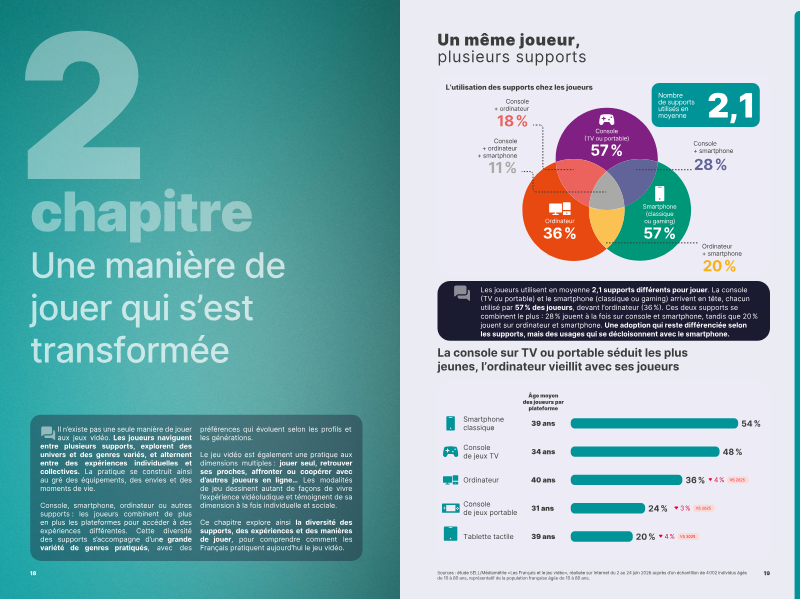
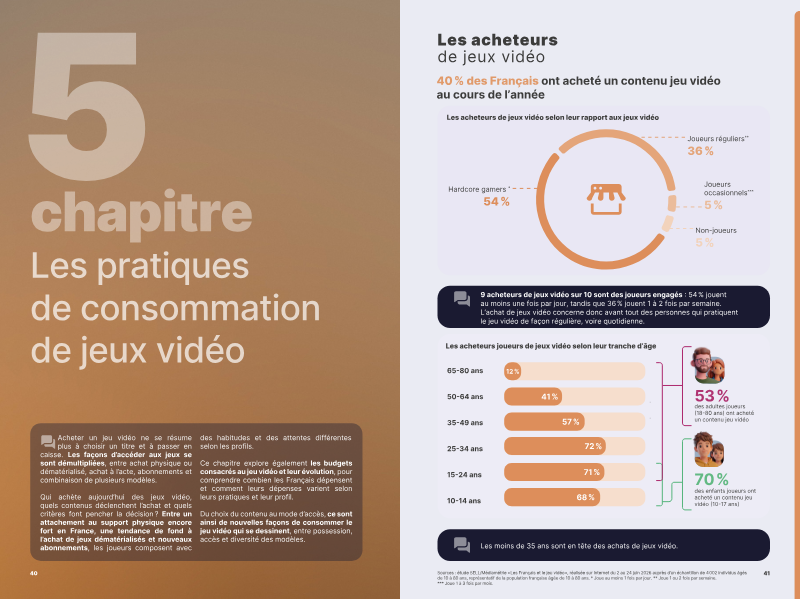
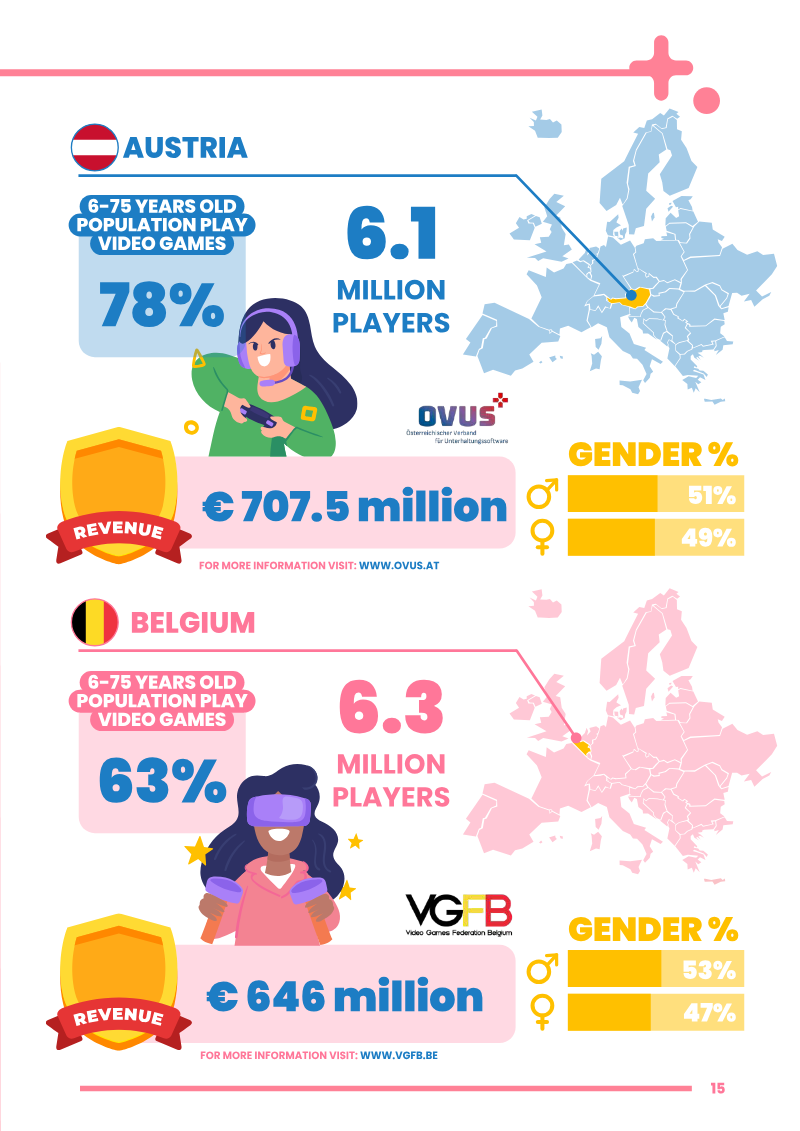
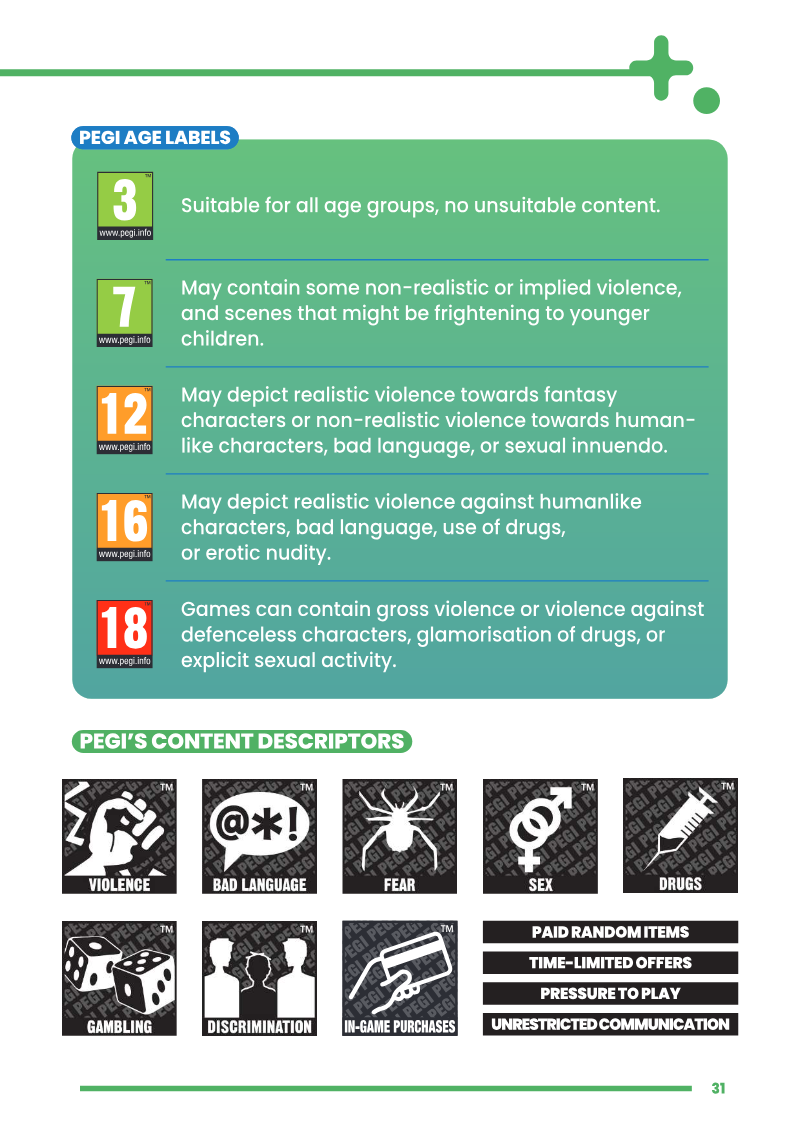
The French video game market demonstrated significant resilience in 2025, generating €5.856 billion in total revenue, a 2.9% increase over the previous year. This performance marks the second-highest in the industry’s history, solidifying its position as a cornerstone of the national cultural economy. Growth was primarily fueled by a rebound in console hardware sales and a record-breaking 11% surge in the mobile sector, which reached €1.792 billion. The market maintains a balanced ecosystem, with consoles commanding a 44% share, followed by mobile at 31% and PC gaming at 26%. Software remains the primary revenue driver, accounting for over two-thirds of the total market. While physical game sales faced a double-digit decline, this was effectively mitigated by the expansion of digital content, including microtransactions and downloadable content. Electronic Arts emerged as the leading publisher across console and PC platforms, while the mobile landscape remains almost entirely dominated by free-to-play models, which now represent 94% of mobile revenue. The industry’s reach expanded to 40.2 million players, characterized by a maturing demographic where adults comprise 88% of the base. High engagement levels persist, with 76% of players gaming on a weekly basis and a growing trend toward cross-platform usage. Alongside this growth, there is a heightened emphasis on responsible gaming. Parental involvement has reached new heights, with 67% of parents actively monitoring gaming habits through PEGI classifications and standardized parental control tools. This commitment to safety, supported by organizations like the SELL and events such as Paris Games Week, ensures that the industry continues to thrive as a mature, socially responsible, and culturally significant sector within France.
The evolution of gaming from localized, offline experiences to global, interconnected online environments necessitates a modern approach to parental guidance and family communication. The primary purpose of this guide is to bridge the generational gap between parents and children by providing a framework for establishing mutually agreed-upon rules for safe and responsible gaming. It emphasizes that while the technology and accessibility of games have shifted from television-bound consoles to ubiquitous mobile and cross-platform devices, the fundamental need for trust and clear boundaries remains constant. The analysis highlights significant shifts in the gaming landscape, noting that modern play is no longer restricted by age, geography, or hardware limitations. Because online environments allow for real-time interaction with diverse global participants, the risks and social dynamics have become more complex. To address this, the guide advocates for a collaborative rule-setting process that prioritizes the child’s developmental stage and specific gaming context. Effective agreements should be flexible, evolving alongside the child’s maturity, and should be rooted in open dialogue rather than rigid, top-down restrictions that may fail to account for the realities of online events or social gaming commitments. Furthermore, the guide underscores the importance of digital literacy for parents, encouraging them to familiarize themselves with common gaming terminology and technical concepts such as in-app purchases, server stability, and online etiquette. By understanding these elements, parents can provide more informed advice regarding security, privacy, and behavior. Ultimately, the document concludes that gaming rules should function as a shared commitment to safety and mutual respect, ensuring that the gaming experience remains a positive and secure activity for children as they navigate increasingly sophisticated digital worlds.
The Italian gaming landscape is characterized by a strong emphasis on the psychological and social benefits of interactive entertainment. Based on a survey of 1,012 Italian gamers, which forms part of a broader 12-country study involving 12,847 active weekly players, the research highlights that gaming serves as a vital tool for stress relief, cognitive stimulation, and social connection. A significant majority of respondents report that gaming alleviates stress and anxiety, fosters creativity, and enhances problem-solving skills, with 69% of participants noting that the medium stimulates the mind and improves teamwork capabilities. Social interaction remains a cornerstone of the Italian gaming experience. While solitary play is common on a daily basis, approximately half of the respondents prefer engaging with others through online platforms on a weekly basis. This social dimension is particularly prevalent among male gamers, who show a higher propensity for online multiplayer interaction. Furthermore, the data indicates that gaming acts as a bridge for building new relationships, with many users reporting that they have formed lasting friendships or met significant partners through in-game experiences. The demographic reach of gaming in Italy is broad, though usage patterns vary by age and gender. Engagement is most concentrated within the 19-34 age bracket, and there is a notable adoption of in-game communication tools, particularly among male players. Ultimately, the findings suggest that gaming is perceived not merely as a pastime, but as a constructive activity that supports mental well-being, facilitates personal development, and provides a reliable framework for community building in an increasingly digital society.
Video games serve as a significant mechanism for mental resilience and emotional regulation among the Italian population. A survey of 1,021 respondents aged 16 and older reveals that a substantial majority of Italian players utilize gaming to mitigate negative psychological states. Specifically, 71% of participants report that gaming helps reduce stress, while 60% use it to manage anxiety and 49% rely on it to combat feelings of isolation. These figures demonstrate that gaming functions as a vital outlet for navigating everyday challenges and difficult life transitions, with 50% of respondents explicitly noting that the medium helps them endure personal hardships. The demographic profile of the Italian gaming community is broad, with the largest segment of players falling into the 45-54 age bracket at 21%, followed closely by those aged 65 and older at 24%. Mobile devices remain the primary platform for 59% of users, significantly outpacing consoles and computers. Social connectivity is a core component of the experience, as 62% of players engage in online multiplayer sessions at least monthly. Beyond emotional support, gaming is perceived as a tool for cognitive development, with 71% of players reporting improvements in cognitive function, 70% in creativity, and 67% in problem-solving skills. The impact of gaming extends into familial and professional spheres, fostering positive interpersonal dynamics and skill acquisition. Approximately 39% of parents in Italy report that shared gaming experiences have strengthened their relationships with their children. While the influence on career paths remains lower in Italy at 28% compared to the global average of 43%, the medium continues to provide a unique space for pursuing hobbies and educational interests. Puzzle, action, and skill-based games represent the most popular genres, underscoring a preference for interactive experiences that challenge the mind while providing a structured environment for relaxation.