1 free read left. Create a free account for unlimited reading + AI research.
Create free account
How Minecraft Changes the Future of Games - Minecraft Generation - Extra Credits
Key insights
6 takeaways- 01Future AAA game development will likely move away from strictly action-focused mechanics to accommodate more methodical genres like deep simulations and tactical shooters.
- 02As current players enter the workforce as developers, they will integrate crafting, building, and resource-management systems into traditional genres like RPGs and shooters.
- 03The long-term impact of this shift will be a hybridization of game design, where non-linear and constructive gameplay mechanics become standard in mass-market titles.
- 04This cultural shift in gaming habits will diversify the future landscape of the medium by normalizing higher player investment and complex system-based play.
- 05Minecraft is shifting the gaming industry away from reflex-based, instant-gratification design toward a paradigm centered on patience, construction, and creative labor.
- 06The maturation of the 'Minecraft generation' into the primary consumer base is expected to reshape industry standards over the next decade.
Ask AI about this video
Transcript
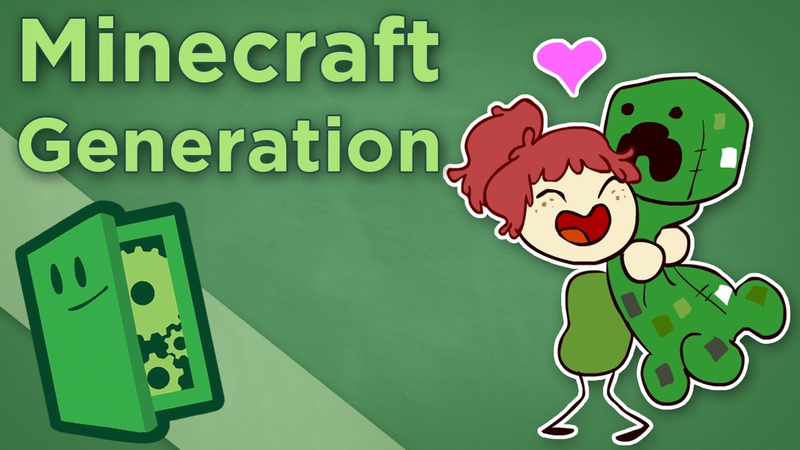
Up until this point, we've refrained from talking about Minecraft because we felt that we didn't have that much to add to the conversation. There is a lot to dig into about Minecraft, but so much has been said about the game by so many insightful people. That said, there is one thing that hasn't been touched on much. What effect is this game going to have 10 years down the line? Once in a rare while, a single game comes along that affects the entire game industry, and Minecraft is definitely one of those phenomena. It's such a behemoth in the game space. Of course, it's going to make waves. Usually though, when a game becomes a mega hit like this, its influence is seen largely in the number of people trying to clone the game to make a quick buck. In extreme cases, these mega hits can lead the whole game industry to focus their efforts around the genre they popularized. We saw it happen with first-person shooters. It happened with MMOs. It's currently happening with MOBAs. But, I think Minecraft is a fundamentally different situation. And, I think that because Minecraft has gained massive popularity with a particular group that almost none of these other mega hits do. And, that group is young children. That is important because Minecraft is radically
different than the types of games most of us grew up playing. You see, for most of us, we grew up with action games, reflex-based games. Kids of the Nintendo era grew up with platformers. And so, when they reached their teenage years and became the principal target market for the AAA industry, many of them looked for high action play. Later, some of these kids inevitably also joined the industry and brought with them the experience and the knowledge that all those years of play had given them, as well as the biases and ingrained ways of thinking. This led to an industry increasingly focused around action play, about adrenaline games. And so, we've moved from platformers to first-person shooters, generation to generation. NES kids grew up to give us things like Halo for the next generation to grow up on. And in fact, for almost the entire history of the medium, most of the games that are hits with a younger audience that people would start picking up by the time they were 7 or 8 have had the same core engagement, reflex challenges, adrenaline, and mastery. But now, all of a sudden, that's changed. All of a sudden, we have hundreds of thousands of young people being introduced to gaming with a low-fidelity game about building. The ripples from that are going to be enormous. Think about the patience that Minecraft takes to start. You can't
really just button mash. You can't just slam on the controls and watch things explode. This is a wholly different expectation than most of the games for youth have had in the past. In fact, an entire generation are for perhaps the first time being trained not to expect instant gratification from their games. Imagine what that does to design, especially mass market design 10 years down the road. Imagine if we could expect a little more patience from the player before they hop into the action. Imagine if we could count on the player being willing to do a little more work before the game really opens up. This creates an incredible breadth of new play opportunities. It doesn't mean we'll have to fundamentally change the genres of games we produce, but it lets us do more with them. Games like the old Thief or MechWarrior or games in the vein of Rainbow Six become much more viable for the first person shooters designers working at AAA companies if we can expect players to come into games with a willingness and maybe even an expectation to have to put in a little bit of work up front to really get the most out of their games. But it also potentially changes what genres we build. Look at the AAA space today. It's filled with games that are an evolution on what that audience played when they were a little bit younger. Games which can bring the existing audience from one
title to the next because they're already familiar with it, already comfortable with the genre and the mechanics. Now look at the indie space. For every wildly innovative indie game, we see a dozen games playing to our nostalgia, our fond recollections of earlier days. Now imagine what happens when that audience is nostalgia, when the genre and the mechanics they're comfortable with centers around a building crafting game. It may well become a lot more viable for genres that haven't seen AAA budgets for 20 years to return to the AAA spotlight. It may become reasonable for companies to branch into genres that we haven't seen big teams work on since the original heyday of the PC. And of course, this doesn't mean we'll lose our first-person shooters or our racing games, but it does probably change the percentage of the industry that's going to be focused on strictly action-oriented play. And in 15 years, when many of the people who are entering the industry are the people who grew up putting in their 10,000 hours on Minecraft, you better believe it's going to change what they create. Will it radically alter how we fundamentally understand games? No, probably not. But, can you perhaps expect to see more crafting systems in your shooters? Can you expect to see more digging and mining and building in
your RPGs? Almost certainly. We are an industry of human beings, human beings influenced by what we grew up with and what we grew up loving. And today's generation has grown up with Minecraft. So, can we expect this Minecraft generation to change the industry? Absolutely. As the creators and consumers of the future, their voice will weigh in on what games get made and how they're crafted. So, when looking at the Minecraft phenomena, it pays to stop and take a moment to look at the broad view and think about how the games of tomorrow might be influenced by the wild success of one game with the children of today. See you next week.
Summary
The long-term influence of Minecraft on the video game industry extends far beyond its immediate commercial success, representing a fundamental shift in the developmental experiences of a new generation of players. Unlike previous mega-hits that reinforced existing industry trends toward reflex-based action and instant gratification, Minecraft introduces young children to a paradigm centered on patience, construction, and creative labor. This shift in early gaming habits is expected to reshape the industry over the next decade as these players mature into the primary consumer base and, eventually, the next generation of game developers.
Historically, the industry has been driven by the biases of creators who grew up playing platformers and action-oriented titles, leading to a cycle of iterative, high-adrenaline design. By contrast, the Minecraft generation is being conditioned to value complex systems and upfront effort. This cultural shift suggests that future AAA titles may move away from strictly action-focused mechanics, creating space for more methodical genres—such as tactical shooters or deep simulations—that require higher player investment.
The ultimate impact will likely manifest as a hybridization of game design. As current players enter the workforce, their foundational experiences will naturally influence their creative output, leading to the integration of crafting, building, and resource-management systems into traditional genres like RPGs and shooters. While this evolution will not replace existing genres, it will broaden the scope of mass-market design, allowing for a more diverse range of mechanics to receive AAA investment. By fostering a player base that expects and enjoys non-linear, constructive gameplay, Minecraft is effectively diversifying the future landscape of the medium.