
European Conference on Games Based Learning (ECGBL)
Annual European conference on game-based learning and serious games; its proceedings are published open access (CC BY) by Academic Conferences International.
Documents
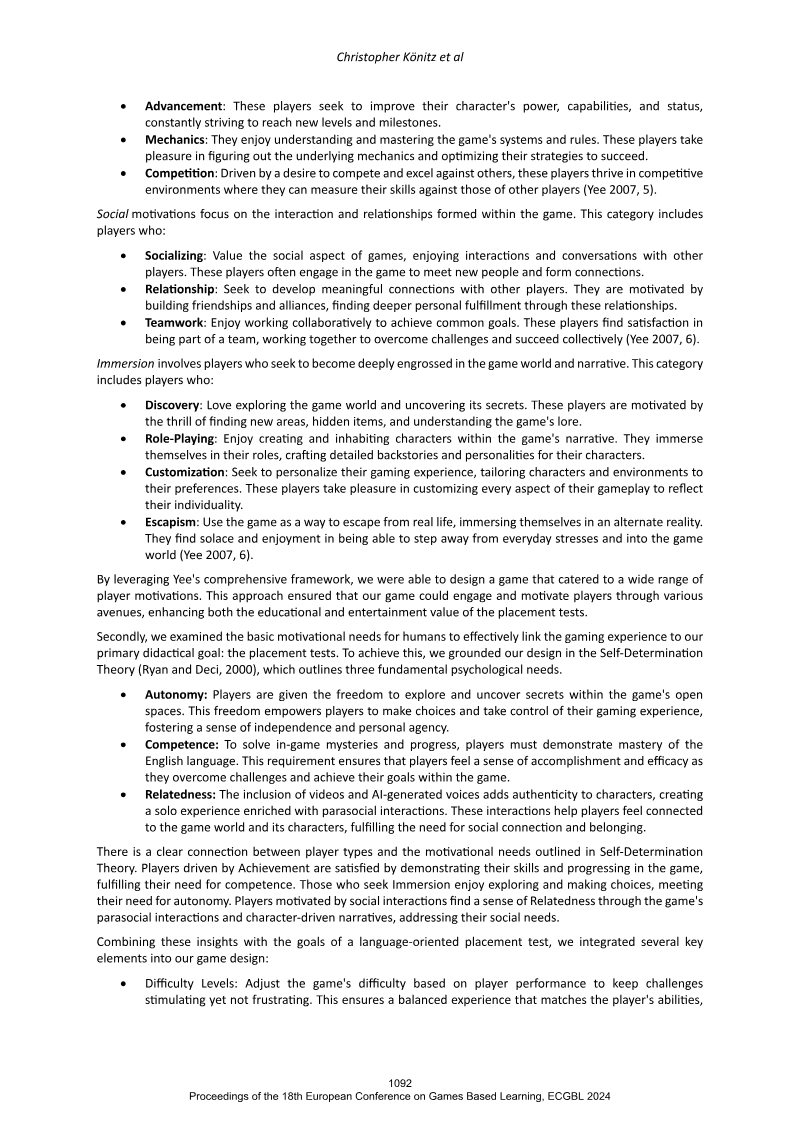
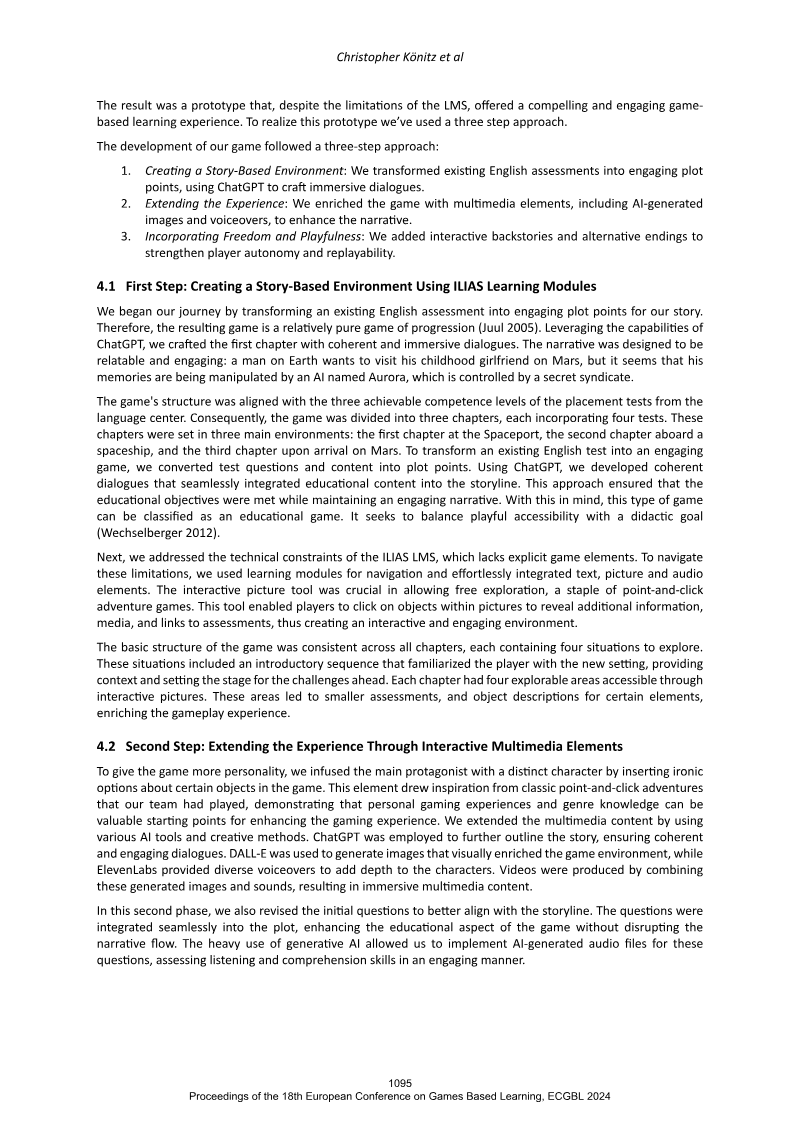
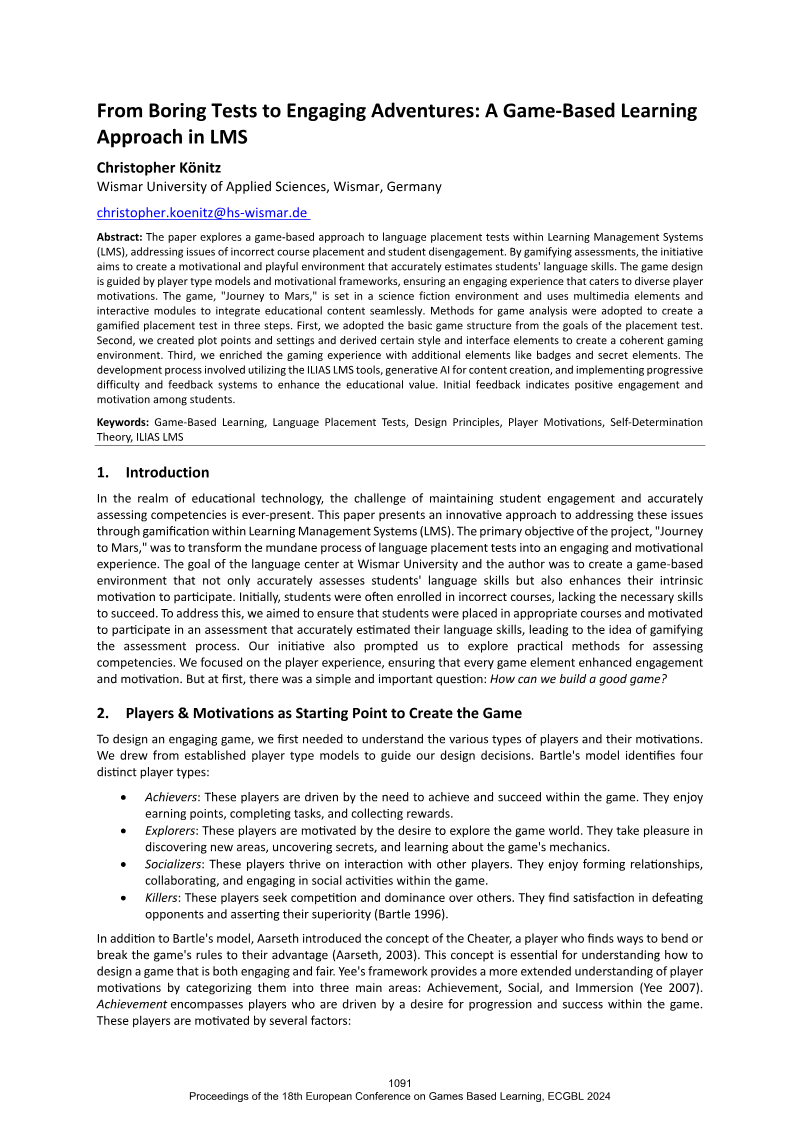
From Boring Tests to Engaging Adventures: A Game-Based Learning Approach in LMS
This paper describes a game-based approach to language placement testing within the ILIAS Learning Management System at Wismar University of Applied Sciences.
- The project 'Journey to Mars' converts the English placement tests at Wismar University of Applied Sciences into a science fiction point-and-click adventure within the ILIAS LMS, aiming to fix students being placed in mismatched courses and disengaging from assessment.
- The game has three chapters, each with four tests aligned to the language center's three competence levels, set at a spaceport, aboard a spaceship, and on Mars.
- Development relied heavily on generative AI (ChatGPT for dialogue and narrative, DALL-E for imagery, ElevenLabs for voiceovers), which the author says significantly reduced content production effort, and a functional prototype was built within a two-week timeline.
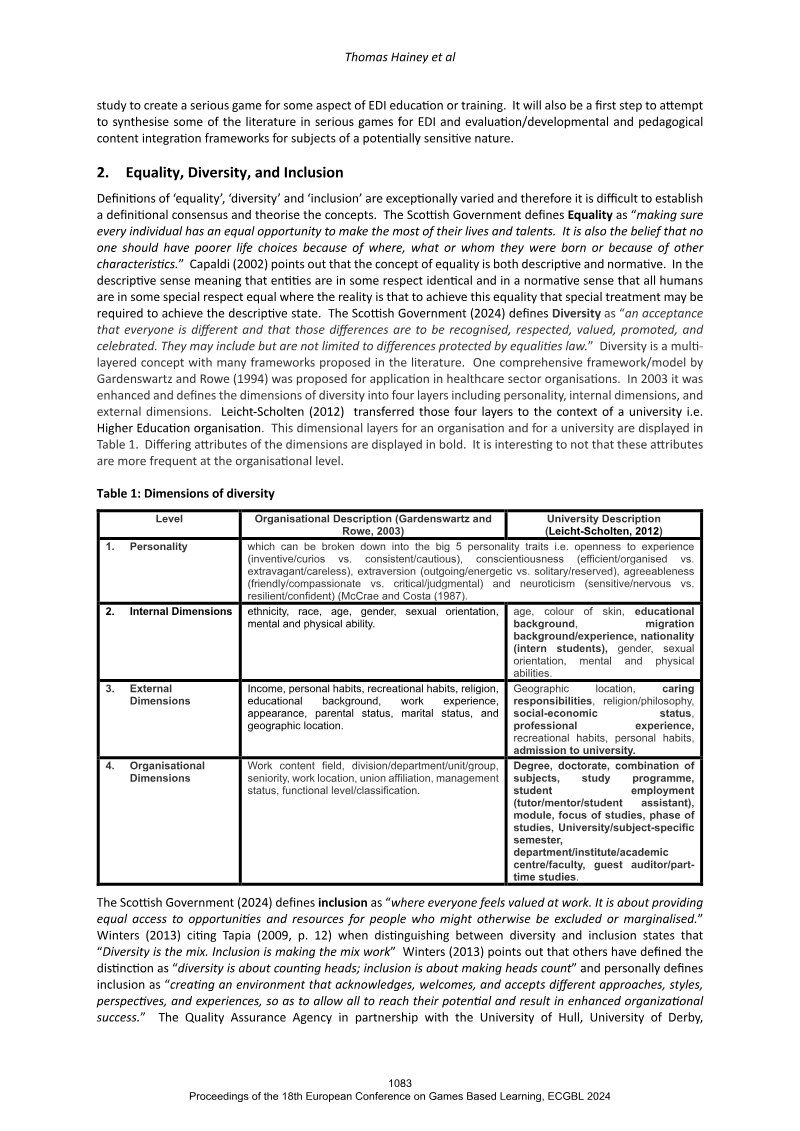
Serious Games in EDI Education: A Preliminary Discursive Literature Review
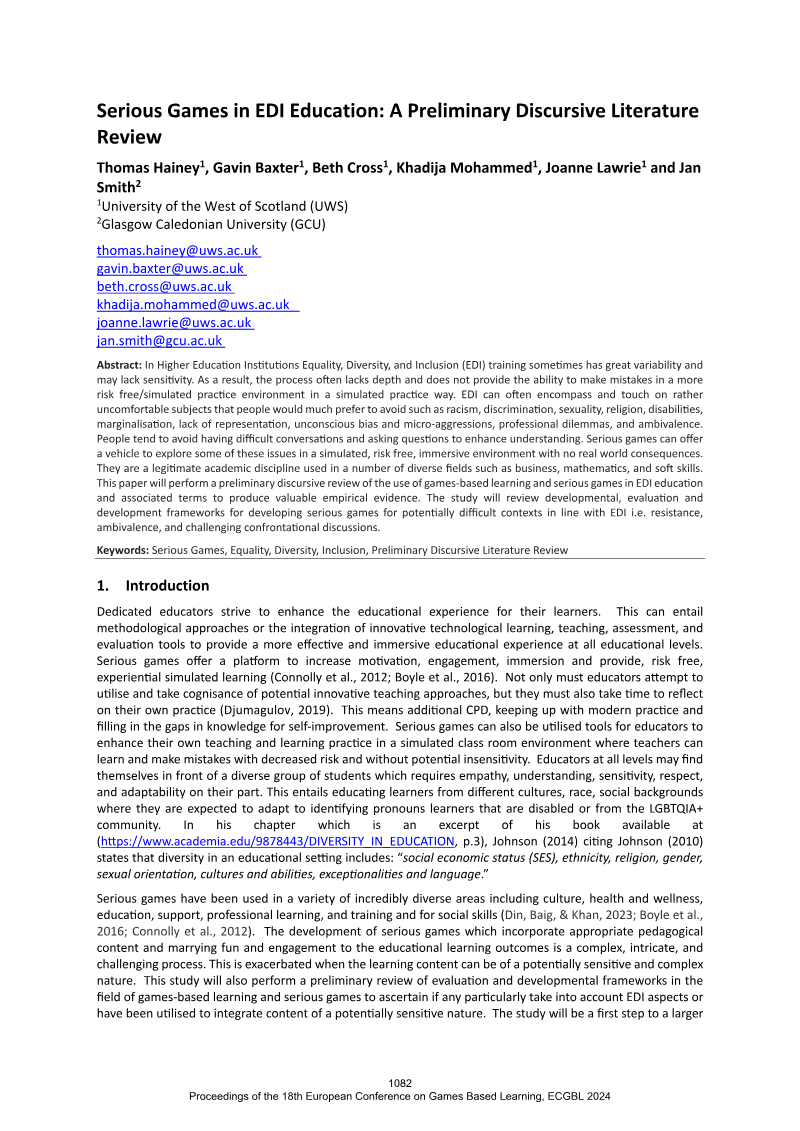
This preliminary discursive literature review, authored by Thomas Hainey and colleagues, examines serious games and games-based learning as tools for teaching sensitive Equality, Diversity, and Inclusion (EDI) content in higher education.
- Serious games are proposed as a risk-free, immersive environment for practising difficult conversations on emotionally charged Equality, Diversity, and Inclusion (EDI) topics in higher education.
- Evidence is mixed: a randomised controlled trial by Lievense and colleagues found a significant gain in autonomy-promoting strategies but no corresponding improvement in self-efficacy.
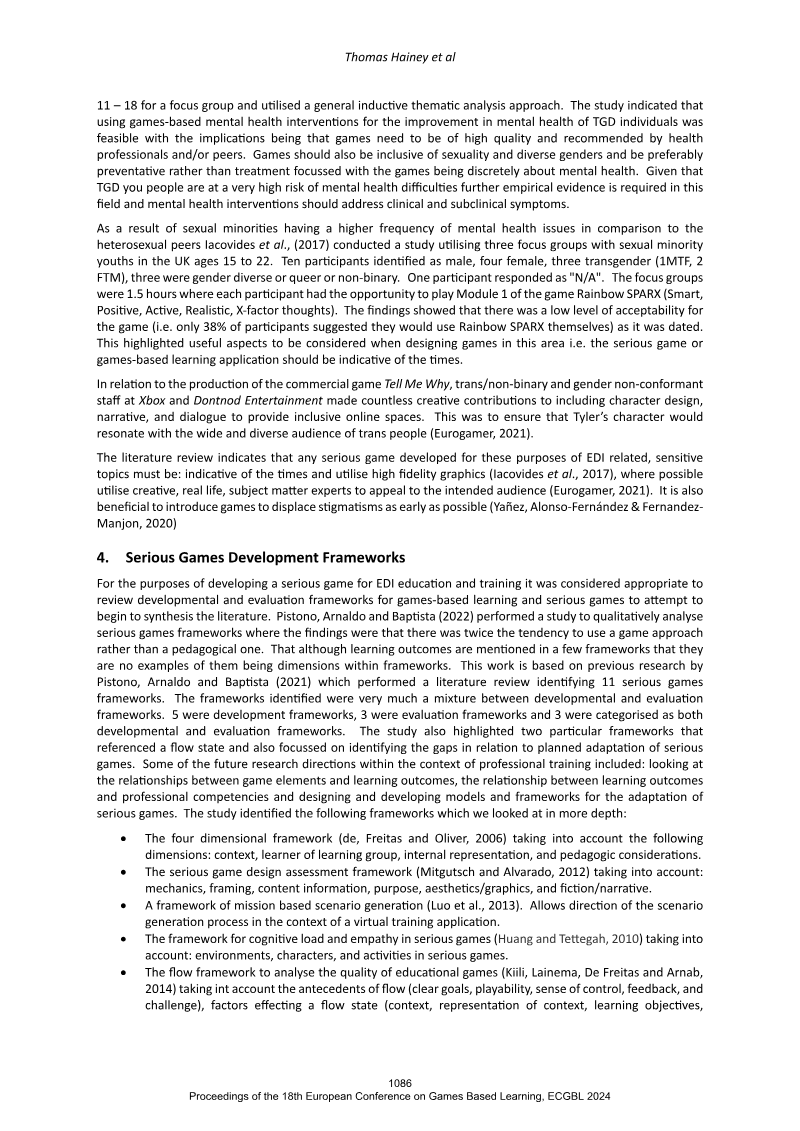
- Focus groups evaluating the Rainbow SPARX game found low acceptability, with only 38% of participants saying they would use it, largely because the game appeared dated.
Didactic and Psychological Principles of Successful Design of Serious Games
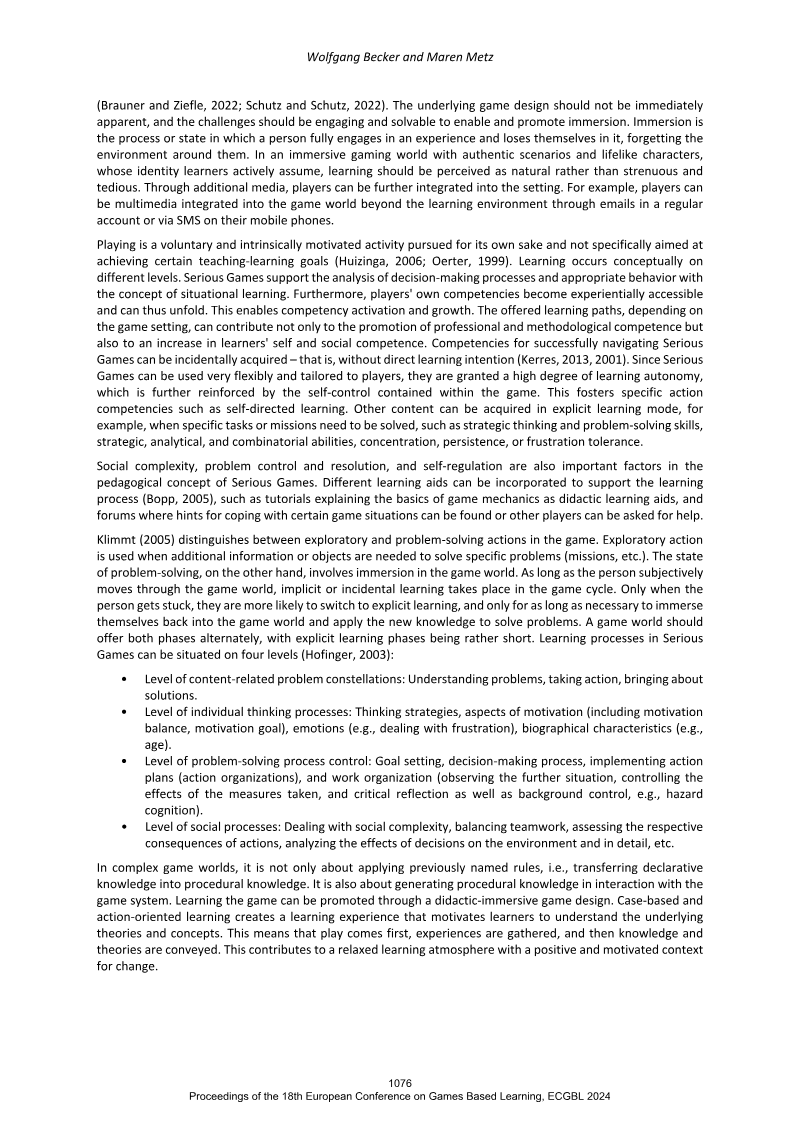
Becker and Metz's paper offers an evidence-based examination of the didactic and psychological principles that underpin effective Serious Games, with the central thesis that such games succeed only when their structure, feedback, difficulty, and reflection mechanisms are deliberately aligned with explicit learning objectives.
- Serious Games succeed only when structure, feedback, difficulty, and reflection mechanisms are deliberately aligned with explicit learning objectives.
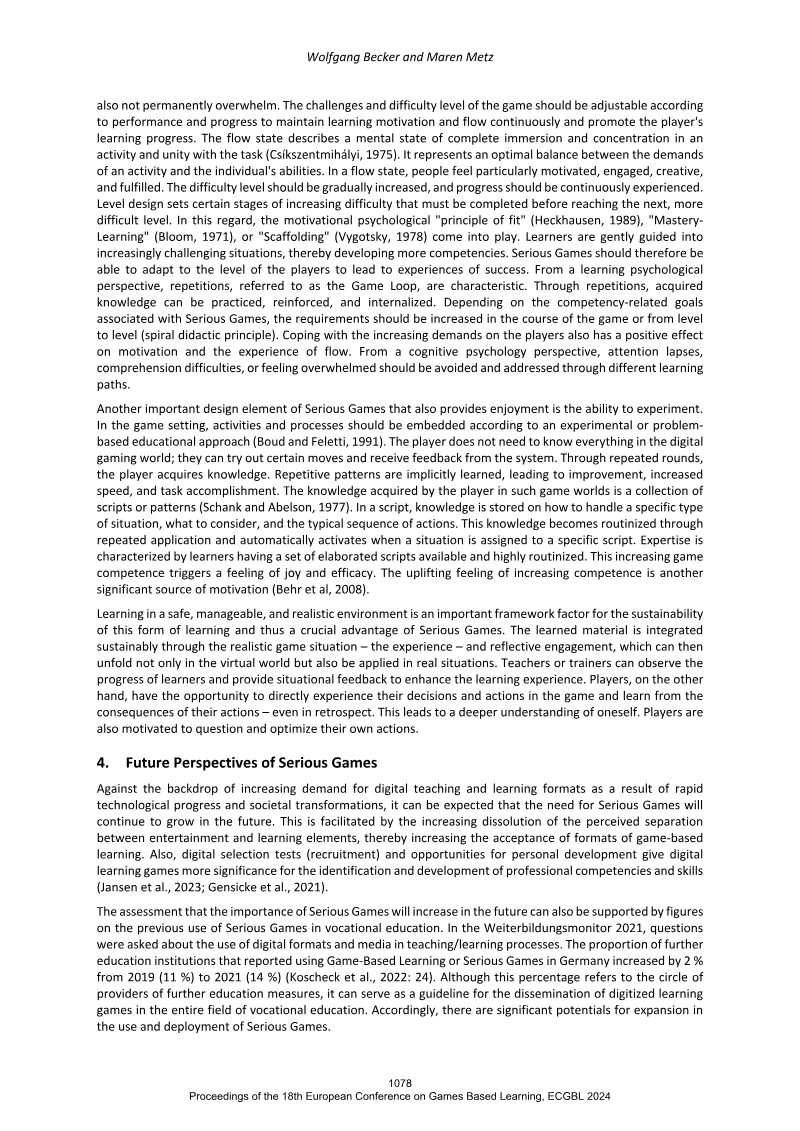
- Serious Games enable safe, realistic learning-by-doing, where players experience the consequences of their decisions and gradually build expertise through repeated routines.
- As competence rises, motivation tends to follow, reinforcing sustained engagement with the game.
Progress Visualisation, Competition, and Collaboration in Digital Game-based Learning as Audience (DGBL-AA)
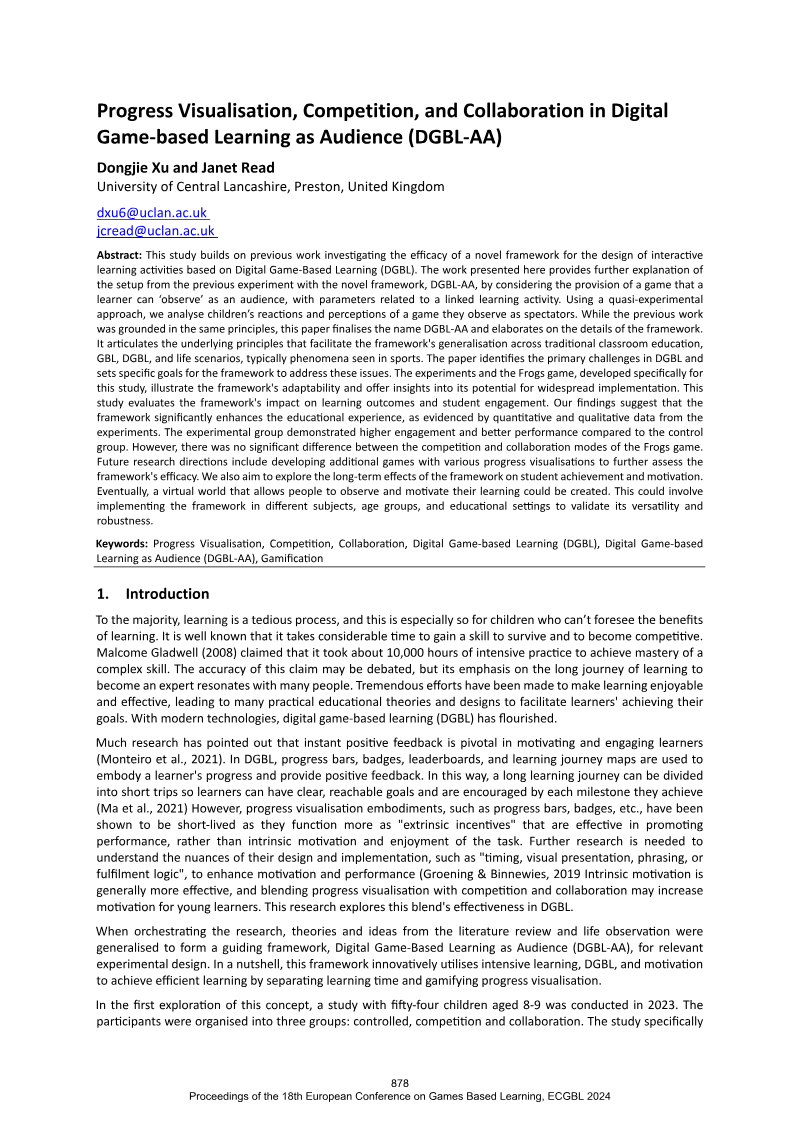
The paper proposes Digital Game-based Learning as Audience (DGBL-AA), a framework in which learners watch a subject-independent progress-visualisation game, "Frogs," that is linked to their learning scores.
- The DGBL-AA framework has learners watch a subject-independent progress-visualisation game, "Frogs," linked to their learning scores, capturing game motivation without requiring direct play and aiming to reduce distraction and implementation costs.
- In a 2023 quasi-experimental study of 54 children aged 8 to 9, the experimental groups (n=28, competition and collaboration modes) outperformed the control group (n=26) on recall tests, with means of 12.36 versus 10.77 (p=.009).
- The competition group performed better than the collaboration group in the 2023 study, but the broader analysis found no significant difference between the two game modes (p=.218).

Talking to Machado de Assis: Generative Artificial Intelligence to Simulate Dialogues with Prominent Figures
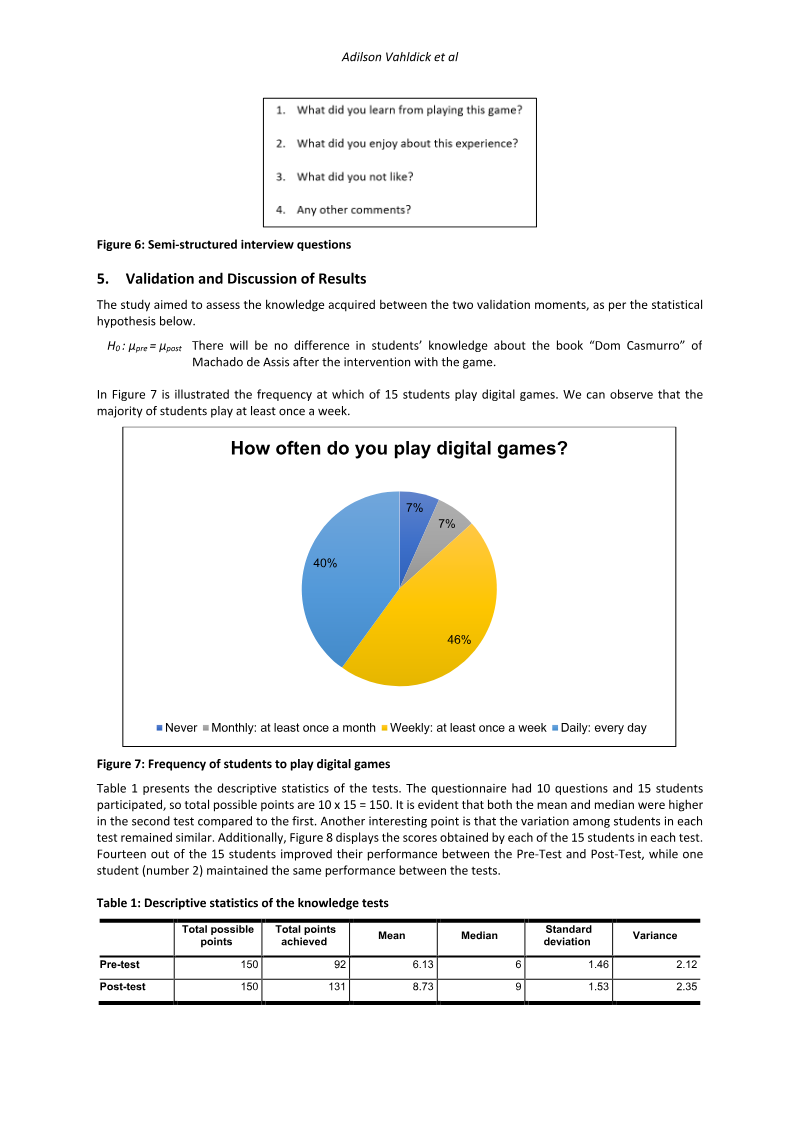
This study presents a serious game that lets high school students hold text-based conversations with a ChatGPT-driven agent designed to imitate Brazilian author Machado de Assis, with the aim of improving comprehension of his novel "Dom Casmurro" and boosting interest in literary reading.
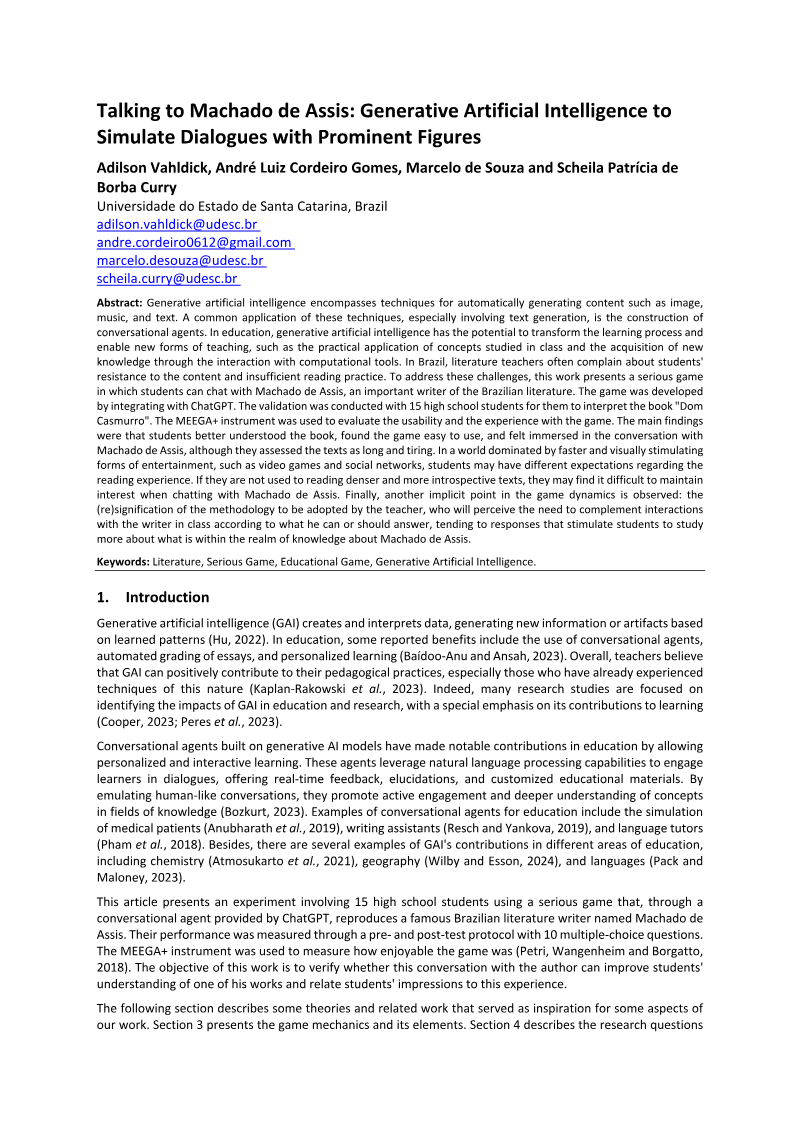
- A ChatGPT-driven agent imitating Brazilian author Machado de Assis was tested with 15 second-year high school students aged 16 in August 2023, using a pre- and post-test of ten multiple-choice questions.
- Mean knowledge test scores rose from 6.13 to 8.73 out of 10, with fourteen of fifteen students improving, and a paired t-test gave p ≈ 1.64 x 10^-6, indicating a statistically significant gain in understanding of "Dom Casmurro".
- Students generally agreed on the MEEGA+ instrument that the game was easy to learn, easy to operate, enjoyable, and immersive.
HeritageRoots: Developing Interconnected Immersive Experiences for Cultural Preservation and Education
HeritageRoots presents an open-access system designed to preserve oral traditions and connect them to scientific knowledge through immersive virtual environments.
- HeritageRoots is an open-access system that combines a Neo4j knowledge graph with a Unity3D and Meta Quest pipeline to preserve oral traditions and link them to scientific knowledge through immersive virtual environments, initially focused on Ecuadorian Kichwa narratives.
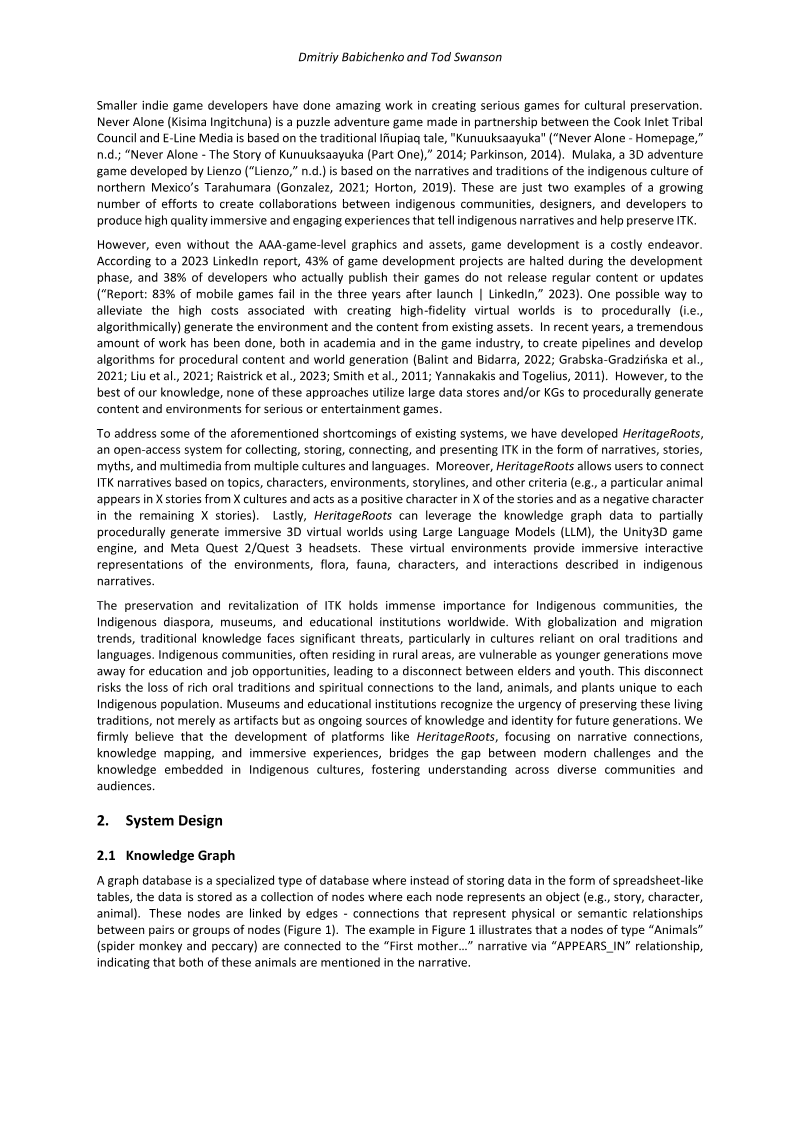
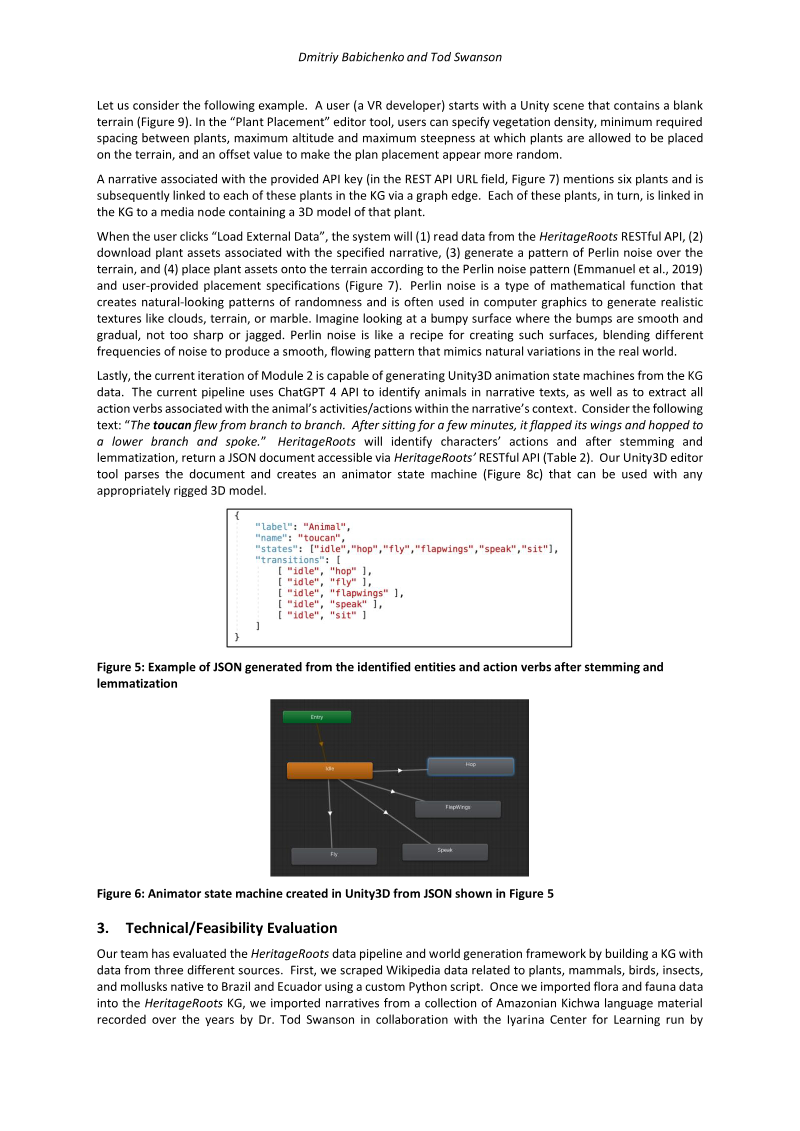
- GPT-4 extracts entities, actions, and dialogue from narrative text, which then drive the procedural generation of virtual worlds and non-player character behavior via a RESTful World Generator Module.
- The feasibility evaluation built a graph of 14,418 nodes and 29,452 edges from Wikipedia data, twelve Kichwa narratives, and fifteen Brazilian folktales, surfacing 52 missing taxonomy edges.
Training for Board Game-Based Learning: Evaluation Model and Preliminary Results From a National Program in Italy
This study presents an evaluation model for the first national board game-based learning (bGBL) training course in Italy, organized by the National Sport Association (CSI) and the Game Science Research Center, together with preliminary profiling results from participants entering the introductory Level 1 (L1) course.
- The paper proposes an evaluation model for Italy's first national board game-based learning training course, adapting Kirkpatrick's four levels (reaction, learning, behaviour, results) and adding a diagnostic stage that uses ex ante and ex post self-assessments across four dimensions: tasks, processes, attitudes, and idea of self.
- The study is a baseline snapshot rather than evidence of training effectiveness: ex post data were not yet available, so no pre-post comparison of outcomes is possible.
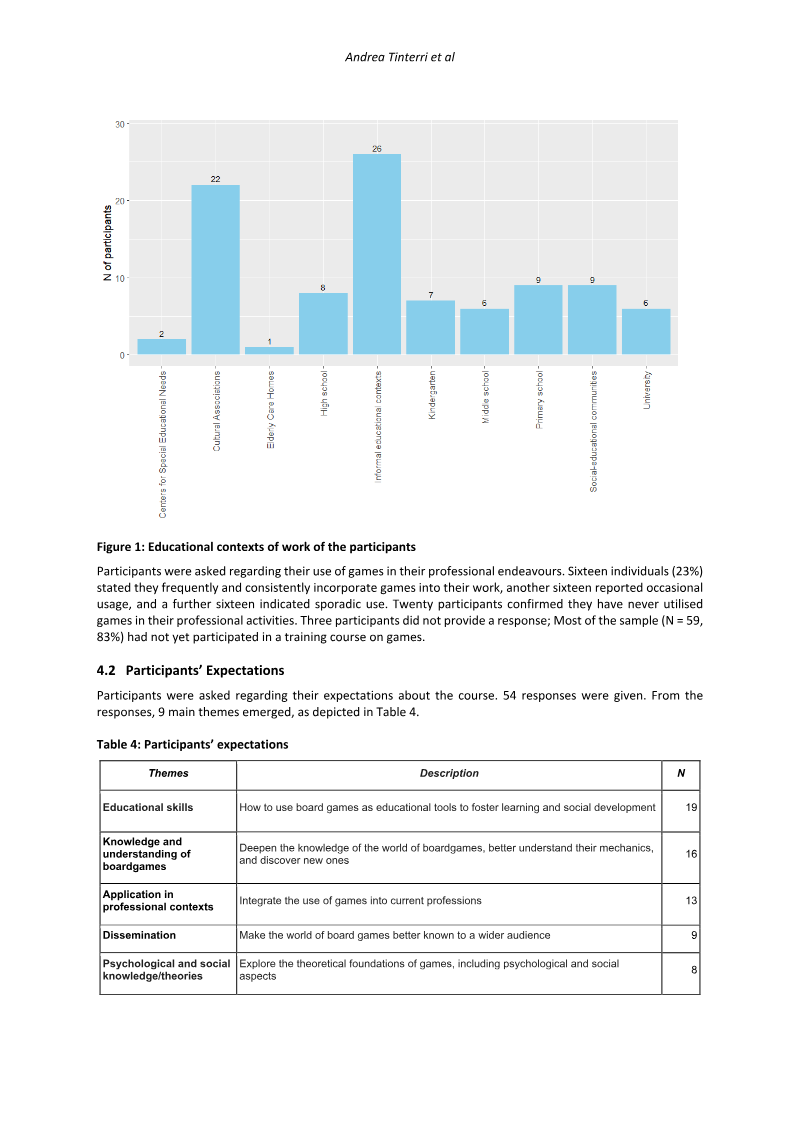
- The initial sample of 69 participants had a mean age of 41, drawn mostly from educators, teachers, employees, and creative professionals, and most held a high school diploma or higher.
Breaking Math Anxiety: A Success Story From an Indian Government School
This study, authored by researchers from Inteligen Games & Robotic Private Limited in Bengaluru, evaluates a hybrid mathematics intervention combining the digital game "Magic Math Spell Caster" with physical board games, manipulatives, and worksheets.
- A hybrid math program combining the digital game "Magic Math Spell Caster" with physical board games, manipulatives, and worksheets was run at Government School Ramagondanahalli in Bengaluru, serving over 400 children aged 6 to 10 in grades 1 through 5.
- The share of students scoring above 60% in internal school mathematics exams rose from 20% (24 of 120) before the intervention to 83.3% (100 of 120) afterward, a gain of 63.3 percentage points.
- The intervention ran for roughly six to eight months with weekly 70-minute sessions, and aimed to reduce math anxiety, build numeracy, and introduce algebraic thinking among mostly first-generation, economically disadvantaged learners.
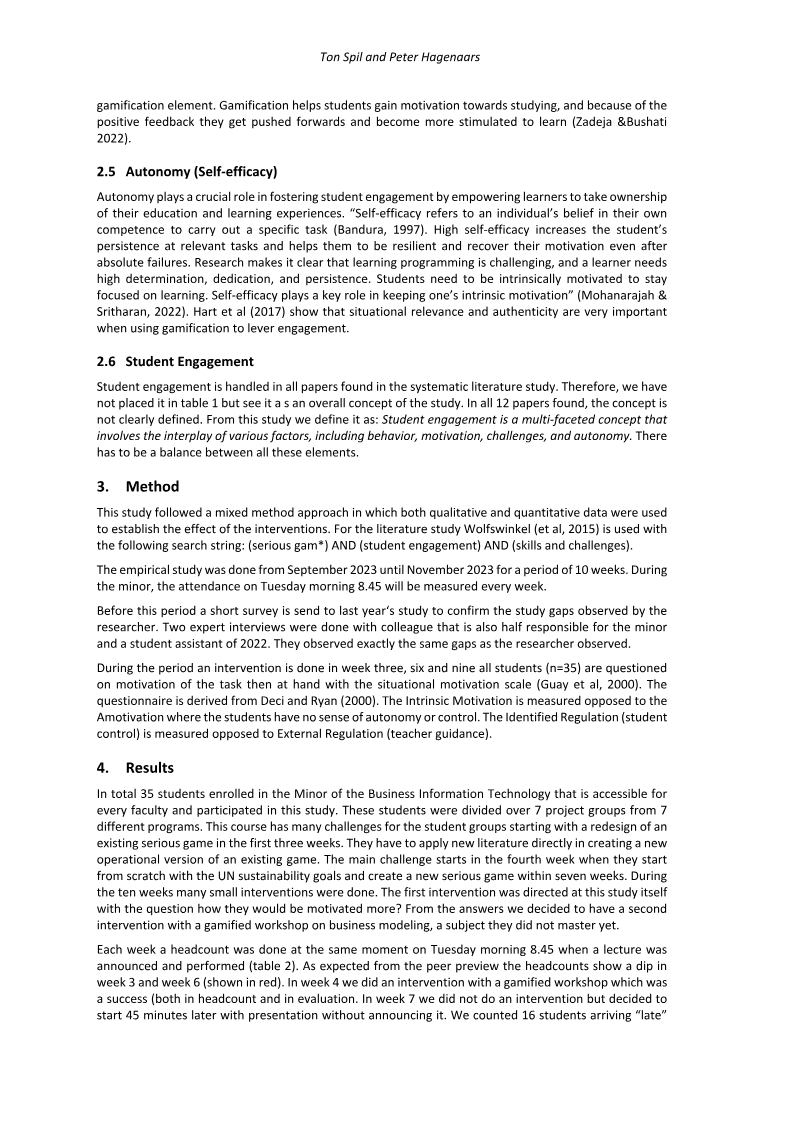
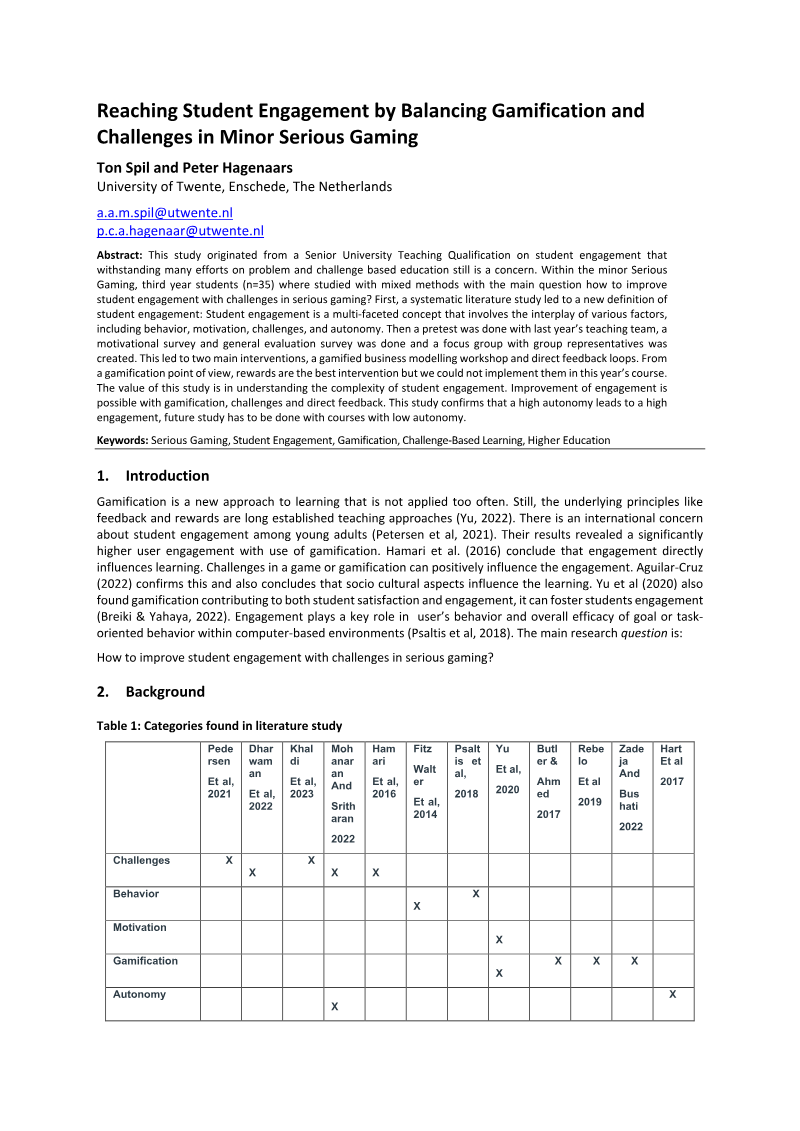
Reaching Student Engagement by Balancing Gamification and Challenges in Minor Serious Gaming
This study examines how to raise student engagement with challenges in serious gaming, motivated by persistent difficulty sustaining engagement despite years of problem- and challenge-based education.
- Challenges are identified as the most important engagement element in gamified serious games, and challenge-based learning combined with gamification is argued to strengthen learning.
- Immediate, specific feedback through direct, personal feedback loops with student groups is presented as a powerful lever for engagement.
- In a 35-student, ten-week serious gaming minor at the University of Twente, intrinsic motivation fell modestly from 5.29 to 4.65 on a 7-point scale, external regulation rose from 4.07 to 4.45, and the Self-Determination Index dropped from 6.63 to 4.22.
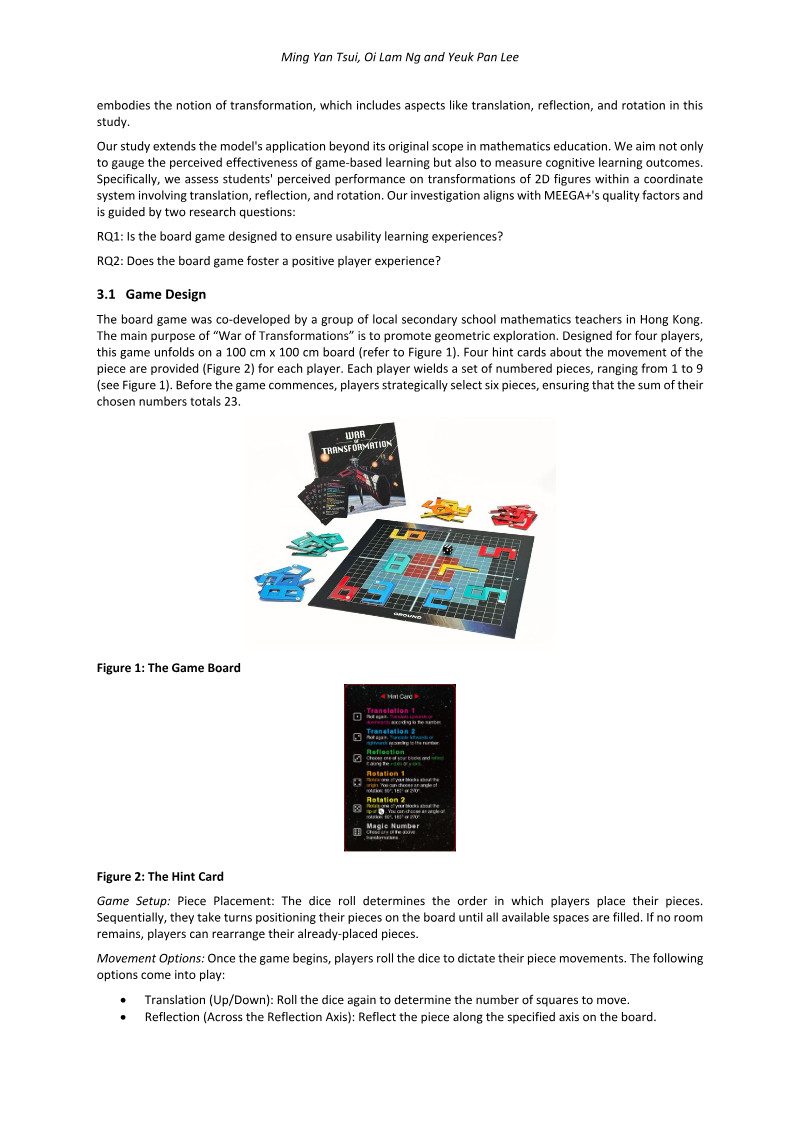
Examining the Efficacy of a Physical Board Game for Geometric Transformations
This study examines whether "War of Transformation," a physical board game co-developed by Hong Kong secondary mathematics teachers, can effectively support Secondary 1 students in learning the transformation of two-dimensional figures, namely translation, reflection, and rotation.
- The study evaluated 'War of Transformation,' a physical board game co-developed by Hong Kong secondary mathematics teachers, for teaching Secondary 1 students translation, reflection, and rotation, using a mixed-method approach based on the MEEGA+ model.
- The sample was 112 voluntary students aged 12 to 15 from three public secondary schools of differing achievement levels (strong, average, and lower), with responses unevenly distributed (32, 68, and 12 respondents), weighted toward the average school.
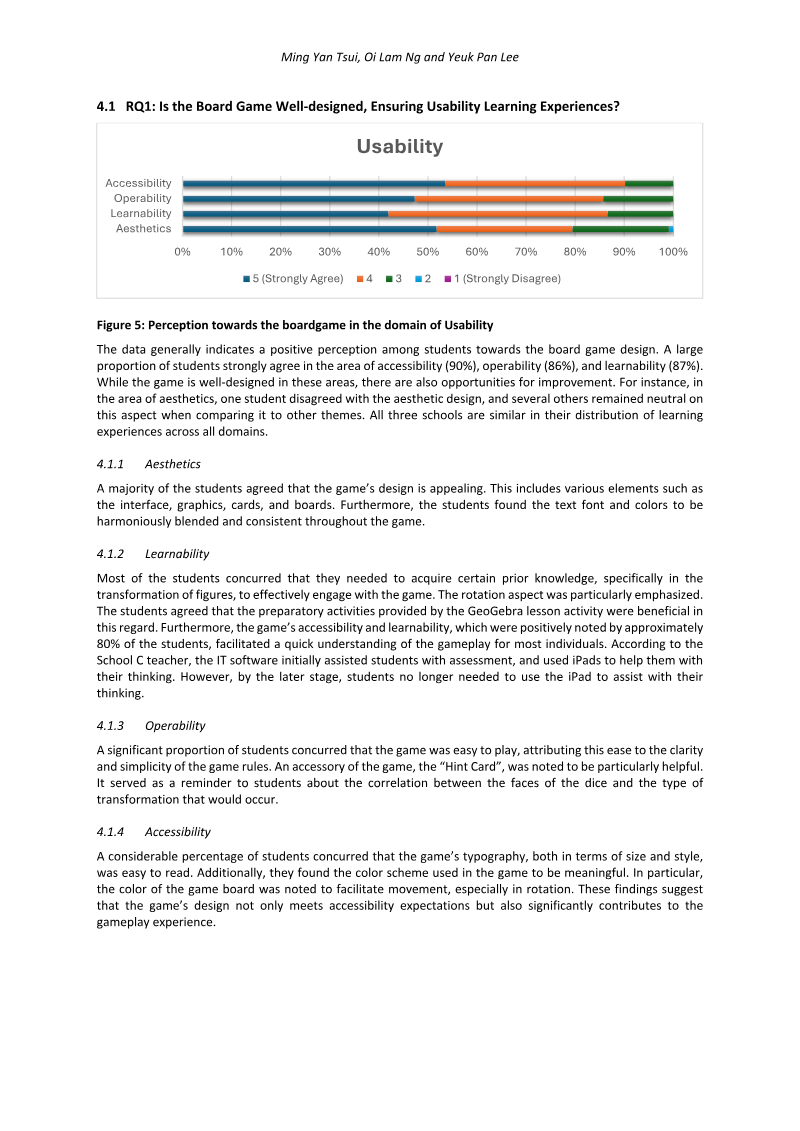
- Students rated the game highly for accessibility, operability, and learnability, with roughly 80 to 90 percent strongly agreeing in these areas, and valued its challenge, social interaction, and relevance.
Exploring the Relationship Between Challenge and Reward for Game Based Learning
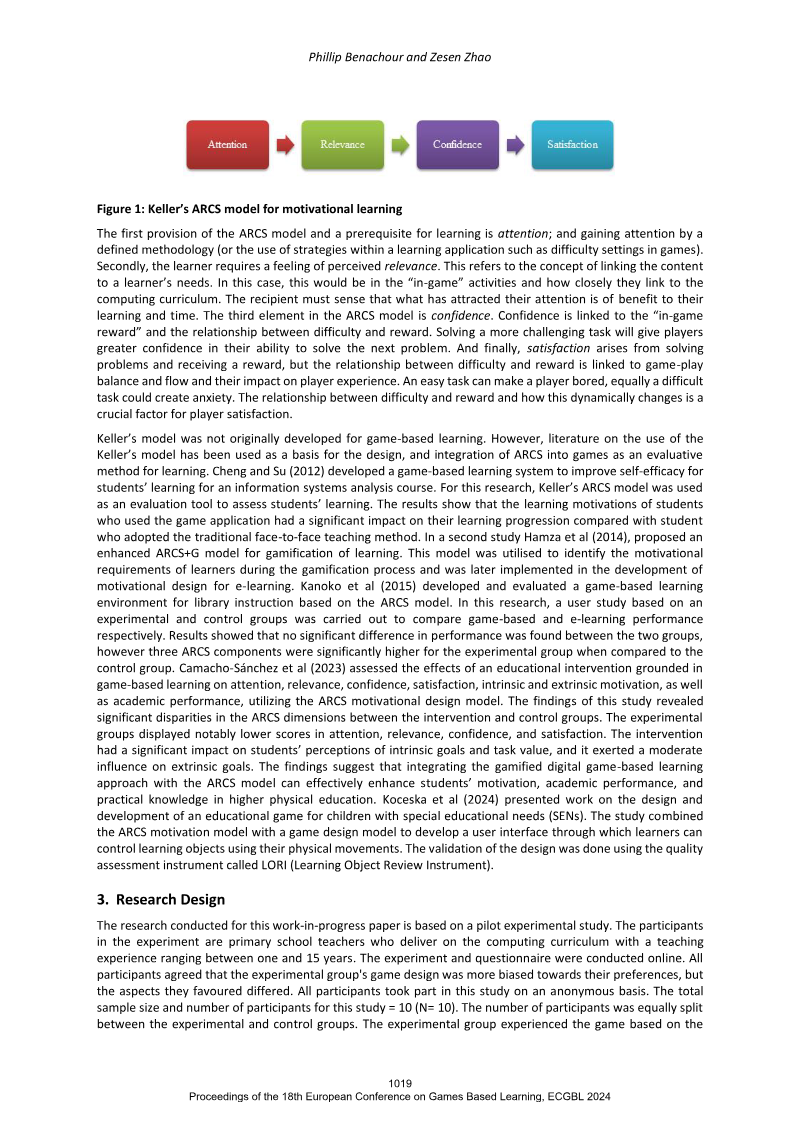
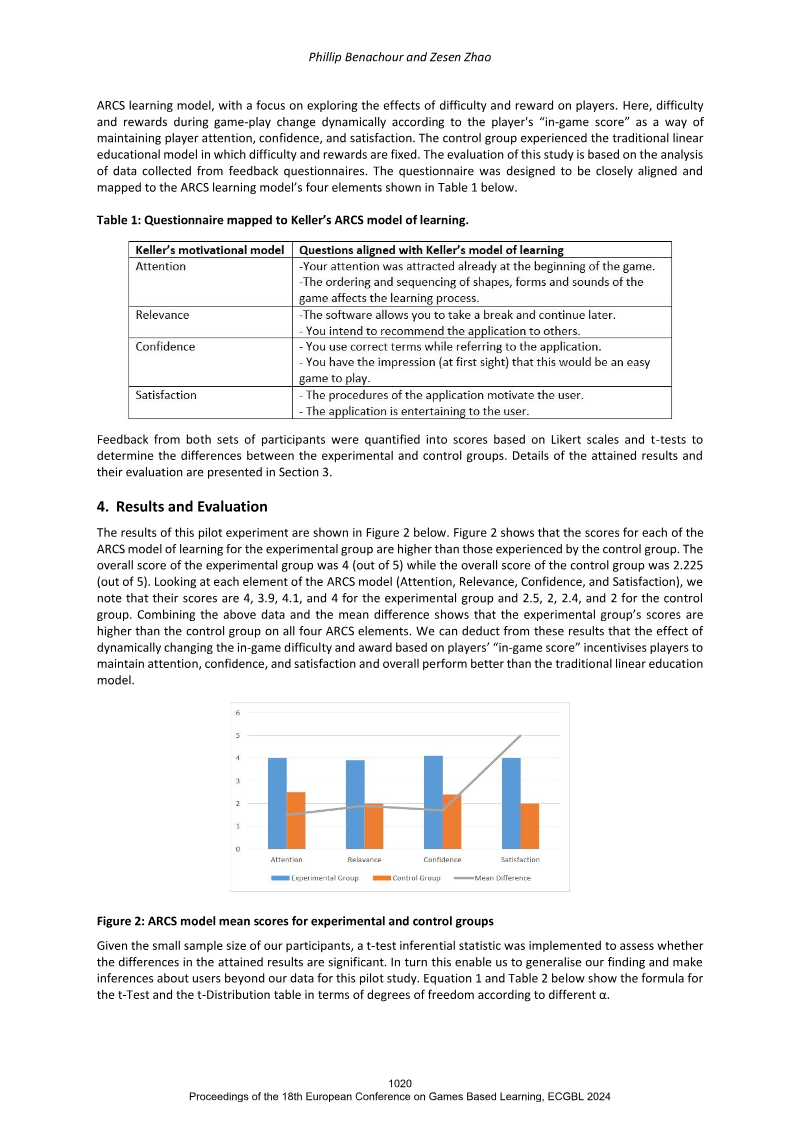
This pilot study investigates how dynamically adjusted difficulty and rewards affect primary school teachers' motivation when learning a computer programming game, using Keller's ARCS model (Attention, Relevance, Confidence, Satisfaction) as the evaluative framework.
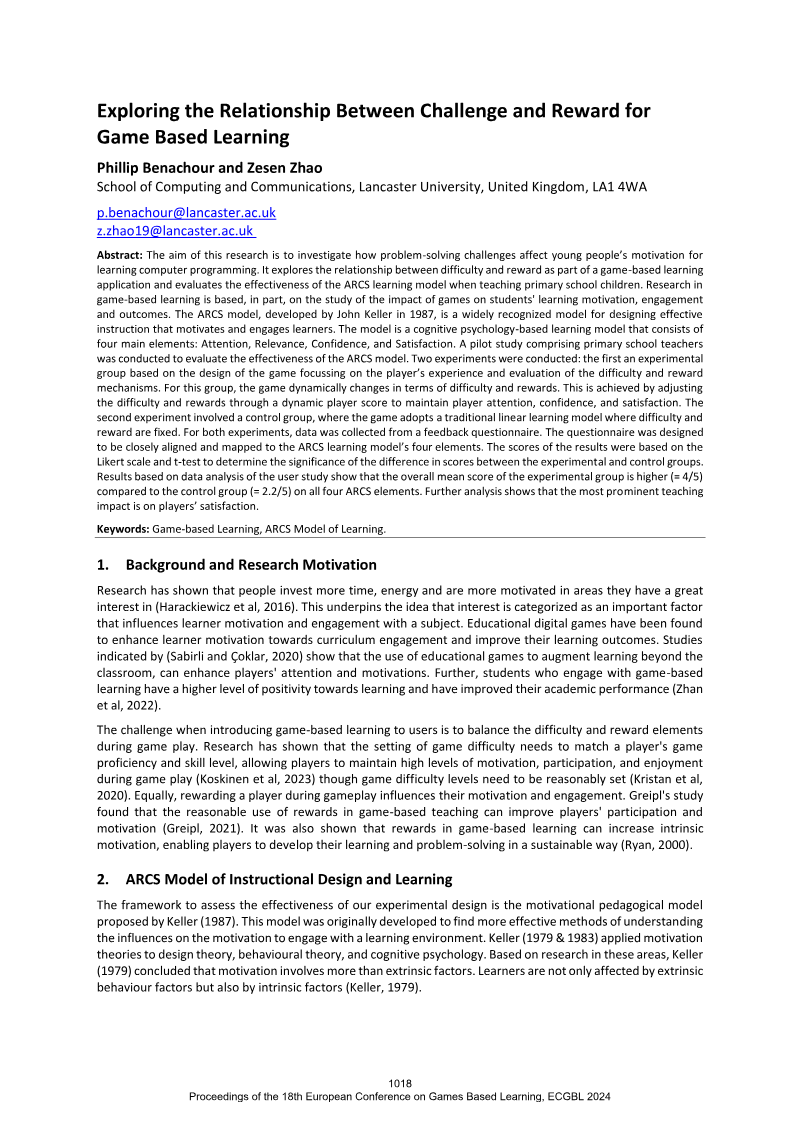
- A pilot study of ten primary school teachers found that a game dynamically adjusting difficulty and rewards to in-game score outscored a fixed, linear version across all four ARCS motivation elements, with an overall mean of 4 out of 5 versus 2.225 for the control group.
- Satisfaction was identified by the authors as the most prominent effect, with the experimental group scoring 4 versus 2 for the control group on that element.
- Element-level scores for the adaptive game were 4 (Attention), 3.9 (Relevance), 4.1 (Confidence) and 4 (Satisfaction), compared with 2.5, 2, 2.4 and 2 for the control group.
A Conceptual Framework for the Development of Effective Serious Games for Learning
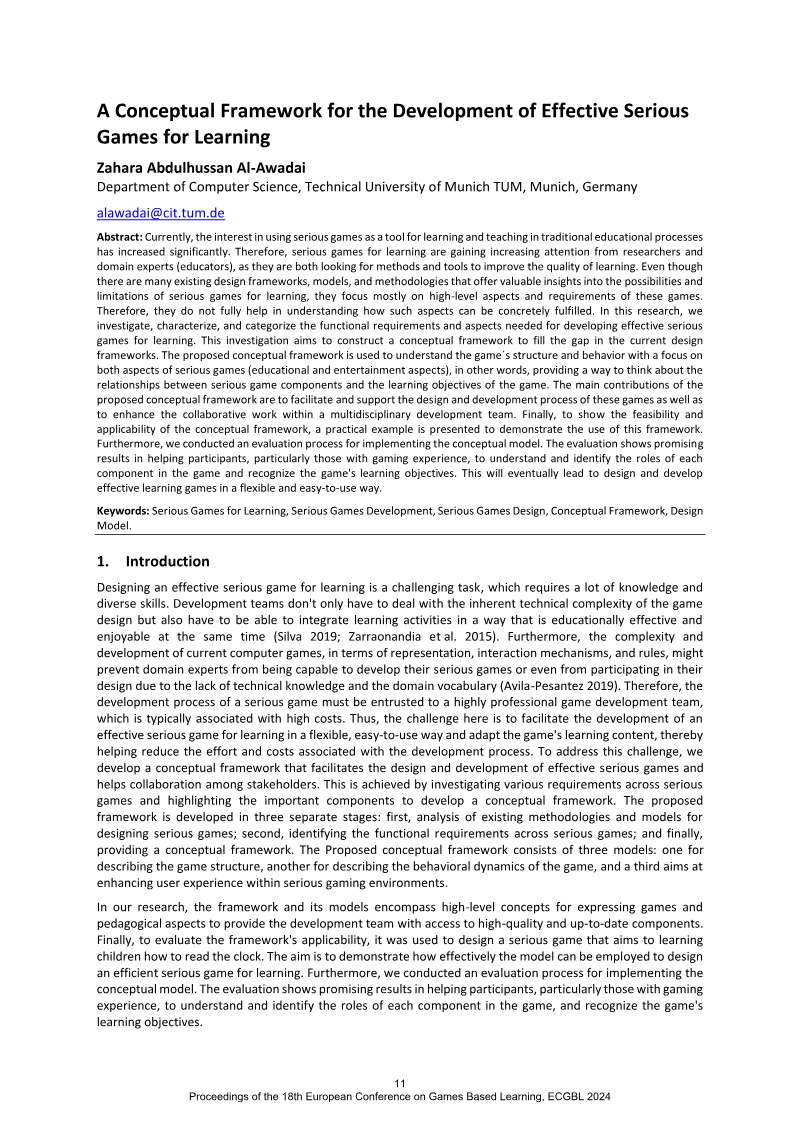
This paper proposes a conceptual framework for designing serious games for learning, aimed at closing the gap between high-level design models and concrete implementation while supporting collaboration among multidisciplinary teams.
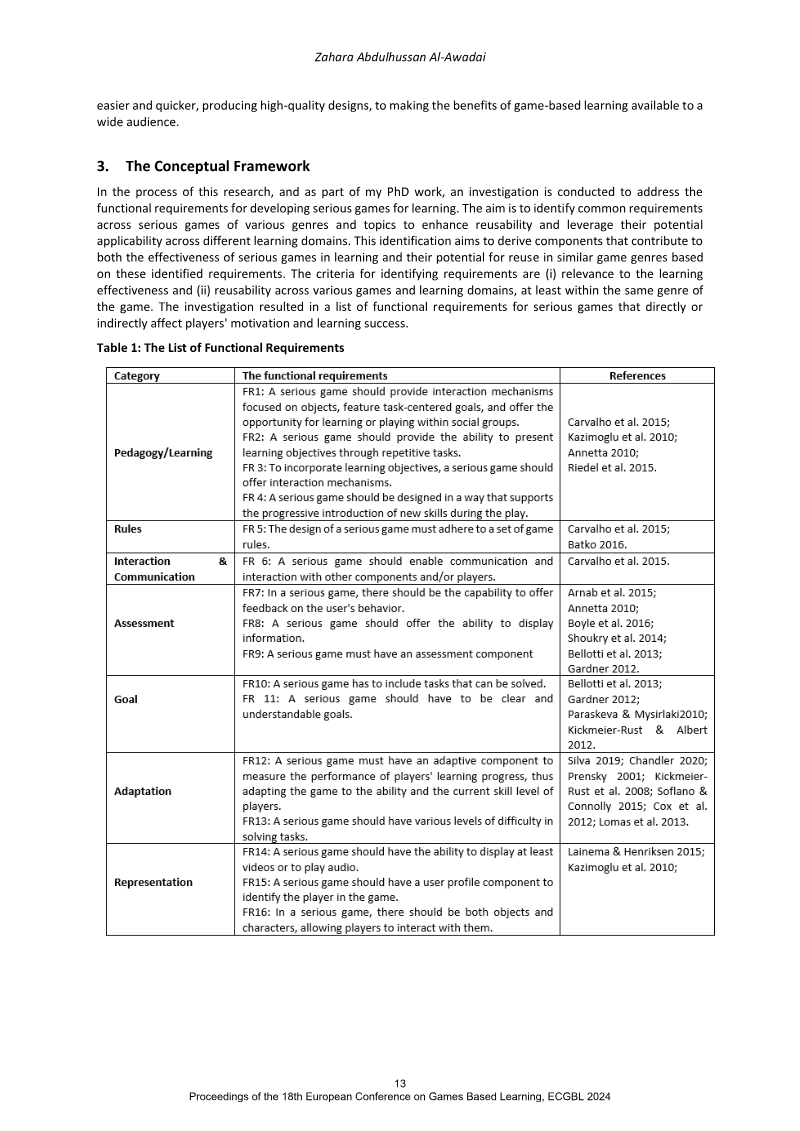
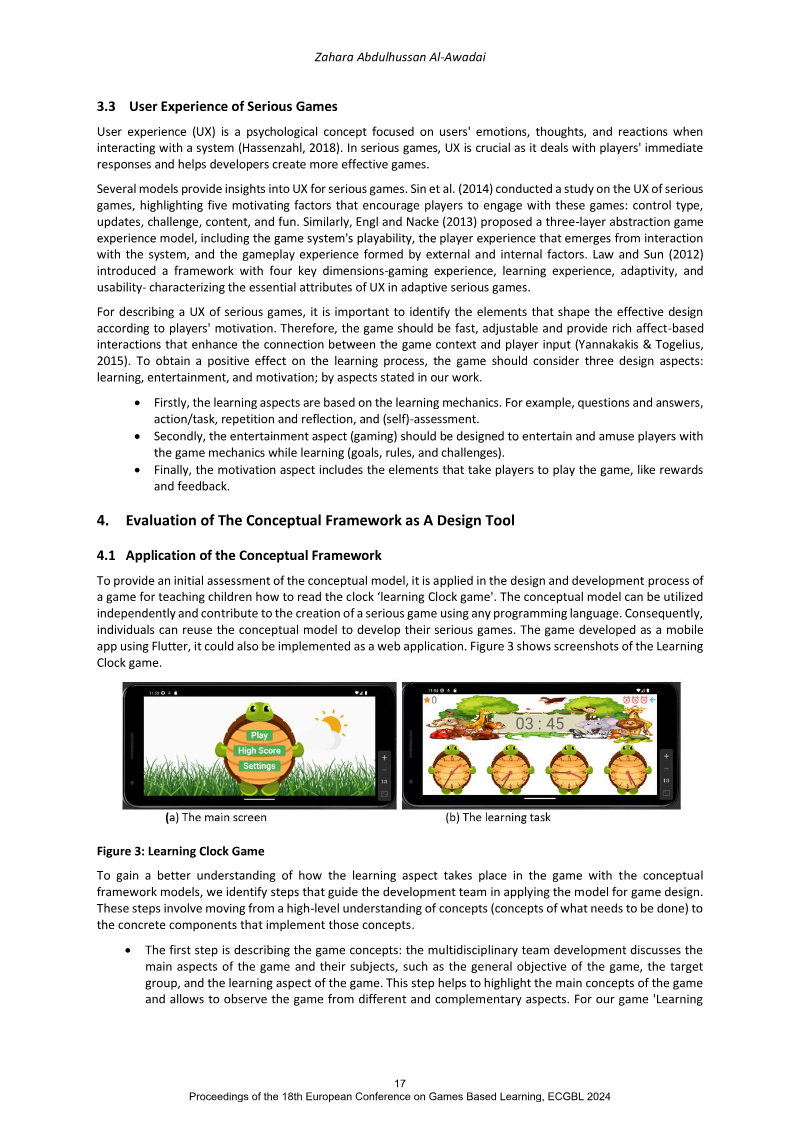
- The paper proposes a conceptual framework that derives 16 functional requirements across pedagogy, rules, interaction, assessment, goals, adaptation, and representation, organized into seven functional categories and modeled with structure and behavior diagrams, aiming to bridge high-level design models and concrete implementation of serious games for learning.
- The framework was tested by 17 master's students, 16 of whom (94%) found it helpful when designing a "Senior PM Game".
- The framework achieved an average System Usability Scale score of 70.29, with gamers averaging 68.93 and non-gamers 71.25, suggesting accessibility across varying levels of gaming experience.