1 free read left. Create a free account for unlimited reading + AI research.
Create free account
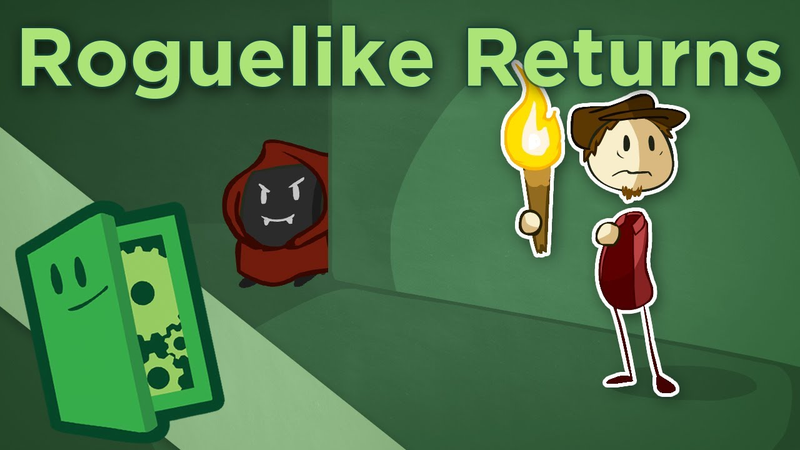
Roguelike Returns - How to Revive a Genre - Extra Credits
Key insights
5 takeaways- 01Modern roguelike success is driven by a shift toward usability and accessibility, replacing traditional statistical complexity with familiar mechanics like platforming and JRPG-style combat.
- 02Roguelike design principles are increasingly influencing diverse genres, signaling a long-term shift in how developers structure player progression and challenge systems.
- 03Commercial performance is directly correlated with the integration of user-friendly design, as titles that bridge the gap between depth and accessibility outperform impenetrable traditional entries.
- 04The genre's core appeal relies on randomized generation to force creative problem-solving and permanent death to ensure every decision carries significant weight.
- 05Modern iterations of permanent death often incorporate limited persistence, which maintains high-stakes challenges while reducing the frustration of starting entirely anew.
Ask AI about this video
Transcript
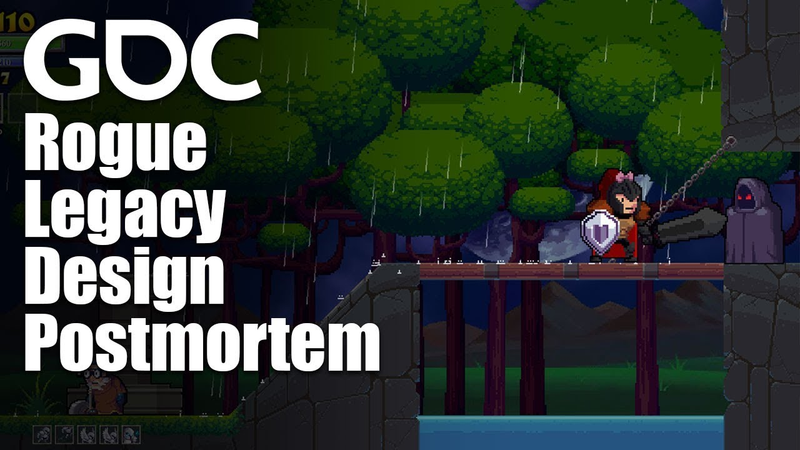
The last 2 years have seen the triumphant return of the games we dub roguelike. Games with randomly generated levels, permanent death, and ever-increasing difficulty. The genre was revitalized by Spelunky, made a smash hit by FTL, and continues to ride high on the back of games like Rogue Legacy. But this type of game has been around for over 20 years. It's actually one of the oldest types of video games ever created. People played the original Rogue on the old mainframes at universities and lost hours to Sword of Fargo on their C64s in the '80s. So why did this genre disappear from the mainstream? And more importantly, why did it return? Well, the first answer is actually fairly simple: usability. The return of roguelikes may be the best argument for the power of usability that the game industry has ever made. I mean, Dwarf Fortress may be one of the best roguelikes ever created, but its impenetrability has kept it from being the worldwide success it should be. Contrast Dwarf Fortress with many of the modern roguelike games. If you look at today's roguelikes, you'll find that the most successful ones all share one thing in common. They pull in elements from
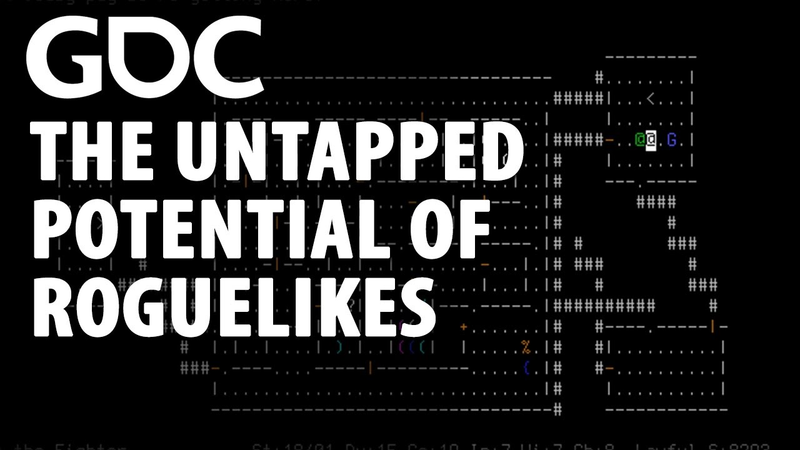
other genres and apply them to the roguelike in order to make it more immediately approachable, familiar, and understandable to players. The clearest examples of this can be found in games like Rogue Legacy and Risk of Rain, where they took the conventions of the platforming genre and applied the permanent death and randomized maps that roguelike games are famous for. This gave them something that was immediately recognizable to players that also rooted usually unwieldy elements of the genre like abilities and item descriptions in simple physical things that a player can immediately understand, allowing for descriptions like makes you jump higher rather than the more complicated set of math and statistics that we're used to from roguelikes. Even in games like FTL, they used the JRPG convention of instantiated combat encounters to simplify things, and then they streamlined rooms into just being single events, and dropped most of the statistics that could have easily gone into a spacefaring roguelike game. So while I do love me some roguelikes such as Sword of the Stars, The Pit, and Tales of Maj'Eyal filled with statistics and hundreds of items to discover, we've not seen these games gain the traction that many of the other modern roguelikes have. These games have come a long way from the genre's ASCII beginnings, and especially in the case of things like
Sword of the Stars: The Pit, though they have made a clear effort to make the traditional form of the genre as usable as possible, they still don't have nearly the reach of a game like FTL. I've only got rough sales numbers, but it seems clear that adoption rates are fairly corollary with usability. So, what does that tell us? What does it mean that as soon as roguelikes became more usable, they garnered a great deal more success? Well, it tells us one thing. People want roguelikes, they just don't want to have to put in quite so much work to understand them. So, we have to ask why. Why are roguelikes powerful? What makes them such a compelling form of play? And to answer that question, we have to look at their two main elements: randomized maps and permanent death. So, randomized maps, and by that I mean randomized space, events, encounters, and loot. What do they give us? They give us a dynamic problem to solve every time we enter the game. The game becomes more about learning how to use the systems and mechanics you've been presented to adapt to whatever a particular run throws at you, more than it does memorizing things or even finding specific answers to problems. That's compelling. It continuously challenges our problem-solving abilities in new and interesting ways, while also
giving us an opportunity to exercise our creativity, finding novel and unique solutions to odd combinations of random events. It also gets us to really dig into the systems in ways that most games usually don't. By presenting the player with random problems, roguelike games continuously push the player to discover new facets of the game's mechanics and come to a deeper understanding of the rules that govern play. But, randomization also does one other thing. It makes every game feel fresh and exciting because it creates the unexplored. There's always the hope for that great run, and the fear that just around the next corner will be the challenge that stops you in your tracks. Each step forward feels like a discovery. Each step has that thrill of the unknown. The other central element to roguelikes is permanent death. In the old days, dying in a roguelike meant starting the game over completely from square one, losing everything. But, many modern roguelikes have begun to feature some limited persistence that carries over between playthroughs, either through unlocks or minor character improvements that persist past death. And with apologies to permadeath purists, the developers of these games have found that having that tiny bit of persistence still leaves the player with much of the benefit of a permanent death system, so I'm including them in this
discussion. So, what does permanent death add to roguelikes? Well, first off, it adds meaning to the game. Each life is important. It's not just your standard disposable video game character life. It's something you're invested in. Second, it wipes the slate clean each game. By starting you back as a blank slate every time, and then presenting you with randomized maps, challenges, and resources to work with, the game forces you to find new to the problems it presents. It forces you to adjust to the things presented to you instead of having you fall back on old skills or habits that you've come to rely on with a character you've built up over time. I expect to see roguelike elements make their way into more and more games in the future, and I think we'll see roguelikes continue to experiment with other genres to make themselves more approachable and accessible. But, will this be as ubiquitous as the RPG-izing of everything that we've seen over the last few years, the slapping of experience bars over every type of gameplay? I doubt it, but be on the lookout. I expect you'll see roguelike elements creeping in where you least expect it. See you next week.
Summary
The roguelike genre has experienced a significant resurgence in recent years, transitioning from a niche, decades-old category into a mainstream success. This revival is primarily attributed to a shift in design philosophy that prioritizes usability and accessibility. While traditional roguelikes often relied on dense statistical complexity and steep learning curves, modern titles have achieved broader appeal by integrating familiar mechanics from other genres, such as platforming or JRPG-style combat, to simplify player interaction and reduce the barrier to entry.
The core appeal of the genre remains rooted in two fundamental pillars: randomized generation and permanent death. Randomization creates dynamic, unpredictable environments that force players to engage deeply with game systems and exercise creative problem-solving rather than relying on rote memorization. This ensures that every session feels fresh and encourages continuous discovery. Simultaneously, permanent death—or its modern, slightly more forgiving iterations involving limited persistence—imparts significant weight to every decision. By forcing players to start anew, these mechanics prevent the reliance on stagnant habits and ensure that each run remains a meaningful, high-stakes challenge.
The industry trend suggests a clear correlation between the accessibility of these mechanics and commercial performance. Titles that successfully bridge the gap between traditional roguelike depth and modern user-friendly design have consistently outperformed their more impenetrable counterparts. Looking forward, the integration of these elements is expected to expand across the broader gaming landscape. While unlikely to become as ubiquitous as the widespread adoption of RPG experience systems, roguelike design principles are increasingly influencing diverse genres, signaling a lasting impact on how developers structure challenge and player progression.












Comments