Game Development reports and market data
Documents
The Alumni Effect: Studios Founded by Ex-Activision, Blizzard, and King Employees
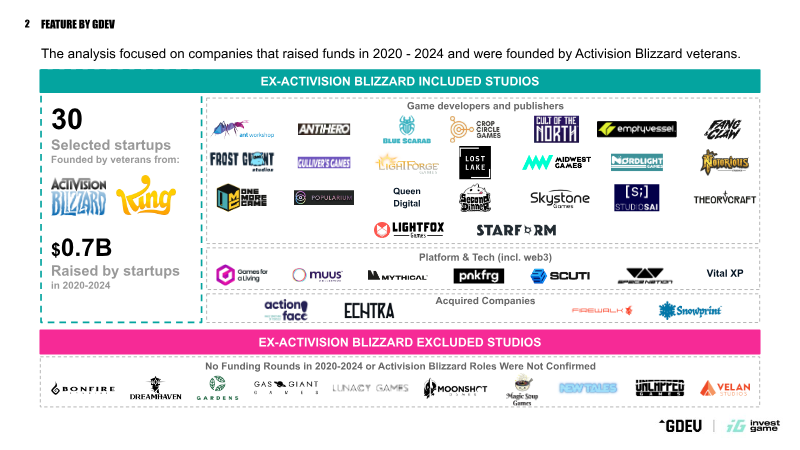
The analysis examines the "alumni effect" within the gaming industry, specifically focusing on studios founded by former employees of Activision, Blizzard, and King (collectively, ex-ATVI).
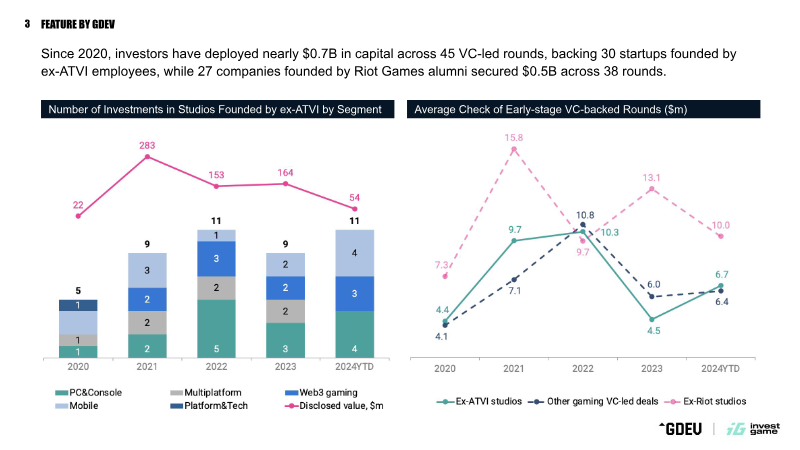
- Between 2020 and 2024, 30 studios founded by former Activision Blizzard employees secured approximately $0.7 billion in venture capital across 45 funding rounds.
- Ex-Activision studios demonstrate a 'first-round momentum' effect, being roughly four times more likely than peer startups to secure a second round of financing within the same calendar year.
- Investor confidence in alumni teams peaked in 2021, when 43% of ex-Activision studios raised a subsequent round compared to only 9% of broader gaming startups.
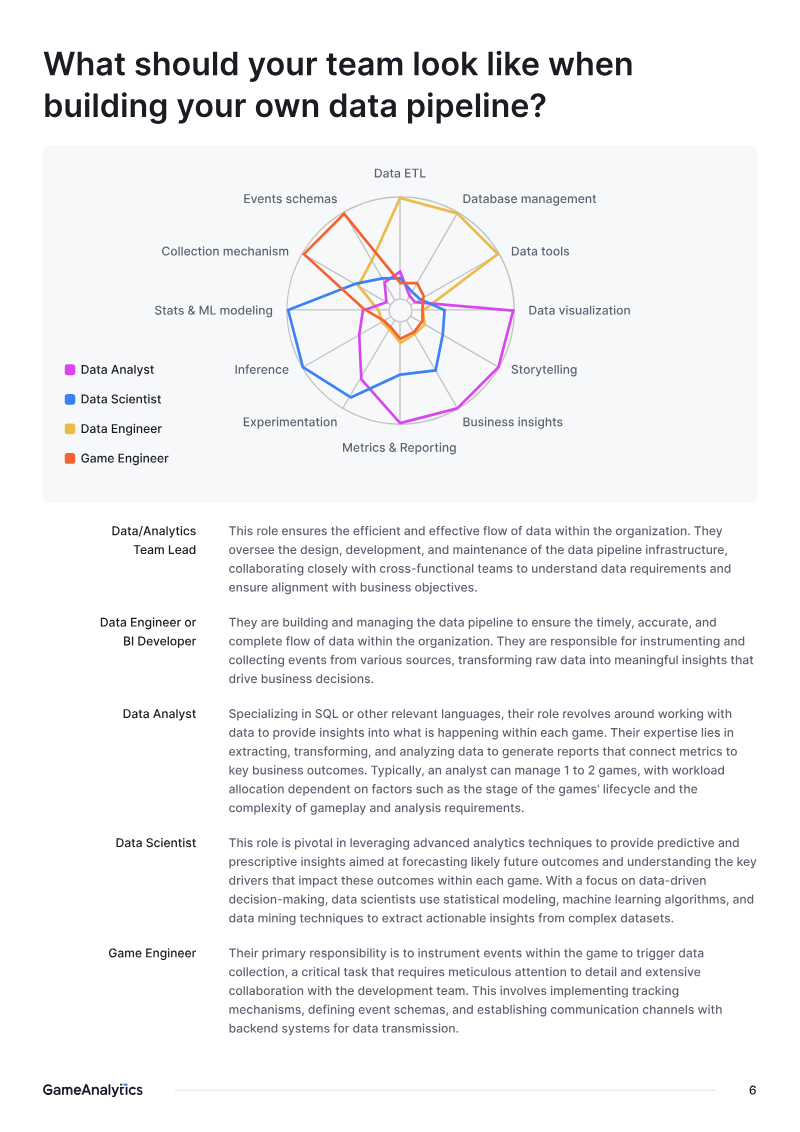

Game Data: Building vs Buying
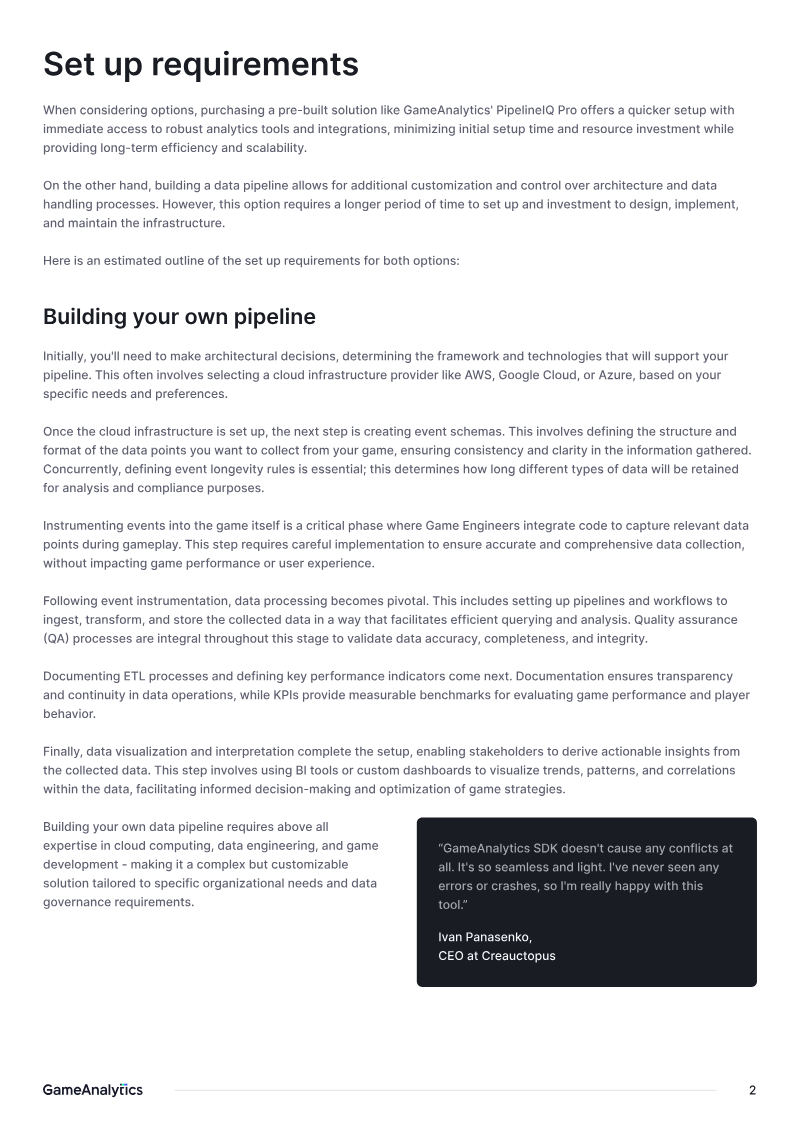
The document analyzes the strategic decision for game studios and publishers regarding whether to build an in-house data pipeline or purchase a third-party solution.
- Building an in-house data pipeline for a studio with 5 million MAU costs approximately $50,000 per month, compared to $5,900 per month for a third-party solution like GameAnalytics’ PipelineIQ Pro.
- Human capital is the primary cost driver for both approaches, accounting for 89% of the budget for in-house builds and 78% for vendor-managed pipelines.
- Third-party solutions offer significantly faster deployment timelines, ranging from hours to days, whereas custom in-house pipelines typically require months to implement.
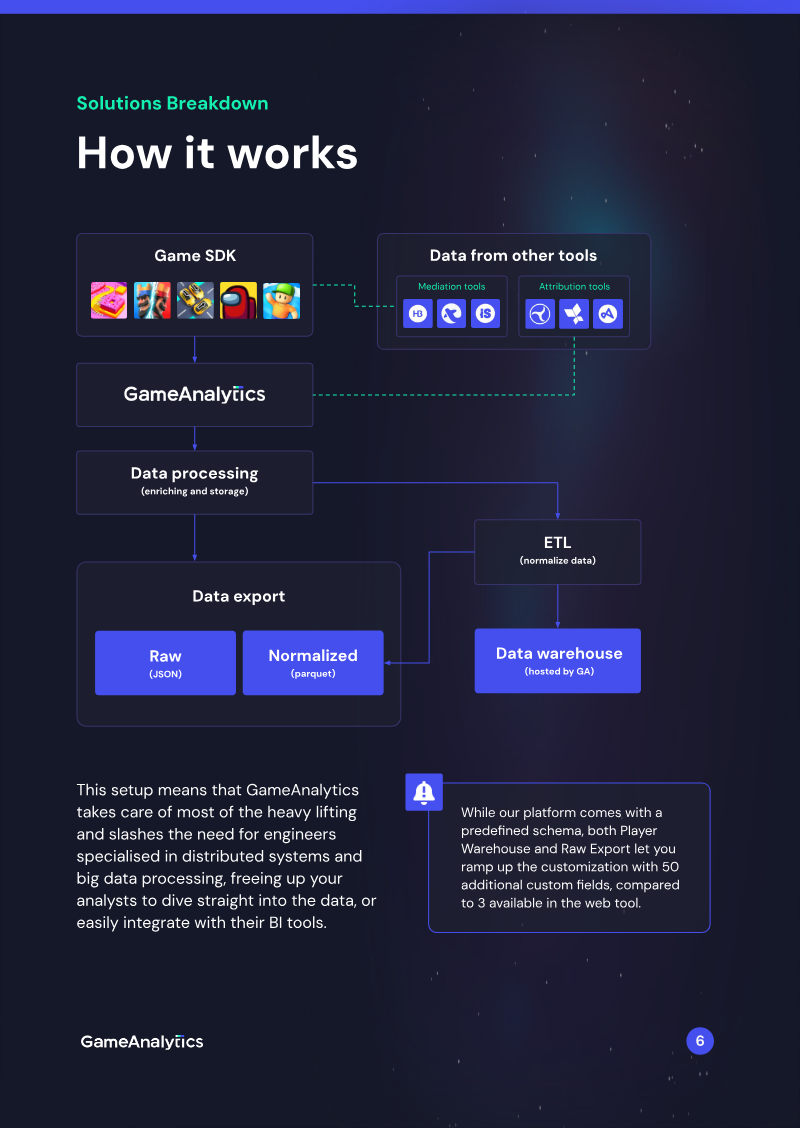
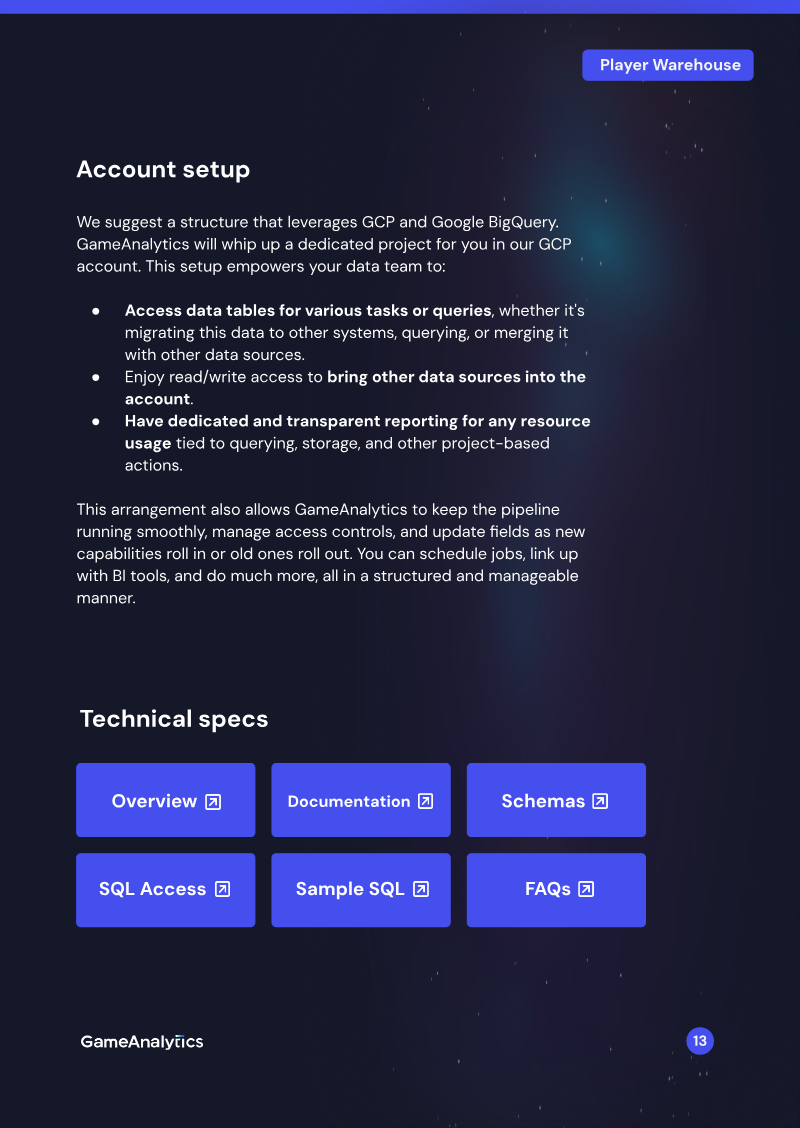
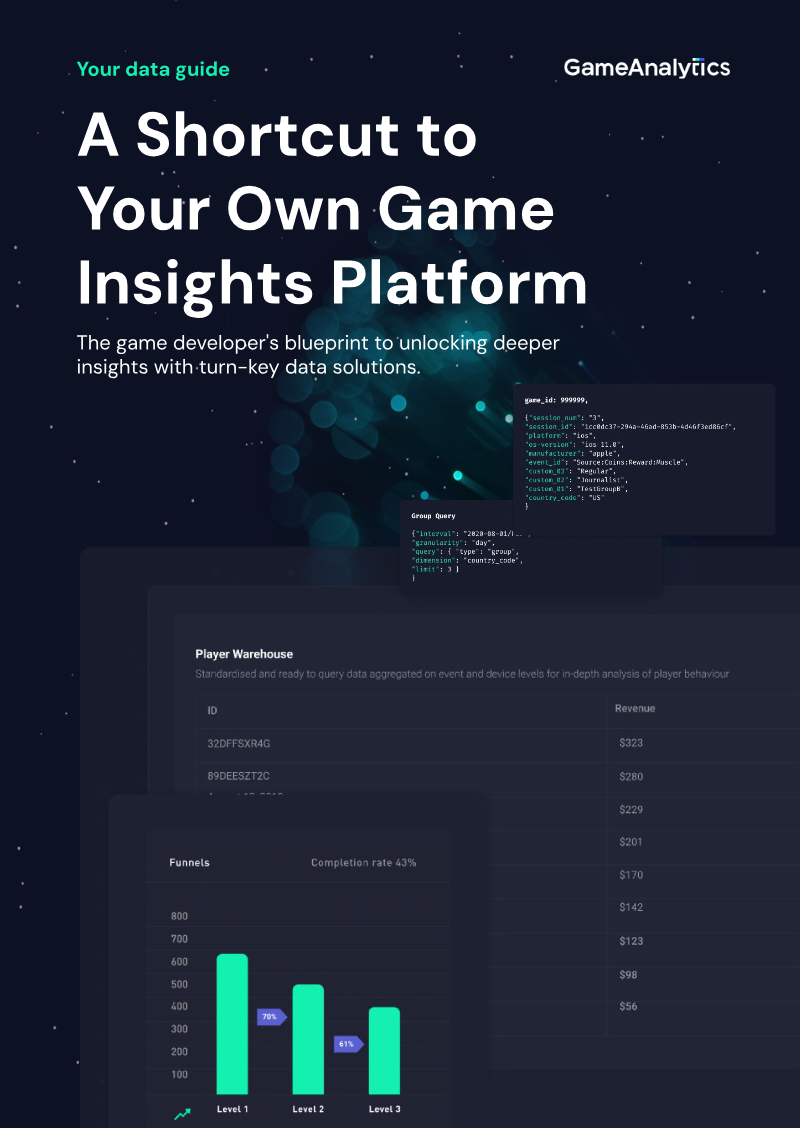
A Shortcut to Your Own Game Insights Platform
This document outlines GameAnalytics' turn-key data solutions, "Player Warehouse" and "Raw Export," designed to provide game developers with deeper, more flexible access to their game data.
- GameAnalytics provides a turnkey data pipeline that eliminates the need for custom ETL development, proprietary SDKs, and ongoing infrastructure maintenance.
- The platform offers two primary data delivery methods: Player Warehouse for daily refreshed, SQL-ready event tables and Raw Export for real-time JSON streaming.
- A publisher utilizing Raw Export achieved a 50% increase in lifetime value (LTV) across 19 titles, while a VR MMO leveraged Player Warehouse to improve player engagement.

Your Data Tracking Plan: A Step-by-Step Guide for GameAnalytics
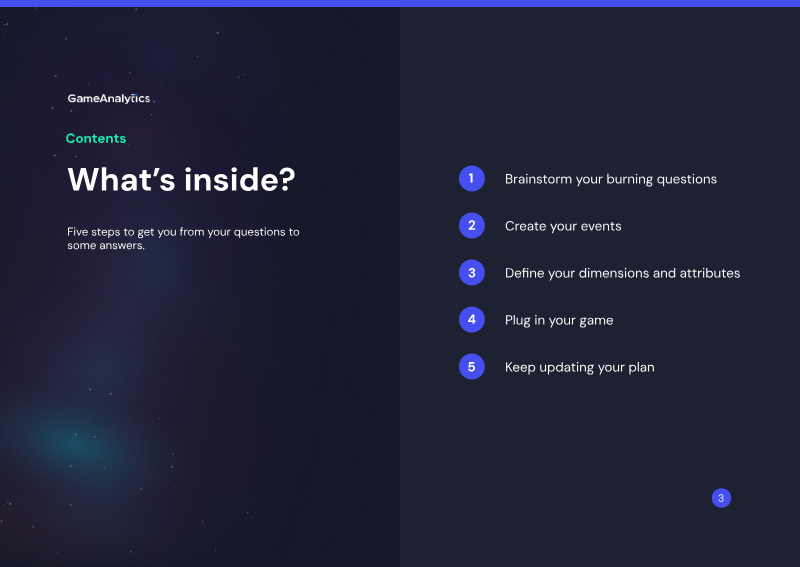
This guide outlines a five-step process for developing a robust data tracking plan within GameAnalytics, emphasizing the importance of a structured approach to ensure valuable and actionable data.
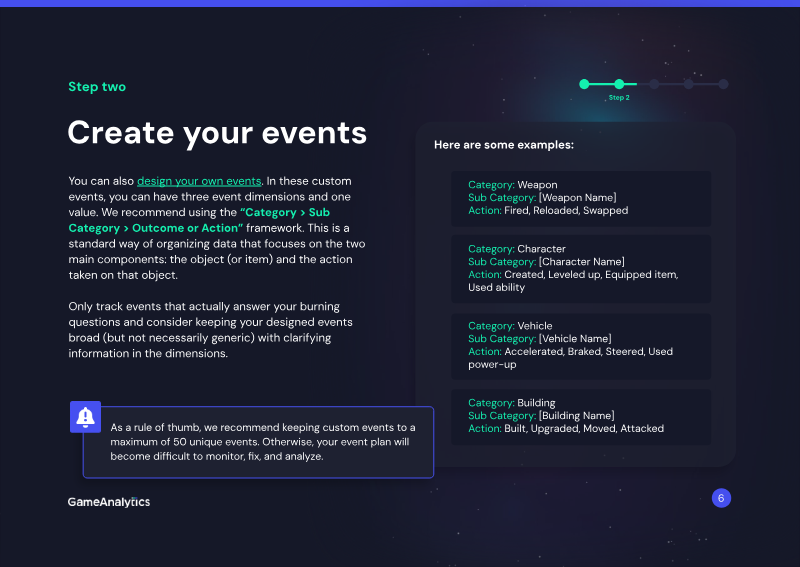
- Establish a structured tracking plan by aligning business objectives and player behavior questions with seven predefined event categories: Session, Business, Resource, Progression, Error, Ads, and Impression.
- Limit custom events to a maximum of 50 unique identifiers to maintain data integrity and prevent system clutter.
- Adopt a consistent Category > Sub-Action naming framework to ensure clarity and prevent redundant or misleading data collection.
Capital Markets Event 2025: Coffee Stain Group
This is a Capital Markets Event 2025 presentation by Coffee Stain Group, a game company with speakers including its CEOs, board chair, studio managers and CFO.
- Coffee Stain reports a 44% cash EBIT margin for FY24/25 and describes cash EBIT as its key metric for operating strength.
- Baseline net sales grew at a 34% CAGR from FY19/20 to FY24/25, according to the company.
- The company's cash conversion was 123% in FY24/25, with cash EBIT of SEK 484m in that year.
The Rise and Reset of Sweden's $19B Gaming Capital Machine
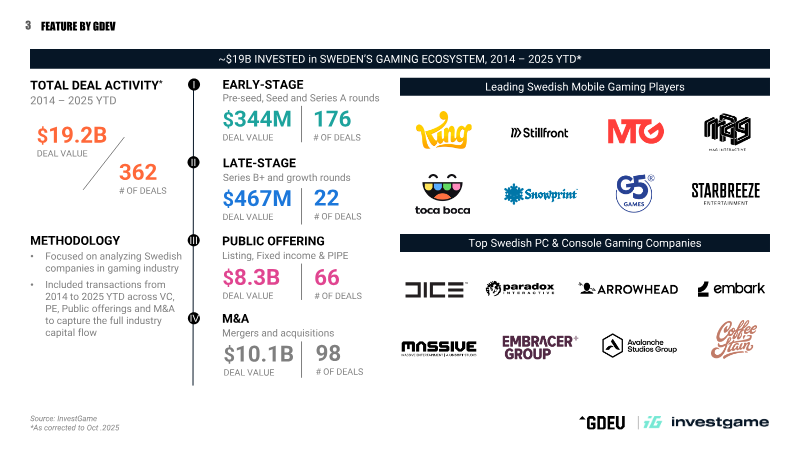
This document analyzes the capital flow and evolution of Sweden's gaming industry from 2014 to 2025 YTD, identifying it as a significant global gaming capital.
- Sweden’s gaming sector has matured into a $19 billion ecosystem comprising 1,100 companies, with Swedish developers producing five of Steam’s global top-10 bestsellers in 2024–25.
- Swedish studios contribute approximately 20% of Steam’s projected 2025 gross revenue, cementing the country's status as a dominant global gaming hub.
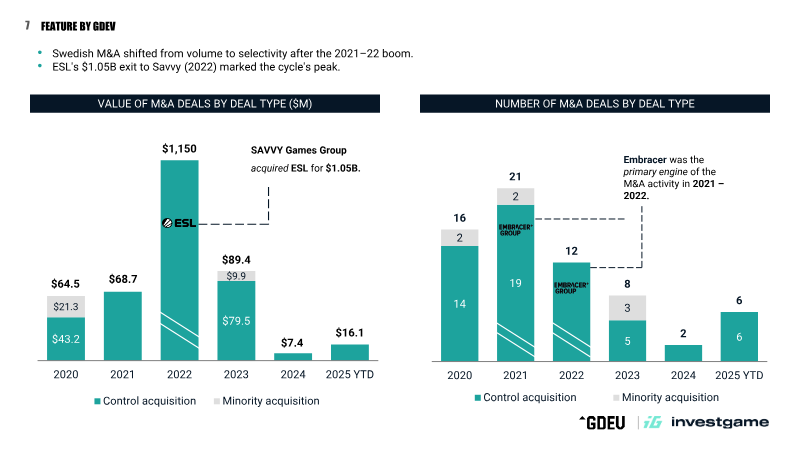
- M&A activity is highly concentrated, with three major deals—King ($5.9 billion), Mojang ($2.5 billion), and ESL ($1.05 billion)—accounting for 93% of the total transaction value.

What Good Are AI NPCs?: Lessons from a Large-scale Player Study
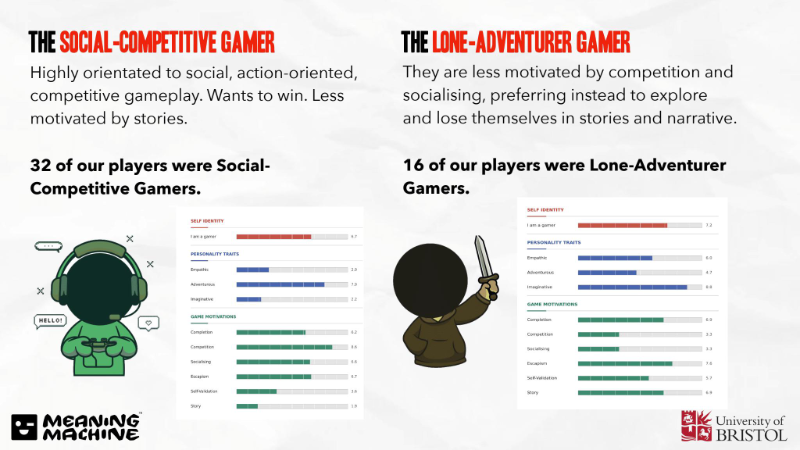
The University of Bristol conducted a player study of AI-powered non-player characters built on Meaning Machine's technology, using LLMs at runtime.
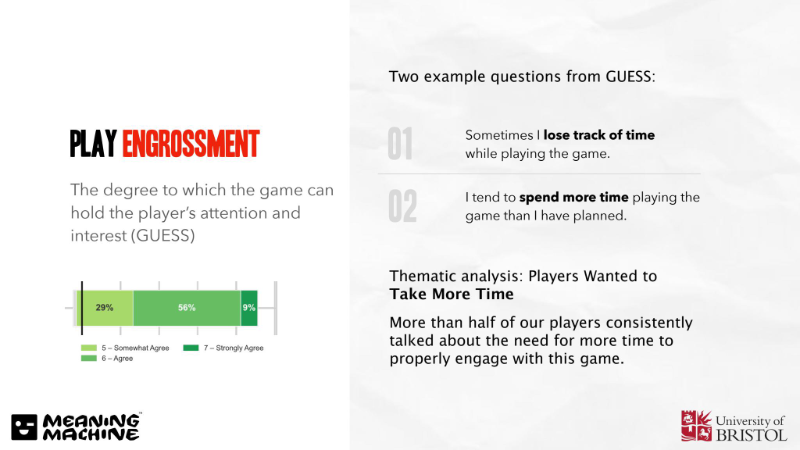
- Across all User Engagement Scale metrics, 90% of responses were positive, and no dimension was rated negatively on average by players.
- Enjoyment was near-universal in the Game User Experience Satisfaction Scale, with 96% of players rating it 6 or above.
- Freedom of expression was described by the authors as a double-edged sword, since without clear direction players were unsure of the game's limits and their progress could stall.

AI in MTG: Moving Beyond Theory
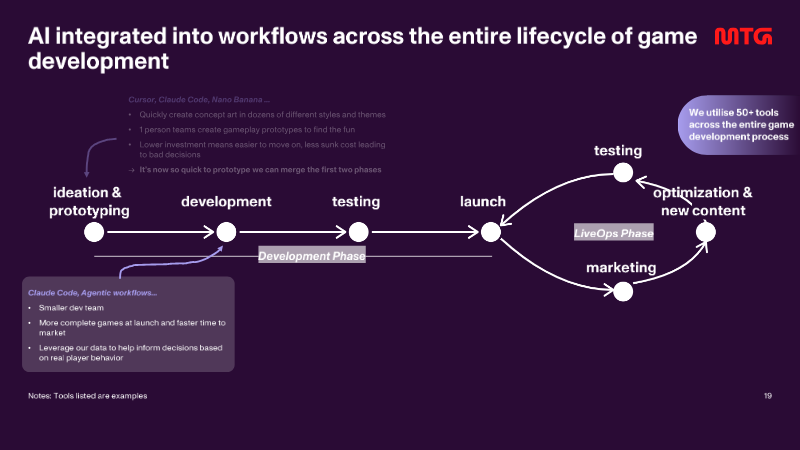
The document, "AI in MTG: Moving Beyond Theory," outlines a strategic integration of AI across the entire game development lifecycle, emphasizing its role in enhancing efficiency, reducing costs, and accelerating content delivery.
- Adopting an 'AI-first' development approach enabled the launch of five new mobile games in 2026, facilitating rapid iteration and simultaneous production of specialized content.
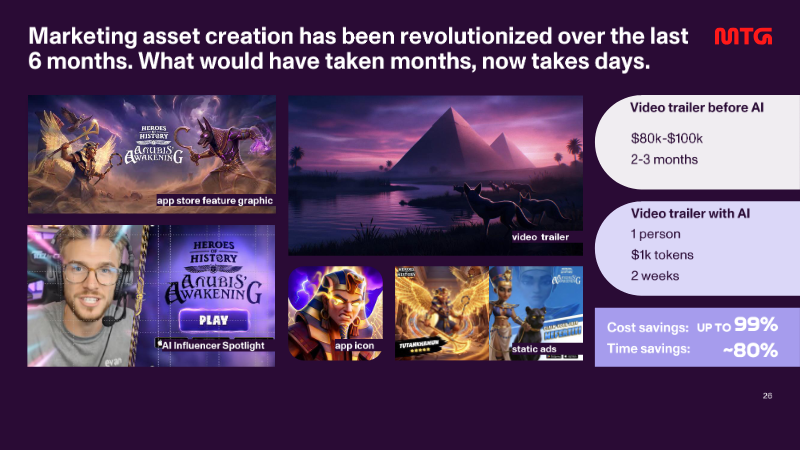
- AI integration has achieved significant operational efficiencies, including a 99% reduction in marketing asset costs and an 80% time saving on influencer spotlight production.
- Data analysis turnaround times have been reduced by 75% by utilizing AI agents to query large-scale datasets, allowing analysts to focus on high-level strategy.

CESA Game Industry Report 2025: Launch Seminar Report
The CESA Game Industry Report 2025 Launch Seminar provided a multi-faceted analysis of the Japanese game industry, focusing on policy, technology, and human resources.
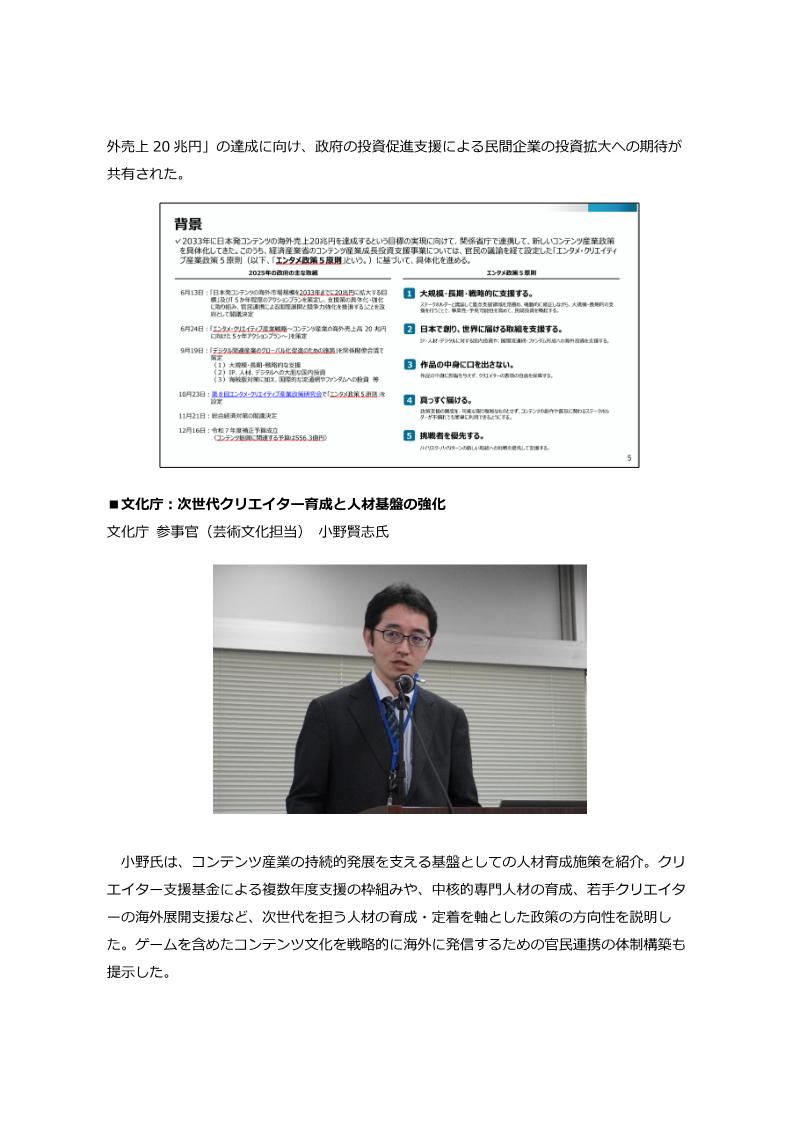
- The Japanese government has set a strategic target to reach 20 trillion yen in overseas content industry sales by 2033.
- Approximately 50% of domestic game companies have integrated generative AI into their internal development pipelines.
- Industry adoption of generative AI remains bifurcated, with high usage in production workflows but a cautious, risk-averse approach toward AI-generated content delivered to end-users.

Annual Financial Report: PCF Group 2024
PCF Group S.A.
- Standalone revenue rose to PLN 166,457 thousand in 2024 from PLN 120,387 thousand in 2023, while the operating result fell to a loss of PLN (238,243) thousand.
- The company wrote off 100% of the costs incurred on the Bifrost project, amounting to PLN 213,493 thousand.
- The board stated that failure to secure financing of about PLN 350 million by the end of Q4 2024 prevented it from implementing the Group's strategy in its existing form.
Writers
Games and companies
Games