Game Development reports and market data
Documents
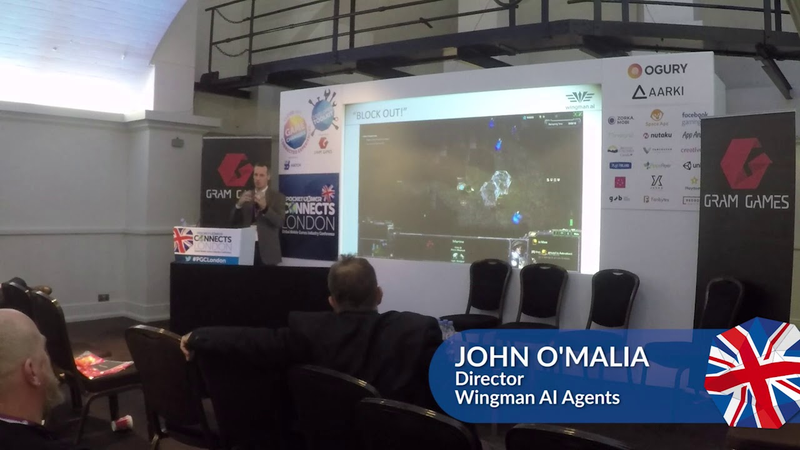
Meet your new and improved teammate! Human-directed AI agents and gaming
The integration of human-directed artificial intelligence agents represents a significant shift in gaming, moving away from traditional, disruptive bots toward collaborative, player-centric teammates.
- Human-directed AI agents are shifting from disruptive, hard-coded bots to collaborative teammates that function as extensions of the player through language-based interfaces.
- Semantic language wrappers allow players to issue real-time, high-level instructions for tasks like healing or tactical maneuvers, reducing the need for constant micromanagement.
- This technology can bridge the gap for the 50% of esports viewers who currently watch games without actively playing them by simplifying complex mechanics for broader accessibility.
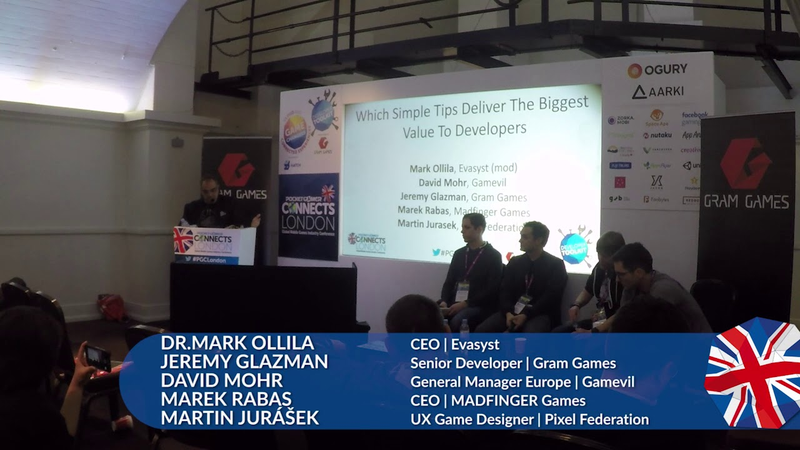
Which simple tips deliver the biggest value to developers
Early-stage game studios achieve the greatest value by prioritizing core development craft over the creation of proprietary technology.
- Prioritize core development craft over proprietary technology by utilizing established game engines and build systems to focus resources on iterative, player-centric design.
- Shift from rigid waterfall methodologies to flexible, autonomous team structures that enable rapid feedback loops and reduce the high costs of late-stage production adjustments.
- Integrate qualitative research and user experience design from the earliest stages of production to gain a deeper understanding of player behavior.
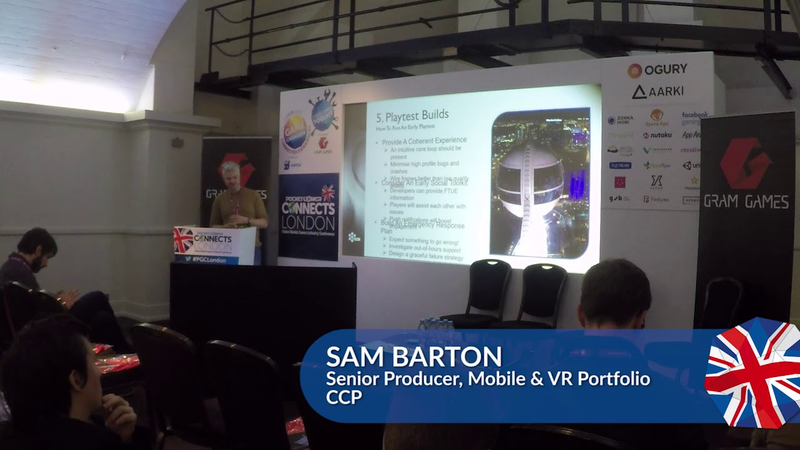
Better together – How to build a mobile game with help from your community
Engaging a community during the earliest stages of mobile game development provides significant strategic advantages, transforming players into active collaborators and establishing a dedicated core audience.
- Engaging a community during early development transforms players into active collaborators, securing buy-in and validating social features long before traditional soft-launch phases.
- Development teams should prioritize gathering qualitative emotional sentiment over quantitative KPIs, which are often premature during the early stages of production.
- Using wireframes instead of polished assets during playtests helps manage player expectations and allows developers to focus on core mechanics rather than visual feedback.
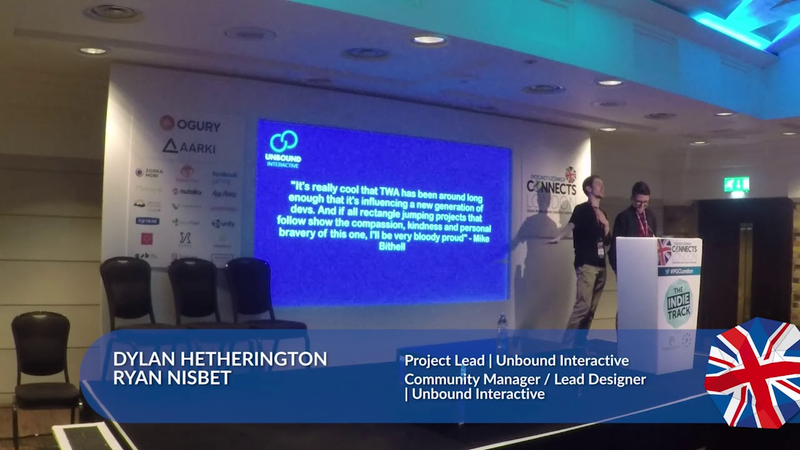
Transhaping – Kickstarting with meaning
Unbound Interactive, a small independent studio founded by three university students, developed the platformer game Transhaping to raise awareness of the transgender experience.
- Unbound Interactive successfully funded their debut platformer, Transhaping, via Kickstarter, raising over £3,000 to maintain creative control and avoid the external pressures of traditional venture capital.
- The studio transitioned from a six-person team to a three-person founding team, forcing the remaining developers to rapidly adapt and professionalize their operations beyond their initial hobbyist mindset.
- The project serves as a dual-purpose tool for both commercial game development and social advocacy, specifically aiming to educate players on the transgender experience and support organizations like the Trevor Project.
Fantasy games pitching
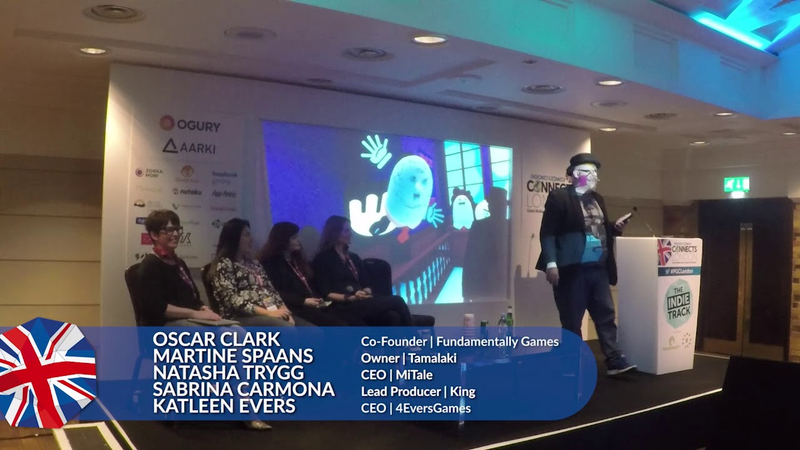
The modern mobile and indie gaming landscape is defined by a relentless pursuit of differentiation, often leading developers to embrace absurdity, satire, and unconventional mechanics to capture user attention.
- Developers in the mobile and indie sectors are increasingly using absurdity, satire, and unconventional mechanics as high-concept marketing hooks to achieve differentiation in a saturated market.
- Commercial viability is maintained by integrating diverse monetization models—including microtransactions, subscriptions, and ad-supported gameplay—directly into the core game loop.
- The industry strategy focuses on subverting traditional genre expectations to generate viral interest and capture user attention.
How developers can succeed in the mobile esports space
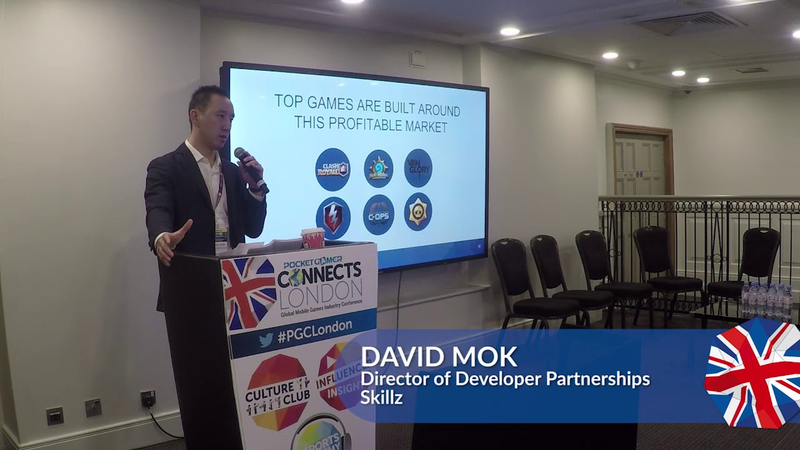
The mobile gaming industry has evolved into a multi-billion-dollar sector, with mobile platforms now generating more revenue than PC and console gaming combined.
- Mobile gaming has surpassed PC and console revenue combined, with projections indicating that mobile will account for over 60% of all competitive gaming by 2021.
- Developers should target the 99% of casual players by creating accessible, competitive experiences that bridge the gap between amateur users and the top 1% of professional esports athletes.
- Success in mobile esports is driven by short, three-minute competitive sessions across diverse genres like puzzle, trivia, and sports, rather than focusing exclusively on complex, synchronous titles.

Running a games business without killing yourself
The primary objective of this presentation is to provide guidance for leaders of creative businesses on maintaining personal health and operational sustainability while managing the intense pressures of the games industry.
- The business leader is the organization's most critical asset, making the prioritization of personal health a fundamental requirement for long-term company stability rather than a self-serving act.
- Studio heads must transition from a founder-centric model to a resilient, team-oriented structure to ensure both business longevity and sustainable leadership.
- Leaders should proactively manage financial risk by avoiding over-leveraging personal assets and maintaining adequate liquidity to navigate the inherent volatility of the mobile gaming sector.
Ditch toxic systems so we can finally love video game romance
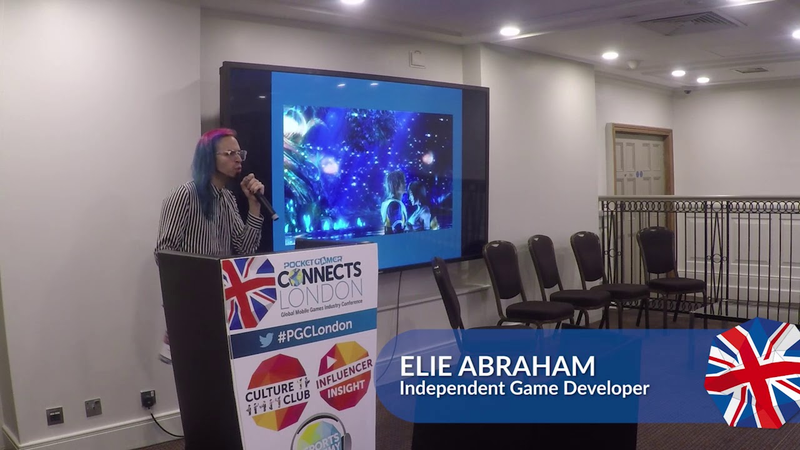
The presentation critiques the prevailing design of romantic systems in video games, arguing that current mechanics often reinforce toxic societal values, entitlement, and unrealistic expectations.
- Current romantic mechanics in RPGs and life-sims like Mass Effect, Dragon Age, Stardew Valley, and The Witcher rely on a 'kindness token' model that treats relationships as transactional rewards for repetitive tasks.
- The prevailing design framework prioritizes player entitlement and wish fulfillment, reducing complex human connections to predictable inputs rather than fostering genuine emotional growth.
- By framing romance as a goal to be achieved, these systems reinforce outdated tropes such as the 'damsel in distress' and the commodification of sexual encounters.
How to make great games without crunch / mental health problems in the games industry
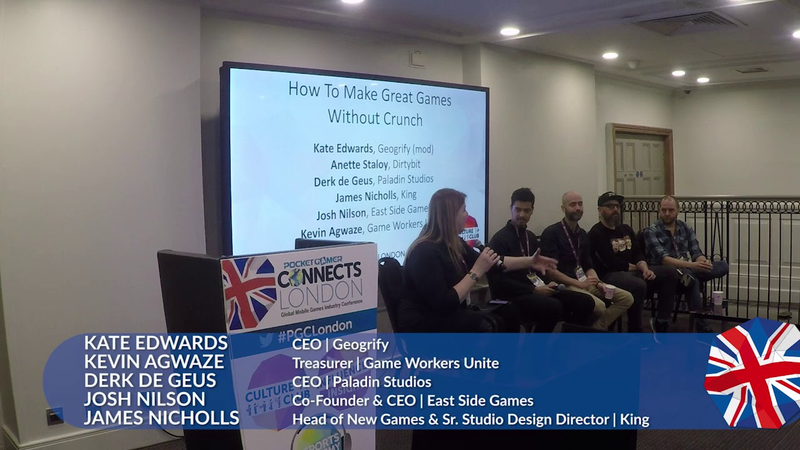
Burnout in the game development industry is a multifaceted crisis driven by systemic issues, including prolonged crunch, insufficient autonomy, and poor project prioritization.
- Sustained overtime beyond a two-week period leads to diminishing returns in productivity and a measurable decline in overall product quality.
- Studios must transition from an hours-logged culture to a goal-oriented efficiency model that prioritizes focused output over exhaustive labor.
- Preventing crunch requires rigorous project scoping and realistic planning at the management level to ensure timelines align with human capacity.
Porting to console – Why alternative platforms options matter
Porting mobile games to console platforms represents a viable and potentially lucrative expansion strategy for independent developers, provided the game’s design is compatible with controller-based play.
- Porting mobile games to consoles offers a high return on investment, evidenced by a case study where a £5,500 investment generated £25,000 in revenue over ten months.
- Console sales can represent a significant portion of total earnings, with some titles seeing console revenue account for nearly one-third of their lifetime total.
- Console platforms provide a less saturated marketplace than mobile app stores, offering developers a strategic opportunity to extend the lifecycle and profitability of existing intellectual property.
How developers can bring augmented reality games to the masses in 2019
Augmented reality represents a significant frontier for the gaming industry, yet the transition from experimental technology to mainstream consumer adoption remains a challenge.
- Mainstream AR adoption is currently hindered by the lack of established design standards and the friction caused by requiring users to scan physical surfaces to anchor virtual objects.
- Mobile AR platforms like ARKit and ARCore have expanded the potential user base to hundreds of millions of devices, yet developers struggle to move beyond simple 2D mechanic adaptations.
- Successful AR experiences currently rely on high-quality character design, the use of portals for immersive windows, and intuitive 3D navigation.

The Animation Pipeline of Mario + Rabbids Kingdom Battle
The development of Mario + Rabbids Kingdom Battle centered on synthesizing the structured, iconic posing associated with Nintendo characters with the unpredictable, chaotic energy of the Rabbids.
- The animation team unified the distinct visual styles of Nintendo characters and Rabbids by applying rigorous principles of clear silhouettes and lines of action to the chaotic Rabbid designs.
- Developers utilized a hybrid rigging system combining joint-based rigs and automated blend shapes to balance high-fidelity character deformations with the responsiveness required for tactical combat.
- A proprietary Take System built within Maya enabled rapid iteration and organized clip management, utilizing sidecar descriptors and dirty-bit tracking to automate mirroring and file synchronization.
Writers
Games and companies
Games