1 free read left. Create a free account for unlimited reading + AI research.
Create free account
Running a games business without killing yourself
Key insights
7 takeaways- 01Leaders should proactively manage financial risk by avoiding over-leveraging personal assets and maintaining adequate liquidity to navigate the inherent volatility of the mobile gaming sector.
- 02These insights are derived from fifteen years of experience in the mobile gaming industry, spanning the period from 2004 to 2019.
- 03Studio culture must actively avoid chronic overwork, or 'crunch,' by fostering natural, sustainable rhythms of exertion and recuperation for the entire team.
- 04The business leader is the organization's most critical asset, making the prioritization of personal health a fundamental requirement for long-term company stability rather than a self-serving act.
- 05Studio heads must transition from a founder-centric model to a resilient, team-oriented structure to ensure both business longevity and sustainable leadership.
- 06Operational sustainability requires establishing robust external support networks, specifically reliable legal and accounting services, alongside comprehensive insurance coverage for critical illness.
- 07Health maintenance, including regular medical check-ups and consistent physical activity, must be integrated into daily routines rather than treated as secondary priorities during high-pressure periods.
Ask AI about this video
Transcript
[Music] all right good morning yeah it's good morning isn't it ham so welcome to my talk this is a very strange talk for me normally I get up and do the kind of traditional we're amazing and we basically you should work with us kind of talk this one's a bit different so because there's a bit of an irritable bruising to my ego from this talk I wanted to start with a little bit of context to try and offset that a tiny bit so basically I've been running small studios for about the last 15 years twelve of those years are independently eyesight building very stupid flash
games about 15 years ago and then we pivoted to mobile about eight or nine years ago and so now the studio I run burkan best is primarily focused on the mobile games seen over the last 15 years I've built I've been involved with the production of well over 100 different games entertained hundreds of millions of people in the process we've been nominated and even won quite a few awards we've had top-ten hits in the App Store and our last title went to number one in 32 countries I've been on the board of Tiger I ran the bean rewards for three years and so basically I'm hopefully not at this stuff I should have sorted that out first to me so this is my talk which is entitled running a games business without killing yourself or I
think possibly better titled the obvious lessons are sometimes the hardest ones to learn I'm not claiming that anything that I'm about to say is hugely original frankly some of it you can probably get from very basic management science books and but I am saying that sometimes these things are the most difficult things to kind of take on board because when you're running yes basically when you if you take the ludicrous decision to run something as intense as a creative business you know basically there's a lot of kind of competing priorities and you know you you're gonna you end up doing a lot of fire fighting and sometimes you lose sight of things that are the most important so hopefully is the kind of setup explained I over the last you know 15 years I've got quite a lot of things right but I've got some some of them wrong and I wanted to start this story about in 2013 when my previous studio
kempt I took the decision to pivot it to own IP and we were very brave and I think in you know creative businesses you have to be brave but we over an 18-month period we built and released five games on an internal budget of about two hundred thousand pounds so you know it was pretty efficient and tight and that included everything marketing and so on the games did all right you know they've got decent ratings good wedge of downloads even aside to earn some money by the end of it which was kind of cool but you know frankly not enough money and I ended up having to kind of wine the project down because it just we ran out of steam and run away on it I'm there's a lot of it that I'm really proud of I said again the games are not crap but I you know I think we did a lot of
clever stuff with the marketing highlights included me attempting to clear 14 double-decker buses on a child's bicycle which where they were miniature toy bicycle tour bicycles toy toy buses but nevertheless that was kind of a kind of cool and then I took the again ridiculous decision to take this onto Dragon's Den and yeah I mean it was a lot of fun I'm pleased we did it but I didn't massively underestimate the long-term effects of this so for example going on Dragon's Den meant that every conversation I had for the next 18 months in business started with you on Dragon's Den weren't you how was that which made it quite difficult to have a sensible conversation but there were other long-term effects that I didn't factor in so kind of one of my key learnings really was that I think you know I learnt the importance of just cashing
out in some way from time to time so basically I think you know when is the right time to do this I can't there's no formula but basically I think you know for sure if you are pivoting for one or for whatever reason you know either because the markets changed or you decide it's the right time to change direction then I think that you owe it to yourself and your business to ensure that you kind of cash out in my case I literally bet the house one stage of the kind of darkest I'd a phone call from my accountant saying if you don't sort this out you're going to be in a quarter of a million quids worth of debt which was a pretty scary moment frankly and you know I dug myself out of it and it was it was all fine in the end but you know yeah in hindsight I should have made made sure that that was not going to be the case another thing I learned was the dangers of load
basically I think again I think it's an inevitability so running a creative business you're gonna end up taking a lot and there are going to be taking on a lot sorry and there are going to be times where you are you know essentially doing those 14 nowadays to get the deadline sorted and can I get the job done but I think it's like even though that's an inevitability to a degree I think it's really important that you ensure that there's balance within that and you know after those periods where you do have to kind of hunker down to get the job done you ensure that you have recuperation time thereafter and and basically the you know one of the ways that I think is easy to talk about it is the basic if you leave yourself with no capacity or no spare capacity or no spare spare bandwidth rather then then you essentially leave yourself in a situation where you know if unforeseen stuff happens then you just have no
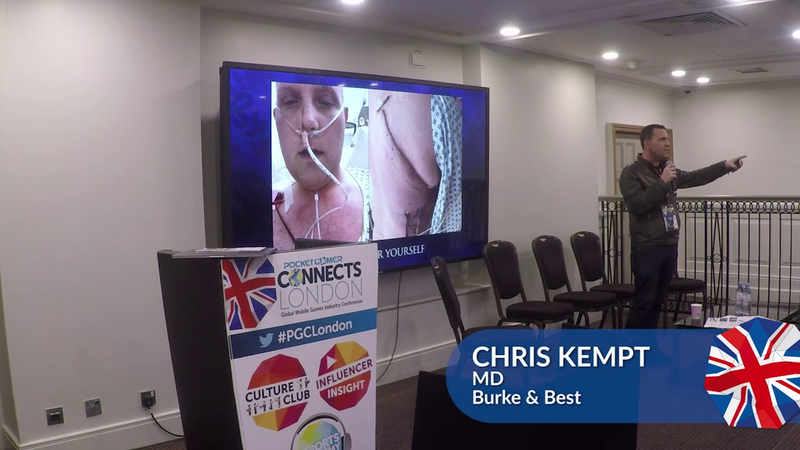
bandwidth to resolve it and and basically yeah you end up totally overloaded and that can end up in pretty you know pretty nasty consequences so from my point of view this is where this ended up so in July 2017 I choked on a bacon sandwich while I was out with some friends in Soho and as a result of that discovered that I had esophageal cancer and yeah that's not fun I caught it quite early also in the last 5 or 10 years they've made astonishing progress with treating this particular kind of cancer and I was you know lucky - you know my catchment area took me up to some Thomas's just across from Westminster which is leads the world in
treating this particular disease and so as a result you know I'm still standing here ten years ago that probably wouldn't have been the case and so yeah basically what I really learnt from this I learn a lot from this but one of the main things I realized is that you know as the person that runs a creative business you owe it to yourself and your team to realize that you are the most important person in the business and so therefore you really have to make sure that you look after yourself because if you're if you're not there to look after your business then nobody else potentially is and so really you have to be the most important person and I think that you know that's particularly important to stress in a creative business because I think most of well frankly most of the people that I know that run similar businesses to mine are you know they we tend to be quite caring sensitive people that you
know want to look after our teams and and I think that it's quite common in creative businesses to have a kind of family or kind of parental type relationship with your teams and I think that you know it's very easy to slip into a situation where you just kind of take on more and more and more responsibility with an aim to look after the people that you're working with but as I say if you do that to the enth degree and don't look after yourself at the same time then it can go bad so yeah basically my key tips here would be no actually there I move those four the last slide sorry but yeah I do have some tips around that so how did we get through this so basically support is key you know and in our case again we were pretty lucky we're part of a wider group of studios
and so we were able to kind of draft in support from this wider group when the hit the fan and you know and also we you know that my wider network you know really was hugely supportive and you know the support ranged from things like Chris here just reaching out occasionally in going you all right mate which is like super of super important to know that people out there give a through to you know my accountants who kind of you know basically I was still dealing with the fallout of what had happened with Kim to the time and they rallied round and said you know don't worry about it we'll sort out you just focus on your own stuff and so you know again you know ensuring if you're going to take on something as ridiculous as running a creative business then you know you need to ensure that you have that great network around you and you know and that goes from anything to you know just making sure that your accountants are great
that your legal support is amazing that you've got decent insurance in place for your business and that you have kind of backup plans in the event that something happens to you whether that became an insurance or or just you know you you have a network of people that you know can step in to help out if necessary another tip healthcare it sounds really bloody obvious but one of the big mistakes that I made was that I'd I didn't even have a doctor I wasn't registered with the doctors and so yeah basically by the time I started to feel unwell I I didn't have anybody to see I then got myself registered somewhere but the first doctor I started I saw wasn't that great frankly some of them aren't and and you know I then fairly quickly found another doctor to what I was saying seriously which you know resulted in the diagnosis and so on however if I
had made sure that I was set up with a decent GP beforehand then you know maybe it would mean it would have been poor even sooner and my treatment would have been a lot easier also another thing I don't know if any of you've come across services like Babylon Health anybody yeah yes I mean this is great like it's a GP service I think it costs like six pounds a month or something and a subscription base and you and you can get a videoconference appointment with the GP with within about an hour of requesting it in the app they then can fax a private prescription to a pharmacy of your choice within again about an hour and so literally within a couple of hours of doing that call you can you know get the medication that you need to sort sort it out and even that extends to arranging things like private x-rays so
you know I managed to arrange a private x-ray through Babylon and yeah and literally the following day I wandered in got it done and and I think that I don't know I mean as a bit of a kind of lefty really you know there's part of me that's kind of not sure about kind of circumventing the system but on the other hand you know there's a lot of people that rely on me for their live livelihoods so I think that you know looking at services like that I would suggest is a good idea I would say I would say that in hindsight I would definitely make sure that I had an annual MOT so booper run a service where you can have regular medicals for a relatively small cost and I would really recommend doing that I would suggest building fitness into your routine so you know I'm sure like we all go oh yeah I should get fitter I should do more exercise the again the reality is that when you run a creative business and
occasionally you're kind of at the pit face trying to sort stuff out you know they're kind of you know well twice weekly gym visits can easily be the first thing to go so my suggestion would be build it into your daily routine so for example one of the things that I changed was that instead of driving into work I skateboarded to the train station and yeah and I got a lot of fitter as a result and then finally my top tip is get good life insurance and make sure it covers critical illness because to be quite honest with you how'd I check the box for critical illness I would probably be on a beach somewhere right now and not standing here talking to you lot so yeah make sure you have good life insurance so actually I'm kind of coming to the end now and I'm not sure how long okay cool not bad timing so yeah basically I just wanted to finish on a slightly more positive note that you
know basically what doesn't kill you is a cliche but it does make you stronger and who definitely does come out bad so in my case I've struggled with my weight for years any of you that know me wouldn't know that you know two or three years ago I would be struggling to get through that door frankly and so yeah I now have a new svelte physique which I'm very proud of and you know joking aside I am probably fitter now than I've been for a decade or more and the same is true of the team you know that basically some of the people that we took on to deal with the fallout of what happened to me have turned out to be just astonishingly good hires and as a result of that the team is naturally actually now in a much better place than it was two years ago and we have this incredible opportunity with those people that have come in to kind of really build what we're doing and build better
stuff than we've ever done before we have two games coming out this year I'm not sure whether I'm allowed to say what they are but we have two games coming out this year which will be really cool and frankly the only real drawback at this point is that I've realized that I perhaps I'm not quite as important to the business as I thought I was and they can sort of get on all right without me so there you go that's it [Applause] something from the experiences you've had or just making the experiences you've had how you instill in me auntie maybe to look after themselves and how you manage and work and life balance know what's happened to you how that changed your culture yeah well so I mean
in terms of things we've changed I mean one thing I one thing I did a couple of months ago was kind of put the wheels in motion to make sure that we arrange appointments for everybody to see independent independent financial advisors so you know if that's yeah basically that was my first step to make sure that everybody has access to that kind of advice in terms of the kind of culture it's a tricky one I mean we have always had a kind of culture of trying to avoid crunch at all costs I think in the last decade I think I can remember maybe two occasions where we've had people have to work weekends and occasionally people do a couple of extra hours on a deadline day but generally speaking we try to avoid crunch but to be honest kind of flicking
around one of the ways that we had achieved that in the past was by me taking on way too much which was what led to this talk and so to be honest you know I think that's part of it which is like no actually they can take on a little bit more but but yeah I think that you know I think they're kind of joking inside really it's about understanding that the theory is always going to be that kind of rollercoaster in some kind of creative business and and that you know you can't keep the momentum going constantly you know you need to allow that natural rhythm to happen you know where there will be times where you need people to push through and there be other times where you need to let them recuperate rebuild and come back to it [Music]
Summary
The primary objective of this presentation is to provide guidance for leaders of creative businesses on maintaining personal health and operational sustainability while managing the intense pressures of the games industry. Drawing on fifteen years of experience in mobile game development, the speaker argues that studio heads often neglect their own well-being in favor of their teams, a tendency that can lead to severe personal and professional consequences. The central thesis posits that the business leader is the most critical asset of the organization; therefore, prioritizing personal health is not merely a self-serving act but a fundamental requirement for the long-term stability of the company.
Key findings emphasize the necessity of proactive risk management and structural support. The speaker highlights the dangers of over-leveraging personal finances and the importance of maintaining adequate liquidity to avoid crises. Operational recommendations include establishing robust support networks, such as reliable legal and accounting services, and securing comprehensive insurance that specifically covers critical illness. Furthermore, the narrative underscores the importance of integrating health maintenance into daily routines, such as regular medical check-ups and consistent physical activity, rather than treating these as secondary priorities that can be sacrificed during high-pressure periods.
The scope of this analysis covers the mobile gaming sector, reflecting on experiences from 2004 to 2019. The methodology relies on personal case studies, including the management of multiple studios and the navigation of a personal health crisis. The speaker concludes that while creative businesses are inherently volatile, leaders must foster a culture that avoids chronic overwork, or "crunch," and allows for natural rhythms of exertion and recuperation. Ultimately, the transition from a founder-centric model to a more resilient, team-oriented structure is identified as a vital step in ensuring both the longevity of the business and the health of its leadership.



















Comments