1 free read left. Create a free account for unlimited reading + AI research.
Create free account
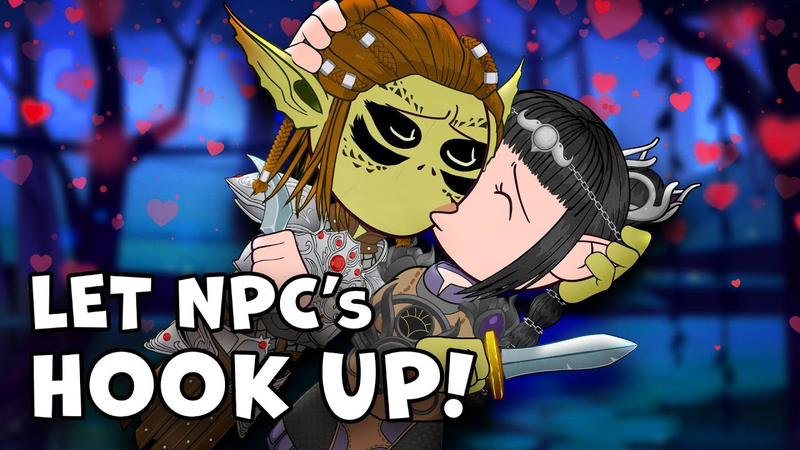
Ditch toxic systems so we can finally love video game romance
Key insights
6 takeaways- 01The prevailing design framework prioritizes player entitlement and wish fulfillment, reducing complex human connections to predictable inputs rather than fostering genuine emotional growth.
- 02By framing romance as a goal to be achieved, these systems reinforce outdated tropes such as the 'damsel in distress' and the commodification of sexual encounters.
- 03Dismantling transactional design is necessary to create more socially responsible and emotionally resonant experiences that mirror the complexities of real-world relationships.
- 04Existing romantic systems fail to reflect realistic relationship dynamics, such as the potential for heartbreak or the existence of independent NPC lives outside of the player character.
- 05To improve narrative quality, developers should move away from reward-based systems and instead hire writers capable of crafting arcs that feature mutual vulnerability and character agency.
- 06Current romantic mechanics in RPGs and life-sims like Mass Effect, Dragon Age, Stardew Valley, and The Witcher rely on a 'kindness token' model that treats relationships as transactional rewards for repetitive tasks.
Ask AI about this video
Transcript
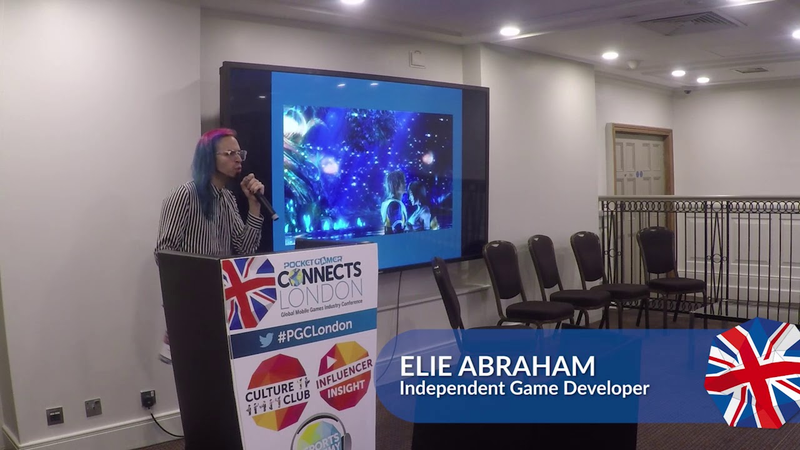
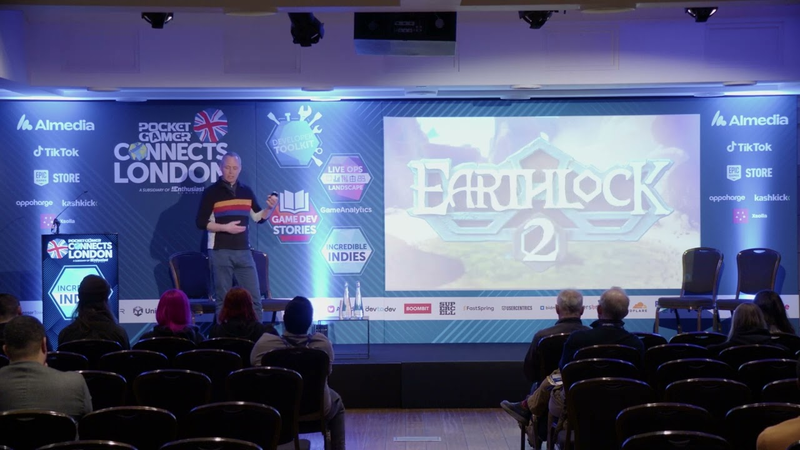
[Music] thanks everybody who came this is super cool not everybody realizes how important this topic really is so this is actually a 40 minute talk that I'm condensing into 15 minutes let's just kind of get into it so you're at Stitch toxic system so we can finally love video game romance my name is Ellie Abraham and if you're not already familiar with me I'm known for a lot of things in games I do a lot of music and audio and games I'm also a writer I'm currently working on the DLC for a game called dun dadada that came out for the switch last year but this game is about trends that we experience in some of our games so let's do it where's the clicker alright let's do it just letting you know there are some I'm going to be
describing a lot of things that I think are damaging and unethical in games and I'm going to have depictions of things that I think are unethical that have previously been glorified including screenshots so I welcome you to leave if that sounds triggering or anything for you cool cool let's do it so let's start with a confession I'm a sucker for romance in games I don't know if everybody else here is like yep I do the optional romance every single time but I am super that person you know Mass Effect Dragon Age stardew valley all these kinds of games if there's an optional romance I am in on it but 9 out of 10 times they're super disappointing they're just they're absolutely terrible they're extremely disappointing but I feel that romance is something we value a lot in society in general not because it should be prioritizing the way that it is but it's just something that we see valued and constantly thrown into many different kinds of media etc etc and it's something I explore deeply in my personal life so of course I wanted in my games yet romance in games rarely
ever actually speaks to me in general it's often fan service and wish fulfillment as you can see and of course often in a very sexualized way this is the cover of Katherine which by the way he's an incredible puzzle game they gave Edie in Mass Effect 3 cameltoe I know it's disgusting and so a fan service and wish fulfillment might be enjoyable because we're literally our fantasies and our dreams catered to but how frequently does once fantasies actually represent reality and how frequently is one's fantasies even possible in reality and maybe you're hearing this question you're thinking like well who cares why does it matter why is that even a problem and I'll tell you why that's a problem that's because the values of our society are obviously represented in our media and when you know I'm not gonna say that every single movie every single game every single book is a representation of our values in media but when you see trends across media
then that is a representation of what our values are and it's what we teach people we are trying to maintain and if this is what you're seeing and that's a problem so when we create a medium that is designed to encompass wish fulfillment we are participating actively in a system that fosters the feeling of entitlement and that's another like one of these like buzz words or whatever and it is dangerous I'm gonna talk about that here and it's particularly dangerous when it comes to romance so before we continue like I'm just making it painfully clear like I said not every single thing you see in a game or a book or a movie is like these are the values of society but the trends are something and then an example of a trend that I know we all familiar with is for example it's let's go back to our childhood Disney films princes and princesses we've seen this over and over and over again where the storyline requires the prince to save the princess and she always fell in love with him in the end for some reason and I loved many
of those movies but as a society we started to speak up against this trend there was a lot of things we saw problematic with this and we can tell that we started to speak up against this because it started to represent itself in our media think about how there's this trope of like you know the princess who kisses the frog etcetera etc and now we made a movie that literally takes that storyline and turns it upside down and it wasn't just this one film here in frozen were saying that the prince was actually the bad guy in the end of the film and the actual love was the bond between the two sisters and I was here the talk is short and I want to focus on video games so I'll jump out of this so as I said I'm a sucker for romance and games but it rarely ever actually speaks to me so I find myself disappointed all the time when I'm playing games that have optional romances in fact the stories that I have found the most compelling were often tragic or barely spoken which I'll come back to but first let's consider why romance in video games is often so much of a letdown and for starters it feels like this the
narrative and video games in general especially dialog is only recently starting to get good recently being like I know the past decades maybe I'm dating myself but when you look at old-school RPGs from the Super Nintendo of our childhood those dialogues are actually good you're just the best you can hope for is something that's just a devoid of cliches like something that you haven't seen over and over and over again you know in other games and obviously video games have suffered a lot of this comparison of being like what movies still that better books tell it better etc etc and if you look at games like I don't know one of my favorite JRPGs from my childhood is like Chrono Trigger I'm like yeah those games are fun the dialogue sucks you know it's because we didn't have writers making those games so now though there are tons of games that we think are very well written and we realize they can relate very compelling and moving narratives but
romance seems to seriously still be lacking it's incredibly lackluster some of the examples here are actually examples of games that did it well but it isn't exclusive to games like not at all obviously this came way before games society right now is like practically warring over how gender roles are depicted in movies how romance is depicted in movies and you were seeing that represent itself in callout culture in efforts to understanding defining and explaining consent and suddenly like our action heroes from 80s and 90s don't seem so irresistible sexy in fact they seem kind of privileged and creepy and I'm pointing fingers at like James Bond on top of Galore and Goldfinger or Indiana Jones literally whipping Willie in and reeling her in thy way she's storming away from him in the scene cuz she's angry with him don't worry I've got my handy whip which I use to reel in women and so you want to know why that's a problem it's a problem because I loved those movies growing up
I loved James Bond I loved Indiana Jones and now I look at the retrospectively I'm like huh so some heroes from my childhood were doing things that I now see are amoral and that's also what we're seeing happening in video games right now so in a society where we haven't been teaching the truthful nature of these happenings in fact often times we really disguise it like you see scenes like this there's pretty music in the background you know or whatever if there was some more aggressive or violent music taking the place we'd be like whoa why is Indy doing all this but we literally try to give it this feeling like no we like this listen to the pretty music this is good this is it this is a cute thing this is a kind gesture this is a loving thing and that's part of how we enforce these toxic behaviors and obviously we're getting to how we see that in systems and games so this is misguiding the consumer us it is affecting us it changes how we think it changes what we think is out there in society these are the models and the examples that we have on how you know
like when you're growing up what are your models for romance is what you see in media and then like I don't know your parents or something and so obviously years later we see this stuff it's extremely disenchanting and it's very disappointing and it's upsetting and I'm not saying that we have to stop loving like James Bond and Indiana Jones I still love these things but especially if we're going to keep appreciating stuff from the past we have to admit that we realize we're seeing it there are different lens now and we realize the ways in which we can involve and move forward and just acknowledge that this was problematic and that doesn't mean that we have to just completely go you know junk junket throw it in the garbage we just need to talk about it and one of those things we talked about is how there was a trend where a lot of these films are mostly just catering to male fantasies and that's what I showed you in like with cover for Katherine with the fact that Edie had camel toe there were no effing women who were going like whoa this robot needs camel toe nobody said that nobody said well apparently some dude in
the studio did but anyway more importantly count on we have to do better going forward we have to do better so here's another princess story we've all heard before and some points we need to make about it dun dun dun I am so over the damsel in distress trope I am so over it I don't care which castle the princess is in I want to know why she was made to be so fragile and in need of Super Mario and required to fall in love with him at the end as a reward like why are we so convinced that being saved would mean that we'd fall in love with someone like which one of you it can it hasn't had a fantasy about a chubby Italian plumber kicking down the door go it'sa me are you free yeah oh my god this is everything I wanted it a romantic life partner and so if we're looking for change then
who are we looking to help make it happen where are our models because what we have right now is super not cutting it the most recent super Mario's even though the games are getting so much better still go off the damsel in distress trope what is that why are we seeing that I mean shared trauma for example can be a bonding thing but no one's gonna be like I that's it we're in love now and so maybe my nose up in the air scepticism might be a bit of an overreaction but you drew is it for me when I was growing up like games like Final Fantasy 10 had the romance with like Titus and Yunnan people were thinking oh this is it this is a good romance this is so beautiful but if you think about this romance in this game it is very like Romeo and Juliet esque they're super not fit for each other it gets really like crazy and just it's just it's grandiose it's like this big Hollywood thing that we've seen over and over again and we recognize it but whose experience does this actually speak to like which one of you fell in love with the person you're in love with
she went on a pilgrimage to sacrifice herself to prevent like a beast coming to take over the world just me so these romances they're very iconic when we recognize them as a thing we see in media over and over and over again but they don't know what I'm saying I was like you know what maybe maybe hear me out guys just maybe maybe we just want romances that speak to our actual experiences with romance we don't just have unrealistic ideas of love the thing is that video games are often driven by wish fulfillment it's just like what I said about fanservice with pictures I was showing earlier for example but they do this to like a toxic degree and oftentimes sex is the expected reward and video games you see you follow through with a specific quests you're merely accumulating enough points or however it's graphically or numerically measured you're I mean your relationship
with someone and then at the end you have sex there's the sex cutscene or they move into your house and never talk to you again and we literally allow players to continue living in game worlds where we keep up this notion that these are valid expectations to have in romantic relationships it's no wonder people feel entitled how do these systems often work with kindness tokens and I'd like to explain kindness tokens to you in a way that might feel familiar three steps for sleeping with anyone you'll never guess how easy they are step one agree with all of their opinions or they will like you less and you will see the numbers go down which is crazy because how can you ever learn about another person like that like anybody like someone are most rewarding and fulfilling and fruitful friendships and romantic relationships are the ones where they changed how you think why would you have a romantic system that
literally rewards you for just saying yes to anything they say step 2 give them gifts they don't care how many monsters you had to slay they just want those dime three do their sidequest nothing shows how much you love them then traveling to the other side of the galaxy to find their long-lost father and it's amazing it's like so how did you two get together well I flew across the galaxy if on her long mother and then she had sex with me and sex always comes at the end it's the reward we are all eagerly expecting in Mass Effect 2 there's a powerful biotic named Jack who joins your crew and is one of the available romance options now you have the option to have sex with her versus later in the game and if you do she will stop talking to you now some people will be like oh but you have sex with her she's not gonna respect you that's another thing I want to ask about why are we glorifying chastity why is that a thing that's happening I've had
so many people telling me like horror stories about their sexual education when like my teacher came in with a rose and pulled off a petal and said every time you sleep with someone it's like pulling off a petal from this rose and nobody wants a naked rose that is literally what we are putting into video games you sleep with her she will stop speaking to you nobody wants a naked rose I said sex comes at the end that's just the end of the relationship so you may not realize but that is an unintended narrative you have now put in your game we are glorifying the idea of chastity because the kindness tokens models always leads to the reward of sex and marriage and since it's the only thing they have to reward us with sex literally has to be worked for it has to be earned it has to be achieved in the same game you can attempt a romance Samara hotels you I can't be with you she says she cannot be with you because she's like a space-age samurai who follows an honor code but you can try
anyway and if you do and nearly share a kiss and then she's like Shepard I can't and then she'll stop speaking to you the moment you realize she's not gonna marry you move into your room the moment you realize she's not gonna sleep with you it's over which is incredible because this would have been an amazing opportunity to talk about heartbreak to show a tale of romance where these two people desperately wanted to be but it affected the sci-fi mission and yada yada yada these are all these things I would have wanted to see especially because most of us can relate to the idea of having our heart broken that's a thing we feel for that would have been such a compelling narrative but they were just like but she won't sleep with you I guess we don't need to pay the writers anymore a dangerous system both in games and in your real world relationships is one where sex is the reward I already
said that you know it's funny a lot of people are thinking especially because games are so driven by wish fulfillment they're like well players aren't gonna want a game with heartbreak actually you know what I want games that move me I want games that are compelling I want games with narratives and speak to my actual experiences and I have had my heart broken I'm certain that most of us in this room have had our heart broken and it might require a little tragedy to pull that off in our games in stardew valley you can literally give any romance about option a diamond or a cake or a bottle of wine twice a week from the moment you meet them and never otherwise speak to them and they will marry you in the end literally just like show up just here's your diamond you do that twice a week in the end one could also have kids so I loved this game but bluntly kindness token systems disgust me we teach players that you literally put in cones coins of of kindness and gifts and so on and so forth sex and
marriage comes out your progress may even be marked for example I can start a valley with these little hearts they even say only two gifts a week because three is just too creepy chill out buddy it's the first week they don't want more than two diamonds here a sliding scale a la dragon age plus 19 still counts as neutral I tell you that and it says right there party members approval changes based on plot decisions or gifts high approval provides possible romance options so I just make decisions they approve and they give him gifts and they'll sleep with me so there's no emotional growth is completely empty exchange plus like I said in the end it's all about the sex of the marriage but it's funny it doesn't move into your house and then they'll never talk to you again because isn't that the part of the relationship that's interesting when you actually start dating each other and this is the place where games just cut off relationships I like that said it's over and it would've been amazing if the if
systems have been like oh these two you're the playable character and the NPC are not romantically involved let's have that effect the missions let's have them come up to you one point be like hey can we quit trying to save the world for just five minutes just come come do something with me you know some people are thinking oh but we you know how many people we'd have to hire to write a system like that oh my god it's like writing compelling narratives requires actual writers who thought that you need people who have actually had these experiences who are compelling writers to make them believable and it's amazing that like every they're all FA cubile you could just like Google Jack romance that's this is what you look like when you go on a date you're powdering your nose you're tying up your tie the whole thing you're just like oh my god I said too many wise when I said hey I said the rotting emoji they think I'm being too flirty you're like feeling nervous and video games never give you that they never ever give you that but we're feeling terrified to have you but to having put ourselves out there and video games robbed you of being able to feel that and romances and games should
just kind of encourage the values that we want to see in our romances and the real world so some people might be thinking like well isn't being kind and giving gifts like a good example that's I'm not against kindness but that that is transactional at best in video games and led by the expectation of sex and marriage at the end of the game the first Witcher makes it collectible every person you sleep with gives you one of these erotic cards so you're telling me nobody in stardew valley just wants them like wants a mixtape they don't wanna diamond they just wanna mixtape they're gonna bake with me maybe they don't like gifts at all you can give et cameltoe you can have that stupid card system from The Witcher but you can't write a more compelling narrative system and games higher Manawa it's also weird the romance of characters who never romance each other like in the real world and I once ever seen this in games in Mass Effect 3 Shepard can walk into a room Holly and Garrett's are there illegally sheriff Shepard and he goes I'm happy for you that is the only time use I have ever seen it in games don't you want to see
these relationships that you like that you worked for you know because remember relationships in the real world are not exclusively about to you that's why I want to see characters romance each other you want games not to I mean romances and games not to feel achieved you want this even developed into something mutual like actual relationships in the real world that's when they're rewarding and fruitful and obviously I don't have much time so real quickly I'm just gonna wrap up I have zero time is anybody who wants to hear the rest of my talk who wants to ask me a question can I use my question time to wrap up with the last couple slides I use my question time I used everything I told you was a forty minute talk right I guess you got the idea all I wanted to do you come to me afterwards if you want to hear some of my examples of things that we're seeing in games that we're good examples of things we should explore in games in romances but you
just got the critique part sorry you don't get to see my last five slides thank you [Music] [Music]
Summary
The presentation critiques the prevailing design of romantic systems in video games, arguing that current mechanics often reinforce toxic societal values, entitlement, and unrealistic expectations. By analyzing popular titles such as Mass Effect, Dragon Age, Stardew Valley, and The Witcher, the analysis identifies a recurring "kindness token" model. In this system, players earn romantic outcomes—typically marriage or sexual encounters—by performing repetitive, transactional tasks like gift-giving or agreeing with an NPC’s opinions. This framework is criticized for reducing complex human connections to a series of predictable, reward-based inputs that prioritize wish fulfillment over genuine emotional growth or mutual vulnerability.
The core thesis posits that these systems are fundamentally flawed because they treat romance as a goal to be achieved rather than a dynamic, evolving relationship. The reliance on the "damsel in distress" trope and the commodification of sexual rewards are highlighted as damaging trends that mirror outdated media tropes. Furthermore, the analysis notes that these systems often fail to account for the reality of heartbreak or the potential for NPCs to have independent lives and relationships outside of the player character. By prioritizing player entitlement, these games miss opportunities to explore more nuanced, compelling, and relatable narratives.
The scope of this critique encompasses the broader gaming industry, specifically focusing on RPGs and life-simulation titles from the last several decades. The analysis advocates for a shift in development practices, urging studios to hire writers capable of crafting authentic, mutual, and emotionally resonant romantic arcs. The conclusion emphasizes that by dismantling transactional systems and embracing the complexities of real-world relationships—including conflict, heartbreak, and independent character agency—developers can create more meaningful and socially responsible experiences for players.













Comments