Pinstripe
GameBy Atmos Games
15 documents in the library are about Pinstripe, from writers such as Thomas Brush. Each has a summary and key insights with the page they come from.
Connections
The documents about Pinstripe on the inner ring, the other games and companies they name on the outer one. Select a cover to see it up close and open it in a new tab; drag to move, pinch or Ctrl + scroll to zoom.
Key figures from the reports
Securing $28,000 in the first 24 hours of a Kickstarter campaign provided the necessary capital to complete the game Pinstripe, serving as the primary catalyst for transitioning to full-time development.
Thomas Brush, 2020 · How I Became a Full Time Game Developer, p. 10
Once Upon a Coma is an indie adventure game developed by Thomas Brush, the creator of the 2016 Kickstarter-funded title Pinstripe, which raised over $100,000.
Thomas Brush, 2018 · Once Upon A Coma Official Kickstarter Video, p. 1
On Steam
Steam estimates as of 9 Oct 2026. Revenue is premium revenue on Steam only: game sales, without DLC.
- Revenue to date
- $779K
- Units sold
- 78K
- Last 12 months
- $10K
- 1,110 units
- Price
- $14.99
- Positive reviews
- 89%
- of 2,643 reviews
- Peak players
- 693
- at the same time
- Followers
- 12K
- Average playtime
- 3 h
| Year | Share of the best year | Revenue | Units |
|---|---|---|---|
| 2019 | $332K | 34K | |
| 2020 | $64K | 6,282 | |
| 2021 | $29K | 3,133 | |
| 2022 | $16K | 1,603 | |
| 2023 | $15K | 1,760 | |
| 2024 | $12K | 1,362 | |
| 2025 | $12K | 1,583 | |
| 2026 so far | $7K | 802 |
On Steam since Apr 25, 2017 · Developer Atmos Games · Publisher Armor Games StudiosSteam store page
Documents about Pinstripe

The Age Of AI Copy Cats Is Upon Us. Here's What Game Devs Should Do...
The rapid proliferation of artificial intelligence in game development has created a landscape where simple, gimmick-based games are increasingly vulnerable to immediate replication.
- To protect games from being easily cloned by AI, developers must move beyond simple gimmicks and infuse projects with a unique, cohesive artistic voice, personal storytelling, and a distinct perspective.
- A game's defense against replication lies in its 'humanity,' which is achieved by limiting inspirations to a few specific, sharp influences rather than relying on the broad, average data sets used by AI models.
- Developers should prioritize building a dedicated audience, which acts as a 'lever' that ensures a player base exists even if a game's core concept is copied by competitors.
How To Actually Finish Making Your Game
The primary challenge for many independent game developers is the inability to transition from building prototypes to completing full-scale commercial releases.
- Transitioning from prototype to commercial release requires shifting from initial concept excitement to long-term strategic planning and emotional resilience.
- Developers must select projects they are genuinely passionate about to sustain the deep personal investment required for multi-year development cycles.
- Establishing a concrete finish line—such as creating a Steam page, securing a publishing deal, or setting specific financial goals—is essential to transform abstract ideas into high-stakes commitments.
5 Solo Game Dev Mistakes You MUST Avoid (My Experience!)
The primary objective of this analysis is to outline critical strategies for solo game developers by reflecting on the development and launch of the indie title Pinstripe.
- Solo developers must prioritize rigorous, objective playtesting throughout production to identify design flaws and ensure reward systems remain fair and engaging.
- Securing a publisher is essential for solo projects to gain access to professional PR, media coverage, and industry expertise that are difficult to cultivate independently.
- Developers should leverage existing assets rather than creating every element from scratch to prevent burnout and significantly accelerate development workflows.

Beta test my next major game project?
The platform Full-Time Game Dev serves as a comprehensive educational resource designed to transition aspiring developers into full-time careers within the independent game industry.
- The 'Full-Time Game Dev' platform posits that technical coding skills are secondary to mastering marketing, business operations, and funding strategies for a sustainable indie career.
- The curriculum is built on the creator's decade of experience launching titles such as 'Pinstripe' and 'NeverSong'.
- Core modules integrate technical instruction in 2D illustration, C# programming, and Unity with business-focused training on social media growth, game design bibles, and Steam launch execution.
My 10 year dream project just launched on Nintendo Switch!!!
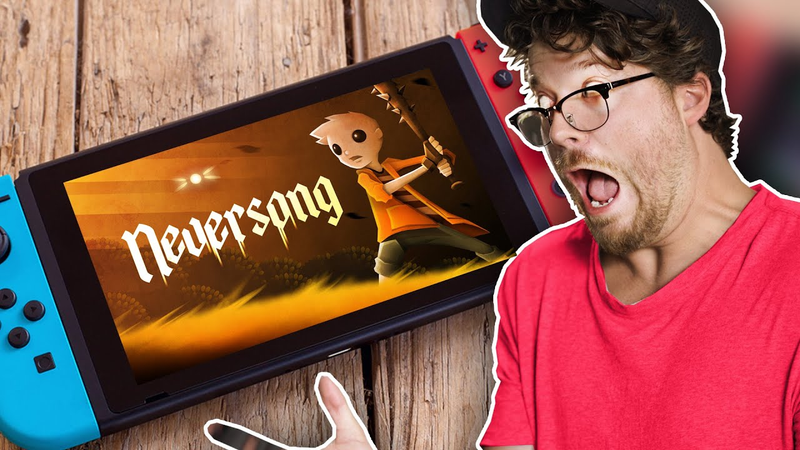
The launch of the game Neversong across Nintendo Switch, PlayStation 4, Xbox, and Apple Arcade serves as a case study for the viability of the solo developer model in the modern gaming industry.
- Solo developers can achieve multi-platform scale by outsourcing technical porting to specialized firms like Dū Games and leveraging the marketing infrastructure of publishers such as Serenity Forge.
- The 'solo developer' model is effectively a network-based business, as sustainable growth requires delegating administrative, technical, and promotional tasks to contractors rather than managing full-time employees.
- Strategic platform-led promotion is a critical driver of visibility, evidenced by the PlayStation 4 trailer for Neversong generating over 134,000 views and 5,600 likes.
How I Became a Full Time Game Developer
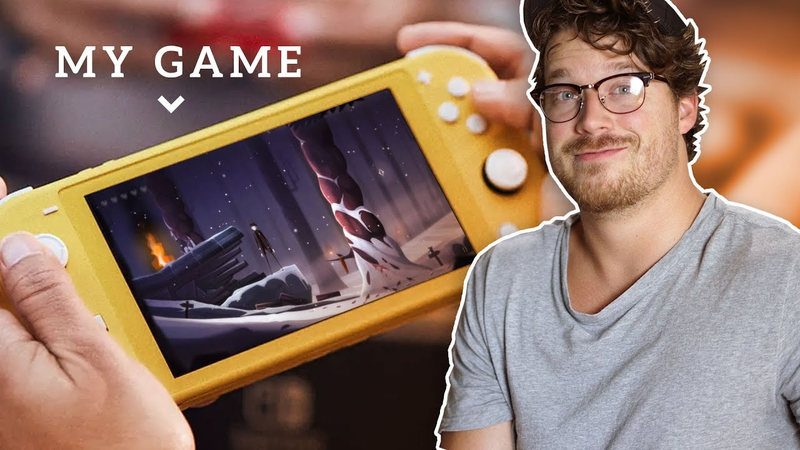
The narrative outlines the professional trajectory of an independent game developer, detailing the transition from a traditional corporate career to full-time game creation.
- Securing $28,000 in the first 24 hours of a Kickstarter campaign provided the necessary capital to complete the game Pinstripe, serving as the primary catalyst for transitioning to full-time development.
- Achieving professional viability in the indie sector requires a hybrid strategy of leveraging community support, crowdfunding platforms, and publisher partnerships to mitigate financial risk.
- The developer successfully scaled their career by building on early validation from Flash-based games, which garnered millions of plays before moving to larger commercial projects like Pinstripe and the critically acclaimed Never Song.

Making indie game money in the midst of this virus...
The primary objective is to demystify the financial landscape of independent game development, specifically addressing how developers secure funding and sustain operations.
- Relying exclusively on direct game sales is insufficient for most independent studios, necessitating a diversified revenue strategy to ensure long-term financial viability.
- Successful indie financing typically involves a combination of multiple streams, including crowdfunding, publisher advances, licensing agreements, and royalty payments.
- Publishers provide critical value beyond upfront capital, offering essential services such as porting, development support, and business development.

Watch This Before You Make Your First Game!
The primary purpose of this analysis is to outline the psychological and professional challenges inherent in developing a first video game.
- Completing a project is essential for building professional and mental resilience, regardless of the final commercial success of the game.
- Game development is a long-term exercise in endurance where initial project infatuation inevitably gives way to extended periods of monotony and doubt.
- Developers should anticipate five common psychological hurdles: imposter syndrome, loss of passion, the urge to quit, anxiety, and the social difficulty of explaining the development process to non-industry peers.

I'M. FREAKING. OUT.
The primary objective of this initiative is to maximize the visibility of the indie game Pinstripe by leveraging Steam’s internal broadcasting platform to secure a featured position on the storefront.
- Indie developers can leverage Steam’s internal broadcasting platform to trigger engagement algorithms and secure a featured position on the storefront's daily deal section.
- Concentrating high concurrent viewership directly on a Steam store page serves as a strategic lever to manipulate platform discoverability and extend the lifecycle of promotional events.
- The campaign strategy relies on migrating an existing audience away from external platforms like Twitch and YouTube to consolidate all engagement metrics within the Steam ecosystem.
Once Upon A Coma Documentary
Once Upon a Coma serves as a creative evolution for independent developer Thomas Brush, following the success of his 2016 title, Pinstripe.
- Thomas Brush transitioned from solo development to a collaborative model with developer Eric Coburn to scale the ambition of his latest project, Once Upon a Coma.
- The 18-month development cycle for this title marks a significant increase in scope compared to Brush’s previous 2016 release, Pinstripe.
- The project was born from professional burnout and a crisis of purpose following five years of solo development on Pinstripe, prompting a shift from commercial-metric-driven design to passion-led storytelling.
Let's Be Honest About Indie Game Development — Q&A
This analysis explores the realities of independent game development, focusing on marketing, professional discipline, and the psychological management of creative work.
- Success in a saturated market requires shifting from passive promotion to interactive community engagement, such as crowdsourcing character names or design choices to foster organic growth.
- Relying exclusively on Steam is no longer a viable distribution strategy due to the high volume of annual releases, making platforms like the Nintendo Switch more attractive for discoverability and revenue.
- Developers should decouple their personal identity from their creative output to treat public criticism as a neutral tool for professional growth rather than a personal attack.
Once Upon A Coma Official Kickstarter Video
Once Upon a Coma is an ambitious indie adventure game developed by Thomas Brush, the creator of the previously successful title Pinstripe.
- Once Upon a Coma is an indie adventure game developed by Thomas Brush, the creator of the 2016 Kickstarter-funded title Pinstripe, which raised over $100,000.
- The game features a unique core mechanic requiring players to learn the soundtrack on a piano, integrated alongside traditional exploration, puzzle-solving, and combat.
- The narrative follows a boy named Pete navigating a surreal, parentless world to find his missing sister, spanning environments from the fields of Reddington to the peaks of Ashcliff.