1 free read left. Create a free account for unlimited reading + AI research.
Create free account
Which simple tips deliver the biggest value to developers
Key insights
7 takeaways- 01Prioritize core development craft over proprietary technology by utilizing established game engines and build systems to focus resources on iterative, player-centric design.
- 02Secure professional legal or agency support during all publishing negotiations to ensure equitable agreements, regardless of whether the studio chooses to self-publish or partner.
- 03Shift from rigid waterfall methodologies to flexible, autonomous team structures that enable rapid feedback loops and reduce the high costs of late-stage production adjustments.
- 04Integrate qualitative research and user experience design from the earliest stages of production to gain a deeper understanding of player behavior.
- 05Treat qualitative player feedback with the same authority as quantitative metrics to create more resonant game experiences.
- 06Implement rigorous oversight and clear guidelines when using outsourcing to ensure that external contributions integrate seamlessly with internal development standards.
- 07Convert contractors into full-time staff to preserve institutional knowledge and foster long-term team commitment.
Ask AI about this video
Transcript
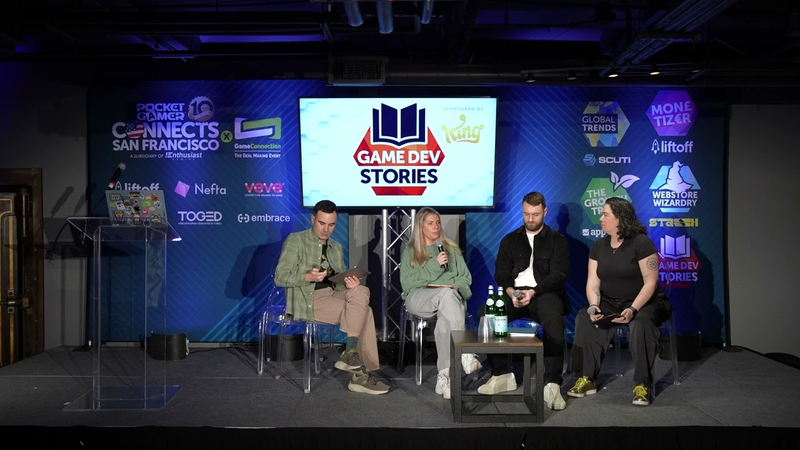
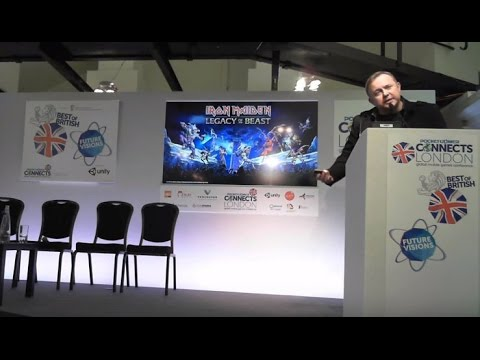
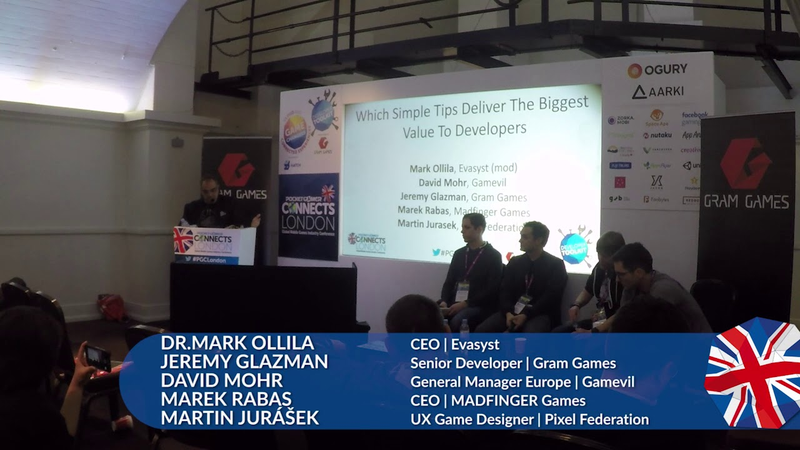
[Music] asked session for the day and so forth so as I said Marco Lila here in the session which simple tips deliver the biggest value to developers we've got a very good panel here we've been talking about this topic quite a bit during the past couple of days my background a bit I've been in the industry since last century was chairman of a company doing physics middleware solutions that eventually technology got acquired by Nvidia and is in all their graphics cards headed up Nakia games publishing in the early day so help basically bankroll I think we're one of the first sponsors of this event and everything and now I've been doing a lot of board work private and public and now working
as a CEO of a social network for video gamers so enjoy this theme very much it's very passionate to me about how you help developers both in the technology side and the corporate side I'm going to ask our panelists to quickly give themselves a quick introduction to the audience not a novel just straight to the point and then we'll get straight into it hey I'm Jeremy glaze man I grew up in Chicago who pretty much grew up in arcades so of course I started the industry and coin up and somehow I ended up in free-to-play mobile game hi I'm David I run the Europa phase 4 game that will come to us which is a mobile gaming publisher I started out as a gaming journalist came from pen and paper RPG background to reviewing Japanese RPGs on the Super Nintendo and now we're doing free-to-play mobile games hi I'm mark from my finger games I'm doing game since 2000 I was mostly programmers and lead programmer in the for like the big
console games in 2010 we set up mobile studio and you know my name is hi my name is Martin Eric I'm from Slovakia and I'm currently working as a UX game designer at company pixel Federation okay thank you so just want to get a sense in the audience here like how many people are actually developers coders hands up okay and how many people are sitting in the management side of the a couple and then how many people are working at a company that's less than two years old okay one okay less than five years old okay a couple and then okay and then how many people working at let's say a publicly listed company okay you say we've got a sense there okay so one of the first things that came to my mind when looking at the title of this talk is that okay you're starting a
studio what other let's say the five tools or three to five tools that you think are needed when you're starting a studio like you're starting from scratch you want to become a developer and it's not about only the programming it's about setting up a studio what are your actually three to five most important tools that you recommend that the audience walk away with if they want to go ahead and start their own studio leave corporate do your own thing so randomly let's start with the one with a mic well I have some experience with this not really actually starting a studio I'm just the programmer after all but a lot of the projects I've worked on I've actually was there on day one so big point I was there when they open their studio in San Francisco the studio that eventually became next on I was also there on day one so I've started a lot of projects on day one and so things that have really helped me out you know starting from day one what what do you need to be successful ultimately so of course you need some game engine less
you're building a game engine don't build your own game engine like yes that's your product don't do it it's it's a terrible idea also a build system I think builds system on day one how are you gonna test this thing that you're making if you can't especially on mobile or on console if you can't put it on device you know very easily you're not gonna play it and then you're not gonna get you know the the feedback even from your own team let alone from other players so really build system on day one I think is very important and then a way to collaborate I was thinking about this from a tools perspective but mark made an interesting point about collaboration so I was thinking you know Google Docs Google sheets source control JIRA what are ways that you're gonna share ideas with your team and Mark made a good point just sitting in proximity with your team is very important right so especially in the early days so you can really share all of your ideas yeah I think that's also very important okay yeah I also worked on on a game game project from Tiguan and I've been
working there as a late game designer so I can tell that my favorite tools are pencil and paper definitely then whiteboard so we can share in an IDs so communication with the team is really essential from the day one and once we move about what we move next step further then I would say for me as a game designer is maybe a Toby Cece and then Google Docs usually and it was a creative creative cloud mainly Photoshop and nowadays I'm playing around with Adobe experience design actually it's quite handy tool to make really fast mock-ups of our friends and then you can even make them a really simple fast prototype so okay mark it's depending what kind of the games you want to make I think if you are looking for this answer then you want to make some like the smaller game so you need only unity and you need maybe Photoshop but that's all you don't need anything
else zero you don't need like the Google Dodds you don't need management forever like the Y you know just create the games and see if it's worth if you have talent and do it and everything else will come later because you very well grow up then you will find that you have issues with the management with the whatever so find these tools and like the build it just organically and any tips I think I would agree with Marek actually I think the most important thing is to know what you want to do and then really follow that and make sure that it's about the craft of making games and it's not about like being the billion dollar exit in two years and things like that but just focus on making cool games that you can handle with your team and your expertise on a scale that lets you survive and that you don't run out of money very quickly so maybe money is also very important money so the focus that just summarizing your answers is I don't use your don't build your own SDK or own engine unless that's going to
be your core product and then fundamentally use some established products out there like Adobe Creative Suite or Creative Cloud unity is a choice of unity over unreal is there any preference I'm you need the guy yeah hey yeah see I think it's really whatever fits your team I'm yeah if you put together a team of unity to developers don't use unreal alright like it's probably a bad idea so really you know works at the strength of your team the best that you can but I love fortnight ok just bringing that up so is it is is there a Mac PC debate to take much obviously no usually what do you love to doesn't matter and trying to cause a fight here so ok so what about like things like testing the game and so forth like any tips or tools specifically for that and when you go live is it anything different any tips or tools that you need to have him play for that well yeah I mentioned having you know the build
tool set up so you can create these build easily but also things like someone just mentioned it in the the other talk anyway to get feedback directly from players we used to literally walk out on the street and just put a phone in in people's hands that like a coffee shop and be like what do you think of this of this thing right so anyway to get feedback from people you know there's a million ways to do it mmm and the build tools can be more specific Jenkins is good it's totally free it's open source we use teamcity at Graham Games which is also very similar to Jenkins they're not hard to set up and once you set them up you generally don't have to ever touch them again which is nice but ultimately what you want is one button and the thing is ready to play okay so Marek just it's same like they're like previews like that if you like the four guys you probably don't need any tools for the QA you were just played and fixing immediately and it's like the most fun you know later when you have 100 people then you have to implement all the stuff so we are using
I think touch it process mostly for tracking and you know I love the the previous thing like to just do things immediately so we've got like a publisher on the panel here and uh like this is about which simple tips deliver the biggest value to developers so I'm gonna ask the question like should you self publish or should you publish I think that depends on you and your company and your goals I mean at the end of the day it's a question of burn rate more than anything else if you're small and you don't need a lot of money to sustain yourself and you just want to keep growing very carefully step by step by step may be like Marik did and that's great if you can do that that's fine if you want to scale and have a like go really big and not deal with all these different functions that a publisher can take care of for you like localization marketing etc etc then
maybe you should talk to a publisher so it's really up to the studio that you are running so in your just to summarize they're like if you need localization marketing as a top like what's the third item you'd consider as if money is a big reasons to go to a publisher yep okay Marek I don't know how the business is working out with the publishers because we are not using them and we never wanted I knew how the business was run in the consoles and in the early years of the mobile they even didn't like the do like the some kind of the development costs you know so they very only taking two shares revenue share and they use their own user base and we decided like we don't go for it because it wasn't war if it's like though you know it's like a double-edge going with the publisher because people publisher can kill the game if they don't like it if they don't like the kpi's they don't care too much
because they have a lot of clients you know and they often like the business you know it's like it's just business and you have to decide it like you said like the you know is if it is Worf if it's like to mean something if there is some extra value because even in the past some games like the really grow up I think even Rovio didn't publish like the first games or some other companies like the heartbreak you know so they like the run with the publisher they get a lot of money a lot of downloads and they move to the self independence of publishing you know so there is a lot of ways how to do it yeah yeah maybe I got one more question the thing is that a lot of studios they do self-publishing and they are doing it pretty well but they do it that publishing on the local market so you know basically Western developments to the studios they do publish in Europe and America but what would you do if you wanted to expand to Asia because it's
it's kind of like a domestic box out to get there yeah don't expand to Asia okay it's um very straightforward answers here so I'm gonna go to David so David like following on that point like we've created a great game like you're working for game ville like Korean company great access to Asia and so forth like oh how do you solve that problem if you've got a great western title and you think it's possible that I'll go into Asia what's the tips you would give to the developer to work with you well so first I'd like to backtrack a little bit because I think it's very careful to run into like confirmation bias with a lot of the independent guys that are now doing pretty well because companies like mad finger or Rovio or supercell started out at a time when the mobile ecosystem and the gaming ecosystem itself was very different than the way it is now so like 10 years ago you could probably self publish and then be lucky and have a good game and grow your business very strongly whereas nowadays it might be a lot harder if you
don't have the experience team and don't have a lot of funding to really self publish and market and get visibility because it's just there's just so much out there right the biggest indie game of last year's fortnight those guys have money you know of course they don't need a publisher you know they can be a publisher by themselves by now so and then nowadays looking at the distribution issue a company like game though we're always looking for a global deal we don't want to do an Asia only do you want to do a global deal so we want to have a developments to you that we work with where we can have global rights but it also has to be a deal that works for everybody because if we as a publisher take too much and then don't care about the game and kill it and whatnot then this can never be a success because the developer will know and the developer also has to care about the game because otherwise we give them money and then they don't deliver a good product so it always has to be a good balance for both sides and if your deal isn't structured like that if your
contract isn't like that if you don't have this feeling working together from both sides then it's not a good deal so I'm gonna ask you to have it like one thing I've learned through negotiation is that the best negotiation ever is when both sides are slightly uncomfortable you mean you haven't given up everything but you still this hasn't work and if it's both sides then that means a real negotiation had happened if people walk away both happy then probably someone got screwed and so forth so what's the best way to negotiate with a publisher then what are the tips you give well I think you should go in high in any negotiation whether it's your salary or your publishing deal because then you can like go in with the maximum you want and know what you want and then you know find the middle ground where everybody can agree I think I would also say depending on your studio background be sure to have somebody who knows what they're doing from a business and legal perspective so whether that's an agent
or a lawyer or something like that get that if you're a small studio if you're like creative artistic people then just hire somebody to help you with that agents usually work on Commission so it will only get money when there is a deal lawyers might cost money but it will save you a lot of money later on because there are also publishers out there that might want to screw you and then you just want to be safe you know so get the professional help and know what you want well that brings us to an interesting question then like you started off of the studio you've got hopefully some developers and so forth like how do you go about expanding the studio like do you hire people do your subcontract what are the resources you can see their most important for the studio like what tips or war stories do the panel have in area well in the early days the the best success I think I've had is when you have a couple people sitting in a room
you know able to everyday for instance I worked on a project where the original design was outsourced then the designer was working remotely and it didn't take long before there was just total rebellion where like no one we couldn't get feedback on it no one wanted to work on the game and in the end we we tossed it and the team developed their their own design internally and I think you'll have much more success in the early days if everyone is working together so I would it you know it's kind of obvious to say but you know you always want to hire the best people but I think it's more important early on to hire absolutely the best people that share some same vision and put them in a room together I think I think very special in some case because when we set up studio were have four guys and we get like the initial seed investment which was like the for 11 months and then we had to make the money and we decided that this
is just try because we're not business money were programmers developers and and like this kind of the guys and we said like that we need to be we have to deserve to survive basically so when we were getting people from other companies we promised that we will have at least one year of their salary in the account because we're taking people from the really big studios and our friends and we didn't want to screw them so we were running like this you know if we're not running on the funds for example found grounds you know like - something like this so always like to make the money we have it we can like to move up you know we can have like the better games or like the more complicated games we need more people okay so bring them and were just running like in steps in this and yep it's all about desiring by the way the best thing is like don't get the friends you know or people who knows like on the beginning like who you know
you know we can trust not like this somebody from the age see you know so with the like David brought up a brilliant point about that the industry has changed quite a lot over the past 20 years and the question comes in is that like technologies have changed like many years ago you're developing your own game engines now it seems everyone is either using unity or unreal or roadblocks if you were here earlier so question I have is there like what else has changed because like I think maybe even development processes have changed and what's important has changed in terms of what are you delivering to the end consumer what recommendations do you have other than what works for the team because what works for the team could be just an old pattern they learnt from 15 years ago which is not being used today so I just want to get your sense of everything
from the development processes prototyping development style well what war stories again and tips do you have in that area so I think one thing that has changed is the way how we talk with the players 20 years ago there's like no communication right nowadays I think players really expect to have a direct line to the developer so as I came developer you should consider how you want to do that how you want to make yourself available to talk with your gamers and how are you going to keep them up to date on what's happening in the game how are you going to explain the direction you're taking with the game that is life how are you setting them up to like buy your game or install your game before it's out I think that's very very important and I feel like a lot of developers or development teams even like inside our company they don't want to talk about their game they wanna don't want to talk about like new features because it's not fixed yet or they don't want to show the new character because it's not the design
isn't final but there are ways around this where you can still share information with players and I think it's really really important to think about how are you going to do this if it's just that this quartet that we do as a small company or like you're really big whatever so engagement we've part of the use of from the get-go as you're in the development process okay yeah totally agree in our company our community management department is quite large actually we get around and that's right right now I'm not up to date but somewhere around 20 people and every community manager is dedicated to the to the specific game and they are in a basically they're in a daily touch with with our players with the most engage players and there are many advantages of this approach for us when I did some uux presentations I said that our key to success is the community management because for us it's it's like a source
of is the source of qualitative data and even our CEO he still has around like 5,000 friends on Facebook and a lot of people are still messaging Garcia about the updates in a game that they don't like it and they they like that and and that and other stuff and it's quite funny because once we do update they they really like they always send a message to him like thank you mister sheets go for amazing update and well back in the days when they were a small studio he used to be a graphic designer and he participated a lot on our projects but nowadays is like once we do a good update they send a message to him thank you mister sheets go but once we mess up our updates the they send him a message like oh your team they are so stupid like you should fire them so you know we never you know our CEO is the best in the eyes of players but we should get fired every like every two weeks I should have I should not have
been in that company yes so great source of it's a great source of positive data I think the biggest change change is like the when we move from the bread with premium games through free-to-play and basically change everything you know when you are playing the premium games you feel the value immediately because you spent a lot of money on it and it's still visible like the I played a lot of Dark Souls games I finished them but the first like the initial like the level I almost killed them like to throw it several times away and I hate them and by basically they didn't care you know I have to find everything by ourselves by myself in the in the free to play they don't feel this value you know it's like the more about the consuming stuff they have a lot of games they can try it download it everything is fast and you fighting for the player like the scenes beginning you know really and this changing the design like
that I call it like from the designer centric design the reply earth centric designer so you have to always think about him like the what you are doing to him you know what they should feel you know or what they are feeling you know you can have like the really great ideas but you really have to like the thing was the player behavior how he will understand it and it's it's not easy you know because a lot of people still doing this I have super idea I've implemented but you can screw a lot of things so this is the biggest chain what I see and it's not easy which by the way is something that a good publisher can help you with because they might have a producing team that has done these things in the past awesome when I when I think about the the CEO comment and so forth are thinking yeah I'm one of those customers because like I love clash Royale I play an hour of it every day at least and on this past weekend I actually emailed ill Cabana and directly about something I found and he said
he'll fix it and everything like that and he responds all the time and ungrateful but brings me to the next point supercell in the press there's a lot of talk about the supercell structure the cell system there have been producing their games and all that and I'm just thinking about the organizations that you've seen in the past and what tips you have now going forward in terms of development processes again like is it like agile waterfall or do you go for the supercell is there a best practice you recommend today as the tip well I can tell what I wouldn't recommend and that's the waterfall process that this is something that it it is still working basically it's implementing it many companies never do whatever if you do the games or applications mmm waterfall nowadays it looks like it's not a good for the development of games because you know if you approach the development with the style that game designer develops a
feature here at documentation then it gives it to our direction then it goes to the developer and developer cannot find answers to his questions then it gets back and the whole feature development gets delayed like like the why still of the original estimation so so that is the something that I definitely do not recommend and so the tip is that once you start developing a game always try to do the review the at the retrospective retrospection try to do the feedback with your team what worked what didn't work and always especially as a product product manager you should try to find the new ways how to how to approach your current needs of the project because at the beginning you might be doing well with with yours with your waterfall but after I don't know two or three months when the game one your team is bigger when you you get a lot of features in your pipeline
maybe you should you should try to find new solutions because you can get stuck easily yeah I mean I agree I wouldn't recommend waterfall but it doesn't mean it couldn't work for someone I think the game is suits were a few years ago did the something called the game outcomes project that found absolutely no correlation between you know that sort of what a team uses their development process and the success of the game and that I thought that was actually really compelling I think it's much more important to be flexible to really the I think the main point have taken from the supercell model is the team is autonomous the team is allowed to make its own decisions they're empowered to change the process and again I think especially working on small teams the best thing you can do is is change your process if something is not working for the team right like on what we used to do is maybe every two weeks even look back at the last two weeks what worked what didn't work and don't be afraid to change the process don't lock yourself into anything if it's not working then you
know there's no reason why you can't change it I've always had the view that a process is an embedded reaction to a previous stupidity and the flexibility is important here when we look at the type of people coming into studios today we've got naturally the programmers we're starting to get economists coming in to deal with rather free-to-play economy that's getting set up in the free-to-play game games as a service now but there's one area which is sort of been talked a lot about and that's like data driven the companies are becoming more data-driven there's quantitative data of data qualitative data user experience is becoming a discussion point like do you have any thoughts or comments around these activities and which tips you recommend should be embraced now and will become more important as we go forward this is a call to the UX yeah ok so just the
things the first thing that you exceed not be implemented as an afterthought it's the common practice in the game development that we do the game we do the game feature and then once we're satisfied with our game we call some guys who are you know oh we need to fix our UI can you can you look on it and improve it and it's kind of hard hard to work with this type of process because you cannot change the game feature and it's a UX it is or let's call it like player experience and once you are not able to change the game features it's kind of hard to it's kind of too late yeah so it happened in our in our company it happened quite often that they gave us a task to help them with some kind of screen I don't know why let's call it a shop and we were not able to help him on small mobile device because the game was too complicated
and they were struggling so the sooner you implement you expert sources into a development process the better and the other thing is that once you do the user research and you get the qualitative data it is not an opinion it's the data and that's the common thing that happens you do the research you have a lot of findings you see that oh ok guys you go to the development team if you the best the ideal scenario is when you walk when you work together simultaneously but if it's not the case then you know you get the findings you tell them guys this is the problem this is the problem this is the problem and as long as the game designers haven't been the part of this user research they are they think it's just an another opinion and they think their opening is more the better one because they they are game designers so they think oh no but it shouldn't be like that it should be done like that and that and they do not respect it as
the quality quantitative data that's a thing and there's always the struggle to to to put the to put the qualitative data on the same level as the quantitative data the circle is real yeah the quantitative data is telling you like what's happened but the qualitative is the Y and the Y is important here I'm going to open it up to the audience now as we get into the last minute of the stretch here I know you want to get outside and enjoy the Sun so questions from the audience down the back there up the front here go ahead well I I mentioned maybe not starting
with outsourcing but clearly there's there's going to be a need for outsourcing on a lot of small teams at some point but in my experience it's best to by the time you've reached outsource you know very specifically what you're missing and and what you need and you use that the external resource to sort of meet that requirement but when you're looking for creative feedback from outsourcing I've had much more mixed results and again it comes back to like you know not really trusting the feedback because that person isn't part of the team a lot of times you get you you get stuff back from out from outsourcers that the team just isn't happy with and maybe doesn't end up using anyways if they're not if the outsourcers aren't given you know very specific guidelines on what the team actually once at least that's been my experience we we always were against outsourcing because it was slowing us down where I liked it just working hammering and nobody have time to take
care about the outsourcers or like the guys like to control time feedback them you know and these kind of things then we find out that if we cannot find like the more people for example or we don't want to so we find a way swear every can use the outsourcing mostly about the modeling stuff you know but you have to find somebody in the company who really giving feedback to them you know because then it can end like the crazy or we are doing like the outsourcing for example we're doing for the testing the UX you know some really good guys who's giving us feedback like what is so confusing you know what they don't understand if we're doing focus tests and so you don't need to do it by yourself but we never outsource so programmers for example or some other stuff I think it's important to just take care of the things that you're outsourcing and understand that even when you give something and then it comes Veck it still is work also on your side
and you should try to build the best possible processes or Seng material to get it back into your game I mean in a way a lot of the things that the publisher does is outsource from the developer because maybe the publisher does your localization maybe they do your marketing but it's not like yeah just to my localization and then it's gonna be fine you still have to be involved you have to provide local files and a good format so it can be automatically translated instead of just providing a shitty Excel that then takes you years to put back into the game you know you should think about how to set up your localization so it can be updated live on the fly online and not with you like new builds for marketing you need to integrate SDKs into your game and provide tracking and think about the points in the game that you're looking at to analyze so whatever your outs or is it will also always need to be managed on your side and you need to take it seriously and I think that is something that many people forget yeah just to say one example in our company
we have a localization manager in our company and we get a platform basically the tool for localization and are basically this this localization manager works with our players so we got a lot of players who are localizing our games in exchange for gems usually because they are really dedicated they love the game and they will love to be part of our development process and since they are localizing they they get to know you know some extra information because once they have to translate something oh this type of feature is going into the game and then they like to share with the other so it's it's yeah we are quite lucky it's like you talked about earlier it's about engaging them early we feedback but also getting them actively committed to the game any other questions ok so I'm going to finish off with in two tips like one tip is fundamentally
that we didn't cover was don't have a two-person board have a board that has at least owed number of people so that you've got corporate governance in the company I've seen that that go very very badly and I think fundamentally the other thing that a little tip that ties to the outsourcing is a I've known Studios when they've started up they've actually every person involved in the studio in the beginning was actually on contract they weren't employed and then over time as I've seen the commitment they actually then moved on to full-time employment contracts so there was a matter of sort of starting off as an outsourced model and then moving to an employed model so that they could actually see what functions they wanted and believe were the most important at different stages of the company okay with that please thank the panel a lot of great thoughts and insights [Applause]
[Music]
Summary
Early-stage game studios achieve the greatest value by prioritizing core development craft over the creation of proprietary technology. Relying on established game engines and efficient build systems allows teams to focus resources on iterative design and player-centric development. Success in the modern, highly competitive market requires a shift away from rigid, waterfall methodologies toward flexible, autonomous team structures that foster rapid feedback loops. By integrating user experience design and qualitative research from the earliest stages of production, developers can better understand player behavior and avoid the high costs associated with late-stage adjustments.
Strategic operational decisions are equally vital to long-term sustainability. When navigating the choice between self-publishing and partnering with a publisher, studios must carefully weigh their funding needs against the necessity for specialized services like marketing and localization. Regardless of the chosen path, securing professional legal or agency support during negotiations is essential to ensure equitable agreements. Furthermore, internal governance benefits from avoiding even-numbered boards, while the strategic conversion of contractors into full-time staff helps maintain institutional knowledge and long-term commitment.
Effective development relies on a balance between internal cohesion and external management. While outsourcing can provide necessary scale, it requires rigorous oversight and clear guidelines to ensure quality integration. Ultimately, the most successful studios are those that cultivate a unified team vision and maintain direct, ongoing communication with their player communities. By treating qualitative feedback with the same authority as quantitative metrics, developers can create more resonant experiences while maintaining the operational agility required to navigate an increasingly crowded industry landscape.