Mobile reports and market data
Documents

Building Growth Teams Around UA Algorithms Success Case From 2023 - Gus Viegas, Lessmore.
Building growth teams around user acquisition (UA) algorithms requires a strategic alignment between business objectives, technical data pipelines, and specialized human capital.
- Growth teams must align their organizational structure and skill sets directly with the specific requirements of the ad network algorithms they choose to leverage.
- Business objectives—such as maximizing low-cost purchasers, high-retention users, or ad-monetized scale—must dictate the choice of algorithm and the subsequent data signals fed into it.
- Ad networks require proactive input of post-install data, such as revenue events or early-session activity, to compensate for their limited visibility into user behavior.

Looking for Alternatives - Duncan Blackett, Digital Turbine.
The mobile app economy is currently facing significant headwinds, characterized by a 30% year-on-year decline in advertising spend and a notable decrease in user monetization.
- The mobile app economy is experiencing a 30% year-on-year decline in advertising spend, forcing developers to seek alternatives to saturated and restricted traditional user acquisition channels.
- Alternative Android app stores represent a significant market opportunity, having generated $36 billion in revenue in 2021 while Apple and Google account for only 49% of global app installs.
- Direct-to-device marketing, facilitated by partnerships with carriers and original equipment manufacturers, allows developers to bypass the app store duopoly and secure more favorable revenue-share agreements.

Curated Panel: Billion Dollar Secrets: Games That Never Die.
Achieving billion-dollar status in the modern gaming industry requires a sophisticated synthesis of brand identity, data-driven user acquisition, and disciplined live operations.
- Long-term viability for billion-dollar games relies on leveraging established intellectual property and sequels rather than high-risk standalone products to ensure a reliable foundation for growth.
- User acquisition strategies must shift from traditional metrics to complex methodologies like media mix modeling and incremental analysis to navigate privacy-centric digital environments.
- Operational success requires the integration of automation and clear team accountability to ensure that paid acquisition channels expand the audience rather than cannibalizing organic growth.
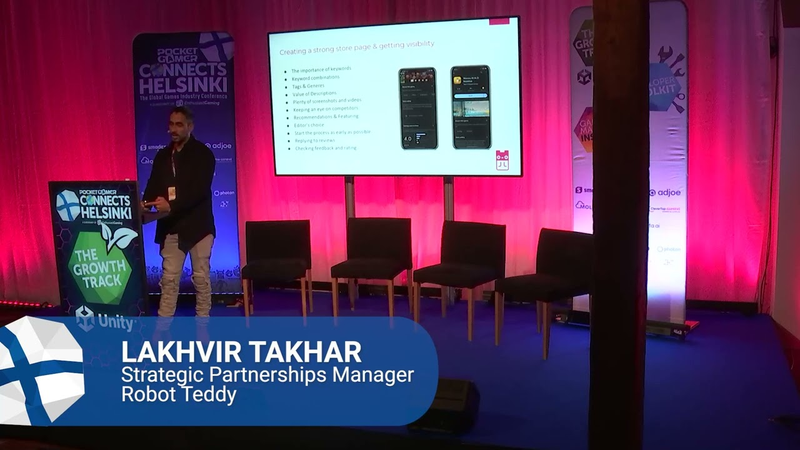
Porting Successful PC Indie Titles to Mobile - Lakhvir Takhar, Robot Teddy
The process of porting successful PC indie titles to mobile requires a strategic approach that extends beyond simple code migration.
- Mobile ports must be treated as distinct products rather than direct copies, requiring significant adaptations to user interfaces, touch controls, and monetization models to succeed.
- The mobile market offers substantial growth potential with global valuations projected to reach four billion dollars.
- Successful mobile expansion requires shifting monetization strategies, such as moving from premium PC pricing to free-to-play or ad-supported models to align with local market expectations.
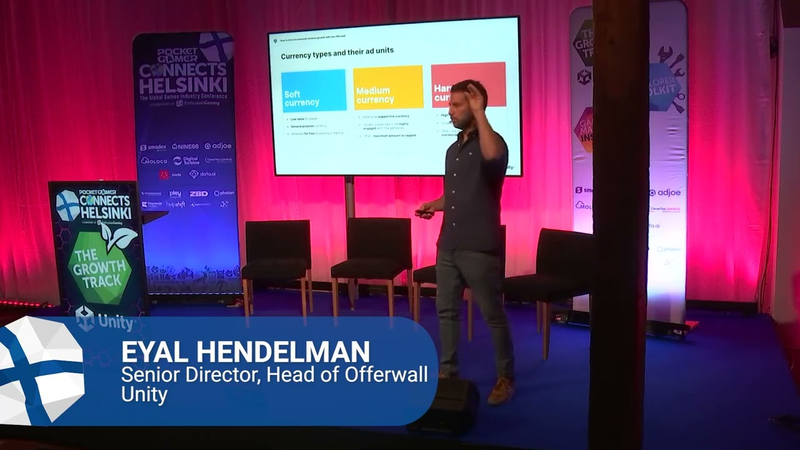
How to Drive Incremental Revenue Growth With the Offerwall - Eyal Hendelman, Unity.
The offerwall serves as a non-intrusive, opt-in monetization tool that allows users to earn virtual currency by engaging with third-party advertisements or completing specific actions.
- Integrating an offerwall can drive a 13% increase in total ARPDAU by capturing value from the 95% of players who do not typically make in-app purchases.
- A case study of a U.S.-based developer showed that adding an offerwall resulted in a 40% increase in ad-based ARPDAU without cannibalizing existing revenue.
- Data indicates that offerwall implementation can positively impact IAP performance, as evidenced by a 10% increase in IAP ARPDAU observed in the study.

Viral Loops in Games Marketing - Konstantin Elgazin, Stupidella
Viral marketing serves as a primary, cost-effective growth strategy for mobile game developers, enabling organic user acquisition without reliance on traditional paid advertising or meta-campaigns.
- Viral loops function as a cost-effective alternative to paid user acquisition by embedding shareable, emotionally resonant content directly into a game's core design.
- Successful viral content relies on humor, surprise, or indignation to trigger organic sharing, rather than relying on artificial incentives or traditional paid advertising.
- Developers can drive organic growth by incorporating cultural references, memes, and Easter eggs tailored to specific regional audiences.

Curated Panel: The Keys to Monetisation in 2024
The mobile gaming industry is undergoing a fundamental transition toward hybrid monetization models, necessitated by the maturation of player behavior and the restrictive post-IDFA privacy landscape.
- Mobile game developers are shifting from hyper-casual frameworks to hybrid-casual models that combine in-app purchases with rewarded advertising to improve long-term retention and lifetime value.
- The post-IDFA privacy landscape has forced studios to integrate monetization into the initial development cycle rather than treating it as an afterthought.
- Direct-to-consumer web stores and subscription services are being adopted to secure predictable recurring revenue and bypass standard platform fees, though these are currently most viable for established studios.

Subscriptions, Season Passes & Other Goodies From the Monetization Toolbox - Uffe Flarup
Effective mobile game monetization requires a strategic, multi-faceted approach that integrates various revenue streams to accommodate different player spending habits and financial access.
- Monetization strategy must be integrated early in the development cycle to ensure alignment with target audience demographics and long-term retention goals.
- Developers should treat monetization as a flexible ecosystem, combining subscriptions, season passes, rewarded ads, and in-app purchases to capture different player spending habits.
- Subscription models provide predictable, recurring revenue for project budgeting and scaling, provided they are paired with the removal of intrusive, non-initiated advertisements.
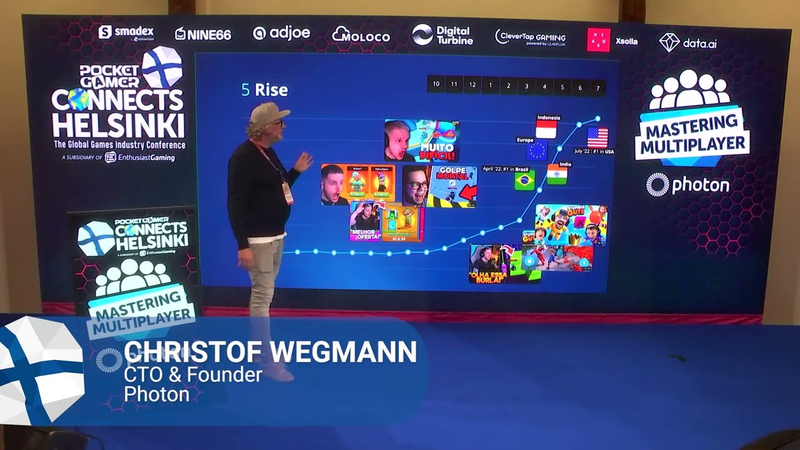
Stumbling Into a Multiplayer Hit Downloaded 2 Million Times per Day - Christof Wegmann, Photon.
The development and meteoric rise of the mobile title Stumble Guys serves as a case study in organic growth, technical scalability, and strategic exit planning within the multiplayer gaming sector.
- Stumble Guys achieved massive scale with 25 million daily active users and 2 million daily downloads without formal user acquisition spending.
- The game demonstrated high initial engagement with a 55% day-one retention rate and reached break-even status within two weeks of its August 2020 launch.
- Technical scalability was achieved by supporting 32-player physics-based sessions on low-end mobile hardware, utilizing bots to ensure match viability and solve the 'empty game' problem.

Democratizing LiveOps: How Leading Studios are Achieving Peak .... - Solomon Lichter, Clevertap
The modern mobile gaming industry faces significant challenges in maintaining player retention and lifetime value, particularly in a post-IDFA landscape where rising user acquisition costs often outpace revenue.
- Studios must transition from manual, spreadsheet-driven LiveOps workflows to a dedicated game control layer to eliminate bottlenecks caused by constant reliance on engineering teams.
- Democratizing LiveOps allows non-technical product and marketing teams to execute A/B tests, live events, and player personalization in real time without developer intervention.
- Separating core game development—such as engine maintenance and economy balancing—from daily player experience configuration accelerates time-to-market and reduces resource strain.
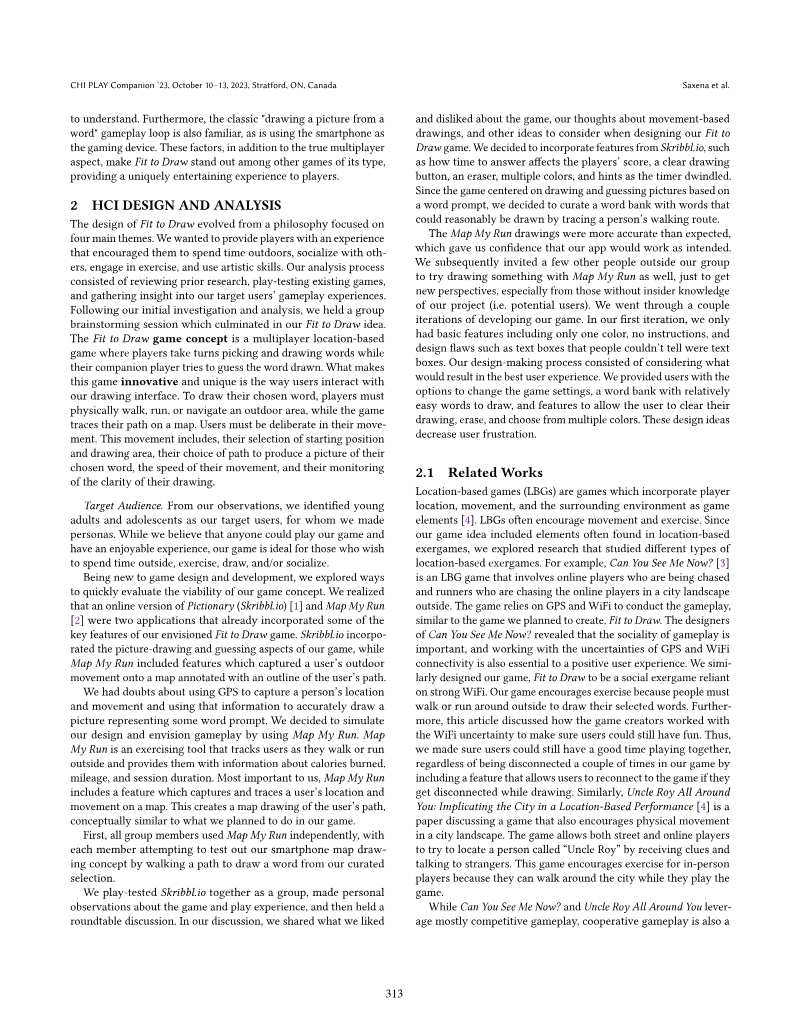
Fit to Draw: An Elevation of Location-Based Exergames
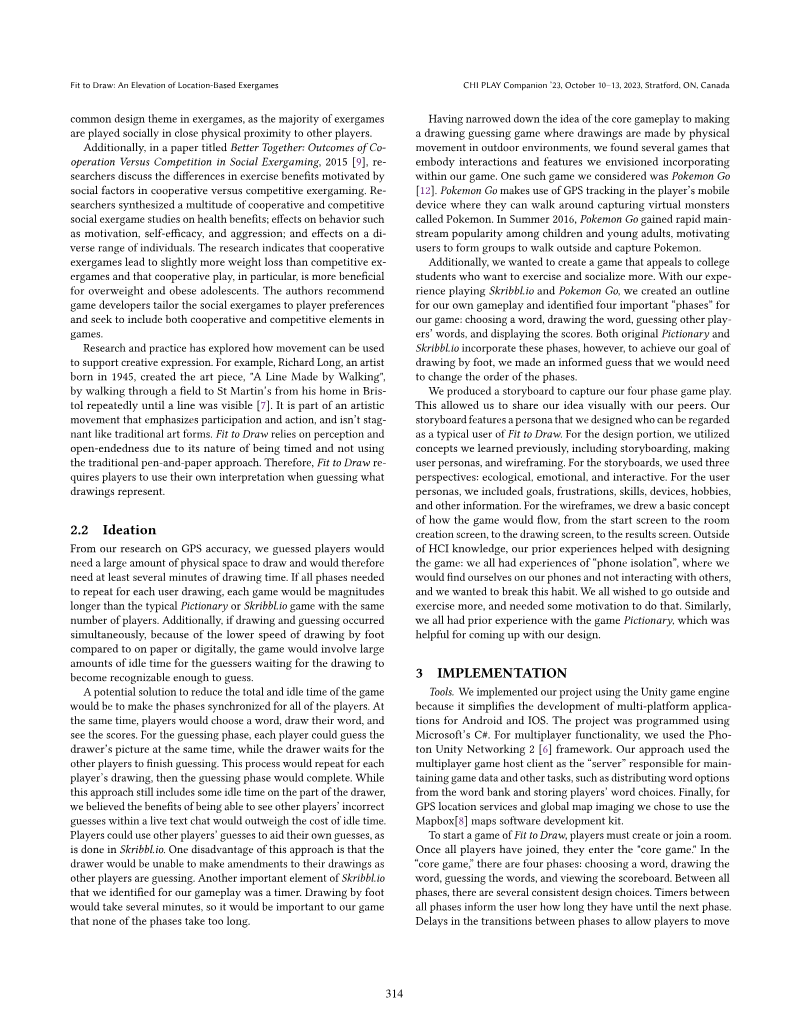
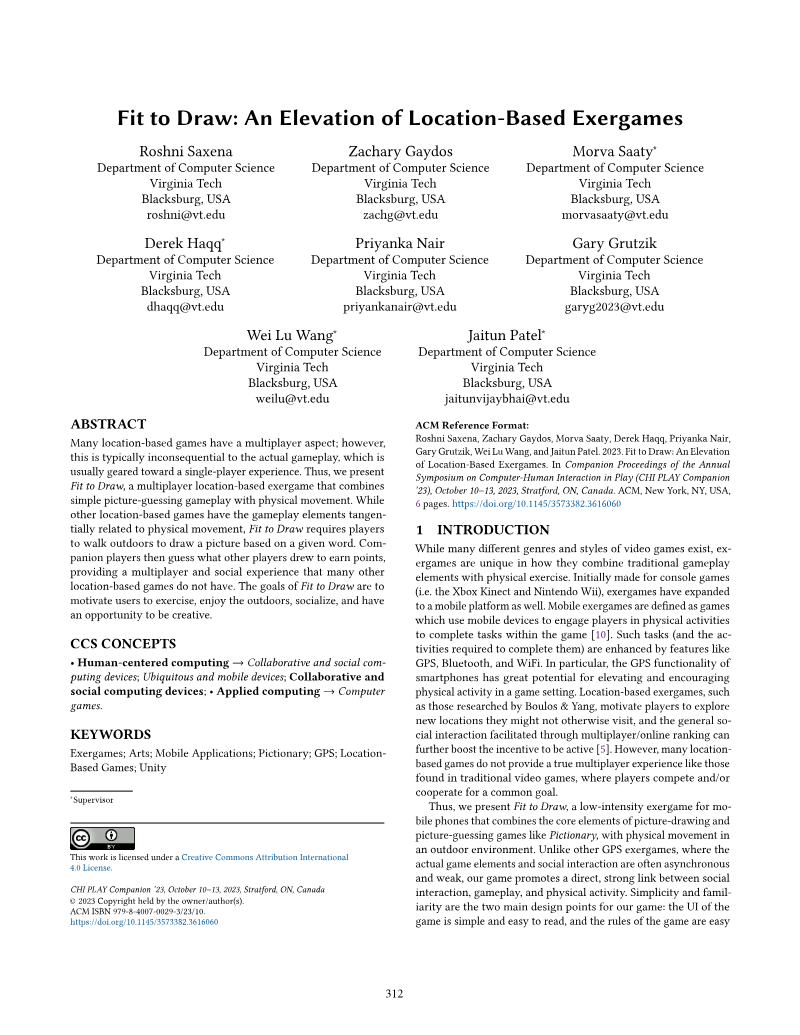
Fit to Draw is a multiplayer, location-based mobile exergame designed to integrate physical movement with creative, social gameplay.
- Fit to Draw is a multiplayer location-based exergame that integrates physical movement with Pictionary-style gameplay, requiring players to trace drawings in an outdoor environment using GPS tracking.
- The game design addresses common limitations in existing location-based games by incorporating a true multiplayer experience where players compete to guess drawings created by others' physical paths.
- Development utilized a curated word bank and features adapted from Skribbl.io, such as time-based scoring, hint systems, and drawing tools like erasers and color selection to reduce user frustration.

Panel: The Gold Pot: The Best Ways to Grow Your Revenue in New Markets.
Mobile gaming growth is increasingly shifting away from saturated markets in the United States and Europe toward emerging regions, specifically the Middle East and North Africa, Latin America, and Southeast Asia.
- Growth in mobile gaming is shifting from saturated US and European markets toward emerging regions in the Middle East, North Africa, Latin America, and Southeast Asia.
- Successful market entry requires deep culturalization beyond simple linguistic translation, including the integration of local events and social features to build user trust.
- Monetization strategies must be flexible and region-specific, pivoting between in-app purchases and ad-based models based on local purchasing power and consumer habits.
Writers
Games and companies
Games