1 free read left. Create a free account for unlimited reading + AI research.
Create free account
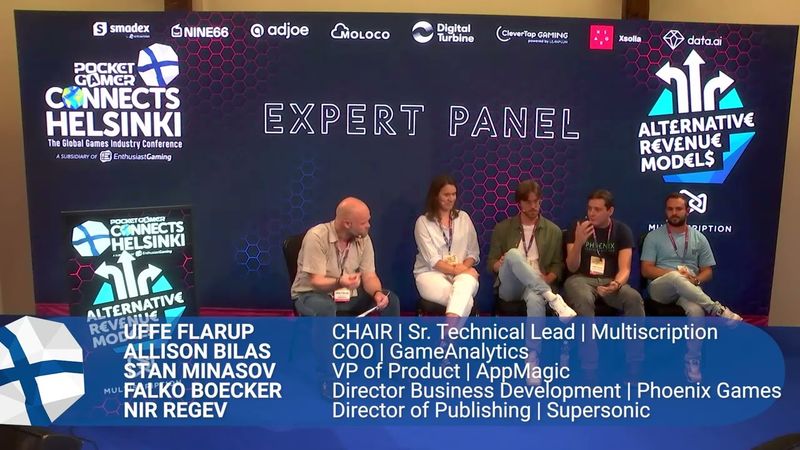
Curated Panel: The Keys to Monetisation in 2024
Key insights
5 takeaways- 01Mobile game developers are shifting from hyper-casual frameworks to hybrid-casual models that combine in-app purchases with rewarded advertising to improve long-term retention and lifetime value.
- 02Direct-to-consumer web stores and subscription services are being adopted to secure predictable recurring revenue and bypass standard platform fees, though these are currently most viable for established studios.
- 03The post-IDFA privacy landscape has forced studios to integrate monetization into the initial development cycle rather than treating it as an afterthought.
- 04Sustainable success in 2024 requires establishing genre-specific key performance indicators early in development to navigate the volatility of modern user acquisition and session dynamics.
- 05Subscription platforms like Apple Arcade and Xbox Game Pass offer financial stability but often trade the high-upside potential of traditional free-to-play hits for consistent, lower-growth income.
Ask AI about this video
Transcript
[Music] [Applause] [Music] thank you [Music] so talking about the keys of monetization and particularly in this area where we've sent so many changes happening so many options happening so many alternative strategies understanding what drives the monetization is going to be really key okay and on that note I think should I leave that to you yes go for it and are we all good to go go for it thank you we have a timer right there thank you all for attending this panel today I hope you all had a good day and
a good evening yesterday as well together with me today I have Alison and stain and Falco and near that has been so kind to join us here today um my name is ufoup I'm from my description we are making a subscription service called Unleashed which you can hear more about and our booth at the meeting room with that I will hand over to you to each introduce yourself would you like to start Alison sure I'm Alison bilas I'm the CEO at game analytics we're in analytics and data platform of course for games so happy to be here yep my name is ten minutes I'm VP of product at appmagic and analytical service for analyzing mobile markets and gaining actionable insights really excited to be here yeah I'm Falco I'm the Director of Business Development at Phoenix games we are a group of game studios five five mobile NPC Studios free to play and yeah
happy to be here hey I'm neragev from a supersonic Community director of publishing which is basically managing all the new games of the company it's a pleasure to be here and uh what game are you playing at the moment I mean not this moment but in the evening what are you playing I'm playing a game called 20. mobile game where you're matching numbers it's definitely my style trying to match them as quickly as possible to get to 20. it's a fun one I've recently got back to League of Legends wild Rift so I deleted from time to time I returned from time to time but I hopefully will delete a week later but right now I'm really into it um yeah for me on PC it's a star field uh getting into that and on the Indie side Blasphemous tool really like that game and mobile games of course a lot of games for work but one that I'm particularly addicted to that's kind of my daily routine is uh merch mayor by
starberry love that game for me it's a clash Royale quite easy for the best like four years yeah I I also recently started on Starfield I'm not done yet I think I'm still in the tutorial area so yeah but they say it takes eight hours to be good right and definitely it grew on me so yeah and for those of you that were here earlier I'm also a Pokemon go fan so I'm still playing that with my kids all right let's say on a more serious note let's get started um let's look to look a bit into the future uh at the panel here today um do you see one type of monetization dominate in the future or should develop us like Embrace more options and incorporate more options into the game so maybe you should start with with you near yeah sure so yeah I I think it's an interesting question but as we saw in
the past like there is no one type of monetization because there is no one type of game or or users so I think that what we expect to see is that uh game developers will adapt new monetization strategies and new type of audiences for their games in order to squeeze more revenues and and to reach like new places from for the for their games I think it uh a great example is from where we are coming from uh which is the hyper casual Market which is slightly and slowly shifting into more IAP based rewarded video based uh monetization which is still part of this simple core gameplay which represents the the hyper casual Market but there are there is demand for deeper gameplays deeper progression and it's something that we're seeing more and more taking place in the hyper casual industry which is now called hybrid casual so I think
this is a great example of how game developers and companies will utilize more type of audiences and we'll squeeze more type of a revenue strategies for from their games there are a lot of things that you need to do in order to prepare for those type of monetization strategies and in terms of gameplay in terms of economy progression which is changing significantly the development cycle the games the type of experience and knowledge you need to you need to have but I think it's a it's a good example of well we'll see the companies game developers taking their amortization strategies in 2024 nice nice I couldn't agree more so there is a trend right now going to hybrid monetization trying to balance in-app purchases and in-app advertising in one game and of course the sweet spot is 50 50. though at the end of the day the main goal is to monetize your player
base the best way possible and we were having a big talk with the head of publishing from Voodoo and the guys uh they spent two years trying to switch their already existing games and you publish games as well to hybrid model so this definitely what is going on right now and I'm pretty sure it will be going in the upcoming year as well I also think that especially of the whole Market decrease of the post idfa era and the news like Unity that hit just yesterday I I'm pretty sure you've all heard about it so the new types of manifestation will rise as well for example we don't talk about subscription much enough I think and this type of monetization is used widely in non-game apps say health and fitness say I don't know meditation mental health Finance almost in every Niche there is adoption of the subscription model in the games not so popular right now and I think there is a big place for embracing this
type be it different periods like one week one month one year monetization or different things included in the monetization itself like for example for idle tycoons you can increase the number of resources obtained by your customers or some gotcha elements they can help to progress along the game or maybe help with the UI ux and just remove all the ads pretty popular option right now so I'm pretty sure we will be saving seeing um like new ways of monetization in the upcoming year as well compared to hybrid the way I see it is kind of a pendulum particularly for mobile that you know we started with in-app purchases first that was before ads were a thing and were possible and then ads have become dominant um maybe I know there's always been in-app depending on what your game style was but that was a big thing of course
with Hyper casual and now where the pendulum is just swinging back to in-app purchases so I see IAP as kind of the core and then these other even ads being additive or something to add on top uh with a game when you're considering to develop it now at least in this environment oh yeah I think balancing all these different things is going to be a big topic next next year right because we have so many different kinds of players that react differently to different kind of purchase options or ads some will only interact with rewarded ads some just don't care by any loot box you have someone something that specifically catered to them so figuring out what is the right thing to show to a player and how to interact with them and then balancing that in like a mid-core game where you have a complex uh like Dynamic behind it where everything affects everything else providing the value to the paying player while still offering the the free players enough or the the ones that only interact with ads um keeping that that fair and interesting and that that value kind of
like on the level that works for you and the players I think that balancing is going to be interesting to see next year while if you mix in things like subscriptions game specific subscriptions or subscriptions that cover multiple games purchases uh rewarded ads different yeah like all of those like interact with you though with each other yes and you brought up the topic of in-app purchases as well do you foresee that alternative stores also will arise partly to combat a little bit the 30 cut the level in Google takes um and also gives easier means of distribution of games yeah so there's a lot of that happening right now right there's multiple uh parties that offer this kind of service now I think it was it makes total sense in the PC free to play era of like 2007 to 2012. that's how you you had your customers right and you controlled their journey and you controlled what to show them and how and make interesting offers
based on their playstyle and I feel mobile took that away from a lot of people and it's interesting to see it re-emerge uh now that the legal kind of environment for for that is changing apple is still fighting that in court to some extent they give you big warnings when you leave their ecosystem so let's let's see uh if you're just a little bit interested if you if your regular player will go past that message of you're leaving the safe agency system no don't get don't get scammed or something it's scary for if you if you have this white kind of audience so um and then what implications does that have down the road will Apple start burying all the games in the in the like visible ability in the stores that use those systems right like where's The Sweet Spot or how far can you go the ideal case is it just adds on top of what is already there where everybody's happy right Apple doesn't lose any money because people still use their in-game systems but for your more engaged players and those are probably the ones that go to these stores first you have
additional offers that are more catered for almost like a VIP experience but in general I'd say that right now the legal side of the question is still a bit unclear so only really big Brands really the big companies with a big user base can use web stores and can be sure that they will have enough Revenue even losing part of the conversion due to the going from the app to this web store and web back to the app so what is interesting is that it's not only about 30 cut which is sweet enough it's also about the regulations that are there in the App Store so say you've got whale players who are ready to like cash in hundred thousand dollars at once they're ready to make this payment you won't be able to make an offer like that in app store right now but using a web store of your own Easy another great example is using different games and cross promotion of their games in one ecosystem let us call it so so when you've got different resources and
you can you can buy bundles of these different resources in different games it really helps because in the end of the day either your players will be happier because they can obtain more value at the same price and it's not possible right now in the source or you can cross promote so if they play only one game you can then give resources and give some value in other your games as well and there is a chance they will download the game try it out and well lucky enough stay there yes um another thing that was brought up earlier here as well of course the ads that you briefly mentioned the idfa changes where did that land is it how much did it break the monetization landscape for for ad-based games and how is that looking moving forward every day I think kind of before coming to this conference actually I was thinking mostly the idfa has hurt the bigger hyper casual publishers
uh and so they are clearly being very they're very open about their strategy change now they're pushing more in-app purchases and I was excited at that point that it opened up for maybe smaller um company Studios wanting to push their own hyper casual games of course then we had the unity news and maybe that's not going to be the case um the other thing that I was talking with someone at the conference here was that you know this trend was actually if you're thinking if idfa didn't even happen hyper casual players were becoming more demanding of games that had more retention features in them better gameplay better graphics all of that and so they were seeing that they weren't able to buy really inexpensive users and make enough money off of them the games really needed to catch up in part because of what they were advertising like they were making these very rich advertising experiences and
then you'd be dumped into a hyper casual game that wasn't reflective of that so I think the player Behavior behind all of it is something that just dawned on me with this conference of like oh wow actually players might have been moving up that way anyway so idfa did happen it did have an impact but the play their behavior shifts as well as part of that Continuum maybe or pendulum I was talking about so yeah they're just true the audience is maturing going from hyper casual the easiest games to midcore the two called casual and then mid core so it's like a natural process but I totally agree with you it's the pendulum and we can see it with the idfa as well let's not forget that Google didn't yet announce their IDF and it's coming I think early next year right now and there is sandbox yeah yeah yeah there is a chance we will see a drop once again so we've seen a drop already the industry tried to cope with it there are different ways different uh ways of increasing once again the number
of downloads the number of users acquired but I don't I don't think that's the end and uh the good question is what should we do next based on this so post idfa how to learn it how to survive in it and I think the answer in its core in Shell is creating really good games with a catchy core and that's the hybrid casual we've talked about is really about so trying to retain retain the players as long as you can trying to entertain them as long as you can if you uh tune this if you master this approach then even if the CPI grows you still will be having a good player base a good retention and then in the end of the day you will be profitable so I think all these changes will lead us to concentrating not on the marketing side more but rather create and really catchy really good games that help us to retain our player base at the same time I'm fascinated by this arms race of Technology of how can we
identify what kind of players we have right like it went from you know basically everything about a person coming into your game to know like okay let's look at the ram the phone has because there's like a step where you can assume they have a higher end phone so we can offer them a higher end kind of package uh like starter package or something like that and this kind of digital fingerprinting based on screen resolutions and so many like little factors that you can still get um and then uh the platforms slightly pushing a little bit against this kind of fingerprinting it's interesting for me to see like how that will come out in the end because that continues into the game as well right you want to learn more and more about the players that that's something something that we try to do a lot is like learn about the player based on their behavior once they are in your game how do they interact with it what do they like how's their play style and make maybe then start making offers based on that so you the players come with less information than they ever did so you have to cater a bit more to them like this with information again afterwards but the same side let's not forget that
the technology is growing stronger as well so machine learning and big data is getting more approachable even by Gaming components themselves not just like Facebook or apple really big corporations and that means that we can gain more information even from less data from our clients so uh this is a trend as well so it's like a wave coming up and at the same time wave cabin down with the CPI growing because of all the idfa changes it's really interesting what will be the end and result the break point so to sum up about the IDF agencies if you were to recommend someone to go with ads also something else would would you ever recommend someone to go with only ads or would they have to do something else on top to live in this post idea fa Market I think it always has been a good idea to go with more than than just ads right and Hyper casual was just so cheap that it just worked for a while but pretty early on you saw those games get more
complex even before right uh it went from like a just basic level based uh system to something that is like a high score system to like more levels then you could start collecting things in game because things like um long-term user engagement have always been important and different monetization models are always a bit a big part of it and you want to have something why not offer something to the players that are already interested in spending more time in in your game so I don't think it's only an idfa thing that we should offer the players more options than just interacting with ads yes yeah I I just like have you to add like I think that there will be always like demand for like hyper casual games simple hyper casual games that will be monetized mainly with with ads like although cpis and it went up and idfa made everything like a more challenging we still see the huge demand for like simple classic hyper casual games we still see it's it's it's working yeah
it's it created like more opportunities and for some of the games that uh experience like increasing the CPI which only interstitials only ads couldn't compensate with those uh changes you do need to change your strategy and your games and your features inside the games and create long-term experience and retention in order to create the motivation to watch rewarded videos ads and to watch and to interact with inner purchases in general I would say like it's a kind of a nature involvement in in the kind of the the games that we're seeing from both hyper casual and hybrid casual but uh yeah I think it's uh it's also like kind of good like you have a stronger competition you need to provide better products better data from from your users so it's uh it's also like a there is a good good side of it do you think the those not a question we talked about before but do you think
those really simple games um because I really enjoy those 20 for example it's really simple one I worked on Bejeweled Blitz back in the day we were talking about that's pretty much a hyper casual game they just didn't have ads back then do you think that a game like that could survive now on a premium purchase like a three dollar purchase or something like that I think it's a good question only time will tell it's uh it's a first of all like we are quite a long time after like idfa and we still see like everything is like okay didn't crash like yeah it's it's harder I think that it's something that everyone are a b testing and trying to understand exactly what would be the best way to implement those type of uh of uh features in some of them it probably will will work and some of them not but uh yeah it's a it's a good question yeah those always depend on that the gameplay yeah ultimately would a user spend X for that and in what way do they want to put their value
forward in watching ads and putting down money definitely I think that's also something which we're all seeing is a trend is that because uh game developers starting to create like a deeper experience and they have more things to offer it it kind of creates more opportunities for different type of users so when you are acquiring different type of users for your game it enhance the IAP and and those type of opportunities in the games which back in the days when you were acquired like 10 cents 20 cent users from with the classic High professional games it wasn't like the the goal it wasn't like the the target audience that you are you want to have but today it's like uh more diverse I would say so now that the cost of users also has gone up does that change your view on the retain retention numbers that games needs to be able to show in order for you to uh want to work with them like day one and
seven and 30 Rich engines are those numbers going up now yeah it's a it's a great great question I think that's something we've we've learned over the past two or three uh years of that we've seen the the market is is changing and the type of games and genres uh is changing in the hyper casual hybrid casual Market is the most important thing is to understand that Benchmark it's not a rule of thumb like you can't say we need I don't know 40 day one retention 15 day seven and if you have it everything will be good and you'll have a hit game I think this is something that everyone kind of learn over the past uh years you need to understand exactly what type of genre you're working at to look at the competitors to try to find more data points from experience from other games that uh your colleagues in the industry or your own company used to to work on and kind of Define exactly the right
benchmarks not only for retention but for marketability for CPI and not only for Facebook but also for other media sources today like it's it's just not enough if two years ago you could uh uh test your your games and Define benchmarks only for Facebook users today you need also Google and you need also iron Source users and unity users and applav and and and basically everything in order to understand the potential of of your game so I would say that defining specific kpi goes for each type of game for each type of aspect inside the game marketability monetization engagement this is what would bring the efficiency and would make you chase the right numbers and not like chasing impossible numbers that you will never get so in in my perspective this is like the most important thing when you're approaching a new game a new genre and you're doing the research and this is like one of the most important things to Define and understand the right
benchmarks that you need to achieve in order to have a good potential game um on that topic from uh game analytics perspective we looked at hyper casual games versus casual games and benchmarks for retention and pretty much found that both of those genres have the same retention curves like there's nothing really different between the two which was surprising and I started saying it at conferences and people thought I was crazy so I went back and checked numbers multiple times but really those curves are the same I think what's different about them what we also see in the numbers is that it's session length that for casual games they play longer so there's more in the game to get your players to play for 10 minutes instead of two minutes which gives you so many more opportunities to inspire them to spend some money and also show them ads as well so yeah it's not retention for me I like what you're saying it's a it's a
mathematical equation all of these things coming together to get LTV versus your CPI and there's many moving Parts yeah totally yeah as I said there's many moving Parts here and it's very complicated and this is this is what you're doing as a full-time job as a slight smaller developer if you're going to make something like this this is an overwhelming piece of work how important is it for a smaller Studio to think all these things with monetization options and player Acquisitions into account early um can they postpone it to like the media publisher or do they need to figure that into account very early on in the development cycle of their games yeah yeah I I think it's uh it's it's a great question which personally like I'm having a lot of meetings with uh with game developers that used to work with us and and some of them move to a self-publishing which personally it's
amazing to see um I I think that for developers the small developers in the developers that just want to create a good game uh it's it's it's not like something that they had to to uh to take in mind but if you want to create a good business out of your game you must like take it into account you must plan you must investigate you must do your the right research to understand the type of users that you're aiming for and and then to to understand what would be the best monetization strategy experience inside the game in order to and make sure that the combination between them will be the right fit for the target audience that you're planning to uh to to create game for so in in my eyes I think this is something that became harder obviously for uh for uh for smaller developers it's more expensive it's not impossible but but it is it is harder today and and obviously this is exactly what
Supersonic and another like publisher are here for and and to do and and I must say that again it's uh it's something that for us for for supersonic it's also super important to educate and to teach game developers everything around the monetization knowledge user acquisition and everything both because it creates a great Synergy even if you are collaborating between a publisher to to developer in the end of the day when both sides understand each other like strength weaknesses and and they know exactly where to come up with the right Solutions so the Synergy it's it's is is much like a better and again I think it's also something that game developers can learn from from the the Publishers and then whoever wants like not all the game developers want to deal with user acquisition with scaling games for for I would say for a lot of them it's not something they they love to do and and
they really want to focus on develop and create great games but for the ones that do want one day to become a a self-publishing a company it is super important to make sure you're getting the right education and the publisher can teach you what they do and and what is important and what what is less important in order to to reach the point that you can actually do do it yourself I think that there's a very valid point that you have to decide whether you're making a game of your own as a passion and that's totally fine we just have to know what amount of resources are you willing to put into it or you're making a game and a business and even here for example at appmagic we've seen that a lot of people uh a lot of games uh were made on the hype wave so there is a big game coming out smashing heat and then there is hundreds sometimes hundreds of games in the same style in the same game design trying to copy their success
and the majority of these developers they they try to make a good game they really believe in it but they don't understand what monetization principles what game design principles lie beneath this game and in the end of the day the majority of the games are not very successful so for example uh archero you probably all heard about it maybe played it so after the re the release of the game the upcoming year there was like 60 clones direct clones of archero they've earned less than five percent of our Channel Revenue less than five percent it's a big number or saying coin Master a lot of companies trying to copy their success Monopoly go big thing but not all of a lot of people think that coin Master began not as a interesting game design project not as an idea let's make a gambling game with a student twist coinmaster began as a bunch of economic phds sit in one room and saying okay
let's make a really good monetization Loop and then we can come up with game design then we can come up with the ux UI user acquisition and that's the main reason this game is so profitable so you when even thinking about the business you really have to know how you want to build your monetization you really have to know how to build your marketing these two things in order to be really successful and reach top Crossing and a bit of a luck yeah that is true a little bit of luck sprayed on top when you're looking at Studios to acquire [Music] um would you do you also consider Studios I get focusing solely on the gameplay and then you add all the monetization expertise on top or do they have to also have that announced um no they have to have that to a certain extent in-house we try to like of course offer best learnings and we do develop technology like what I mentioned earlier like figuring out what a player is into so we can just not offer them a
random loot box but an item that actually fits their play style and stuff like that something that a small team maybe cannot handle by themselves or at least where it would make sense to make it do it once for like multiple ones but we are looking at the business first right actually it's for me it's interesting being on the m a side versus the publisher side I don't even care how you design your game because if there's a working business there if you have a completely different idea that all the Publishers told you is I'm happy for you that's the way it should should go right you should be able to make a business out of a game that you think is the the right way of the right way to approach it of course there's huge survivorship biased right I only meet the people that made it to that point so the people that didn't have a good plan for their monetization early on unfortunately I probably never get to meet them right or they like they launch the game it never gets traction yeah um because we focus so much on established businesses on the publishing side I've seen a lot of developers that came with like they didn't even have decided on a business model yet where I felt like if you're asking for other people's
money like you really should expect them to also want to make that back at some point right so it's I I Adore people that go out there for the art and make a cool game and I love that with um the Apple arcade for example we now do have other venues of like designing games where you can focus on other things uh maybe where you can still have success in a in the market with games like this but um for for our model which is like a lot of midcore very uh traditional free-to-play model where these things are so essentially important um we need to to have at least a foundation there and then yeah education is super important right we try to bring our teams together once a year so they can exchange ideas and best practices we try to look at the data that we get from different genres different subtypes of games and share that throughout the team so everybody gets better at making games yes so for um so for smaller Studios how's the future looking like for 2024
and don't and let's not make any jokes about the unity uh the price of unity so how's that looking can you still make it as a small English Studio or do you need to team up with someone in in order to have a Fighting Chance at the earning money and handing out reasonable size paychecks to your staff I think it's a risk management thing right like uh yes you will always see a studio that came out of nowhere that like got a few talented people together have this breakout hit without ever working with a uh with an like a big investor or big publisher that kind of like built it from the ground up but there's a lot of again survivorship bias there where um only the best of that make it and then do you want to give up some of your ownership of your project and how early and how much money do you take from other people to like share that success I definitely think the chance of success goes up by partnering up with other smart people but then the payoff in the
end for you is also a little bit uh lower right so you have to make that decision for yourself and have a realistic look at your your skills and the people you have and the project you have and decide how much you want to partner up uh with somebody else but yeah working with other people that have the experience will always be helpful I'd say that that's the question of partnering and you should totally do it as a small developer is the question of what you're willing to sacrifice at the end of the day so you can go one way and work with a publisher and that totally gives you an access to very experienced marketing teams where experience monetization teams but in the majority of the situations you will have to sacrifice part of your Revenue a big chunk in other situations you can go with apple arcade or Netflix like subscription Services where you can be paid uh predictable amount of money and you can concentrate on just making the best game possible but once again uh you
will not be able to break this uh glass ceiling so you will not be able to Learn to Earn more but at the same time we've seen examples even recently for example vampire survivors a big in the heat that came both on PC consoles and then on mobile they weren't the money and they were pretty happy about it but the real money were earned by heavy who just took the initial core who took meta from other great performing games of theirs and then combine it and now they're earning I think more than 10 million dollars a month if I recall it correctly so basically it's the question of if you've got a really good idea and if you go to the market the moment you're big enough and you are visible enough to all the market there will be a big player who will take your idea and using their experience and using their power make it profitable for them so it's just the question of yeah uh risk and success ratio and it makes total
sense to try and partnership with someone because otherwise someone may just copy your idea and they will exactly exactly well power behind it to yeah yeah yes I think it's very fair to build on the success of others and there's so many decisions in establishing a studio um I'm thinking not just from the funding perspective but also the tech perspective are you using managed services or are you building your own engine all of these decisions are really important and happen so early and start are some of the ethos of your company essentially so I personally would go about it from a partnership perspective other people are way smarter than me that have built Great Tech or who understand the UA space better so um but it that's a very personal decision we have a few minutes left now so uh do we have any uh questions you mentioned vampire survivors um that
was a deliberate decision that that developer made and they were talking to Publishers about monetization and they were really not good um I'm not as in the vampire survivors team's response to people in fact they they actually lambasted other developers other Publishers sorry because of monetization strategies from an I would say an ego point of view but then I'm biased I have various opinions um and um I mean to be honest they got what they should have been expected and were told would happen so uh and so they were weren't and there was there they they had a particular model that they wanted to go for it was explained to them the issues that that would cause there were ethical approaches that we were told that they could do they didn't take up that conversation they chose not to take up the conversation I could be much more profound about the details of that I'll do that offline because I don't like to talk shop out of store but I'm not a
happy person with their their article that they put out about Publishers being evil because we want to monetize so let's just put it that way I won't say any more than that um anyway let's go we had questions over here so we've got questions to go for it thank you for the great discussion and for sharing your insights um especially the points about the revenue split between ads and IAP I thought were interesting um on your points about subscriptions being viable in the future do you think uh like where do you think they fit into the monetization strategy especially in casual and and in hyper casual do you think they're just a nice bump like a like a nice little addition or do you assume that they can really take the core of the monetization strategy in that space well that that's a good question I'd say that um for it to be the core of the monetization strategy it should be really implemented and intertwined with the core gameplay so then a monetization
type really depends on the core and meta and if you want your subscription to be really available to the player you need to think about it from the terms of gameplay as well right from the get-go so if you already have a game or or this is a very predictable known genre then I think it will be more as a good addition but not the base for your monetization and Frankly Speaking I haven't seen a whole subscription based game that were really good implemented in the core gameplay and in The Meta yet but if there are any examples you can share I will be really happy to dig into it yeah I think there's so much left unexplored there right like if there would be a subscription that just gives me a bunch of hyper casual games with any of the without any of the ads or something like that I'm the kind of player that would be interested in it I feel there's a lack of options and Hyper casual of like how to monetize uh though so I would be totally interested to see kind of different approaches to to subscriptions somehow that could work with Hyper casual where I've seen it work is actually in kids games before where it's
uh your parents want to buy a subscription to something it's an easier model than all the in-app purchases and whatnot so it's also who is your audience that you're going for you know how much your kids will be spending them and they don't control yeah and they don't see a whole lot of weights and yeah exactly yes yeah I mean there is a risk if you enter into the all-you-can-eat piece because I think without upsell subscription can actually damage your kind of longevity but it's about understanding what you're selling and why and what the value proposition is why people care about it and all the other stuff that we know we need to do I'm a big believer that we need we can be ethical in the way that we do monetization we don't just have to be grabbing cash and actually if we do we build long-term value and it's that long-term value which which actually provides better longer term Revenue in my opinion but then I've got lots of views and I think another question um thank you for the talk uh about about subscriptions but the different ones so
what's your take on Apple arcade analytics games Game Pass what were they also uh those type of services that you can actually buy a subscription for six euros I think the Apple arcade and you will get a bunch of games but from a player from a developer perspective from a business perspective basically the monetization not through the iaps and ads but you know uh stores subscriptions that is a sweet sweet deal if you can get in it's my understanding that they're yeah there's a very closed ecosystem of games right they are looking for the best quality content and I think once you're in and can qualify for that with your game it's also a good business that you can survive on as well it might not have the complete upside of a hit mobile game for example but a good sustainable business for yourself so I'm Pro but yeah they're all slightly different though right Netflix is basically work for hire based on the IP
that they have in a lot of cases Apple arcade is kind of like games that often wouldn't be traditional mobile games that you can then through the business model uh fit I think for small developers or developers that want to go that way it's a bit too black boxy to kind of make that decision I don't like that you know like do most developers know how you get paid in apple arcade how much like how does it depend on the active users this is an upfront is it it's really hard to to tell for of people and making this big business decision on maybe finding out what the business model is later is is tricky right um I as a as a consumer really like it I'm a big fan of Apple arcade in some cases I feel I would like to see more free-to-play genres that are made for mobile games coming to Apple arcade because I I'm a PC console gamer I look for a different experience on mobile it's cool that they have like big RPGs in there but sometimes I want to play a merch game but maybe not watch 15 ads to get my energy back up or something like that maybe there's a middle ground where you can provide that experience in one of those prepaid services just as another option
just to enrich the whole the whole ecosystem that's a really good thing you've mentioned merge because just recently a merge game hit Apple arcade and it looks like it was originally designed for as a classical free-to-play game but maybe it didn't reach the benchmarks that were set by the developers at the same time they somehow got Apple arcade inserted and the whole monetization system and the progression system was redesigned just for being played in apple arcade so maybe it is the way as well so if you develop a game and then it doesn't end up with reaching your expectations but at the same time you believe in it you like it then maybe you can try it and I I just want to add quickly to that my my I think as a developer that's it's a great principle but the worry I have is that the way most those models work is they are all you can eat they add adding a game increases and saturates the market reducing the share of reducing the value of the developer I think it's a lower diminishing returns so I have a fundamental issue with that model Xbox Xbox game pass however where
things are going out of the model and you can still do upsell in the model that to me is a vastly better commercial proposition and a better consumer proposition a taboo I'm a massive fan of the way Xbox do that I know there are issues don't get me wrong but personally I think that's the much more interesting and unfortunately we have to wrap at this point and I'll just Chuck one more line at this which is one of the things I think is most interesting that I've learned in in the Years about monetization is looking at these individual monetization of levers as a chain as a path where we can take people using ads to teach them what the value of the game is what's interesting in the game what they're going to want to spend money on in the game and then building them towards the subscription model but still having the ability to upsell after that and if you look at the the value proposition what players care about in the long term and provide them with the frictionless model that they can work with your game will have a
better monetization overall in my opinion on that note if anyone that wants to disagree with me please shout I don't I know I have a tendency to overtalk everybody you know you know me well enough I'm sure but if anyone has any other thoughts please shout otherwise I'll say thank you very much thank you thank you so much better thank you
Summary
The mobile gaming industry is undergoing a fundamental transition toward hybrid monetization models, necessitated by the maturation of player behavior and the restrictive post-IDFA privacy landscape. Developers are increasingly moving away from purely hyper-casual frameworks in favor of hybrid-casual experiences that prioritize long-term retention and deeper engagement. By integrating in-app purchases with rewarded advertising, studios can better balance revenue streams while navigating the complexities of modern user acquisition. This shift reflects a broader strategic pivot toward optimizing the lifetime value to cost-per-install ratio, ensuring that monetization is no longer an afterthought but a core component of the initial development cycle.
Beyond traditional advertising and microtransactions, the industry is exploring alternative revenue channels, including subscription services and direct-to-consumer web stores. These models offer the dual benefits of predictable income and the ability to bypass standard platform fees, though they are currently most viable for larger studios with established player bases. While subscription platforms like Xbox Game Pass or Apple Arcade provide stability, they often trade the explosive upside potential of traditional free-to-play hits for consistent, recurring revenue. Consequently, developers must carefully weigh the trade-offs between these models and the potential loss of creative control when partnering with publishers or investors.
Ultimately, sustainable success in the 2024 market depends on a sophisticated, data-driven understanding of player behavior and session dynamics. Because performance benchmarks vary significantly across genres and media sources, developers must establish realistic key performance indicators early in the development process. The most resilient business models are those that foster ethical, player-centric loops, providing clear value to the user while maintaining the flexibility to adapt to evolving industry standards. By aligning marketing, technical infrastructure, and monetization mechanics, studios can build more durable ecosystems that withstand the volatility of the current mobile gaming environment.

















Comments