1 free read left. Create a free account for unlimited reading + AI research.
Create free account
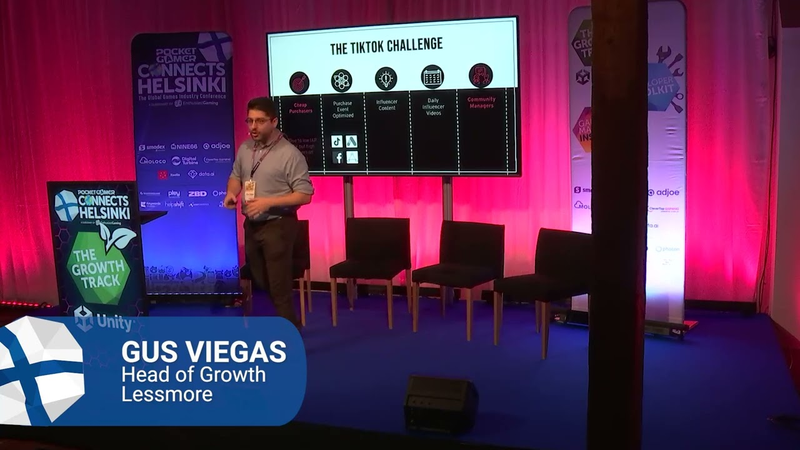
Building Growth Teams Around UA Algorithms Success Case From 2023 - Gus Viegas, Lessmore.
Key insights
6 takeaways- 01Business objectives—such as maximizing low-cost purchasers, high-retention users, or ad-monetized scale—must dictate the choice of algorithm and the subsequent data signals fed into it.
- 02Platform-specific strategies are essential: TikTok scaling requires creator-led assets and community management, whereas DSPs for high-retention users demand product marketing expertise to optimize early-session data.
- 03Ad networks require proactive input of post-install data, such as revenue events or early-session activity, to compensate for their limited visibility into user behavior.
- 04Hyper-casual scaling strategies necessitate the deployment of data engineers to build and maintain real-time bidding pipelines.
- 05Growth teams must align their organizational structure and skill sets directly with the specific requirements of the ad network algorithms they choose to leverage.
- 06The role of the UA manager has shifted from manual campaign management to an analytical function focused on deciphering algorithmic requirements and navigating technical constraints.
Ask AI about this video
Transcript
[Music] [Applause] [Music] thank you [Music] we have a gas Vegas from lessmore and our talk will be building growth teams around UA algorithms hi so I'm here today to hopefully provide you guys some value even if you are game developers or marketeers or Studio heads so the reason I know this is because I asked you guys first before I had the the talk even so asked on LinkedIn uh various different talks that I could have uh for you guys today and it was
interesting because each and every answer came from a different subset of people so I would like to know just for a quick second uh do we have you know any marketing folks in hand in the house raise your hand please cheers okay and what about game developers okay so I see it's going to be more of a a marketing Centric one good no problem I got you covered because I had all of you covered regardless uh I prepared something that I think will provide you value stick with me and the way I know it is well here's the mandatory slide about you know my past experience doesn't matter I've been doing this for a few years what I really want to talk to you guys about is a case study of my last year what's been going on it's it's this amazing growth that we had you're now looking at an x-ray of uh game uh install chart
this is a public information you can find it on your you know marketing insights tools and it goes from when when uh me and my team joined over here uh before and up to now where we're having roughly like million downloads a week um could even be more it starts off with you know the early installs the first million spend we come in and we already see the downwards Trend you know Post Release the things are already winding back down um you know it's standard that uh they were already advertising on one or two main networks but we knew we had to diversify and so the first thing we do is like experiment experiment experiment and we went you know 12 different networks signed the contracts in like a month and go and go Haywire really try to uh get this going and figure out how do each of the algorithms react to our game right
and well now we have successfully you know established a foothold you know at the top of the charts where we can keep that you know uh stable monthly install stable monthly spend uh we had several number ones and like uh us simulation and Germany uh simulation uh and a bunch of other Western GEOS so and I don't even need to you know talk much about it because you can literally Google online case studies from multiple different uh networks some of you guys in the house uh and uh yeah so this is like the generic you know answer of what's the secret sauce to this is you know just make a good game get the right networks model that data get the right content and spam rocket emojis on slack right but I mean
I I wouldn't do you guys dirty like that and uh just say hey here's the generic advice and there you go I think what one of the things that people don't ask so well is what does make a good game in the eyes of like an algorithm what does make a good game uh in the eyes of a specific Network and which networks should you aim for for any specific game because here's the here's the the reality not every game works on every Network which means you the first thing you have to do is figure out which is the right Network for which game so let's talk please uh bear with me as you eat the vegetables which is the theory while then we go to the dessert which is the actual secret sauce I have to explain some things to get your minds in the same mindset that I got when I figured this out so when we look at our players we think okay so they watch an ad they reach the
store they open the app finish the tutorial they kind of get the game and then they eventually retain eventually monetize so that's how we think about the user right but like how does how do the algorithms see this and before I even get there how do how does our analytics see this like what events do they see they don't see exactly the same thing they don't interpret it in the exact same way what they see is there's Impressions and clicks and installs and app opens by the way install an app open like a lot of game developers underestimate that there is a difference between install and app open some people install a game and don't open so keep in mind that so this is how internally we see the data but then when you're talking about ad Networks you're talking about different events they're not exactly the same there's like tiny nuances here that actually do matter so first of all uh they know more information about The Impressions they know that it's not just you know your
impression showed at a certain CPM they know the cpms of you know all the other players in the market and when they go for the click they don't just measure the click let's think about Facebook for instance they might know that when the click took place how the click took place did they have some likes did they view the video Etc and these metrics these uh these data points train the algorithms as well and then I was talking earlier about the install and the app open being different well in the eyes of a network it's even more different because you only have the MMP callback you know your attribution providers call back once they fire the game and load the attribution SDK which means that in some cases the network has less visibility than you and you need to take care of this and then you think about what events are you sending to the network you might not send the finished tutorial event or the level up event or a session Time Event you might not right you might just be having uh just have
focused on sending Revenue events right so think about it for one second if you are a network and you're seeing hey the user uh popped up out of existence and five days later they did a purchase what happened in between right like the networks might not know so on the one hand I'm saying networks don't know that much but the reality is they know more than you think they also know about past behaviors in past games right and this is all nice and uh nice and interesting you get to see this is something that maybe game developers don't think about all the time but there's also the past behavior of a specific user sure with privacy it's getting a bit broken and that's one of the reasons why the efficiency is going down on the iOS side um but there is one part of the extra expanded data that you can control which is also the company's data you need to think
about all these things when I think about an algorithm you need to think that uh how many apps Have You released in this network what apps were they what kind of apps were they what signals were they sending because that history that you're sending all of it trains these algorithms and and that's where I want the focus I want to focus on how do these algorithms learn about us about the games about uh of the products that we're sending and the marketing signals that we're sending so we make a bunch of content it converts into data points and then it converts into signals they're actually interpreted in a specific way to create the learnings for a specific campaign So This Is Us starting to now hone in into what I really want to talk about so your team your growth team I'm talking about the UA managers the the data Engineers the campaign manager uh Community managers and uh marketing
artists Etc they're all creating this content the content then goes to the network and creates data which sends certain signals so again think about it like this you might be thinking oh this ad should be blue should be red should be like this or that but then the network might interpret something like how much text does it have in the ad and they actually read these signals signals that might not be obvious at once because they might not show up on your dashboard but always keep in mind there's more data uh behind the scenes and all that sense for the algorithm so in other words you have a team it produces content sends data you signals all that goes to the learning but then is one more Vector to all of this which is the algorithms learning depends on which algorithm you pick right and then you go and think oh okay no I just want installs right so I want an install base algorithm no I mean most of our companies actually go for roast algorithms we actually look and return on ad spend we look at the purchase Revenue sometimes ad Revenue we look at
all these things and we focus on these right but the reality again going back to which networks do you pick is not I'm going to pick the same algorithm every single time no what you're actually doing is defining a business goal and based on that that decision of the business goal you're deciding which algorithm you want to pick which then decides the signals that you need and defines the data that you want to send which means if we flip the script and we think first what's my business goal then you pick the algorithm then that algorithm tells you which signals does it need this part I'm saying it very easily but it takes you know weeks and months of testing and practice to kind of figure out what are the actual signals and then based on those signals you know which content you need and based on that you decide which team and skill sets do you need so this is the
the framework this is like the sauce that I'm trying to share with you guys uh your goal defines your algorithm which defines your team so I'm missing a word here I'm going to go through uh oh yeah the previous slide was uh The cookbook so I'm going to share multiple recipes here so as just examples of this thought process going along so I really want you guys to not just think oh he's here just for the ferry no this is the actual part where you can you know think practically with examples and there's countless examples there's tens of examples of this let's say as your business objective you're a game that maybe uh has low in-app purchases which means your LTV is not super high but you actually convert really well to those low amount of purchases let's say it's a game at the at the infancy and hasn't optimized the purchases super well but it does have purchases it does have an LTV let's say I don't know five dollar Eight dollar LTV something you know
along those lines right and then you think to yourself I want those cheap purchasers that's my business objective so in my experience and there might be different experiences out there for instance Tick Tock is a good example of this there's countless other networks I think the social ones are good for this kind of algorithm uh which is the purchase event optimize algorithm it's an algorithm that's learning on the amount of purchases that you're feeding into it so note what I said amount there's also value of purchases that's completely different So based on that purchase event the algorithm actually what it trains on is the video content so you went from wanting cheap purchases to now thinking about the structure of the video and when you think about the structure of the video I've analyzed the Francis on on Tick Tock it's very important to have influencers in the video I'm not sure exactly how they learned this how they see this but if you don't have ugc if
you don't have actual influences in the video it just will not perform as well might be them also trying to promote the influences and the content makers within the platform it actually makes sense if you think about their business objectives and so you went from needing cheap purchases to now you're talking to influence influencers every day and you need to send them every day that algorithm in particular really wants content it wants a lot of content really fast and furious really think how would a tick tock feel about this they're like oh we want our advertisers and our users to be constantly feeding new content content content from creators creators creators right so what do you need to get so many you so much ugc content sure you can partner up with an ad agency you can partner up with Tick Tock that's actually what we did as an approach but theoretically what you could need is community managers that are talking with all these influencers and getting those videos done constantly so now let's wrap our let's summarize this
particular recipe you went from wanting cheap purchasers and you're hiring Community managers it's not obvious at the first site but when you see all the building blocks it actually starts to make some sense so here's more examples so for instance you want to fire up your dsb because you want highly retaining use you want the highest quality users that you can possibly find there are dsps out there that really will provide this data but dsps are these are very complex algorithms a bunch of them would you know very complex machine learning algorithms that have so many data points so many data points so what you're actually doing is like just feeding calls to the engine you're just like giving as much data as humanly possible so remember in the past when I was saying uh there are so many uh different um uh places where the data might break right don't do that so the the point is you're trying to get as many session and
revenue events from the first three days because it could be Day Zero could be day three could be day seven depends on the the attribution window but it's the first few days so think about it some developers like to think oh I'm not going to serve ads at the very start because it's a bad user experience but first of all users are you know more used to ads now than it were ever two uh if you serve some ads at the beginning you're sending so many signals to the ad Network Revenue signals from the ads and you're actually feeding the algorithm with data precious data that it's keeping and fueling and they're going to reward you back with more Impressions with cheaper installs with better installs with higher quality installs because you're feeding the algorithm right the right way so you're optimizing those sessions at the very start so what do you need you actually need product marketing people that actually will work with product and will try to implement as many of these signals as humanly possible working with the data as well to make sure that those are the right signals and that's the you know what they actually need
and then uh if you're thinking for instance let's say you're hyper casual you are mostly ad monetized and you just want as many cheap insoles as possible uh you actually want broad Target CPM campaigns and what happens there is that a lot of companies what they do is they focus in-house on creating like automations to uh send specific bids specific cpms uh for these networks what they're trying to do is like build a data pipeline uh from the LTV data within the app real time feed it back to the network so they always keep bidding at the exact levels that they need as fast as humanly possible to get as many installs assuming as possible this is one of the reasons why you see hyper casual games suddenly burst out of nowhere and then die off out of nowhere these algorithms are really fast in-house even so what you need on this case is data Engineers to build those systems to build those pipelines and then you need UA managers with the business expertise
to understand why are you sending these specific bids or not so in conclusion I have more examples of these these cookbooks and you can always talk but let's just try to summarize this way of thinking so it's not just you hire a few UI managers you hire a few marketing artists and call it a day there's more to it you have to adjust the skills to the algorithm that you're advertising on and look you don't need every Network to succeed so when I I showed multiple different cookbooks you notice that they're very different very different skill sets right so you could adjust not the you could do it two ways you either hire for specific networks because you want to scale on specific networks or you see the skills that you have in-house and you adjust which networks you have to the skills that you actually have in-house not inherently just uh oh
let's spend on Google or Facebook and call it a day that's not exactly how it actually works and then remember the product that you guys are making the game that you're making the signals that it's sending is defining your capability of doing these things so it's very important to connect the product with uh these algorithms and then based on all of this you know which teams to build you know which skill sets you need and you go around so thank you so much [Applause] thank you very much for that I think we've got time for questions if anyone's last one any burning questions since I have a bit of extra time I can also go over I have some extra content just uh yeah we do have a couple extra minutes so yeah please do people are hungry and want their lunches so
uh one thing about all this is uh how will it change right uh I'm giving this talk right now you know 2023 end of the not end of the year yet but getting there and uh things are changing as we speak I don't believe that uh the same cookbook recipes will work let's say a year from now they won't like the algorithms keep on changing uh there's changing uh actually this slide is now outdated because the Google bidder is actually not updating in Halloween but uh there have been the changes with Apple there are changes coming in uh with possibly with apple definitely with Android privacy sandbox and all of these algorithms are about to change again so one of the reasons why you want your UA managers in-house is the definitely to keep updated keep understanding these recipes keep studying all of this also your data scientists probably and figure out what is the next recipe
that's going to happen and how to capitalize on it and how to get it done so yeah just wanted to also keep in mind that nothing I say here will last and that's why I wanted to talk about the mentality about it because it's never going to stop being relevant I very vehemently opposed to the the view of viewware manager dying like the the craft dying I really believe that that's a talk that's been happening for the last 10 years and it's going to keep on happening and there's a reason we're still around and more needed than ever anywhere thank you so much do you do you now have questions any future gazing questions that's the all right I'll leave everyone alone but thank you so much here quick Round of Applause thank you [Music]
Summary
Building growth teams around user acquisition (UA) algorithms requires a strategic alignment between business objectives, technical data pipelines, and specialized human capital. Rather than relying on a one-size-fits-all approach to marketing, growth teams must treat ad networks as distinct algorithmic environments that require specific inputs, content types, and technical configurations to function effectively.
The core thesis posits that a company’s business goal—such as maximizing low-cost purchasers, driving high-retention users, or achieving massive scale for ad-monetized titles—should dictate the choice of algorithm. Once the objective and algorithm are selected, they define the necessary data signals, which in turn dictate the required team composition and skill sets. For instance, scaling on platforms like TikTok requires a focus on user-generated content and community management to feed the algorithm’s preference for creator-led assets. Conversely, utilizing demand-side platforms (DSPs) for high-retention users necessitates product marketing expertise to optimize early-session data, while hyper-casual scaling requires data engineers to build real-time bidding pipelines.
Success in this landscape depends on understanding the nuances of how networks interpret data, including the critical distinctions between impressions, clicks, installs, and app opens. Because ad networks often have limited visibility into post-install behavior, growth teams must proactively feed them relevant signals—such as revenue events or early-session activity—to train the algorithms.
The industry is characterized by constant change, driven by evolving privacy regulations on iOS and Android. Consequently, the role of the UA manager remains vital, shifting from manual campaign management to a more analytical role focused on deciphering algorithmic requirements and adapting to new technical constraints. Ultimately, growth teams must remain agile, continuously testing and refining their "recipes" to match their internal capabilities with the specific demands of the algorithms they choose to leverage.