1 free read left. Create a free account for unlimited reading + AI research.
Create free account
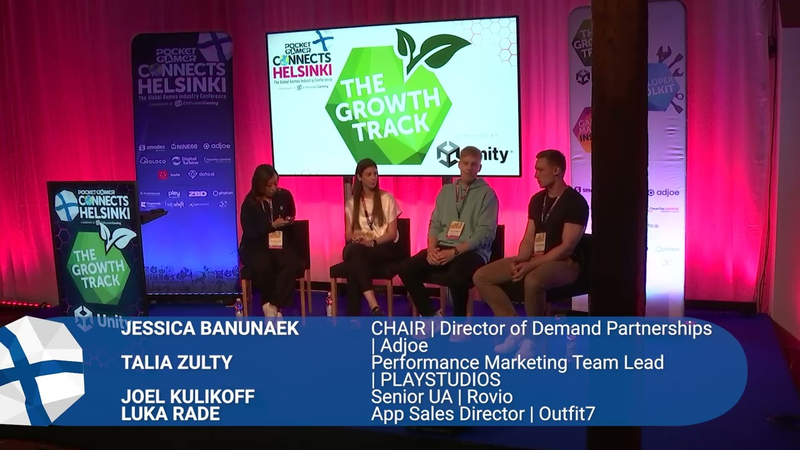
Curated Panel: Billion Dollar Secrets: Games That Never Die.
Key insights
6 takeaways- 01User acquisition strategies must shift from traditional metrics to complex methodologies like media mix modeling and incremental analysis to navigate privacy-centric digital environments.
- 02Operational success requires the integration of automation and clear team accountability to ensure that paid acquisition channels expand the audience rather than cannibalizing organic growth.
- 03Monetization strategies must be balanced with player retention through rigorous A/B testing to ensure advertising remains non-intrusive and does not accelerate churn.
- 04Studios should prioritize market timing and the flexibility to abandon underperforming concepts early, rather than relying on accidental success.
- 05While mass-market appeal is the primary goal, niche projects can achieve sustainability if they are supported by sufficient resources and a clear, well-executed monetization strategy.
- 06Long-term viability for billion-dollar games relies on leveraging established intellectual property and sequels rather than high-risk standalone products to ensure a reliable foundation for growth.
Ask AI about this video
Transcript
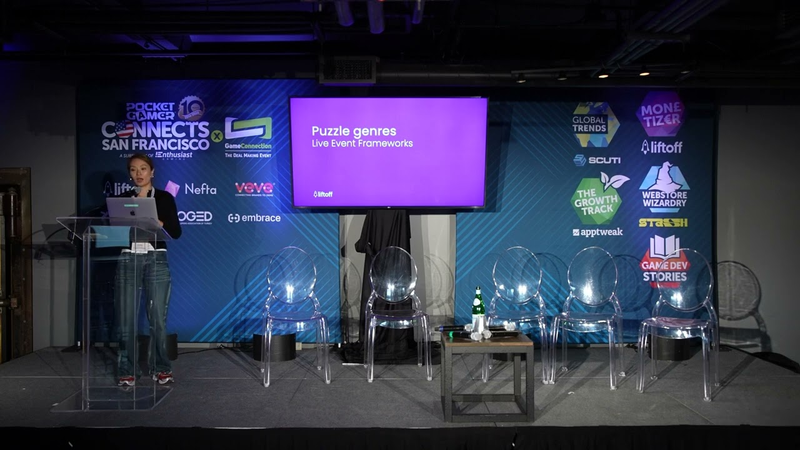
[Music] [Applause] [Music] right so now we've got our first panel of of the day so uh we're going to have a panel billion dollar Secrets games that never die and uh so please welcome to the stage We got Jess Jessica banck from ad Joe Joel kulov from roio Luke raid from outfit Sion and Talia Alti from play studi so yeah big round of applause yeah take it away thank you yeah go ahead hi everyone uh great to be here I hope everybody's survived last night uh welcome to this panel uh I'm happy to be here with my P panelists um
today we're going to discuss uh billion dollar Secrets uh games that never die um obviously uh there are so many games in the industry right now there are some like games that are so big that we want to know what they have been doing right um and today we're going to unravel those secrets so um I will be your moderator today my name is Jessica banun from Edo we help app developers um with unique ad Solutions uh to first of far the UA and mization mix um today we have on stage my awesome panelist looking fresh um so uh we have uh the biggest experts here on uh uh titles such as Angry Bird I don't know if you've guys have heard it um Talking Tom and Tetris um today we're going to see and uh hear from them what it is that they do to be so successful how do they reach those millions of users and how do they
Captivate those millions of users so without further Ado let's start with some introduction um Talia let's start with you tell us who you are and what you do and if I don't want I will do it okay I'm Talia well it's a bit oh sorry uh from play Studios been working at play Studios for the past three years I started as a senior user acquisition for our slot St like pops slot if you know and over the past year I'm leading the Casual category which is a fairly new before that we focused only at Social Casino and this category includes Tetris I hope that you all know and love it you have to and brand new which is a company acquired by play Studios last year and has multiple game like soliter majang free Cale and much more cool well hello I'm yel I'm I'm from roio I have been there for four years uh in the use acquisition team currently I'm responsible of the new titles and helping them to grow to to billion doll
games but I have also worked in in the titles like Angry Birds dream blast and Angry Birds 2 that are our biggest uh free-to-play successes at the moment okay hi I'm Luka I've been with outfit 7 now for almost eight years uh we are best known for the Talking Tom and Friends IP so games such as my Talking Tom my talking angel and so forth uh and as a part of the performance team we are leading both the user acquisition as well as cross promotion and abore optimization fantastic Let's uh start and kick this off with a burning question um in your opinion um what are the key elements that contribute to the game's longevity in the market yel you start I think like the first thing is the game needs to be engaging it needs to be fun the players needs to players need to love to play it like like you can't make billions if the game doesn't make sense for the players like after that like like uh you need to
have something that the players want to spend not only their time but money also so like you have to have the model for that whether it's ads or or iaps it needs to make sense for the players as well like like quick wins can be gained but like to grow to million from Millions to billions you you need to really understand the the customers cool Luka anything to add I mean like said you know it's really important that the game has this strong value proposition you know either it can be on the distribution Side by being like a very casual very likable to a big audience or in case if it's a smaller audience smaller potential audience then it needs to have a very high value proposition within the game so you can monetize it extremely well cool Talia um I will divide it to relevancy and Market feed so if you look at Tetris for example everyone can play it my parents my aunt my best friend my sister it doesn't have
like it doesn't have to be like 20 or 50 to play it so um the market fit and the audience is very wide uh the second one is marketing um although you have a strong brand and people know it you still need to secure it and look at for example at Coca-Cola or McDonald's yeah people know them but they're still uh you know they still want to stay in people awareness and they use marketing for that so marketing is indeed very important and uh the last part is uh user experience you have uh like luuka said uh the valuable prop position you need player to love your game and will want to continue to play your game so you need to add more feature and add new stuff to your game to make it more um playable and engagement for the users interesting so some of us here in the audience are uh most probably UA managers so I'd like to pick your brain on some UA topics ready
okay so UA in today's market can be a challenge today yesterday probably tomorrow um so what are some strategies or tactics uh that have helped your game to reach millions of users Luka what's your take on that uh I mean the industry changed so much in the past couple of years like we went in the last let's say 10 years from not being able to properly measure the impact of the user acquisition than to going into this very determination IC model that was kind of simple to really let's say handle well and now going into this privacy Centric uh fashion with apple ZT and Android uh privacy sand box that you know just looking at the user acquisition itself needs to be a much more uh holistic overview of what you're doing right so it's it's not just a matter of what specifically each Channel brings but also how they impact each other like do they uh complement each other well do they maybe like take away each other's
traffic and stuff like that and at the end of the day I think it definitely comes down to the profit and loss part on the segment itself like the whole game in a given market so just looking at the user position in a more holistic way as part of the entire marketing uh efforts uh needs to be taken much more into account than it was in the past holistic uh relevancy and diversification cool Jo I think for for Brands like Angry Birds it might be a bit different in some some cases like like you need to be real for the brand that you have built like like in angry ver 2 we have seen that that the players expect a certain type of slingshot game like yes they they have seen something related to those like early sling titles they have seen the game before they might have even played it before like you need to be true to the message that you are delivering and to the to the game that you have like when you're
building something new maybe it's easier to try to go a bit more Wild on the user acquisition side uh to build the strategies from that but like when growing up consistency is still still the key and like nowadays I think key to success is how to measure the the uh installs and and the revenues when you don't have the visibility it might be that Google goes to the sandbox and like you don't have the visibility like you we used to have like for for years now so so like the incrementally the analysis is is a key for for the use acquisition success in my opinion interesting maybe just to add to what you said you know like on one point you are limited with the IP and brand promise but at the same time like we don't complain about it no it's it's a huge asset cool um I want to go back uh to you luuka because uh you mentioned this uh earlier um the landscape has changed um in UA and um Can can you share with
us some some changes that you have implemented in your us strategy and um how has that help you as mentioned before right like I don't know 5 years ago we were really looking at the numbers reported by the networks seeing what how those users behaved internally and then appropriately reacted with companion's optimization you know now it's not as simple as it was realistically like we use different models whether this being causal impact analysis or the mixed media modeling or whatever uh but definitely we look at things from like a different point of view like we zoom out from you know based on what we do uh so we don't look at just one network in a vacuum how it operates but like how it impacts everything else right because realistically also you know on the other side the the supply Partners also adjusted the way they operate than they did in the past I would say you know
what's maybe like uh lack in this industry is to have certain standards uh when it comes to the performance advertising or UA in general uh and this is what also complicates things because I don't know if you work with 10 different networks for example you probably have at least five or six different experiences with them uh and then on boarding and exploring new networks becomes that much more challenging because it's not like you know what to expect uh M yeah that's also what you said earlier it has to complement each other one way or another Talia what about you um for Tetris is a bit different because uh play Studios acquired Tetris ride only two years ago um and we started UA activity only 10 months ago before that the game was based only on organic installs uh there wasn't really um UA testing y I mean there was but very minimal and when we started 10 months ago um we basically
wanted to answer the question whether there is a room for UA and if we can you know increase T RIS audience because we have wide audience right uh so what we did that we started with a small UA budget and strict kpis like close CPI and and then we just like started and test a few stuff at a time and I can say that after 10 month we managed to Triple the budget and we managed to also double the so we did manage to answer the question that there is room for UA and we managed to increase the audience without organic cannibalization and this is was like our concern at first um but I want to go back to what luuka said about the industry and the changes um in privacy so we faced it uh with our slot title for example so it got very difficult to acquire users iOS users um so we F that in our like you know other games and for tet because it's new so
just like you know different challenges let go yeah yeah interesting cool um I think you also mention um uh testing new channels uh previously Luka is there um any tactics or strategies that you that you guys use to test new channels any one siiz fit all approach perhaps I mean definitely not a one size uh realistically it's it's a business decision at the end of the day right like you will work with a channel like if it has value for you similarly like players will download your game if it has value for them yeah you know for us I would say the main metrics are are we able to expand to new user base with it or is this just some channel that will maybe take away traffic from other channels and instead of you know acquiring x amount of users from one channel we'll now have to deal with two channels you know that's definitely something we wouldn't want to do and then there's also like the question of how the addition of those channels impacts uh the Organics you know like
Talia said uh you definitely don't want to have just one channel that's taken away from your organic and be happy about paying for that so yeah like at the end of the day you need to look at it holistically how it impacts your whole UA picture if it makes sense or not and then also the scope is important because at the end of the day if you're just going to let's say increase your budget by 1% and have to I don't know put an extra 20% of the effort into it that's also not worth it you know so that that's why it's like in a way it's hard to once you come to a certain point where you have a well established stack of channels I think it's kind of hard uh to add on additional ones with success like usually it's a losing proposition simply from met perspective like you know when you make creatives like at one point when you have a best performing it's unlikely that you're going to find additional ones that work really well you said also your experience Joel in a way yes I I think like like we try
to try out new networks just to just to make sure that we are uh running the Right Mix so like like similarly what Luka said it's it's It's Tricky when you have the mix that is working for you like it it's taking much more time to on board something new compared to running just everything that you had but like like at least we have noticed sometimes that we are like behind with some newcomers and like like when you are that big like maybe you have earned the benefit of the doubt but at the same time you don't want to miss out something with something that is working super well so so trying to find the balance between like running something that works that maybe requires a bit less effort and then still uh acquiring the opportunities that come with with the new networks that are rising yeah and and trying to stay up to date and making sure you're not the formal exactly and gaining that extra like like benefit that might come if someone else is not or like like on boarding those networks yet interesting cool um so let's talk about
scale with all the work uh you guys do you manage different channels um tell us what you guys do in terms of streamlining um processes managing the workloads can you share with us some things that you have done in the past that is still working for you now Dalia um so first you need to have a great people and a great team and to begin with um the second one um what what we do is we have um dedicated meeting to um overview the tasks that we have we try to automate what we can we use uh G to um um for like um creative production for example if we need new creative so we have um the g board for that um in terms of automation so uh we have a lot of report that we are doing and alerter and for Innovation I would say
that we just try to keep up with Trends and we have friends in the industry so you know um we ask question we go to conference like this um and just try to you know get a hold of everything I guess but but but we manage yeah very good what about you guys um like Talia said you know it's first thing it's about having a great team also team that's like accountable you know for what they do you know so the sense of ownership is really important that you have people that you trust with that you work with and then it comes down with other things you know like you mentioned with the automation like automate as much as possible not just to save time but also to possibly prevent human error in the process of it and then it comes down to the peer exchanges uh and also like mentioned earlier you know it's also about testing new products not just new n networks but also other products
and having this open mind like yeah realistically I don't know 90% of things might not make sense for you but it's about chasing those 10% of things that might change the game on how you work well you yeah I would say like like like of course we want to automate the things that that don't make sense doing manually like I'm super happy that we're not updating the bits for each publisher like uh by hand like nowadays like at at the same time I think I wouldn't talk about streamlining but focusing on other things like when you have your mix of networks running it's easier to focus on okay like can we segment some of the players can we provide them the experiences that they're looking for focus on on the user Journey outside of the uh Hands-On stuff like when you don't need to focus on getting the inst attributed correctly you can focus on something that makes makes more value uh beyond the technical setups so like like
it's just like refocusing for me maybe more than just streamlining with the great team as you have said cool let's switch gears a little bit um with a massive user base um that you guys have talk to us about how you keep the players uh engaged um how do they how do you keep them happy well I I can I can go first like like you want want to provide them experiences that fit you the uh overall game but or are also novel so like you want to keep your live Ops Lively as as we tend to say to like provide something new that is adding to the mix that is providing value for them and when they players see the value then they also uh tend to give it back we have seen massive successes like with uh Royal match they have events going on all the time there's always something new and looking at the charts it's definitely
adding value for the players at the at the same time like like uh be careful with your community like that's the that's the other big thing I I think for for the established Brands established titles you want to take care that that you still serve the most uh engaged players the the fans that you have and listen to them cool what about you guys I mean I agree obviously it's about product at the end of the day like I mean you can't Market a subar product uh to the heights that you want and having the updates that make sense also like from the content as well as from the brand perspective are really important you know and that's why a lot of times it's also worth doing AB testing before going into full flight mode uh with those updates because like in theory they could be good updates but they might uh diminish the performance of the app itself right so H having this player Centric approach in mind is really
important you know you're not I mean like as a product you're probably like very focus on what you want to see in the game and having the game and what's fun for you but at the end you're doing the game for the users right so right they should be this light Beacon that kind of directs where you go with this always listening to feedback what about you Talia um I totally agree with both of you um when like if we go back to the first question and I said relevancy and so you need your game to be relevant um and how you do it you need to try like Joel say to add new feature to the game but you need to make sure that you're not um going too far from the core game playay and mechanism because you know this is the reason that the user came you know at the first place um so what we do for example then uh last year we introduced a new game mode to the game uh which is a Tetris with The Twist so basically Tetris is a
marathon okay you play and you want to uh beat your highest score so what we did uh we added um a new game mode that you have a mission and you need to for example clear 15 lines in 10 moves for example and then we saw it was it was like a great heat like people love it and react to that and you know we added a new thing that is not Tetris Tetris but it's not too far from Tetris because you're still playing but in a different let's say mode uh but Lucas said you first of course we did a Navy test we are not going to uh roll out the change without testing on a you know small audience because it's a risky and no um yeah cool I mean I guess um it keeps the game also fresh and and engaging right so that's why players keep coming back to it um Joel you mentioned about um keeping the community thriving like what are the steps that you guys do to keep that alive like is there any Secret
Sauce there I think it depends on your product like like depends on the game genre as well like like if your genre is more like based on the upcoming experiences that you might might have like in the portfolio then it's more about the portfolio for angry birs like it's been here forever I would say in the mobile free to play like like there are a lot of fans that that want to keep uh the engagement through Facebook or through Discord or or through through these kind of channels so provide them the opportunity to interact they are doing it anyways like there are Twitter or X the like accounts nowadays that like uh that are commenting what's happening on Angry Birds games and and like usually that's that's also a good way for us to see if something is differently than what we we expected and like like I have seen them like commenting our UA ads before we are live in the main markets so like like just be aware what's happening uh in there and
when you see that there's uh Community driving maybe like crash opportunity be involved uh interact with them and and learn from them oh wow interesting cool so um now you have the players you have the system in place let's talk about ad monetization so balancing um mization with um preventing Us return is it's key how do you guys um introduce ads um to your games and what are kind of the tactic that you can share with the audience here um I mean it also comes down back to the AB testing realistically like for every iteration you basically have a bunch of ab test on what's what's the best for both sides like in one point obviously you want to monetize the game as best as possible on the other you need to be aware like at certain point it becomes just too intrusive and the user ch like accelerates rapidly you know more than the ad Revenue growth
occurs so you know having that and also having ads in game mindfully like obviously rewarded videos have by default a value proposition for users but you know also making sure you know that interstitials or Banners are not too disruptive of the game play you know so I don't know like using the interstitial in in case of I don't know let's say Tetris at the end of a level or something is definitely much more tolerable than having it like as a block goes down and having a pause mid game right so oh it's a no no it's a feature what about you um so basically you covered it on the test side but I would just add that uh the challenge is you know to balance between uh the user experience retention and revenue because if you're going to go too aggressive and introduce a lot of ads so so at the short term you're going to have high
revenue of course but in the long term it's going to lead to churn and then you're going to lose you know in in the long gun and if you're going to do approach that is more friendly and less uh intrusive so you'll have higher attention but but low Revenue right so you need to F to find the balance between the two and and like you know this is the the mission and the challenge of the Edmund team um and also what we are doing in terms of ad that we monitor the ad that we are introducing uh we check the content the length um and the overall experience because we see high correlation between the ad that is shown and the user uh Behavior after that Co so yeah interesting um do you guys um work together with the uh I guess I want trying to say is like what kind of synergies do you have between um paida and AD mization like how do you guys work together can you tell us a little
bit about that Jo um I think we have the best experts on both of uh both of the sides but like like uh I think the key is to find the markets where maybe the ad monetization makes more sense than the iaps it's it's about that mix and uh also finding the opportunities together I think like uh we are a big company we are big teams we could collaborate a bit more but like at the same time like as I think we are discussing like with the adside to and trying to find the combinations like maybe we can in in some campaigns by users for us if we can provide them more ads to help them to progress in the game even though they these players might not be as willing to pay so like like finding that balance and trying to find the best solutions for each game that's that's what we aim to do sounds like good advice cool um so I have uh one last question
before we go to the audience um so what advice would you give to aspiring game developers who are looking to create engaging games uh build a successful monetization and reach tons of users this is for you all let's start with you Daria thought you um so first ask people ask around um you know ping someone on LinkedIn go to a conference and then ask someone if you can you know uh have a chat for like a few minutes uh understand the market it's very important to understand the market which competitors um if you like want to enter let's say the puzzle category uh so you need to understand where are the key players and you need to understand how saturated is the market and if there is a room for you know a new game um you need to understand maybe how you can introduce something new to the game that you want to publish that is missing on other games and to enance your unique value
proposition for example and asan and it's important also to ask uh you know the potential audience that you're um aiming towards and yeah and testing testing testing testing a lot of T good advice yeah I think in general there are like two two ways uh to tackle this first like come up with something new come up with something that that doesn't exist in the market that the genre maybe isn't as full as as uh the traditional mobile gaming genres or then like do something that exist very very well like I don't think many people assume that there's room for a new mat three hit like two to three years ago well uh dream dream games proved us all wrong yeah in a way but like like that's I think we are trying to do the both on on on roia end like especially with with the genres
that we know that can be successful we try to learn as much as possible within our studio like if you don't have a live title that's that is doing well maybe you can try out to look at the benchmarks at at data AI or sensor Tower or whatever so so like like trying to figure out what is driving the successes and maybe finding these angles to to make it even better like add something extra like when you have a live game there's some Legacy topics that probably you can improve on right but like like you need to be really really good if you're uh trying to access to to an existing Market that nowadays is very competitive very saturated too what about you look at I mean like not all great ideas will make it so that's realistic that we're currently in the mobile gaming is a fairly mature industry and also extremely competitive uh so like you said you know it's easier if you're like a Trailblazer in a certain genre rather than a follower by default but
that's super hard and that's where the testing comes into the face also like you need to be very flexible as to how fast you can test and also realistic as to how fast you can drop some ideas because they don't show enough promise like if it doesn't show promise then why work on it in hopes that it will all of a sudden overnight become successful like it's not realistic anymore right uh so having that said you know at the end it also like a lot about luck like you can have a great product but maybe the timing is not right you know or whatever or maybe another team has also a great product and they just kind of override you during that time but if you would have gone out I don't know 3 months later or earlier you would have that little bit of luck that would be needed you know just to make this initial Splash and visibility so no no matter how you put it like hard work great but also luck sounds like good advice um I think we still have some time on the
clock so we can open up the floor for any questions from the audience any question it was a big night for many I think uh we sure know questions I I if not I'll I'll I'll ask do we have a question someone yeah we got one question here so I am terrible at seeing people raise their hands thank you I'm Matias and I was wondering really nice talk about how to know the market is do you have some um what kpis or or websites or I was thinking about the Twitter X comment about that you should know that what there is talking the people who are playing the game so this is is like a open-ended question is there some websites or or accounts to be
like tips to follow I think for us the the X uh accounts are like that's that's specific to our brand but like like in general I think Tik Tok is the place to go nowadays especially with with the young audiences but it depends and like like I I think like like you could even go to YouTube depending on the market like like if you're going to to try to get that virality but either of those would work but also the like virality you don't know if it's going to happen until it happens so just keep your eyes open and like like be able to react when the situation comes you don't need to like put too much resources on it beforehand but just keep your eyes open thank you yeah we got another
question hi um thanks for a great talk um so you mentioned in the beginning that like the two kind of ways to go to create a really you know very successful game is to either go wide or to go narrow with a very strong value prop and uh um in in terms of your audience so in the current market uh circumstances which approach would you prioritize if you started new project probably go white like just having a game that's so sophisticated in terms of mization is going to be inherently harder uh than making something that has the liability and potential to go Mass market so in that regard it's probably easier to make but at the same time I would say like the competition is also appropriate to it uh but you know like y mentioned earlier
also with matry games that are like very sophisticated you know and often times uh the they optimized I don't know on year one or maybe even year two uh lifetime value generated and they're like also extremely hard uh genres to get your foot into so so so is that uh because you would uh like that in general it's just harder to make a really strong value prop so I mean it it gets more complex so right by by default you just need more um bandwidth to do it you know so either time or peoplewise it's a bigger investment than something that can potentially be really likable and go viral in terms of the mass scale okay thanks yeah like like to complement what Luka said like if you want to build a game that lasts for a year or 2 years 10 years like it takes time to develop that too so like like that takes more resources but like like
when you have this strong idea if you have the luxury of of having the resources like like you can go more Niche and I would say mobile gaming through UA is still rather Niche no matter the genre that you you have like like the the like if you let's let's put it this way if you run a TV ad which of the games in the market would would be profitable with with just those like if that's the broadest available option so like it's just the matter of how news you want to go and with which angle but also on the marketing side I think that it also has to do with um what is the revenue stream of the game if it's like in a purchase or inup ads because for inup ads for example um you know the revenue comes from the aded and something called ecpm so let's say outside tier one in us the acpm is very low so of course the CPI is low also but you're not necessarily return the investment because of the returns are
very very low so it also has to do with you know um what is your monetization and you know what is your goals and let's say uh how deep is your pocket and how you know how much can you tolerate and you know um absorb uh you know loss before you go profitable thank both great do we have any other questions we still got a couple minutes I think I'm definitely not seeing hands this time uh cool so I I had one quick question for you uh just about you know billion billion dollar games companies so you've already released your big hit uh I think classically in Mobile it's don't have to release a sequel because it's a game that lasts forever but uh are we seeing like is there an opportunity now that you could release a sequel to that or is it was that always a bad idea I'm just curious
your thoughts on this I mean we're kind of known for our sequels now yeah right you get like spin off or I mean to be honest I think for us currently it's let's say a more short thing to make a good squl than a standalone product like y also said you know once you have this uh brand uh promise to the players and what to expect you know in terms of mechanics and so forth it gets really hard to push them elsewhere like they associate your brand with a certain mechanic or a certain genre and that's often times it uh so having those sqls usually can be like the best Shire thing that you might have in the stack okay I think that is true also in the more more like long-term I AP monetized games so like like you can go for it just don't eat from the existing pies or when creating a SQL create something extra try to acquire other users as well on top of the original one yeah I
agree okay great uh if that's that's everything then yeah please give a a warm hand to the panel thank you so much cool thank you so much you guys thank guys n
Summary
Achieving billion-dollar status in the modern gaming industry requires a sophisticated synthesis of brand identity, data-driven user acquisition, and disciplined live operations. Long-term viability hinges on maintaining a compelling value proposition that resonates with players while balancing monetization strategies with retention. As the digital landscape shifts toward privacy-centric environments, traditional metrics are being replaced by complex methodologies such as media mix modeling and incremental analysis. These tools are essential for optimizing user acquisition, ensuring that paid channels genuinely expand the audience rather than cannibalizing organic growth.
Operational efficiency serves as a cornerstone for sustained success, necessitating the integration of automation and clear team accountability. Developers must adopt a player-centric philosophy, utilizing rigorous A/B testing to ensure that monetization efforts, particularly advertising, remain non-intrusive and do not accelerate churn. Success is rarely accidental; it is the result of deep market research, the application of industry benchmarks, and a strategic choice between pioneering entirely new genres or refining existing ones through superior execution.
Ultimately, the path to longevity favors established intellectual property and sequels over standalone products. Leveraging existing brand loyalty provides a more reliable foundation for growth than the high-risk endeavor of capturing new audiences from scratch. While mass-market appeal remains a primary goal, niche projects can achieve sustainability if supported by sufficient resources and a clear, well-executed monetization strategy. The industry increasingly rewards studios that demonstrate the flexibility to abandon underperforming concepts early, prioritize market timing, and maintain a consistent brand promise across all player touchpoints.













Comments