1 free read left. Create a free account for unlimited reading + AI research.
Create free account
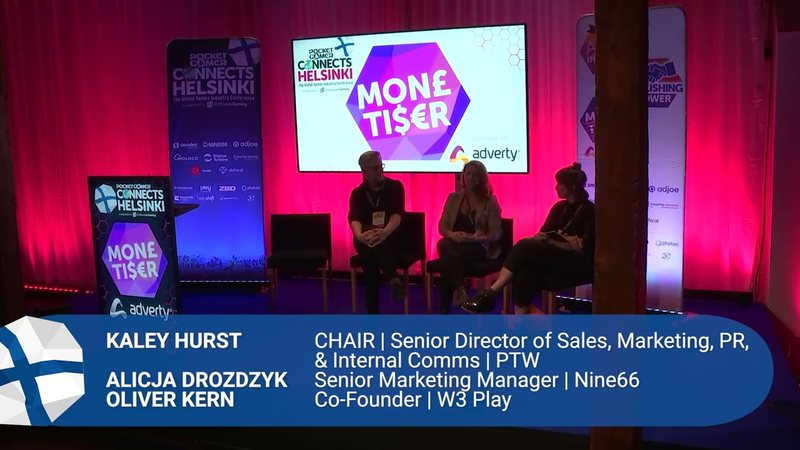
Panel: The Gold Pot: The Best Ways to Grow Your Revenue in New Markets.
Key insights
6 takeaways- 01Growth in mobile gaming is shifting from saturated US and European markets toward emerging regions in the Middle East, North Africa, Latin America, and Southeast Asia.
- 02Sustainable expansion requires a long-term commitment that prioritizes local partnerships or dedicated regional teams over standardized, one-size-fits-all global deployment strategies.
- 03Successful market entry requires deep culturalization beyond simple linguistic translation, including the integration of local events and social features to build user trust.
- 04Multiplayer titles must implement robust in-game translation tools to remove communication barriers and foster engagement in diverse demographic landscapes.
- 05Monetization strategies must be flexible and region-specific, pivoting between in-app purchases and ad-based models based on local purchasing power and consumer habits.
- 06Half-hearted or non-iterative expansion attempts frequently lead to inaccurate market potential assessments and poor user retention rates.
Ask AI about this video
Transcript
[Music] [Applause] [Music] thank you [Music] so everyone we're on to our last session of the day this is a panel it's about the best ways to grow your Revenue in New Markets uh it's going to be moderated by Kaylee Hurst so I'll welcome her to this team in a moment from uh Paul to win but we've also got I think Alicia from 966 and Oliver from uh W3 plate do we have hyphen in the audience we think not okay in that case we'll we'll move on without him if python arrives we can squeeze him onto the stage but it looks like we're going to be a slightly reduced panel well we are competing with uh already happy hours and everything so maybe we lost him there maybe that's where it is anyway over to you uh thank you very
much everyone a round of applause for our panel to get them started and um yeah we'll uh we'll hand over to you what you think different uh small But Mighty and we'll try to end on time so everyone can get to their own happy hours um I'm Kaylee from PTW um over at sales and marketing um and I'll let the panelists introduce themselves well my name is Alicia um I'm at 966 we're a Saudi company and we're basically building the gaming ecosystem in Saudi Arabia My Name is Oliver Oliver Kern um I've been in the games industry for about 20 years or something and um see myself a bit of a veteran I've seen all the good the bad the ugly um and yeah happy to be on this panel yeah um so of course our topic is best way to grow your Revenue in New Markets so I wanted to start with what are the emerging markets and games right now well I'm definitely one of the big ones right now and the ones that you hear a bit more about this is is the Mina
markets which is growing very rapidly um also Saudi Arabia is investing a lot of money into growing the gaming industry so I think it's it's definitely an interesting place to um to look at and to to take into consideration where where you when you want to grow your um your mobile game yeah I think uh you know beyond that there are this is definitely one of the growing markets if you look at like okay what's you know some of the smart people like nuzu or wherever kind of um predict growth you know it is definitely the Mina region it's also you know to a degree latam um and uh you know there is also in some countries in like um southeast Asia some some growth that is uh expected so I think there are definitely opportunities whereas like the very established markets like us and Europe um it's um brutally hard yeah quite saturated so
how do you pick the right market for your game yeah that's a that's the the million dollar question I guess um I mean what what I've always done is you know you have to kind of first look at your game and where it fits right so that means you have to do some kind of desktop research um you know use the tool like I don't know sensor Tower or data II or whatever you you have at your disposal but something that basically gives you an indication not what your game is doing there that's obviously something that you know but you also want to see like okay are there is there opportunity in this genre you know are there other games um that I see as a benchmark that you know I could I could also you know compete with uh in in that region and are they doing maybe something different or you know infinitely better so I mean I remember when I also looked at Mina at some point um you know the top successful games in
Mina were all localized to Arabic right which is obviously we know big effort Etc but you know um it doesn't come by accident so to say but I think you have to do that research first um yeah I agree I mean you have to understand which genres are popular what is the competition what do the players like um and and compare it to also your data and and if if you're if you already went uh Global we can already see whether you know what's the art thou uh what's the retention in those specific markets and and based on that you can you can make some decisions whether it's worth actually uh putting some more effort into localizing culturalizing the game um if there's potential basically um being nice to only discuss the positive aspect of entering new markets but I'm sure you guys both also have some input on maybe the Perils of entering new markets and maybe doing it improperly or
without enough thought and planning anything you want to yeah I mean I can I could start I mean I've um I've seen it go well and also go really bad um I mean I I worked for uh for a company for quite a while where we basically went into uh into latam and doubled down there especially on in Brazil because we saw some like initial really good evidence and uh we're able to also with you know investing into that market with like a local team Etc um we're able to really pull it off and and grow substantially there um and thought like okay this is the playbook for that type of game uh let's let's replicate that and try to do that also in in Mina um you know we did consider like different avenues like go with a publisher maybe to kind of spin it out but in in this case we then decided like
okay no we're also we're going to do the same thing we're going to set up our own kind of local team in that market and and and build there and you know made quite a quite a big effort did localization which was very expensive because it was quite a big game um put like a good team together but um it didn't make the difference that we anticipated um and I think at that time we were too focused in terms of priorities on like still okay can we grow more in the U.S Etc that we didn't really uh give it enough priority because I do think if you if you decide on a market it's not good enough anymore to just say like oh yeah we're just going to do a little bit more advertising there or something like that that just doesn't cut it anymore I think today even less than it than it used to be um so you have to kind of really think
hard about like okay why why what can you do with that with your game in that market that will really make a difference yeah so yeah can go both ways yeah absolutely yeah and I think I think especially when entering a very different culturally region you have there are so many nuances you have to take into account whether it's religions you know sensitive subjects as as it is with Mina so if you're not part of that culture it's very difficult to you know to catch catch all those details and we've had like a very simple example we've had a creative agency do a couple of ads for us in Arabic and they did what they thought was Arabic and when my Saudi colleagues saw the ads they were uphold and they said okay this this smells from a mile like some Westerner uh just just some impression of a western and Western person of the Arabic culture and this
they said it's not good there's mistakes and of course it's it's very difficult also to do the the localization because I mean the alphabet is different the direction is different and there's a lot of things that can just go wrong if if you don't pay attention and if you don't just don't know yeah I guess you guys both brought up localization culturalization obviously there can be a massive cost to that is it is it essential is it optional uh I think it depends on the game yeah um at the end of the day um yeah there are some games where you know it's it's all about the content um and then you know that that um effort is is much much bigger and there are games where you know it's it's more forgiving it doesn't really matter as much but at the end of the day as we're on a monetizer panel I do think that you know uh localization adds to credibility right so um you know if I'm
I don't know if I'm you know Brazilian Portuguese and uh you know I see something in English I can kind of get what it's about it's a freaking game I know okay press this button there is usually enough UI that helps with that Etc but you know to kind of have then also the confidence that okay this is the game for me Etc you know localization culturalization you know Community all of these things around the game uh you know help with credibility and you know you very often see that you know uh conversion rates all these things are very very different um you know in in in kind of other markets and you know that may have very different reasons not only that they don't have as much disposable income and you can kind of you can balance that out also with kind of your pricing Etc but it's also
that I I do think that you know people are less willing to spend money on something where they feel like what if there is some issue yeah they don't even understand me these kind of things so I I think it helps with credibility to to kind of do those kind of things for every game no yeah well I agree I mean also I mean you always also get people who just don't speak the language so I think it's it's just easier to navigate through the game especially if you like it um but I agree completely with all of her that it's it's probably the credibility and then of course there is a question like if you want to grow your revenues so you want to engage your players but then again how much like does spending you know so much money on localization does it justify the the revenues so it's also like one aspect to look at before you actually move on yeah I remember at one time my head of localization told me that the goal of good localization is emotional resonance and so it's like two different players and two different regions speaking two different languages feel the same emotion at the same time
in game which is I mean that's what you want to get out of games you want to feel Joy at the same time or fear at the same time or you know whatever the emotional impact of the game is you know I think you can't you can't immerse yourself as much uh in like a foreign language if you're if you're not I mean if if you're quite Savvy in a language then it's okay but you know if if it's really like a foreign language you just cannot immerse yourself as much I think you brought up when we were talking earlier today um the community aspect of language in game and allowing Community to speak to each other in-game and the barriers that can be broken down or put up by linguistics yeah I think that's uh yeah that's an interesting one because I I do feel like a lot of the very successful games are for sure you know multiplayer games there is some some shape or form
of chat Etc and then I think it's um the importance there is to you know allow people across the world to kind of communicate with each other so language shouldn't be a barrier because what what I've had with with one of the companies I was working with um yeah we we didn't make that effort and basically it meant that you know growing like a small community to something sizable was super super hard because they couldn't really find each other well enough to kind of communicate with each other so they're about we're basically kind of excluded from from chat to a degree and I think that's that's really really bad I I think you know some of the uh like Forex strategy games they've they've definitely uh you know put a lot of investment into into that to allow people to in chat just you
know somebody's speaking Spanish you just click on the translate button so you understand it's not like their language it's some type of Google translate or whatever but you know you at least understand what what that person is talking about and that can kind of bring Community like Global Community together I think that's for anything that is kind of has a chat component I think that's kind of what you have to do these days and I think it's becoming more and more important as social gaming like with the younger Generations is becoming more and more of a thing people want to play a game to spend time with their friends and with people from around the world so so it's not just for the playing of the game so in this in this sense it definitely makes sense to yeah to invest into localization you also brought up um earlier today when we were talking about community and engagement um the more oftentimes not to make a blanket statement but oftentimes the
more communal nature of Emerging Markets versus a much more individual focused Western Market you want to add anything on that yes so for example in the Mina Market it's uh I mean it is a collectivistic um country I mean region more so than than here in Europe for example so so family friends and social ties are are I think of of much bigger importance than they are here which also you can see in games uh and and the social feature is super important in games and this is the way to engage players and retain them and also also monetize them so for example when entering the Mina markets it's if if it works with your game because of course not every game of you know it makes sense to have a chat in the game um but if it does then then it is it is something to think about um and also one of the in the top charts it's interesting to see in in the Mina region that um there is two or three Ludo games
which are like actually chat apps with uh with kind of the cover of a Ludo game and they make millions and they make a lot of money which is which is very interesting um we are in a monetization panel um and we haven't really touched too much on uh monetization strategies in Emerging Markets uh you know again I know we can't make a blanket statement on this is the model um how do you pick the right monetization strategy for your game and for your Market yeah I think you have to acknowledge first of all that you know there is no blanket solution right what works in the US um and hopefully that works for your game um doesn't mean that it that this kind of model Works across the world right so you have to kind of if you if you look at a different Market you have to kind of look at okay do I believe that this
monetization model will also work in another market so if you take the typical example you have like a game that makes most of its money from let's say ads well in an emerging market that's going to be extremely hard to kind of make the same kind of money from uh from from your game so you know if you then go to Mino or latam or southeast Asia Etc like the cpms are completely different uh there are less there is less competition also for the CPM so you know you basically get like all your fill from maybe Google and then a bit of unity or something like that so then it's really really hard to kind of get to some competitive CPM on monetization so then it's like okay is there is there a different you know would this even work right if your IAP focused then you know you have to acknowledge that you know disposable income in other markets
is is different um you know what does that mean for your kind of uh pricing profiles etc etc so it is quite complex and and therefore I I feel like a lot of companies are like not so sure if this is you know is it worth kind of investing in that and usually they very much have this idea of like well the game is growing let's focus on our top markets let's rather add another feature for the US Etc but I do feel like these days this the the kind of ceiling in terms of what you can do with your game in like top markets uh is quite low so you know I I think it is it is worth exploring that and yeah but you need like evidence that it's really worth it and that's why you know I think it's important to look at like okay are there Benchmark games in your genre that are
doing what are they doing so to say um in terms of money and in terms of how they're approaching it um is there something that they're doing different because I I think there is no blanket or just push the same product out everywhere that just doesn't work yeah I think I think you have to generally be just open open to new ways of doing things be flexible as Oliver said I mean just look at what the other apps what the competition is doing to understand what works for them or what they're still missing um and then and then just try out things as well and test and of course you know I think that's for example like in various countries like you will have a different share of ads different share of in-app purchases based on the economic situation so so I think it just pretty much have to be flexible and and open to different strategies um when it comes to platforms I know
we're at a mobile games conference but uh is it exclusively mobile is it mostly mobile where how do you see a successful companies focusing their platform work in Emerging Markets um well mobile is I think definitely um one of the biggest chunks still I think all over the world um yeah especially in Emerging Markets uh the the share of mobile is is much much higher but you also have to acknowledge like that's again you know understanding what works maybe for you in the US which is an iOS Centric Market may not work in Brazil which is an Android focused Market with completely different payment profiles and and all that so I think it's it's really important to to kind of have you know really understand that market that you think here's an opportunity and then think about like okay this is this is uh
what I'm going to do so there unfortunately there is no blanket answer but you have to make that effort and it can pay off really really nicely so yeah and definitely access to mobile is nowadays is easy yeah across across the globe um I think let's if you guys each have a like success story that you would be willing to share of like here was the game here was the market um and here's what we saw in terms of success I'd love to hear that either both of you be nice to wrap with some success stories then we'll take questions yeah I mean for me one of the success stories I kind of uh mentioned that earlier so I worked for like a a virtual game app uh company out of the UK um it came originally from like PlayStation home and uh you know we kind
of started running it it had its early user base mainly in the US but you know because uh South America is such a Brazil specifically is such a social uh social country where you know chatting and kind of playing together and Sim type of games has always been very very successful um that kind of showed some some really um early signs but you know it was different Market it was lots of users but you know low monetization Etc but you know we were still able with like a real effort in terms of content Partnerships um inter yeah and and really a focus on on on the market to kind of grow that significantly and make it like one of the I think we reached like top 10 grossing uh on Android in in Brazil and
you know were then in the league of like I mean free fire I think at the time was at the very top but you know there were like a lot of those big shooter games where you know where where the money is coming from and for us being like more of a social virtual world I think that was real a real achievement I mean the art dolls didn't didn't grow drastically but we had like interesting Partnerships great very local content they felt like recognized all these kind of things so it was quite an effort but I think in that sense it really really paid off yeah and when we try to replicate that in another Market in that case Mina that didn't work out yeah I think mainly because of the content and Partnerships where we didn't put enough effort in yeah that makes sense well and for us um we've um we've actually I mean so we were working on the uh version for the mean of a picture puzzle game ends and I mean
since it's a picture puzzle game with words I mean everything had to be localized um also the content the pictures so a lot of you know cultural references um taking into consideration important holidays and events like the Ramadan so we managed to get the retention actually quite quite High higher than the initial targets so that was really great to see and we were struggling for a while with um with actually the monetization and the in-app purchases we couldn't really get that going but then we started we switched to ads so we started doubling down on on ads and at some point also using actually audio ads which actually made a bit of a difference so so he we were just trying a lot of new things and and with that we actually managed to to hit um like a good good spot but definitely a lot of content and a lot of a lot of
cultural references that I think made the difference and uh and of course the language yeah willingness to iterate I'm also hearing that too okay well I know we have a bit of time any questions from the last few people remaining no questions happy hour yeah we can head to happy hour if not I've got a question I've got a question why not so you I know that you folk you mentioned the market that you work in and obviously the the Mana region and so on are there any other emerging markets that we should be looking at you mentioned latam is there anything else that we should be considering here that we haven't touched on yet I mean other parts of Asia that we should be looking at or how about India and Pakistan as that as a market or what are there are the other places that we that that are on your radar even if you're not working there right now yeah southeast Asia as always like Indonesia specifically is like a a big people Market um right you so you can attract um a lot of people there but again you
need to really kind of localize your game sure um because you know similar to probably Saudi Arabia um you know even in I think in Saudi people always underestimate uh you know what what people understand in terms of English because you know all the big whales and like Forex strategy games are all from Saudi so they think like well they spend so much money in this English-speaking game probably people speak English there well they don't and uh you know similarly like Indonesia definitely um you know it's it's an Emerging Market lots of people I think 200 something million so it's quite quite a sizable market and uh yeah people play lots of games there um you know if you you know if you want something more kind of English-speaking and then Philippines but significantly smaller but I do think there is opportunity definitely in in Southeast Asia if you're Android first then it's probably Indonesia if you're iOS first then maybe more Philippines
um I mean Africa yeah maybe Nigeria I mean you have to speak with Kerry first maybe if there's an opportunity there I I that's definitely a region where I I don't know enough um I always only use like South Africa as a proxy and soft launch to see like will this uh be interesting or not but in terms of markets yeah I think yeah southeast Asia definitely is is like a big big people market India is still very very difficult um yeah you have to really understand you usually have to understand the markets really well and you know India is different in the South than it is in the north Etc so you really have to understand that much much better that's interesting I'm sorry too but to that point as well and also what you were saying about the Middle East is interesting because actually we have these conversations where we sort of say like the Mena region but actually there's so many different countries there and each one of them has its has
required some variation you know like you like you were saying as well North Indian South India requires different and similarly yeah in Egypt is different from saudius right exactly which dialect whether you go for the traditional uh language or whether you go into the dialects but then there are so many dialects you can't really do that because it would require a lot of work a lot of money and time so it's uh yeah it's a you have to understand what would be the best best course of action and and understand the people and the markets and and have a strategy of a strategy and make it a good one um I spoke a Pocket Gamer event a few years ago about the Emerging Market opportunity in India and it's you know everything you're saying it's Android first massive population low average revenue per user but then a really large population to offset that but as you're saying it's not just north to south every state has a different spoken language and a
different culture different holidays if your live op strategy includes holidays that's quite a few different holidays to try and incorporate so it can be quite different on to do it right culturally and linguistically in some of these Emerging Markets sure but then there's quite an appetite for it because no one's really doing it so there's definitely Room to Grow but but very often it's just easier also to partner up with someone whether whether have a team there which which lives the culture knows the culture throughout and can actually help you work with a publisher it's it's rather than do it yourself especially when the the very different culturally um regions yeah yeah I agree I think that's that's definitely also something that you should always consider is like I mean your Game needs to allow that really if it's very server-based and you feel like oh this is far too complex to
kind of run different servers Etc but otherwise uh you know going with like a publisher um is not necessarily a bad idea for some of those emerging markets for sure thank you yeah does anyone else want to ask a question so you were talking a lot about localization and then I was wondering whenever you decide to go to New Market and then of course you you're gonna spend like some money in doing a proper localization um do you also ask your partner or yourself depends who does it to concentrate a lot in in culturalization so or you just ask for a you know a simple localization or you also ask you know the extra to go the extra mile and you spend more money in you know people that know the culture and try to do that localization but just you know more looking at the culture of uh of that specific Market [Music]
um well that's a very good question I think what would be a shame if you kind of do something and you only do it like halfway so you never know what the real potential is I mean I was talking about like um what what uh you know I was I was working with that UK company we first went into Brazil um then also tried to kind of replicate that in in Mina and the company at the time was then very much focused on like okay we have to grow in the US Etc and it wasn't enough of a priority so content kind of fell short and you know it didn't have the growth that we were anticipating we didn't have the Partnerships we didn't have the content Etc and you know then it's self-fulfilling prophecy in a way right so it's like okay we didn't really put all the effort into it and yeah the results didn't show so yeah it was it
because it won because of the other but we never really went for it right so I think you have to have like a very clear plan and commitment to kind of do what you feel you have to do in that market to to basically win um and then really try to to go for it like as any startup would say you know you got just dip your toe in and then say oh yeah no it doesn't work let's move on oh cool thank you uh anyone else oh there's one over here Mike thank you uh first of all like a very interesting panel on discussion I feel like uh also a very good question from you like going to ask around the same but uh I feel like I could like talk about this topic like for quite a bit time uh
uh I honestly I just wanted to ask you because you were mentioning that you work in Latin Market in Brazil and you try to replicate that like in in Mina region it didn't work out uh I work in marketing like uh in many like regions and what I found it difficult is like uh especially in gaming like uh what's your like go to strategy like uh to evangelize or to you know like get uh the right Partnerships in the region because I think that uh for like specifically like sometimes I think that it in order to penetrate into a market or uh I think it's a right or ideal to have the right Partners right and uh for example in Latin that is an Emerging Market uh or well it's up for grabs uh I I consider that uh sometimes I have a hard time like telling people or having the right Partnerships because like I'm telling them yeah this is a huge industry there's a money in here right
so how do you how do you do that I think it needs some business development effort for sure you need to kind of really and and you need to speak with other people like okay so what did you do you know if you if you if you look at like South America you have to speak with some of the companies that have been successful there and you know just just speak with them I mean that's the good thing that I like about our industry people are open to kind of share some of their secrets so to say um but you have to ask um but I think it's it's absolutely worth it um so you have to identify like okay who has had like a successful playbook for for a specific market and then speak with them um say like okay so how did it go what what what are the what are the what's the secret that kind of made this a success who were is this a partner that we've been speaking to that could could help us or not what are the channels
when it comes to advertising what are the potential Partnerships all the these kind of things I think you have to kind of put some effort into that and it's not like a it's simple like oh yeah let's try this a bit and and sink some money there I think that's unfortunately the reality is that you have to kind of put some effort in so you have to kind of it needs to have a sizable opportunity right and that's what you have to kind of really understand thank you oh oh another one it's not the last one lucky good no I'm joking thank you very much for the stories and the the examples if you were to give us like um the top three pieces of advice that you would have for us whenever entering a new market what will be the click at top three for for both of you I would say do your research that's I
think probably the the first one um second one is have some kind of like make a strategy a full strategy as Oliver said I mean if you go like halfway if it doesn't work I mean you can't be exactly you know surprised so I think if you go in if you plan for expansion if you plan to increase your revenues in a certain markets you should really have a full strategy and a full plan and go all in and third I would say that do partner up with with local local people whether it's a publisher or or just local uh company or experts exactly yeah and I think one more thing to add so it's maybe top four then I think you have to think about timing as well I think that's also critical because the
challenge very that I've very often seen is you know your game is growing and you focus on like the top growing markets you want to double down there if it's declining you're like well should we really kind of put more effort into this um and uh you know should we look at other markets shouldn't we rather focus on the next thing so I think timing figuring out like the right time to do this is also really essential which I guess is part of the strategy so thank you very much I take top four thank you great thank you cool well I think probably out of time yeah is that about right well thank you very much a round of applause for our paneling baby I appreciate it and of course remember I know uh as of the end of the day people left but we were also recording so people will be able to watch on ketchup if they missed it so thank you very much for being part of that thank you
[Music]
Summary
Mobile gaming growth is increasingly shifting away from saturated markets in the United States and Europe toward emerging regions, specifically the Middle East and North Africa, Latin America, and Southeast Asia. Capturing these new audiences requires a departure from standardized global strategies in favor of highly localized, region-specific approaches. Success in these territories is not merely a function of increased advertising spend but relies on a long-term commitment to understanding the unique economic conditions, platform preferences, and cultural nuances that define each demographic.
Effective market entry demands deep culturalization that extends well beyond basic linguistic translation. Developers must prioritize building emotional resonance and user trust by integrating local events, social features, and, in the case of multiplayer titles, robust in-game translation tools to remove communication barriers. Because these markets often exhibit fragmented landscapes, flexibility in monetization is essential; companies must be prepared to pivot between traditional in-app purchase models and ad-based revenue streams depending on the specific purchasing power and consumer habits of the target region.
Navigating these complexities necessitates rigorous research and, in many cases, the establishment of local partnerships or dedicated regional teams. Half-hearted attempts at expansion frequently result in inaccurate assessments of a market’s potential and poor user retention. Consequently, sustainable revenue growth in emerging territories is contingent upon a strategic, iterative process that values local expertise and business development over a one-size-fits-all deployment. By aligning product features with the specific cultural and social expectations of these diverse regions, developers can successfully unlock significant long-term growth opportunities.
























Comments