Global reports and market data
Documents
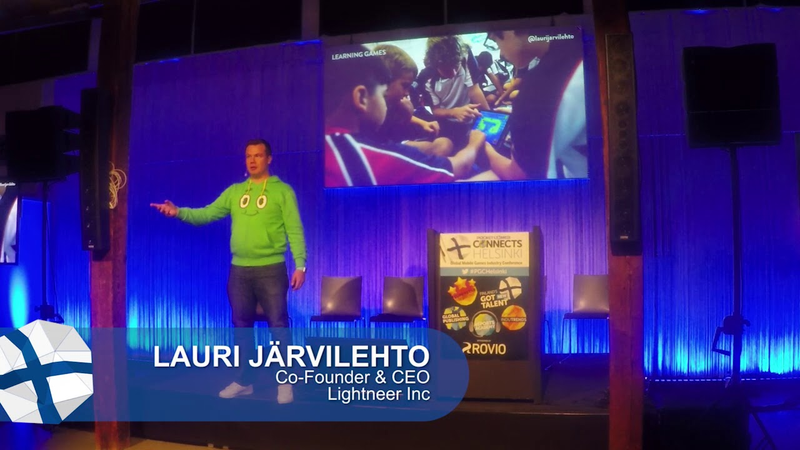
The hidden potential of learning in games
The gaming industry possesses a significant, largely untapped potential to revolutionize global education by bridging the modern attention gap.
- The global education market represents a five trillion dollar economic opportunity for developers who can successfully integrate high-retention game mechanics into learning.
- Effective educational games must prioritize high-quality, immersive game design over traditional, dry pedagogical methods to bridge the modern student attention gap.
- Successful commercial titles like Civilization and Clash Royale demonstrate that players naturally acquire complex strategic and historical knowledge when the gameplay itself is inherently engaging.
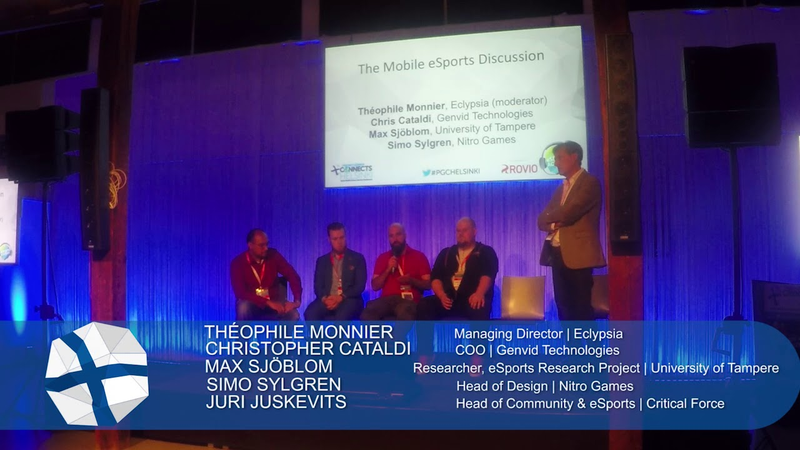
The mobile esports games discussion
The mobile esports sector is currently transitioning from a nascent, marketing-heavy phase toward a more sustainable model defined by organic community engagement and platform-specific innovation.
- Mobile esports must move away from imitating PC-based models and instead leverage the unique technical accessibility and platform-specific features of mobile devices.
- As of 2016, mobile titles already accounted for 30 percent of total esports prize money, demonstrating significant market scale.
- Long-term sustainability relies on developer-provided infrastructure that empowers grassroots tournament organization rather than relying on unsustainable, high-budget tournament production.
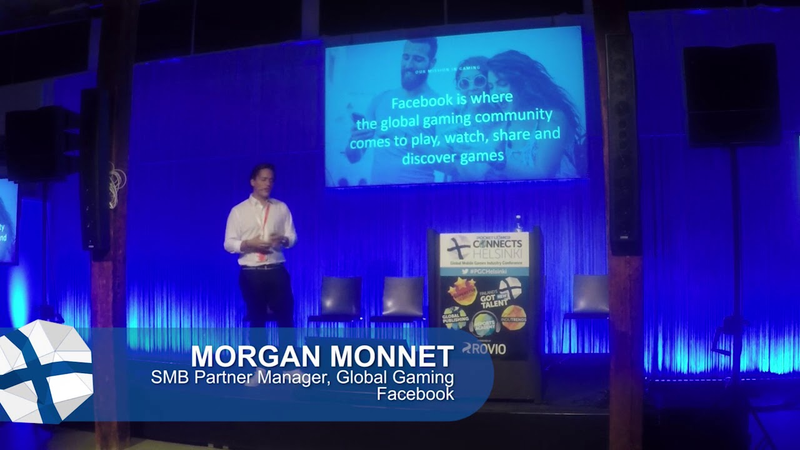
Facebook on mobile gaming's next wave
The mobile gaming industry is currently defined by explosive growth, driven primarily by the global adoption of smartphones and the prevalence of free-to-play business models.
- Mobile gaming is projected to reach 2.5 billion players by 2019, with two-thirds of industry growth currently originating from emerging markets in Asia and South America.
- Mobile platforms have surpassed console gaming in popularity, functioning as the primary entry point for new players who lack access to dedicated hardware.
- The transition from 4G to 5G technology is enabling more complex, synchronous, and competitive gameplay by significantly reducing latency.
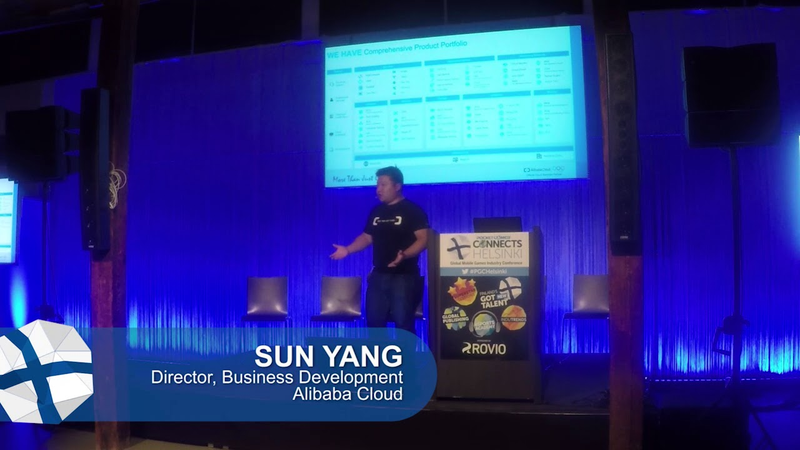
Same dream, new inspiration
Alibaba Cloud serves as the technical foundation and primary growth driver for the Alibaba Group, an expansive global ecosystem that integrates e-commerce, logistics, financial services, and digital media.
- Alibaba Cloud is the fourth-largest public cloud provider globally and maintains a dominant market share in China and Asia.
- The company functions as a strategic gateway for international businesses entering Asian markets and for Asian enterprises expanding globally.
- Beyond infrastructure, the platform provides value-added services including marketing, legal, financial support, and publishing channels for gaming and digital media.
Driving engagement and deepening communities – A guide to social/multiplayer features
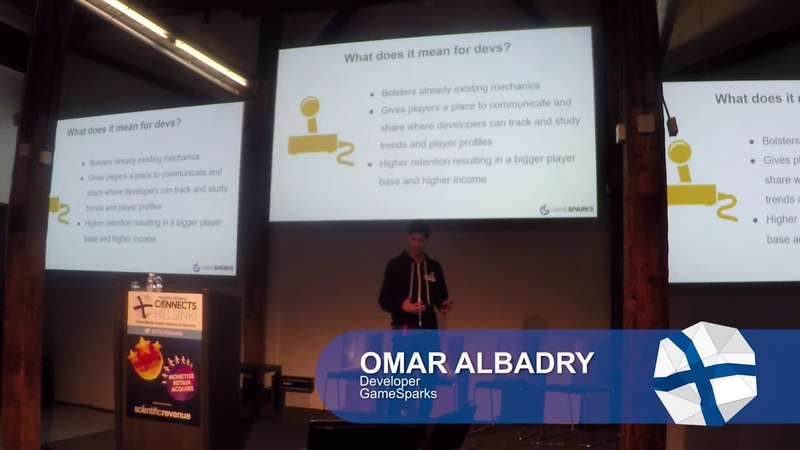
Social and multiplayer mechanics serve as essential drivers for player engagement, retention, and monetization in the modern gaming landscape.
- Social and multiplayer mechanics, including leaderboards, guilds, and competitive challenges, are primary drivers for increasing player retention, engagement, and monetization.
- Integrating social features directly into the game environment allows developers to capture behavioral data and player feedback that would otherwise be lost to external social media platforms.
- Replacing static AI with dynamic human opponents fosters deeper emotional investment and encourages longer play sessions through a self-contained ecosystem of competition and inspiration.
Rediscovering Authentic Creativity
Authentic creativity requires a deliberate departure from the primal instincts of fear, shame, and perfectionism that often stifle innovation.
- Authentic creativity is achieved by consciously suppressing fear, shame, and perfectionism, which allows designers to bypass the ego-driven constraints of the lizard brain.
- Designers should limit digital over-stimulation and practice intentional presence to build a unique internal library of experiences that transcends derivative industry trends.
- The technique of mental noting—a meditative observation of one's surroundings—is a primary method for gathering original, real-world perspectives to inform creative projects.
Build smarter, grow faster and monetise better
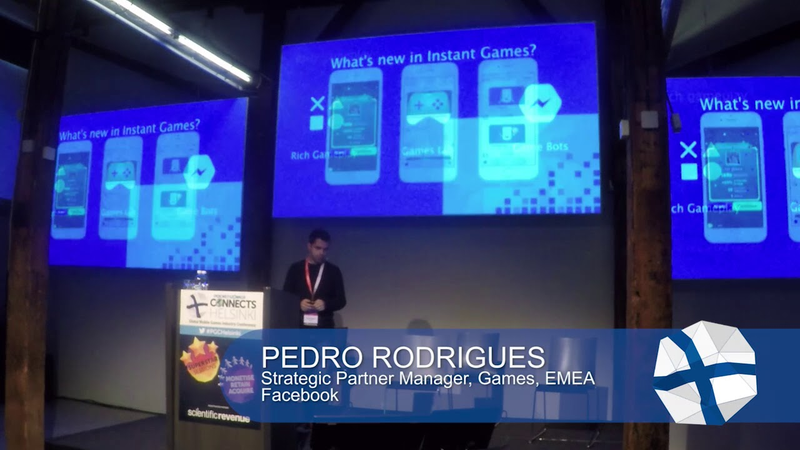
Facebook aims to solidify its position as a central hub for the global gaming community by providing end-to-end solutions for discovery, engagement, and monetization.
- Facebook leverages a social graph of 800 million monthly active users to integrate gaming directly into social contexts like Messenger, groups, and feeds to improve retention and re-engagement.
- The platform's video strategy targets a monthly audience of 665 million gaming content viewers by integrating live streaming and eSports content into the dedicated Watch tab.
- The Instant Games platform utilizes HTML5 technology to facilitate frictionless, social-first mobile gaming experiences driven by leaderboards, messenger bots, and turn-based notifications.

How to design games for optimal IAP
Modern free-to-play game development necessitates a fundamental shift from traditional, finite project cycles toward a sustainable service-based model.
- Shift from finite project cycles to a service-based model that treats the game as an evolving amusement park to ensure long-term retention and engagement.
- Integrate monetization strategies into the core game design from the outset to support years of content expansion and live operations.
- Replace one-time premium purchases with annuity-based models, such as recurring currency subscriptions and gacha mechanics, to encourage sustained player investment.
How to acquire quality gamers from social media
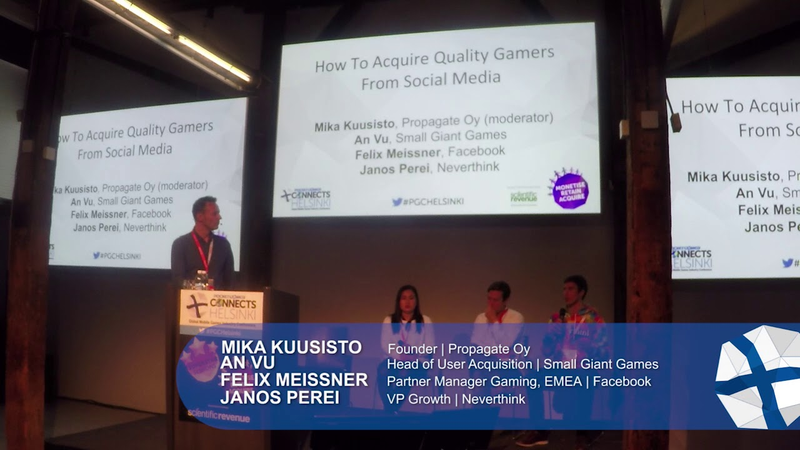
Mobile game user acquisition hinges on the strategic utilization of major social media platforms, which provide the granular demographic data and diverse ad placements necessary to scale campaigns effectively.
- Prioritize Lifetime Value (LTV) and Return on Ad Spend (ROAS) over total install volume to ensure marketing efforts drive long-term profitability rather than temporary traffic spikes.
- Combat ad fatigue and maintain audience engagement by continuously developing and testing five to ten new creative assets every week.
- Utilize app event optimization to target users based on specific in-game behaviors, such as tutorial completion or initial purchases, to acquire higher-quality players.
Virality and organic growth for games
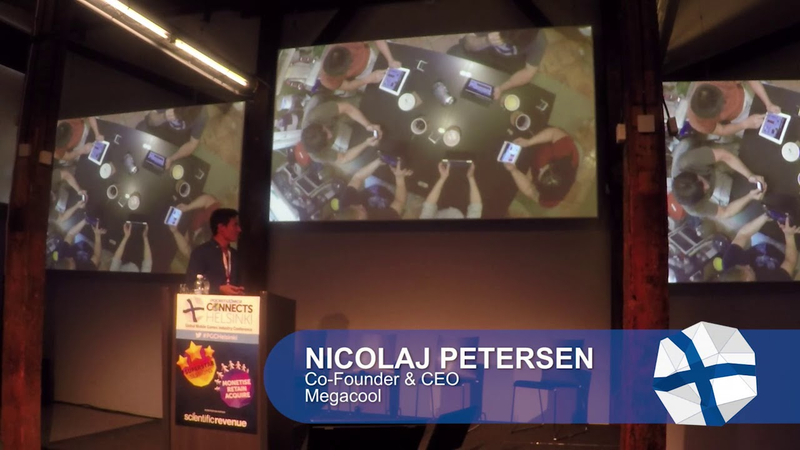
Organic growth and virality are essential strategies for mobile game developers facing rising user acquisition costs and a saturated market.
- A K-factor exceeding one is the primary benchmark for success, as it indicates that each existing player is bringing in more than one new user, leading to exponential growth.
- Implementing structured referral programs that offer in-game rewards for inviting friends can increase daily new installs by approximately 10 percent.
- Developers should integrate high-arousal emotional triggers, such as excitement from team-based mechanics or frustration from extreme difficulty, to naturally compel users to share their experiences.
Evolution of mobile advertising – How did we get here and what’s next?
The mobile advertising industry is currently undergoing a fundamental shift, moving away from legacy desktop-based monetization models toward a mobile-first, real-time bidding ecosystem.
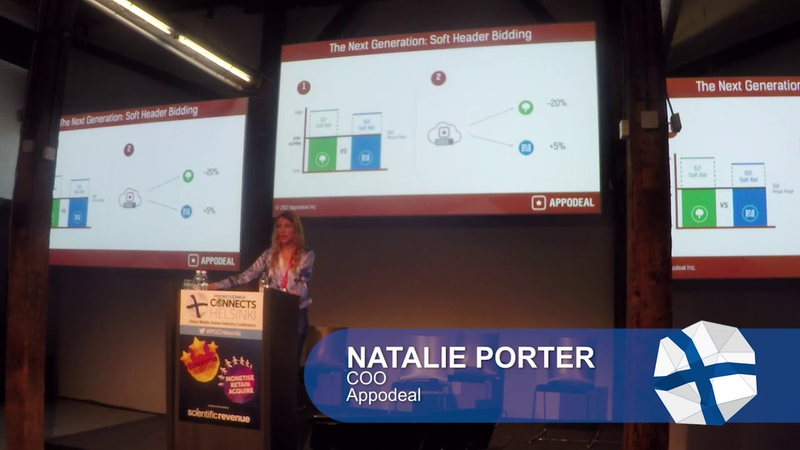
- The mobile advertising industry is shifting from sequential, static waterfall models to a server-to-server, real-time bidding (RTB) ecosystem.
- Modern mediation platforms now function as neutral judges that evaluate simultaneous soft bids against historical conversion data to maximize publisher revenue.
- Adopting an OpenRTB 2.3 compliant framework reduces latency and optimizes performance by activating only the winning network’s SDK.
The three stages of a game’s marketing lifecycle
The mobile gaming industry faces a challenging landscape characterized by high user retention within a small number of preferred applications and a general decline in new app downloads.
- The mobile gaming market is increasingly difficult to penetrate, as most smartphone users downloaded zero new apps per month as of 2017.
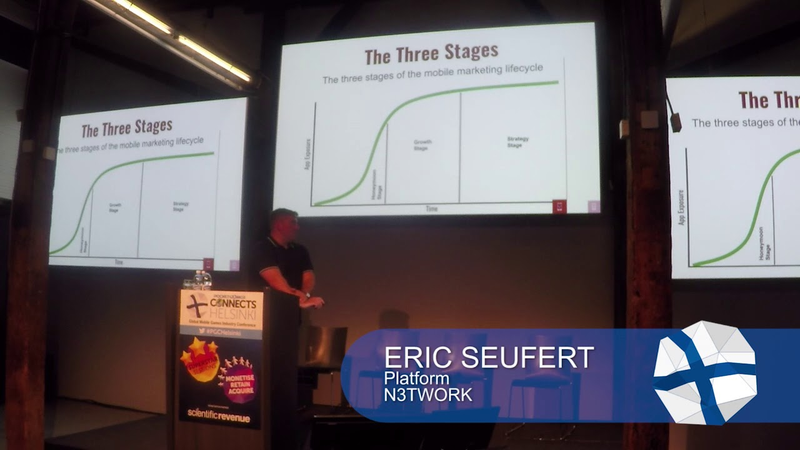
- Rising cost-per-mille (CPM) rates and competition from non-gaming entities for top-grossing positions necessitate a shift from simple user acquisition to sophisticated, multi-stage marketing strategies.
- The honeymoon phase represents the initial market entry, characterized by low acquisition costs and high click-through rates that should be leveraged via top-tier advertising networks.
Writers
Games and companies
Games