1 free read left. Create a free account for unlimited reading + AI research.
Create free account
Facebook on mobile gaming's next wave
Key insights
6 takeaways- 01Mobile gaming is projected to reach 2.5 billion players by 2019, with two-thirds of industry growth currently originating from emerging markets in Asia and South America.
- 02Mobile platforms have surpassed console gaming in popularity, functioning as the primary entry point for new players who lack access to dedicated hardware.
- 03The transition from 4G to 5G technology is enabling more complex, synchronous, and competitive gameplay by significantly reducing latency.
- 04Market saturation has made user discovery the industry's central challenge, positioning social platforms like Facebook and WhatsApp as essential channels for organic, community-driven growth.
- 05Developers are shifting focus from raw download volume to high-value user retention and monetization strategies to ensure long-term profitability.
- 06Data-driven tools, such as look-alike audiences and mobile app event optimization, are being used to target high-spending 'whale' players based on specific in-game behaviors like tutorial completion or purchases.
Ask AI about this video
Transcript
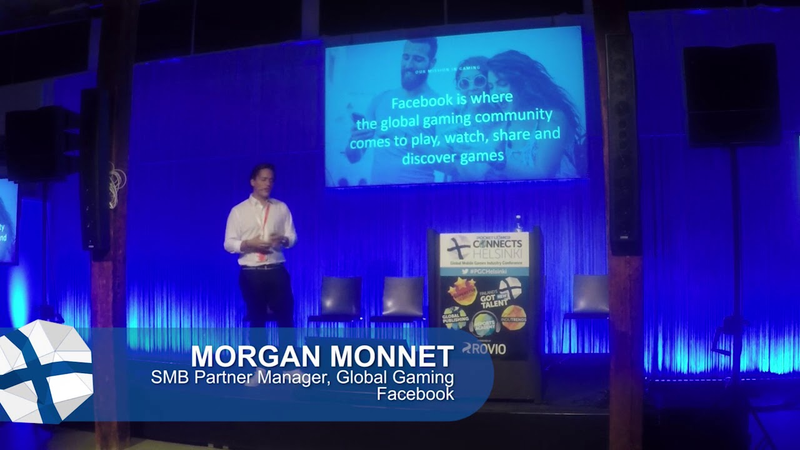
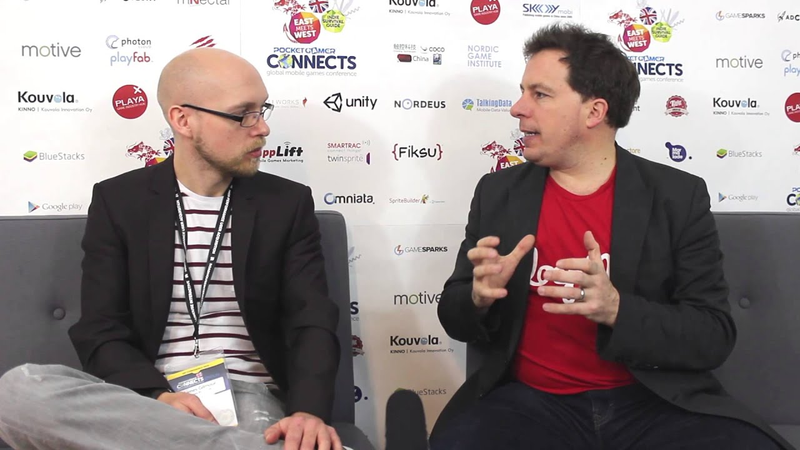
[Music] [Music] so thank you very much for coming in and we're and welcome you to the to the in do tracks do trends track of the the afternoon this is where we look at the the big industry trends and and get our expert speakers in to give you some valuable insight it's the into the direction of the industry so I'd like to work on our first guest to the stage Morgan won a from Facebook is here to talk about mobile gaming's next wave all right there's no sound I was trying to fill the gap with a video because I have
15 20 minutes to talk to you guys today so it basically shows you that the real estate nowadays is all about mobile games our advertising on mobile games are being played on most and my name is Morgan Monet and I work with with Facebook and I'm part of the global gaming team and at Facebook the global gaming team works with Game Studios game developers but also real money gambling companies and publishers but also essentially mobile companies and what I wanted to talk to you guys about today was five four of the key trends that were noticing because I think that's what's most valuable for you to take away is how what you can learn from what's going on in the industry today as a developer and how you can apply it to your games so the first trend is going to be a continued growth Gaming is an explosive industry and there's a lot of things that are happening and this growth is essentially due to mobile because our behavior is
changing and because there's mobile the types of games on mobile are changing as well talk about the different technologies and platforms that are available VR AR for example and finally talk about the main issue that we're seeing in the industry which is the discovery and what we mean about discovery is how do you get your game discovered by users so when we talk about continued growth we're essentially talking about this beautiful chart here where you basically see that as soon as digital happened it created something a new era of some sorts right digital enabled something that we call free and thanks to that a new business model was born which is the free-to-play model and that timing is matched with the explosive growth of mobile if you see in 2009 Mobile's started taking off and a lot of other platforms took advantage of this not only mobile but PC took
advantage of free-to-play models thanks to free to play MMOs for example and today what you need to know is that there's 2.5 billion gamers or going to be by 2019 2.5 billion gamers on mobile and which this transition and you've probably noticed it right like when I started gaming it was back in 1995 and I was essentially on Gameboy PlayStation 1 obviously and transitioned into PC and 2009 switched to gaming on PC with League of Legends which we had this wonderful kind of new way of promoting a game through free-to-play and the downfall of the Gameboy right like I haven't touched a gameboy in years unless I want some nostalgia but all of a sudden this year Nintendo launched a new handheld console but as you can see on this chart there is a downfall with the handheld games that there has been
growth with PC as well I mean we've seen constant growth in the PC industry as well which is very intriguing but really this explosive growth with mobile is what led to a lot of change and one thing we like to share is like from this craft for example you see that the mobile growth is explosive but where is it coming from and what you can see here is that the majority of the growth were the bigger two-thirds of the growth is coming from countries in Asia southern America but not these developed countries right so it's very interesting to kind of notes that growth is essentially essentially stemming from not these non developed countries and 70% of that growth is driven by those and by the end of 2017 there's going to be what approximately a hundred and ten billion dollars in the industry what I thought was really interesting to share with you is that in
there 50 million 50 - 25 billion is China only 50 billion is Asia a pack but 27 of that is China right and it's bigger than the United States so it's really to kind of make you realize where the opportunities lie yeah sorry the second piece here is talking about these changes right so mobile definitely created a different type of behavior and if you look today the majority of people playing games are essentially playing games on mobile followed by computer tablets and finally console here what surprises me the most is that tablets is even ahead of console right so smartphone is a big driver and one what is it yeah we also did a study survey on how people are if people prefer mobile or not when they're playing games and what you can see on in
the results of this study is on the left side of the screen are all these developed countries and on the right side are the non develop countries in the developed world mobile is not necessarily always the first right what whilst on the the right hand side it often is or it is majority and what surprised me here is that Korea for example I would have assumed that Korea was PC mainly but over time mobile took took the lead so because mobile is becoming such a big force and because people are playing games more and more what's happening is that the genres of the games are evolving as well right so if you look back in 2010 2012 the central type of games that were there would be the candy crush style very casual oriented but because there's a shift in behavior and that people are starting to play more and more on mobile what's happening is that there that the demand is growing and hence the supply needs to dot and we're seeing a lot of
more games and we just had a topic of eSports right and vainglory is a mobile mobile game and it's a competitive game so because of technology being 4G and this access to Internet growing and getting faster it enables the type of types of game to adapt to the need of the people that are starting to play these games and here it's kind of a recap of like this shift right if you look back 2010 only casual essentially FPS was on on PC I know I used to only play a play strike on PC never thought I would ever play games on Khan on mobile today you start seeing strategy puzzle games pretty much any type that's available on console and PC obviously the game lays different and it requires different challenges but you this is the biggest thing to note is that there's an evolution here there's this demand so there is opportunity for different genres the third portion is the new tech and these platforms and I was talking
about this two seconds ago I was talking about how in the Internet connectivity being at 4G enables different things today right and within the next coming years we're going to have access to 5 g and 5g is going to reduce this latin c right and that less there there is Latin see the more things can happen you couldn't have more competitive gameplay because there it's more sync to the server's so peer-to-peer gaming will be more efficient the sizes of the downloads can be better etc the experience gets better hence you can start thinking ahead of time saying that 5g is gonna unlock even more and one thing we we keep noting is as technology evolves hence this connectivity portion sorry there's autoplay on the slides very interesting there is more and more competition right back in 2010 there was
an average of a thousand games created a day that were added to the App Store today it's over 3000 or 4000 a day so that means that there is constant growth and there's constant people creating and developing these game and more and more competition and a penny actually made a study where they were explaining that by 2020 there's going to be 3 times the amount of non gaming apps in the App Store right so it is a battleground and it's going to be very competitive for gaming developers and app developers to be kind of coming out of the top and if you look at recent evolutions in the Apple Store for example Apple just created a specific for games because the gaming industry is very unique and the type of users that come to your platform are very unique so one thing we wanted to talk about is when we're talking about discovery is how can how can you make yourself discovered and this is where we we kind
of have our philosophy that I wanted to share with you today is that Facebook is a platform where we have a global community and people come like and share and we have over 800 million gamers that interact daily on the platform to with developers and with their games Facebook today is 2 billion people that connect monthly 700 million people on Instagram and there's over 1.3 billion people that go through messenger I don't know if you were in the previous chat with my colleague Pedro who was talking about instant games but in some games is the html5 version within messenger that allows people to to play games as well so there is an ecosystem that's there and Facebook's kind of philosophy towards that is creating this community is very important because gamers such as myself or most likely you are highly engaged with the content with the game and it's evolution nothing upsets me
more when the game I really love has a new patch and it doesn't really do anything positive for the game it's like there is a community we're very passionate about the games we play and I think it's very important to take advantage of this ecosystem and one out of four people here on the Facebook platform actually say that's how they discover games because they discover it through social networks they're going to start talking with their friends they're gonna see what their friends are playing you can see on the right hand call them when you're on your desktop for example this person just finished playing candy crush I mean I'm pretty sure all of us have been spammed with at least once by an invite for candy crush so and it works like these I see my friends playing I'm curious about it I want to see what they're playing and I might want to play that so you have the word of mouth you have the chat apps so in one in one of the next slides can be very interesting to
show you where where the conversations happen you also have all these other social networking platforms like I was actually having a conversation earlier about Twitter Twitter is where the biggest kind of noise comes from on the social platforms with gamers because their high it's a highly endemic audience and Twitter is good for these people interacting with the community and gaming people have a tendency to to go there and yeah I'm not gonna repeat these stats here but this is the the slide I was mentioning is these different touch points so on this slide what you'll see is that you have all the players on the top and then you have the whales whales are the people for those of you who don't know are the the people who actually spend in your game but spend a good chunk more than the average and what surprised me when I looked at this is that yes you see Facebook YouTube what's up here but what you really notice is that people are talking on whatsapp as well I wasn't expecting
that I was essentially speed is thinking Facebook is where the communication happens it's where I'm surrounded by my friends I talk with these people I follow what they do and I trust what they do but actually a lot of people discover through whatsapp as well because I mean I'm actually part of a gaming group I have my overwatch group on whatsapp and I actually that's how I discover about new games new patches new expansions and stuff like this so Facebook and whatsapp our main touch points for discovery and discovery is very important to be conscious about how your gamers are discovering your apps and one more thing that I thought was interesting and it kind of emphasizes once again what I was talking about in regards to the developing countries right on this slide here you you see three on the abscess you see the develop developing others and developing Asia and what you see a Lorna is that Facebook's average time spent right what you can see is
that in these developing countries time spent is higher than the average on in the developed countries already and what really surprised me is that mainly the whales are coming from those as well so as a game developer um I really think one of the key takeaways I want you to have today is developing countries are an opportunity for you on a day-to-day basis I work with advertisers and developers that say I want my core country to be the US yes the game is localized in English a whole set of different challenges but there are these gamers that will play your games in these developing countries and they spend they spend their time on mobiles and the majority of these people in these developing countries have never played a game before until they had a mobile phone if you take Brazil for example Brazil to buy a Playstation or an Xbox it's around a thousand dollars I think how money someone might know exactly the price here that means that
having a mobile phone is probably more a higher probability that someone has a mobile phone than an actual console so that also means that these people are gonna play mobile games far more than they would play console games so being aware of that and how every country is different in behavior and regulations et cetera is also very important insights because it teaches you really where the opportunities are and when we talk about game developments and the games themselves on mobile essentially we've identified these four kind of time frames or four phases right as you will the first phase is obviously this soft launch where you're kind of aggregating the data on a specific market say you're starting you have your new app you're starting on in Finland you're gonna soft launch try and see how people are engaging what's your reputation is what your LTV is etc and once you get there you're going to want to launch globally and really gets as many users as possible but what's
really really what happens in the third phase is the sustain and optimize where you see that once you get to this threshold of users what really matters is not ultimately the 1 million monthly average users you have but it's more of this revenue that you're getting by these users and ultimately one would rather have 500 M a thousand Mau with a higher LTV than a million that have a very lower one and the goal here and why I'm showing you this is that because Facebook today you probably know that Facebook it has a whole ads platform where you can target your users with specific objectives so if you want people to download your app you can do what we call mobile app install campaigns where people in that you're targeting so they can be core gamers fans of a specific genre of games you can tell them download my game and pretty much everyone in this room has seen this ad in their newsfeed before but while I'm showing the slot the slide
is because the following one shows you the way that you can shift into getting these users to monetizing from these users and we talked about driving installs but when you're in that second phase and you get to that peak of your your user base that you you want the goal now is going to be to get the value from these users and Facebook's developed a new solution and it's a big game changer where it's called mobile app events and it's optimizing on in like within apps how people are behaving so when when you target with mobile app events the mobile app installs you're just looking for people to download your game so download and launch it once but once you start doing mobile app event optimization we're going to find people that actually purchase in game right and what we start noticing is that the majority of the people that start opting into mobile app events are seeing higher return on adspend because the value of the users is
growing and here it's kind of to show in the sort of pyramid how it works so on the left side you have the targeting options and on the right side you have the optimizations options and so in the targeting and Facebook for those of you who have never advertised on Facebook we allow you to have three types of targeting right you have the first one or here it's in the middle which is precise interest targeting so you can target someone who plays candy crush you can target someone who likes mobile games you can also target with someone who's a fan of Call of Duty for example so you could go very precisely into targeting these people but one of my favorite options is actually doing what we call look-alike audiences look-alike audiences allows you to select an audience that your say your you have people in your app that are already playing your game and already purchasing you could create an audience from these people the people that are already purchasing from your game and create a look-alike audience from these people so we're gonna find for you people on
Facebook that look like the people in your app already purchasing alright and finally we have worldwide targeting so as I was saying exactly I'm in my example earlier I want to focus on the United States but I also want to since my game is in English I want to top everyone in the world who is speaking English so what I would do is a worldwide targeting campaign and filter with the language English so anyone was Facebook in English will be subject to this ad so my game which is only localized in English rather than just focus on one country I can like focus on the world and only people that speak English and what you can see on the right is this what we call nowadays a funnel where you see all the way at the top mobile app these stalls which is very it I would call it low intent because it just means someone downloaded the game and then that's this person opened the app but what matters to me a lot more is that this person actually finished a level finish the tutorial or
purchased in my game so we have these app events which are upper funnel as registration tutorial completes and level complete but then when you go lower and this is where it's really games is that you get this purchase event so I can optimize towards people that purchase and increase my return on adspend so what you have all the way at the top is higher reach because when you're talking about worldwide targeting it's not very precise it's very broad but when you're in look-alikes you're going very precise it's very high quality users and really wanted to finish the the intro today on this conversation because 90 92 percent of the the biggest mobile advertisers on our platform are using this mobile app an app event optimization and 50% of their mobile app spend is being spent specifically on this optimization and what we're trying to do just do is
really let you know about this option because it's working really well and we know how important is is for you to to kind of scale your your games not only into local markets but into the world but that's pretty much all I wanted to talk to you guys about today I hope that these trends and topics were useful for you we have a booth it's route 28 feel free to come see us you might have some questions and I'd rather take them on a one-to-one basis because what happens is that these questions might not be useful for everyone so feel free to come see me after this or come to our booth and yeah thank you very much Thank You Morgan thank you very much indeed [Music] [Music]
Summary
The mobile gaming industry is currently defined by explosive growth, driven primarily by the global adoption of smartphones and the prevalence of free-to-play business models. With the total number of mobile gamers projected to reach 2.5 billion by 2019, the industry is shifting away from traditional handheld consoles toward mobile platforms. A significant portion of this expansion is occurring in emerging markets across Asia and South America, which now account for two-thirds of industry growth. Notably, mobile gaming has surpassed console gaming in popularity, and in many regions, it serves as the primary gateway for new players who lack access to expensive dedicated hardware.
Technological advancements, particularly the transition from 4G to 5G, are further enabling this evolution by reducing latency and facilitating more complex, competitive, and synchronous gameplay. As the market becomes increasingly crowded—with thousands of new titles appearing on app stores daily—discovery has become the industry's central challenge. Social platforms and messaging applications, such as Facebook and WhatsApp, have emerged as critical discovery channels, as they allow for organic word-of-mouth recommendations and community-driven engagement.
To succeed in this competitive landscape, developers must move beyond simple user acquisition toward sophisticated optimization strategies. The industry is shifting focus from raw download numbers to high-value user retention and monetization. By utilizing data-driven tools like look-alike audiences and mobile app event optimization, developers can target users based on specific in-game behaviors, such as tutorial completion or actual purchases. This approach allows studios to maximize their return on ad spend by identifying and engaging "whales"—high-spending players—across global markets, rather than relying solely on broad, low-intent install campaigns.



















Comments