Global reports and market data
Documents
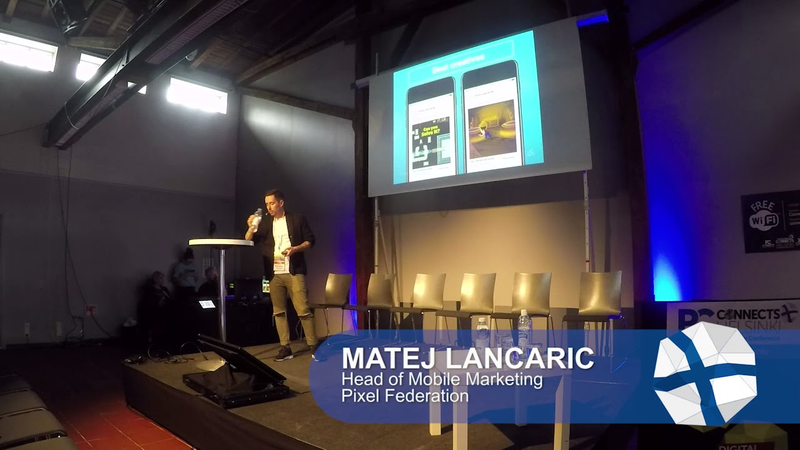
The global launch Of Diggy’s Adventure
Pixel Federation’s global launch of Diggy’s Adventure demonstrates that mobile games do not require "hit" status to achieve significant profitability.
- Pixel Federation achieved a 60-day return on investment and tripled monthly revenues by scaling paid user acquisition to one million EUR per month during the global launch.
- The game currently generates approximately 1.6 million EUR in monthly net revenue with 400,000 daily active users.
- A five-month soft launch—extended from an initial one-month plan—was critical for optimizing performance, specifically reducing loading times and refining onboarding tutorials.
Mobile game monetisation tips
This analysis explores mobile game monetization strategies, focusing on the balance between ad-based revenue and in-app purchases (IAP).
- Monetization must be treated as a core design element rather than an afterthought, prioritizing user-centric 'opt-in' experiences like rewarded video ads to drive revenue without harming retention.
- User segmentation is essential for maximizing revenue, allowing developers to tailor ad exposure and in-app purchase offers based on the specific behaviors of high-value spenders versus non-spenders.
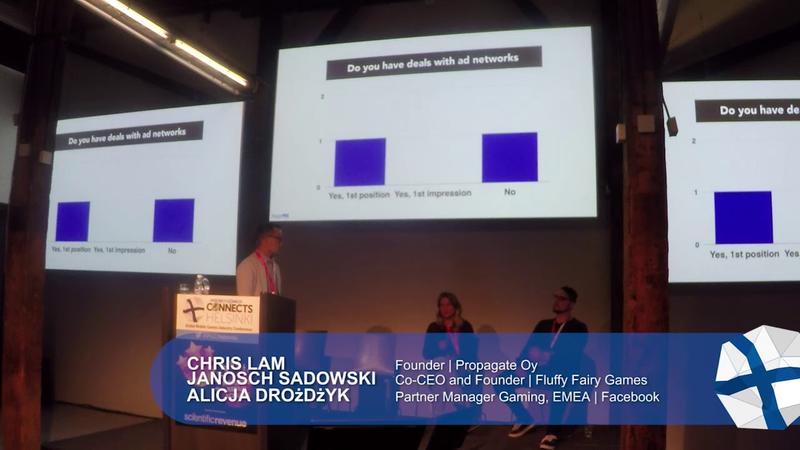
- To maintain technical efficiency and avoid excessive waterfall complexity, developers should limit their ad network partnerships to a range of three to five providers.
The power of audio
The primary purpose of this analysis is to demonstrate how game developers can leverage the psychological power of music to enhance player immersion, increase user engagement, and drive monetization.
- Music functions as a sophisticated communication tool that directly enhances player immersion, engagement, and monetization rather than serving as a mere aesthetic afterthought.
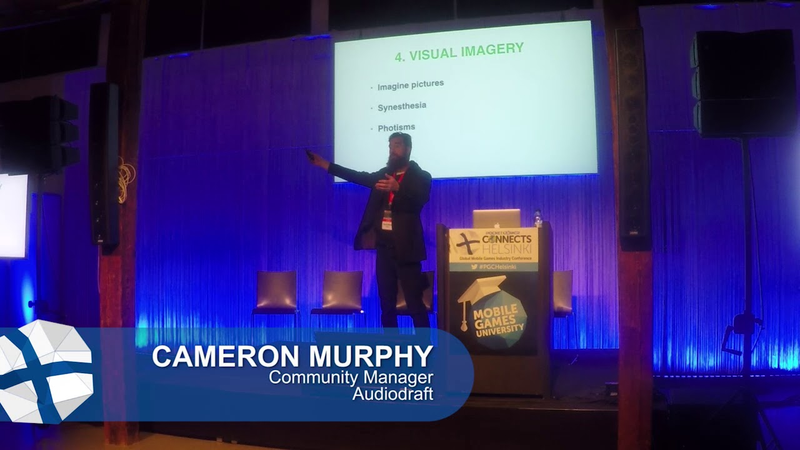
- Developers can trigger specific emotional responses through six core psychological mechanisms: brainstem reflexes, episodic memory, emotional contagion, visual imagery, evaluative conditioning, and musical expectancy.
- Scientific research confirms that audio exerts measurable physiological effects on players, including changes in heart rate variability, task performance, and spatial perception.
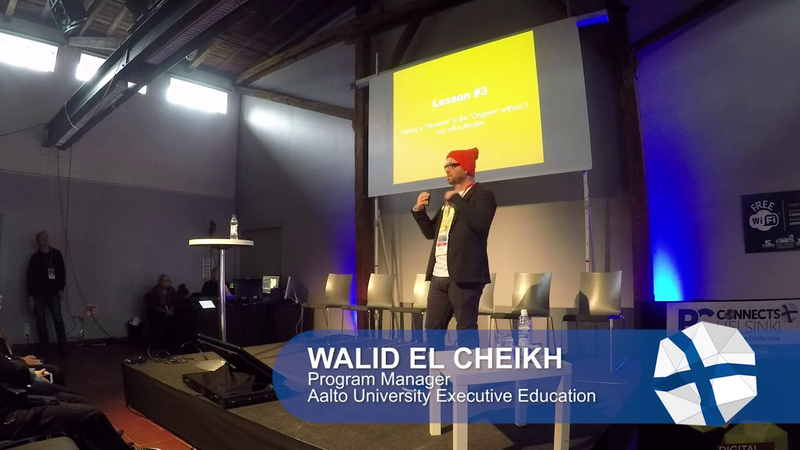
Pitching is scary, networking is hard
Effective communication, whether for securing game industry funding or navigating personal interactions, relies on mastering the art of persuasion through structured, persistent, and adaptable messaging.
- A successful pitch must follow a structured progression: start with a concise punchline, define the problem, present the solution, explain the business model, highlight team strengths, and conclude with a clear, actionable request.
- Effective communication requires brevity and clarity to overcome limited human attention spans, which are often compared to those of a goldfish.
- Pitching success depends on tailoring the message to the specific audience and context rather than relying on a single, universal presentation.
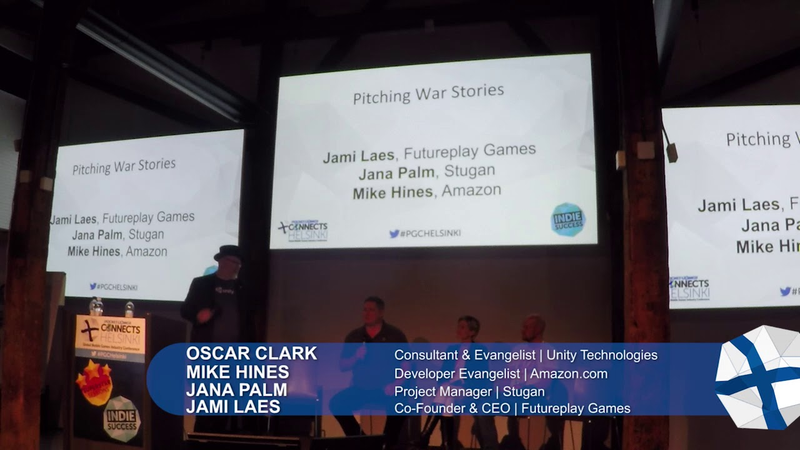
Games pitching war stories
Securing investment in the video game industry requires a departure from traditional tech startup models, shifting the focus from solving specific functional problems to demonstrating entertainment value, team capability, and distinct market positioning.
- Investors prioritize the development team's track record and vision over rigid product roadmaps due to the inherent volatility of game development.
- Successful pitches require tangible proof of concept, such as high-quality gameplay footage or a functional, polished prototype, rather than relying on verbal descriptions.
- Developers must articulate a unique value proposition that clearly differentiates their project within the saturated global market to establish credibility.

How to combine user engagement and monetisation
The integration of rewarded video advertising has emerged as a cornerstone strategy for balancing sustainable monetization with player retention in the mobile gaming industry.
- Rewarded video advertising serves as a primary strategy for balancing monetization with player retention by utilizing an opt-in model that maintains neutral or positive engagement.
- Successful ad integration requires planning placements during pre-production to ensure they function as a core design element rather than an afterthought.
- Rewarded video adoption rates range from 30% to 80%, with higher engagement occurring when rewards are perceived as essential for game progression.
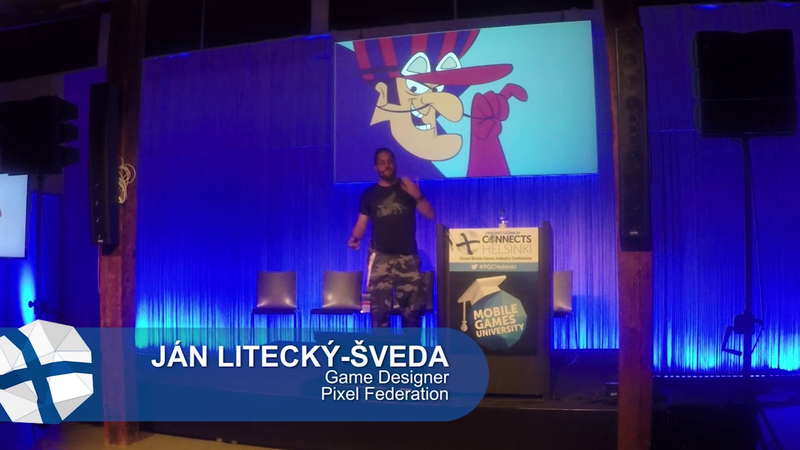
Tips for passive narrative engagement in games
Passive narrative engagement serves as a critical design strategy for story-driven mobile games where players frequently bypass traditional text-based storytelling.
- Prioritize visual storytelling by using character expressions and body language to convey emotional context, effectively bypassing the need for text-heavy dialogue.
- Integrate narrative progression directly into gameplay tasks by linking objectives to specific location graphics and item descriptions, allowing players to reconstruct the story through their actions.
- Utilize established tropes and stereotypes to provide immediate, recognizable context for NPCs, reducing the cognitive load required for players to understand character roles.
Why games are all about the features
The primary thesis of this analysis is that game developers must prioritize a top-down, feature-driven development strategy over a bottom-up, mechanics-first approach to ensure commercial viability and financial efficiency.
- Adopting a top-down, feature-driven development strategy is three times more cost-effective than a bottom-up, mechanics-first approach.
- Modular feature reuse across multiple projects can reduce total development costs by 30% to 60%.
- Developers should prioritize business-centric features that drive retention and monetization during the initial planning phase to secure funding and ensure commercial viability.
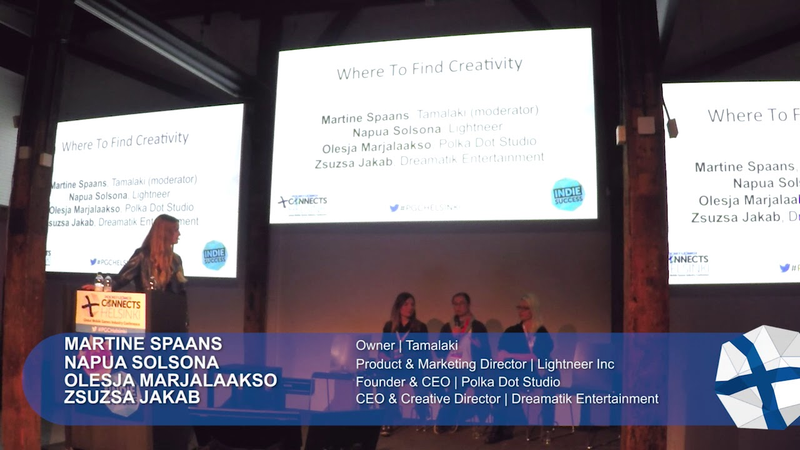
Where to find creativity
Creativity in mobile game development functions as a dynamic practice rather than a static resource, requiring a strategic synthesis of personal passion, market viability, and organizational vision.
- Long-term commercial success in mobile gaming requires a strategic balance between artistic ambition and rigorous, data-driven market validation.
- Over-reliance on benchmarking successful titles leads to derivative design, whereas true innovation stems from integrating unique creative risks with consistent player feedback.
- Effective studio leadership must prioritize mission-driven decision-making to prevent the stagnation caused by overly calculated, safe design practices.
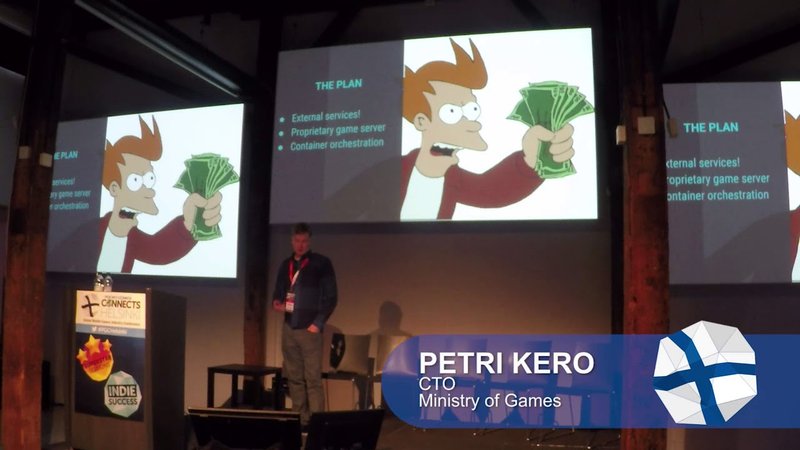
Scalable servers for social city builders on a budget
The development of social mobile games requires robust backend architectures capable of managing high-frequency player interactions, persistent world states, and real-time global economies.
- Use the Elixir programming language and Erlang virtual machine to handle tens of thousands of concurrent users through fault-tolerant, actor-based, in-memory state processing.
- Prioritize a 'build versus buy' strategy by developing only proprietary game mechanics while outsourcing standard operational tasks to managed cloud services.
- Maintain player and guild states in-memory to enable real-time social features like chat and trading, using databases only for persistence and disaster recovery to reduce latency.
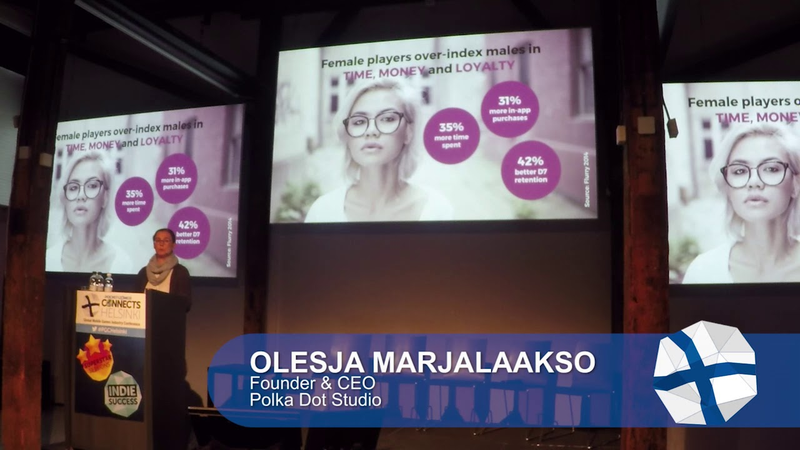
Why aren't there more game developers making games for women?
The mobile gaming industry faces a significant paradox: while women represent a majority of the mobile player base, demonstrate higher engagement and loyalty, and offer lower user acquisition costs, the sector remains heavily focused on male-centric content.
- Women constitute the majority of the mobile gaming player base, yet they remain underserved because less than 10% of core development roles are held by women.
- The industry suffers from a cycle of homogenous development where predominantly male teams design games based on their own personal interests, ignoring the high engagement and loyalty of female players.
- Mobile studios often prioritize 'passion-driven' development and autonomous team structures modeled after companies like Supercell, which inadvertently reinforces hiring biases and excludes female talent.
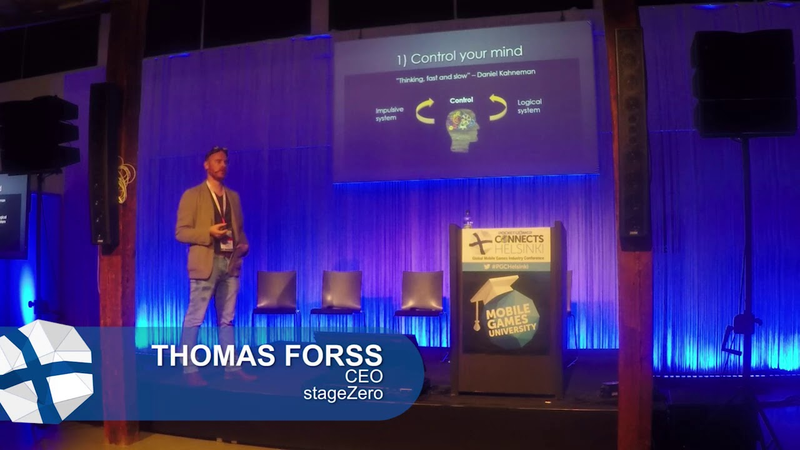
Increasing productivity while preventing burnout
The primary objective is to address the intersection of professional productivity and burnout prevention, arguing that burnout is not a direct result of total hours worked, but rather a failure to manage stress and maintain mental focus.
- Burnout is primarily a failure to manage stress and mental focus rather than a direct consequence of total hours worked.
- High-intensity work schedules of up to 96 hours per week can be sustainable if the individual employs proper mental and physical regulation.
- Stress is a significant health factor, contributing to 75% of doctor visits and 60% of all human illnesses.
Writers
Games and companies
Games