Global reports and market data
Documents
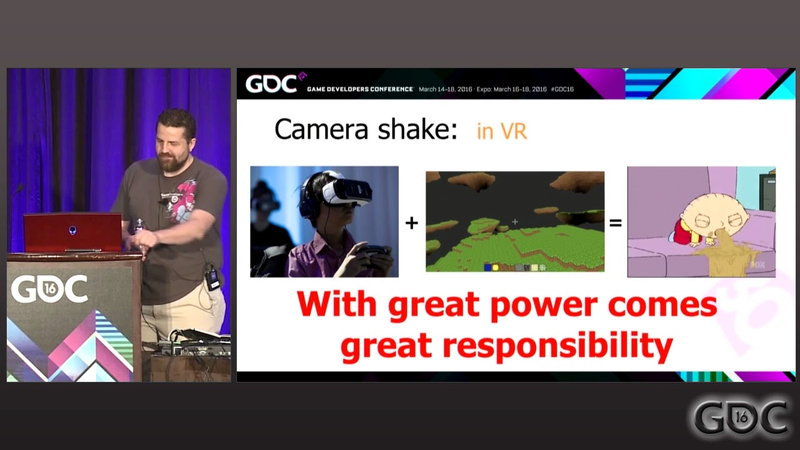
Math for Game Programmers: Juicing Your Cameras With Math
Effective camera systems rely on sophisticated mathematical frameworks to enhance player immersion and provide intuitive feedback.
- Implement a trauma-based shake system by using a persistent decay value mapped non-linearly—specifically by squaring or cubing the input—to differentiate between minor and major impact intensities.
- Utilize coherent noise, such as Perlin noise, for camera shake to ensure frame-rate independence and fluid motion, particularly during slow-motion sequences.
- Apply asymptotic averaging to camera movement to create a smooth, 'lazy' follow effect that avoids the rigidity of direct tracking.
Pursuing Interactive Suspension of Disbelief
The pursuit of interactive suspension of disbelief serves as the primary objective in narrative-driven game design, where the goal is to foster an emotional connection between the player and the game world.
- Interactive suspension of disbelief is the primary goal of narrative-driven design, aiming to transform players from passive observers into active participants in a human story.
- Developers must integrate writing directly into systems and level design to ensure that narrative content remains context-aware and responsive to player agency.
- Immersion is frequently broken by mechanical disruptions such as inconsistent QuickTime events, arbitrary mission structures, and unresponsive dialogue systems.

Hidden Game Mechanics: Design for the Human Psyche - Extra Credits
Game design relies heavily on the strategic use of hidden mechanics to manipulate player perception and ensure an engaging experience.
- Game design prioritizes player emotional experience over mathematical accuracy, using hidden mechanics to align game logic with psychological expectations.
- True randomness is often perceived as unfair by players, so designers manipulate probabilities to prevent frustrating streaks of failure.
- Developers implement 'coyote time' in platformers, allowing players to jump after leaving a ledge to compensate for human reaction time and perceived fairness.
Running the Halo Multiplayer Experience at 60fps: A Technical Art Perspective
Achieving a consistent 60 frames per second for the Halo 2 Anniversary multiplayer experience on Xbox One required a fundamental shift in production philosophy, prioritizing performance as a core design constraint rather than a final optimization step.
- Performance was treated as a foundational design constraint rather than a final optimization step, ensuring a consistent 60fps for Halo 2 Anniversary on Xbox One.
- The development team enforced a strict 16.6ms frame budget, allocating 13.5ms to environments and 2.5ms to sandbox elements.
- Technical artists were embedded directly into map teams to provide real-time oversight, preventing the need to strip visual fidelity during the final production stages.
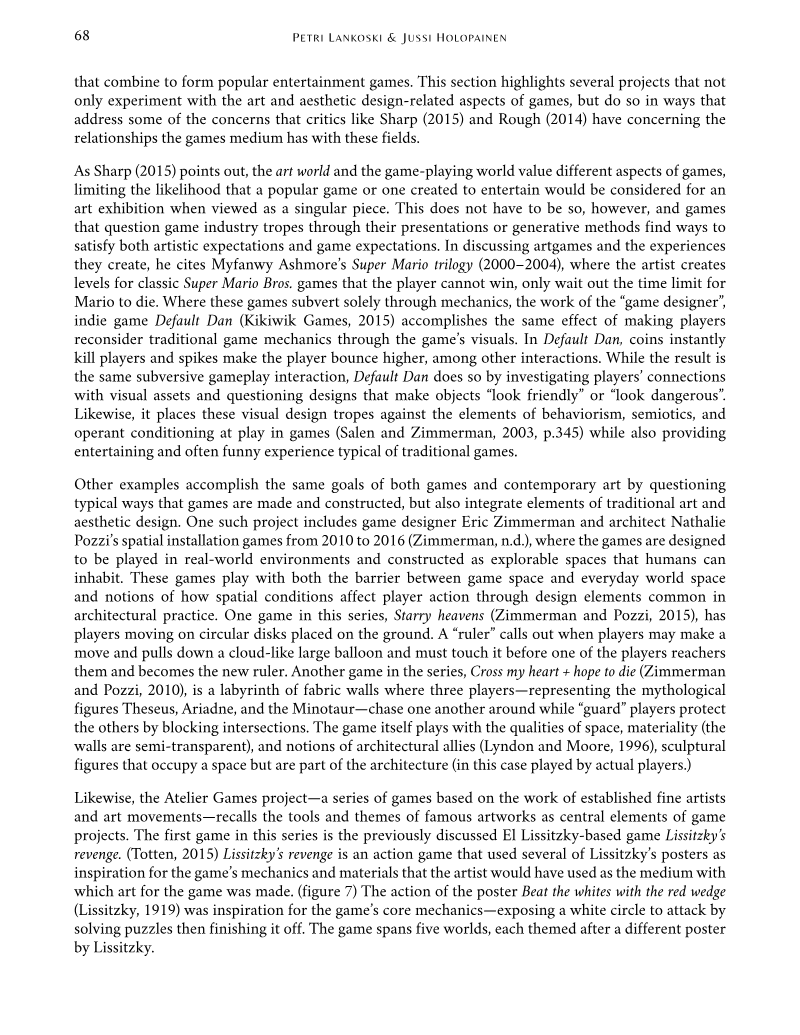

Game Design Research: An Introduction to Theory & Practice
Game Design Research: An Introduction to Theory & Practice systematically explores the theoretical underpinnings and practical methodologies of game design research, distinguishing it from broader game studies.
- The book argues game design research should be recognized as a distinct, systematic field within design research that studies how games are made and the knowledge produced in that making, moving away from norm-driven autobiographical accounts and rigid rationalist 'applied science' models.
- It proposes a clearer epistemological foundation drawing on Schön's reflective practice and Cross's 'designerly ways of knowing', and advocates practice-based approaches such as research through design, precedent studies, experimental prototyping, and studies of designers at work.
- A survey of methods including design documents, the MDA framework, design patterns, Petri nets, and diagrammatic tools finds most have seen limited industry adoption due to accessibility problems and weak theoretical grounding.
Metrics Feedback Cycle: Measuring and Improving User Engagement in Gamified eLearning Systems
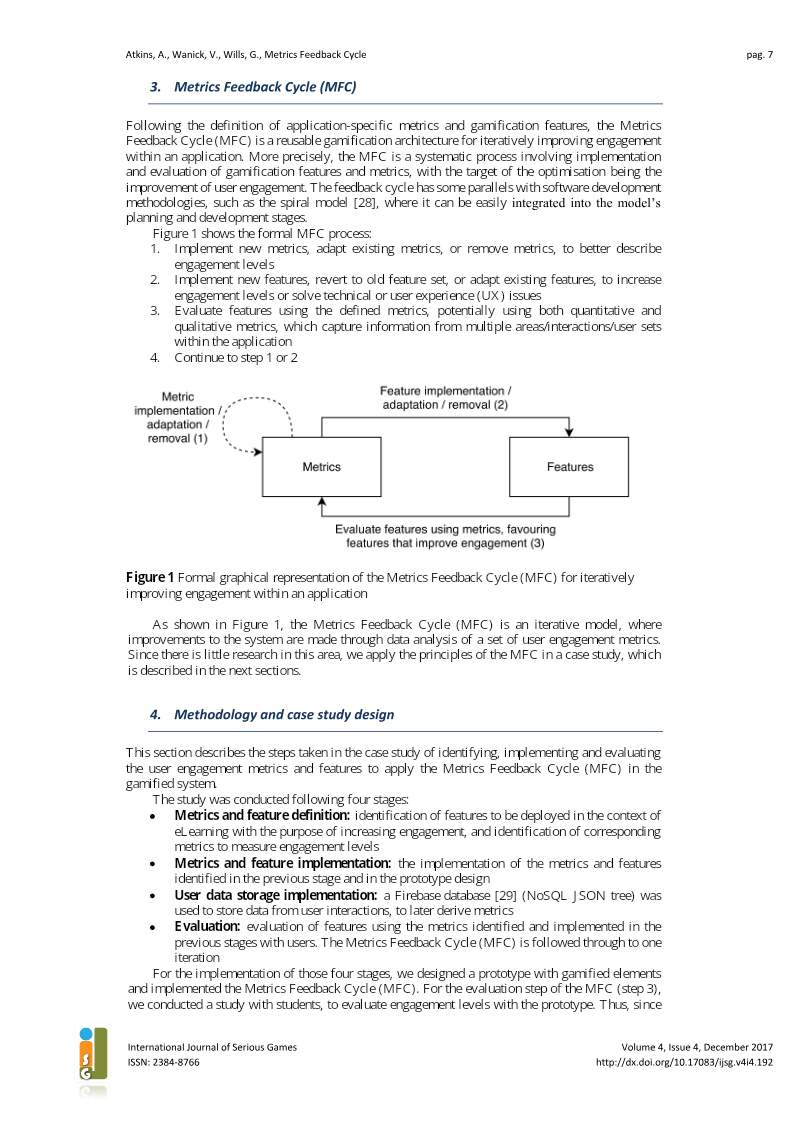
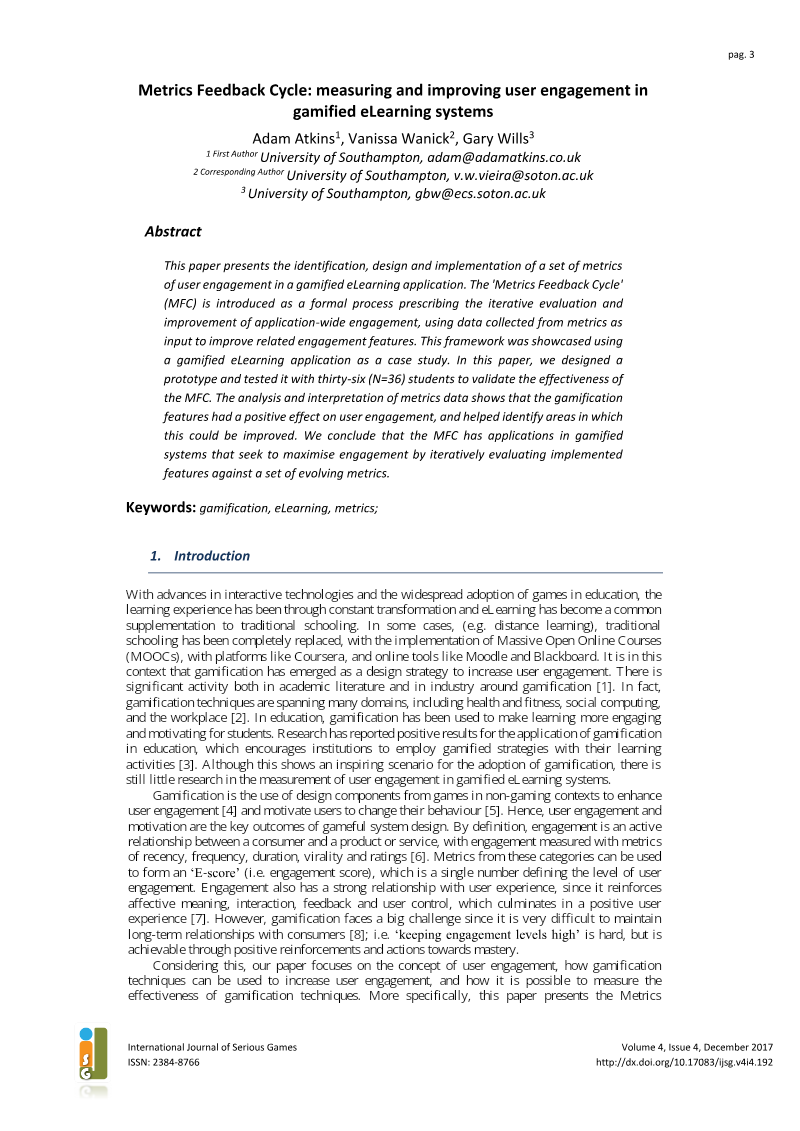
The Metrics Feedback Cycle serves as a formal, iterative architecture designed to optimize user engagement within gamified eLearning environments.
- The Metrics Feedback Cycle is an iterative framework that optimizes gamified eLearning by combining quantitative performance metrics with qualitative user feedback.
- Proactive gamification features, specifically real-time error messages and instructional tips, are empirically proven to significantly enhance user experience.
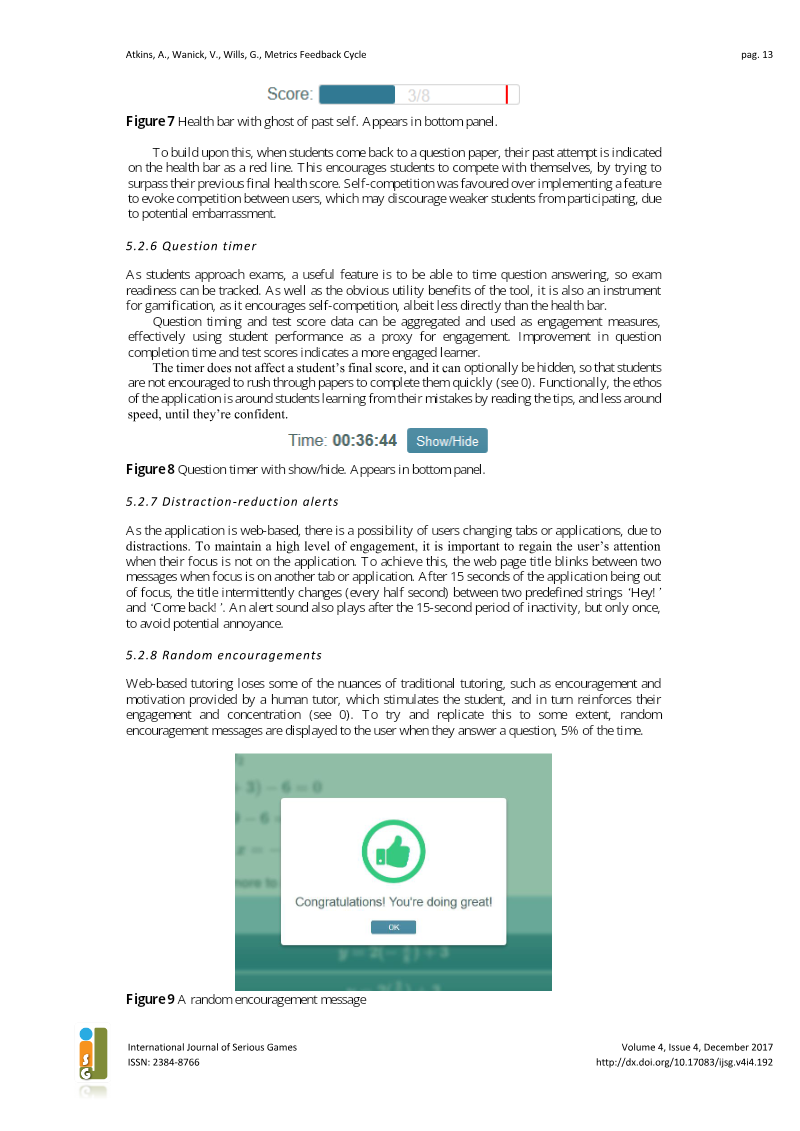
- The framework utilizes standard engagement metrics, such as dropout and bounce rates, to calibrate specific game elements like Fibonacci-based leveling, health bars, and trophy systems.

A Practical Guide for Doing Ethical Player Testing
Ethical player testing serves as a foundational pillar for both participant well-being and the integrity of game development data.
- Ethical player testing must transition from simple compliance to a framework based on free, informed, and ongoing consent to ensure both participant well-being and data integrity.
- Researchers must proactively prevent coercion by ensuring participants never feel pressured to endure physical or psychological discomfort to satisfy research objectives.
- Immersive technologies like VR require specific safety measures, such as immediate kill switches and transparent risk communication, due to the genuine physiological and behavioral reactions they elicit.
Creating 'Burgle Bros': The Fantasy of the Heist
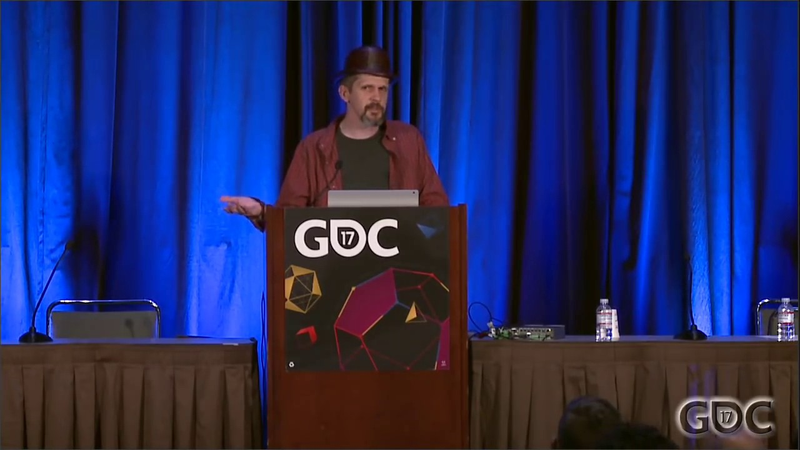
In this 2017 GDC talk, board game designer Tim Fowers explores the intersection of game mechanics and emotional resonance, using his cooperative heist game, Burgle Bros, as a primary case study.
- Designers should treat board games as software that runs on people, focusing on engineering specific emotional states like tension and altruism rather than just simulating narrative tropes.
- To capture the 'fantasy' of a heist, replace rigid pre-game planning phases with dynamic, real-time exploration systems that force players to adapt to uncertainty.
- Using hidden information, such as face-down tiles, and unpredictable AI movement creates a balance between tactical agency and high-stakes risk that fosters collaborative decision-making.

Super Time Force: Solving the Time Travel Paradox
The development of the 2D run-and-gun shooter Super Time Force required solving complex game design paradoxes inherent in time-manipulation mechanics.
- Super Time Force manages time-travel paradoxes by implementing a 'Level Entropy' system that enforces a rule where entropy must always increase, ensuring that past modifications never leave players worse off or enemies better off than in the original timeline.
- The game utilizes a 'Quantum Entanglement' mechanic to resolve causality violations, allowing the game to forcibly reinsert outcomes from past timelines into the current one even if the original cause of an event was altered.
- To solve the 'Quantum Measurement Problem' and maintain control over level flow, the game uses an 'Observer System' that ensures entities only interact with the world when they are deemed observable by the player, preventing unintentional interactions in unvisited areas.

Making Diversity and Inclusion Work
Diversity and inclusion initiatives within the gaming and technology sectors function most effectively when treated as an evolving, systemic process rather than a static checklist of corporate policies.
- Diversity and inclusion must be treated as an evolving, systemic process rather than a static checklist of corporate policies to drive meaningful organizational progress.
- Companies should shift toward a growth mindset where employees at all levels prioritize continuous learning and introspection to dismantle the root causes of exclusionary behavior.
- Top-down mandates and superficial quotas often trigger defensive reactions that undermine collaboration, whereas meritocracy and diversity should be viewed as symbiotic forces for identifying high-quality ideas.
The present and future of HTML5 games
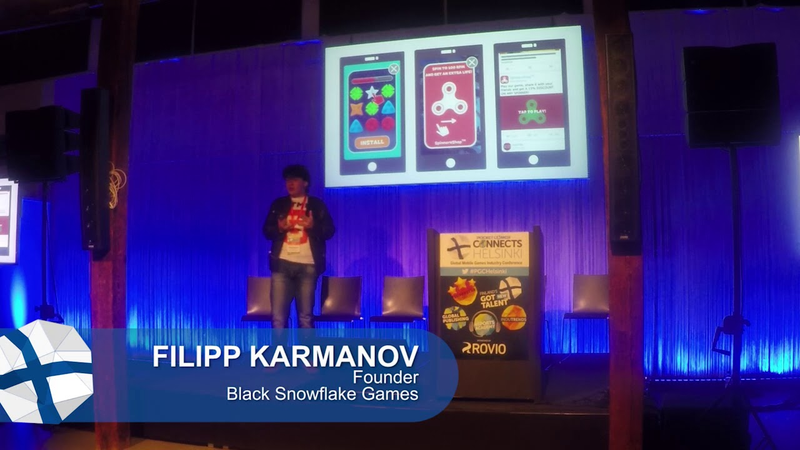
The HTML5 gaming sector is emerging as a significant mobile-first industry, driven by the integration of portable, browser-based games into major social networks such as Facebook, WeChat, and Vkontakte.
- HTML5 has become the primary cross-platform mobile development standard following the phase-out of native Flash support, prioritizing instant accessibility by removing app store download friction.
- Playable ads are a dominant marketing format, with industry reports indicating that over 45% of modern mobile advertisements now utilize this interactive approach.
- HTML5 games serve as high-impact viral marketing tools; for example, a branded game on iFunny achieved 1.5 million plays and 60,000 likes within 24 hours.
Gaming across platforms. Mobile. Social. Different.
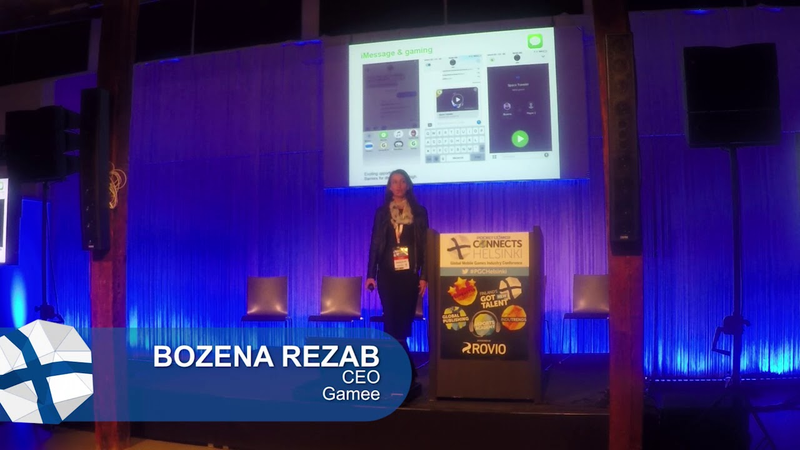
The social gaming platform Gamee leverages HTML5 technology to integrate casual, snackable gaming experiences directly into messaging apps and social platforms.
- Gamee leverages HTML5 technology to embed casual games directly into messaging apps like Telegram, Facebook Messenger, and Kik, bypassing traditional app store discovery challenges.
- The platform currently reaches 8 million monthly active users and generates 300 million monthly gameplays across a library of 70 titles.
- Pairing games with bot technology significantly increases retention by delivering personalized, group-relevant notifications that outperform traditional push notifications.
Writers
Games and companies
Games