South Korea gaming industry reports and market data
Documents
K-GAMES Game Guide: Workplace Guidelines for Game Company Employees
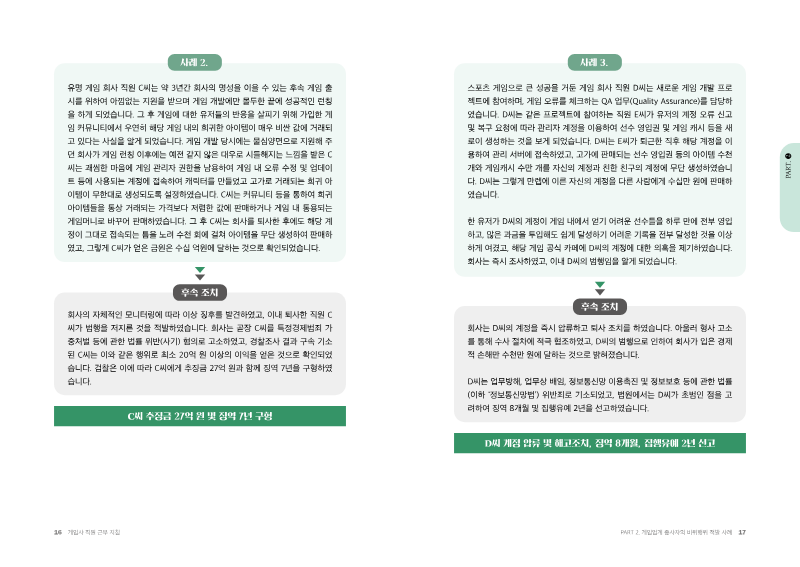
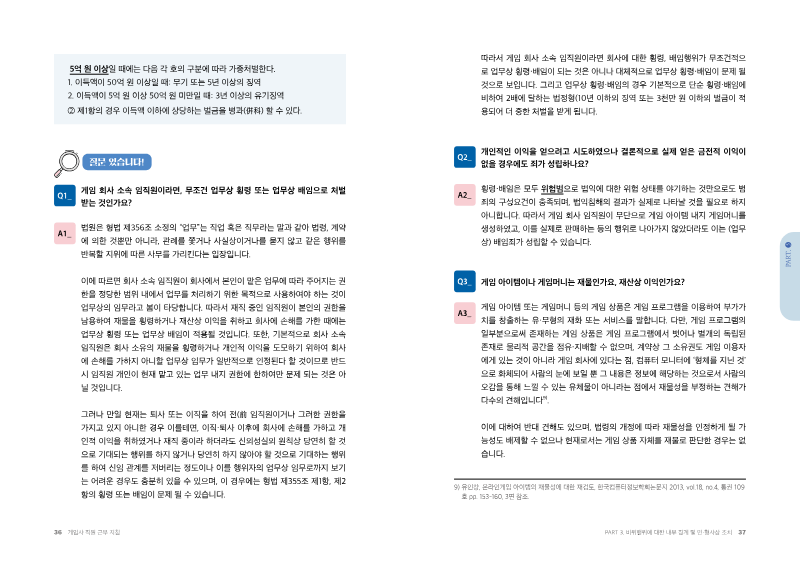
The South Korean game industry faces significant economic and reputational risks stemming from internal misconduct, including the unauthorized generation and sale of virtual items, the misappropriation of trade secrets, and the breach of information security protocols.
- Internal misconduct, including the unauthorized sale of virtual items and misappropriation of trade secrets, poses significant economic and reputational risks to the South Korean game industry.
- Violations such as the misuse of administrative privileges and unauthorized disclosure of proprietary information are subject to severe civil and criminal penalties under the Copyright Act and the Unfair Competition Prevention and Trade Secret Protection Act.
- Offenses including embezzlement, breach of trust, and computer-related fraud are punishable by law even if the perpetrator does not realize direct financial gain from their actions.
Game Copyright Protection Guide: South Korea
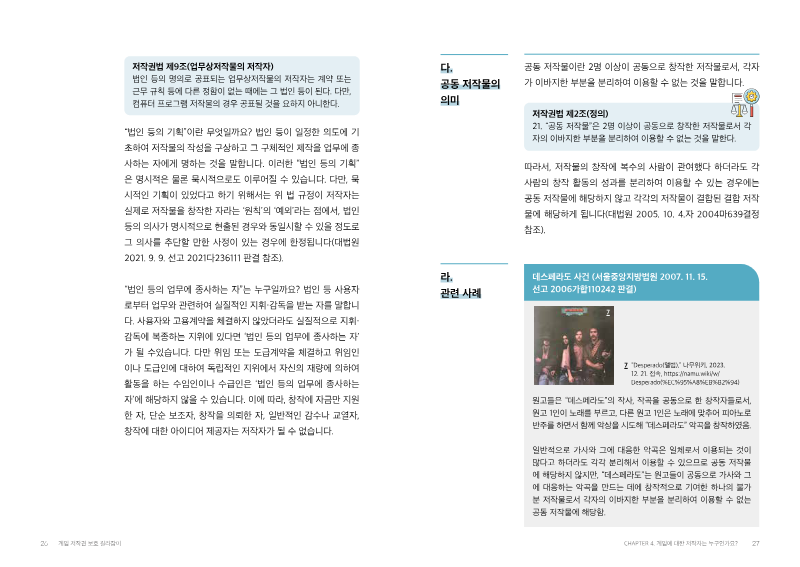
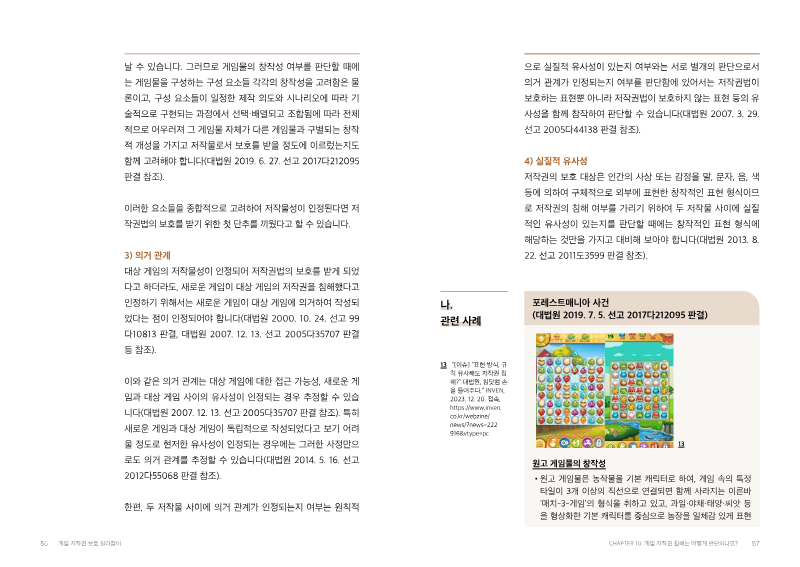
The South Korean gaming industry requires a robust understanding of intellectual property law to mitigate rising copyright disputes and protect creative assets.
- Copyright protection in South Korea is limited to unique creative expressions and does not extend to functional game mechanics, underlying ideas, or generic software elements.
- Courts determine copyright infringement based on the legal standards of access and substantial similarity, requiring evidence of an author’s unique creative personality.
- The Unfair Competition Prevention and Trade Secret Protection Act provides a secondary legal layer to protect significant investments and business efforts that do not qualify for traditional copyright.

A Study on Global Game Policies and Laws: 2023
The 2023 Study on Global Game Policies and Laws provides a comprehensive analysis of the regulatory environments governing the video game industry across six key Western European markets: the United Kingdom, Germany, Belgium, the Netherlands, Spain, and France.
- Belgium maintains a strict legal prohibition on paid loot boxes, while other surveyed European nations only apply gambling regulations if in-game items possess real-world economic value or are tradable.
- All surveyed jurisdictions strictly enforce the EU’s General Data Protection Regulation (GDPR), which requires rigorous data processing protocols and a mandatory 72-hour notification window for data breaches.
- Consumer protection laws across these markets generally mandate a 14-day right of withdrawal for digital purchases and require transparent disclosure of pricing, contract terms, and influencer marketing.


Guide to Game Literacy: Improving Understanding of Games
The guide establishes game literacy as the capacity to comprehend, critique, and responsibly engage with video games, extending traditional media-literacy to encompass rules, interactive systems, cultural influence, and self-control.
- Parental involvement is a critical determinant of healthy gaming habits, as 78.5% of adaptive gamers have informed parents compared to only 60.2% of those classified as problematic.
- The UK gaming market is projected to grow from £4 billion in 2022 to £10 billion by 2030, with the national gamer population expected to reach 38.5 million by 2025.
- A 2023 Korean survey indicates that 86% of adolescents play video games, with the user base segmented into 71% general users, 12% adaptive users, and 3% problematic users.
2024 Professional Gamer Workforce and Career Structure in Korea
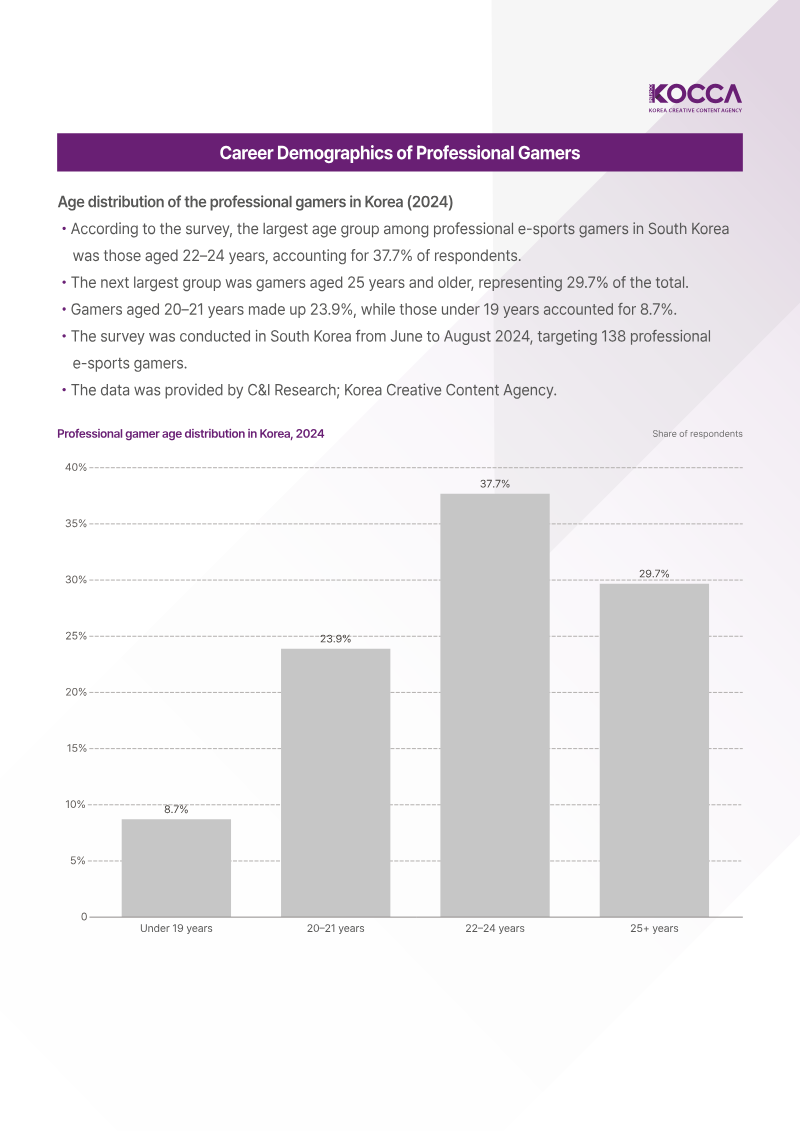
The analysis aims to map the composition, demographics, career trajectories, and income streams of South Korea’s professional e-sports workforce, drawing on Statista surveys conducted between June and November 2024.
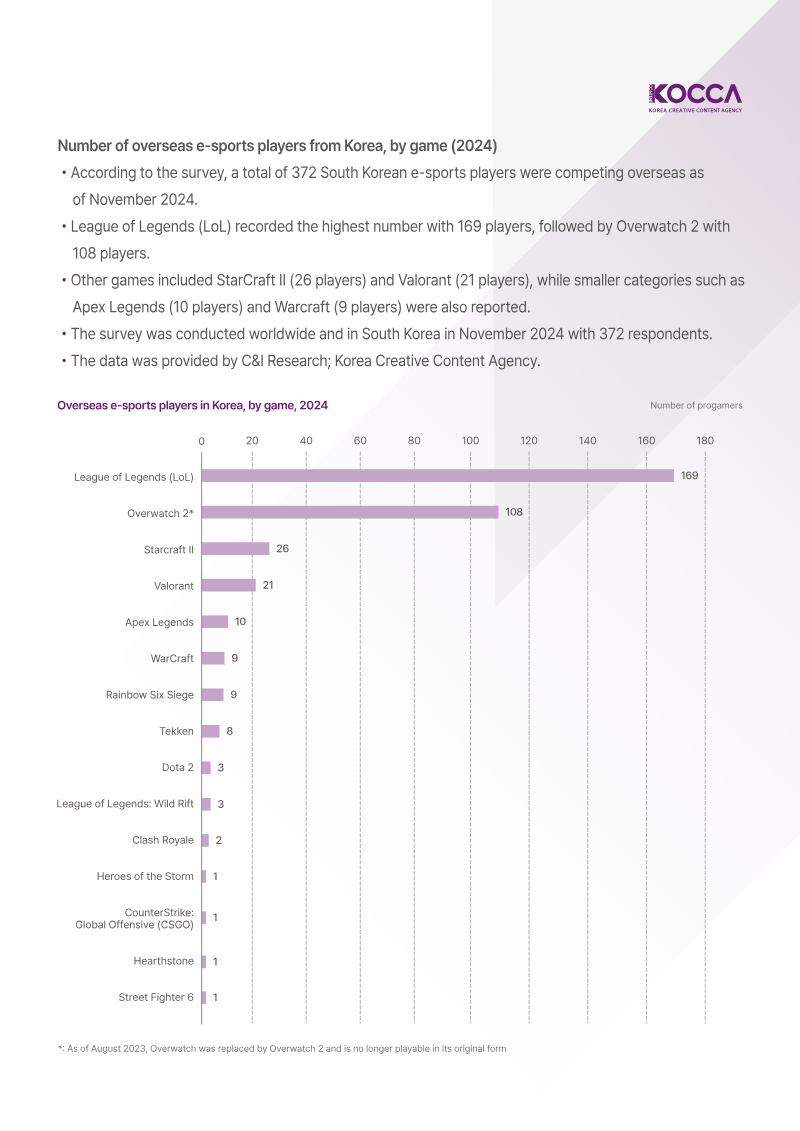
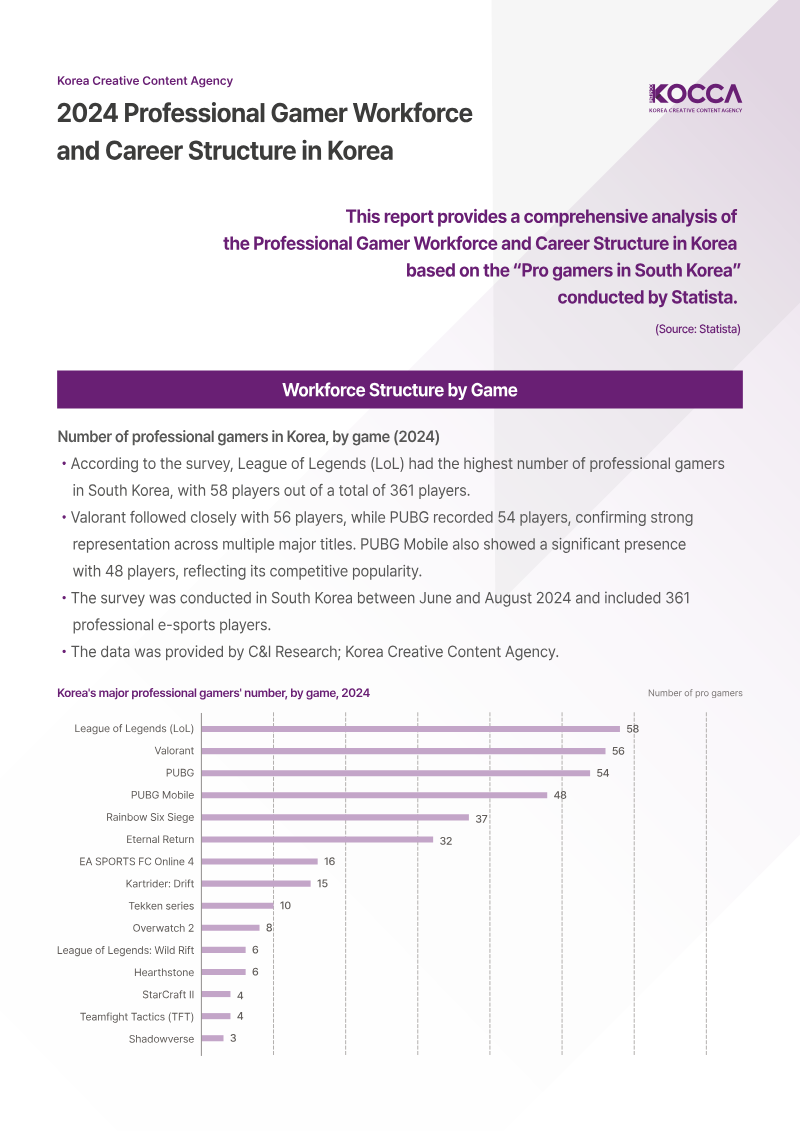
- South Korea’s professional e-sports workforce consists of 361 domestic players and 372 athletes competing in overseas leagues.
- League of Legends is the dominant title for Korean professionals, accounting for 58 domestic players and 169 athletes competing internationally.
- The professional player base is heavily concentrated in four domestic titles: League of Legends (58), Valorant (56), PUBG (54), and PUBG Mobile (48).


2024 Financial and Fan Support Structures in Korean eSports
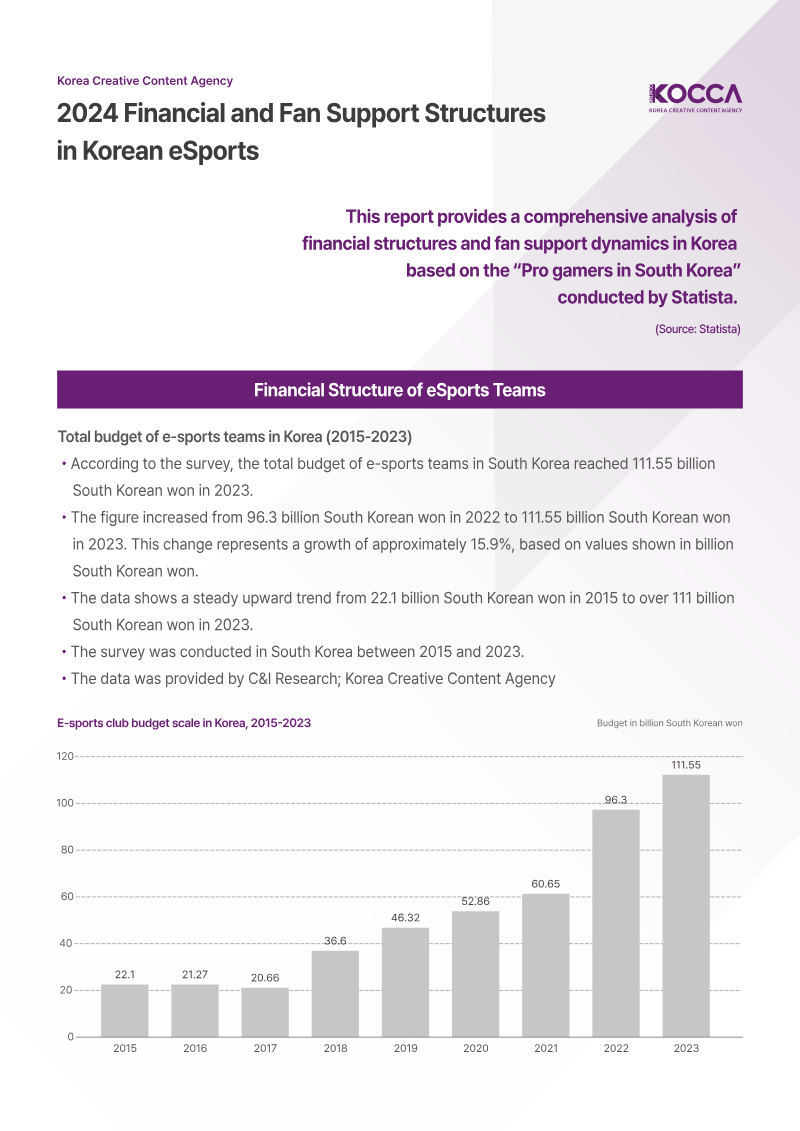
The analysis examines the financial scale of Korean e-sports organizations and the patterns of fan support, drawing on a longitudinal budget survey (2015-2023) and two 2024 public opinion polls conducted across South Korea.
- Korean e-sports team expenditures grew nearly five-fold between 2015 and 2023, rising from 22.1 billion won to 111.6 billion won.
- Market investment is accelerating, with total team spending increasing by 15.9% between 2022 and 2023 alone.
- Fan loyalty is highly concentrated, as T1 commands 78.2% of identified team supporters, while the runner-up Gen.G holds only 5.4%.
2024 E‑Sports Viewership and Engagement Trends in Korea
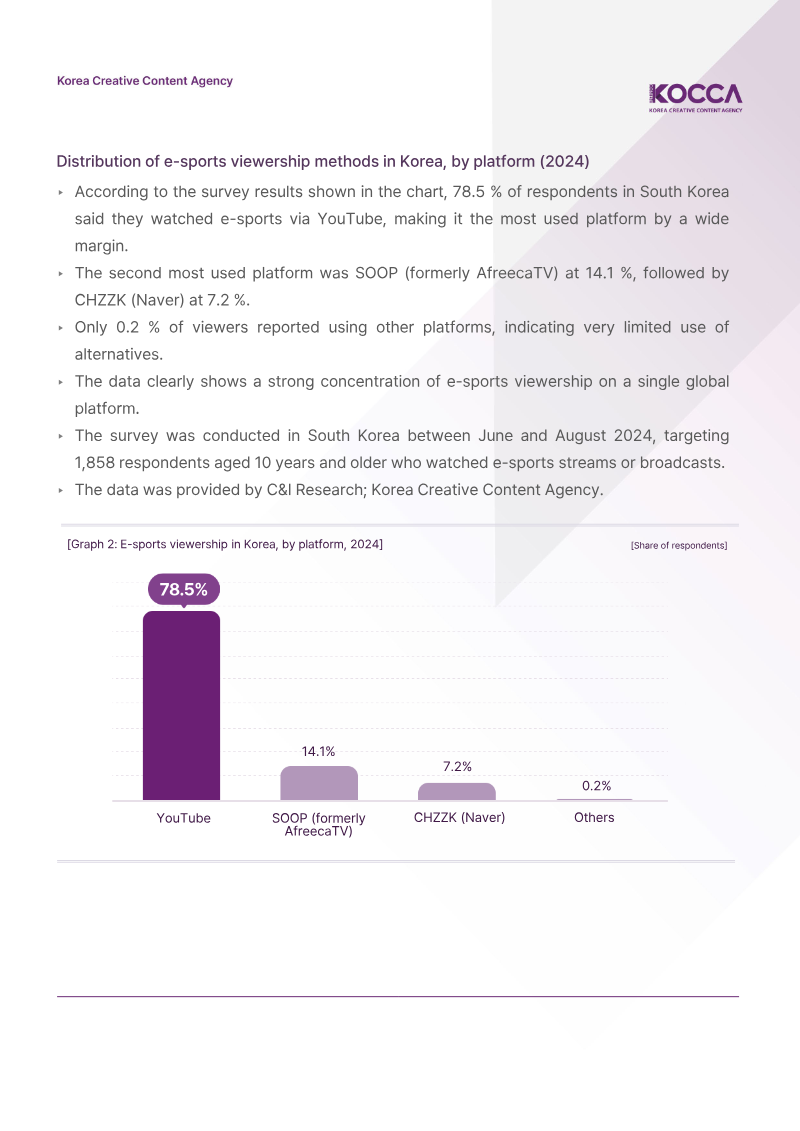
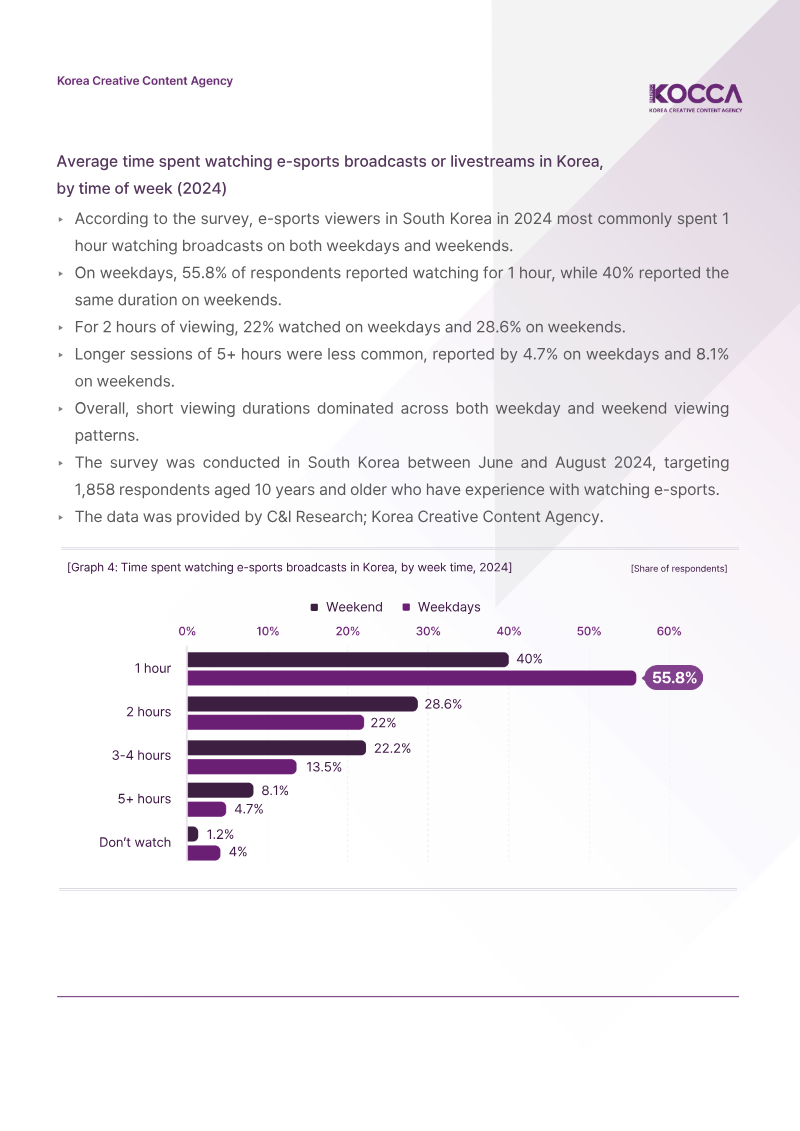
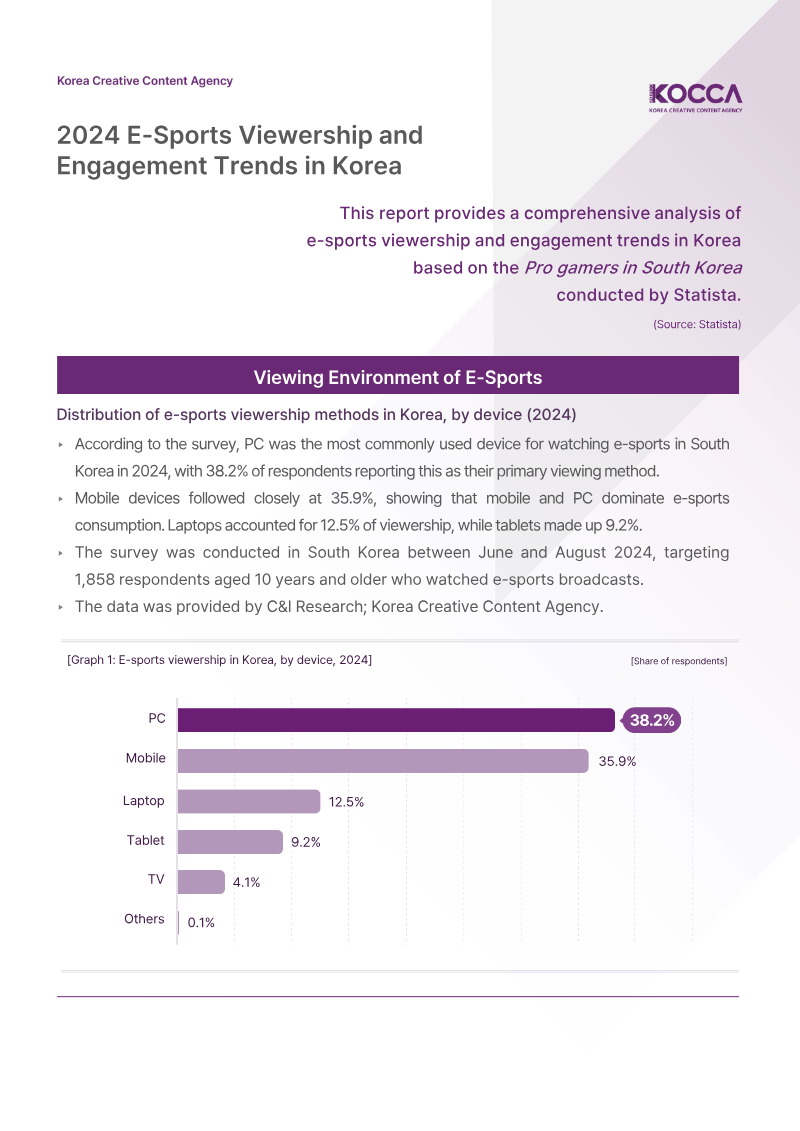
The analysis aims to map current e-sports viewership and engagement patterns among South Korean audiences, highlighting how consumption devices, platforms, and motivations shape the market and indicating the potential for offline event conversion.
- YouTube dominates the South Korean e-sports market with a 78.5% platform share, significantly outpacing competitors SOOP (14.1%) and CHZZK (7.2%).
- E-sports consumption is primarily mobile and desktop-driven, with PCs (38.2%) and mobile phones (35.9%) accounting for 74.1% of all viewing devices.
- Engagement is frequent and consistent, as 58.9% of viewers watch e-sports content at least once a week, with 20.4% watching 3–4 times weekly.
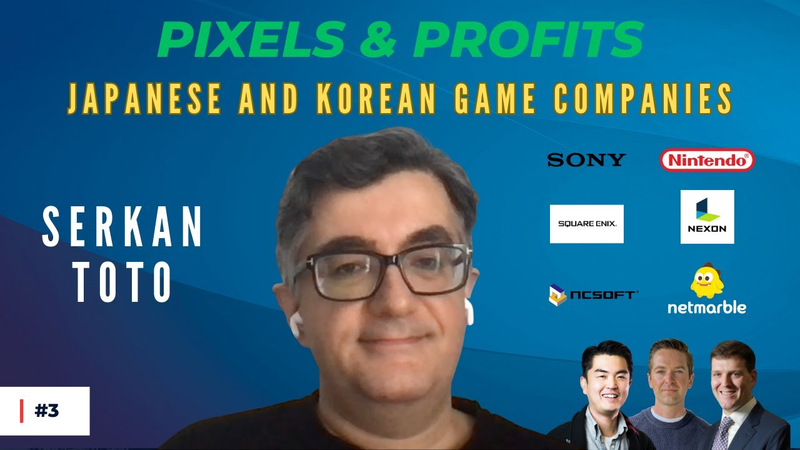
Serkan Toto on Top Japanese and Korean Video Game Companies | Pixels & Profits #3
The Japanese and Korean video game industries represent a complex landscape defined by distinct regional preferences and divergent strategic responses to global market trends.
- Sony has dominated the console market over Microsoft, evidenced by the PlayStation 4 generation selling over 120 million units compared to Microsoft's decision to stop reporting hardware sales in 2015.
- Nintendo remains committed to portable hardware because the brand is inextricably linked to the Pokemon franchise, which has been synonymous with handheld gaming since 1996.
- Square Enix underwent a leadership change following the controversial divestment of several studios to Embracer Group, a move criticized for its low valuation and rapid execution.
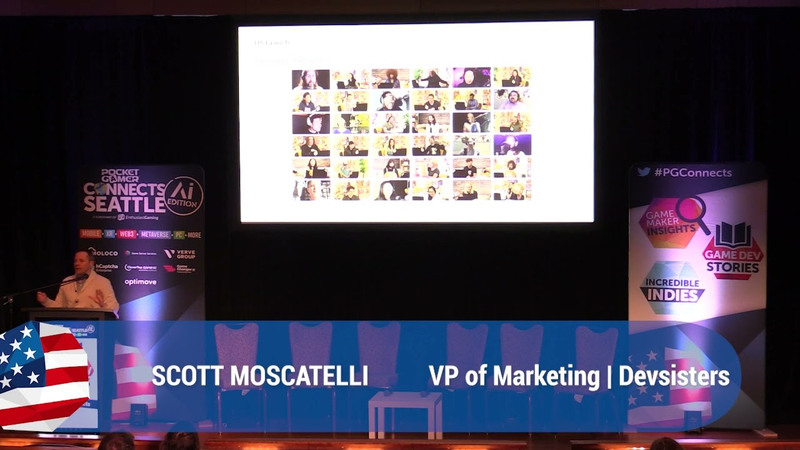
Session: 'Crossing the Pacific' Lessons Learned - Scott Moscatelli, Devsisters
The presentation examines the strategic challenges and successes associated with launching the mobile game Cookie Run: Kingdom in the United States, contrasting this effort with its initial release in the South Korean market.
- Launching a game in a new international market requires a shift from efficient user acquisition (UA) to brand-building when the IP lacks existing local awareness, as evidenced by the initial failure of UA-only campaigns for Cookie Run Kingdom in the US.
- Successful market entry depends on deep localization and community listening; Devsisters achieved this in the US by aligning their voiceover casting with Gen Z values regarding diversity, inclusion, and representation.
- Strategic partnerships with established brands, such as the collaboration with Sonic and Sega, can provide immediate legitimacy and signal strong investment to new audiences in competitive markets.
Mobile Games: State of the Market & Playtime Q3 2023
The global mobile gaming market faced a contraction in total installs during the third quarter of 2023, reflecting a broader cooling trend in user acquisition.
- iOS remains the dominant platform for mobile gaming revenue, accounting for 56.01% of the total global share compared to 43.99% for Android.
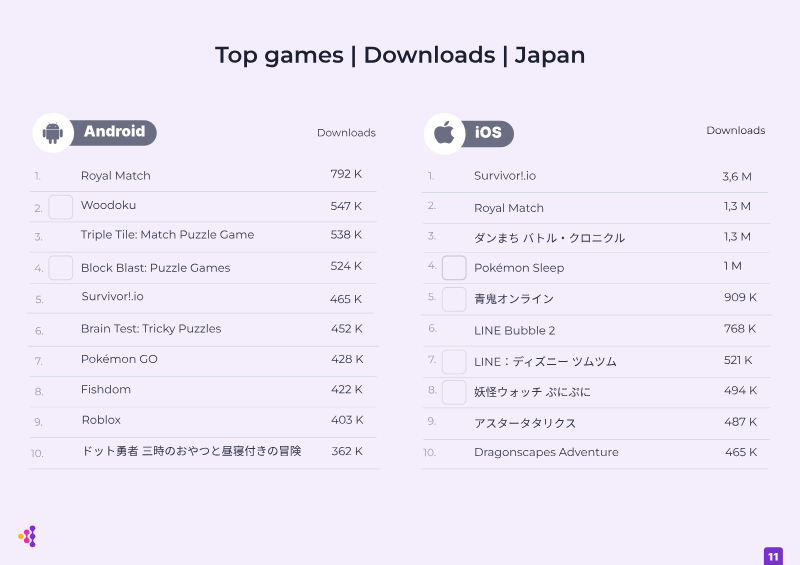
- The United States and Japan are the leading revenue generators among major markets, contributing $2.92 billion and $2.03 billion respectively, with the six analyzed countries accounting for 59% of global gaming revenue.
- South Korea experienced the highest growth in game installs at 32% compared to Q3 2022, while the United States and France saw declines of 5% and 0.7%, respectively.
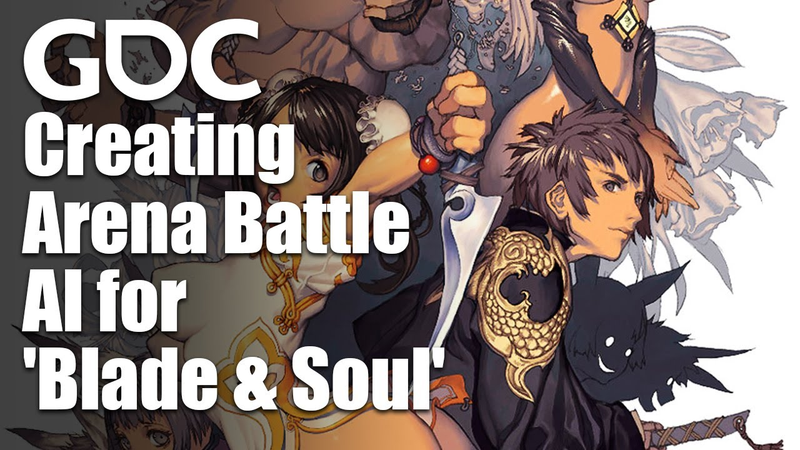
Reinforcement Learning in Action: Creating Arena Battle AI for 'Blade & Soul'
The development of professional-level artificial intelligence for the 1v1 arena battles in the MMORPG Blade & Soul demonstrates the successful application of reinforcement learning (RL) to complex, real-time fighting games.
- NCSOFT replaced traditional hand-written AI rules in 'Blade & Soul' with reinforcement learning (RL) to create pro-level agents capable of strategic, multi-stage combat sequences.
- To ensure robustness and generalization, the team implemented a 'self-play' method where agents were trained against a growing pool of diverse, previously trained sparring partners rather than a single fixed opponent.
- The AI was trained to exhibit specific fighting styles—such as aggressive or defensive—by adjusting reward signal weights, allowing the agents to prioritize either damage output or HP preservation without hard-coded logic.


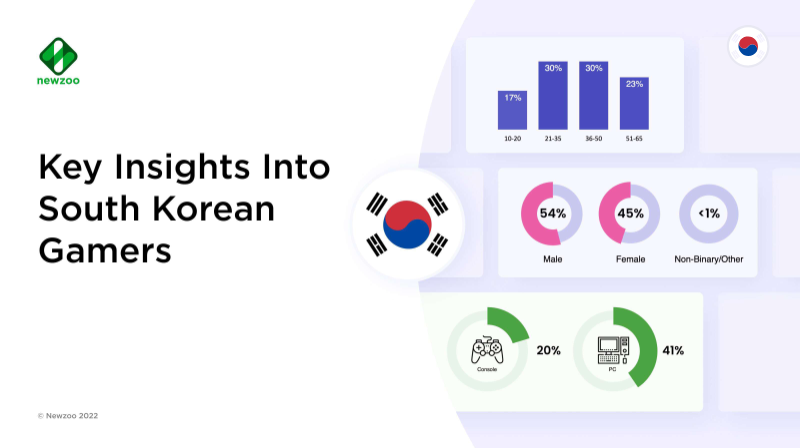
Key Insights Into South Korean Gamers
South Korea represents the fourth largest gaming market globally by revenue, valued at $8.3 billion, with a highly engaged population of 33 million gamers.
- South Korea is the world's fourth-largest gaming market, generating $8.3 billion in annual revenue from a highly engaged base of 33 million gamers.
- Gaming is a deeply integrated social activity, with 76% of the online population participating, 48% both playing and watching content, and 22% specifically following esports.
- Mobile is the primary platform for 59% of the online population, though PC gamers demonstrate higher engagement with an average of five hours of play per week.