1 free read left. Create a free account for unlimited reading + AI research.
Create free accountReport K-GAMES – Korea Association of Game Industry
1 free read left. Create a free account for unlimited reading + AI research.
Create free accountReportK-GAMES – Korea Association of Game Industry
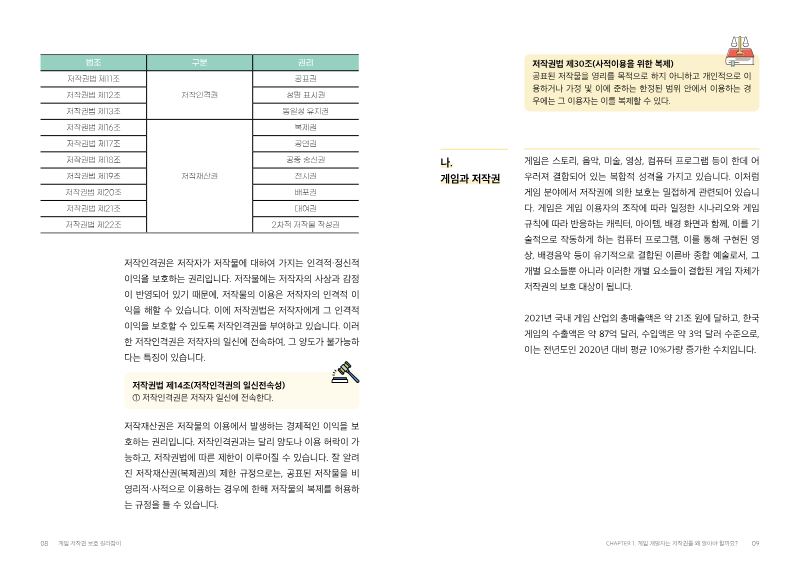
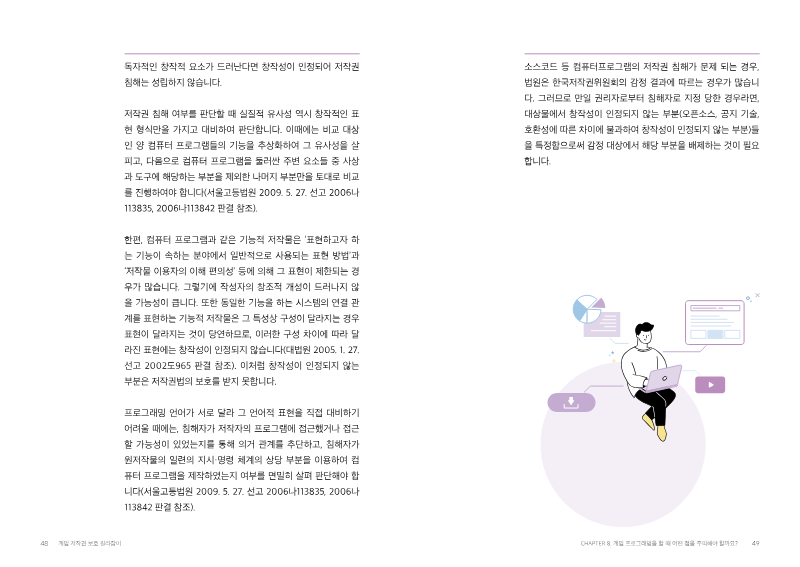
This protection does not extend to functional game mechanics, underlying ideas, or generic software elements. The focus is on the author's unique creative personality.
Think of it like protecting a specific painting, not the concept of painting itself or the brushes used.
The South Korean gaming industry requires a robust understanding of intellectual property law to mitigate rising copyright disputes and protect creative assets. The primary objective is to clarify the legal frameworks governing game development, specifically distinguishing between protectable creative expression and non-protectable ideas. By defining the scope of copyright for software, characters, and complex multimedia compositions, the guidance establishes that legal protection hinges on the presence of an author’s unique creative personality rather than mere functional similarity.
Central to these protections are the legal standards of access and substantial similarity, which courts utilize to determine copyright infringement. While copyright law safeguards original expressions, it does not extend to the underlying ideas or functional mechanics of a game. Furthermore, the emergence of generative artificial intelligence necessitates careful navigation of authorship, while the transfer of property rights does not automatically include the right to create derivative works. Developers must also remain vigilant regarding licensing agreements and Creative Commons protocols to avoid inadvertent infringement.
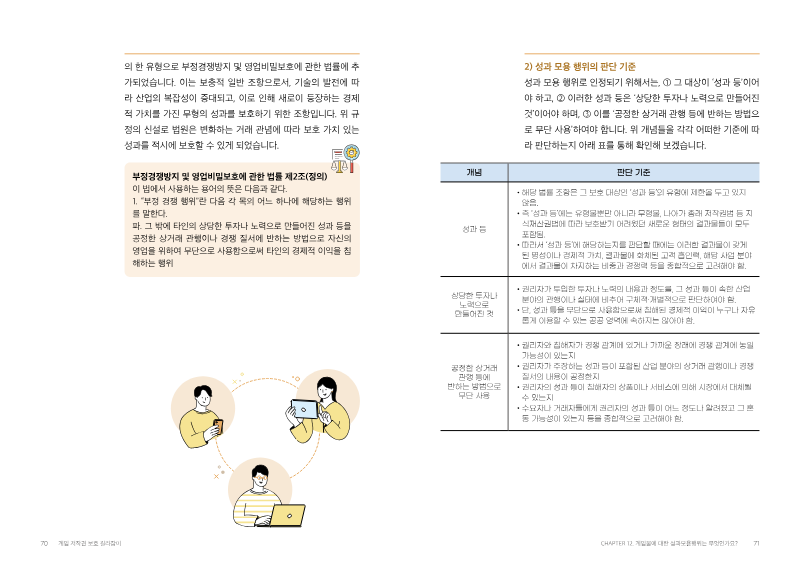
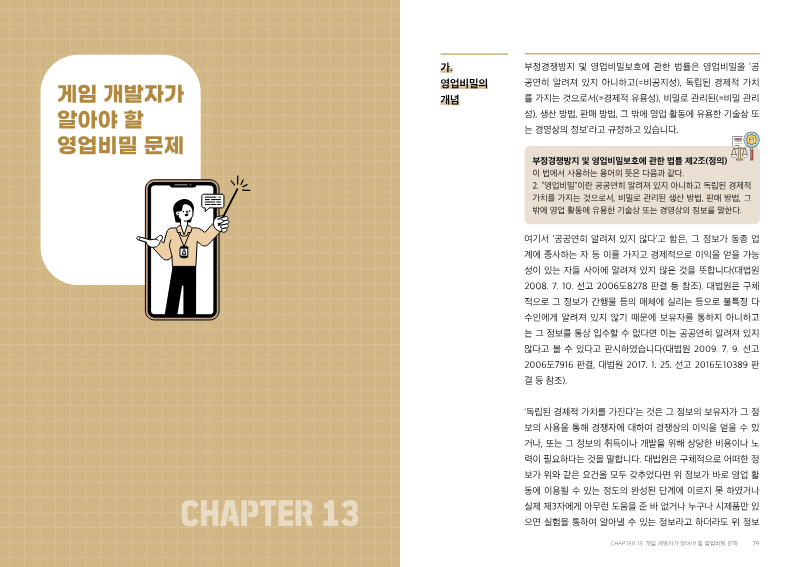
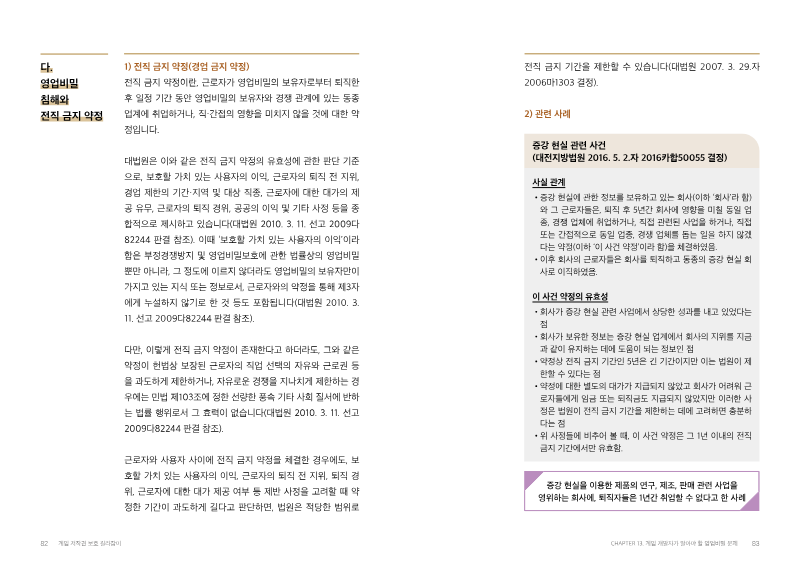
Beyond traditional copyright, the Unfair Competition Prevention and Trade Secret Protection Act serves as a critical secondary layer of defense for the industry. This legislation protects significant investments and efforts that may fall outside the strict scope of copyright, particularly regarding the misappropriation of ideas during business negotiations and the theft of trade secrets. To qualify for trade secret protection, information must maintain non-public status, economic utility, and active confidentiality measures. When addressing employee mobility, firms must balance the enforcement of non-compete agreements against the fundamental right to professional freedom, ensuring that legal strategies remain both enforceable and equitable within the competitive landscape of the South Korean market.
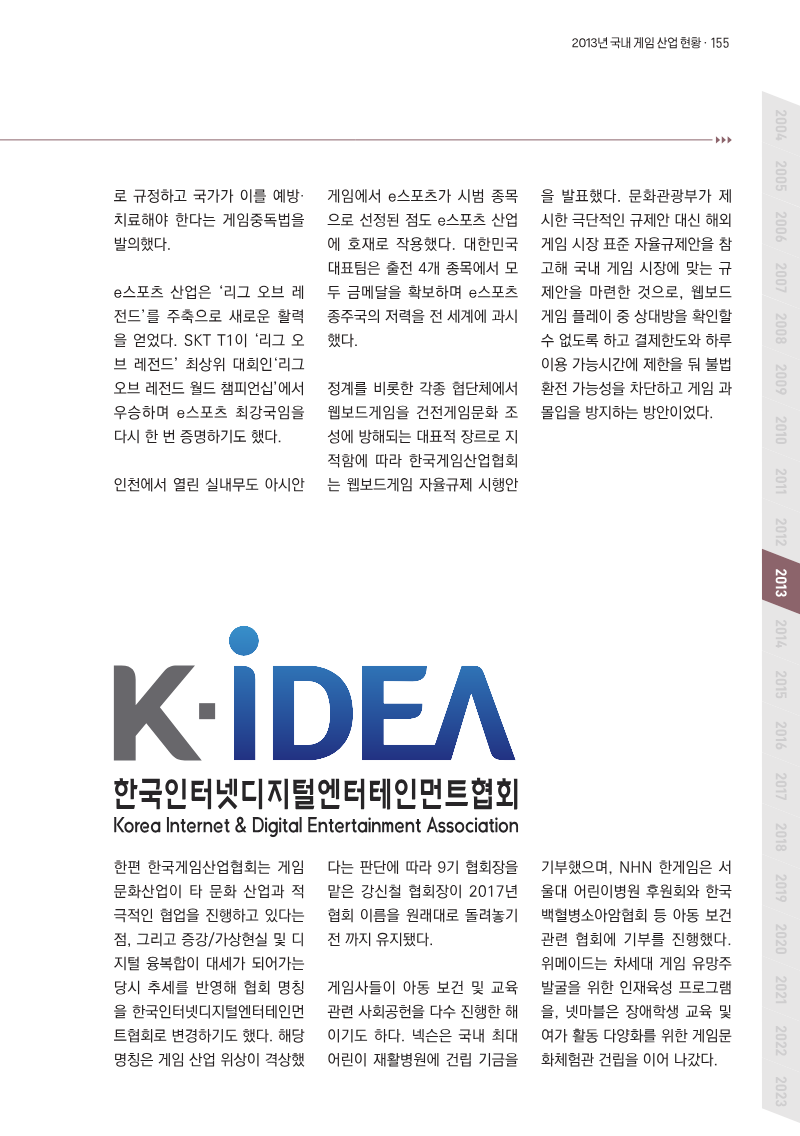
K-GAMES – Korea Association of Game Industry · 2025
Korea Creative Content Agency · 2025
K-GAMES – Korea Association of Game Industry · 2024
K-GAMES – Korea Association of Game Industry · 2024
Korea Creative Content Agency · 2024


K-GAMES – Korea Association of Game Industry · 2024
Korea Creative Content Agency · 2023
K-GAMES – Korea Association of Game Industry · 2022
Mobilegamer.biz · 2026